广告
加载中

全球跨境电商品牌出海大会暨跨境电商综试区钱塘推介会

亿邦动力 2022-11-16 17:12
亿邦动力 2022/11/16 17:12

邦小白快读

EN
全文速览

本次全球跨境电商品牌出海大会透露出跨境电商行业的核心趋势,分享了干货信息如下

1.行业整体发展情况:2021年中国进出口总额首破6万亿美元,跨境电商5年实现10倍增长,未来5-10年品牌出海是跨境电商的核心发展趋势,行业整体抗风险能力强,保持量稳质升

2.各区域发展成果:2022年前三季度浙江跨境电商进出口2529.5亿元,同比增长18.3%,出口规模占全国1/6,杭州综试区成立七年来跨境电商交易额增长857倍,增长势头强劲

3.实操方向参考:做跨境电商品牌要以产品品质为基础,贴合国际市场用户需求,未来行业朝着生态化、移动化、个性化、内容化、区域化发展,直播已经成为重要跨境营销方式,全国已成立跨境电商产业带直播联盟

本次大会明确品牌出海是未来跨境电商的核心发展方向,分享了品牌发展多维度干货,具体如下

1.行业趋势与营销渠道:未来跨境电商呈现生态化、移动化、个性化、内容化、区域化趋势,直播已向跨境产业带渗透,成为爆发性营销方式,品牌可加入全国跨境电商产业带直播联盟拓展新渠道

2.市场机会:大会拆解了北美、东南亚新兴市场的品牌出海新机遇,亚马逊、速卖通、Lazada等多个平台都推出了品牌出海招商扶持政策

3.发展要点提示:产品品质是品牌出海的基础,必须贴合国际市场用户需求,同时要重视品牌合规与维权,可借助专业支付、法律、平台服务商的一站式解决方案降低风险;浙江、杭州、钱塘都出台了专项扶持政策,有完善的海外仓配套,适合品牌落地发展

本次大会为跨境电商卖家梳理了最新政策、市场机会和发展方向,干货内容如下

1.政策利好梳理:浙江省将在主体培育、人才孵化、模式创新等方面加大支持力度,钱塘区发布“领飞”计划,设置跨境电商进口单量补贴,还优化了退货监管流程,建有总面积超10万平方米的海外仓,覆盖欧美、东南亚15个国家,配套完善

2.市场机会提示:未来5-10年品牌出海是核心增长趋势,北美、东南亚新兴市场都有新机会,直播向跨境产业带渗透,形成了新营销渠道,全国已成立跨境电商产业带直播联盟,可对接资源拓展销路

3.风险应对参考:卖家需要重视品牌合规和维权,可对接专业服务商解决支付、合规等问题,多个主流平台开放品牌招商,可对接平台获得流量、运营支持

本次大会为做跨境电商的制造工厂指明了转型方向和发展机会,核心干货如下

1.商业转型机会:当前跨境电商已经进入品牌出海新赛道,钱塘区推动跨境电商与区内优势制造业深度融合,出台了专项产业扶持政策,配套了海外仓、保税仓等资源,工厂可以落地钱塘转型做品牌出海

2.产品生产设计方向:品牌出海要以产品品质为核心竞争力,需要贴合国际市场用户的个性化需求,顺应行业个性化、内容化发展趋势,对接产业带直播资源打开销路

3.数字化转型启示:跨境电商需要推动产业链信息融合,实现智慧升级,钱塘区正在推进一盘库存卖全球等模式创新,工厂可跟进相关改革成果,布局数字化升级,提升运营效率,降低库存成本

本次大会明确了跨境电商行业发展趋势,梳理了出海企业的核心痛点,为服务商指明了发展方向,内容如下

1.行业发展趋势:未来5-10年跨境电商进入品牌出海新大航海时代,行业整体保持高速增长,越来越多的卖家从卖货转向做品牌,对支付、合规、营销、物流、人才孵化等专业服务的需求持续上涨

2.客户核心痛点:品牌出海卖家在品牌合规维权、全球支付结算、品牌营销获客、稳定供应链、专业人才培养等方面存在大量未满足的需求,需要一站式、针对性的解决方案

3.自身发展机会:钱塘区目前已有690家跨境电商市场主体,还有大量制造企业等待转型,全国成立了跨境电商产业带直播联盟,服务商可对接钱塘及各城市产业带资源,围绕品牌出海需求开发适配的服务产品,拓展客户群体

本次大会梳理了品牌出海趋势下商家对平台的需求,分享了行业最新动向,核心干货如下

1.商家核心需求:大量中国产能都有品牌出海需求,商家需要平台提供本地化运营赋能、品牌保护、政策扶持、流量倾斜等支持,同时需要配套合规、支付等相关服务,降低出海门槛

2.行业最新做法:多个主流平台已经布局品牌出海,亚马逊推出品牌保护与成长支持,Lazada开放东南亚市场品牌招商,全球速卖通发布了杭州区域品牌招商政策,吸引中国品牌入驻

3.运营优化方向:平台可对接国内各城市跨境产业带资源,加入全国跨境电商产业带直播联盟,拓展优质商家来源,同时要完善品牌保护、合规服务,适配直播带货等新营销模式,还可以落地钱塘等营商环境优异的区域,获得地方政府的政策支持

本次大会发布了跨境电商行业最新发展成果,透露出产业新动向,为相关研究提供了丰富资料,核心内容如下

1.产业整体新动向:中国跨境电商5年实现10倍增长,已经步入品牌出海的新大航海时代,未来5-10年品牌出海将是行业核心发展方向,整体呈现生态化、移动化、个性化、内容化、区域化的发展特征

2.制度创新成果:浙江率先实现跨境电商综试区全覆盖,出台省级自主品牌培育政策,杭州综试区的六体系两平台模式已经向全国复制推广;钱塘区推出进口超期退货上链赋码、领飞补贴计划、全球中心仓等多项首创性制度创新,为行业制度研究提供了新样本

3.新商业模式总结:直播开始向跨境电商产业带渗透,全国成立跨境电商产业带直播联盟,产业带+直播+跨境出海的新模式已经成型,政产学研媒合作共建品牌出海生态的模式也落地运行,为商业模式研究提供了新案例

返回默认
声明:快读内容全程由AI生成,请注意甄别信息。如您发现问题,请发送邮件至 run@ebrun.com 。

我是 品牌商 卖家 工厂 服务商 平台商 研究者 帮我再读一遍。

Quick Summary

The Global Cross-Border E-Commerce Brand Globalization Conference outlined the core trends of China's cross-border e-commerce industry, and shared key takeaways as follows:

1. Overall industry development: In 2021, China's total import and export volume exceeded $6 trillion for the first time. China's cross-border e-commerce market has grown 10-fold over the past five years, and brand globalization will be the core growth trend for the industry over the next 5 to 10 years. The industry as a whole boasts strong anti-risk capability and maintains stable growth with improving quality.

2. Regional growth results: In the first three quarters of 2022, cross-border e-commerce import and export volume in Zhejiang reached 252.95 billion yuan, up 18.3% year-on-year, accounting for one-sixth of China's total cross-border e-commerce export volume. Since the Hangzhou Comprehensive Pilot Zone for Cross-Border E-Commerce was established seven years ago, its cross-border e-commerce transaction volume has grown 857 times, showing strong growth momentum.

3. Practical guidance: Building a cross-border e-commerce brand must be rooted in product quality that aligns with the needs of international consumers. The industry is moving toward ecology-driven, mobile-first, personalized, content-focused and regionally adapted development. Livestreaming has emerged as a major cross-border marketing channel, and a national cross-border e-commerce industrial belt livestreaming alliance has been established.

The conference confirmed that brand globalization is the core development direction of cross-border e-commerce going forward, and shared multi-dimensional insights for brand growth as follows:

1. Industry trends and marketing channels: The cross-border e-commerce industry is evolving toward ecology-driven, mobile-first, personalized, content-focused and regionally adapted development. Livestreaming has penetrated into cross-border industrial belts and become a high-growth marketing channel. Brands can join the national cross-border e-commerce industrial belt livestreaming alliance to expand new channels.

2. Market opportunities: The conference broke down new brand globalization opportunities in emerging markets of North America and Southeast Asia. Major platforms including Amazon, AliExpress and Lazada have all launched new merchant support policies for brands going global.

3. Key success factors: Product quality is the foundation of successful brand globalization, and offerings must align with the needs of international consumers. Brands must also prioritize compliance and intellectual property rights protection, and can leverage one-stop solutions from professional payment, legal and platform service providers to reduce risks. Zhejiang, Hangzhou and Qiantang District have introduced targeted support policies and well-developed overseas warehouse infrastructure, making them ideal locations for brands to establish their global operations.

The conference organized the latest policies, market opportunities and development directions for cross-border e-commerce sellers, with key takeaways as follows:

1. Policy incentives: Zhejiang will scale up support for merchant cultivation, talent development and business model innovation. Qiantang District has launched the "Leading Flyer" program, which includes subsidies for cross-border e-commerce import volume, optimized returned goods regulatory processes, and over 100,000 square meters of overseas warehouses covering 15 countries across North America, Europe and Southeast Asia, with complete supporting infrastructure.

2. Market opportunities: Brand globalization will be the core growth trend for the industry over the next 5 to 10 years, with untapped opportunities in emerging markets of North America and Southeast Asia. Livestreaming penetration into cross-border industrial belts has created a new marketing channel, and the national cross-border e-commerce industrial belt livestreaming alliance has been established to help sellers connect with resources and expand sales channels.

3. Risk mitigation: Sellers must prioritize brand compliance and intellectual property rights protection, and can partner with professional service providers to address payment, compliance and other operational needs. Most major platforms have opened brand-focused recruitment programs, where sellers can access traffic and operational support.

The conference clarified transformation directions and development opportunities for manufacturing factories entering cross-border e-commerce, with core insights as follows:

1. Business transformation opportunities: Cross-border e-commerce has entered a new era centered on brand globalization. Qiantang District promotes deep integration between cross-border e-commerce and local competitive manufacturing industries, has introduced targeted industrial support policies, and provides supporting resources including overseas warehouses and bonded warehouses. Factories can base their operations in Qiantang to transform into global brands.

2. Product design direction: Product quality is the core competitive advantage for brands going global. Products need to cater to the personalized needs of international consumers, align with the industry's trend toward personalization and content orientation, and leverage industrial belt livestreaming resources to expand sales.

3. Digital transformation insights: Cross-border e-commerce requires information integration across the industrial chain to achieve intelligent upgrading. Qiantang District is piloting innovative models such as "single inventory pool for global sales". Factories can adopt these new innovations to pursue digital upgrading, improve operational efficiency and reduce inventory costs.

The conference outlined cross-border e-commerce industry trends, identified core pain points for brands going global, and clarified development directions for service providers, with key insights as follows:

1. Industry trends: Over the next 5 to 10 years, cross-border e-commerce will enter a new "age of exploration" for brand globalization, and the industry will maintain rapid growth. A growing number of sellers are shifting from pure commodity sales to brand building, driving sustained growth in demand for professional services including payment, compliance, marketing, logistics and talent development.

2. Core customer pain points: Brands going global still have a large number of unmet needs in areas including brand compliance and intellectual property rights protection, global payment settlement, brand marketing and customer acquisition, stable supply chains, and professional talent development, requiring one-stop, customized solutions.

3. Growth opportunities: Qiantang District is currently home to 690 cross-border e-commerce market entities, with a large number of manufacturing enterprises waiting to transform. The national cross-border e-commerce industrial belt livestreaming alliance has been established, so service providers can connect with industrial belt resources in Qiantang and other cities, develop tailored service products addressing brand globalization needs, and expand their customer base.

The conference organized merchant demand for platforms amid the brand globalization trend, and shared the latest industry developments, with core insights as follows:

1. Core merchant demand: A large volume of Chinese manufacturing capacity has demand for brand globalization. Merchants need platforms to provide localized operational enablement, brand protection, policy support and preferential traffic allocation, along with supporting services for compliance, payment and other needs to lower the barrier to going global.

2. Latest industry initiatives: Multiple major platforms have already laid out strategies for brand globalization. Amazon has launched brand protection and growth support; Lazada has opened brand recruitment for the Southeast Asian market; and AliExpress has released a regional brand recruitment policy for Hangzhou to attract Chinese brands to join their platforms.

3. Operational optimization directions: Platforms can partner with cross-border industrial belt resources across Chinese cities, join the national cross-border e-commerce industrial belt livestreaming alliance to expand the pipeline of high-quality merchants, improve brand protection and compliance services to adapt to new marketing models such as livestream e-commerce, and locate operations in business-friendly regions such as Qiantang District to access policy support from local governments.

The conference released the latest development outcomes of China's cross-border e-commerce industry, revealed new industrial trends, and provided rich materials for relevant research, with core content as follows:

1. New overall industrial trends: China's cross-border e-commerce market has grown 10-fold over the past five years, and has entered a new "age of exploration" for brand globalization. Brand globalization will be the core development direction of the industry over the next 5 to 10 years, with the sector overall featuring ecology-driven, mobile-first, personalized, content-focused and regionally adapted development.

2. Institutional innovation outcomes: Zhejiang was the first province to achieve full coverage of cross-border e-commerce comprehensive pilot zones, and has introduced a provincial-level independent brand cultivation policy. The "six systems, two platforms" model of the Hangzhou Comprehensive Pilot Zone has been replicated nationwide. Qiantang District has launched a number of first-of-their-kind institutional innovations including blockchain-based code tracking for over due cross-border imports returns, the "Leading Flyer" subsidy program, and global central warehouses, providing new samples for industry institutional research.

3. New business model summaries: Livestreaming has started to penetrate into cross-border e-commerce industrial belts, and the national cross-border e-commerce industrial belt livestreaming alliance has been established. A new "industrial belt + livestreaming + cross-border globalization" model has taken shape, and a collaborative brand globalization ecosystem built by government, industry, academia, research and media has also been launched, providing new cases for business model research.

Disclaimer: The "Quick Summary" content is entirely generated by AI. Please exercise discretion when interpreting the information. For issues or corrections, please email run@ebrun.com .

I am a Brand Seller Factory Service Provider Marketplace Seller Researcher Read it again.

2021年,中国进出口总额首破6万亿美元,跨境电商5年实现10倍增长,大盘抗住全球经济不确定性,持续保持量稳质升。展望2023年及未来十年,中国跨境电商正步入品牌出海的“新大航海时代”。

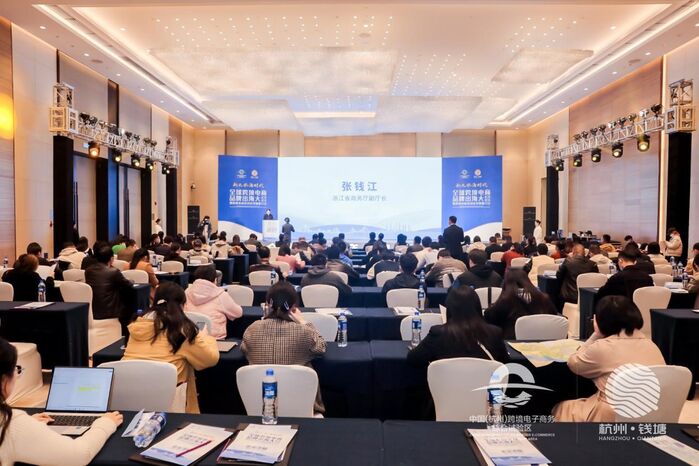
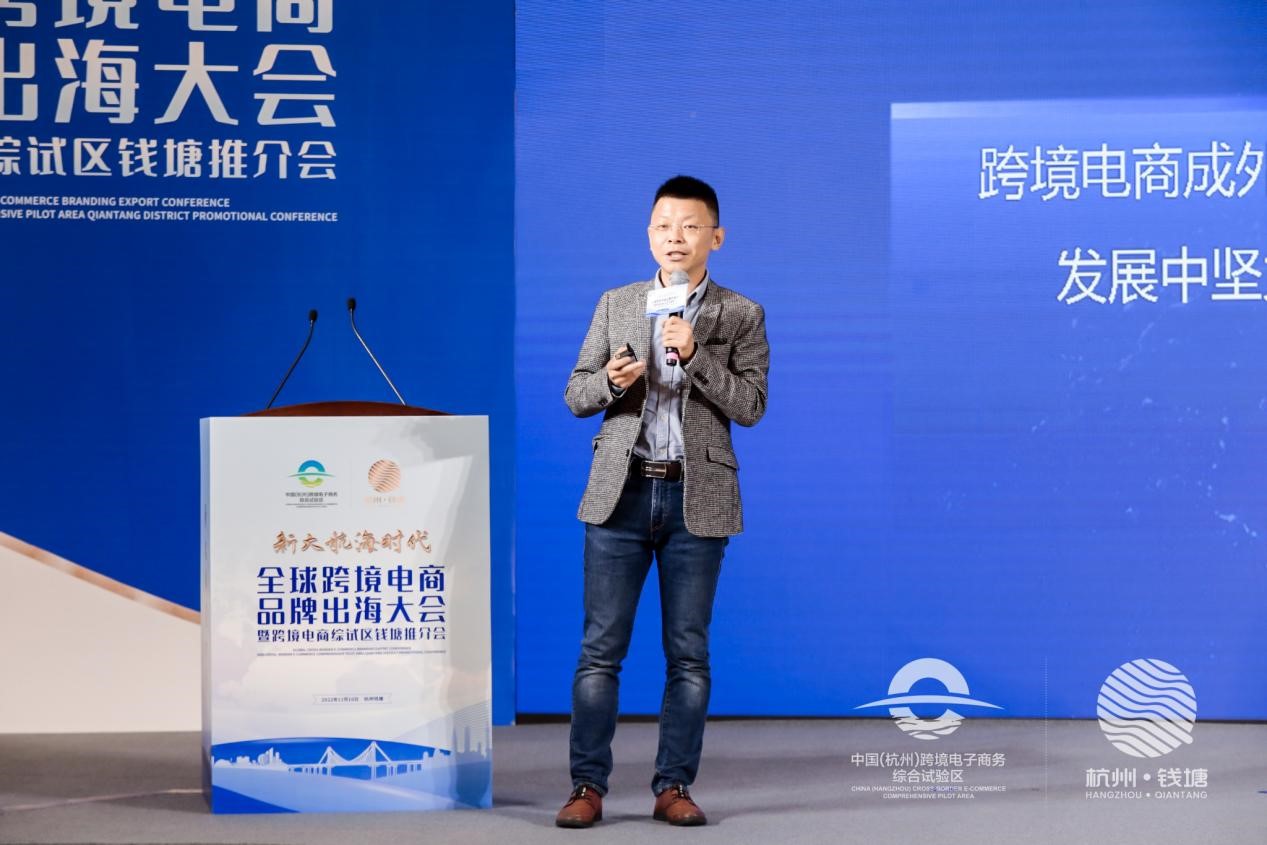
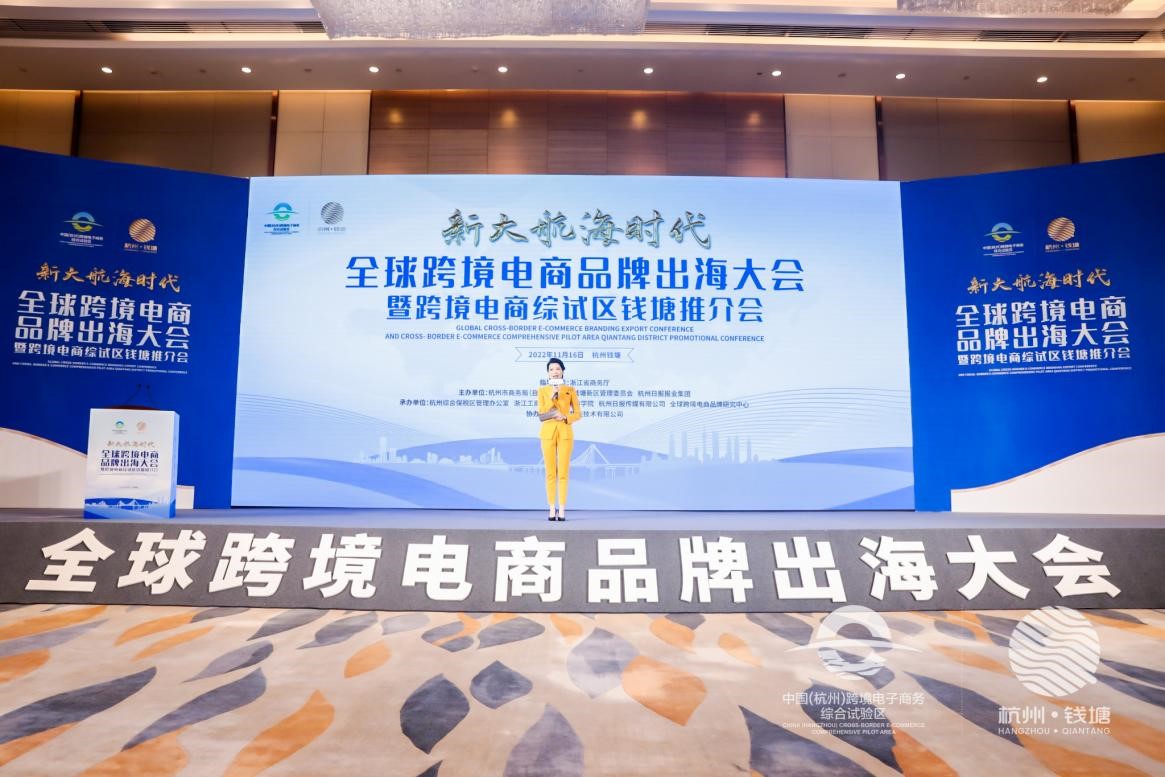
临沧海以观潮来,明趋势而见大局。2022年11月16日,“新大航海时代”全球跨境电商品牌出海大会暨钱塘区跨境电商专题推介会于杭州龙湖皇冠假日酒店举行。大会由浙江省商务厅指导,杭州市商务局(自贸委)、杭州钱塘新区管理委员会、杭州日报报业集团主办,杭州综合保税区管理办公室、浙江工商大学跨境电商学院、杭州日报传媒有限公司、全球跨境电商品牌研究中心承办。

以“新大航海时代”为主题,大会集聚政、企、媒、智精英,搭建跨境电商品牌出海交流新平台,解读数字化出海新趋势,交流跨境电商品牌出海最佳实践案例,发布全国跨境电商品牌出海生态报告,发起设立全国跨境电商产业带直播联盟,发布钱塘跨境电商品牌出海标杆企业、潜力企业和“钱塘跨境?这些年”,专题推介钱塘区跨境电商发展政策和资源平台。

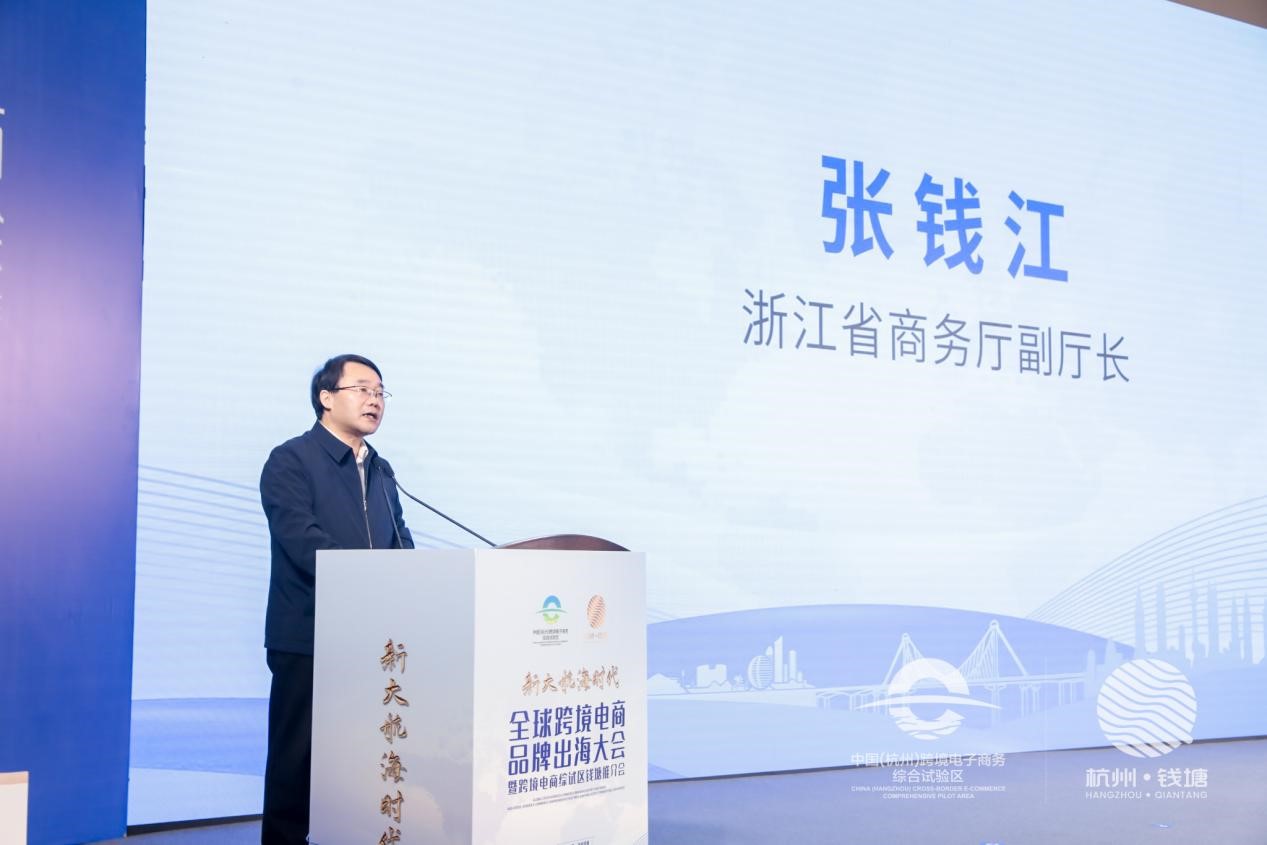
浙江省商务厅副厅长张钱江为本次活动致辞,张钱江表示:浙江率先实现了跨境电商综试区的全水平覆盖,出台了省级跨境电商自主品牌的培育政策,首批89个企业品牌入选;评选了39个省级的跨境电商产业园,跨境电商已成为外贸稳进提质的重要方向。2022年前三季度全省跨境电商进出口总额2529.5亿元,同比增长了18.3%,其中跨境电商的出口达到1812亿元,规模占到全国的1/6。结合杭州的实际,浙江省商务厅将在跨境电商主体培育、人才的孵化、模式的创新、配套的支撑等方面加大工作支持力度,助力跨境电商再上新台阶。

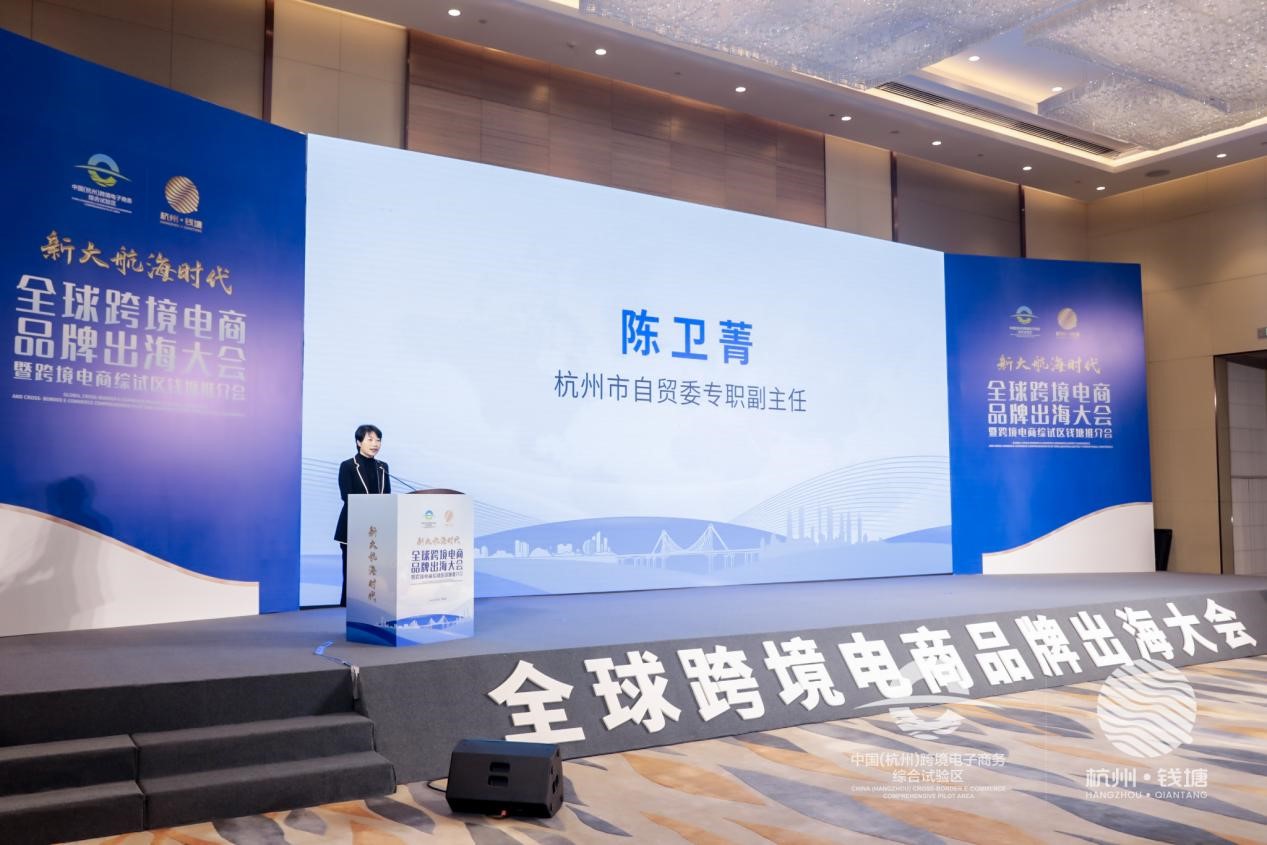
杭州市自贸委专职副主任陈卫菁发表致辞。陈卫菁表示:杭州跨境电商综试区作为全国132个跨境电商综试区唯一代表亮相第五届进博会国家馆,今年双11期间,杭州跨境电商大卖子不语成为“中国跨境鞋服第一股”正式港交所上市,为跨境电商业界提振信心。杭州综试区建立起跨境电商“六体系两平台”模式并多次向全国复制推广,杭州跨境电商线下产业园区全域覆盖,线上综合服务平台功能应用最全。成立七年来,杭州跨境电商交易额增长了857倍,跨境电商卖家数增长了520倍。

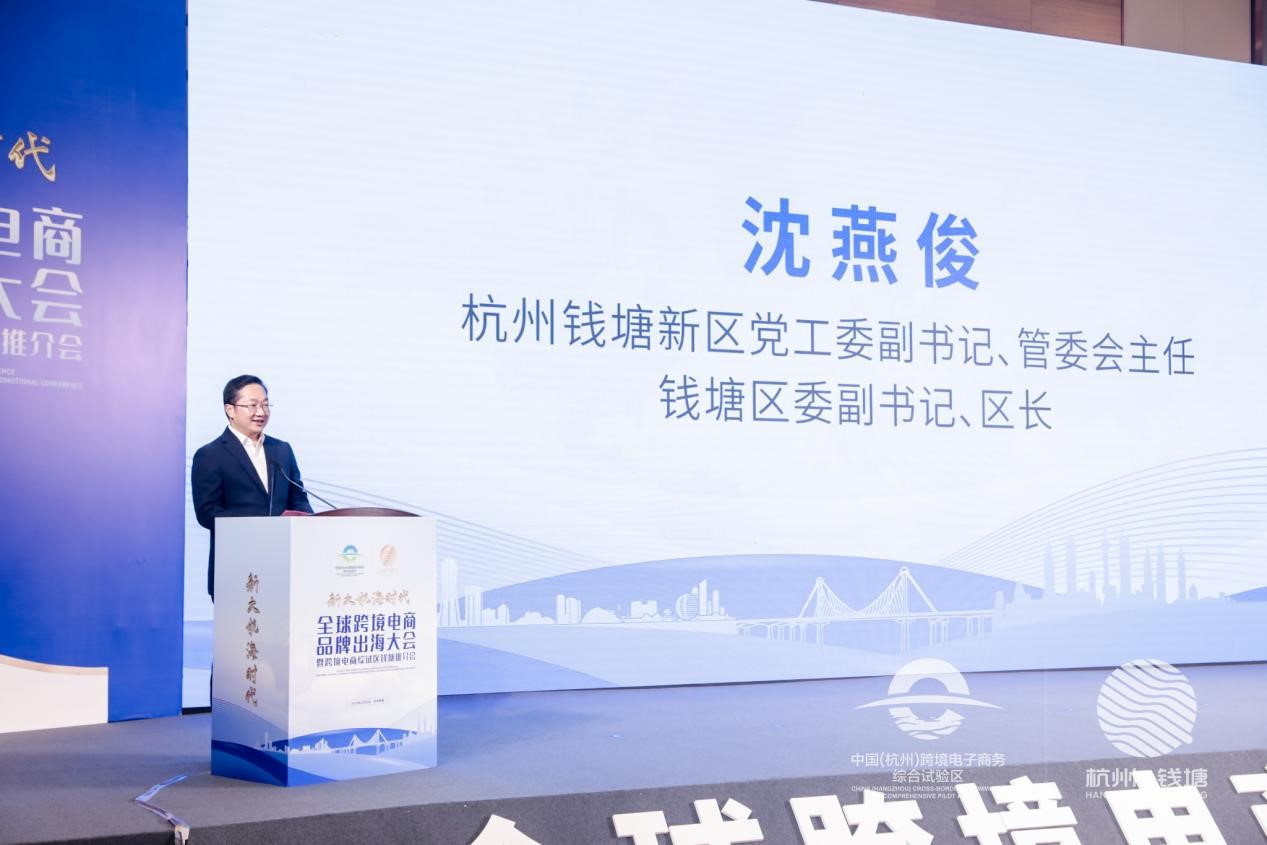
钱塘区是杭州跨境电商综试区先行先试的重要承载地,杭州钱塘新区管委会主任、钱塘区区长沈燕俊表示:依托全国起步最早,单量最大、品类最全、生态最优的跨境电商产业园,钱塘区制定出台专项产业扶持政策,推动跨境电商与区内优势制造业深度融合,搭建覆盖欧美、东南亚15个国家的海外仓,总面积超过了10万平方米,取得了跨境电商全球中心仓、全球退换货中心、跨境报税仓直播总部基地,国际区域合作试点等一批制度性的新成果。下一步钱塘区将加快推进OTC、药械进口试点,一盘库存卖全球等重点领域的改革创新,欢迎更多的优秀企业投资扎根钱塘。

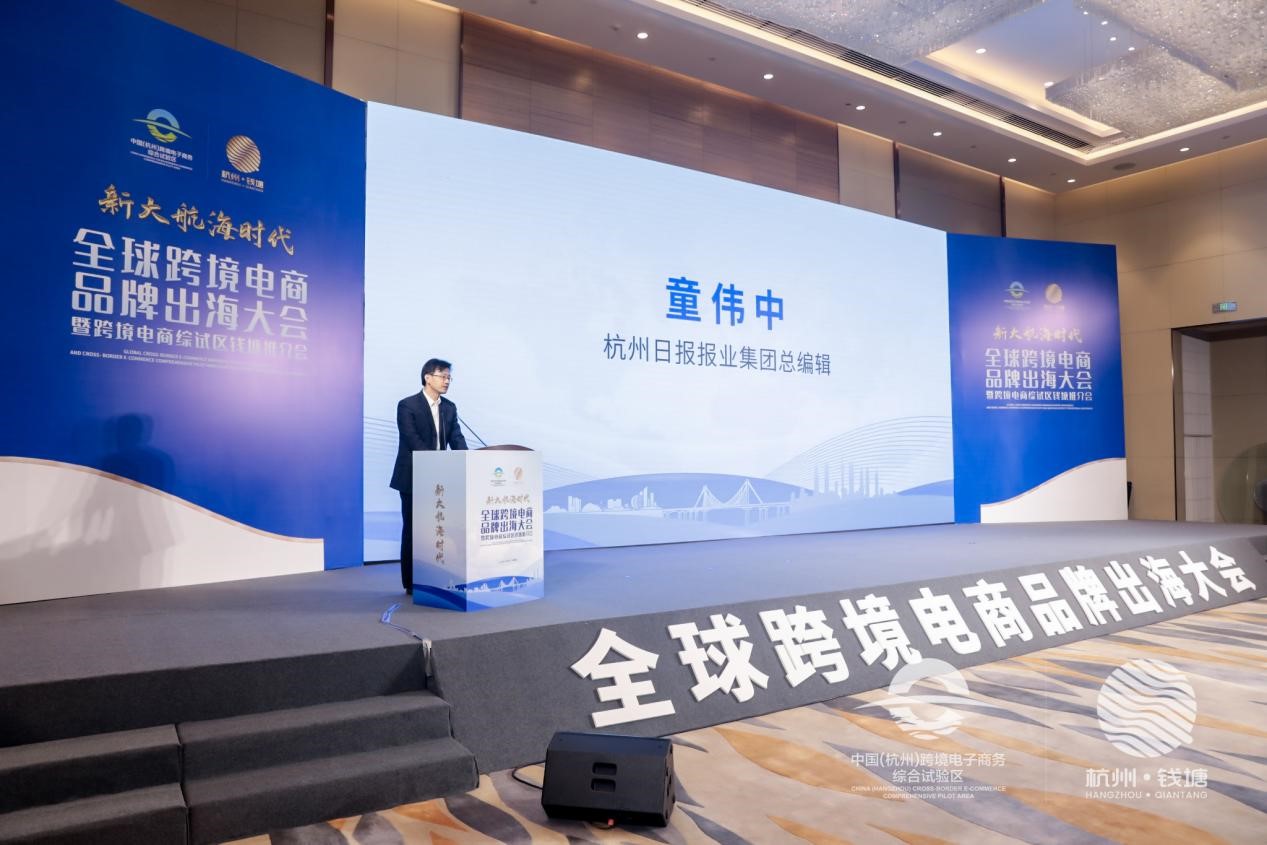
近年来,杭州日报持续关注杭州跨境电商综试区的建设和发展,发挥媒体优势,与浙江工商大学跨境电商学院共同建设全球跨境电商品牌研究中心。杭州日报报业集团总编辑童伟中在大会上表示,杭州日报早在综试区设立之初就选派业务骨干进驻中国杭州跨境电商综试区,开展跨境电商宣传推广项目对接和理论研究等。7年多来,杭州日报发挥媒体优势,形成具有前瞻性、指导性、操作性的研究成果。共建的全球跨境电商品牌研究中心出刊《跨境电商评论》杂志,着力打造跨境电商经验交流的新平台,为推动杭州跨境电商和数字经济发展贡献党媒力量。

“品牌出海时代”专家支招 “跨境营商环境”钱塘在场

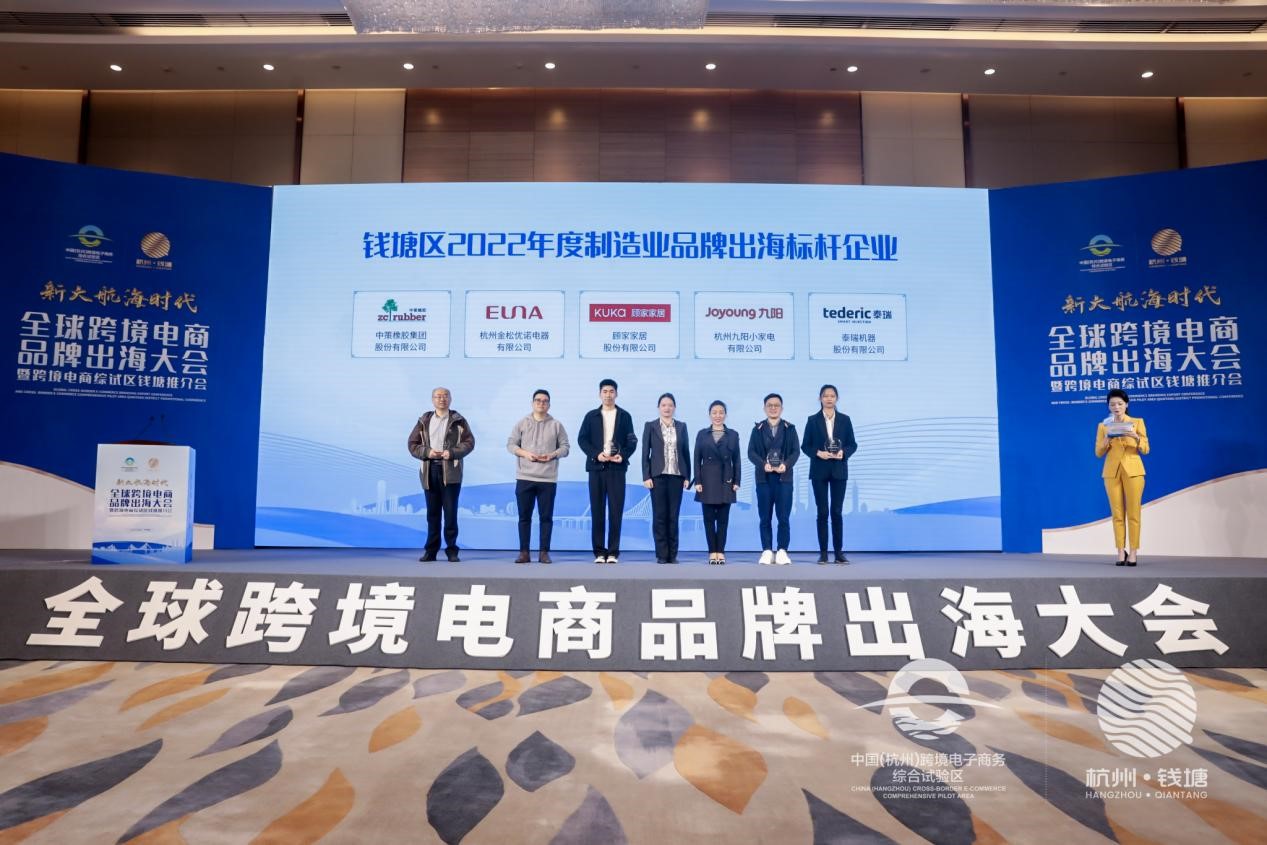
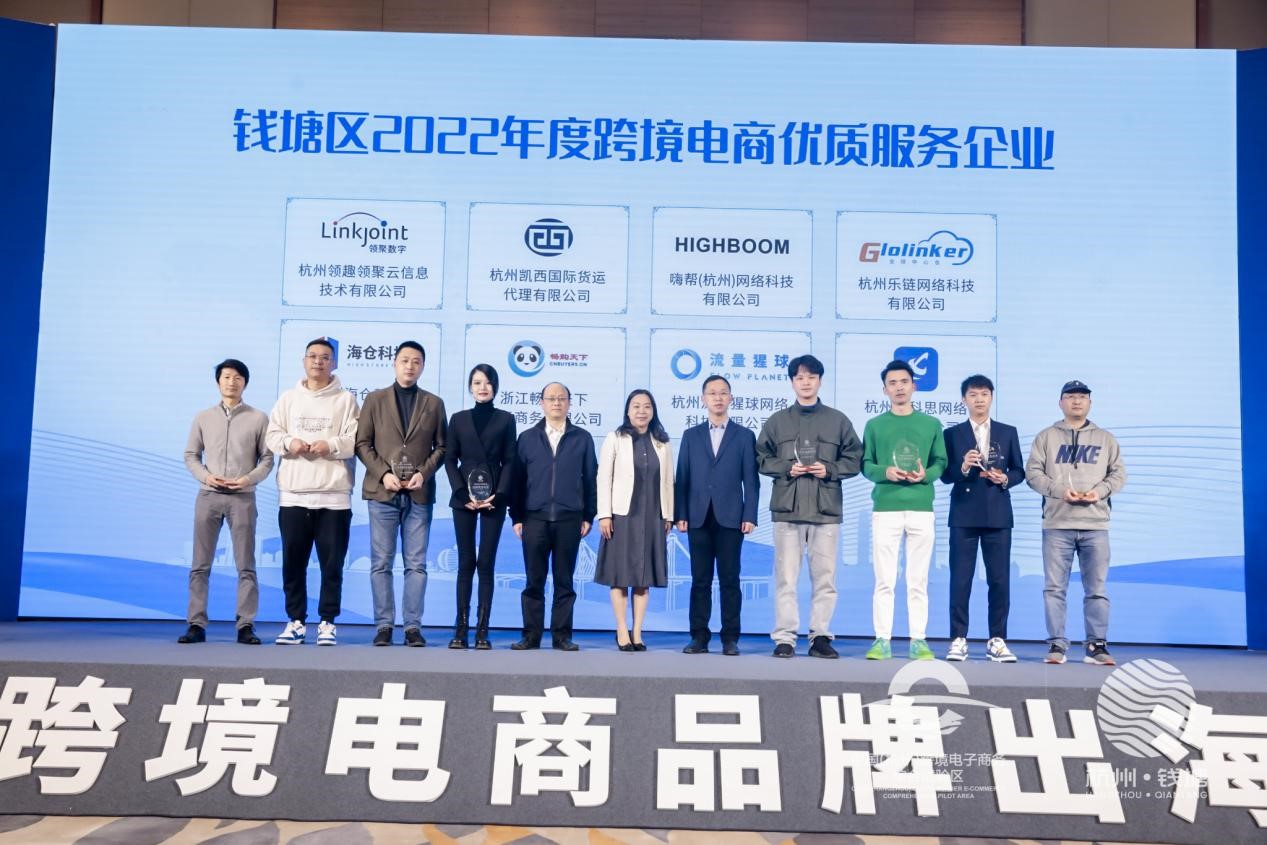
钱塘区跨境电商在全国起步最早、品类最全、创新最强、生态最优,一项项首创性的跨境电商改革探索源于钱塘、引领杭州、推向全国。大会发布“‘光荣与梦想’钱塘跨境 ? 这些年”宣传片,表彰“钱塘区2022年度制造业品牌出海标杆企业”、“钱塘区2022年度跨境电商进口标杆企业”、“钱塘区2022年度跨境电商潜力企业”、“钱塘区2022年度跨境电商优质服务企业”、“钱塘区跨境电商孵化基地”、“钱塘区跨境电商人才培育基地”及“钱塘区跨境金融优质合作单位”。

直播已经成为重要的营销方式,呈现出极强的爆发性,并逐渐向跨境电商产业带渗透,促进数字经济和实体经济的深度融合。大会发起设立全国跨境电商产业带直播联盟,首批加入直播联盟的城市跨境电商产业带有杭州服装服饰、合肥汽配、湖州椅业、连云港水晶、德宏翡翠、柳州螺蛳粉六个城市产业带。

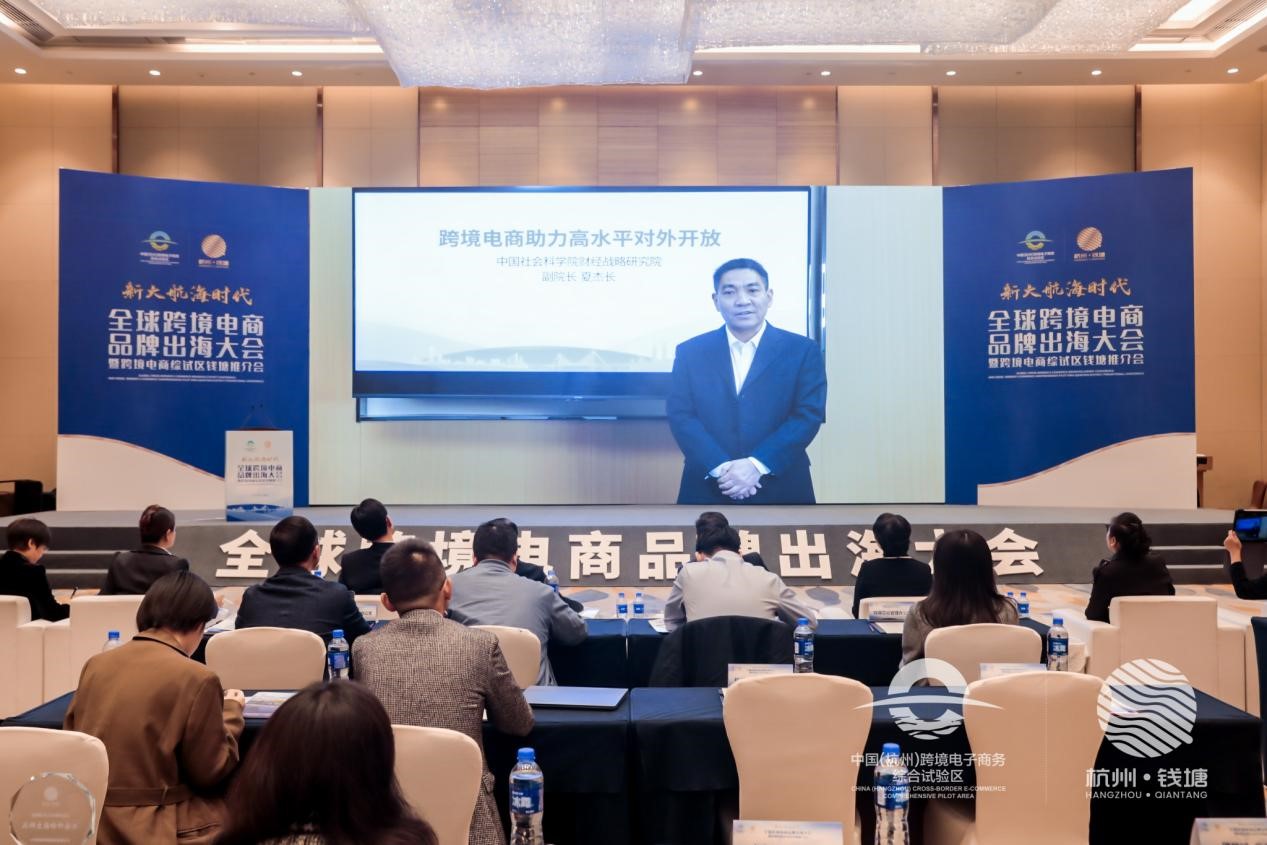
中国社会科学院财经战略研究院副院长夏杰长带来题为“跨境电商助力高水平对外开放”的视频演讲。夏杰长认为跨境电商是兼具内外开放的途径,正成为“双循环”发展新格局的战略节点,发展跨境电商应加强基础设施配套建设,整合跨境电商平台产业链服务资源,推动跨境电商产业链信息融合智慧升级。

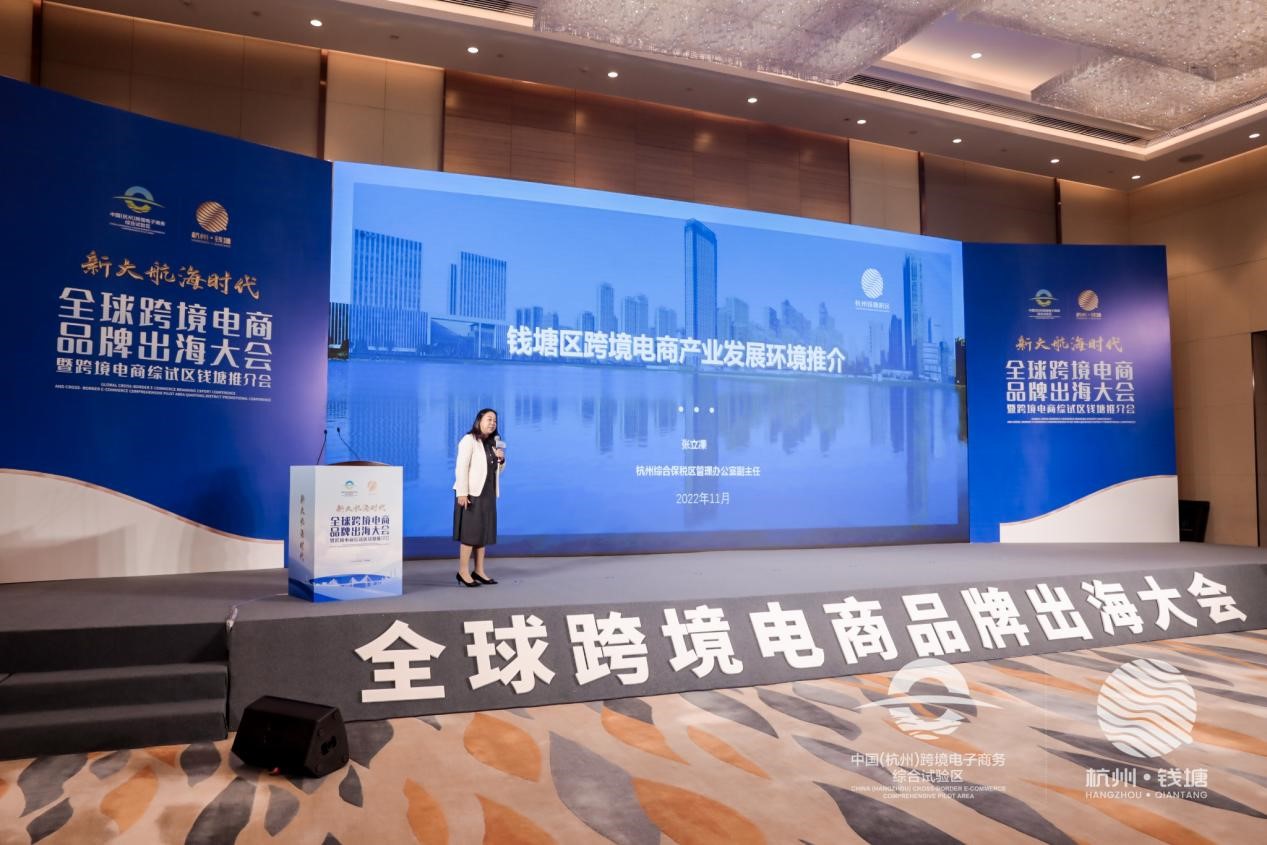
钱塘区综保办(自贸办)副主任张立凓带来钱塘区跨境电商营商环境推介。钱塘跨境“浙些年”,辛勤的耕耘换来丰硕的成果。跨境电商累计进口金额达713亿元,出口金额达369亿元;跨境电商市场主体企业数累计为690家;跨境电商投资额为1.26亿元;跨境电商出口海外开设店铺数量有445家。钱塘区跨境电商起步早、模式全、创新强,今年上线进口超期退货商品“上链赋码”,优化退货监管流程;钱塘区在上周正式发布2022年“领飞”计划,专设跨境电商进口单量的补贴,为打造跨境电商最优营商环境营造良好生态。

新思考、新探索、新实践 共同营造杭州跨境电商品牌出海生态

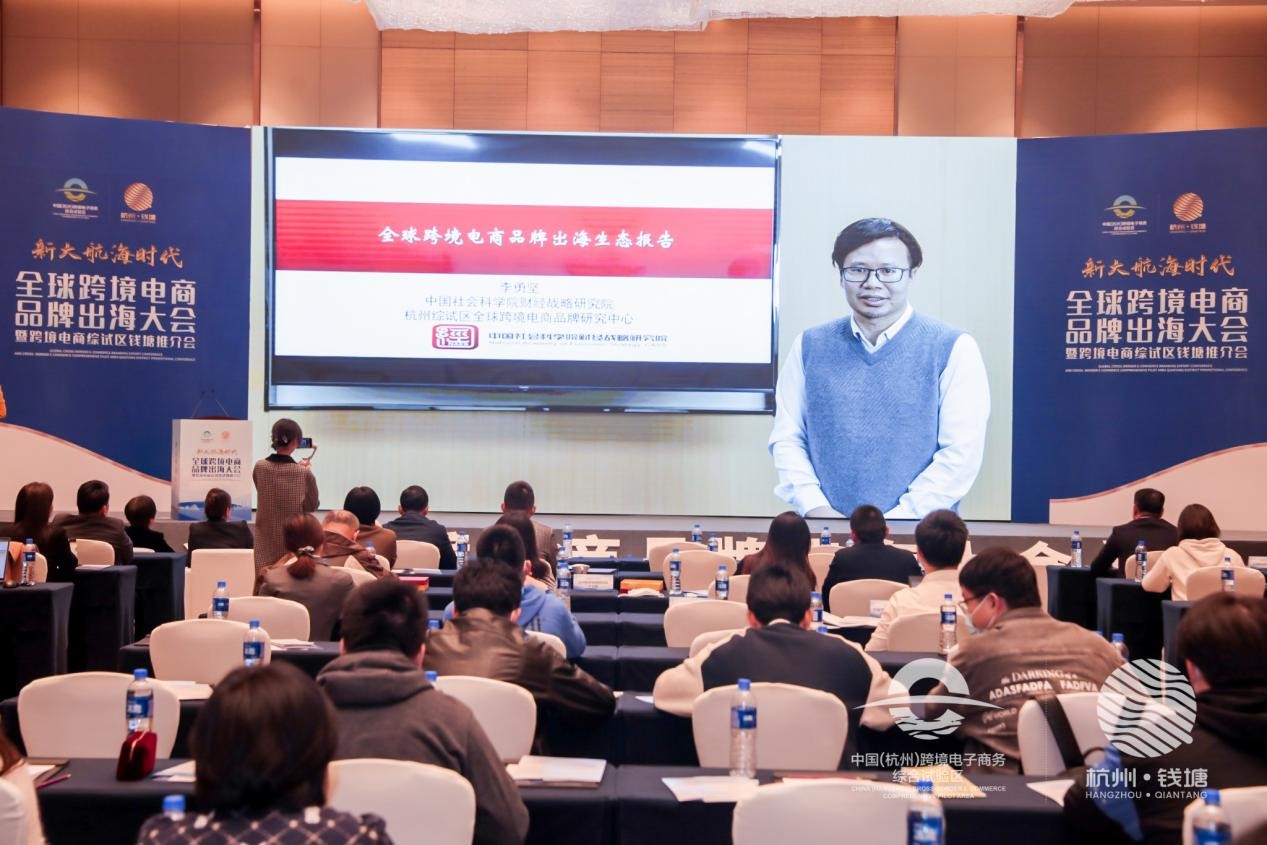
中国社会科学院财经战略研究院互联网经济研究室主任李勇坚视频发布全球跨境电商品牌出海生态报告。报告指出,产品品质是最基本的要素,做跨境电商品牌要注意国际市场用户需求。跨境电商未来趋势呈现出生态化、移动化、个性化、内容化、区域化。

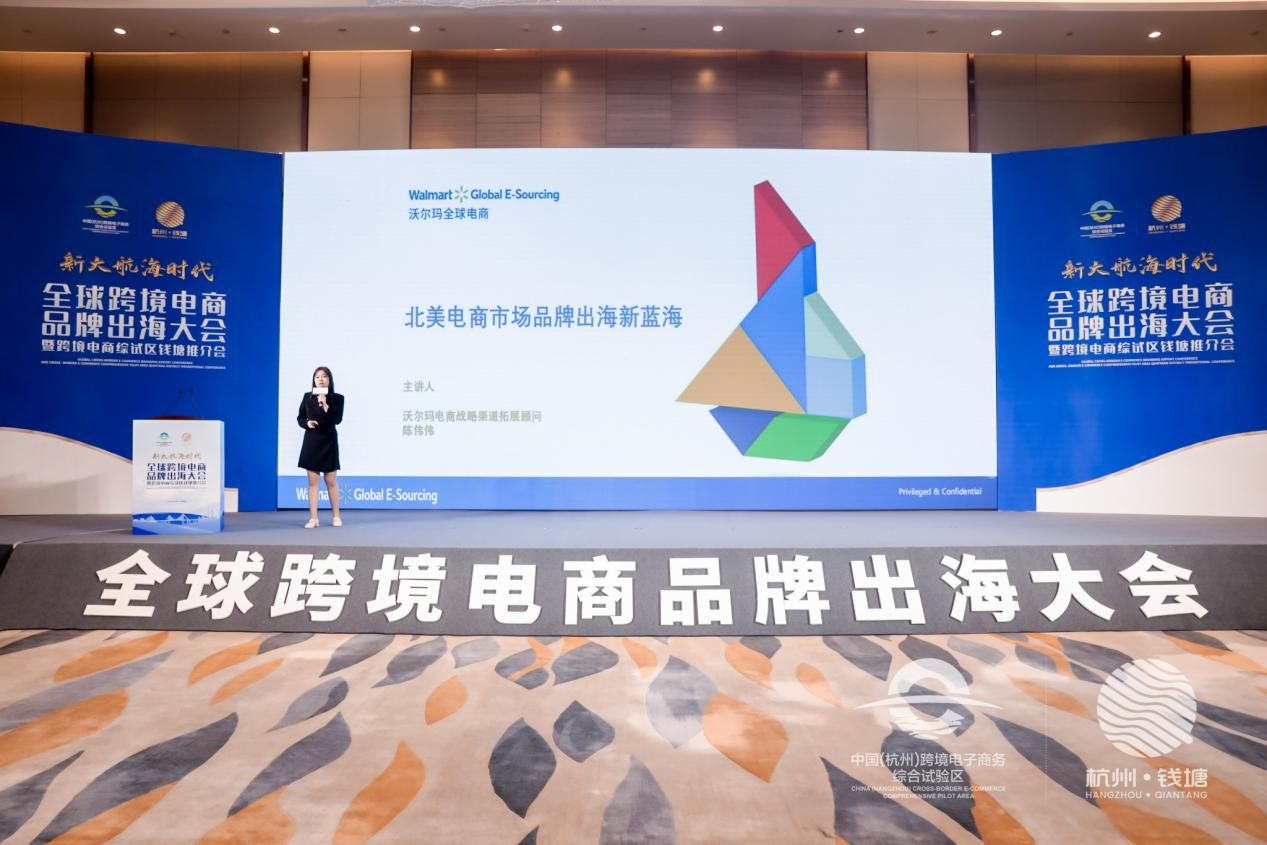
沃尔玛电商战略渠道顾问陈伟伟进行主旨演讲,解读北美电商市场品牌出海的新机遇。

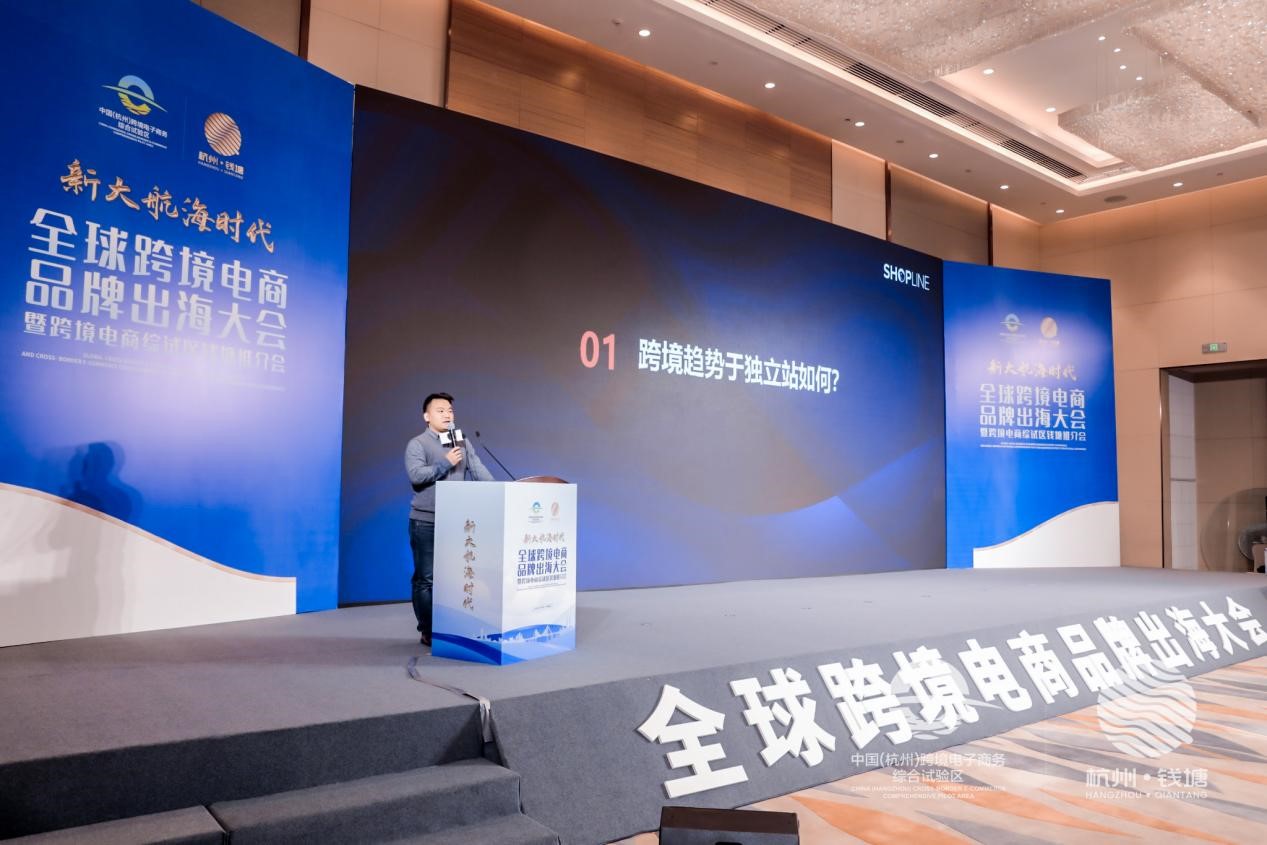
SHOPLINE华东区事业部总经理郭永豪发表题为“从全球卖货到建立品牌,中国品牌全球化新格局”演讲。

PingPong支付业务总经理王涛从支付服务商角度,介绍一站式外贸金融助力跨境电商品牌出海。

11月16日下午,主题分享精彩继续。

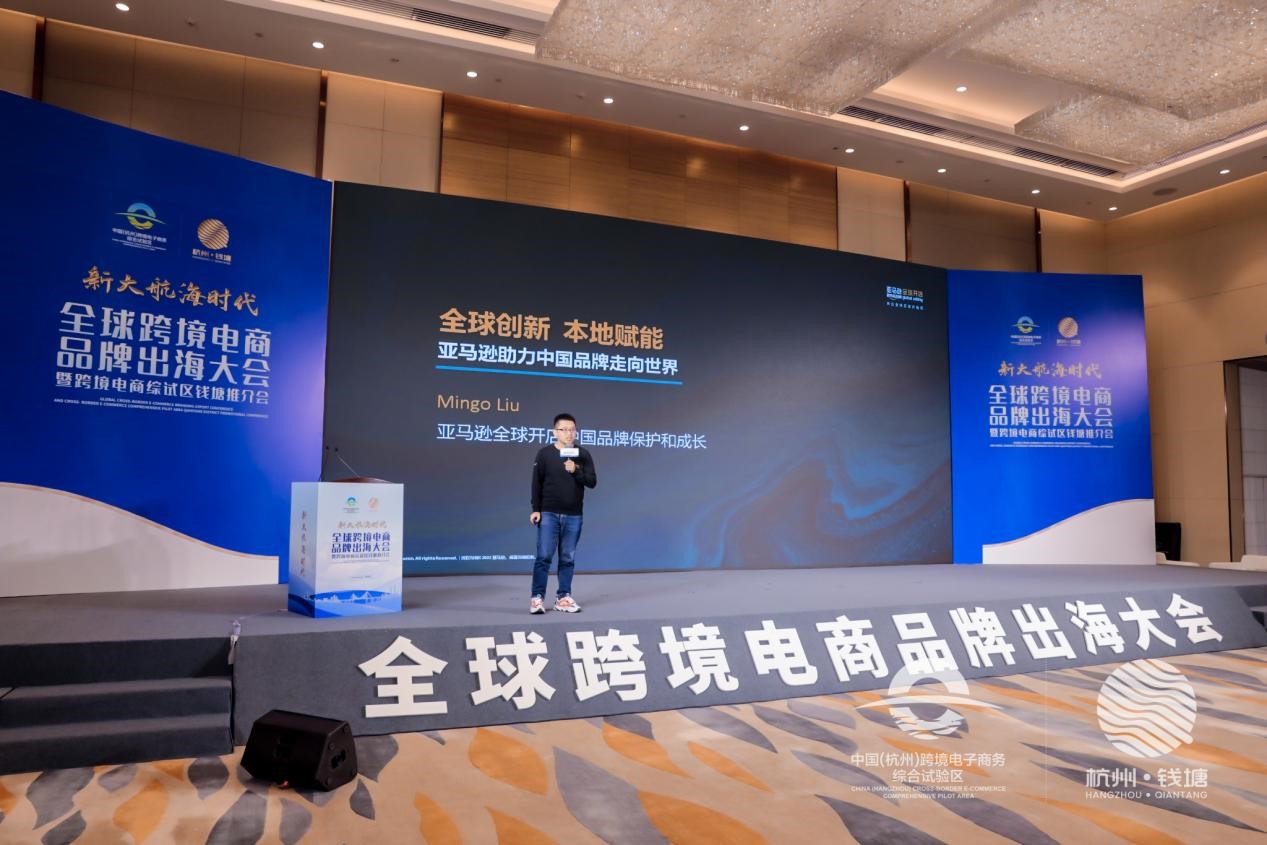
亚马逊品牌保护与成长团队商务拓展经理Mingo Liu带来“全球创新,本地赋能:助力中国品牌闪耀世界”主题演讲。

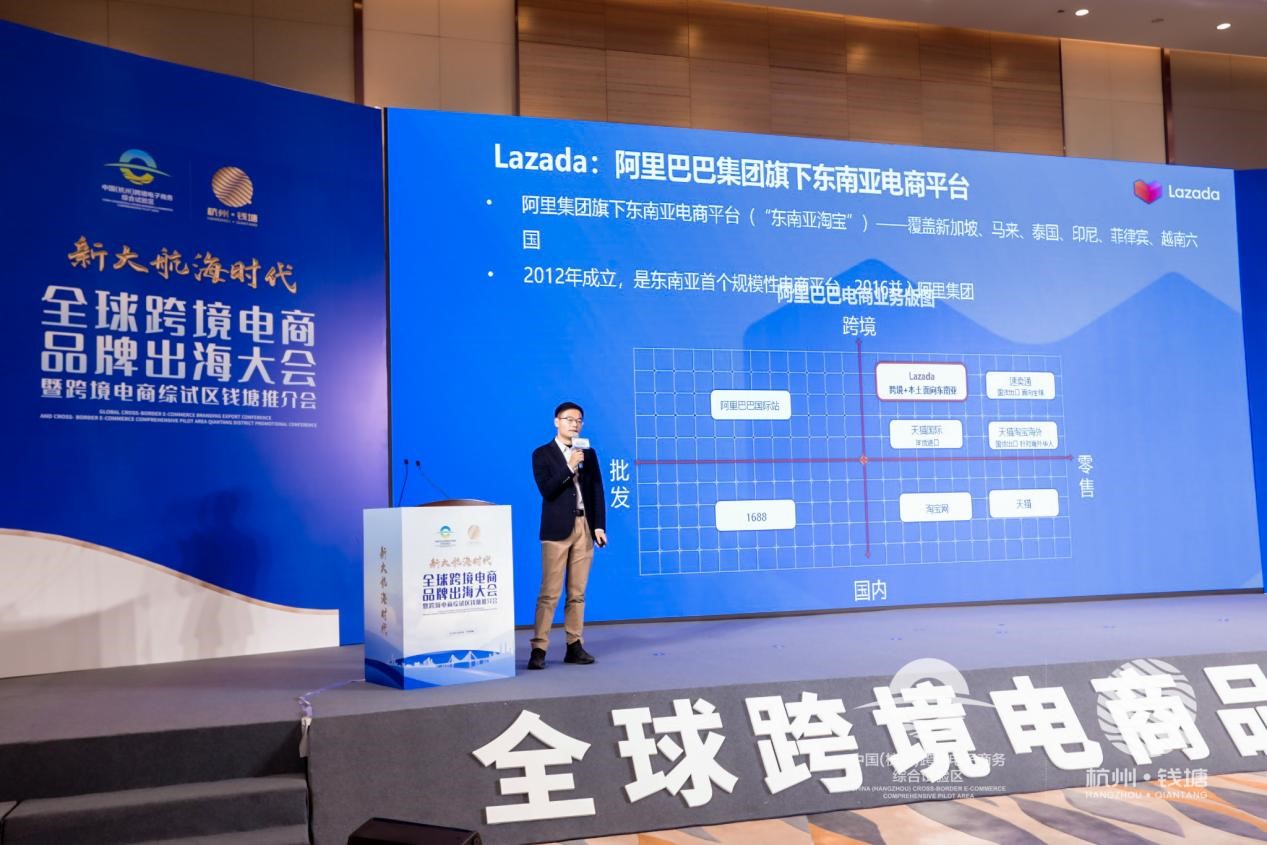
Lazada招商运营高级经理张兵(奥宇)聚焦东南亚新兴市场,分享品牌出海新机遇。

跨境电商品牌合规方面,德和衡(前海)联营律师事务所副主任樊森英视频分享跨境电商品牌合规及维权策略。全球速卖通杭州区域经理冯子航带来全球速卖通品牌出海平台招商政策解析。

在圆桌对话环节,由杭州综试区全球跨境电商品牌研究中心秘书长刘伟主持,钱塘区综保办李建明副主任、浙江工商大学跨境电商学院执行院长伍蓓、乐链网络副总经理黄贵君、跨境易税通高级合伙人熊妮、吃鲸科技CEO吉翔围绕话题“跨境电商品牌出海之路”,畅谈在品牌出海“新大航海时代”下,政府政策支持、物流供应链确定性、品牌营销手段和渠道、品牌合规和品牌出海人才培养等不同层面的有关实践,并与现场观众分享了对于品牌出海的信心与愿景。

中国跨境电商出海的道路并不平坦,但我们可以预见,品牌出海将是未来5-10年跨境电商的发展趋势。依托中国制造业及跨境电商发展基础,全球跨境电商品牌出海大会携手跨境电商行业万千弄潮者,塑造中国企业的核心竞争力与品牌影响力,布局未来,共同迎接行业的黄金时代。

文章来源:亿邦动力

广告
微信
朋友圈

FAQ回顾

跨境电商品牌出海未来的发展趋势是什么?

中国跨境电商目前已步入品牌出海的“新大航海时代”,品牌出海是未来5-10年的核心发展方向,行业整体将呈现生态化、移动化、个性化、内容化、区域化五大发展趋势,产品品质、匹配国际市场用户需求是品牌建设的核心要素。

钱塘区发展跨境电商有哪些政策和资源优势?

钱塘区是杭州跨境电商综试区先行先试重要承载地,拥有全国起步最早、单量最大、品类最全、生态最优的跨境电商产业园,搭建覆盖欧美、东南亚15个国家的超10万平方米海外仓,推出“领飞”计划等专项扶持政策,还拥有多项制度性创新成果。

2022年前三季度浙江省跨境电商发展状况怎么样?

2022年前三季度浙江省跨境电商进出口总额达2529.5亿元,同比增长18.3%,其中出口规模1812亿元,占全国的1/6。目前浙江已实现跨境电商综试区全省覆盖,培育出首批89个省级跨境电商自主品牌、39个省级跨境电商产业园。

跨境电商品牌出海需要重点关注哪些方面?

跨境电商品牌出海首先要保障产品品质,匹配国际市场用户需求,同时要做好品牌合规与维权,可依托跨境电商平台、一站式外贸金融、海外仓、产业带直播等资源降低运营成本,也可选择落地有政策扶持的跨境电商产业园区。

这么好看,分享一下?

朋友圈 分享

APP内打开

赞 +1
+1
微信好友 朋友圈 新浪微博 QQ空间
关闭
收藏成功
发送
/140 0