广告
加载中

钱塘区块跨境电商“上链赋码” 创新退货数字监管模式

亿邦动力 2022-11-11 17:43
亿邦动力 2022/11/11 17:43

邦小白快读

EN
全文速览

本文介绍了浙江自贸试验区杭州片区钱塘区块推出的全国首个跨境电商进口退货数字监管创新模式,核心是通过上链赋码解决退货监管痛点,提升监管能力,干货要点如下:

1. 核心创新破解原有监管堵点:针对过往退货监管存在信息孤岛的问题,该模式把企业分散在销售、物流、退货等环节的碎片化数据,按流程串联成完整的物流数据链,形成可追溯的溯源底账,将杭州综保区的进口退货监管处理能力从每月5万件提升至30万件,为退货管理常态化提供保障。

2. 配套监管机制兼顾效率和安全:为每个退货商品生成唯一退货码作为身份证,可实现从境外生产到终端零售再到后续退货的全链路追溯,同时采用红黄绿风险分级机制,绿码自动放行,红黄码人工核验,在提升通关效率的同时有效防范质量安全风险。

本次跨境电商退货数字监管创新,给布局进口跨境电商业务的品牌带来多方面利好,相关干货总结如下:

1. 破解业务发展瓶颈:原有退货监管能力不足,制约了进口品牌的售后布局和业务规模扩张,新模式将监管容量提升6倍,支撑品牌承接更大的业务量,满足消费者对售后退换货的需求,有助于提升品牌用户口碑和市场竞争力。

2. 助力品牌质量管控:全链路溯源机制可以帮助品牌识别假货、问题商品,防范非正规渠道商品流入市场,维护品牌形象和消费者权益,同时退货常态化也降低了品牌做跨境进口业务的合规风险,助力品牌抓住国内跨境消费升级的趋势,拓展保税进口赛道。

该退货数字监管新模式给跨境进口网购保税卖家带来了明确的政策利好和业务机会,相关干货总结如下:

1. 政策层面明确规则:海关专门出台了试行监管方案,明确了退货监管的流程和要求,标志着跨境电商进口退货管理进入常态化,解决了过往退货无明确规则、监管不畅制约业务发展的问题。

2. 业务机会明确:监管处理容量从月5万件提升到30万件,卖家可以放心拓展业务规模,不用再受退货能力限制,同时全链路溯源和分级风控,帮助卖家降低合规风险和质量风险。

3. 注意事项:卖家需要按要求整理上传各环节碎片化数据,配合做好上链赋码工作,才能享受绿码自动放行的通关便利,提升自身的运营效率。

钱塘区块的跨境电商退货监管创新,给布局进口跨境业务的生产工厂带来了商业机会和数字化转型启示,干货总结如下:

1. 带来新的商业机会:新模式解决了跨境电商进口退货的核心堵点,推动行业规模化常态化发展,国内进口消费市场规模会进一步扩大,给做进口产品生产、出口转内销的工厂带来了更多的订单空间,帮助工厂拓展国内市场。

2. 数字化转型启示:监管端已经实现全链路数据溯源管理,要求工厂端也要配套做好产品生产信息的数字化留存,适配监管溯源要求,才能进入跨境电商保税供应体系。

3. 助力产品研发:全链路可追溯可以帮助工厂收集消费者退货原因,掌握用户对产品的反馈,进而优化产品生产和设计,提升产品市场适配性,降低质量问题带来的损失。

本次跨境电商退货监管创新,给相关科技、物流服务商指明了行业发展方向,干货总结如下:

1. 明确行业客户痛点:跨境电商进口退货长期存在信息孤岛问题,企业和监管端都存在碎片化数据难以整合、监管效率低、处理容量不足的痛点,行业对数字化解决方案有强烈刚需。

2. 明确行业发展趋势:跨境电商监管全链路数字化、智能化是必然发展方向,数智化溯源、智能风控已经成为行业标配需求。

3. 指明业务发展方向:服务商可以围绕退货上链赋码的需求,开发适配的系统工具,提供AI识别、数据串联、溯源管理相关的软硬件服务,对接海关监管系统,满足企业和监管端的需求,目前已经有设备支持企业参与该项目,市场空间十分广阔。

本次退货数字监管创新,给跨境进口电商平台的运营和发展提供了多方面参考,干货总结如下:

1. 明确了平台核心需求的解决方案:进口退货监管能力不足长期制约平台业务规模扩张,新模式通过上链赋码将监管容量提升6倍,破解了核心痛点,平台可以对接该模式,提升自身售后能力,吸引更多商家和品牌入驻。

2. 优化运营管理的参考:平台可以借鉴上链赋码的模式,优化内部退货管理流程,实现全链路商品溯源,提升平台商品质量管理能力,防范假货流入,维护平台口碑。

3. 风控合规的参考:平台可以借鉴红黄绿风险分级的自动风控模式,优化自身运营风控流程,区分不同风险等级的退货商品,提升运营效率,同时满足海关监管的合规要求,规避合规风险。

本次钱塘区块推出的全国首个跨境电商进口退货数字监管模式,是跨境电商监管领域的重要制度创新,给相关研究提供了典型样本,干货总结如下:

1. 明确产业新动向:监管端已经开始利用数智化技术破解跨境电商全链路痛点,尤其是退货这个长期制约行业发展的老大难问题,通过创新实现监管能力数倍提升,推动跨境电商进口行业走向规范化、常态化发展。

2. 总结了创新的有效路径:本次创新是监管方深入走访10余家企业,收集30余条意见,联合海关、综保办、企业、服务商多方协同破解信息孤岛问题,得出制度创新需要贴合企业实际需求,多主体联动才能落地见效。

3. 该模式为全国跨境电商监管创新提供了可复制的样本,其经验有望推动全国跨境电商进口产业的进一步发展,是自贸试验区制度创新的典型案例。

返回默认

声明:快读内容全程由AI生成,请注意甄别信息。如您发现问题,请发送邮件至 run@ebrun.com 。

我是 品牌商 卖家 工厂 服务商 平台商 研究者 帮我再读一遍。

Quick Summary

This article introduces China's first digital supervision innovation model for cross-border e-commerce import returns, launched in the Qiantang Block of the Hangzhou Area of China (Zhejiang) Pilot Free Trade Zone. The core of the model solves long-standing pain points in return supervision through blockchain-based code assignment, while upgrading overall regulatory capacity. Key takeaways are as follows:

1. Core innovation addresses long-standing regulatory bottlenecks: To solve the information fragmentation problem that plagued previous return supervision, this model integrates scattered data across sales, logistics, and return processes into a complete, traceable data chain and unified ledger. It has expanded the monthly import return processing capacity of Hangzhou Comprehensive Free Trade Zone from 50,000 units to 300,000 units, laying the groundwork for normalized return management.

2. Supporting regulatory mechanisms balance efficiency and security: Each returned product is assigned a unique return code that acts as a digital ID, enabling end-to-end traceability from overseas manufacturing to final retail and subsequent returns. The model also uses a three-tier risk classification system (red, yellow, green): green-code returns are automatically cleared, while red and yellow-code items undergo manual inspection. This system improves customs clearance efficiency while effectively mitigating quality and safety risks.

This digital supervision innovation for cross-border e-commerce returns brings multiple benefits to brands with imported cross-border e-commerce operations. Key insights are summarized as follows:

1. Unlocks long-term business growth bottlenecks: Inadequate return supervision capacity previously restricted after-sales layout and business expansion for imported brands. The new model expands regulatory capacity sixfold, enabling brands to handle larger order volumes and meet consumer demand for hassle-free return and exchange services. This ultimately helps improve brand reputation and market competitiveness.

2. Strengthens brand quality control: The end-to-end traceability system helps brands identify counterfeit and defective goods, preventing unauthorized products from entering the market to protect brand image and consumer rights. Additionally, normalized return management reduces the compliance risk of operating cross-border import businesses, helping brands capitalize on the trend of domestic cross-border consumption upgrading and expand their presence in the bonded import sector.

This new digital return supervision model brings clear policy benefits and business opportunities for cross-border import bonded e-commerce sellers. Key takeaways are as follows:

1. Clarified rules at the policy level: Customs has issued a trial supervision plan that explicitly defines the procedures and requirements for return supervision, marking the transition of cross-border e-commerce import return management to normalized operation. This solves the long-standing problem of unclear rules and inefficient supervision that constrained business growth.

2. Clear new business opportunities: With monthly processing capacity expanded from 50,000 to 300,000 units, sellers can safely scale their business without being constrained by return processing limits. At the same time, end-to-end traceability and tiered risk control help sellers reduce compliance and quality risks.

3. Key note for sellers: To qualify for expedited automatic clearance for green-code returns and improve operational efficiency, sellers must organize and upload fragmented data from all links as required, and cooperate with the blockchain-based code assignment process.

The cross-border e-commerce return supervision innovation in Qiantang Block brings new business opportunities and digital transformation insights for manufacturing factories pursuing cross-border import business. Key insights are summarized as follows:

1. Unlocks new business opportunities: By solving the core bottleneck of cross-border e-commerce import returns and driving the large-scale, normalized development of the industry, the new model will further expand the size of China's import consumer market. This creates more order space for factories producing imported goods and transitioning from export to domestic sales, helping them expand their domestic market presence.

2. Insights for digital transformation: As regulators have implemented end-to-end data traceability management, factories must also keep digital records of product production information to meet regulatory traceability requirements, in order to access the cross-border e-commerce bonded supply system.

3. Supports product R&D optimization: End-to-end traceability enables factories to collect data on consumer return reasons and capture direct user feedback on products. This helps factories optimize product design and manufacturing, improve product market fit, and reduce losses caused by quality issues.

This cross-border e-commerce return supervision innovation clarifies future development directions for relevant technology and logistics service providers. Key insights are summarized as follows:

1. Clear insight into core industry pain points: Cross-border e-commerce import returns have long been plagued by information silos, leaving both businesses and regulators struggling to integrate fragmented data, resulting in low regulatory efficiency and limited processing capacity. There is strong, unmet demand for digital solutions in the market.

2. Clear indication of industry development trends: Full-link digitalization and intelligentization of cross-border e-commerce supervision is an inevitable trend, and digital traceability and intelligent risk control have become standard, mandatory requirements for the industry.

3. Clear direction for business development: Service providers can develop tailored system tools around the demand for blockchain-based return code assignment, provide software and hardware services related to AI identification, data integration, and traceability management, and connect with customs supervision systems to meet the needs of both businesses and regulators. Equipment is already available for enterprises to participate in the program, and the market opportunity is significant.

This digital return supervision innovation provides multiple insights for the operation and development of cross-border import e-commerce platforms. Key takeaways are as follows:

1. Provides a solution to platforms' core pain point: Inadequate import return supervision capacity has long constrained business expansion for cross-border platforms. The new model, which expands regulatory capacity sixfold through blockchain-based code assignment, solves this core problem. Platforms can access the model to upgrade their after-sales capabilities and attract more merchants and brands to settle on their platforms.

2. Provides a reference for optimizing internal operation management: Platforms can adopt the blockchain-based code assignment model to optimize their internal return management processes, achieve end-to-end product traceability, improve platform-level product quality management, prevent counterfeit goods from entering the platform, and protect platform reputation.

3. Provides a reference for risk control and compliance: Platforms can draw on the red-yellow-green tiered automatic risk control model to optimize their own operational risk management processes, classify returned products by risk level, improve operational efficiency, meet customs compliance requirements, and mitigate compliance risks.

The world's first digital supervision model for cross-border e-commerce import returns launched in Qiantang Block is a major institutional innovation in the cross-border e-commerce regulatory space, and provides a representative case for relevant research. Key insights are as follows:

1. Highlights new industry trends: Regulators are now leveraging digital and intelligent technologies to solve long-standing pain points across the cross-border e-commerce value chain, especially for returns—a long-standing, intractable problem that has constrained industry growth. This innovation has increased regulatory capacity by multiple times, driving the cross-border e-commerce import industry toward more standardized and normalized development.

2. Summarizes an effective path for innovation: This innovation was developed after regulators conducted in-depth interviews with more than 10 enterprises, collected over 30 pieces of feedback, and coordinated collaboration across multiple stakeholders including customs, the comprehensive free trade zone office, enterprises, and service providers to solve the information silo problem. It demonstrates that effective institutional innovation requires alignment with actual enterprise needs and multi-stakeholder collaboration to deliver results on the ground.

3. This model provides a replicable template for cross-border e-commerce regulatory innovation across China. Its experience is expected to drive further development of the country's cross-border e-commerce import industry, and stands as a representative case of institutional innovation in China's pilot free trade zones.

Disclaimer: The "Quick Summary" content is entirely generated by AI. Please exercise discretion when interpreting the information. For issues or corrections, please email run@ebrun.com .

I am a Brand Seller Factory Service Provider Marketplace Seller Researcher Read it again.

浙江自贸试验区杭州片区钱塘区块依靠自贸试验区、跨境电商综试区和综合保税区等开放平台叠加优势,围绕跨境电商全链路创新大胆试、大胆闯和自主改。钱江海关驻下沙办事处联合钱塘区块合力推进进口退货商品“上链赋码”数智监管项目,探索全国首个退货数字监管模式,将杭州综保区的进口退货商品监管能力由现在的每月5万件提升至30万件。

针对退货商品监管的“痛点”和“堵点”,钱江海关利用科技手段实现了跨境电商保税进口退货商品“上链赋码”,确保了退货销售流程的真实可追溯,为退货管理的常态化提供有效措施保障。

探索前期,钱江海关下沙办会同综保办深入调研、大胆创新,对区内10余家企业进行深入走访、调研、座谈,收集30余条意见建议,不断加强与电商企业联系沟通,坚持定期互访、实践调研。调研过程中,钱江海关发现跨境电商进口退货商品的监管难点主要在于监管中存在着信息孤岛。于是,钱江海关协调综保办、数据分中心、跨电企业、设备支持企业等多方进行研讨,将企业碎片数据串联成链。以运单号为单元,海关信息化系统接收企业散落在销售、物流、退货服务等多个内部系统中的碎片化数据,按进口入区、销售出区、退货返区的时间轴纵向排序串联形成完整的物流数据链,进行逻辑校验,为海关后台风险研判提供依据,也为退货商品提供了溯源底账。

与此同时,钱江海关探索“退货码”作为退货商品唯一“身份证”。“退货码”作为海关监管的“数据窗口”,将物流、销售、监管等各环节数据具象化显现,使海关能够在数据库中识别、定位到这个商品,并沿监管数据链向前追溯到上一个零售、保税仓储乃至境外生产环节,在实施商品来源真实性和质量溯源的同时,又可将风险警示信息沿监管链向前传递至前道主管海关;向后则可追踪到下一个保税仓储、零售乃至再次退货环节,在实现商品去向闭环管理的同时,还可以将二次退货的商品识别出来作为质量安全监管的重点。

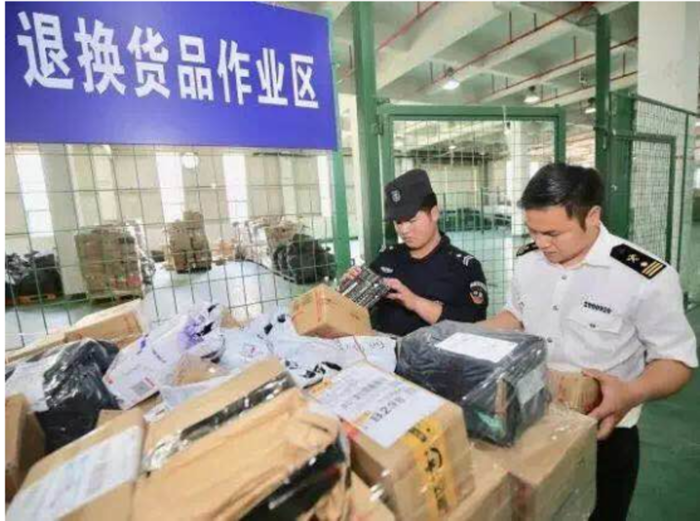
在原有进口退货模式的基础上,钱江海关探索进口退货海关数字化监管模式,起草了《钱江海关驻下沙办事处跨境电子商务网购保税零售进口退货监管方案(试行)》。通过优化监管流程,利用AI摄像头、退货溯源系统等软硬件技术,将退货商品进行流水线机检,通过扫描退货码,调取商品全链条信息,由信息化系统自动实现图像比对、重量比对、风险信息研判等,并根据风险等级分别予以“红黄绿”着色,绿码商品自动放行,红黄码商品由现场海关根据风险提示进一步核验,在提高通关效率的同时,能有效防范风险,形成监管闭环。

文章来源:亿邦动力

广告
微信
朋友圈

FAQ回顾

跨境电商上链赋码退货监管模式是什么?

该模式是钱江海关联合浙江自贸试验区钱塘区块推出的全国首个跨境电商进口退货数字监管模式,以运单号为单元串联全链路数据,以退货码作为商品唯一身份标识,可实现退货商品全流程溯源,将钱塘区块进口退货监管能力从每月5万件提升至30万件。

跨境电商进口退货监管此前的主要难点有哪些?

此前跨境电商进口退货监管的核心难点是存在信息孤岛,企业销售、物流、退货服务等各环节数据碎片化分布,无法串联形成完整链路,难以实现商品溯源和风险管控,是退货监管的主要痛点和堵点。

跨境电商上链赋码监管模式有什么优势?

该模式可实现退货商品全链路真实可追溯,通过信息化系统自动完成图像比对、重量比对、风险研判,按风险等级分“红黄绿”码分类处置,既大幅提升通关效率,又能有效防范监管风险,还能为退货管理常态化提供保障。

这么好看,分享一下?

朋友圈 分享

APP内打开

赞 +1
+1
微信好友 朋友圈 新浪微博 QQ空间
关闭
收藏成功
发送
/140 0