广告
加载中

CISMEA李金虎:从线上畅销到站稳欧美商超货架,中国品牌要过四道关

马蹄社 2026-10-22 11:05
马蹄社 2026/10/22 11:05

邦小白快读

EN
全文速览

总1:文章把中国品牌从线上畅销到进入欧美商超概括为四道关:买手准入、采购单经营、渠道选择和留在货架;线上销量只是对话门票,不是商超通行证。

1.买手会追问毛利、周转、退货风险、稳定交付和动销投入,企业要先准备价格、产品、现金流、仓储、退货、营销和组织协同。

2.价格体系先冲突,可开发线下专供款,但不能直接继承线上爆款信用。

总2:实操上,先用本地化、功能性、差异化、包装、价格和供应链六项翻译产品优势;再回答为何做线下、是否具备条件、先区域还是全国、资金组织时间能否承受验证周期。

1.渠道没有绝对好坏,先区域试点验证产品、价格和团队,再扩门店。

2.进场后要设计库存分拨、EDI订单处理、退货方案、促销节奏和线上线下组织考核。

总1:品牌进入欧美商超,核心不是把线上爆款搬上货架,而是重建品牌营销、渠道和价格体系;线上成绩只证明消费者曾选择过,线下要证明在另一套交易结构中持续发生。

1.渠道建设要分层:综合商超看周转和大众需求,会员店看会员价值与套装差异,垂直渠道看专业场景,区域渠道适合测试产品和运营。

2.合作可自建本地团队、借经销商覆盖或商超直采;OEM沉淀制造履约,对自有品牌资产积累有限。

总2:营销和产品要围绕货架沟通与本地化场景;包装要让消费者远距离看见、快速理解用途,并在不能拆箱时完成判断;同一产品在中美购买理由可能不同,目标人群、卖点和传播要随之改变。

1.定价要预留货架、人员、仓储、促销和退货空间,低价线上销量可能使线下利润不足;会员制商超还会要求专属价格或套装。

2.品牌要主动规划门店价签、陈列、人员和促销沟通,不能等货架自然产生销量;还要明确渠道边界,配置产品、预算和评价周期。

总1:文章提示线下是增长市场,但不是低门槛机会;美国电商占零售总额不到两成,商超订单背后有价格、现金流、仓储、退货、营销和组织协同门槛。

1.风险上,头部商超覆盖广但试错成本高,动销不佳会留下渠道记录;大订单会同步放大账期、库存、退货和促销费用,可能提前暴露系统短板。

2.机会上,可先做区域渠道试点,验证产品、价格和团队,再扩门店;渠道分综合、会员、垂直、区域,合作方式有自建团队、经销商、商超直采和OEM。

总2:政策与扶持方面,杭州综试区、萧山区商务局指导,全球跨境电商知识服务中心和亿邦动力马蹄社主办外贸青蓝计划品牌跃迁,面向区内优质亿级外贸企业,解决重供应链轻品牌、价格竞争和市场定价能力不足,补齐品牌战略认知,用好数字化、AI工具。

1.可学习点是买手六条件:本地化、功能性、差异化、包装、价格、供应链;以及四问三判断和四项核心能力。

2.进场前要自检产品价值、价格包装、持续补货、市场证据、商业提案、本地仓储售后买手维护和内部权责。

总1:文章对工厂的产品生产和设计提出货架导向要求:产品不能只讲芯片、参数和性能,要把技术翻译成买手能判断、消费者能理解的客流、周转、退货和场景语言。

1.设计要本地化,同一产品在中美可能对应不同购买理由,目标人群、卖点和传播随之改变;差异化可来自功能,也可来自清晰使用场景。

2.包装要承担货架沟通:远距离看见、快速理解用途、无法拆箱体验也能判断;还要适配不同商超的陈列、套装和托盘规则。

总2:商业机会在商超订单和区域渠道测试,但工厂要证明稳定交付和持续补货;OEM主要沉淀制造与履约能力,对自有品牌资产积累有限。

1.推进数字化和电商协同,要借助EDI等系统处理订单、发票和物流节点,并判断库存放国内仓、运输途中、美国海外仓还是商超仓。

2.进场前要核对价格与包装适配货架、供应链持续补货、本地仓储售后和内部权责,避免大订单放大账期、库存和退货压力。

总1:文章呈现的行业趋势是线上品牌向线下经营换挡,客户痛点集中在买手准入、价格体系、库存分拨、退货、动销和线上线下组织协同,而非单纯缺一个商超订单。

1.买手关心毛利、周转、退货风险、稳定交付和动销资源;品牌若只拿线上销量说话,很难通过准入。

2.价格冲突来自线上线下成本结构不同,会员制商超还要求专属价格或套装;新品专供款也不能直接继承线上爆款信用。

总2:解决方案可拆成六条件、四问三判断、四项能力和进场自检清单。

1.六条件是本地化、功能性、差异化、包装、价格、供应链;四问是为何做线下、是否具备条件、先区域还是全国、资金组织时间能否承受验证周期。

2.四项能力是供应链履约、全渠道价格体系、本地化、线上线下组织协同;执行上要用EDI处理订单发票物流,设计退货回收检测翻新方案,提前规划促销。

3.服务机会在于帮助企业做渠道匹配、区域试点、买手提案、包装货架沟通、库存布局和组织考核,把买手关系之外的规则变成可准备工作。

总1:对商超这类线下渠道平台,文章显示其核心需求是有限货架上的机会成本管理:引进新品意味着另一款可能退出,平台会评估毛利、周转、退货风险、稳定交付和品牌动销投入。

1.招商选品不能只看线上销量,线上表现只是品牌与买手对话的门票;平台还要看产品能否在门店持续周转。

2.会员制商超会要求专属价格或额外套装,综合商超看周转和大众需求,垂直渠道看专业场景匹配,区域渠道可作测试入口。

总2:运营管理上,大型商超通过区域分拨中心补货,订单拆成大量小批次,品牌需配合EDI处理订单、发票和物流节点,并设计退货与促销。

1.平台要规避风向:全国性渠道试错成本高,产品动销不佳会留下渠道记录,大订单会放大账期、库存、退货和促销费用。

2.平台可推动品牌先做区域试点,核对产品价值、价格包装、持续补货、市场证据、商业提案、本地仓储售后和内部权责,再扩展门店。

总1:文章给出产业新动向:中国品牌从产品出海转向品牌出海,从线上验证走向线下经营,经营逻辑从流量转化换挡为货架周转、稳定履约和全渠道协同。

1.新问题包括货架机会成本、线上线下价格体系冲突、退货全生命周期成本、区域与全国渠道选择,以及线上线下团队共用价格库存考核引发的组织冲突。

2.文章还显示渠道分层与合作模式差异:综合、会员、垂直、区域渠道选品重点不同;自建团队、经销商、商超直采、OEM对应不同资金压力、利润结构、团队要求和库存风险。

总2:政策启示是地方政府和综试区可通过培育活动,面向亿级外贸企业补齐品牌战略认知,解决重供应链轻品牌、价格竞争和市场定价能力不足,推动用好数字化、AI工具。

1.企业进入线下前应回答目标是否清楚、产品与市场是否有证据、是否准备承担风险,并用六条件、四项能力和自检清单逐项核对。

2.商业模式上,线下布局宜从可控范围验证产品、价格和团队协同,再扩展门店区域;进入更多渠道只是结果,前提是知道适合进入哪里以及为何卖得动。

返回默认
声明:快读内容全程由AI生成,请注意甄别信息。如您发现问题,请发送邮件至 run@ebrun.com 。

我是 品牌商 卖家 工厂 服务商 平台商 研究者 帮我再读一遍。

Quick Summary

Summary 1: The article frames Chinese brands' move from online bestsellers to European and U.S. supermarket shelves as four hurdles: buyer approval, purchase-order management, channel selection, and staying on the shelf. Online sales are only a ticket to the conversation, not a passport to supermarkets.

1. Buyers will press on gross margin, turnover, return risk, stable delivery, and sell-through investment; companies must first prepare pricing, products, cash flow, warehousing, returns, marketing, and organizational coordination.

2. Pricing architecture conflicts come first. Companies can develop offline-exclusive products, but these cannot simply inherit the credibility of online hit products.

Summary 2: In practice, companies should first translate product advantages through six factors: localization, functionality, differentiation, packaging, price, and supply chain. They then need to answer why they are going offline, whether they are ready, whether to start regionally or nationally, and whether funding, organization, and time can withstand the validation cycle.

1. No channel is absolutely good or bad. Start with regional pilots to validate product, pricing, and team, then expand stores.

2. After entry, companies must design inventory allocation, EDI order processing, returns plans, promotion cadence, and online-offline organizational assessment.

Summary 1: For a brand entering European and U.S. supermarkets, the core task is not moving online hits onto shelves but rebuilding brand marketing, channel, and pricing systems. Online results only prove that consumers once chose the brand; offline, it must prove that this choice continues under a different transaction structure.

1. Channel building should be tiered: general supermarkets focus on turnover and mass demand, membership stores on member value and bundle differentiation, vertical channels on specialized scenarios, and regional channels are suitable for testing products and operations.

2. Cooperation can involve building a local team, using distributors for coverage, or direct sourcing by supermarkets. OEM mainly builds manufacturing and fulfillment capabilities and contributes limited accumulation of proprietary brand assets.

Summary 2: Marketing and products should center on shelf communication and localized scenarios. Packaging must let consumers see the product from a distance, quickly understand its use, and make judgments when they cannot open the box. The same product may have different purchase reasons in China and the U.S., so target audience, selling points, and communications must change accordingly.

1. Pricing must leave room for shelf space, staffing, warehousing, promotions, and returns. Low online prices and sales volume may leave insufficient offline profit; membership supermarkets may also require exclusive prices or bundles.

2. Brands must actively plan in-store price tags, displays, staffing, and promotional communication rather than waiting for shelves to generate sales naturally. They must also define channel boundaries and allocate products, budgets, and evaluation periods.

Summary 1: The article signals that offline retail is a growth market, but not a low-barrier opportunity. U.S. e-commerce accounts for less than 20% of total retail sales, and supermarket orders come with thresholds in pricing, cash flow, warehousing, returns, marketing, and organizational coordination.

1. On risk, leading supermarkets offer broad coverage but high trial-and-error costs; weak sell-through leaves a channel record. Large orders simultaneously amplify payment terms, inventory, returns, and promotion expenses and may expose system weaknesses early.

2. On opportunity, sellers can start with regional channel pilots to validate product, pricing, and team before expanding stores. Channels divide into general, membership, vertical, and regional; cooperation models include self-built teams, distributors, direct supermarket sourcing, and OEM.

Summary 2: On policy and support, under the guidance of the Hangzhou Cross-Border E-Commerce Comprehensive Pilot Zone and the Xiaoshan District Commerce Bureau, the Global Cross-Border E-Commerce Knowledge Service Center and the Mati Club of Ebrun organized the Foreign Trade Qinglan Program Brand Leap. It targets quality foreign trade companies in the district with around RMB 100 million in revenue, addressing weak brand building relative to supply chain strength, price competition, and insufficient market pricing capability, while strengthening brand strategy awareness and use of digital and AI tools.

1. Key takeaways include the six buyer criteria: localization, functionality, differentiation, packaging, price, and supply chain; the four questions and three judgments; and four core capabilities.

2. Before entry, companies should self-check product value, pricing and packaging, continuous replenishment, market evidence, commercial proposals, local warehousing and after-sales support, buyer maintenance, and internal responsibilities.

Summary 1: The article sets shelf-oriented requirements for factory product manufacturing and design: products should not rely only on chips, specifications, and performance. Factories must translate technology into language that buyers can assess and consumers can understand, covering traffic, turnover, returns, and scenarios.

1. Design must be localized. The same product may correspond to different purchase reasons in China and the U.S., with target audience, selling points, and communications changing accordingly. Differentiation can come from functionality or from clear usage scenarios.

2. Packaging must carry shelf communication: visible from a distance, quick understanding of use, and judgment even without unboxing. It must also adapt to different supermarkets' display, bundle, and pallet rules.

Summary 2: Commercial opportunities lie in supermarket orders and regional channel tests, but factories must prove stable delivery and continuous replenishment. OEM mainly accumulates manufacturing and fulfillment capabilities and contributes limited accumulation of proprietary brand assets.

1. To advance digitalization and e-commerce coordination, factories should use systems such as EDI to process orders, invoices, and logistics milestones, and decide whether inventory sits in domestic warehouses, in transit, in U.S. overseas warehouses, or in supermarket warehouses.

2. Before entry, factories should verify pricing and packaging fit with shelves, supply chain replenishment, local warehousing and after-sales support, and internal responsibilities to avoid large orders amplifying payment terms, inventory, and returns pressure.

Summary 1: The industry trend the article presents is a shift among online brands toward offline operations. Client pain points cluster around buyer approval, pricing systems, inventory allocation, returns, sell-through, and online-offline organizational coordination, rather than simply lacking a supermarket order.

1. Buyers care about gross margin, turnover, return risk, stable delivery, and sell-through resources; brands that speak only of online sales will struggle to pass approval.

2. Pricing conflicts stem from different cost structures online and offline, and membership supermarkets also require exclusive prices or bundles. Even exclusive new products cannot directly inherit the credibility of online hit products.

Summary 2: Solutions can be broken into six criteria, four questions and three judgments, four capabilities, and an entry self-check list.

1. The six criteria are localization, functionality, differentiation, packaging, price, and supply chain. The four questions are why go offline, whether conditions are ready, whether to start regionally or nationally, and whether funding, organization, and time can withstand the validation cycle.

2. The four capabilities are supply chain fulfillment, omnichannel pricing systems, localization, and online-offline organizational coordination. In execution, providers should use EDI to process orders, invoices, and logistics, design returns collection, inspection, and refurbishment plans, and plan promotions in advance.

3. Service opportunities lie in helping companies with channel matching, regional pilots, buyer proposals, packaging shelf communication, inventory layout, and organizational assessment, turning rules beyond buyer relationships into work that can be prepared in advance.

Summary 1: For offline channel platforms such as supermarkets, the article shows that the core need is opportunity-cost management on limited shelf space: bringing in a new product means another may exit, so the platform evaluates gross margin, turnover, return risk, stable delivery, and brand sell-through investment.

1. Tenant recruitment and product selection cannot rely only on online sales; online performance is merely a ticket for brands to talk to buyers. Platforms must also see whether a product can keep turning over in stores.

2. Membership supermarkets require exclusive prices or additional bundles, general supermarkets focus on turnover and mass demand, vertical channels focus on specialized scenario fit, and regional channels can serve as testing entry points.

Summary 2: In operations management, large supermarkets replenish through regional distribution centers, splitting orders into many small batches. Brands need to use EDI to process orders, invoices, and logistics milestones and to design returns and promotions.

1. Platforms should avoid certain risks: national channel trials are costly, weak product sell-through leaves a channel record, and large orders amplify payment terms, inventory, returns, and promotion expenses.

2. Platforms can encourage brands to run regional pilots first, checking product value, pricing and packaging, continuous replenishment, market evidence, commercial proposals, local warehousing and after-sales support, and internal responsibilities before expanding stores.

Summary 1: The article identifies a new industry direction: Chinese brands are moving from product going global to brand going global, from online validation to offline operations, with the operating logic shifting from traffic conversion to shelf turnover, stable fulfillment, and omnichannel coordination.

1. New issues include shelf opportunity cost, online-offline pricing system conflicts, full-lifecycle return costs, regional versus national channel choices, and organizational conflicts caused by online and offline teams sharing pricing, inventory, and assessment.

2. The article also shows channel segmentation and differences in cooperation models: general, membership, vertical, and regional channels have different selection priorities; self-built teams, distributors, direct supermarket sourcing, and OEM correspond to different capital pressure, profit structures, team requirements, and inventory risks.

Summary 2: The policy implication is that local governments and comprehensive pilot zones can use incubation programs to strengthen brand strategy awareness among foreign trade companies with around RMB 100 million in revenue, address weak brand building relative to supply chain strength, price competition, and insufficient market pricing capability, and promote the use of digital and AI tools.

1. Before entering offline channels, companies should answer whether goals are clear, whether there is evidence for products and markets, and whether they are prepared to bear risks, then check each item against the six criteria, four capabilities, and self-check list.

2. In business model terms, offline expansion should first validate product, pricing, and team coordination within a controllable scope, then expand stores and regions. Entering more channels is only a result; the precondition is knowing where it is suitable to enter and why the product will sell.

Disclaimer: The "Quick Summary" content is entirely generated by AI. Please exercise discretion when interpreting the information. For issues or corrections, please email run@ebrun.com .

I am a Brand Seller Factory Service Provider Marketplace Seller Researcher Read it again.

【马蹄社原创】美国的线上零售已经高度成熟,但根据美国人口普查局发布的季度零售数据,2026年第二季度,电商在美国零售总额中的占比仍不到两成。对许多依靠Amazon等平台成长起来的中国品牌而言,线下依然是一片庞大的市场,也是一套需要重新学习的商业系统。


一款产品在线上卖得好,进入沃尔玛、Costco等主流商超后,就能自然获得更大的销量吗?答案并没有看上去那么顺理成章。


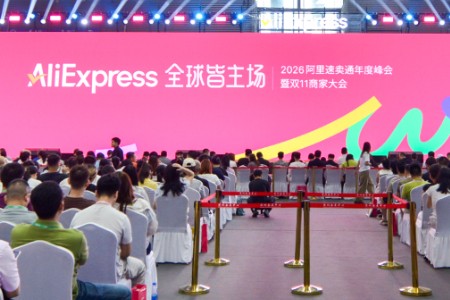
10月20日,在中国(杭州)跨境电子商务综合试验区、杭州市萧山区商务局指导下,由全球跨境电商知识服务中心、亿邦动力马蹄社主办的“外贸青蓝计划·品牌跃迁”第三课上,CISMEA联合创始人李金虎先向现场企业抛出了一个问题:“如果明天商超给你下一个订单,你做好准备了吗?”


他所说的准备,涉及价格、产品、现金流、仓储、退货、营销和组织协同。如果有任何一项没有提前设计,都可能让一张看起来诱人的商超订单变成经营压力。


李金虎长期关注中国品牌进入欧美线下零售渠道。在他的讲述中,从线上走向线下,企业经历的是一次经营逻辑的换挡:线上数据可以验证需求,线下渠道则要求品牌重新证明产品能否在有限的货架空间里持续周转,以及企业能否在更长的经营周期里稳定履约。


CISMEA联合创始人 李金虎


亚马逊卖得好,为什么买手仍会摇头?


对跨境卖家来说,线上平台提供了相对清晰的经营路径:上架产品、获取流量、观察转化,再根据数据调整投放和库存。当一款产品进入类目前列,企业很容易把这份成绩理解为进入线下的通行证。


但实体商超里的货架有限,每一个位置都有明确的机会成本。买手引进一款新品,意味着另一款产品可能要退出;如果新品周转缓慢,单笔采购、门店坪效、库存和买手本人的决策记录都会受到影响。


因此,线上销量只是买手评估品牌的维度之一。按照李金虎在课程中给出的判断,线上表现能够帮助品牌拿到与买手对话的门票,却不能直接换来商超准入。买手还会追问:产品能为渠道留下多少毛利?周转速度如何?退货风险多高?供应商能否稳定交付?品牌会投入多少资源推动动销?


价格体系是企业最先遇到的冲突。线上平台与线下渠道的成本结构不同,商超需要预留货架、人员、仓储、促销以及退货处理空间。某款产品若长期依赖低价获得线上销量,留给线下渠道的利润可能已经不足。会员制商超还会要求专属价格或额外套装,由此又可能与线上渠道发生价格碰撞。


企业可以为线下开发专供款,但一款未经验证的新品,也无法直接继承线上爆款的全部信用。原有品牌知名度能够降低买手的理解成本,新产品能否在门店销售,仍要回到价格、场景和渠道适配上重新判断。


线上成绩证明了消费者曾经选择过你,线下渠道关心的是这种选择能否在另一套交易结构中继续发生。


一张采购单里,买手究竟在算什么?


许多企业第一次接触海外商超,会把它理解为一笔大额ToB订单:商超采购,品牌交货,交易随之完成。李金虎提醒,采购合同虽然签给渠道,商品最终依然要由消费者买走。库存能不能周转、促销是否有效、退货怎样处理,最后都会回到品牌方身上。


在这个意义上,品牌与商超合作仍是一门ToC生意。渠道提供货架和消费者触点,品牌需要负责需求的形成、产品的表达以及售后的承接。


李金虎把产品获得买手认可的关键条件概括为六个方面:本地化、功能性、差异化、包装、价格和供应链。六项看似分散,最终指向同一个问题——企业能否把产品优势翻译成买手可以判断、消费者能够理解的商业语言。


技术团队习惯讲芯片、参数和性能,买手更关心这些技术会不会带来新的客流、更快的周转或更低的退货。李金虎举例说:一个与电脑颜色和形态高度匹配的配件,或者一套能够直观展示“免手洗”体验的清洁工具,往往比复杂的工程术语更容易被理解。差异可以来自功能,也可以来自一个足够清晰的使用场景。


本地化同样发生在场景层面。同一种产品,在中国可能被当作通勤工具,在美国可能被视为户外运动能力的延伸。用户购买产品的理由变了,目标人群、卖点和传播方式也要随之改变。


包装则直接承担货架上的沟通任务。线上包装首先考虑运输效率,线下包装还要让消费者远距离看见产品,快速理解用途,并在无法拆箱体验的情况下完成判断。不同商超对陈列、套装和托盘也有各自规则,包装因此成为产品策略和渠道策略的一部分。


买手同时评估商品与经营方案:渠道能不能接住,消费者愿不愿意买走。


外贸青蓝计划·品牌跃迁


先冲头部商超,为什么可能是最危险的捷径?


当企业决定进入线下,最容易出现的冲动是直奔沃尔玛、Costco等全国性渠道。头部商超覆盖门店多、品牌背书强,看起来也是放大销量最快的选择。


但渠道越大,试错成本越高。产品在全国性商超动销不佳,留下的渠道记录可能影响后续合作;订单规模扩大后,账期、库存、退货和促销费用也会同步放大。企业尚未验证产品和团队的线下能力时,一张大订单反而可能提前暴露整个系统的短板。


李金虎将美国线下渠道大致分为综合型商超、会员制商超、全国性垂直渠道和区域性渠道。不同渠道的选品重点各有侧重:综合商超关注周转和大众需求,会员店强调会员价值与套装差异,垂直渠道更看重产品与专业场景的匹配,区域渠道则可以成为测试产品和运营能力的入口。


合作方式也要随企业所处阶段而进行调整。品牌可以自建本地团队直接供货,也可以借助经销商覆盖更多门店,或者由商超直接采购;贴牌OEM主要沉淀的是制造与履约能力,对自有品牌资产的积累相对有限。每种模式都对应不同的资金压力、利润结构、团队要求和库存风险。


因此,选渠道之前,企业要先回答四个问题:为什么一定要做海外线下?当前是否具备进入线下的真实条件?应该先做区域试点,还是直接进入全国性渠道?资金、组织与时间能否承受线下业务的验证周期?


这四个问题最终落在三项判断上:目标是否清楚,产品与市场是否已经拿出足以证明实力的证据,企业又是否准备好承担相应风险。现金流紧张、产品仍在频繁迭代、团队缺少线下运营认知,或者只追逐头部商超的品牌光环,都提示企业先补齐相应条件,再决定进场节奏。


“渠道没有绝对的好坏,只看是否匹配企业当下的发展阶段。”


这也意味着,线下布局更适合从可控范围内验证:先确认产品、价格和团队能够协同,再逐步扩展门店和区域。进入更多渠道只是结果,前提是企业已经知道自己适合进入哪里,以及为什么能够在那里卖得动。


被买手选中以后,品牌如何留在货架上?


产品被买手选中后,动销、售后和品牌经营仍要由企业主动承担。李金虎用一句话概括两者的关系:“对接买手成功、产品进入渠道,仅仅只是买了一张门票。”


门票之后,是一串比线上更长的经营链条。


大型商超通常通过不同区域的分拨中心补货,订单会被拆成大量小批次。品牌需要判断库存放在国内仓、海上运输途中、美国海外仓还是商超仓,既要保证补货速度,也要控制仓储与资金占用。随着合作渠道增加,企业还要借助EDI等系统处理订单、发票和物流节点。


退货方案也需要提前设计。低客单产品可能采用折价处理,高客单产品则需要回收、检测和翻新。判断产品是否适合某个渠道,需要同时考察销售表现、退货原因与完整生命周期中的处理成本。


动销同样需要品牌主动参与。线下促销涉及门店价签、陈列资源、人员安排和渠道沟通,决策周期往往长于线上投放。品牌需要提前规划促销节奏,持续向门店和消费者解释产品价值,而非等待货架自然产生销量。


更难的变化发生在企业内部。线上团队习惯用即时销量和广告回报评估工作,线下业务的选品、进场和促销周期更长。两支团队如果共用同一套价格、库存和考核方式,很容易发生冲突。老板需要从品牌全局出发,明确渠道边界,配置相应的产品、预算与评价周期。


供应链履约、全渠道价格体系、本地化能力和线上线下组织协同,构成了李金虎总结的四项线下渠道核心能力。结合课程PPT中的自检清单,企业还可以在正式进入渠道前逐项核对:产品价值是否清楚,价格与包装能否适配货架,供应链能否持续补货,市场证据和商业提案是否充分,本地仓储、售后、买手维护及内部权责是否已经落实。


这也解释了CISMEA分享这套方法的价值:把买手关系之外那些容易被忽略的规则,转化为企业进入渠道前可以逐项判断、准备和建设的能力。


从线上验证走向线下经营,中国品牌获得的是更广泛的消费者触点,也要承担更完整的品牌责任。从线上卖得好到线下卖得动,考验的是企业能否把一款产品的优势,重构为一套渠道能够承接、消费者愿意选择的经营系统。(马蹄社原创/2026年10月22日)


杭州市萧山区2026年政府工作报告提到,萧山跨境电商出口规模已居全省第一。为深度赋能辖区外贸企业高质量发展,助力传统外贸从“产品出海”向“品牌出海”转型升级,杭州市萧山区商务局在中国(杭州)跨境电子商务综合试验区支持下,立足本地外贸与制造业基础,依托全球跨境电商知识服务中心等平台载体,面向区内优质亿级外贸企业推出“外贸青蓝计划·品牌跃迁”系列培育活动。


“外贸青蓝计划·品牌跃迁”由全球跨境电商知识服务中心、亿邦动力马蹄社主办,该系列活动回应的是外贸企业从“产品出海”走向“品牌出海”时遇到的现实难题,着力解决部分企业重供应链、轻品牌建设以及价格竞争、市场定价能力不足等问题,帮助企业补齐品牌战略认知短板,用好数字化、AI等工具,夯实出海竞争力,培育更多萧山本土出海品牌。


本文首发于 亿邦动力 官方网站

文章来源:马蹄社

广告
微信
朋友圈

FAQ回顾

中国品牌在亚马逊等线上平台卖得好,能直接获得欧美商超准入吗?

不能。线上销量只是帮助品牌拿到与买手对话的门票,不能直接换来商超准入。买手还会追问产品能为渠道留下多少毛利、周转速度如何、退货风险多高、供应商能否稳定交付,以及品牌愿意投入多少资源推动动销,因为有限货架上的每款新品都意味着另一款产品可能退出。

海外商超买手评估一款新品时主要看哪些条件?

买手从本地化、功能性、差异化、包装、价格和供应链六个方面评估新品,核心是产品能否带来新客流、更快周转或更低退货。线上低价会压缩线下渠道利润,会员制商超还可能要求专属价格或套装,品牌可开发线下专供款,但仍需重新验证价格、场景与渠道适配。

中国品牌进入美国线下零售,应该先从哪类渠道开始?

美国线下渠道大致分为综合型商超、会员制商超、全国性垂直渠道和区域性渠道。综合商超关注周转与大众需求,会员店强调会员价值与套装差异,垂直渠道看重产品与专业场景匹配。在产品与团队线下能力尚未验证时,宜先用区域渠道或区域试点测试,再逐步扩展门店,而非直接冲头部商超。

产品被买手选中进入商超后,品牌还要承担哪些运营工作?

进入渠道只是买了一张门票。大型商超通过区域分拨中心补货,订单被拆成小批次,品牌要判断库存放在国内仓、在途、美国海外仓还是商超仓,并借助EDI处理订单与物流节点;退货需提前设计,低客单产品折价处理、高客单产品回收检测翻新;还要主动规划门店价签、陈列与促销资源。

中国品牌做欧美线下渠道需要具备哪几项核心能力?

四项核心能力是供应链履约、全渠道价格体系、本地化能力和线上线下组织协同。企业进场前可逐项自检:产品价值是否清楚,价格与包装能否适配货架,供应链能否持续补货,市场证据和商业提案是否充分,本地仓储、售后、买手维护及内部权责是否已经落实。

这么好看,分享一下?

朋友圈 分享

APP内打开

赞 +1
+1
微信好友 朋友圈 新浪微博 QQ空间
关闭
收藏成功
发送
/140 0