广告
加载中

AI重构品牌出海 下一轮增长机会在哪里?

龚作仁 2026-10-16 13:42
龚作仁 2026/10/16 13:42

邦小白快读

EN
全文速览

总:这篇文章核心是AI如何成为出海品牌下一轮增长的关键,并介绍了品牌方舟大会的焦点。

1. 过去靠平台红利、供应链优势、爆品策略的增长公式正在失效,AI进入产品定义、内容生产、营销增长、独立站运营、本地化和合规管理等核心环节;

2. 品牌需要聚焦产品、内容、独立站、本地化与合规底座五个关键环节,从“堆工具”转向“找路径”,找到从产品到转化更短更优的增长路径;

3. 增长逻辑从追求流量和GMV转向沉淀长期品牌资产,搜索流量变为GEO流量,内容变为AI原生内容,供应链走向全球协同;

4. 现场可体验AI硬件、庭院机器人、储能设备、智能小家电、3D打印设备等前沿产品,直观感受AI与硬件融合带来的新消费场景。

总:AI正重构品牌出海的营销、产品研发和渠道建设,品牌商需要抓住从流量增长到品牌资产增长的机会。

1. 产品端:AI参与产品研发与产品定义,帮助品牌更精准理解碎片化的消费者需求;

2. 营销端:AIGC进入品牌内容与用户心智,搜索流量转向GEO流量,独立站运营、本地化与合规管理成为品牌核心能力;

3. 渠道与增长:从单次转化到长期品牌资产沉淀,AI原生内容和全球供应链协同成为新的品牌护城河;

4. 合作启示:品牌商可通过大会资源链接专区对接资本和服务商,并在闭门私享酒会中探索品牌联名与渠道合作。

总:这篇文章为出海卖家带来AI驱动增长的新机会和新路径,也给出风险提示和合作方式。

1. 增长市场:流量越来越贵、市场越来越碎,旧的爆品策略失效,AI成为新变量,找到从产品到市场的更短路径即是增长机会;

2. 机会点:AI重构全球流量入口,GEO带来新流量杠杆;AI重构供应链与履约效率,有利于降本增效;

3. 风险提示:不能盲目堆砌AI工具,需要从产品、内容、用户、市场、转化全链路优化,避免只做浅层应用;

4. 合作方式:现场设有资源链接专区,覆盖资本、服务商与品牌方,可在融资、技术应用、全球化运营等方面精准对接,也会参与闭门酒会拓展资源协同。

总:文章提示工厂应关注AI在产品设计和生产中的角色,以及AI与硬件融合带来的商业机会和数字化启示。

1. 产品需求:AI参与产品研发与产品定义,AI硬件、庭院机器人、储能设备、智能小家电、3D打印设备等新产品形态正在出现,工厂可关注这些品类的代工或合作需求;

2. 数字化启示:AI进入供应链端,重构出海供应链与履约效率,工厂需要思考如何用AI提升生产协同和交付能力;

3. 商业机会:AI Native品牌展示出AI与硬件融合催生的消费场景,工厂可以从前沿产品体验中捕捉设计需求,调整产线方向;

4. 注意事项:市场对本地化和合规底座的要求提高,工厂在供应链协同中应重视合规管理。

总:文章指出AI正从提效工具变为品牌经营的基础设施,服务商面临新的客户痛点和解决方案市场。

1. 行业趋势:AI深入产品、内容、运营、供应链等核心环节,客户需求从单点提效转向全链路重构;

2. 客户痛点:流量成本高、市场碎片化、全球化复杂,品牌需要找到效率更优、成本更优的增长路径;

3. 解决方案:可在流量端提供GEO优化,在内容端提供AIGC工具,在组织端提供AI Agent落地,在供应链端提供数字化协同方案;

4. 合作方式:大会打通品牌、技术、资本与服务生态,服务商可在资源链接专区寻找客户和合作伙伴,共同提供全球化增长服务。

总:文章反映了品牌对平台的需求正在变化,AI正在改变流量入口和运营方式,平台商需要适应AI重构的新逻辑。

1. 平台红利失效:品牌不再只依赖平台流量,平台商需要提供AI赋能的增长解决方案,帮助品牌应对更贵的流量和更碎的市场;

2. 运营变化:AI进入独立站运营和合规管理,GEO成为新的流量入口,平台商应关注搜索和内容生态的重构;

3. 生态连接:大会提出品牌、技术、资本、生态强连接,平台商可以参与构建AI时代的服务生态,在招商和运营管理中融入AI能力;

4. 风险规避:平台商需要警惕单纯靠流量分配的旧模式,转向帮助品牌沉淀长期资产和全球供应链协同。

总:文章展示了出海产业的新动向:AI重构品牌增长方式,从流量逻辑转向品牌资产逻辑,并提出新的商业模式问题。

1. 产业动向:AI从低级工具变为品牌骨架,覆盖产品定义、内容生产、营销增长、组织管理和供应链,品牌出海的底层逻辑发生改变;

2. 商业模式:提出“AI Core×BrandArk”双锚点模式,强调技术端与增长端结合,以及“从堆工具到找路径”的效率最优增长方式;

3. 新课题:从搜索流量到GEO流量、从单次转化到长期品牌资产、从单点供应链到全球供应链协同,这些转变带来新的研究问题;

4. 政策与启示:本地化和合规管理成为品牌底座,大会构建的资源连接机制(品牌、技术、资本、生态)或将成为出海服务生态的常态。

返回默认
声明:快读内容全程由AI生成,请注意甄别信息。如您发现问题,请发送邮件至 run@ebrun.com 。

我是 品牌商 卖家 工厂 服务商 平台商 研究者 帮我再读一遍。

Quick Summary

Summary: This article focuses on how AI is becoming the key to the next phase of growth for Chinese brands going global, and highlights the core themes of the Brand Ark conference.

1. The old growth formula of relying on platform dividends, supply chain advantages, and hit-product strategies is losing effectiveness. AI is now entering core areas such as product definition, content production, marketing growth, independent site operations, localization, and compliance management.

2. Brands need to focus on five key areas: product, content, independent sites, localization, and the compliance foundation. The shift should be from "stacking tools" to "finding the path" — discovering a shorter, better growth route from product to conversion.

3. The growth logic is moving from pursuing traffic and GMV to building long-term brand equity. Search traffic is becoming GEO traffic, content is becoming AI-native content, and supply chains are moving toward global coordination.

4. On-site, attendees can experience cutting-edge products such as AI hardware, yard robots, energy storage devices, smart small appliances, and 3D printing equipment, offering a direct look at how the integration of AI and hardware is creating new consumer scenarios.

Summary: AI is reshaping how brands go global across marketing, product development, and channel building. Brands must seize the opportunity to transition from traffic growth to brand equity growth.

1. Product side: AI is involved in product R&D and definition, helping brands understand fragmented consumer needs more precisely.

2. Marketing side: AIGC is entering brand content and consumer mindset; search traffic is shifting to GEO traffic. Independent site operations, localization, and compliance management are becoming core brand capabilities.

3. Channels and growth: The focus moves from one-time conversions to long-term brand equity accumulation. AI-native content and global supply chain coordination are becoming new brand moats.

4. Collaboration insights: Brands can use the conference's resource connection area to reach capital and service providers, and explore co-branding and channel partnerships at closed-door networking events.

Summary: This article offers cross-border sellers new opportunities and paths for AI-driven growth, along with risk warnings and collaboration approaches.

1. Growth market: Traffic is more expensive and markets are increasingly fragmented; old hit-product strategies are failing. AI becomes a new variable — finding a shorter product-to-market path is the growth opportunity.

2. Key opportunities: AI is reshaping global traffic entry points, with GEO offering a new traffic leverage; AI is also rebuilding supply chain and fulfillment efficiency, helping to reduce costs and increase efficiency.

3. Risk warning: Do not blindly pile up AI tools. Instead, optimize the entire chain across product, content, users, markets, and conversion to avoid superficial applications.

4. Collaboration: The conference features a resource connection area covering capital, service providers, and brands, enabling precise matchmaking for financing, technology application, and global operations. Closed-door networking events also facilitate resource synergy.

Summary: This article reminds factories to pay attention to AI's role in product design and production, as well as the business opportunities and digitalization insights brought by the integration of AI and hardware.

1. Product demand: AI is involved in product R&D and definition. New product forms such as AI hardware, yard robots, energy storage devices, smart small appliances, and 3D printing equipment are emerging. Factories should watch for OEM or partnership needs in these categories.

2. Digitalization insight: AI is entering the supply chain, rebuilding cross-border supply chains and fulfillment efficiency. Factories need to consider how to use AI to improve production coordination and delivery capabilities.

3. Business opportunity: AI-native brands are showcasing consumer scenarios enabled by AI-hardware integration. Factories can capture design needs from experiencing cutting-edge products and adjust production line directions.

4. Note: Market requirements for localization and compliance foundations are increasing. Factories should emphasize compliance management in supply chain coordination.

Summary: This article points out that AI is evolving from a productivity tool into the infrastructure of brand operations, presenting service providers with new client pain points and solution markets.

1. Industry trend: AI is penetrating core areas such as product, content, operations, and supply chain. Client needs are shifting from single-point efficiency gains to full-chain reconstruction.

2. Client pain points: High traffic costs, fragmented markets, and global complexity mean brands need growth paths that are more efficient and cost-effective.

3. Solutions: Service providers can offer GEO optimization for traffic, AIGC tools for content, AI Agent implementation for organizational efficiency, and digital coordination solutions for supply chains.

4. Collaboration: The conference connects brands, technology, capital, and the service ecosystem. Service providers can use the resource connection area to find clients and partners, jointly delivering global growth services.

Summary: This article reflects that brands' demands on platforms are changing. AI is reshaping traffic entry points and operating methods, and platform operators need to adapt to the new logic of AI reconstruction.

1. Platform dividend decline: Brands no longer rely solely on platform traffic. Platforms need to provide AI-empowered growth solutions to help brands cope with more expensive traffic and more fragmented markets.

2. Operational changes: AI is entering independent site operations and compliance management. GEO is becoming a new traffic entry. Platforms should focus on the reconstruction of search and content ecosystems.

3. Ecosystem connection: The conference emphasizes strong connections among brands, technology, capital, and the ecosystem. Platforms can participate in building an AI-era service ecosystem and integrate AI capabilities into merchant acquisition and operational management.

4. Risk avoidance: Platforms should be wary of the old model of simply distributing traffic, and instead shift toward helping brands accumulate long-term assets and achieve global supply chain coordination.

Summary: This article reveals new trends in the cross-border industry: AI is rebuilding brand growth models, shifting from a traffic logic to a brand equity logic, and raising new business model questions.

1. Industry dynamics: AI is moving from a low-level tool to the backbone of brands, covering product definition, content production, marketing growth, organizational management, and supply chains. The underlying logic of brands going global is changing.

2. Business model: The article proposes a dual-anchor model of "AI Core × BrandArk," emphasizing the combination of technology and growth, as well as the "from stacking tools to finding paths" approach for optimal efficiency growth.

3. New research agendas: Transitions from search traffic to GEO traffic, from single conversions to long-term brand equity, and from standalone supply chains to global supply chain coordination raise new research questions.

4. Policy and implications: Localization and compliance management are becoming brand foundations. The resource-connection mechanism built by the conference (brands, technology, capital, ecosystem) may become the norm for the cross-border service ecosystem.

Disclaimer: The "Quick Summary" content is entirely generated by AI. Please exercise discretion when interpreting the information. For issues or corrections, please email run@ebrun.com .

I am a Brand Seller Factory Service Provider Marketplace Seller Researcher Read it again.

如果说过去几年,出海品牌还在回答“去哪里增长”,那么进入2026年,越来越多的品牌开始面对另一个问题:下一轮增长,究竟靠什么发生?

过去,平台红利带来流量,供应链优势带来价格,爆品策略带来增长。但当流量越来越贵、市场越来越碎、消费者越来越难以被简单定义,曾经行之有效的增长公式正在失效,品牌需要重新寻找增长的确定性。

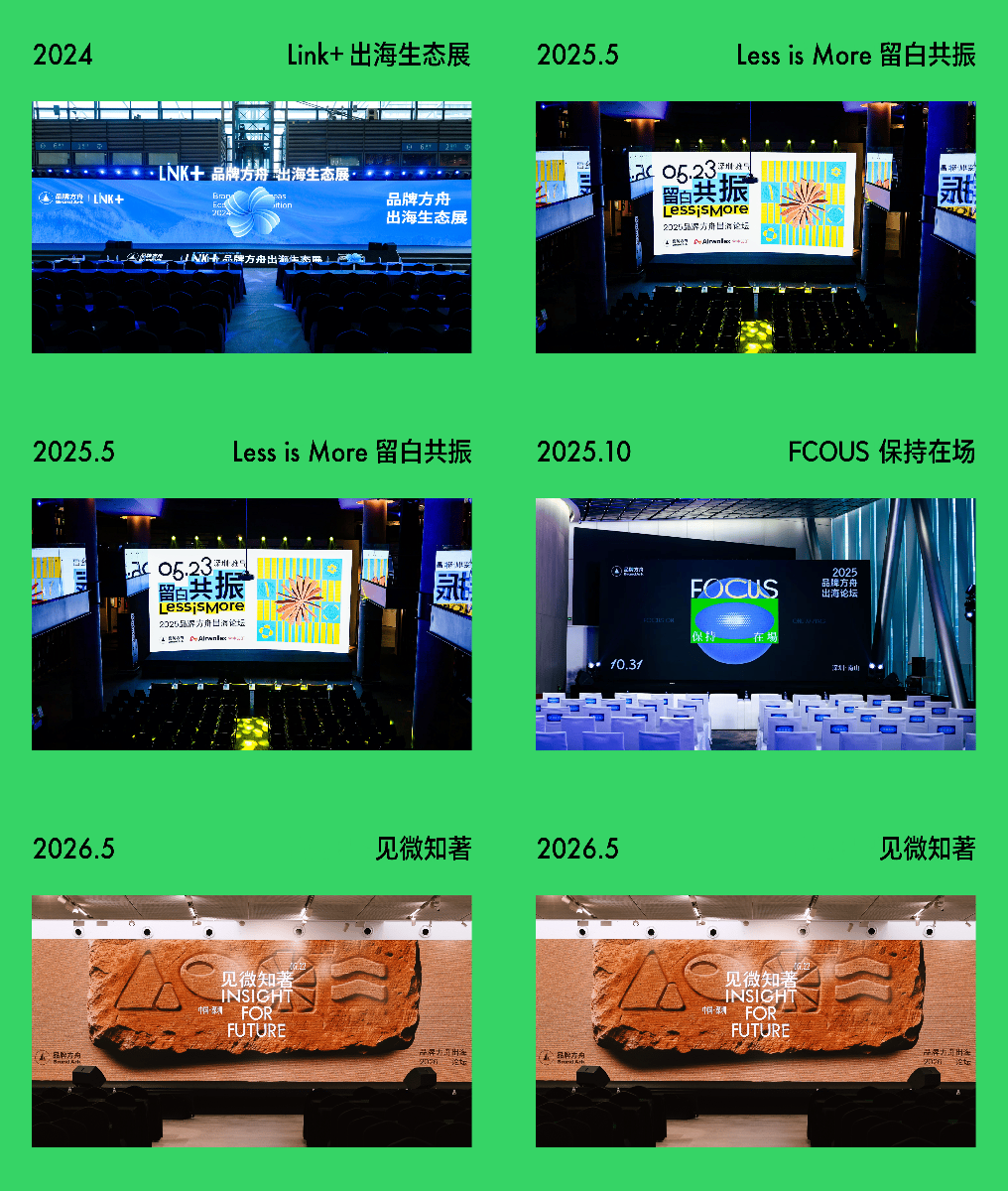
带着这样的疑惑回望来路,从「Link+」到「共振」,从「保持在场」到「见微知著」,品牌方舟三年连跃的线索一直清晰——始终与中国品牌并肩前行,在顺应时代的发展下,发现增长的答案。

而2026的当下

AI,正在成为其中最重要的变量

从产品定义到内容生产,从营销增长到独立站运营,从本地化到合规管理,AI正在逐步进入品牌经营的核心环节。它不再只是一个帮助团队“做得更快”的工具,而开始改变品牌如何理解市场、定义产品、触达用户,以及在全球市场中持续增长。

从借助AI提效,到以AI重构品牌,出海正在进入一个新的阶段。这也意味着,真正值得讨论的已经不只是“AI还能做什么”,而是当AI逐渐成为品牌的新骨架,下一代全球品牌,究竟会如何重新长出来?

这正是「锚定AICore」的起点。

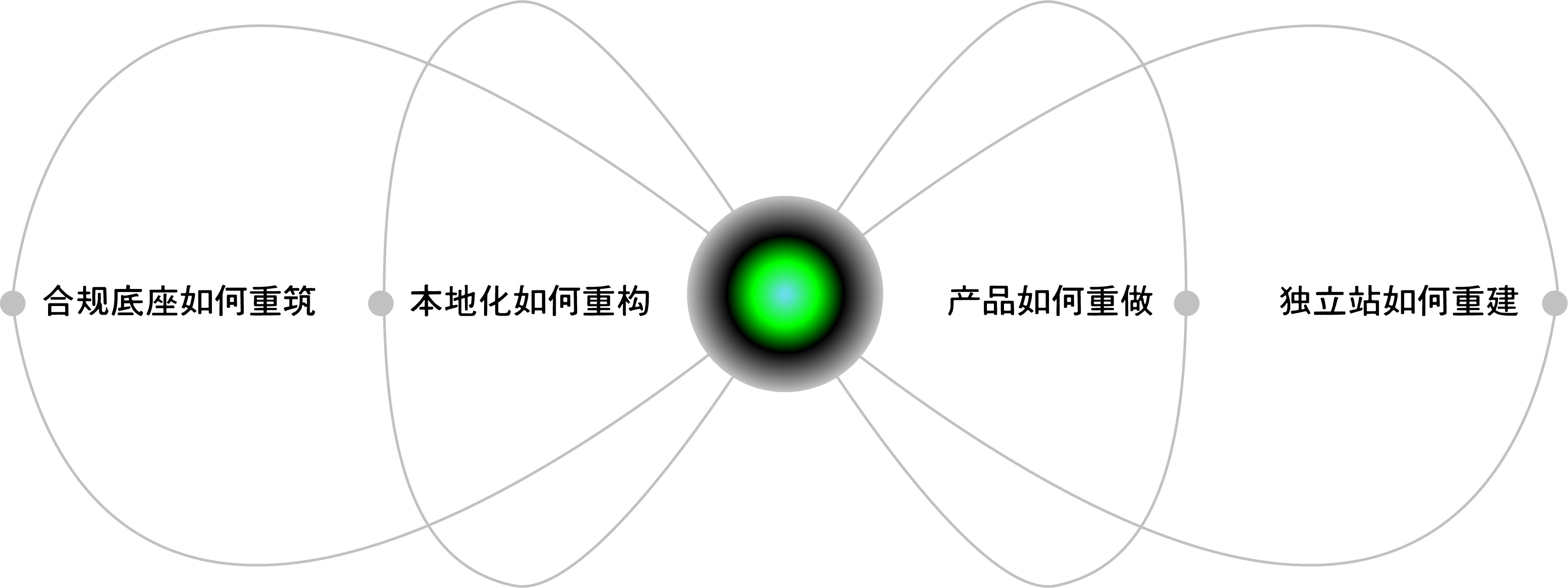
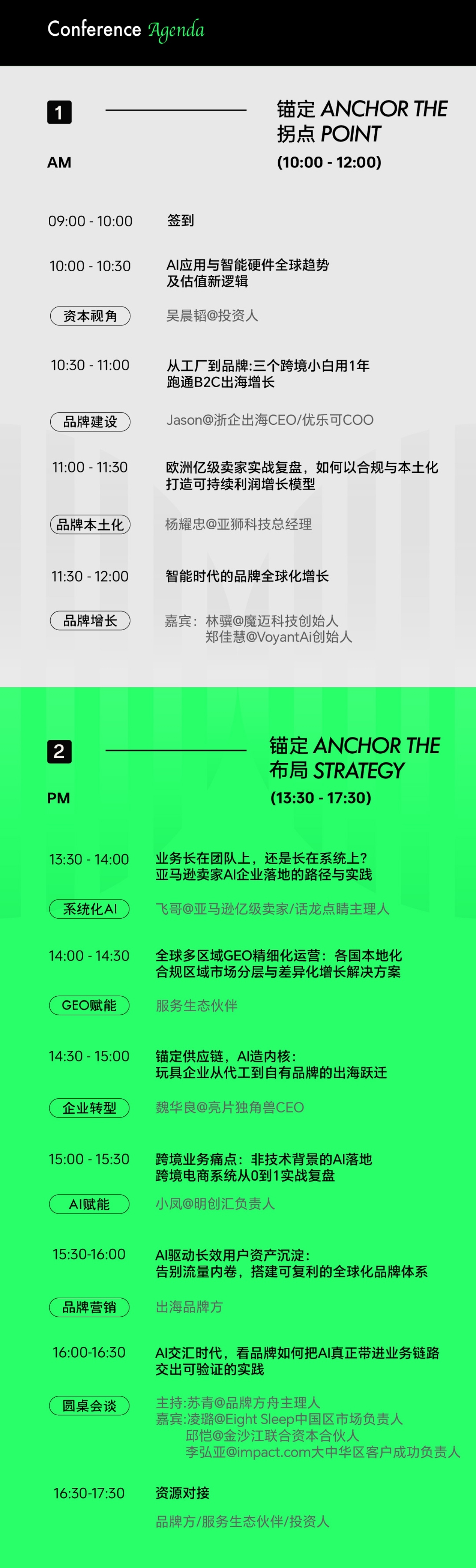
10月30日,品牌方舟将在杭州举办「锚定AI Core·2026品牌方舟新质大会」。本次大会将聚焦AI如何从表层工具深入品牌骨架,重新审视产品、内容、独立站、本地化与合规底座五个关键环节,并围绕“1大主题+2大专题”展开深度探讨。

从趋势研判到实战拆解,再到资源对接,品牌方舟希望与更多出海品牌一起,在变化加速、不确定性持续增加的全球市场中,重新寻找增长的底层逻辑,找到一条效率更优、成本更优,也更具长期确定性的全球化增长路径。

本届论坛,将聚焦什么?

01|双锚点AI Core× BrandArk

AI Core× BrandArk,一端,是AI核心技术与新质生产力;一端,是品牌出海与全球增长。以“技术端”与“增长端”为两大锚点,大会不只讨论AI技术本身,也不只讨论品牌增长,而是试图回答,当AI真正进入品牌经营,技术与市场之间,究竟应该如何重新连接?

02|最优解 从“堆工具”到“找路径”

AI不是增加流程,而是减少路径。悬链曲面的核心,是在两个固定锚点之间形成一条效率最优、成本极优的路径。

这也是「锚定AI Core」想讨论的增长命题:当流量越来越贵、市场越来越碎、全球化越来越复杂,品牌真正需要的不是更多工具,而是找到从产品 → 内容 → 用户 → 市场 → 转化之间更短、更优的增长路径。

03|全链路与新增长AI进入品牌增长的每一个关键环节

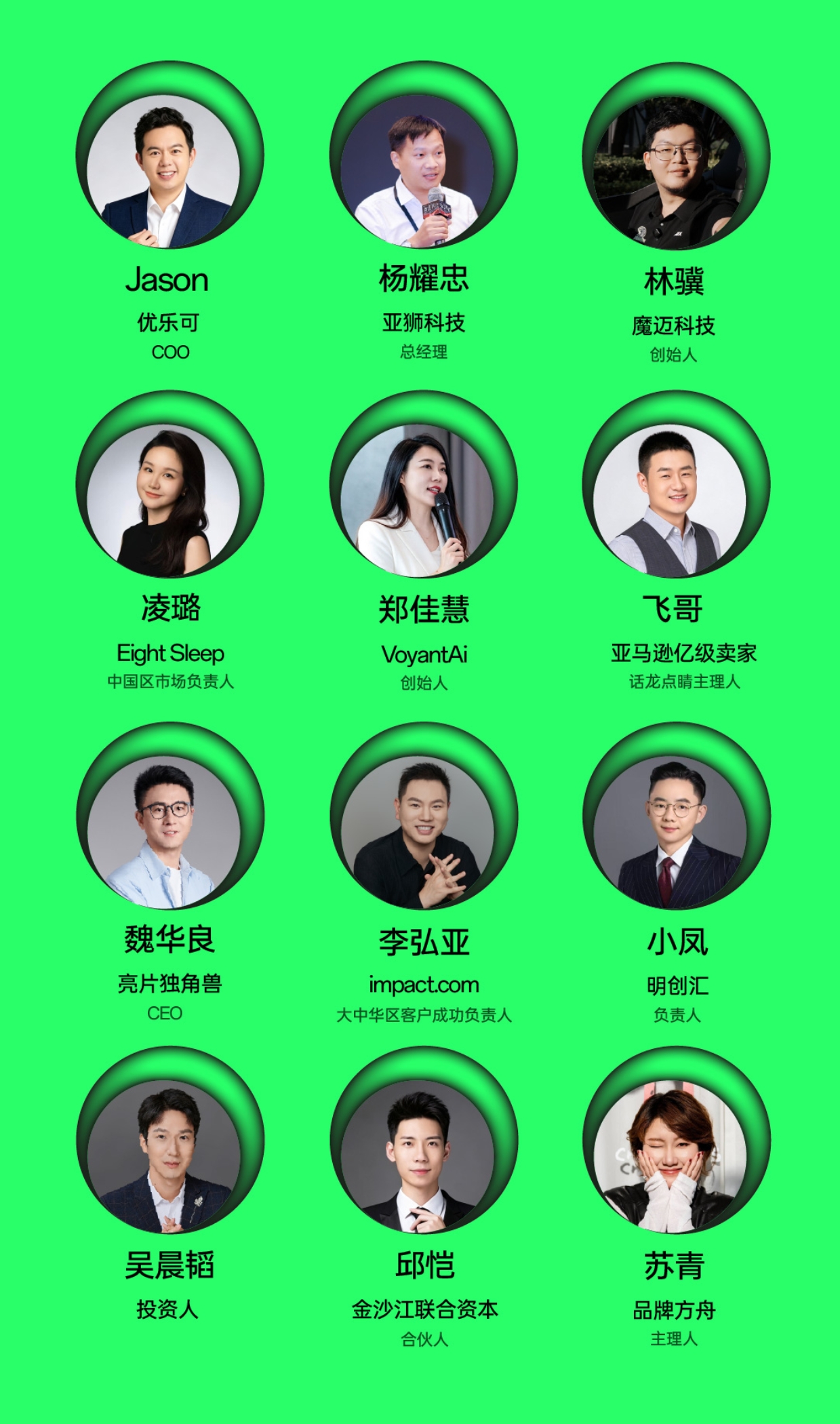
大会不把AI停留在“写文案、做内容”的浅层应用,而是进一步进入品牌经营的核心环节,邀请20+垂直在品牌出海及AI赋能相关领域专家,从单点提效,到全链路重构:

l产品端:AI如何参与产品研发与产品定义

l流量端:从搜索到GEO,AI如何重构全球流量入口

l组织端:AI Agent如何进入企业真实业务

l营销端:AIGC如何进入品牌内容与用户心智

l增长端:AI如何驱动长期品牌资产沉淀

l供应链端:AI如何重构出海供应链与履约效率

04丨从流量增长,到品牌资产增长

过去的出海增长,更多围绕流量、转化和GMV展开。

但如今,AI正在改变品牌积累价值的方式。从搜索流量到GEO流量,从内容生产到AI原生内容,从一次转化到长期品牌资产,从单点供应链到全球供应链协同。

当流量越来越容易被技术重构,品牌真正应该沉淀的,究竟是什么?

05|强连接 品牌 × 技术 × 资本 × 生态

让技术找到场景,让品牌找到路径,让资源在增长链路中真正发生连接。

在内容之外,大会现场还将进一步打通品牌、资本

与服务生态之间的连接。现场特设资源链接专区,覆盖资本端、服务商全链路与品牌方,围绕融资、品牌增长、技术应用、全球化运营等需求进行精准匹配,让台上的趋势判断进一步走向台下的真实合作。

从“听见趋势”,到“看见产品”,再到“找到伙伴”。

现场还将特别打造品牌力专场AI Native品牌展与艺术展,将AI从抽象概念带回真实的产品与消费场景。参会品牌可以现场体验AI硬件、庭院机器人、储能设备、智能小家电、3D打印设备等前沿产品,直观感受AI与硬件融合正在如何催生新的产品形态、消费场景与品牌机会。

而对于真正希望在这场产业变革中建立长期连接的品牌,大会的价值也将延续到会场之外。

大会当晚品牌方舟还将特别设置「Booming Night.AI」闭门私享酒会,定向邀约品牌创始人、C-level高管与资本方。在更松弛、私密的交流场景中,跳出传统商业宣讲的边界,让关于投融资、品牌联名、渠道合作与资源协同的深度交流真正发生。

此次大会不是连接的终点,而是长期关系的起点。

在裂变的出海时代,品牌方舟带你寻找品牌增长的最优解。

10月30日,杭州见~

注:文/龚作仁,文章来源:Laborer,本文为作者独立观点,不代表亿邦动力立场。

文章来源:Laborer

广告
微信
朋友圈

FAQ回顾

AI在品牌出海中有哪些应用场景?

据2026年品牌方舟新质大会信息,AI已深入品牌出海核心环节,包括用AI参与产品研发与定义、重构全球流量入口(如GEO)、AI Agent进入企业业务、AIGC用于品牌内容与用户心智、驱动长期品牌资产沉淀,以及重构供应链与履约效率。

品牌出海下一轮增长的关键是什么?

品牌出海下一轮增长的关键在于以AI重构品牌,而不只是提效工具。品牌需要从“堆工具”转向“找路径”,利用AI在产品、内容、用户、市场与转化之间建立更短、更优的增长路径,并沉淀长期品牌资产。

2026年品牌方舟新质大会的焦点是什么?

2026年10月30日,品牌方舟在杭州举办「锚定AI Core·2026品牌方舟新质大会」。大会聚焦AI如何从表层工具深入品牌骨架,围绕产品、内容、独立站、本地化与合规底座五个关键环节,以“1大主题、2大专题”展开探讨,并设置资源链接专区与AI Native品牌展。

GEO对出海品牌有什么影响?

GEO(生成式引擎优化)正在重构全球流量入口。在AI搜索兴起的背景下,出海品牌不再只依赖传统搜索流量,而是通过GEO优化在AI搜索引擎中的可见性,从流量增长转向品牌资产增长。

这么好看,分享一下?

朋友圈 分享

APP内打开

赞 +1
+1
微信好友 朋友圈 新浪微博 QQ空间
关闭
收藏成功
发送
/140 0