广告
加载中

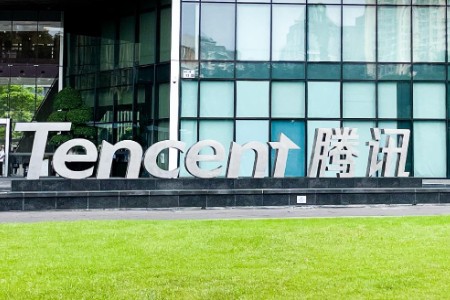
腾讯下场了

杨继云 2026-10-16 16:10
杨继云 2026/10/16 16:10

邦小白快读

EN
全文速览

微信内已上线“绿泡泡短剧”小程序,全称“免费好剧,一点就看”,可直接在微信搜索或通过原“短剧”小程序入口进入。它主打免费剧场,里面包括“朋友在看”“AI剧”“动漫剧”等多个栏目。标杆剧集《影后芽芽》上线3天播放破数亿,峰值同时在线超200万人,看得出内容吸引力很强。

需要提醒的是,这类免费短剧非常容易让人上瘾。有网友晒出手机使用记录显示,其红果短剧日均使用时长超10小时,被形容为“千万别下载”。所以普通观众在追剧时要留意控制时间,避免不知不觉消耗大量休闲时间。免费模式背后靠广告支撑,需要接受观看广告的体验。

免费短剧正在成为品牌广告的新阵地,值得关注。绿泡泡短剧通过广告变现,上线3天广告收入达到数百万元,说明用户流量能快速转化为商业收益。品牌可借助短剧贴片、植入或冠名方式触达高沉浸用户。红果短剧单用户日均使用125分钟,超过抖音和微信,是当下最强的注意力入口之一,品牌商应重新评估在短剧渠道的投放预算。

从用户行为看,短剧用户追求强冲突、高爽感内容,品牌在植入时需注重剧情连贯性,避免生硬打断。同时,AI仿真人短剧已跑通,比如《影后芽芽》成为标杆,未来AI生成内容可能带来更低成本、更可批量定制的品牌定制短剧,值得品牌作为内容营销的新方向研究。

短剧赛道出现免费模式的新增长市场,卖家可从中寻找机会。腾讯正式下场推出绿泡泡短剧,直接对标字节红果,意味着平台间竞争加剧,后续可能出现流量扶持或补贴政策,卖家可关注微信生态内短剧相关的合作机会。

另一个值得关注的变化是免费观看加广告变现成为主流,红果短剧日活已飙至1.68亿,超过四大长视频平台之和,说明用户内容消费习惯正在转移。卖家可以思考如何利用短剧做内容带货或品牌曝光,尤其是在微信小程序的社交分发场景中。风险提示是短剧用户时长被头部平台高度垄断,中小卖家如果没有优质内容或投放经验,谨慎盲目下场,优先在官方明确的扶持方向中试水。

AI正在大幅降低短剧生产门槛,内容工厂迎来新的制造方式。绿泡泡上线的AI仿真人短剧《影后芽芽》迅速成为标杆,说明AI生成内容已经被主流平台接纳并跑通。这类短剧不需要传统剧组,剧本、画面、配音都能规模化批量生成,内容工厂可转型为AI辅助生产线,缩短制作周期、降低内容成本。

但竞争重心也发生变化,内容供给不再是瓶颈,真正的比拼在于分发权、用户数据沉淀和下一代内容工业化体系。工厂端需要与平台建立紧密合作,通过用户观看反馈快速迭代内容,积累偏好数据,才能持续产出高留存率的爽感短剧。同时可借鉴快手发力AIGC短剧工业化生产的思路,提前布局AI工具链和标准化流程。

短剧时长争夺战带来了明确的技术与服务需求。行业趋势上,免费广告模式成为主流,字节红果单用户日均125分钟,腾讯绿泡泡借助微信生态追赶,竞争核心是用户停留时长。服务商可围绕短剧制作、分发、变现全链路提供解决方案。

新技术方面,AI生成内容成为热点,剧本、画面、配音均可批量生产,AIGC短剧工业化正被快手等平台推进。服务商可提供AI内容生成工具、批量生产工作流、数字人形象定制等能力,帮助客户解决产能和成本痛点。

客户痛点还在于用户留存和广告转化。短剧需要密集的剧情钩子和精准推荐算法,服务商可提供用户行为数据分析、切片引流策略、跨端联动投放优化等专业服务,帮助平台或内容方提升人均观看时长和广告收入。

短剧已成为平台争夺用户时间的核心战场,各家的最新做法值得研究。腾讯依托微信生态,将“短剧”小程序升级为“绿泡泡短剧”,入口层级上调,并与视频号联动,标杆剧《影后芽芽》双端人均观看超30分钟,说明生态内嵌打法能有效起量。

字节则通过抖音切片引流、红果短剧承接、番茄IP供给,配合成熟推荐算法,形成流量、内容、变现的完整闭环,红果日活已达1.68亿。平台商可以借鉴这种多端分工模式,用主App做入口,独立App沉淀时长。

快手扎根下沉社区,发力AIGC短剧工业化生产,代表着平台正在用AI压缩供给成本。平台商在运营管理中需要注意免费广告模式的监管边界,以及用户沉迷风险,避免因时长指标过度追求而引发政策或舆论问题。

短剧赛道折射出互联网注意力经济的新动向。用户时长份额发生历史性更迭,野村数据显示字节系时长份额达41.8%,超过腾讯系28.6%,其中红果短剧时长份额同比增速182%,成为最大变量。这印证了短剧已从边缘内容变成平台级战略资产,研究者可关注短视频与短剧对长内容生态的替代效应。

商业模式上,腾讯从会员制精品短剧转向广告驱动型产品,是应对免费短剧冲击的重要战略调整。免费观看加广告变现模式被验证为高效率,但广告主压力与用户体验平衡会成为新问题。

AI降低了内容生产门槛,剧本、画面、配音可批量生成,竞争重心转向数据与分发权,形成数据、内容、流量互相强化的循环。这种格局可能带来赢家通吃的垄断风险,平台为争夺时长可能加剧算法推荐趋同和用户沉迷,需要政策制定者关注针对短剧的广告规范、防沉迷机制以及内容质量监管。

返回默认
声明:快读内容全程由AI生成,请注意甄别信息。如您发现问题,请发送邮件至 run@ebrun.com 。

我是 品牌商 卖家 工厂 服务商 平台商 研究者 帮我再读一遍。

Quick Summary

Tencent has launched a short-drama mini-program called Green Bubble within WeChat, promoting 'great free dramas, one tap to watch.' You can find it by searching in WeChat or through the original 'Short Dramas' entry. It focuses on free content, with sections such as 'Friends Are Watching,' 'AI Dramas,' and 'Anime Dramas.' Its benchmark title, 'Movie Queen Yaya,' surpassed hundreds of millions of views within three days and peaked at over 2 million concurrent viewers — clear proof of strong content appeal.

One caution: such free short dramas can be highly addictive. Some users have posted phone screen-time data showing daily use of the Hongguo short-drama app exceeding 10 hours, earning it the warning 'don't even download it.' Ordinary viewers should keep track of their time and avoid letting episodes quietly eat up their leisure hours. The free model relies on ads, so be prepared to watch commercials.

Free short dramas are emerging as a fresh venue for brand advertising and deserve close attention. Green Bubble monetizes through ads, generating millions of yuan in ad revenue within three days of launch, showing that user traffic can quickly translate into commercial returns. Brands can use pre-roll or mid-roll placements, product integrations, or title sponsorship to reach deeply engaged viewers. Hongguo, meanwhile, already averages 125 minutes of daily use per user, surpassing Douyin and WeChat, making it one of the strongest attention channels today. Brand managers should reconsider how much of their ad budget is allocated to short-drama inventory.

In terms of audience behavior, short-drama viewers crave intense conflict and high-stimulation storytelling. Placements must feel organic to the plot and avoid jarring interruptions. At the same time, AI-generated human-like dramas have proven viable — 'Movie Queen Yaya' is now a benchmark series. Going forward, AI-driven production could make brand-customized short dramas cheaper and more scalable, making this a promising new direction for content marketing.

The free-model expansion in short dramas has created a new growth market, and sellers should explore the opportunities. Tencent has officially entered the space with Green Bubble, directly challenging ByteDance's Hongguo. With platform competition intensifying, traffic support or subsidies may follow, so sellers should watch for short-drama collaboration opportunities inside the WeChat ecosystem.

Another notable shift is the mainstreaming of free viewing plus ad monetization. Hongguo's daily active users have surged to 168 million, more than the four major long-form video platforms combined, signaling a shift in content consumption habits. Sellers can consider using short dramas for shoppable content or brand exposure, especially through social distribution within WeChat mini-programs. A risk warning: short-drama watch time is heavily concentrated among leading platforms. Mid- and small-sized sellers without quality content or advertising expertise should think twice before jumping in blind and should first test the waters in official supported directions.

AI is dramatically lowering the production barrier for short dramas, giving content factories a new way to manufacture. The AI-generated human-like drama 'Movie Queen Yaya' on Green Bubble quickly became a benchmark, showing that AI content has been accepted and proven by mainstream platforms. Such dramas no longer require a traditional crew: scripts, visuals, and voiceovers can all be produced at scale. Content factories can turn into AI-assisted assembly lines, reducing production cycles and content costs.

But the center of competition is shifting. Content supply is no longer the constraint; the real contest lies in distribution rights, user data accumulation, and next-generation content industrialization. Factories need close cooperation with platforms, rapid iteration based on viewing feedback, and accumulated preference data to keep producing high-retention, pleasure-inducing dramas. They can also learn from Kuaishou's push for industrialized AIGC production and prepare their AI toolchains and standardized workflows early.

The battle for short-drama watch time is creating clear technology and service needs. In industry trends, the free-and-ad-supported model has become mainstream. ByteDance's Hongguo averages 125 minutes per user per day, while Tencent's Green Bubble is catching up through the WeChat ecosystem. The core of competition is user dwell time. Service providers can build end-to-end solutions covering production, distribution, and monetization.

On new technology, AI-generated content has become a hot spot: scripts, visuals, and voiceovers can be batch-produced, and industrialized AIGC short-drama production is being advanced by platforms such as Kuaishou. Service providers can offer AI content generation tools, batch-production workflows, and custom digital human avatar design to solve clients' capacity and cost pain points.

Client pain points also center on retention and ad conversion. Short dramas need dense narrative hooks and precise recommendation algorithms. Service providers can offer user behavior analytics, clip-based traffic strategies, and cross-platform campaign optimization to help platforms or content owners raise average viewing time and ad revenue.

Short dramas have become a core battleground for platforms competing for user attention, and the latest strategies of major players deserve study. Tencent leveraged its WeChat ecosystem to upgrade the 'Short Dramas' mini-program into Green Bubble, raised its entry-level prominence, and linked it with Channels. The flagship 'Movie Queen Yaya' achieved an average of over 30 minutes per viewer across both ends, proving that an embedded ecosystem approach can drive scale effectively.

ByteDance, by contrast, uses Douyin clips for acquisition, Hongguo for time retention, and Fanqie's IP library for content supply, all powered by mature recommendation algorithms to form a complete loop of traffic, content, and monetization. Hongguo's DAU has reached 168 million. Platform operators can borrow this multi-end division: use the main app as an entry point and a standalone app to absorb watch time.

Kuaishou, anchored in lower-tier communities, is driving industrialized AIGC production, representing the industry's use of AI to compress content supply costs. In managing operations, platform operators must also watch the regulatory boundaries of the free-ad model and the risk of user addiction, avoiding excessive pursuit of watch-time metrics that could create policy or public-relations backlash.

Short dramas are a window into the latest dynamics of the internet attention economy. The distribution of user time is undergoing a historic realignment: Nomura data shows ByteDance's ecosystem now accounts for 41.8% of total user time, surpassing Tencent's 28.6%. Within that shift, Hongguo Short Dramas' share of time grew 182% year over year — the largest single swing. This confirms that short dramas have moved from fringe content to platform-level strategic assets. Researchers should pay attention to the substitution effect of short video and short dramas on long-form content.

In terms of business models, Tencent's shift from membership-based premium short dramas to ad-driven products is an important strategic response to the free short-drama wave. The free-plus-ad model has proven highly efficient, but balancing advertiser demands and user experience will become a new challenge.

AI has lowered content production barriers; scripts, visuals, and voiceovers can be generated in bulk. The competitive focus has shifted to data and distribution rights, creating a self-reinforcing loop between data, content, and traffic. This landscape carries risks of winner-take-all monopoly. As platforms fight for watch time, algorithm recommendation convergence and deeper user addiction may intensify, so policymakers should pay attention to advertising standards, anti-addiction mechanisms, and content quality regulation specific to short dramas.

Disclaimer: The "Quick Summary" content is entirely generated by AI. Please exercise discretion when interpreting the information. For issues or corrections, please email run@ebrun.com .

I am a Brand Seller Factory Service Provider Marketplace Seller Researcher Read it again.

腾讯祭出了“绿泡泡”。

大约一个月前,微信内悄然上线一款名为“绿泡泡短剧”的小程序,slogan为“免费好剧,一点就看”。至此,腾讯正式杀入免费短剧江湖。

尽管没有官宣,市场声音却很一致:绿泡泡直接对标字节的红果短剧。过去两年,红果短剧大杀四方,贡献了众多国民级热度的剧集,日活已飙升至1.68亿,抢走了越来越多用户的时间。

在互联网世界里,用户的屏幕时间就是核心资产。任何时候,争抢人们注意力和时间的生意都很迷人。这一次,腾讯下场了。

腾讯来了,绿泡泡诞生

不同于红果,绿泡泡目前仍在微信小程序,并无独立APP。

可以大致梳理出一个时间线——2026年7月,微信“短剧”小程序更名为“绿泡泡短剧”,8月灰度测试,9月底正式用“绿泡泡”的名字对外亮相,10月原“短剧”小程序入口被“绿泡泡短剧”全面接替。

资料显示,绿泡泡短剧小程序由微信短剧内容中心推出,“免费剧场”内容池中有多个栏目,包括朋友在看、AI剧、动漫剧等。

灰度测试期间,绿泡泡短剧上线的AI仿真人穿越题材短剧《影后芽芽》迅速成为标杆剧集——来自腾讯微信视频号创造营的官方信息显示,上线3天,小程序播放便突破数亿,峰值同时在线突破200万人,小程序与视频号双端人均观看时长均超过30分钟,上线数日双端触达千万用户,广告收入达到数百万元。

说起来,腾讯在短剧上筹谋已久。

早在2021年12月,腾讯视频就发布业内首个微短剧品牌“十分剧场”,作为长视频App里的一个频道页存在;2025年1月,微信上线腾讯首款独立短剧APP“火星短剧社”;6月,绿泡泡的前身“短剧”官方小程序上线。

今年初微信改版时,小程序为“短剧”设置独立入口——入口层级上调,意味着在微信生态内重要程度的明显提升。

腾讯无法不“动起来”。毕竟,这几年短剧已经悄悄大面积抢走用户的时间。

马化腾连续两年在腾讯年会上点名短剧赛道——先是2025年年会,他直言“短剧对长内容造成较大的冲击”,但强调腾讯坚持有所为有所不为,不做低质量短剧,只投资精品短剧。

到了2026年1月年会,马化腾进一步调整战略判断:“腾讯视频去年受到短剧冲击,除了坚持高品质长视频投入,接下来也要做一些广告驱动的产品。”

这句表态,或许正是绿泡泡小程序诞生最顶层的战略依据。过去腾讯视频的重心放在会员制精品短剧;而“广告驱动型产品”,瞄准的正是红果赖以崛起的免费广告短剧赛道。

如今腾讯加速下场,争夺被短剧抢走的用户时长。

“一半时间给了字节”

“中国互联网进入字节时间。”

近日一组来自野村证券的数据迅速席卷,其发布的《中国互联网与新媒体》行业研报显示:2026年8月,在中国月度使用时长排名前50的应用中,字节系整体时长份额达到41.8%。

其中,抖音时长份额19.3%,去年同期为16.7%;红果短剧时长份额升到6%,同比增速182%。

与此同时,抖音单用户日均使用时长112–120分钟,而红果短剧单用户日均使用时长125分钟,超过抖音、微信,成为所有头部App中单用户停留时长最高的产品。

相比之下,腾讯系产品份额回落至28.6%。回望十年前,在中国移动互联网全部App的时长大盘里,腾讯系App占全网时长曾超过45%,字节系当时不过是个位数。野村证券的数据显示,截至2026年3月,抖音月活已达到10.09亿,成为继微信之后第二款月活破10亿的App。

这场排名更迭中,最大的黑马来自红果短剧。

短短两三年时间,业内见证这个独立短剧APP的横空崛起。字节在2023年初启动短剧项目,同年8月红果短剧独立App正式上线,它跳出行业当时主流的付费解锁套路,选择全剧免费观看、广告变现的路线。

在字节强大流量生态的加持下,用户在抖音刷到反转密集的短剧切片,跳转红果继续追完整故事,再加上成熟的推荐算法,精准推送强冲突、高爽感的剧本,用户停留时长被拉到极高水平——上线不到一年,红果日活就突破400万。

抖音切片引流、番茄IP供给、平台分账吸引制片方,红果持续迅速起量,2026年1月日活正式突破1亿,跻身字节旗下第五款日活破亿独立产品。

来自QuestMobile的数据显示,截至2026年7月,红果日活攀升至1.68亿,据说已经超过腾讯视频、爱奇艺、优酷、芒果TV四大长视频平台之和,收割了大量休闲时间。

有人调侃:现在全民进入大红果时代。

与此同时,字节开始把红果“免费观看、广告变现”的模式搬到海外,旗下短剧应用PineDrama在海外上线约9个月后累计下载量突破1亿,日活跃用户约700万。

短剧席卷日常生活,昨天一条热搜爆了:“红果短剧千万别下载”——网友晒出手机使用记录显示其红果短剧日均使用时长超10小时,引发热议。明为劝退,也未尝不是短剧上瘾,抢占用户注意力的一种注脚。

时间大战

没有人能对这场“时长争夺战”视而不见。

从野村统计的用户时长数据不难看出,大量网民原本留给长视频、社交之余的娱乐时间,持续流向红果等字节系产品。

腾讯自有一套存量优势。根据腾讯控股2026年中期财报,微信及WeChat合并月活达到14.39亿,同比增长2%,仍是国内覆盖面最广的用户基础设施。只是微信以通讯、支付、办事等工具场景为主,用户行为碎片化,很难像短剧、短视频那样持续锁定大块娱乐时间。

当游戏、视频号构成腾讯现有的长时长防御阵地,绿泡泡短剧则成为这场时间大战中的新武器。

于互联网巨头而言,短剧赛道绝不只是多一个内容产品。短剧打通了碎片化,单集几十秒到一两分钟,剧情钩子密集,极低的观看门槛,极易实现长时间连续刷剧,是当下留存、时长指标最强的内容品类之一。

时长代表流量,流量决定了广告库存、商业变现空间,更是平台维系用户心智、守住生态基本盘的关键。一旦在短剧这个高粘性赛道出现战略缺位,就意味着持续流失大量中长尾用户的整块休闲时间。

于是我们看到,依托不同的资源禀赋,字节、腾讯、快手在短剧领域上演“三国杀”,拉开新一轮竞争——字节搭建IP、引流、变现完整闭环;腾讯依托微信社交分发,嵌入生态;快手扎根下沉社区,发力AIGC短剧工业化生产。

放到AI时代的大背景下,这场短剧时长争夺战,早已不止收割用户几十分钟的闲暇。

AI大幅压低了短剧创作门槛,剧本、画面、配音都可以规模化批量生成,内容供给不再是行业瓶颈,竞争重心转移到内容分发权、用户行为数据、下一代内容工业化体系上来。

这意味着,谁能够稳定抓住用户注意力,就能持续沉淀用户偏好数据,反过来训练、优化AI内容模型,形成数据、内容、流量互相强化的循环。

这是新时代的话语权争夺。而互联网历史表明,赢家往往通吃——败者,则亡。

注:文/杨继云,文章来源:投资界(公众号ID:pedaily2012),本文为作者独立观点,不代表亿邦动力立场。

文章来源:投资界

广告
微信
朋友圈

FAQ回顾

绿泡泡短剧是什么?是腾讯推出的免费短剧小程序吗?

绿泡泡短剧是腾讯旗下微信短剧内容中心推出的免费短剧小程序,slogan为“免费好剧,一点就看”。2026年7月由微信“短剧”小程序更名,9月底正式对外亮相,10月全面替代原“短剧”入口。它内设免费剧场、AI剧、动漫剧等栏目,被视为对标本字节红果短剧的免费短剧产品。

红果短剧是什么?属于哪家公司?

红果短剧是字节跳动旗下的免费短剧独立App,2023年8月上线,采用全剧免费观看、广告变现的模式,依托抖音切片引流、番茄IP供给。2026年1月日活突破1亿,截至2026年7月日活达1.68亿,单用户日均使用时长125分钟,是当前用户停留时间最高的头部App之一。

免费短剧如何盈利?

免费短剧主要依靠广告变现盈利,用户无需付费即可观看,平台通过广告收入获得回报。字节红果短剧早期即采用“全剧免费、广告变现”路线;腾讯绿泡泡短剧也定位为广告驱动型产品,其标杆剧集《影后芽芽》上线3天广告收入达数百万元,可见该模式的商业潜力。

免费短剧赛道有哪些主要玩家?

目前国内免费短剧赛道的主要玩家包括字节跳动的红果短剧、腾讯的绿泡泡短剧和快手的AIGC短剧。字节搭建了IP、引流、变现闭环;腾讯依托微信社交分发将短剧嵌入生态;快手扎根下沉社区,发力AIGC短剧工业化生产,形成“三国杀”竞争格局。

这么好看,分享一下?

朋友圈 分享

APP内打开

赞 +1
+1
微信好友 朋友圈 新浪微博 QQ空间
关闭
收藏成功
发送
/140 0