广告
加载中

西昊智能家居产业园正式投用 智能仓满载可容纳约40万张椅子

龚作仁 2026-10-15 20:50
龚作仁 2026/10/15 20:50

邦小白快读

EN
全文速览

总:这篇文章的核心信息是人体工学椅头部品牌西昊智能家居产业园正式投用,以及由此带来的产品交付能力和产品精细化升级。

1. 西昊近年来每年保持30%—50%增长,2025年全球出货量突破220万件,产品销往超122个国家和地区,海外业务占比约四成;在国内2022年至2025年连续4年位居天猫、京东电脑椅类目销售额第一。

2. 新投用的智能仓占地45亩,投资1.5亿元,配备3.3万个库位,每个库位可存放12张椅子,满载可容纳约40万张椅子,大幅提升仓储和交付效率。

3. 产品层面,西昊把座椅拆解为137个可调部件,而行业普遍只有数十个;同时从立项到上市平均仅需6个月,说明其产品可调性和迭代速度都有较强竞争力。

总:西昊在品牌渠道、产品研发和供应链建设上的做法值得品牌商关注。

1. 品牌与渠道建设:西昊在国内市场连续4年位居天猫、京东电脑椅类目销售额第一,全球出货量超220万件,销往122个国家和地区,海外业务占比约四成,形成线上电商渠道与海外市场同步拓展的格局。

2. 产品研发与迭代:西昊自建工厂并自主掌控模具、气压杆、椅背、网布等核心部件,从立项到上市平均仅需6个月;座椅被拆解为137个可调部件,远多于行业数十个,体现以精细化调节功能作为差异化卖点的研发思路。

3. 生产与供应链升级:佛山与安吉双基地协同布局,智能仓占地45亩、投资1.5亿元,配备3.3万个库位,满载约40万张椅子,并导入精益生产体系,由人工生产向半自动化升级,为品牌持续增长储备产能弹性。

4. 增长与竞争判断:西昊自2017年起每年保持30%—50%增长,并判断行业竞争焦点已从单一产品功能转向供应链效率与交付能力,这提示品牌商在规模扩张中需同步强化供应链韧性。

总:人体工学椅市场处于快速增长期,西昊的产能扩建和渠道数据为卖家提供了明确的市场机会和竞争信号。

1. 增长市场:西昊2017年后每年保持30%—50%增长,2025年全球出货量突破220万件,说明人体工学椅品类需求旺盛,卖家可关注这一增长市场。

2. 渠道机会:国内2022至2025年连续四年天猫、京东电脑椅类目销售额第一,证明线上平台是该品类主战场;产品销往122个国家和地区,海外业务占比约四成,海外市场也值得拓展。

3. 供应链影响:西昊智能仓投用后满载可容纳约40万张椅子,双基地协同提升产能和交付效率,头部品牌更强的供应链能力可能加剧竞争,卖家需注意库存周转和交付速度的差距。

4. 可学习点:西昊从摘牌到动工不到3个月,通过智能仓和精益生产体系支撑增长;同时将座椅拆解为137个可调部件,从立项到上市平均仅需6个月,说明快速迭代和精细化产品能力在类目竞争中尤为关键。

总:西昊智能家居产业园从人工生产向半自动化升级,为工厂推进产能改造和智能制造提供了具体参照。

1. 产能建设:新投用的智能仓占地45亩,投资1.5亿元,配备3.3万个库位,每个库位存放12张椅子,满载约40万张椅子,说明批量制造企业需要通过智能仓储解决库存容量和物流效率问题。

2. 生产模式升级:项目导入精益生产体系,由全人工的办公椅1.0生产模式升级为半自动化的2.0生产模式,能提升效率与产品一致性,工厂可关注如何用半自动化替代人工密集环节。

3. 核心部件自主掌控:西昊自建工厂,自主掌控模具、气压杆、椅背、网布等核心部件,核心部件自产既保障供应韧性,也为快速迭代提供基础,工厂可评估哪些关键部件适合自产。

4. 产品标准化要求:西昊将座椅拆解为137个可调部件,而行业普遍只有数十个,这要求生产体系具备更高的标准化和一致性,对制造工艺、品控与数据管理都提出更高要求。

总:西昊智能家居产业园投用体现了人体工学椅头部企业在仓储物流和供应链上的新需求,服务商可从多个方向切入。

1. 行业趋势:人体工学椅市场快速增长,头部企业全球出货量突破220万件,竞争焦点从单一产品功能转向供应链效率与交付能力,服务商面对更大的供应链数字化和自动化升级需求。

2. 客户痛点:西昊近年来每年增长30%—50%,销售规模持续扩大后,仓储物流效率与产能弹性成为制约增长的关键瓶颈;智能仓项目正是针对这一痛点而建,服务商可围绕仓储容量、订单履约和产能弹性提供方案。

3. 技术与解决方案:新项目配备3.3万个库位、满载约40万张椅子,并导入精益生产体系,从全人工1.0升级到半自动化2.0;服务商可提供智能仓储系统、库存管理、自动化设备和精益生产咨询服务。

4. 双基地协同:西昊形成广东佛山与浙江安吉双基地格局,服务商可在跨区域仓储调拨、供应链协同和物流交付方面提供支持。

总:西昊连续四年夺得天猫、京东电脑椅类目销售额第一,说明电商平台是人体工学椅品类核心销售阵地,平台商可从西昊的供应链升级中寻找招商和运营优化方向。

1. 品类与招商机会:人体工学椅市场快速增长,头部品牌西昊2025年全球出货量超220万件,海外业务占比约四成,平台可以关注这一高增长品类,拓展电脑椅、人体工学椅及智能家居相关品牌。

2. 平台品牌效应:西昊连续四年位居平台类目第一,说明头部品牌对平台销量和品类心智有带动作用,平台可围绕头部品牌打造品类活动、强化电脑椅类目运营。

3. 供应链与运营管理:西昊通过智能仓和双基地协同增强交付能力和产能弹性,平台商家将更有能力承接大促和集中订单;平台可提前优化仓储对接、物流时效和售后履约规则,避免供应链瓶颈影响体验。

4. 风险规避:头部品牌自建产能和供应链,减少对第三方库存依赖,平台商需关注供应链变化对价格、库存深度和商家结构的潜在影响,及时调整招商目标和运营策略。

总:西昊智能家居产业园投用案例揭示了人体工学椅产业在增长期中的供应链升级和竞争焦点迁移,具有产业研究价值。

1. 产业新动向:人体工学椅市场进入快速增长期,头部企业从单一产品功能竞争转向供应链效率与交付能力竞争;西昊通过双基地协同、智能仓储和精益生产体系,为下一阶段规模扩张储备产能弹性。

2. 商业模式:西昊采用自建工厂,自主掌控模具、气压杆、椅背、网布等核心部件,并将座椅细分为137个可调部件,形成从研发到上市平均6个月的快速迭代模式,这种纵向一体化加精细化产品策略值得研究。

3. 数据与绩效:西昊2017年后每年保持30%—50%增长,2025年全球出货量220万件,销往122个国家和地区,海外业务占比约四成,国内连续四年天猫京东类目第一,反映企业增长与国际化路径。

4. 政策与制度启示:产业园从2025年4月7日摘牌到6月25日动工,用时不到3个月,是九江镇“拿地即开工”代表性项目,说明地方政府审批效率能加速制造业投资项目落地。

5. 制造升级启示:智能仓占地45亩、投资1.5亿元,3.3万个库位满载约40万张椅子,项目导入精益生产体系,从全人工1.0升级为半自动化2.0,显示家居制造业正从劳动密集型向智能化、自动化转型。

返回默认
声明:快读内容全程由AI生成,请注意甄别信息。如您发现问题,请发送邮件至 run@ebrun.com 。

我是 品牌商 卖家 工厂 服务商 平台商 研究者 帮我再读一遍。

Quick Summary

Overall: The core message of this article is that Sihoo, a leading ergonomic chair brand, has officially put its smart home furnishing industrial park into operation, along with the resulting improvements in product delivery capability and product refinement.

1. Sihoo has maintained 30%–50% annual growth in recent years, with global shipments exceeding 2.2 million units in 2025. Its products are sold in more than 122 countries and regions, with overseas business accounting for about 40%. Domestically, it ranked first in computer chair sales on Tmall and JD.com for four consecutive years from 2022 to 2025.

2. The newly operational smart warehouse covers 45 mu (about 30,000 square meters), with an investment of 150 million yuan. It is equipped with 33,000 storage slots, each holding 12 chairs, giving it a full capacity of roughly 400,000 chairs and significantly improving warehousing and delivery efficiency.

3. On the product side, Sihoo breaks down its chairs into 137 adjustable components, while the industry typically has only dozens. At the same time, the average time from project initiation to market launch is just six months, indicating strong competitiveness in both product adjustability and iteration speed.

Overall: Sihoo’s practices in brand channels, product R&D, and supply chain construction are worth attention for brand owners.

1. Brand and channel building: Sihoo has ranked first in computer chair sales on Tmall and JD.com for four consecutive years in the domestic market, with global shipments exceeding 2.2 million units and sales covering 122 countries and regions. Overseas business accounts for about 40%, forming a pattern of simultaneous expansion through online e-commerce and overseas markets.

2. Product R&D and iteration: Sihoo operates its own factories and controls core components such as molds, gas lifts, chair backs, and mesh fabrics. It takes an average of only six months from project initiation to market launch. Its chairs are broken down into 137 adjustable components, far more than the industry’s typical dozens, reflecting a R&D approach that uses refined adjustability as a differentiated selling point.

3. Production and supply chain upgrade: The dual-base layout in Foshan and Anji enables coordinated production. The smart warehouse covers 45 mu (about 30,000 square meters), with an investment of 150 million yuan, 33,000 storage slots, and full capacity of about 400,000 chairs. The project also introduces lean production systems, upgrading from manual production to semi-automation and building capacity flexibility for sustained brand growth.

4. Growth and competition outlook: Sihoo has maintained 30%–50% annual growth since 2017 and believes the industry’s competitive focus has shifted from individual product features to supply chain efficiency and delivery capability. This reminds brand owners to strengthen supply chain resilience while scaling up.

Overall: The ergonomic chair market is in a period of rapid growth, and Sihoo’s capacity expansion and channel data provide sellers with clear market opportunities and competitive signals.

1. Growing market: Sihoo has maintained 30%–50% annual growth since 2017, with global shipments exceeding 2.2 million units in 2025, indicating strong demand for the ergonomic chair category. Sellers should pay close attention to this growth market.

2. Channel opportunity: Four consecutive years as the No.1 computer chair seller on Tmall and JD.com from 2022 to 2025 prove that online platforms are the main battlefield for this category. With products sold to 122 countries and regions and overseas business accounting for about 40%, the overseas market is also worth expanding into.

3. Supply chain impact: After the smart warehouse is fully operational, it can hold about 400,000 chairs. The dual-base coordination improves capacity and delivery efficiency. A leading brand with stronger supply chain capability may intensify competition, so sellers need to watch the gaps in inventory turnover and delivery speed.

4. Takeaways: Sihoo went from land acquisition to construction start in less than three months, supporting growth through smart warehousing and lean production systems. At the same time, it breaks chairs down into 137 adjustable components and takes an average of only six months from project initiation to launch, showing that rapid iteration and refined product capabilities are especially critical in category competition.

Overall: The Sihoo smart home furnishing industrial park’s upgrade from manual production to semi-automation provides a concrete reference for factories pursuing capacity renovation and smart manufacturing.

1. Capacity construction: The newly operational smart warehouse covers 45 mu (about 30,000 square meters), with an investment of 150 million yuan, 33,000 storage slots, and 12 chairs per slot, giving it a full capacity of about 400,000 chairs. This shows that batch manufacturers need smart warehousing to solve inventory capacity and logistics efficiency problems.

2. Production model upgrade: The project introduces lean production systems, upgrading from the fully manual office chair 1.0 production model to a semi-automated 2.0 model, improving efficiency and product consistency. Factories can study how to replace labor-intensive steps with semi-automation.

3. In-house control of core components: Sihoo operates its own factories and controls core components such as molds, gas lifts, chair backs, and mesh fabrics. Self-production of core components ensures supply resilience and provides a foundation for rapid iteration. Factories can assess which key components are suitable for bringing in-house.

4. Product standardization requirements: Sihoo breaks its chairs down into 137 adjustable components, versus the industry’s typical dozens. This requires the production system to achieve higher standardization and consistency, raising the bar for manufacturing processes, quality control, and data management.

Overall: The launch of Sihoo’s smart home furnishing industrial park reflects the new warehousing, logistics, and supply chain needs of leading ergonomic chair companies, and service providers can enter from multiple directions.

1. Industry trend: The ergonomic chair market is growing rapidly, with the leading company’s global shipments exceeding 2.2 million units. The competitive focus has shifted from individual product features to supply chain efficiency and delivery capability, creating greater demand for supply chain digitalization and automation upgrades.

2. Customer pain point: With annual growth of 30%–50% in recent years and continued expansion in sales scale, warehousing and logistics efficiency and capacity flexibility have become key bottlenecks constraining growth. The smart warehouse project was built precisely to address this pain point. Service providers can offer solutions around storage capacity, order fulfillment, and capacity flexibility.

3. Technologies and solutions: The new project includes 33,000 storage slots and a full capacity of about 400,000 chairs, and introduces lean production systems, upgrading from fully manual 1.0 to semi-automated 2.0. Service providers can offer smart warehousing systems, inventory management, automation equipment, and lean production consulting.

4. Dual-base coordination: Sihoo has established a dual-base layout in Foshan, Guangdong and Anji, Zhejiang. Service providers can support cross-regional warehouse allocation, supply chain coordination, and logistics delivery.

Overall: Sihoo’s four consecutive years as the No.1 computer chair seller on Tmall and JD.com shows that e-commerce platforms are the core sales channel for the ergonomic chair category. Platform operators can find opportunities for merchant recruitment and operational optimization in Sihoo’s supply chain upgrades.

1. Category and merchant recruitment opportunities: The ergonomic chair market is growing rapidly, with leading brand Sihoo’s global shipments exceeding 2.2 million units in 2025 and overseas business accounting for about 40%. Platforms can focus on this high-growth category and attract brands related to computer chairs, ergonomic chairs, and smart home furnishing.

2. Platform brand effect: Sihoo’s four consecutive years as the No.1 category on platforms demonstrates that leading brands help drive platform sales and shape category perception. Platforms can build category campaigns around leading brands and strengthen computer chair category operations.

3. Supply chain and operations management: Through smart warehousing and dual-base coordination, Sihoo has enhanced delivery capability and capacity flexibility, making platform merchants better able to handle promotional peaks and concentrated orders. Platforms can optimize warehouse integration, logistics timeliness, and after-sales fulfillment rules in advance to avoid supply chain bottlenecks affecting user experience.

4. Risk mitigation: Leading brands building self-owned capacity and supply chains reduce reliance on third-party inventory. Platform operators must monitor potential impacts of supply chain changes on pricing, inventory depth, and merchant structure, and adjust merchant recruitment targets and operational strategies in a timely manner.

Overall: The Sihoo smart home furnishing industrial park case reveals the supply chain upgrades and shifting competitive focus in the ergonomic chair industry during a growth phase, and holds value for industry research.

1. New industry dynamics: The ergonomic chair market has entered a period of rapid growth, and leading players have moved from competing on individual product features to competing on supply chain efficiency and delivery capability. Through dual-base coordination, smart warehousing, and lean production systems, Sihoo is building capacity flexibility for the next stage of expansion.

2. Business model: Sihoo uses self-built factories and controls core components such as molds, gas lifts, chair backs, and mesh fabrics. It segments its chairs into 137 adjustable components and has developed a rapid iteration model averaging six months from R&D to market. This vertical integration combined with a refined product strategy is worth studying.

3. Data and performance: Since 2017, Sihoo has maintained 30%–50% annual growth, with global shipments of 2.2 million units in 2025, sales in 122 countries and regions, overseas business accounting for about 40%, and four consecutive years as the No.1 in Tmall and JD.com category domestically, reflecting the company’s growth and internationalization path.

4. Policy and institutional implications: The industrial park went from land acquisition on April 7, 2025 to construction start on June 25, 2025, in less than three months, making it a representative ‘land acquisition, immediate construction’ project in Jiujiang Town. It shows that local government approval efficiency can accelerate the implementation of manufacturing investment projects.

5. Manufacturing upgrade implications: The smart warehouse covers 45 mu (about 30,000 square meters), with an investment of 150 million yuan, 33,000 storage slots, and a full capacity of about 400,000 chairs. The project introduces lean production systems and upgrades from fully manual 1.0 to semi-automated 2.0, showing that the home furnishing manufacturing industry is transitioning from labor-intensive to smart and automated production.

Disclaimer: The "Quick Summary" content is entirely generated by AI. Please exercise discretion when interpreting the information. For issues or corrections, please email run@ebrun.com .

I am a Brand Seller Factory Service Provider Marketplace Seller Researcher Read it again.

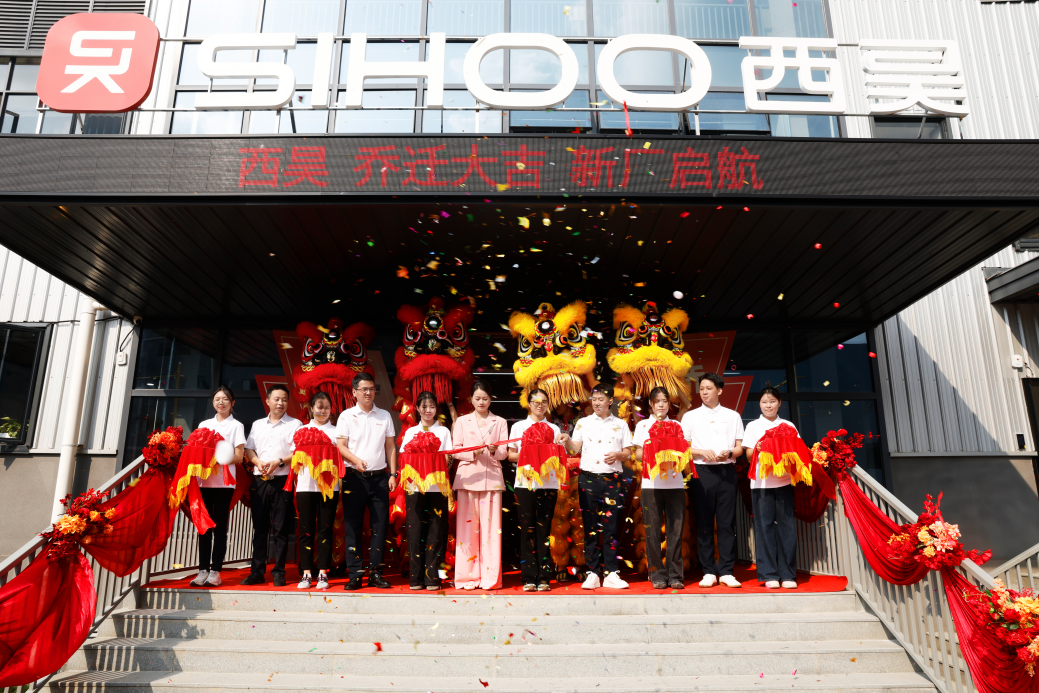
10月15日,西昊智能家居产业园乔迁庆典在佛山市南海区九江镇南鲲大道西昊智能仓储中心举行。西昊控股股东、西丰投资董事长熊玲玲、西昊董事长罗慧平、总经理刘帅等公司管理层,以及合作伙伴代表、嘉宾出席。

(图注:西昊智能家居产业园乔迁庆典剪彩)

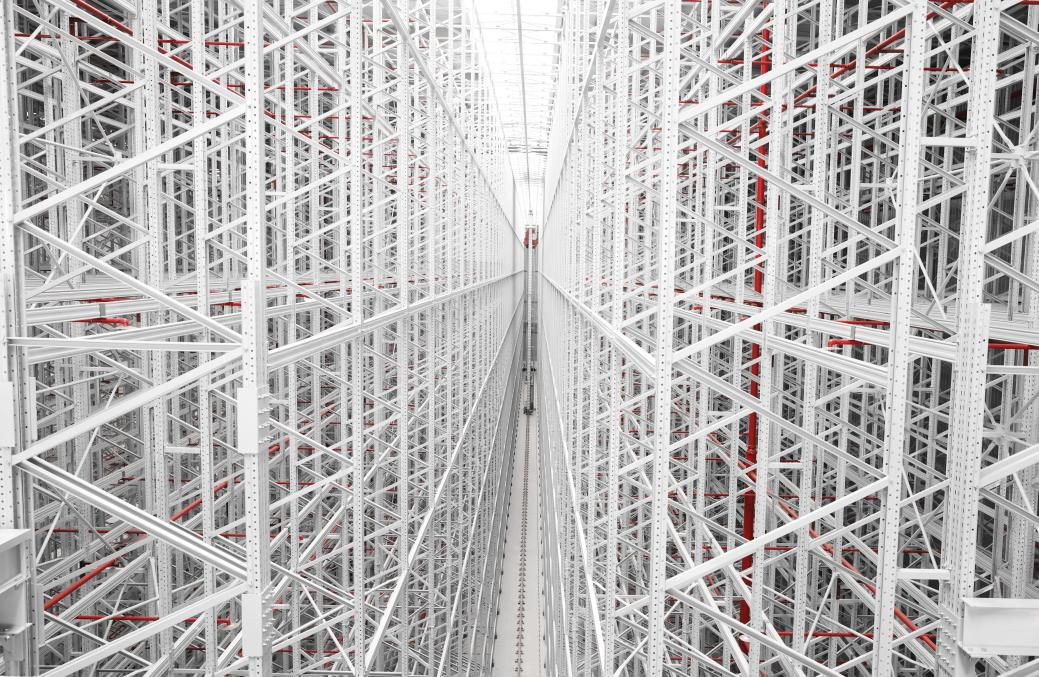
据悉,此次落成投用的智能仓及配套项目占地45亩,投资额1.5亿元,配备3.3万个库位,每个库位可存放12张椅子,满载可容纳约40万张椅子。项目全面导入精益生产体系,由全人工的办公椅1.0生产模式升级为半自动化的2.0生产模式,大幅提升效率与产品一致性,为智能仓储与供应链韧性提供坚实保障。

在国内产能布局上,西昊已形成广东佛山与浙江安吉双基地协同格局。这一产能布局的底气和紧迫性,来自西昊近年来持续的高速增长。据悉,西昊从2017年之后每年保持30%—50%的增长,按30%的复利计算,3年就能实现规模翻倍,5年则能翻两番。这一目标对供应链和仓储能力提出了极高要求。

(图注:西昊智能家居产业园内部)

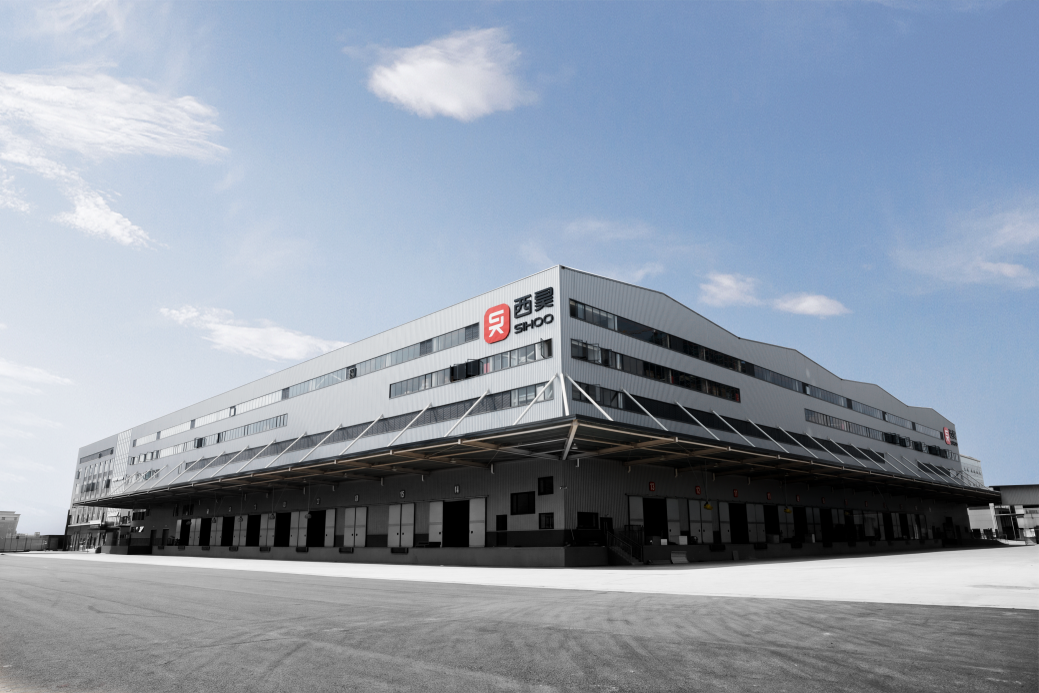
产业园的落地节奏也印证了这种紧迫性。西昊智能家居产业园项目从2025年4月7日摘牌到6月25日破土动工,用时不到3个月,是九江镇“拿地即开工”的代表性项目,旨在打造全国领先的人体工学家具绿色智能工厂。

(图注:西昊智能家居产业园全景)

在供应链端,西昊的自主掌控能力为其产能扩张提供了底层支撑。西昊在佛山自建工厂,自主掌控模具、气压杆、椅背、网布等核心部件,实现从立项到上市平均仅需6个月的快速迭代。同时,西昊将座椅拆解为137个可调部件,而行业普遍仅为数十个,这种精细化程度对生产体系的标准化和一致性提出了更高要求。此次产业园导入精益生产体系、由1.0直接跨越至2.0模式,正是对上述供应链能力的系统性升级。

从行业背景看,人体工学椅市场正处于快速增长期。西昊2025年全球出货量已突破220万件,产品销往超122个国家和地区,海外业务占比约四成。在国内市场,西昊2022年至2025年连续4年位居天猫、京东电脑椅类目销售额第一。随着销售规模持续扩大,仓储物流效率与产能弹性已成为制约头部企业进一步增长的关键瓶颈。

此次产业园正式投用,西昊控股股东、西丰投资董事长熊玲玲在庆典致辞中表示:“智能仓的启用,是西昊发展中的又一个重要里程碑。它意味着西昊的仓储、物流、交付能力迈上新台阶,也意味着我们有能力利用更高效的供应链,去服务更多用户、去承接更大的市场。”

(图注:西昊控股股东、西丰投资董事长熊玲玲现场致辞)

从2025年6月奠基到2026年10月乔迁投用,西昊智能家居产业园的落成,正值这家国家级高新技术企业累计获得270余项国家专利、全球出货量突破220万件的规模节点。在行业竞争焦点从单一产品功能转向供应链效率与交付能力的背景下,西昊以双基地协同、精益生产体系与智能仓储为支点,正在为其下一阶段的规模扩张储备产能弹性与供应链韧性。

注:文/龚作仁,文章来源:Laborer,本文为作者独立观点,不代表亿邦动力立场。

文章来源:Laborer

广告
微信
朋友圈

FAQ回顾

西昊是一家什么样的公司?主营什么产品?

西昊是国家级高新技术企业,主打人体工学椅和办公椅,产品销往122个国家和地区,海外业务占比约四成。2022年至2025年,西昊连续4年位居天猫、京东电脑椅类目销售额第一,2025年全球出货量突破220万件。

西昊智能家居产业园的智能仓储有哪些特点?

西昊智能家居产业园位于佛山市南海区九江镇,占地45亩,投资1.5亿元。智能仓配备3.3万个库位,每个库位可存放12张椅子,满载可容纳约40万张椅子。项目引入精益生产体系,将办公椅生产从全人工1.0升级为半自动化2.0模式,大幅提升效率与产品一致性。

人体工学椅行业目前有哪些竞争趋势?

人体工学椅市场正处于快速增长期。行业竞争焦点已从单一产品功能转向供应链效率与交付能力,头部企业需要依靠智能仓储、产能弹性和双基地协同来支撑持续增长。西昊等企业通过自建工厂、自主掌控核心部件实现快速迭代,以应对规模扩张带来的仓储物流压力。

这么好看,分享一下?

朋友圈 分享

APP内打开

赞 +1
+1
微信好友 朋友圈 新浪微博 QQ空间
关闭
收藏成功
发送
/140 0