广告
加载中

义乌小商品出海 朗智携手海柔创新于芝加哥落地高密度智能小件仓

龚作仁 2026-09-30 15:19
龚作仁 2026/09/30 15:19

邦小白快读

EN
全文速览

这篇文章介绍义乌小商品出海的新模式,朗智科技联手海柔创新在芝加哥打造高密度智能小件仓,用机器人代替人工处理跨境小商品履约。对于普通读者,干货在于海外仓如何变得更聪明、更高效。

1. 仓库存储密度比同规模传统人工仓提升300%,原因是充分利用垂直空间,配合900mm极窄巷道,能放下更多货物,单位仓储成本更低。

2. 自动化出库效率很高,整仓吞吐能力达到2700+箱每小时,拣选准确率稳定在99.99%,错发漏发大幅减少。

3. 机器人和人员可以安全协同,身穿安全马甲的工作人员能进入机器人作业区巡查,系统会自动给机器人降速,大促期间不用整仓停机,消费者即使在购物旺季也能按时收到包裹。

这个案例向品牌商展示了海外仓自动化正在成为跨境品牌竞争力的重要基础设施,影响渠道、成本与消费者体验。

1. 渠道建设:朗智计划将芝加哥高密度智能小件仓方案复制到美国十余个核心节点城市,品牌商可以借助这种密集仓储网络更快触达北美终端货架,完善分销渠道。

2. 定价与成本:存储密度提升300%摊薄单位仓储租金,单人拣选产能翻倍、准确率99.99%减少退换货损失,为品牌在价格竞争和利润空间之间取得平衡提供了新路径。

3. 产品研发与包装适配:针对义乌小商品包装规格不一,海柔设计多格口料箱,说明品牌商在产品研发阶段就应考虑到包装与仓储物流设备的高效匹配。

4. 消费趋势与用户行为:海外仓通过订单热度动态优化货位,把高周转货品就近部署到工作站,反映用户订单行为数据正被用来驱动仓储运营,品牌商需重视用数据反向指导选品和备货。

对跨境卖家来说,这篇文章提供了一个海外仓智能升级的样本,尤其利好义乌产业带的中小卖家。

1. 机会:自动化方案解决了小商品SKU多、体积小、批次散、补货频次高的履约难题,存储密度提升300%,摊薄成本,降低中小卖家出海门槛。

2. 可学习点:采用货箱到人作业模式,单人拣选产能从120件/小时提升至250件/小时,准确率99.99%,卖家选择仓储服务商时可参考这些指标。

3. 事件应对:系统支持人机协同安全防护,大促期间不用停线,能从容承接北美电商订单峰值,减少爆仓和漏发风险。

4. 合作方式:朗智科技负责仓配一体化运营,海柔创新提供闪攀机器人及管理平台,ShipOut提供WMS系统,卖家可通过与这类服务商合作获取同等履约能力。

5. 风险提示:目前标杆位于芝加哥,复制到十余个城市是计划,卖家需要确认自身商品规格与仓储设备兼容性,并关注扩容节奏。

工厂可以从这个案例看到小商品出海对生产设计和供应链数字化的新需求,以及自动化设备带来的商业机会。

1. 产品设计与包装需求:义乌小商品包装规格不一,仓储端采用多格口料箱适配,提示工厂在生产设计时兼顾包装标准化和自动化设备兼容性,避免因包装异形增加履约成本。

2. 商业机会:高密度智能仓部署113台攀爬机器人,搭配9.1米高货架、900mm极窄巷道、多格口料箱和智慧仓储平台,相关设备和集成方案需求明确,朗智计划复制到十余个城市,给设备制造产业链带来增长空间。

3. 数字化和电商启示:HaiQ平台与ShipOut WMS无缝对接,订单、库存、出库数据全链路流转,并动态优化货位分配,说明工厂推进数字化时需打通仓储数据接口,才能更好适应自动化电商履约体系。

服务商可以从中提炼出海外仓智能化的发展趋势、核心技术以及客户痛点,作为方案设计参考。

1. 行业趋势:跨境小商品竞争焦点从货源和定价转向仓储密度与订单履约效率,高密度智能小件仓是海外仓升级的重要方向。

2. 新技术:闪攀系统让机器人攀爬至9.1米货架,900mm极窄巷道提高空间利用率;HaiQ平台与WMS对接,实现订单热度驱动的智能货位分配。

3. 客户痛点:小商品SKU数万、体积小、批次分散、补货频次高,海外仓需要兼顾容量、效率和成本;北美大促要求不能停线,人机交互安全是必须解决的问题。

4. 解决方案:自研安全马甲形成柔性全域人机防护体系,人员进入作业区时系统分级降速和区域管控,避免整仓停机;机器人自带自锁防坠、避障、急停等多层安全冗余,满足7×24小时运营需求。

平台商可以关注这个跨境仓配一体化标杆项目带来的平台能力升级、运营管理和复制扩张机会。

1. 平台需求:跨境商家需要容量充足、拣选高效、成本可控的海外仓,平台商可围绕自动化底座提供仓配一体服务,补齐小件履约能力短板。

2. 最新做法:项目部署113台闪攀机器人,利用海柔HaiQ平台与ShipOut WMS无缝对接,打通订单、库存、出库全链路数据,实现动态货位优化和高周转货品就近部署。

3. 运营管理:人机协同方面采用安全马甲和分级降速机制,大促期间不需要整仓停机,保障平台稳定运营。

4. 招商与复制:朗智计划将该模式复制到美国十余个核心节点城市,平台商可提前布局网点资源,招募义乌产业带商家入驻。

5. 风险规避:机器人具备自锁防坠、实时避障、紧急制动等硬件防护,满足海外安全规范,降低运营中断与安全事故风险。

研究者可从朗智与海柔在芝加哥的案例,观察跨境供应链竞争维度迁移、履约端创新模式和产业带升级路径。

1. 产业新动向:小商品出海的核心竞争要素由货源和定价转向海外仓仓储密度与订单履约效率,自动化海外仓成为重塑跨境供应链格局的关键变量。

2. 新问题:跨境零售小件具有SKU多、体积小、批次分散、补货频次高等特性,履约端面临容量、效率和成本三重压力,传统人工仓难以应对大促峰值。

3. 商业模式:闪攀机器人搭配货箱到人作业,用垂直空间和极窄巷道实现高密度存储,用HaiQ平台与WMS数据协同驱动订单履约,形成可复制的海外仓自动化模式,计划从芝加哥扩展至十余个城市。

4. 政策与启示:该模式降低中小商家跨境出海门槛,提示政策可支持产业带与海外仓服务商合作,完善跨境物流基础设施,推动小商品外贸高质量发展。

返回默认
声明:快读内容全程由AI生成,请注意甄别信息。如您发现问题,请发送邮件至 run@ebrun.com 。

我是 品牌商 卖家 工厂 服务商 平台商 研究者 帮我再读一遍。

Quick Summary

This article introduces a new model for Yiwu small commodities going global. Langzhi Technology and Hai Robotics have built a high-density smart small-item warehouse in Chicago, using robots to replace manual labor in cross-border small-item fulfillment. For general readers, the key takeaway is how overseas warehouses can become smarter and more efficient.

1. Storage density is 300% higher than that of a traditional manual warehouse of the same size. The system fully utilizes vertical space and uses 900-mm ultra-narrow aisles, allowing more goods to be stored and lowering unit warehousing costs.

2. Automated outbound operations are highly efficient. The warehouse can process over 2,700 boxes per hour, with picking accuracy stable at 99.99%, significantly reducing mis-shipments and omissions.

3. Robots and human workers can collaborate safely. Workers wearing safety vests can enter the robot operating area for inspections, and the system automatically slows down the robots. During peak sales events, there is no need to shut down the entire warehouse, so consumers can still receive their packages on time even in shopping seasons.

This case shows brand owners that overseas warehouse automation is becoming critical infrastructure for cross-border brand competitiveness, affecting channels, costs, and consumer experience.

1. Channel building: Langzhi plans to replicate the Chicago high-density smart small-item warehouse model in more than ten core hub cities across the U.S. Brands can leverage this dense warehousing network to reach North American retail shelves faster and improve their distribution channels.

2. Pricing and cost: Storage density is 300% higher, lowering unit warehousing rent; per-worker picking capacity doubles; and a 99.99% accuracy rate cuts return and exchange losses. These advantages give brands a new way to balance price competition and profit margins.

3. Product development and packaging adaptation: Given the varied packaging specifications of Yiwu small commodities, Hai Robotics designed multi-compartment totes, showing that brands should consider efficient compatibility between packaging and warehouse logistics equipment during the product development stage.

4. Consumer trends and user behavior: The overseas warehouse dynamically optimizes slotting based on order popularity and places high-turnover items near workstations. This reflects that order behavior data is being used to drive warehouse operations, and brands should pay attention to using data to guide product selection and inventory planning.

For cross-border sellers, this article provides a model for smart overseas warehouse upgrades, and it is especially beneficial for small and medium-sized sellers in the Yiwu industrial belt.

1. Opportunity: The automation solution solves the fulfillment challenges of small commodities, such as a huge number of SKUs, small sizes, scattered batches, and high restocking frequency. With storage density up 300%, costs are spread thinner, lowering the barriers for smaller sellers to go global.

2. Learning point: Using a goods-to-person operating mode, per-worker picking throughput rises from 120 to 250 units per hour, with 99.99% accuracy. Sellers can use these metrics as benchmarks when selecting warehouse service providers.

3. Event response: The system supports human-robot collaborative safety protection, so lines do not need to be stopped during major sales events. It can smoothly handle peak North American e-commerce order volumes and reduce the risk of warehouse overflow and missed shipments.

4. Partnership model: Langzhi Technology manages warehouse-integrated fulfillment operations, Hai Robotics provides climbing robots and a management platform, and ShipOut supplies the WMS system. Sellers can gain equivalent fulfillment capability by cooperating with such service providers.

5. Risk warning: The benchmark project is currently in Chicago, and expansion to more than ten cities is still a plan. Sellers should confirm compatibility between their product specifications and warehouse equipment, and monitor the pace of capacity expansion.

Factories can see from this case the new demands that small-commodity exports place on product design and supply chain digitalization, as well as the commercial opportunities brought by automation equipment.

1. Product design and packaging requirements: Yiwu small commodities have inconsistent packaging specifications, so the warehouse uses multi-compartment totes as an adaptation. This reminds factories to take packaging standardization and compatibility with automated equipment into account during production design, avoiding higher fulfillment costs caused by irregular packaging.

2. Commercial opportunities: The high-density smart warehouse deploys 113 climbing robots, combined with 9.1-meter-high racks, 900-mm ultra-narrow aisles, multi-compartment totes, and a smart warehousing platform. Demand for related equipment and integration solutions is clear. With Langzhi planning to replicate this model in more than ten cities, there is significant growth room for the equipment manufacturing supply chain.

3. Digitalization and e-commerce insights: The HaiQ platform seamlessly connects with ShipOut WMS, enabling end-to-end data flow for orders, inventory, and outbound operations, while dynamically optimizing slotting. This shows that factories advancing digitalization need to open up warehouse data interfaces to better adapt to automated e-commerce fulfillment systems.

Service providers can draw from this case the trends, core technologies, and customer pain points of intelligent overseas warehousing, which can serve as references for solution design.

1. Industry trend: The competitive focus of cross-border small commodities is shifting from product sourcing and pricing to storage density and order fulfillment efficiency. High-density smart small-item warehouses are an important direction for overseas warehouse upgrades.

2. New technologies: The climbing-robot system enables robots to reach 9.1-meter-high racks, and 900-mm ultra-narrow aisles improve space utilization. The HaiQ platform connects with the WMS, enabling order-popularity-driven intelligent slotting.

3. Customer pain points: Small commodities involve tens of thousands of SKUs, small sizes, scattered batches, and high restocking frequency, so overseas warehouses must balance capacity, efficiency, and cost. North American peak promotions require nonstop operations, making human-robot interaction safety a critical issue.

4. Solutions: The self-developed safety vests form a flexible, full-area human-robot protection system. When workers enter the operating area, the system performs tiered speed reduction and zone control, avoiding entire-warehouse shutdowns. The robots have multiple safety redundancies, including self-locking anti-drop, obstacle avoidance, and emergency stop, meeting 7×24 operation requirements.

Marketplace operators should pay attention to the platform capability upgrades, operation management practices, and replication and expansion opportunities presented by this benchmark cross-border warehousing and fulfillment integration project.

1. Platform demand: Cross-border sellers need overseas warehouses with ample capacity, efficient picking, and controllable costs. Marketplace operators can build warehouse-integrated fulfillment services on an automation foundation to fill gaps in small-item fulfillment capability.

2. Latest practices: The project deploys 113 climbing robots, uses Hai Robotics' HaiQ platform to seamlessly integrate with ShipOut WMS, and connects end-to-end data for orders, inventory, and outbound operations, enabling dynamic slotting optimization and placing high-turnover items closer to workstations.

3. Operation management: For human-robot collaboration, the project adopts safety vests and a tiered speed reduction mechanism. During peak promotions, the warehouse does not need to shut down entirely, ensuring stable platform operations.

4. Merchant recruitment and replication: Langzhi plans to replicate this model in more than ten core hub cities across the U.S. Marketplace operators can reserve network resources in advance and recruit merchants from the Yiwu industrial belt.

5. Risk mitigation: The robots feature hardware safeguards such as self-locking anti-drop, real-time obstacle avoidance, and emergency braking, meeting overseas safety standards and reducing the risk of operational interruptions and safety incidents.

Researchers can observe from the Chicago case of Langzhi and Hai Robotics the shift in competitive dimensions within cross-border supply chains, innovative fulfillment models, and the upgrading path for industrial clusters.

1. New industry dynamics: The core competitive factors of small-commodity exports are shifting from product sourcing and pricing to overseas warehouse storage density and order fulfillment efficiency. Automated overseas warehouses have become a key variable reshaping the cross-border supply chain landscape.

2. New problems: Cross-border retail small items have characteristics such as a large number of SKUs, small sizes, scattered batches, and high restocking frequency. The fulfillment end faces triple pressure from capacity, efficiency, and cost, and traditional manual warehouses struggle to handle promotional peaks.

3. Business model: Climbing robots combined with goods-to-person operations use vertical space and ultra-narrow aisles to achieve high-density storage, while HaiQ and WMS data collaboration drives order fulfillment. This creates a replicable overseas warehouse automation model, with plans to expand from Chicago to more than ten cities.

4. Policy implications: This model lowers the barrier for small and medium-sized merchants to sell cross-border. It suggests that policies can support cooperation between industrial belts and overseas warehouse service providers, improve cross-border logistics infrastructure, and promote high-quality development of small-commodity foreign trade.

Disclaimer: The "Quick Summary" content is entirely generated by AI. Please exercise discretion when interpreting the information. For issues or corrections, please email run@ebrun.com .

I am a Brand Seller Factory Service Provider Marketplace Seller Researcher Read it again.

义乌产业带商品正以全新履约模式触达全球终端货架。过往跨境出海的核心竞争要素集中于货源与定价。而当下,海外仓的仓储密度与订单履约效率,已重塑跨境供应链的竞争格局。

朗智科技携手海柔创新、ShipOut,于芝加哥落地高密度智能小件仓标杆项目,助力义乌小商品出海链路,从基础“能够出海”升级为规模化、高时效的智能履约。

小商品出海,海外仓遇上小而杂大难题

零售小商品出海的瓶颈不在制造端,而在履约端。SKU数量动辄数万、单件体积小、批次分散、补货频次高,这类跨境零售货品的特性对海外仓提出严苛要求,容量充足、拣选高效、成本可控,缺一不可。

作为连接中国制造与北美市场的关键枢纽,朗智在芝加哥新建仓储节点,目标就是补齐跨境小件出海履约链路的能力短板,搭建跨境电商仓配一体化的自动化底座。

海柔闪攀系统定制高密度仓储解决方案

针对朗智芝加哥仓小商品的存储特性,海柔创新定制了以闪攀系统为核心的货架攀爬机器人方案。

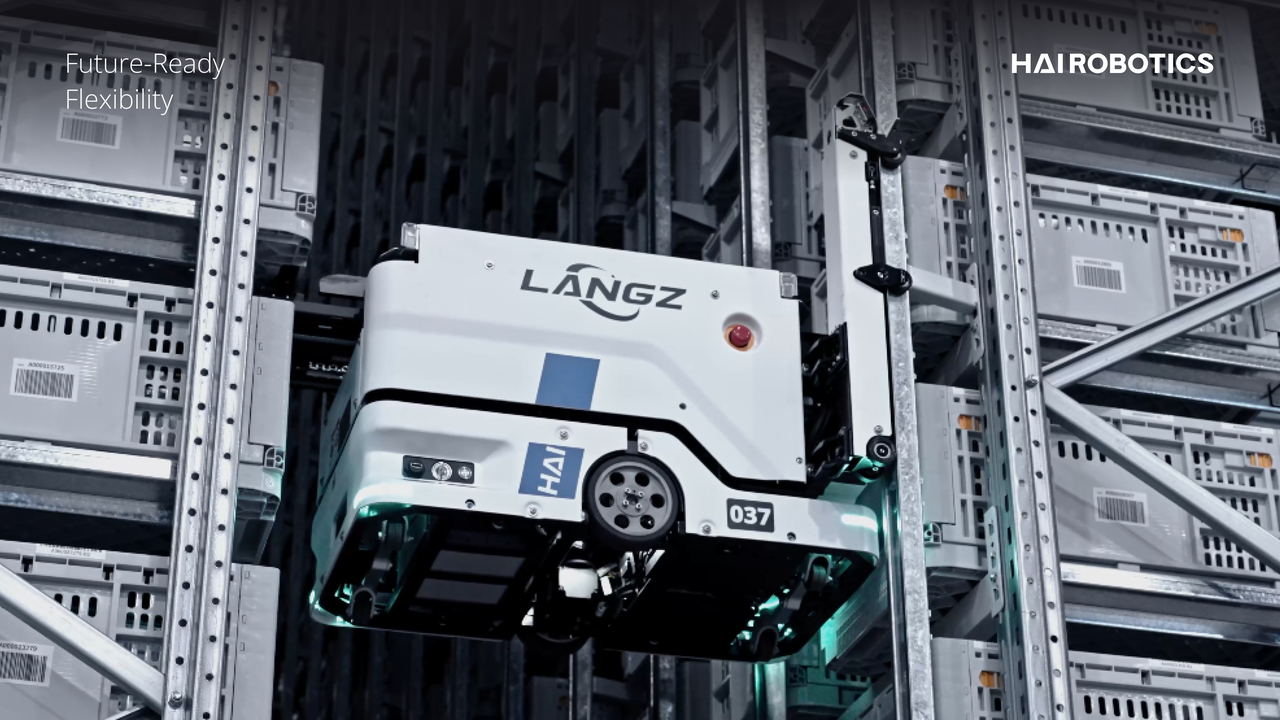
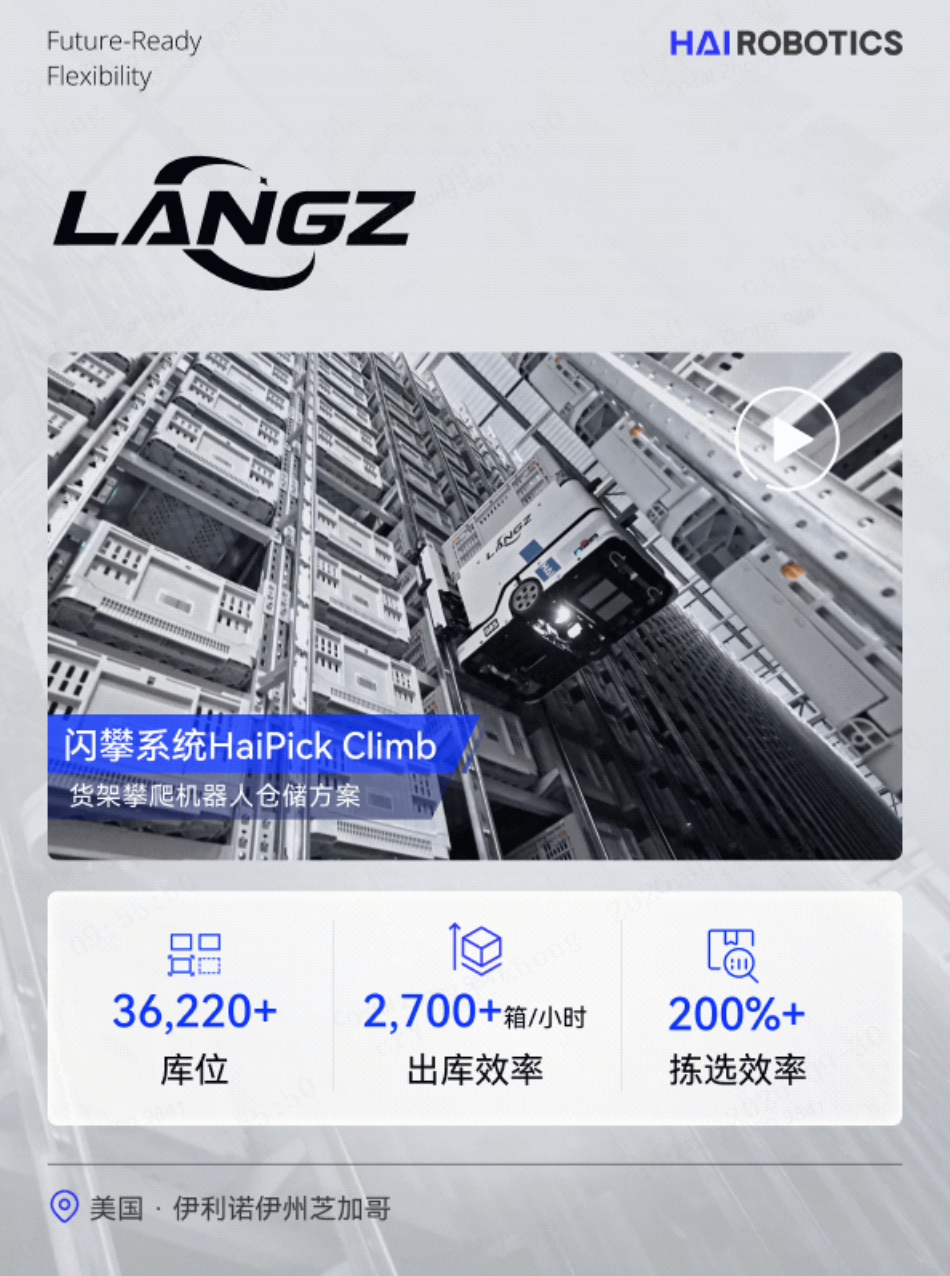
这套方案最核心的突破,是充分利用仓库的垂直空间,搭配900mm极窄巷道设计,让每一寸地面都能承载更多货物。项目共部署113台攀爬机器人(闪攀)作为仓库主力军,可在巷道及货架底部灵活穿行,并攀爬至9.1米高的货架完成料箱存取作业。

考虑到义乌小商品的包装规格不一,海柔设计了多格口料箱,提升存储密度。同时,海柔自研的HaiQ智慧仓储管理平台,与ShipOut WMS无缝对接,打通订单、库存、出库全链路数据流转,可依据订单热度动态优化货位分配,将高周转货品就近部署至工作站,持续压缩拣选行走路径,提升订单处理效率。

人机协同安全防护

自动化立体库区的人机交互安全,是朗智运营北美海外仓的关键考量。

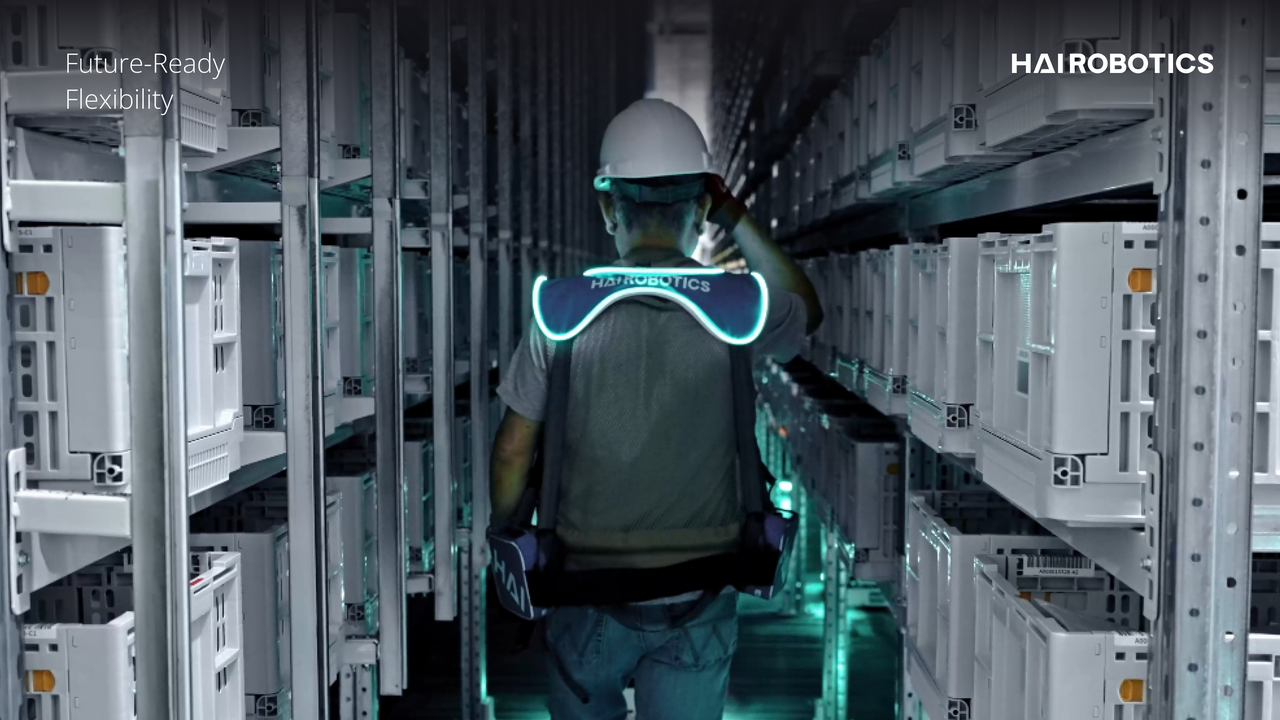
结合朗智现场运维与大促不间断作业需求,海柔创新配套自研安全马甲,构建柔性全域人机防护体系。朗智现场工作人员穿戴安全马甲即可进入机器人作业巷道开展巡检、设备维护等工作。系统能够实时感知人员位置,对周边机器人执行分级降速与区域管控,无需整仓全线停机。在保障现场人员作业安全的前提下,精准匹配朗智北美海外仓大促期间不能停线的业务诉求。

不仅如此,闪攀机器人本体自带多重自锁防坠、实时避障、紧急制动等硬件防护机制,形成多层安全冗余,满足海外仓储项目严苛的安全规范,助力朗智平稳开展7×24小时自动化仓运营。

效率与密度双突破

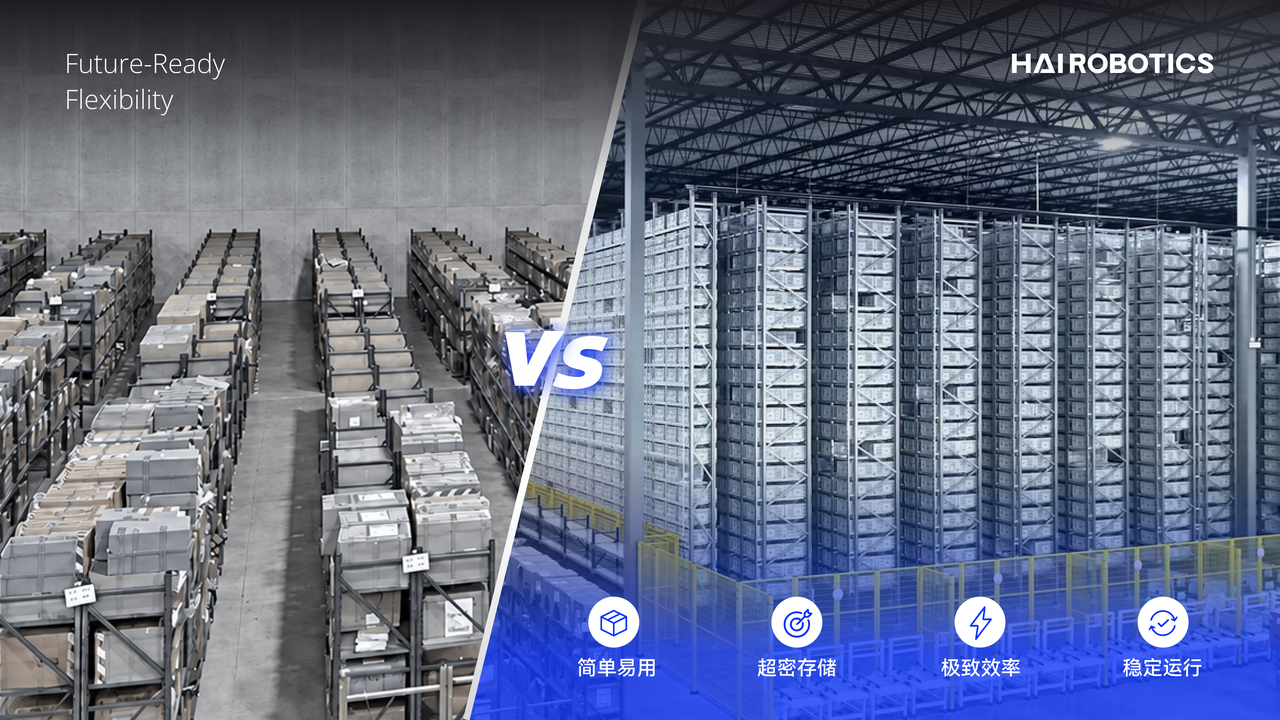
海柔创新闪攀机器人方案落地后,朗智芝加哥仓实现仓储能力的系统性构建。最直观的是存储密度,相较于同规模传统人工仓,整体提升了300%,直接摊薄了单位商品的仓储租金成本。

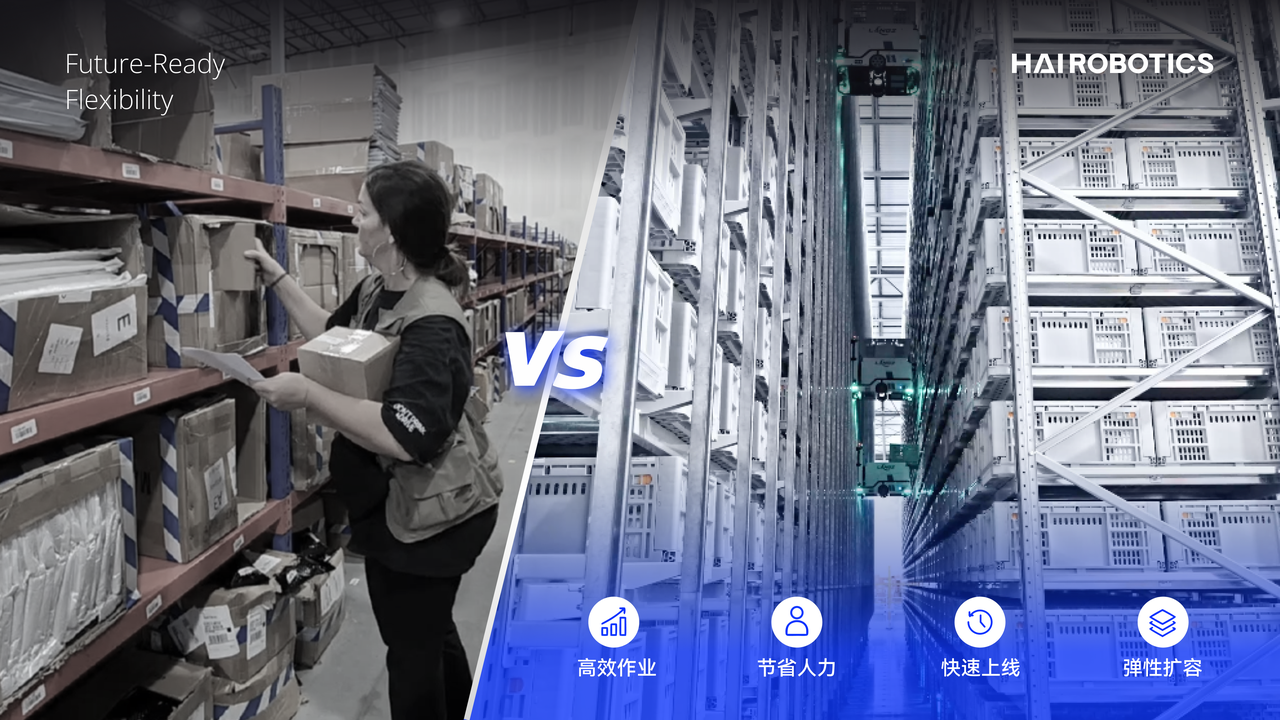
作业效率同样实现显著增长。自动化方案全面释放仓库履约能力,整仓出库吞吐效率可达2700+箱/小时。传统人工仓单人拣选产能约120件/小时,本项目采用货箱到人作业模式,由机器人将料箱输送至拣选工作站,作业人员按需精准拣选,单人拣选产能提升至250件/小时,效率是之前的2倍以上。依托系统内置智能校验机制,拣选准确率稳定维持在99.99%以上,大幅降低错发、漏发风险,减少由此引发的客诉与逆向退货损耗。

这套自动化履约体系为义乌产业带出海商家带来直接价值,货品在海外仓周转周期显著压缩,订单履约时长大幅缩短,可从容承接北美电商大促的订单峰值;同时降低跨境出海的履约门槛,助力中小跨境商家以更优成本参与北美市场竞争。

从芝加哥到全美:智能小件仓模式复制与延伸

朗智科技的北美布局不止芝加哥。伴随义乌小商品跨境出海规模持续增长,朗智计划将其与海柔创新联合落地的海外仓自动化标杆方案,规模化复制至美国十余个核心节点城市。

海柔创新凭借稳定可靠的仓储机器人技术与全球化服务能力,将为朗智的海外扩张筑牢自动化履约底座,持续强化义乌产业带商品在全球市场的竞争优势。

注:文/龚作仁,文章来源:Laborer,本文为作者独立观点,不代表亿邦动力立场。

文章来源:Laborer

广告
微信
朋友圈

FAQ回顾

义乌小商品出海的主要瓶颈是什么?

义乌小商品出海的瓶颈不在制造端,而在履约端。SKU数量动辄数万、单件体积小、批次分散、补货频次高,对海外仓提出容量充足、拣选高效、成本可控的严苛要求。朗智科技联合海柔创新在芝加哥落地高密度智能小件仓,正是为了补齐跨境小件出海履约链路的能力短板。

海柔创新闪攀系统是什么?

闪攀系统是海柔创新为仓储场景定制的货架攀爬机器人方案。该项目中部署113台攀爬机器人,可在900mm极窄巷道及货架底部灵活穿行,攀爬至9.1米高货架完成料箱存取作业,并配套多格口料箱提升存储密度,通过HaiQ平台与ShipOut WMS无缝对接,打通订单、库存、出库全链路数据流转。

高密度智能小件仓相比传统人工仓有什么优势?

朗智芝加哥仓采用货架攀爬机器人方案后,存储密度较同规模传统人工仓提升300%,出库吞吐效率达2700箱/小时;单人拣选产能从约120件/小时提升至250件/小时,效率翻倍;拣选准确率稳定在99.99%以上,大幅降低错发漏发风险,并摊薄单位商品仓储租金成本。

海外仓自动化如何解决小商品“小而杂”的存储难题?

零售小商品SKU多、体积小、批次分散、补货频次高,传统人工仓难以兼顾容量和效率。海柔创新通过闪攀系统充分利用仓库垂直空间,以900mm极窄巷道和多格口料箱设计提升存储密度,并依据订单热度动态优化货位分配,将高周转货品就近部署至工作站,持续压缩拣选路径,提升订单处理效率。

中小跨境商家如何从智能海外仓方案中受益?

朗智芝加哥高密度智能小件仓为义乌产业带出海商家带来直接价值:货品在海外仓周转周期显著压缩,订单履约时长大幅缩短,可从容承接北美电商大促订单峰值;同时降低跨境出海履约门槛,帮助中小跨境商家以更优成本参与北美市场竞争。朗智计划将该模式复制至美国十余个核心节点城市。

这么好看,分享一下?

朋友圈 分享

APP内打开

赞 +1
+1
微信好友 朋友圈 新浪微博 QQ空间
关闭
收藏成功
发送
/140 0