广告
加载中

俄罗斯人入冬前买什么?从Ozon数据看秋冬选品新思路

龚作仁 2026-09-30 13:52
龚作仁 2026/09/30 13:52

邦小白快读

EN
全文速览

总:这篇文章从Ozon秋冬数据中提炼出俄罗斯家庭的换季购物清单,普通读者可以快速掌握哪些商品在秋冬热卖,以及背后可借鉴的备货思路。

1. 冬季运动消费中,居家健身器械和冰雪装备增幅明显:跑步机秋冬季月均成交额是淡季1.7倍,冬钓雪橇达10.7倍,冰钻6.4倍,水下相机4.2倍,冰爪防滑鞋套更是达到18.8倍。

2. 冬季出行方面,俄罗斯规定12月至次年2月必须安装冬季轮胎,9月轮胎需求是全年月均1.69倍、10月达2.11倍;除冰剂、玻璃清洗液等汽车化学用品需求增长超2.5倍。

3. 家居生活上,香氛销量同比增长2倍,家用红外迷你桑拿购买量是上年同期4.2倍;食品储存工具中果蔬灭菌用品需求达5.4倍,腌渍容器3.1倍,真空包装机2.1倍;新年摆件购买频次是第三季度9倍,装饰树8倍,日历6倍。

这些数字让普通读者直观看到季节消费力,也可作为日常选品和购物的参考。

总:品牌商可重点关注俄罗斯秋冬消费趋势和用户行为,从中寻找产品研发和营销方向。

1. 消费趋势:俄罗斯人把家视为恢复精力的场所,66%受访者重视秋季生活空间舒适感,42%使用柔和照明;香调偏好森林气息,其次是木质、肉桂、香草等温暖气味。品牌可围绕氛围感打造家居香氛、照明和SPA产品,并突出使用场景。

2. 产品研发线索:服装风格出现运动户外、90年代复古、老钱风、新中式、休闲商务等方向,微喇、直筒、阔腿裤型流行。品牌可结合夹克、毛衣、牛仔裤等品类开发差异化款式;基础款则靠成本优势竞争。

3. 用户行为观察:消费者对不同品类要求不同。睡衣、卫衣、牛仔裤等价格敏感,适合成本型品牌;夹克、保暖大衣、家居裤则可丰富款式与版型。鞋靴中雨鞋、厚布雪地靴拼成本,工作马丁靴、低帮户外运动靴拼选择。品牌可据此分层制定产品组合和定价策略。

4. 新品机会:家用红外迷你桑拿、蒸汽桑拿增长迅速,配套的桑拿套装、精油、浴盐和电动按摩垫也受关注,是跨品类产品开发的切入口。

总:卖家可以从Ozon数据中识别俄罗斯秋冬高增长品类和操作要点,提前备货并规避季节风险。

1. 增长市场:冬季运动相关商品机会明确。跑步机秋冬季销售额为淡季1.7倍;冬钓雪橇为10.7倍,冰钻6.4倍,水下相机4.2倍;冰爪防滑鞋套为18.8倍。已有渔具和户外供应链的卖家可沿冬钓场景配齐装备。

2. 政策与需求:俄罗斯规定12月至次年2月乘用车必须安装冬季轮胎,9月、10月轮胎需求分别达全年月均1.69倍和2.11倍;10月汽车化学用品销售额接近上年同期两倍,除冰剂和玻璃清洗液增幅超2.5倍。卖家应早于法规窗口前上架。

3. 消费需求变化:食品储存需求爆发,果蔬灭菌用品达5.4倍,腌渍容器3.1倍,罐头容器2.6倍,切片机2.3倍,真空包装机2.1倍;新年摆件购买频次为三季度9倍、装饰树8倍、日历6倍。这类节日商品需预留配送时间。

4. 风险与机会:大部分冰雪装备销售窗口集中在9月至次年3月,窗口短爆发陡,备货需提前;基础款服装适合拼成本,夹克、大衣等适合拼款式。卖家可按用途梳理商品,并在描述中讲清车型、使用条件和规格,降低消费者选择门槛。

总:工厂可从Ozon品类数据看到俄罗斯秋冬的产品生产与设计需求,以及电商对供应链的启示。

1. 产品需求:冬季运动相关产品有明确量产依据。跑步机、迷你训练器在秋冬热销;冰钻、冬钓雪橇、水下相机等渔具品类的季节性倍数高,说明这类产品可以按季节安排生产。冰爪防滑鞋套秋冬季月均成交额达到淡季18.8倍,适合作为冬季单品开发。

2. 设计方向:服装方面,基础款如睡衣、卫衣、牛仔裤、毛衣和运动服强调成本控制;夹克、保暖大衣、家居裤则要丰富版型、风格和用途。鞋靴产品中,成本型与款式型需要分开设计。当前流行风格有运动户外、90年代复古、老钱风、新中式、休闲商务,裤型流行微喇、直筒、阔腿。

3. 生产与电商启示:俄罗斯车龄平均超过15年且DIY文化强,标准化汽配耗材工具适合电商渠道;家庭食品储存工具需求大增,工厂可按处理、分装、密封、保存的完整用途开发产品线。同时可借助Ozon的季节性数据判断生产节奏,防止压货或断供。

总:服务商可关注俄罗斯秋冬消费中涌现的需求和卖家痛点,围绕数据、选品、描述和物流寻找服务机会。

1. 行业趋势:冬季运动、居家SPA、食品储存和新年布置成为明显增长点。例如冬钓雪橇秋冬季月均成交额是淡季10.7倍,家用红外迷你桑拿购买量是上年同期4.2倍,食品储存工具最高增长5.4倍。服务商可帮助卖家跟踪这类风向。

2. 客户痛点:季节窗口短、爆发陡是突出痛点。冰雪装备集中在9月至次年3月,轮胎需求集中在9月、10月,新年商品要提前配送。服务商可提供备货节奏提醒、库存规划和物流时效方案。

3. 解决方案:消费者对商品匹配度要求高,例如汽配要讲清适用车型、使用条件和规格,家居装饰要展示摆放效果。服务商可在商品信息优化、场景化内容、图片和描述上提供支持,帮助提高转化率。也可围绕冬钓、家庭SPA、食品存储等场景设计套装组合,让商品更容易被理解。

总:平台商可从Ozon数据看到秋冬品类爆发规律和消费者对平台服务的需求,作为招商与运营参考。

1. 平台最新做法:Ozon通过品类观察和秋季大促观察披露数据,例如跑步机秋冬季1.7倍、冬钓雪橇10.7倍、新年摆件购买频次达9倍。平台商可借鉴这种以数据引导卖家的模式,主动发布季节趋势帮助商家选品。

2. 商业需求:俄罗斯冬季轮胎是法规刚需,12月至次年2月必须安装,9月和10月是采购高峰;除冰剂、玻璃清洗液等汽车化学用品增幅超2.5倍。平台可设立轮胎、汽配、冬季运动、食品储存等专题频道,集中承接搜索和购买需求。

3. 运营管理:卖家需要的不仅是流量,还有清晰的商品信息,比如适用车型、规格和场景展示。平台可通过类目规范、内容模板和场景化频道,帮助消费者更快找到合适商品。同时,冰雪装备和新年用品销售窗口集中,平台应提醒商家备货节奏,并引导物流在节前完成配送。

总:研究者可从中观察俄罗斯电商的消费结构、季节型需求和政策对市场的影响。

1. 产业新动向:俄罗斯家庭秋冬消费呈现场景化特征,从冬季运动、冬季出行到居家舒适和食品储存都有明确的品类增长数据。例如冬钓雪橇秋冬季月均成交额为淡季10.7倍,冰爪防滑鞋套18.8倍,家用红外迷你桑拿4.2倍。这表明电商数据能反映季节性和生活方式变迁。

2. 政策与市场:俄罗斯车辆安全规定要求12月至次年2月乘用车必须安装冬季轮胎,直接催生9月、10月的轮胎需求高峰。政策是理解刚需品类的重要变量,也为研究合规性消费提供案例。

3. 商业模式启示:Ozon用品类观察和大促数据帮助卖家判断选品与备货,说明平台数据产品在跨境电商供应链中的作用。服装市场细分趋势明显,基础款拼成本、风格款拼设计,同时流行风格(运动户外、90年代复古、老钱风、新中式、休闲商务)和裤型变化为研究消费者偏好提供素材。

4. 问题建议:文章显示出季节性窗口短、爆发陡的特征,以及消费者对商品规格和适用信息的高要求。研究者可进一步关注如何通过数据工具、内容展示和物流规划来降低季节波动风险。

返回默认

声明:快读内容全程由AI生成,请注意甄别信息。如您发现问题,请发送邮件至 run@ebrun.com 。

我是 品牌商 卖家 工厂 服务商 平台商 研究者 帮我再读一遍。

Quick Summary

Overall: Drawing on Ozon's autumn/winter data, this article compiles a seasonal shopping list for Russian households, giving general readers a quick read on which products sell well in autumn/winter and the stocking logic behind those choices.

1. In winter-sports consumption, home fitness equipment and ice/snow gear showed notable growth: treadmills posted average monthly sales in autumn/winter 1.7x their off-season level, ice-fishing sleds 10.7x, ice drills 6.4x, underwater cameras 4.2x, and ice cleats/anti-slip shoe covers as high as 18.8x.

2. For winter travel: Russia requires winter tires from December through February; tire demand reached 1.69x the monthly average in September and 2.11x in October. Demand for automotive chemical products such as deicers and windshield washer fluid grew more than 2.5x.

3. Around the home: fragrance sales rose 2x year over year; purchases of home infrared mini saunas were 4.2x the level of the same period last year. Among food-storage tools, demand for fruit/vegetable sterilization products reached 5.4x, pickling containers 3.1x, and vacuum sealers 2.1x. New Year decorations were bought 9x as often as in Q3, decorative trees 8x, and calendars 6x.

These figures give general readers a direct view of seasonal purchasing power and can also serve as a reference for everyday product selection and shopping.

Overall: Brands should pay close attention to Russian autumn/winter consumption trends and user behavior, using them to guide product development and marketing.

1. Consumption trends: Russians treat home as a place to recharge. 66% of respondents said autumn living-space comfort mattered to them, and 42% use soft lighting. Preferred scents lean toward forest notes, followed by warm scents such as woody, cinnamon, and vanilla. Brands can build home fragrance, lighting, and SPA product lines around an ambiance-led approach and emphasize usage scenarios.

2. Product development cues: Apparel styles now include sporty outdoor, 90s retro, old-money, new-Chinese, and business casual; flared, straight-leg, and wide-leg trousers are popular. Brands can develop differentiated items within categories such as jackets, knitwear, and jeans, while competing on cost for basic pieces.

3. User behavior observations: Consumers have different expectations by category. Sleepwear, hoodies, and jeans are price-sensitive and suit cost-led brands; jackets, warm coats, and loungewear bottoms can be enriched with more styles and fits. In footwear, rain boots and thick-fabric snow boots compete on cost, while work-style Martens boots and low-top outdoor sports boots compete on assortment. Brands can tier their product mix and pricing strategy accordingly.

4. New product opportunities: Home infrared mini saunas and steam saunas are growing quickly, and supporting products—sauna sets, essential oils, bath salts, and electric massage pads—are also getting attention. This is an entry point for cross-category product development.

Overall: Sellers can use Ozon's data to identify high-growth Russian autumn/winter categories and operational priorities, stocking up in advance while avoiding seasonal risk.

1. Growth areas: Winter sports-related products present clear opportunities. Treadmills generated 1.7x their off-season sales in autumn/winter; ice-fishing sleds 10.7x, ice drills 6.4x, underwater cameras 4.2x, and ice cleats/anti-slip shoe covers 18.8x. Sellers with existing fishing-tackle or outdoor supply chains can build out a full ice-fishing scenario assortment.

2. Regulation and demand: Russia requires passenger cars to fit winter tires from December through February. Tire demand reached 1.69x the monthly average in September and 2.11x in October. Sales of automotive chemical products in October were nearly double the year-earlier level, with deicers and windshield washer fluid growing more than 2.5x. Sellers should list these products before the regulatory window begins.

3. Shifting consumer demand: Food-storage demand is surging—fruit/vegetable sterilization products hit 5.4x, pickling containers 3.1x, canning jars 2.6x, slicers 2.3x, and vacuum sealers 2.1x. New Year decorations were purchased 9x as often as in Q3, decorative trees 8x, and calendars 6x. Seasonal gift items need extra delivery lead time.

4. Risk and opportunity: Most ice/snow equipment has a concentrated sales window from September through March—short and steep—so sellers need to stock early. Basic apparel competes on cost, while jackets and coats compete on style. Sellers can organize products by use case and write detailed descriptions covering vehicle models, usage conditions, and specifications to lower consumers' decision burden.

Overall: Factories can read Ozon category data to understand Russian autumn/winter product manufacturing and design needs, as well as the implications of e-commerce for supply chains.

1. Product demand: Winter sports-related products have clear production volume evidence. Treadmills and mini home trainers sell well in autumn/winter; ice drills, ice-fishing sleds, and underwater cameras among fishing gear show high seasonal multiples, meaning production can be scheduled around the season. Ice cleats/anti-slip shoe covers reached 18.8x their off-season monthly GMV in autumn/winter, making them a compelling winter-specific item.

2. Design direction: In apparel, basic items such as sleepwear, hoodies, jeans, knitwear, and activewear are cost-driven; jackets, warm coats, and loungewear bottoms need richer sizing, styles, and use cases. In footwear, cost-led and assortment-led products should be designed separately. Current style trends include sporty outdoor, 90s retro, old-money, new-Chinese, and business casual; popular trouser cuts include flared, straight-leg, and wide-leg.

3. Production and e-commerce implications: Russia's average vehicle age exceeds 15 years and DIY culture is strong, so standardized auto parts, consumables, and tools are well suited to e-commerce channels. Household food-storage tools are seeing a big demand increase; factories can develop product lines around the full use chain of processing, portioning, sealing, and storing. Ozon's seasonal data can also help factories calibrate production cadence and avoid overstocking or supply gaps.

Overall: Service providers can track emerging demand and seller pain points in Russian autumn/winter consumption, looking for service opportunities in data, product selection, listings, and logistics.

1. Industry trends: Winter sports, at-home SPA, food storage, and New Year decorations are clear growth clusters. For example, ice-fishing sleds posted 10.7x their off-season monthly GMV in autumn/winter; home infrared mini saunas reached 4.2x the year-earlier purchase level; and food-storage tools grew as much as 5.4x. Service providers can help sellers track these signals.

2. Client pain points: The short, steep seasonal windows are a major issue. Ice/snow equipment clusters between September and March, tire demand concentrates in September and October, and New Year products must ship early. Service providers can offer restocking schedules, inventory planning, and logistics lead-time solutions.

3. Solutions: Consumers have high expectations for product-fit information—auto parts must state compatible vehicle models, usage conditions, and specifications, while home decorations need visual context for placement. Service providers can support listing optimization, scenario-based content, images, and descriptions to lift conversion. They can also design bundles around scenarios such as ice fishing, home SPA, and food storage to make products easier to understand.

Overall: Platform operators can use Ozon's data to identify autumn/winter category spikes and consumers' expectations for platform services, informing merchant recruitment and operations.

1. Latest platform practices: Ozon has disclosed data through category observations and autumn sales campaigns—for example, treadmills at 1.7x in autumn/winter, ice-fishing sleds at 10.7x, and New Year decorations purchased 9x as often. Platform operators can adopt this data-guided merchant model and proactively publish seasonal trends to help sellers choose products.

2. Commercial demand: In Russia, winter tires are a regulatory necessity—they must be installed from December through February, with purchase peaks in September and October. Automotive chemical products such as deicers and windshield washer fluid grew more than 2.5x. Platforms can create themed channels for tires, auto parts, winter sports, and food storage to concentrate search and purchase demand.

3. Operations management: Sellers need not only traffic but also clear product information—compatible vehicle models, specifications, and visual context. Platforms can use category standards, content templates, and scenario-based channels to help consumers find suitable products faster. Since ice/snow gear and New Year items have concentrated sales windows, platforms should remind sellers of restocking timing and guide logistics to complete delivery before the holiday.

Overall: Researchers can use this data to examine Russia's e-commerce consumption structure, seasonal demand patterns, and the policy impact on markets.

1. Industry trends: Russian households' autumn/winter consumption is increasingly scenario-based, with clear category growth across winter sports, winter travel, home comfort, and food storage. For instance, ice-fishing sleds reached 10.7x their off-season monthly GMV, ice cleats/anti-slip shoe covers 18.8x, and home infrared mini saunas 4.2x. This shows that e-commerce data can reveal seasonality and lifestyle shifts.

2. Policy and market: Russia's vehicle safety rules require passenger cars to wear winter tires from December through February, directly driving tire demand peaks in September and October. Policy is an important variable for understanding necessity categories and provides a case study for compliance-driven consumption.

3. Business model implications: Ozon's category observations and promotion data help sellers decide product selection and stocking, illustrating the role of platform data products in cross-border e-commerce supply chains. Apparel market segmentation is clear—basics compete on cost, style-focused pieces compete on design—while current style trends (sporty outdoor, 90s retro, old-money, new-Chinese, business casual) and trouser silhouettes offer material for studying consumer preferences.

4. Issues and suggestions: The article highlights short, steep seasonal windows and consumers' high demands for specification and applicability information. Researchers can further explore how data tools, content presentation, and logistics planning can reduce seasonal volatility risk.

Disclaimer: The "Quick Summary" content is entirely generated by AI. Please exercise discretion when interpreting the information. For issues or corrections, please email run@ebrun.com .

I am a Brand Seller Factory Service Provider Marketplace Seller Researcher Read it again.

每到秋冬备货季,服装鞋靴往往是卖家关注的重点。不过,从俄罗斯头部电商平台Ozon披露的品类数据看,俄罗斯家庭的换季采购清单中,还有不少值得研究的商品。

厨房里的食品储存工具、汽车上的除冰用品、家中的香氛和桑拿设备,都能在秋冬生活中找到具体用途。对于跨境卖家,了解俄罗斯家庭怎样准备过冬,可以从这些日常细节入手,进一步判断哪些商品值得关注、什么时候需要备好。

冬季运动:室内健身与冬钓撑起冬季“大盘”

俄罗斯的冬季运动消费,涵盖室内健身和冰雪运动两大场景。

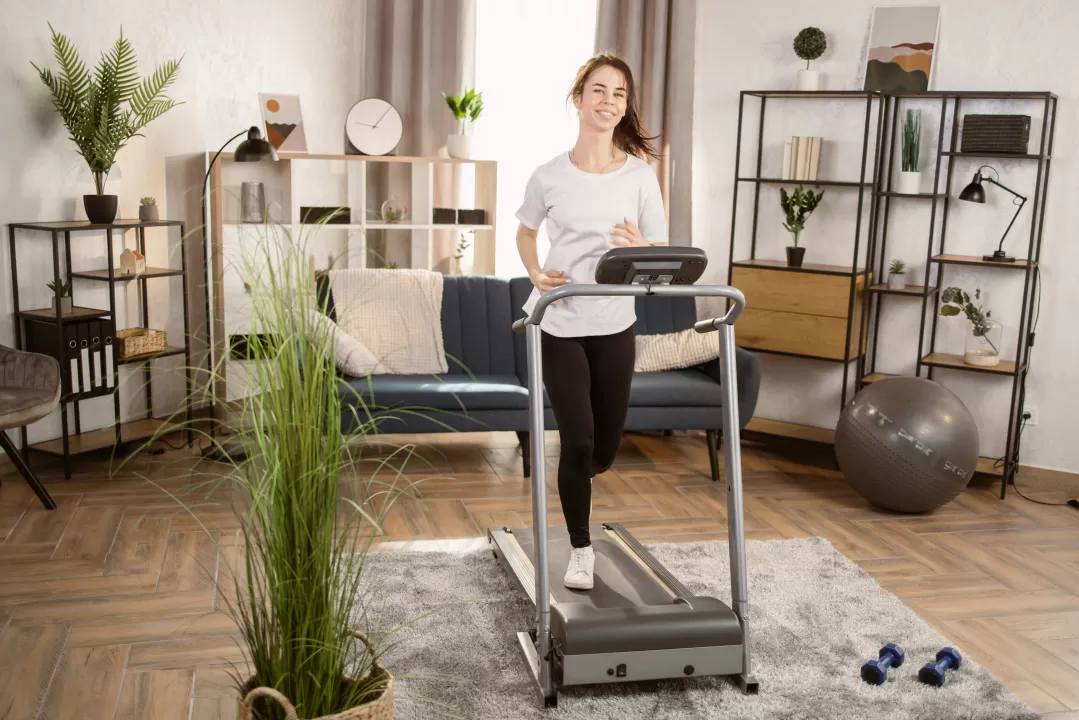
临近新年,居家健身成为俄罗斯消费者的一大季节性需求,跑步机、迷你训练器等设备的购买相应增加;根据Ozon近期品类观察,秋冬季(9月至次年3月)跑步机的月均成交额达到淡季月均的1.7倍。

从室内转向户外,各类冰雪运动带动了更丰富的品类需求。Ozon的销售数据给出了具体地品类观察。首先,冬钓渔猎带动了一系列渔具类目的消费,包括冰钻、渔猎靴、冬钓雪橇、水下相机等,冬钓雪橇的秋冬季月均成交额达到淡季月均的10.7倍,冰钻、水下钓鱼相机达到6.4倍和4.2倍。已有渔具或户外用品供应链的商家,可以沿着一次冬钓活动研究装备清单,准备配套商品。

冰雪装备的销售则更集中于雪季,细分品类包括冰刀鞋、滑雪靴、双板滑雪装备、雪镜/护具等。根据Ozon数据,冰爪防滑鞋套的秋冬季月均成交额达到淡季月均的18.8倍之多。大部分冰雪装备的消费集中在9月至来年3月,呈现出窗口短、爆发陡的消费特征。

此外,户外活动还带动了照明与取暖用品等旅游类目的消费。Ozon观察显示,头灯、露营手电及户外取暖设备等相关商品,虽日照缩短稳定上行,消费量大且确定性强。

冬季出行:秋季换胎带动汽配旺季

俄罗斯的汽车市场拥有较高的维护需求。根据俄罗斯汽车统计局数据,截至2026年7月,俄罗斯乘用车保有量约4774万辆,平均车龄超过15年,车辆老化带来持续的维修和零部件更换需求。加之俄罗斯人拥有较强的DIY文化,不少车主倾向于自己动手维护车辆、更换配件或个性化改装。这使得标准化汽车配件、耗材、维护用品和工具天然适合电商渠道。

其中,冬季换胎有清晰的季节窗口。俄罗斯现行车辆安全规定,每年12月至次年2月,M1类乘用车和N1类轻型商用车必须安装冬季轮胎,而且必须四轮全部安装。 冬胎在俄罗斯并非“可买可不买”的季节商品,而属于法规要求的刚需性产品。Ozon近期公布的季节性数据显示,基于2024年和2025年的月度平均表现,9月、10月轮胎需求分别达到全年月均水平的1.69倍和2.11倍,显示秋季是轮胎采购较为集中的时期。

此外,冬季也是专用汽配的需求旺季。Ozon此前披露,2025年10月上半月,平台汽车化学用品销售接近上年同期的两倍,玻璃和车锁除冰剂、玻璃清洗液需求尤为旺盛,增幅超2.5倍。对跨境卖家而言,可以围绕具体用途安排产品,面对自行购买、更换配件的消费者,讲清适用车型、使用条件和规格,让消费者更容易找到合用的商品。

居家舒适:居家桑拿与SPA受到关注

家庭对秋冬生活的准备,还体现在居家环境和休息方式上。

据Retail.ru报道,Ozon在2025年秋季发布的调查显示,66%的受访者尤其重视秋季生活空间的舒适感,41%将家视为恢复精力的首选场所。灯光与香气,是改变居家感受的具体方式:42%的受访者会使用灯串和柔和照明;香调中,松针、雨后清新等森林气息最受欢迎,其次是木质、肉桂、香草等温暖气味。2025年9月,Ozon家居香氛销量达到上年同期的两倍。这些偏好也说明,秋冬家居选品可以细化到消费者希望营造怎样的氛围,而不只是笼统地增加装饰用品。

有趣的是,俄罗斯人的居家放松还延伸到了桑拿和按摩用品。俄罗斯有悠久的俄式蒸汽浴“班尼亚”(Banya)传统,在木屋里结合高温湿蒸汽、桦树枝叶拍打身体和冷水交替刺激,来放松身心。近年来,消费者也在选择适合住宅放置的家用桑拿设备。根据Finance Mail转述的塔斯社报道,2025年9至10月,Ozon家用红外迷你桑拿的购买量达到上年同期的4.2倍,家用蒸汽桑拿达到1.7倍。桑拿套装、精油、浴盐及电动按摩垫等商品的购买也有所增加。

对中国卖家来说,家庭SPA值得沿着实际使用过程研究选品方向。设备商家可以关注家用产品,经营家居小件和个护用品的商家,则可以从配套工具、浴盐及香氛用品入手。讲清不同品类的用途和搭配,还有助于让消费者更直观理解一件商品怎样融入居家生活,也让卖家的选品从单个热卖设备延伸到更具体的日常需求。

秋冬穿搭:从基础款到专门用途,服饰需求正在细分

俄罗斯家庭的秋冬衣橱里,既有毛衣、卫衣和袜子等日常用品,也有夹克、大衣,以及适合不同活动的鞋靴。对于卖家,这些商品虽然同属换季采购,值得发力的地方却有所不同。

Ozon近期品类洞察显示,女士睡衣、男士卫衣、男女牛仔裤、女士毛衣和男士运动服等商品,对价格较为敏感,更适合具有成本优势的商家。对基础款供应成熟的中国卖家,这些方向与现有生产能力较容易衔接。男女夹克、女士保暖大衣和女士家居裤等,则有进一步丰富款式与供给的机会。这类商品可以围绕版型、风格和穿着用途继续开发。

在鞋靴品类上,男士雨鞋、橡胶靴和女式厚布雪地靴等,更适合具有成本优势的商家;男士工作马丁靴、工作橡胶靴、低帮户外运动靴等,则适合提供更多样的选择。已有工作鞋或户外鞋经验的商家,可以沿着熟悉的用途拓展;基础鞋款供应成熟的商家,则可以优先研究价格与品质的竞争力。

服装风格也是商品开发的一大线索。Ozon近期观察到较受欢迎的服装风格,包括运动户外、90年代复古、“老钱风”、“新中式”、休闲商务等,微喇、直筒、阔腿等裤型也是最近潮流。这些方向可以与夹克、毛衣、牛仔裤等秋冬商品结合研究,让消费者在保暖、实用之外,还有款式上的选择。

食品储存:厨房用品也有入冬准备需求

随着秋冬来临,很多家庭会提前储存食物,新鲜蔬果可以腌渍、装罐,也可以处理后冷冻保存,这带动了一系列分装和密封工具的采购。

Retail.ru援引Ozon数据显示,2026年8月最后十天,家用果蔬灭菌用品需求达到上年同期的5.4倍,腌渍容器增长3.1倍,罐头食品容器套装达到2.6倍。用于处理和保存食材的切片机、真空包装机,需求分别达到上年同期的2.3倍和2.1倍。

从处理食材,到分装、密封和保存,一次家庭储存活动会用到多种器具。这也是厨房用品卖家可以多看一步的地方。同样服务于食品储存,容器、封罐工具和真空包装设备承担着不同任务,适合结合现有产品线进一步研究。按具体用途梳理产品,会发现比单纯“厨房收纳”更加细分的需求。

新年布置:为节庆采购留出备货和配送时间

把家布置得舒服之外,年末还有一份期待:迎接新年。装饰树、树上的挂件、桌边的小摆设,都能让熟悉的房间多一点节日气氛。

Ozon在2025年11月披露的秋季大促观察显示,相较当年第三季度,新年摆件和树饰的购买频次达到9倍,新年装饰树达到8倍,2026年日历也达到6倍。距离跨年还有一段时间,消费者已经开始为新一年添置用品。

对家居和装饰品卖家来说,新年商品需要提前进入消费者的视野。装饰树与树饰可以搭配展示,桌面摆件、灯饰则可以呈现不同空间的布置效果。比起孤立地展示一件商品,让买家看见它放在家里的样子,更能帮助他们判断尺寸、风格是否合适。配送也要赶在布置之前,给消费者留出准备节日的时间。

判断一件商品是否值得备货,需要多了解一步当地消费者的生活,也需要区分季节变化、促销活动和短期天气各自带来的影响。

Ozon的品类观察,为中国卖家提供了重新审视现有商品的机会。

注:文/龚作仁,文章来源:Laborer,本文为作者独立观点,不代表亿邦动力立场。

文章来源:Laborer

广告
微信
朋友圈

FAQ回顾

俄罗斯对冬季轮胎有强制要求吗?

俄罗斯现行车辆安全规定要求,每年12月至次年2月,M1类乘用车和N1类轻型商用车必须安装冬季轮胎,且必须四轮全部安装。Ozon数据显示,基于2024年和2025年月度平均表现,9月和10月轮胎需求分别达到全年月均水平的1.69倍和2.11倍,秋季是轮胎采购高峰期。

俄罗斯家用桑拿设备市场表现如何?

俄罗斯有悠久的俄式蒸汽浴传统,家庭SPA需求持续增长。据塔斯社报道,2025年9至10月,Ozon家用红外迷你桑拿购买量达上年同期的4.2倍,家用蒸汽桑拿达1.7倍,配套的桑拿套装、精油、浴盐及电动按摩垫等商品购买量也同步增加。

俄罗斯冬钓装备有哪些品类值得关注?

冬钓是俄罗斯冬季热门户外活动,带动了包括冰钻、渔猎靴、冬钓雪橇、水下相机等渔具类目消费。Ozon数据显示,冬钓雪橇秋冬季月均成交额达到淡季月均的10.7倍,冰钻达6.4倍,水下钓鱼相机达4.2倍,是户外品类中爆发力较强的细分方向。

俄罗斯秋冬服饰有哪些选品方向?

Ozon数据显示,女士睡衣、男士卫衣、牛仔裤、女士毛衣等基础款对价格敏感,适合成本优势商家;男女夹克、女士保暖大衣等适合丰富款式供给。鞋靴方面,男士雨鞋、橡胶靴、女式厚布雪地靴偏价格竞争,马丁靴、户外运动靴则重款式多样性。风格上运动户外、90年代复古、新中式等较受欢迎。

这么好看,分享一下?

朋友圈 分享

APP内打开

赞 +1
+1
微信好友 朋友圈 新浪微博 QQ空间
关闭
收藏成功
发送
/140 0