广告
加载中

生而全球、AI原生、新物种远征、长期深耕……中国企业全球化变了

创业邦 2026-09-29 11:34
创业邦 2026/09/29 11:34

邦小白快读

EN
全文速览

总:这篇文章的核心干货在于,中国企业全球化已经进入新阶段,不再只是产品出海,而是技术、品牌与产业能力一起走出去。出海的成功关键从过去的制造优势,转向了长期扎根当地市场的能力。

1. 最新趋势:过半上榜企业集中在具身智能、工业与智能制造、AI三大赛道,32%的企业成立即出海,北美、欧洲、东南亚是首选市场。

2. 实操干货:出海要做好两点——产品力和服务;产品要足够好、稳定、有性价比;还要具备远程维护能力和完整交付机制。

3. 生存法则:全球化下半场比拼的是长期能力,要在当地建立高密度信任,而不是只追求产品卖到多少国家。找对合作伙伴、打破文化圈层、形成长期客户关系是核心卡点。

总:文章揭示了全球化品牌建设的新逻辑:品牌不再是单纯推销产品,而是通过技术实力、本地化服务和长期信任来赢得市场地位。品牌商需要关注从“产品走出去”到“品牌走出去”的升级路径。

1. 品牌营销与渠道建设:出海需重视本地团队、合作伙伴、合规体系与组织能力的建设,这些成为品牌全球化的关键组成部分。北美、欧洲、东南亚为出海第一梯队,应优先布局。

2. 产品研发与消费趋势:中国AI竞争力在于与制造业、供应链结合,转化为真实生产力。智能硬件、机器人、AI等新物种代表品牌新方向,产品研发需强调国际竞争力和稳定性。

3. 用户行为与信任构建:在海外最核心的卡点是客户信任。品牌需打破文化圈层,与客户形成长期依赖、共同成长的关系,信任的积累比速度更重要。

总:文章指出跨境电商和出海卖家的新机会集中在科技新物种和AI驱动的全球化中,同时提醒卖家出海需要过产品、合规、交付、信任等多道关口。

1. 增长市场与消费需求:北美、欧洲、东南亚构成出海第一梯队;具身智能、工业与智能制造、AI三大赛道占比过半,代表高增长领域。32%企业成立即出海,说明早期全球化成为可能。

2. 政策与风险提示:评选标准强调合规稳健度,全球化的下半场比拼长期能力,卖家需重视当地合规和高质量服务,否则容易失去客户信任。

3. 事件应对与可学习点:AI降低语言、信息和组织协同门槛,可帮助卖家更快理解市场、降低运营成本。合作伙伴选择很重要,产品出海前的成熟性、完备性和远程维护能力需形成完整机制。

总:这篇文章对工厂的启示在于,中国制造正在从单纯代工向技术、品牌和产业能力出海转型。工厂应关注产品设计与智能化升级,抓住AI与智能制造带来的新机会。

1. 产品生产与设计需求:当前出海热门赛道包括具身智能、工业与智能制造、AI,这些领域需要过硬产品力。出海产品必须稳定、有性价比,且具备国际竞争力,工厂需在设计和品控上下功夫。

2. 商业机会:中国内地在亚太及中东地区机器人与无人机交易占比达61%,先进制造领域达70%,说明海外需求旺盛。工厂可借助这些趋势,从OEM走向技术输出和产业解决方案提供者。

3. 数字化与电商启示:AI帮助企业更快理解市场、降低运营成本,工厂应利用AI提升生产效率、远程维护能力和全球交付能力,才能应对全球化下半场的长期竞争。

总:文章展示了中国企业全球化对服务商的新需求:服务商不仅要提供基础设施,还要帮助客户应对合规、本地化、交付与信任构建等复杂挑战。

1. 行业趋势:全球化正在从“走出去”转向“如何留下来”,服务商应围绕长期能力提供解决方案,如合规体系、本地团队搭建和合作伙伴网络建设。

2. 客户痛点与解决方案:新物种出海的核心痛点是产品稳定性、认证合规、交付能力和客户信任。服务商可提供认证支持、远程维护解决方案、本地化运营服务,帮助客户打破文化圈层。

3. 新技术:AI降低语言、信息和组织协同门槛,服务商应将AI工具融入跨境服务,帮助客户更快理解市场、降低全球运营成本。

总:文章反映出平台商需要关注的新变化:中国科技企业出海更早、更深入,平台商应通过招商、运营管理和生态支持,帮助这些“新物种”在海外市场落地。

1. 平台的最新做法:本次峰会发布“2026数字贸易·中国企业全球化新势力100强榜单”,显示平台商正在通过评选、活动等方式连接资本与企业,未来可借鉴这种生态玩法。

2. 招商与运营管理:过半企业扎堆AI、具身智能、智能制造,平台商应针对这些赛道提供专业服务;32%企业成立即出海,说明平台商要支持早期企业全球化,提供一站式合规、支付、物流等基础设施。

3. 风险规避:全球化下半场竞争焦点从产品数量转向长期能力,平台商需引导企业重视本地合规、客户信任和合作伙伴关系,避免因短期扩张而忽视留存问题。

总:文章提供了中国企业全球化新阶段的产业动向和问题,研究者可关注从“产品走出去”到“技术、品牌与产业能力走出去”的转变,以及AI对全球化规则的改变。

1. 产业新动向:中国创新正更深参与全球产业协作,出海不再是一次市场拓展,而是长期经营。具身智能、AI、智能制造成为出海主力赛道,32%企业“成立即出海”,显示全球化路径被重新定义。

2. 新问题:新物种出海面临产品稳定性、认证合规、交付能力和客户信任的持续验证。文化圈层成为影响长期合作的关键因素,如何建立“高密度信任”是重要研究课题。

3. 商业模式与政策建议:全球化下半场的商业模式强调资本、市场、产业链和基础设施之间的深度连接。当前数据(中国内地AI风投占比约四分之三、机器人与无人机交易占比61%)显示资本正在重新审视中国创新,研究者可在此基础上探讨政策如何支持企业长期扎根海外,而非仅鼓励短期出口。

返回默认
声明:快读内容全程由AI生成,请注意甄别信息。如您发现问题,请发送邮件至 run@ebrun.com 。

我是 品牌商 卖家 工厂 服务商 平台商 研究者 帮我再读一遍。

Quick Summary

Overall, the core takeaway is that Chinese companies' globalization has entered a new stage, where it is no longer just about exporting products but about taking technology, brands, and industrial capabilities abroad together. The key to success has shifted from past manufacturing advantages to the ability to establish a long-term local presence.

1. Latest trends: More than half of the companies on the list are concentrated in three tracks — embodied intelligence, industrial and smart manufacturing, and AI. 32% of companies were born global, with North America, Europe, and Southeast Asia as their preferred markets.

2. Practical insights: Going global requires excelling in two areas — product strength and service. Products must be good, stable, and cost-effective, while companies need remote maintenance capabilities and complete delivery mechanisms.

3. Survival rules: The second half of globalization is a contest of long-term capabilities. The goal is to build high-density trust locally, not just to sell products in as many countries as possible. Finding the right partners, breaking through cultural barriers, and forming long-term customer relationships are the core challenges.

Overall, the article reveals a new logic for building global brands: brands no longer simply push products; they win market positions through technological strength, localized services, and long-term trust. Brands should focus on the upgrade path from "products going global" to "brands going global."

1. Brand marketing and channel building: Going global requires strong local teams, partners, compliance systems, and organizational capabilities, which have become key components of brand globalization. North America, Europe, and Southeast Asia form the first tier for expansion and should be prioritized.

2. Product development and consumer trends: China's AI competitiveness lies in combining AI with manufacturing and supply chains to create real productivity. New species such as smart hardware, robots, and AI represent new brand directions, and product development must emphasize international competitiveness and stability.

3. User behavior and trust building: The biggest overseas hurdle is customer trust. Brands need to break through cultural circles, form long-term mutually dependent relationships with customers, and prioritize trust accumulation over speed.

Overall, the article points out that new opportunities for cross-border e-commerce sellers and those going global lie in tech-driven new species and AI-powered globalization, while cautioning that sellers must pass multiple hurdles including product quality, compliance, delivery, and trust.

1. Growth markets and consumer demand: North America, Europe, and Southeast Asia form the first tier for going global. The three tracks of embodied intelligence, industrial and smart manufacturing, and AI account for more than half, representing high-growth areas. 32% of companies were founded global, showing that early globalization is becoming possible.

2. Policy and risk warnings: The evaluation criteria emphasize compliance and stability, and the second half of globalization is about long-term capabilities. Sellers must prioritize local compliance and high-quality service, or they risk losing customer trust.

3. Response and learnings: AI lowers the barriers to language, information, and organizational coordination, helping sellers understand markets faster and reduce operating costs. Choosing partners is important, and products must be mature, complete, and supported by remote maintenance capabilities before going overseas, forming a complete mechanism.

Overall, the article's implication for factories is that Chinese manufacturing is shifting from pure OEM to going global with technology, brands, and industrial capabilities. Factories should focus on product design and intelligent upgrades, seizing new opportunities from AI and smart manufacturing.

1. Product production and design needs: The current hot tracks for going global include embodied intelligence, industrial and smart manufacturing, and AI, all of which demand strong product strength. Products must be stable, cost-effective, and internationally competitive, requiring factories to invest in design and quality control.

2. Business opportunities: Chinese mainland accounts for 61% of robot and drone transactions in the Asia-Pacific and Middle East, and 70% in advanced manufacturing, indicating strong overseas demand. Factories can leverage these trends to move from OEM to technology export and industrial solution providers.

3. Digitalization and e-commerce insights: AI helps companies understand markets faster and reduce operating costs. Factories should use AI to improve production efficiency, remote maintenance capabilities, and global delivery capabilities in order to compete in the second half of globalization.

Overall, the article shows that Chinese companies' globalization is creating new demands for service providers: they must not only offer infrastructure but also help clients navigate complex challenges such as compliance, localization, delivery, and trust building.

1. Industry trends: Globalization is shifting from "going global" to "how to stay." Service providers should offer solutions built around long-term capabilities, such as compliance systems, local team building, and partner networks.

2. Client pain points and solutions: The core pain points for new species going global are product stability, certification and compliance, delivery capabilities, and customer trust. Service providers can offer certification support, remote maintenance solutions, and localized operations services to help clients break through cultural barriers.

3. New technologies: AI lowers barriers to language, information, and organizational collaboration. Service providers should integrate AI tools into cross-border services to help clients understand markets faster and reduce global operating costs.

Overall, the article reflects new changes that platform operators should watch: Chinese tech companies are going global earlier and deeper. Platform operators should use merchant recruitment, operations management, and ecosystem support to help these "new species" land in overseas markets.

1. Latest platform practices: The summit released the "2026 Digital Trade · Chinese Enterprises Globalization New Power Top 100 List," showing that platforms are connecting capital and enterprises through awards and events. This ecosystem play can serve as a reference for the future.

2. Merchant recruitment and operations: More than half of the companies cluster in AI, embodied intelligence, and smart manufacturing. Platforms should provide specialized services for these tracks. Since 32% of companies were born global, platforms must support early-stage companies in globalization by offering one-stop compliance, payment, logistics, and other infrastructure.

3. Risk mitigation: The competitive focus in the second half of globalization is shifting from product quantity to long-term capability. Platforms should guide companies to value local compliance, customer trust, and partner relationships, avoiding the trap of short-term expansion at the expense of retention.

Overall, the article provides insights into the industrial trends and issues in the new stage of Chinese companies' globalization. Researchers can focus on the shift from "products going global" to "technology, brands, and industrial capabilities going global," as well as how AI is reshaping the rules of globalization.

1. New industrial dynamics: Chinese innovation is participating more deeply in global industrial collaboration, and going global is no longer a one-off market expansion but long-term operations. Embodied intelligence, AI, and smart manufacturing have become the main tracks for going global. 32% of companies were "born global," indicating a redefinition of globalization pathways.

2. New issues: New species going global face ongoing validation of product stability, certification compliance, delivery capabilities, and customer trust. Cultural circles have become a key factor affecting long-term cooperation, and how to build "high-density trust" is an important research topic.

3. Business models and policy recommendations: The business model of the second half of globalization emphasizes deep connections among capital, markets, supply chains, and infrastructure. Current data (China's mainland accounting for roughly three-quarters of global AI venture capital, and 61% of robot and drone transactions) shows that capital is re-evaluating Chinese innovation. Researchers can use this foundation to discuss how policies can support companies in establishing long-term roots overseas, rather than merely encouraging short-term exports.

Disclaimer: The "Quick Summary" content is entirely generated by AI. Please exercise discretion when interpreting the information. For issues or corrections, please email run@ebrun.com .

I am a Brand Seller Factory Service Provider Marketplace Seller Researcher Read it again.

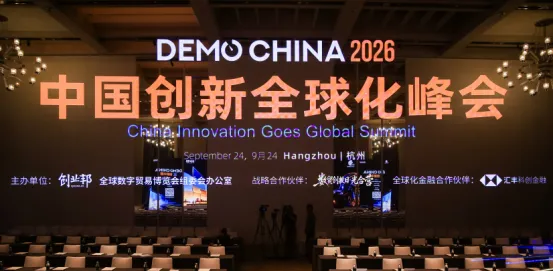
9月24日上午,2026 DEMO CHINA·中国创新全球化峰会在杭州举行。

本届峰会由创业邦、全球数字贸易博览会组委会办公室主办,数贸创投日·光合营为战略合作伙伴,Meta为全球化品牌合作伙伴,汇丰科创金融为全球化金融合作伙伴。投资机构、科技企业、产业伙伴及专业服务机构代表齐聚现场,围绕资本连接、长期主义、新物种出海和AI时代全球化等议题展开交流。

今年,DEMO CHINA首次携手全球数字贸易博览会组委会办公室推出“数贸创投日”系列活动。活动期间,创业邦正式发布“2026数字贸易·中国企业全球化新势力100强榜单”。

本次评选采用“问卷征集+调研访谈+专家评审+第三方数据核验”相结合的模式,围绕全球化布局深度、产品竞争力、经营规模、合规稳健度、品牌认知度五大维度综合评估,最终评选出「引领型」40家、「成长型」60家。今年的最大看点是:过半企业扎堆具身智能、工业与智能制造和AI三大赛道;32%的企业“成立即出海”;北美、欧洲、东南亚构成出海第一梯队。中国企业正以硬核实力和创新产品,重新定义全球化路径。

当中国企业全球化进入新的阶段,出海的内涵正在发生变化。过去,企业走向海外更多依靠供应链、制造能力和产品优势;如今,越来越多科技创新企业带着核心技术、原创产品和产业解决方案进入全球市场。从智能硬件、机器人,到人工智能、生物科技,中国创新正在从“产品走出去”迈向“技术、品牌与产业能力走出去”。本届峰会围绕全球资本、企业实践和产业趋势展开讨论,探索中国创新企业在全球市场中的新机遇与新路径。

01

全球资本重新审视中国创新

峰会开场,汇丰中国科创金融部总经理干菲发表主题演讲《AI时代的中国科创全球化》。她指出,中国科技企业的全球化正在进入新的阶段,企业不再只是把产品和品牌带向海外,而是将技术、产业能力和创新模式更深地融入全球创新体系。

汇丰科创金融近期发布的一份关于亚太地区科创生态的报告显示,2026年上半年,中国内地在亚太及中东地区AI风险投资中的占比升至约四分之三。与此同时,2025年中国内地在亚太及中东地区机器人与无人机交易中的占比达到61%,先进制造领域达到70%。

在干菲看来,中国AI的竞争力不只体现在模型本身,更在于其与制造业、供应链和产业能力结合后,将技术转化为真实生产力。与此同时,香港作为金融枢纽,在连接中国创新与全球资本方面正发挥着重要作用。

她将这一轮中国科创全球化概括为三个关键词:创新、连接与共创。全球化正在从单纯“走出去”,转向资本、市场、产业链和基础设施之间更深层次的全球连接。

02

全球化下半场,比拼的是长期能力

当讨论从“走出去”转向“如何留下来”,长期主义成为观察中国企业全球化的另一个切口。在启迪之星创投总经理兼主管合伙人刘博主持的《播客Live:中国新势力全球化下半场的长期主义》中,潜行创新副总裁张莹、融云执行董事兼首席科学家任杰、珊瑚跨境副总裁王剑秋,分别从硬科技、云通信和跨境服务出发,讨论企业如何在不同市场建立长期竞争力。

“‘走出去’靠的是产品和技术,留下来靠的是长期持续积累的高密度信任。”

“全球化的路很长,但只要方向对了就不怕远。”

“慢就是快,扎根于其他人的土地,我们靠的不是速度,是信任。”

他们最终给出了一个共同判断,那就是全球化下半场,竞争已经不只是产品卖到多少国家,而是能否真正扎进当地市场,在服务、合规、合作伙伴和客户信任中建立长期能力。

03

“新物种”出海,技术之外还有更多关要过

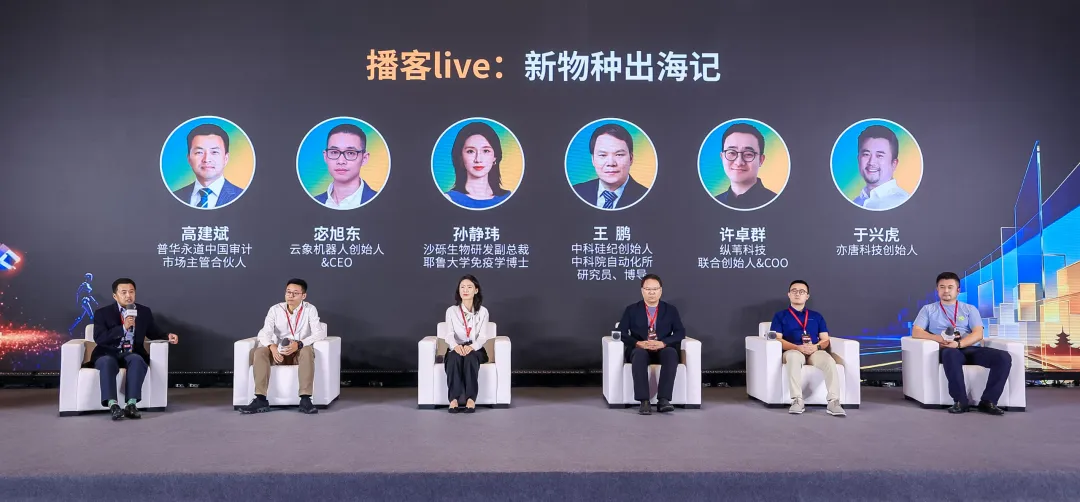
当越来越多机器人、创新药和高端装备进入全球市场,“出海”也开始面对更复杂的技术与产业环境。普华永道中国审计市场主管合伙人高建斌主持的《播客Live:新物种出海记》中,云象机器人创始人&CEO宓旭东,沙砾生物研发副总裁,耶鲁大学免疫学博士孙静玮,中科硅纪创始人,中科院自动化所研究员、博导王鹏,纵苇科技联合创始人&COO许卓群,亦唐科技创始人于兴虎,围绕第一个海外市场如何选择、产品如何获得客户认可,以及交付、合规和本地化服务等现实问题展开讨论。

“出海主要还是看两点,一个是产品力,一个是服务。”

“我们更重要的课题,还是持续思考怎么把产品做得更好,证明它真正具备国际竞争力。”

“找对合作伙伴很重要,另一方面,产品出海之前的成熟性、完备性,包括远程维护能力,都要形成完整机制。”

“在海外,最核心的卡点还是客户信任。你能不能打破文化圈层,和客户形成长期依赖、共同成长的关系。”

“不管格局怎么变,最主要的还是产品力。产品要足够好、足够稳定、足够有性价比,你才有信心出海。”

这场讨论让“新物种出海”的门槛更加具体,技术创新只是起点,真正进入全球产业体系,还要经过产品稳定性、认证合规、交付能力和客户信任的持续验证。

04

AI时代,全球化规则正在改变

AI正在降低语言、信息和组织协同的门槛,也让更多中国企业能够更早进入全球市场。在《播客Live:AI时代,中国企业如何赢在全球化》中,高山新域创始合伙人、原小米合伙人、总裁、原高通公司全球高级副总裁、大中华区总裁、引航陪跑教练王翔,启明创投投资合伙人、原高通全球副总裁、引航陪跑教练沈劲,史河科技执行总裁蒲潇,TOTWOO创始人王洁明从投资、跨国企业经验以及科技创业实践出发,讨论AI如何改变企业全球化的方式。

“由于AI效率的提升,也许企业在更早期阶段,甚至一开始的时候,就可以做全球化布局。”

“在强调自己优势的时候,还是要用一个谦卑的态度去做全球化市场。”

“AI带来的一个很大变化,是让大家意识到,中国的产品力已经非常强,甚至开始领先全球。”

“以前的规则是要规模化,才能全球化;现在很多企业从Day 1开始就敢全球化。”

他们共同提到,AI可以帮助企业更快理解市场、降低全球运营成本,但真正决定一家企业能否长期留在海外的,依然是对用户、文化和当地市场的理解。

05

中国创新,正在进入全球市场更深处

中国企业的全球化正在发生新的变化。产品之外,技术、服务、供应链和产业能力正在一起进入全球市场;销售之外,本地团队、合作伙伴、合规体系与组织能力,也正在成为企业全球化的重要组成部分。

对于越来越多科技企业而言,出海已经不是一次市场拓展,而是一场长期经营。真正的挑战,不只是能不能走出去,更在于能不能留下来、扎下去,并在不同市场持续创造价值。

当中国创新开始更深地参与全球产业协作、服务全球客户、定义新的产品和解决方案,“全球化”也正在拥有新的含义。

注:文/创业邦,文章来源:创业邦(公众号ID:ichuangyebang ),本文为作者独立观点,不代表亿邦动力立场。

文章来源:创业邦

广告
微信
朋友圈

FAQ回顾

2026数字贸易·中国企业全球化新势力100强榜单是什么?

这是创业邦在2026 DEMO CHINA·中国创新全球化峰会上发布的榜单,采用问卷征集、调研访谈、专家评审和第三方数据核验相结合的模式,围绕全球化布局深度、产品竞争力、经营规模、合规稳健度、品牌认知度五大维度,评出「引领型」40家、「成长型」60家。

2026年中国企业出海有哪些新趋势?

根据榜单数据,过半入榜企业集中在具身智能、工业与智能制造、AI三大赛道,32%的企业“成立即出海”;北美、欧洲、东南亚构成出海第一梯队。中国企业正从产品走出去,转向技术、品牌与产业能力走出去,AI降低了全球化门槛,企业更早开始全球布局。

中国AI企业在全球风险投资中的表现如何?

汇丰科创金融报告显示,2026年上半年,中国内地在亚太及中东地区AI风险投资中的占比升至约四分之三;2025年,中国内地在亚太及中东地区机器人与无人机交易中的占比达61%,先进制造领域达70%。中国AI竞争力还在于其与制造业、供应链和产业能力结合后,将技术转化为真实生产力。

企业出海进入全球化下半场,如何建立长期竞争力?

全球化下半场,竞争不只是产品卖到多少国家,而是能否真正扎进当地市场。企业需要在服务、合规、合作伙伴和客户信任中建立长期能力,靠长期持续积累的高密度信任留下来。产品要足够好、稳定、有性价比,并形成交付、认证合规和本地化服务的完整机制。

AI如何改变中国企业的全球化方式?

AI降低了语言、信息和组织协同的门槛,让企业可以在更早期甚至创业一开始就做全球化布局,改变了先规模化再全球化的旧路径。AI还能帮助企业更快理解市场、降低全球运营成本;但决定企业能否长期留在海外的,仍是对用户、文化和当地市场的理解。

这么好看,分享一下?

朋友圈 分享

APP内打开

赞 +1
+1
微信好友 朋友圈 新浪微博 QQ空间
关闭
收藏成功
发送
/140 0