广告
加载中

九号智能电动车国内累计出货突破1400万台:稳扎稳打 蓄势跃升

龚作仁 2026-09-28 13:29
龚作仁 2026/09/28 13:29

邦小白快读

EN
全文速览

总:九号智能电动车国内累计出货突破1400万台,说明产品经受了市场验证,值得关注。对于普通消费者,文章提供了选车和用车的实用参考。

1. 智能化功能实用。文章提到无钥匙解锁、RideyFUN智驾系统、长续航能力、个性化主题及音效等功能,让骑行更便捷、安心、有个性。购买时可重点关注这些功能是否好用。

2. 产品选择丰富。九号围绕不同人群、场景和价格区间完善产品矩阵,从年轻人的第一辆智能电动车到通勤、家庭出行、休闲骑行都有覆盖。消费者可根据自己主要用车场景和预算选择对应车型。

3. 售后服务有保障。九号持续完善渠道与服务网络,提升售后响应效率,并通过数字化连接车辆、用户与服务,购买后能获得长期陪伴。文章建议关注全生命周期体验,不只比价格。

总:九号以智能化创新和用户体验为核心,构建品牌增长体系,其做法对品牌建设具有参考价值。

1. 品牌定位与体验:九号将电动车从代步工具升级为智能出行终端,通过无钥匙解锁、智驾系统等功能塑造差异化品牌形象。品牌需围绕真实使用场景打磨体验,形成用户口碑。

2. 产品矩阵与价格布局:面对多元需求,九号在不同人群、场景、价格区间布局产品,而非单点爆款。这启示品牌要深入洞察细分需求,优化产品定义。

3. 渠道与服务协同:九号将产品交付视为服务起点,完善渠道与服务网络,用数字化连接用户与车辆,延伸用户生命周期价值。品牌应重视售后体验对复购和口碑的影响。

总:文章透露两轮电动车行业增长逻辑变化,给卖家带来市场机会与经营启示。

1. 市场增长空间:九号出货量从1000万到1400万,体现智能电动车市场需求旺盛,且行业进入品质与服务竞争阶段。卖家可关注代理或经销具有智能化优势的品牌产品。

2. 消费需求变化:用户需求从基础代步转向通勤效率、续航安全、个性表达等多元诉求。卖家选品时应覆盖不同价位和场景,引入智能化功能突出的车型。

3. 可学习点:九号通过用户反馈推动产品进化,形成用户增长正循环。卖家要重视售后服务和用户运营,用全生命周期服务提升复购与转介绍。注意风险:行业竞争加剧,需关注库存与品牌动向。

总:九号的产品体系和数字化实践,为工厂提供产品设计和生产升级的方向。

1. 产品需求多样化:九号完善产品矩阵,覆盖不同人群和场景,工厂在生产中需支持多品类、小批量快速迭代,满足续航、安全、智能功能、外观设计等差异化要求。

2. 智能化技术落地:文章提到无钥匙解锁、智驾系统等功能,工厂应关注智能硬件和软件集成能力,提升配套零部件的技术含量。

3. 数字化启示:九号依托数字化连接车辆、用户与服务,工厂可借鉴推进生产数字化和质量管理,实现柔性生产,同时加强与品牌的数据协同,提升响应效率。

总:行业趋势显示智能化与数字化服务将成为两轮电动车竞争核心,服务商面临新的服务升级需求。

1. 客户痛点:用户需求多元化,且对售后服务时效要求更高;车辆智能化后,软件更新、功能个性化等衍生出新服务场景。

2. 解决方案:九号通过完善渠道服务网络、提升响应效率,并依托数字化能力连接车辆、用户与服务。服务商可提供类似的全渠道服务管理系统、用户数据平台和智能客服方案。

3. 商业模式:产品交付后服务持续发生,全生命周期陪伴成为趋势。服务商可围绕用户使用场景设计增值服务,如保养提醒、故障预警、骑行数据分析等。

总:九号以用户为中心的平台化运营模式,为商业平台提供用户管理和生态构建参考。

1. 平台需求:用户规模扩大后,需要连接车辆、用户与服务的数字化平台。九号的做法说明平台需支持设备管理、服务派单、用户反馈收集等能力。

2. 平台最新做法:文章显示九号将智能化、数字化能力贯穿渠道和服务,用真实骑行数据驱动产品与服务优化。平台商可以借鉴数据闭环,帮助商家精准响应用户需求。

3. 运营管理:从选车、购车到售后全生命周期体验管理,平台需要建立统一用户体系,整合线上线下触点。同时注意合规与风险规避,保护用户数据安全。

总:九号案例反映两轮电动车产业正向智能化、服务化转型,形成以用户价值为核心的新商业模式。

1. 产业新动向:行业从规模扩张转向品质、服务、效率与长期价值竞争。九号以智能化创新为特色,将技术投入转化为产品体验,形成体系化能力。

2. 商业模式:九号构建了产品+服务+数字化的全生命周期模式,用户反馈驱动产品进化,口碑沉淀为长期资产。值得研究用户规模与产品迭代之间的正反馈机制。

3. 建议与启示:政策法规层面可关注智能网联电动车的数据安全、售后服务标准、充电基础设施等配套问题。企业应加强真实场景数据采集与用户隐私保护,推动行业健康有序发展。

返回默认
声明:快读内容全程由AI生成,请注意甄别信息。如您发现问题,请发送邮件至 run@ebrun.com 。

我是 品牌商 卖家 工厂 服务商 平台商 研究者 帮我再读一遍。

Quick Summary

Summary: Ninebot's intelligent electric scooters have surpassed 14 million units in cumulative domestic shipments, proving market validation and making the brand worth attention. For everyday consumers, the article offers practical guidance on choosing and using an electric scooter.

1. Practical smart features. The article highlights keyless unlocking, the RideyFUN intelligent riding system, long battery life, customizable themes, and sound effects, making rides more convenient, secure, and personalized. When purchasing, consumers should focus on whether these features work well in practice.

2. A wide product range. Ninebot has built a product matrix tailored to different user groups, scenarios, and price points—from a young person's first smart scooter to commuting, family travel, and leisure riding. Consumers can choose models based on their primary usage scenarios and budget.

3. Reliable after-sales service. Ninebot continues to expand its channel and service network, improve response efficiency, and digitally connect vehicles, users, and services, ensuring long-term support after purchase. The article advises considering the full lifecycle experience, not just price.

Summary: Ninebot has built a brand growth system centered on smart innovation and user experience, offering valuable lessons for brand building.

1. Brand positioning and experience: Ninebot has upgraded electric scooters from simple commuting tools to intelligent mobility terminals, creating a differentiated brand image through keyless unlocking, intelligent riding systems, and other features. Brands should refine user experience around real usage scenarios to earn word-of-mouth.

2. Product portfolio and pricing strategy: Facing diverse demands, Ninebot deploys products across different user groups, scenarios, and price ranges rather than relying on a single hit product. This suggests brands should deeply understand segmented needs and optimize product definition.

3. Channel and service synergy: Ninebot treats product delivery as the starting point of service, improving its channel and service network and using digitalization to connect users with vehicles, thereby extending customer lifetime value. Brands should recognize the impact of after-sales experience on repurchase and reputation.

Summary: The article reveals shifting growth dynamics in the two-wheeler EV industry, presenting market opportunities and operational insights for sellers.

1. Market growth potential: Ninebot's shipments rising from 10 million to 14 million units reflects strong demand for smart electric scooters, with the industry entering a phase of quality and service competition. Sellers may consider representing or distributing brands with smart advantages.

2. Changing consumer needs: User demand is shifting from basic commuting to diverse considerations such as efficiency, range safety, and personal expression. Sellers should cover multiple price points and scenarios, introducing models with standout smart features.

3. Key takeaways: Ninebot drives product evolution through user feedback, creating a positive growth loop. Sellers should prioritize after-sales service and user operations, using full-lifecycle service to boost repurchase and referrals. Risk note: intensifying competition requires attention to inventory and brand trends.

Summary: Ninebot's product system and digital practices provide factories with direction for product design and production upgrades.

1. Diverse product requirements: Ninebot's comprehensive product matrix spans different users and scenarios, requiring factories to support multi-category, small-batch, rapid iteration while meeting differentiated needs in range, safety, smart features, and design aesthetics.

2. Smart technology implementation: With features like keyless unlocking and intelligent riding systems, factories should focus on smart hardware and software integration capabilities to raise the technical content of supporting components.

3. Digital inspiration: Ninebot uses digitalization to connect vehicles, users, and services. Factories can adopt similar approaches to advance production digitalization and quality management, enabling flexible manufacturing while strengthening data collaboration with brands to improve response efficiency.

Summary: Industry trends indicate that smart and digital services will become the core of two-wheeler EV competition, creating new service upgrade demands for service providers.

1. Customer pain points: User needs are diversifying, and after-sales service response times are expected to be faster. As vehicles become smarter, new service scenarios emerge around software updates and feature personalization.

2. Solutions: Ninebot improves service by expanding its channel network, boosting response efficiency, and leveraging digital capabilities to connect vehicles, users, and services. Service providers can offer similar omnichannel service management systems, user data platforms, and intelligent customer service solutions.

3. Business model: Services continue after product delivery, making full-lifecycle engagement a growing trend. Service providers can design value-added services around user scenarios, such as maintenance reminders, fault alerts, and riding data analytics.

Summary: Ninebot's user-centric platform operations offer a reference for commercial platforms in user management and ecosystem building.

1. Platform requirements: As the user base grows, a digital platform connecting vehicles, users, and services becomes necessary. Ninebot's approach shows that platforms need capabilities such as device management, service dispatch, and user feedback collection.

2. Latest platform practices: The article shows Ninebot embedding smart and digital capabilities across channels and services, using real riding data to drive product and service optimization. Platform providers can learn from this data loop to help merchants respond precisely to user needs.

3. Operations management: For full-lifecycle experience management—from selecting and purchasing to after-sales—platforms need a unified user system integrating online and offline touchpoints. Compliance and risk management are also critical to protect user data security.

Summary: The Ninebot case reflects the two-wheeler EV industry's transformation toward smart, service-oriented development, forming a new business model centered on user value.

1. Industry trends: The sector is shifting from scale expansion to competition based on quality, service, efficiency, and long-term value. Ninebot differentiates itself through smart innovation, converting technology investment into product experience and building systematic capabilities.

2. Business model: Ninebot has established a product + service + digitalization full-lifecycle model, where user feedback drives product evolution and reputation compounds into long-term assets. The positive feedback mechanism between user scale and product iteration merits further study.

3. Recommendations and implications: Policymakers should address supporting issues such as data security for connected electric scooters, after-sales service standards, and charging infrastructure. Companies should strengthen real-scenario data collection and user privacy protection to promote healthy, orderly industry development.

Disclaimer: The "Quick Summary" content is entirely generated by AI. Please exercise discretion when interpreting the information. For issues or corrections, please email run@ebrun.com .

I am a Brand Seller Factory Service Provider Marketplace Seller Researcher Read it again.

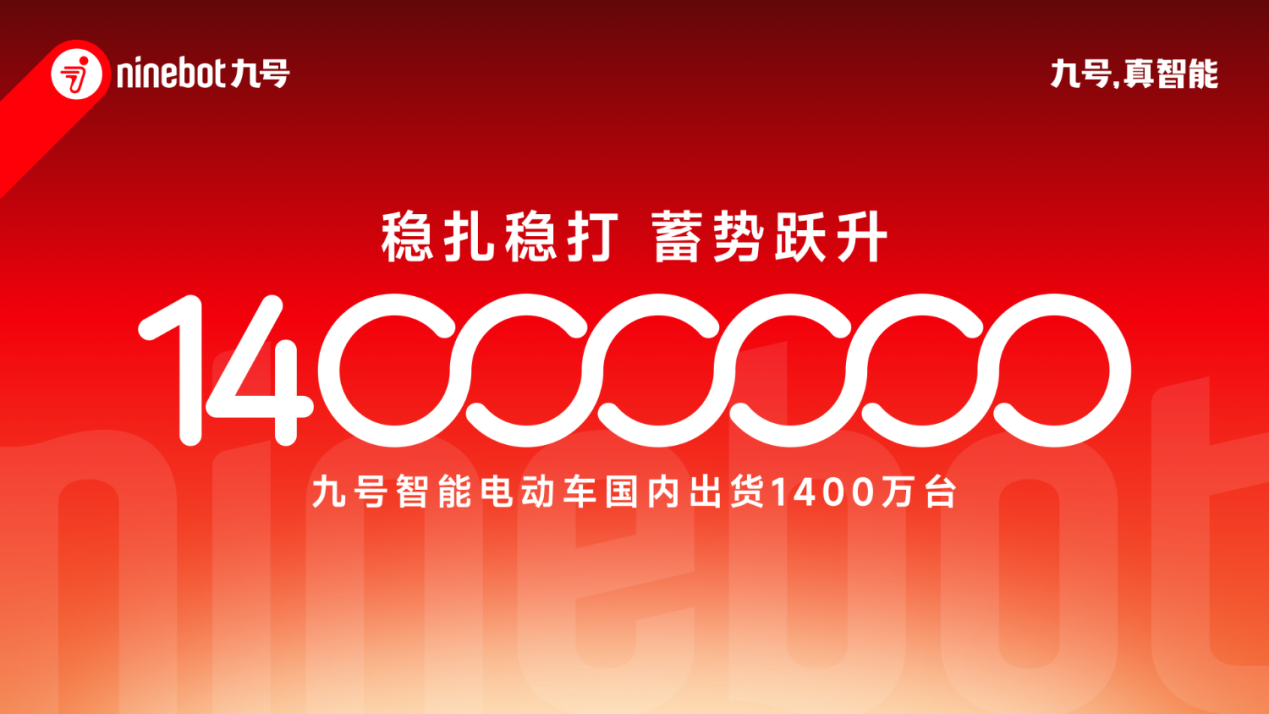
2026年9月28日,九号公司宣布,九号智能电动车国内累计出货量正式突破1400万台。

从1000万台到1400万台,数字持续增长的背后,是用户选择的不断积累,也是九号在技术、产品、渠道、服务与用户运营等方面长期投入的结果。

当两轮电动车行业进入更加注重品质、服务、效率与长期价值的发展阶段,九号没有止步于规模增长,而是以智能化创新为核心、以用户体验为基础,持续夯实产品与服务能力,为下一阶段发展积蓄动能。

稳扎稳打,是对长期能力的沉淀;蓄势跃升,则意味着站在新起点上,再次向前。

从单点突破到体系协同,稳住增长基本盘

一款产品可以赢得阶段性的关注,一套成熟的能力体系,才能支撑品牌持续向前。

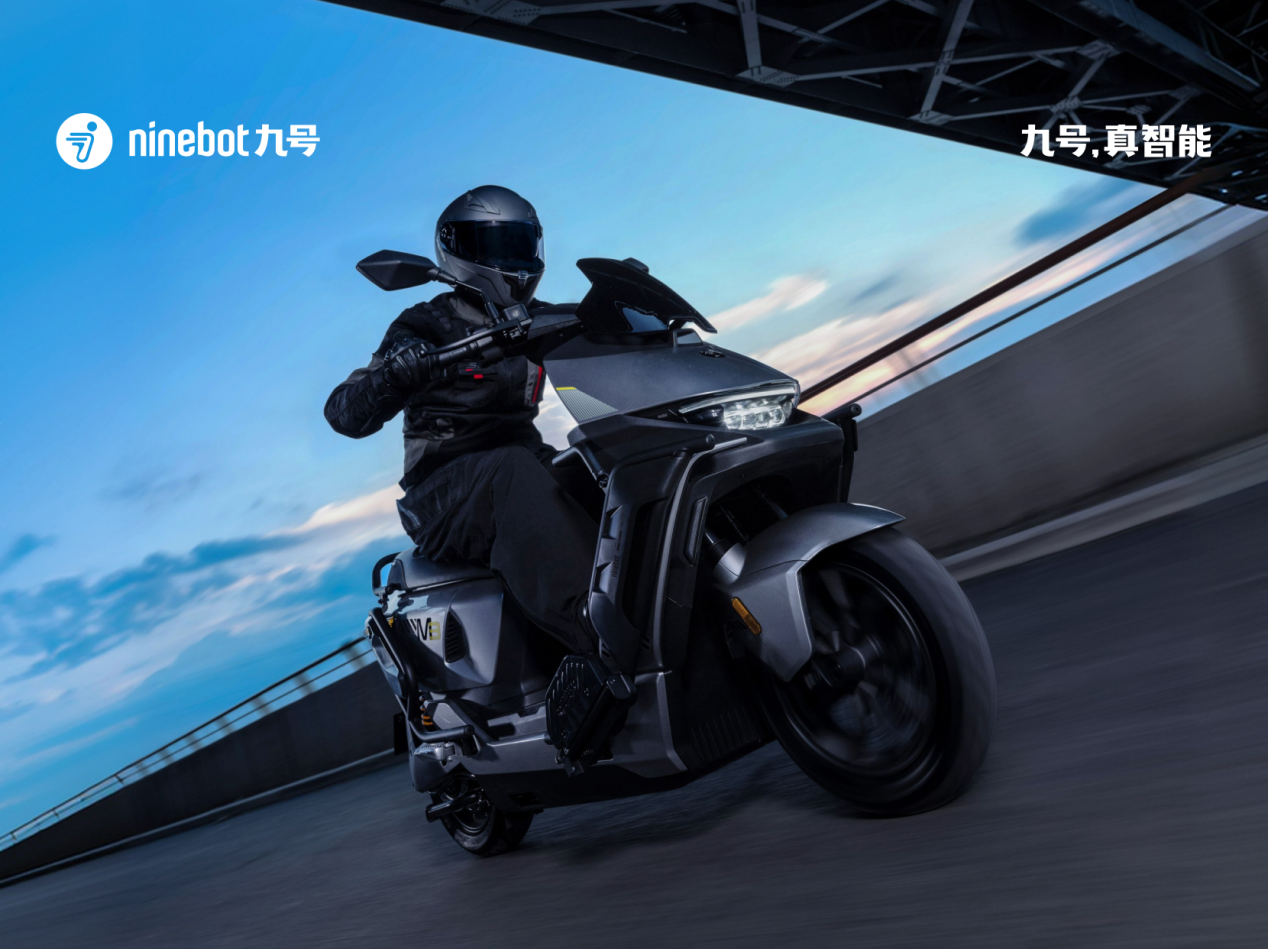
过去几年,九号始终围绕真实骑行场景,持续推动智能技术落地。从无钥匙解锁、RideyFUN智驾系统,到长续航能力、个性化主题及音效等功能,九号不断探索智能技术与日常出行的结合,让电动车不再只是基础代步工具,而是更加便捷、安心,也更能体现用户个性的智能出行终端。

对于用户而言,有价值的智能化从来不是功能数量的简单叠加,而是融入每一次骑行:出发时少一步操作,途中多一份安心,日常使用更符合自己的习惯。

这些具体、可感知的体验,成为越来越多用户选择九号的理由。随着用户规模扩大,来自真实骑行场景的反馈也在不断沉淀,推动产品功能、服务流程与使用体验持续优化。

技术投入转化为产品体验,产品体验形成用户口碑,用户反馈再推动产品进化。由此形成的正向循环,让九号的增长不依赖单一产品或短期机会,而是建立在更稳固的体系能力之上。

1400万台,正是这一增长体系持续运转的阶段性成果。

从产品布局到场景覆盖,打开新的增长空间

用户需求正在变得更加多元。有人关注通勤效率,有人看重续航与安全,也有人希望车辆能够表达自己的审美与个性。面对不断细分的需求,仅依靠少数产品已难以覆盖所有用户。

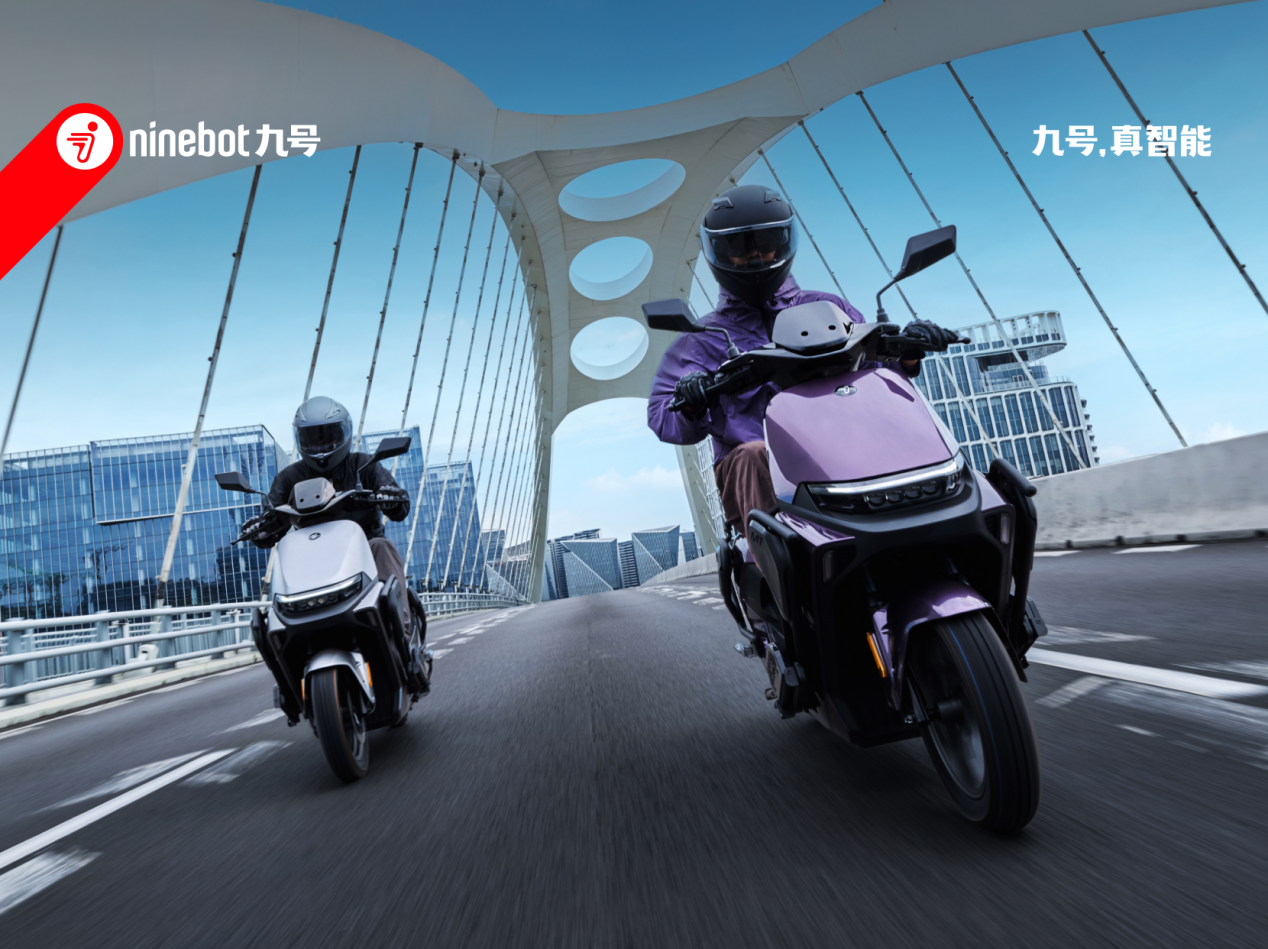
围绕不同人群、不同场景与不同价格区间,九号持续完善产品布局,让智能体验能够进入更多人的日常生活。从年轻人的第一辆智能电动车,到满足日常通勤、家庭出行与休闲骑行需求的多样化选择,九号正在以更丰富的产品承接不同用户的真实需求。

产品矩阵的完善,不只是增加车型数量,更重要的是提升对细分需求的理解。通过持续洞察用户在续航、性能、安全、智能功能与外观设计等方面的关注,九号不断优化产品定义,让每一款产品都能够回应具体的使用场景。

在这一过程中,创新不再是少数产品的亮点,而是逐步沉淀为贯穿产品研发、设计与体验的基础能力。

从一款产品获得认可,到不同产品覆盖更多场景,九号正在进一步拓宽增长的基础,为下一阶段积蓄力量。

用户的真实选择,推动产品持续进化

1400万台,不只是一个规模数字,更代表着用户一次次的真实选择,以及产品融入日常生活的具体瞬间。

从早晚通勤到周末出游,从年轻人的第一辆智能电动车,到陪伴家庭用户日常出行的可靠工具,九号正进入越来越丰富的生活场景。

每一次解锁、每一次出发、每一次骑行后的反馈,都在帮助九号更深入地理解用户:哪些功能真正高频,哪些体验仍可优化,哪些需求正在出现。这些来自真实场景的信息,构成了产品持续进化的重要依据。

用户规模越大,品牌对需求的理解越深入;产品体验越成熟,用户选择的基础也就越稳固。用户选择、产品进化、口碑沉淀与品牌增长之间,正在形成持续运转的正向循环。

因此,1400万台带来的不仅是规模积累,更是一份能够不断转化为产品与服务价值的长期资产。

从产品交付到持续陪伴,延伸用户价值

随着用户规模进一步扩大,九号与用户之间的关系,也在从产品交付延伸至更长周期的服务连接。

近年来,九号持续完善渠道与服务网络,提升售后响应效率和服务体验;同时依托智能化、数字化能力,进一步连接车辆、用户与服务,让使用过程中的问题能够得到更加及时、高效的回应。

对于用户而言,购买的不只是一辆电动车,更是一段能够持续更新、长期陪伴的智能出行体验。对于九号而言,产品交付并不意味着用户关系的结束,而是服务真正开始的节点。

从选车、购车到日常使用与售后服务,每一个环节都会影响用户对品牌的感受。围绕用户全生命周期体验,九号将继续完善产品、渠道、售后与数字化服务之间的协同,让智能出行不仅体现在功能层面,也落实到每一次使用与服务体验中。

这既是九号稳住长期增长基础的重要一步,也是面向下一阶段蓄势的关键所在。

以1400万台为新起点,稳步迈向下一程

九号公司中国经营事业部总裁何飞龙表示:“1400万台,是用户对九号的又一次认可,也让我们更加清楚,长期增长来自每一款产品、每一次服务和每一份用户体验的持续积累。面向未来,我们将继续扎实做好产品与服务,为用户创造真实、可感知的价值。”

从产品矩阵的持续完善,到技术、渠道、品牌与服务能力的协同;从满足基础出行需求,到不断探索更加便捷、安心和个性化的骑行体验,九号正在一步步夯实长期发展的基础。

当行业竞争走向纵深,真正决定品牌长期价值的,不只是规模增长的速度,更是面对市场变化时,能否保持产品创新,能否持续理解用户,能否建立经得起周期检验的综合能力。

1400万台,是过去积累的结果,也是下一阶段增长的起点。

未来,九号将继续以用户价值为中心,推动技术创新与产品体验进化,完善渠道和服务网络,让更多用户享受到智能出行带来的便捷、安心与乐趣。

注:文/龚作仁,文章来源:Laborer,本文为作者独立观点,不代表亿邦动力立场。

文章来源:Laborer

广告
微信
朋友圈

FAQ回顾

九号智能电动车是什么?属于哪个公司?

九号智能电动车是九号公司旗下面向国内市场的电动两轮车产品线。2026年9月28日,九号公司宣布其国内累计出货量正式突破1400万台。九号以智能化创新为核心,产品覆盖年轻人的第一辆智能电动车,以及通勤、家庭出行、休闲骑行等多种场景需求。

九号电动车有哪些智能化功能和核心技术?

九号电动车围绕真实骑行场景落地智能技术,包括无钥匙解锁、RideyFUN智驾系统、长续航能力、个性化主题及音效等功能,让电动车成为更便捷、安心且能体现用户个性的智能出行终端。九号认为,有价值的智能化不在于功能数量叠加,而在于融入每一次骑行体验。

两轮电动车行业当前有哪些新趋势?

两轮电动车行业已进入更加注重品质、服务、效率与长期价值的发展阶段。用户需求向通勤效率、续航安全、个性化表达等方向持续细分,行业竞争从单纯规模增长转向产品创新、用户理解与综合服务能力的比拼,智能化创新和用户体验成为企业长期增长的关键。

九号电动车适合哪些人群和使用场景?

九号智能电动车覆盖多元人群与场景:既面向年轻人的第一辆智能电动车,也满足日常通勤、家庭出行与休闲骑行需求。九号围绕不同人群、不同场景和不同价格区间持续完善产品矩阵,覆盖早晚通勤、周末出游等丰富生活场景,让智能体验进入更多人的日常生活。

九号电动车的售后服务有哪些特点?

九号将用户关系从产品交付延伸至全生命周期服务连接,持续完善渠道与服务网络,提升售后响应效率和服务体验,并依托智能化、数字化能力连接车辆、用户与服务,让使用中的问题得到及时高效回应。选车、购车、日常使用与售后服务各环节协同,是九号稳住长期增长基础的重要举措。

这么好看,分享一下?

朋友圈 分享

APP内打开

赞 +1
+1
微信好友 朋友圈 新浪微博 QQ空间
关闭
收藏成功
发送
/140 0