广告
加载中

具身智能机器人累计量产超15000台 智身科技获中东资本领投数亿元融资

亿邦动力 2026-09-20 15:46
亿邦动力 2026/09/20 15:46

邦小白快读

EN
全文速览

你可以从这篇资讯快速了解国内具身智能机器人赛道的最新发展动态,核心干货信息如下。

1. 核心企业融资情况:2023年成立的全栈型具身智能企业智身科技,刚完成由阿联酋磊石资本领投的数亿元B轮融资,多家国资投资平台、上市产业方共同参投;算上2026年年初披露的连续多轮融资,企业已累计获得数亿元资本支持,股东覆盖机器人、云计算、零部件等多个产业链环节的主体。

2. 实际落地进展:目前企业已推出四足、人形两类机器人产品,截至2026年6月累计量产突破15000台,落地覆盖电力、石化、消防、安防、应急、教育等多个行业,已和500余家生态伙伴建立稳定合作。

3. 技术与发展方向:企业搭建了一体双脑技术架构,自研高功率密度关节模组年产能突破100万件,后续将重点打磨真实场景作业能力,打造能适应复杂环境、实际完成工作任务的产业用机器人。

对于布局智能硬件、机器人赛道的品牌商而言,这篇文章披露了智身科技在渠道搭建、产品研发、成本管控层面的可参考实践,核心干货如下。

1. 渠道建设路径:品牌可采取绑定头部产业伙伴共建生态的模式,一方面携手具备行业客户资源的伙伴推进全国性行业渠道建设,另一方面联动云计算、硬件科技领域的头部伙伴共同拓展行业市场,同时和技术型、平台型主体深化技术协同与产品创新,快速搭建覆盖多场景的合作网络。

2. 产品研发方向:品牌要锚定真实产业场景的需求搭建全栈技术体系,针对复杂非结构化工况打造兼顾感知决策与运动控制能力的一体双脑产品架构,通过真实场景数据积累持续迭代GSD数据驱动模型,提升产品对复杂环境的适配性。

3. 成本竞争力打造:品牌要加码核心零部件的自主研发与规模化生产,为产品迭代、规模量产提供底层支撑,在发展过程中持续提升产品质量、可靠性与成本竞争力,匹配产业客户的实际采购需求。

对于机器人赛道及相关领域的经营卖家而言,这篇文章透露了赛道的增长机会、可复制的拓展经验、潜在合作方向,核心干货如下。

1. 赛道增长机会提示:当前具身智能机器人已进入产业落地的规模化阶段,电力、石化、消防、安防、应急、教育等都是已验证的成熟落地场景,截至2026年6月头部玩家单企业累计量产规模已突破15000台,核心零部件年产能达百万件级,赛道规模化扩张的窗口期已经开启。

2. 可借鉴的拓展经验:卖家可参考生态共建的市场拓展逻辑,一方面联合渠道型伙伴搭建覆盖全国的行业销售网络,另一方面联合技术型、平台型伙伴共同开发客户,深化产品与技术协同,智身科技正是依靠这类模式快速积累了500余家生态伙伴。

3. 潜在合作方向:当前产业端客户的核心需求是能适应楼梯、碎石、雨雪、粉尘等复杂工况,可自主完成现场任务的机器人产品,相关配套配件、场景适配服务都有明确需求,获得大额融资的头部企业正加速扩张,卖家可主动对接相关供应链、渠道合作机会。

对于制造类工厂尤其是机器人供应链、智能制造相关工厂而言,这篇文章披露了具身智能机器人赛道的生产设计需求、潜在商业机会与数智化转型参考,核心干货如下。

1. 明确的产品生产设计需求:当前应用于产业现场的机器人,需要适配楼梯、碎石、雨雪、粉尘等复杂工况,满足动态变化的任务需求,核心部件层面需要高功率密度关节模组支撑稳定的运动控制能力,仅智身科技一家的关节模组年产能就突破100万件,相关规模化生产需求明确。

2. 供应链合作机会:目前具身智能机器人已进入量产爬坡阶段,头部企业累计量产规模已突破15000台,且在持续优化产品质量、可靠性与成本竞争力,对于核心零部件代工、整机组装、生产工艺优化相关的工厂而言,存在稳定的订单合作空间。

3. 数智化转型启示:工厂可参考具身智能技术的落地路径,引入适配工业复杂场景的智能机器人,替代人工完成高危巡检、应急处置等场景的作业,借助机器人的自主导航、决策能力提升厂区的智能化运维水平。

对于服务机器人产业、面向企业端的科技服务领域的服务商而言,这篇文章明确了行业发展趋势、核心技术方向、客户真实痛点与解决方案设计方向,核心干货如下。

1. 行业发展趋势:具身智能机器人已从实验室研发展示阶段进入产业规模化落地阶段,头部玩家累计量产规模突破15000台,落地覆盖电力、石化、消防等十余个行业,赛道已从“拼演示效果”的技术验证期转向“拼实际作业能力”的价值交付期,未来对配套落地服务的需求将持续攀升。

2. 核心客户痛点:机器人落地产业场景面临非标准化复杂工况的共性挑战,包括楼梯、碎石、雨雪、粉尘等多变环境,以及持续动态调整的任务需求,客户需要的是能稳定适配复杂环境、可靠完成作业任务的产品,而非仅能在标准实验室环境运行的演示设备。

3. 服务机会方向:服务商可围绕机器人全栈落地需求设计服务产品,包括支撑GSD模型迭代的真实场景数据采集服务、核心部件可靠性测试服务、行业场景定制化适配服务,对接企业在四大智能技术方向的研发需求,联动推进场景落地。

对于面向企业端的产业服务平台、科技生态平台而言,这篇文章披露了智能机器人赛道主体的平台合作需求、生态搭建方向、招商运营的参考逻辑,核心干货如下。

1. 赛道主体的合作需求:具身智能机器人企业在拓展市场过程中存在两类明确需求,一类是渠道共建需求,需要联动具备行业客户资源的平台共同搭建全国性行业销售网络;另一类是技术协同需求,需要联动具备云计算、人工智能技术能力的平台共同打磨产品,拓展行业应用场景。

2. 生态招商参考方向:平台布局机器人赛道生态时,可重点引进具备全栈技术能力、规模化量产能力的头部企业,这类企业通常掌握核心部件研发生产能力,机器人量产规模达万台级,同时可依托这类企业联动其上下游数百家生态伙伴,快速形成产业集聚效应。

3. 运营风向把握:平台需明确赛道发展风向,当前机器人落地已从技术展示转向真实产业场景的任务交付,平台运营资源要向能适配复杂工况、具备实际作业能力的项目倾斜,规避单纯炒概念的伪需求项目,同时可关注中东产业资本重点加持的赛道方向,对接跨境合作资源。

对于关注具身智能、机器人产业的研究者而言,这篇文章披露了国内具身智能赛道的最新产业化动向、商业化落地模式、产业发展的新特征,核心信息如下。

1. 产业发展新动向:具身智能赛道已进入规模化量产的关键节点,成立仅3年的头部企业已实现累计15000台机器人量产,自研核心关节模组年产能突破100万件,落地覆盖多个面向企业端的行业;资本层面形成中东产业资本领投、国内国资加产业链企业联合参投的融资结构,说明赛道已从早期研发阶段进入产业化落地的关键期。

2. 产业落地的共性问题与解法:机器人进入产业现场面临复杂非结构化环境适配的共性难题,当前头部企业的应对方案是搭建一体双脑全栈技术架构,通过GSD数据驱动模型持续迭代算法,依托自研核心部件支撑规模化量产,技术路线上明确布局运动、空间、交互、群体四大智能方向,目标是实现从自主进入现场到自主完成任务的跨越。

3. 主流商业化模式:当前赛道头部玩家普遍采取全栈自研加生态共建的模式,一方面自研核心部件、算法、机器人本体筑牢产品竞争力,另一方面联合各领域生态伙伴在渠道拓展、技术协同、产品创新层面深度合作,快速覆盖多行业场景。

返回默认
声明:快读内容全程由AI生成,请注意甄别信息。如您发现问题,请发送邮件至 run@ebrun.com 。

我是 品牌商 卖家 工厂 服务商 平台商 研究者 帮我再读一遍。

Quick Summary

This update offers a quick overview of the latest developments in China’s embodied intelligent robotics sector, with key takeaways as follows:

1. Core financing updates: Zhishen Technology, a full-stack embodied intelligence firm founded in 2023, has closed a RMB hundreds of millions Series B round led by UAE-based Rockstone Capital, with participation from multiple state-owned investment platforms and listed industry players. Including several consecutive financing rounds disclosed in early 2026, the company has secured total capital backing worth hundreds of millions of yuan, with its shareholder base covering entities across the robotics, cloud computing, and core components segments of the industrial chain.

2. Real-world deployment progress: The company has launched two product lines: quadruped robots and humanoid robots. As of June 2026, its cumulative production volume has exceeded 15,000 units. Its solutions have been deployed across sectors including power, petrochemicals, firefighting, security, emergency response, and education, and it has established stable partnerships with over 500 ecosystem partners.

3. Technology and development roadmap: The company has built a unified dual-brain technical architecture, with annual production capacity for its self-developed high-power-density joint modules exceeding 1 million units. Going forward, it will prioritize refining operational capabilities in real-world scenarios, to build industrial-grade robots capable of adapting to complex environments and completing practical work tasks.

For brands operating in the smart hardware and robotics space, this article outlines referenceable practices from Zhishen Technology across channel building, product R&D, and cost control, with key takeaways as follows:

1. Channel building pathway: Brands can adopt an ecosystem co-development model anchored by partnerships with leading industry players. On one hand, they can collaborate with partners with established industry client resources to build out national sector-specific sales channels; on the other, they can partner with leading firms in cloud computing and hardware technology to expand vertical market reach, while deepening technical collaboration and product innovation with technology-focused and platform-based entities, to rapidly build a multi-scenario cooperation network.

2. Product R&D direction: Brands should build full-stack technology systems aligned with real industrial scenario requirements, develop a unified dual-brain product architecture that balances perception, decision-making, and motion control capabilities for complex unstructured working conditions, and continuously iterate data-driven GSD models through real-world scenario data accumulation, to improve products’ adaptability to complex environments.

3. Cost competitiveness building: Brands should step up investment in independent R&D and scaled production of core components, to underpin product iteration and mass manufacturing. They should continuously improve product quality, reliability, and cost competitiveness as they scale, to match the actual procurement needs of industrial clients.

For sellers operating in the robotics sector and related fields, this article highlights sector growth opportunities, replicable expansion practices, and potential cooperation directions, with key takeaways as follows:

1. Sector growth opportunities: Embodied intelligent robots have now entered the scaled industrial deployment phase. Proven, mature application scenarios include power, petrochemicals, firefighting, security, emergency response, and education. As of June 2026, leading players have achieved cumulative production volumes of over 15,000 units per firm, with annual core component production capacity reaching the million-unit level, marking the opening of the sector’s scaled expansion window.

2. Replicable expansion experience: Sellers can reference the ecosystem co-development go-to-market logic: on one hand, partnering with channel-focused players to build a national industry sales network; on the other, co-developing clients with technology-focused and platform-based partners to deepen product and technology collaboration. It is precisely this model that allowed Zhishen Technology to rapidly build a base of over 500 ecosystem partners.

3. Potential cooperation directions: Industrial clients currently prioritize robots capable of adapting to complex working conditions such as stairs, gravel terrain, rain, snow, and dust, and completing on-site tasks autonomously, creating clear demand for related supporting components and scenario adaptation services. Leading firms that have closed large funding rounds are accelerating expansion, creating opportunities for sellers to proactively pursue supply chain and channel partnership opportunities.

For manufacturing factories, especially those in the robotics supply chain and intelligent manufacturing space, this article outlines production and design requirements in the embodied intelligent robotics sector, potential business opportunities, and references for digital and intelligent transformation, with key takeaways as follows:

1. Clear product production and design requirements: Robots deployed in industrial sites must adapt to complex conditions including stairs, gravel terrain, rain, snow, and dust, and meet dynamically changing task requirements. At the core component level, high-power-density joint modules are required to support stable motion control. Zhishen Technology alone has an annual joint module production capacity exceeding 1 million units, pointing to clear demand for scaled production of related components.

2. Supply chain cooperation opportunities: Embodied intelligent robots have now entered the production ramp-up phase, with leading players posting cumulative production volumes of over 15,000 units, while continuously optimizing product quality, reliability, and cost competitiveness. This creates stable order opportunities for factories focused on core component contract manufacturing, complete machine assembly, and production process optimization.

3. Digital and intelligent transformation insights: Factories can reference the deployment pathways of embodied intelligent technology, introducing smart robots adapted to complex industrial scenarios to replace manual labor in high-risk inspection and emergency response tasks, and leveraging robots’ autonomous navigation and decision-making capabilities to improve intelligent operation and maintenance levels across their facilities.

For service providers in the service robotics industry and enterprise-facing technology service space, this article clarifies industry development trends, core technology directions, real client pain points, and solution design priorities, with key takeaways as follows:

1. Industry development trends: Embodied intelligent robots have moved past the laboratory R&D and demonstration phase into the scaled industrial deployment stage. Leading players have achieved cumulative production volumes of over 15,000 units, with deployments covering more than ten sectors including power, petrochemicals, and firefighting. The sector has shifted from the technology validation phase focused on “demo performance” to the value delivery phase focused on “real operational capability”, and demand for supporting deployment services will continue to rise going forward.

2. Core client pain points: A common challenge for robotic deployment in industrial scenarios is adaptation to non-standardized, complex working conditions, including variable environments such as stairs, gravel terrain, rain, snow, and dust, as well as constantly evolving task requirements. Clients need products that can stably adapt to complex environments and reliably complete work tasks, rather than demo devices that only function in standard laboratory settings.

3. Service opportunity directions: Service providers can design offerings around the full-stack deployment needs of robotics companies, including real-world scenario data collection services to support GSD model iteration, core component reliability testing services, and customized scenario adaptation services. They can align with enterprises’ R&D needs across four core intelligence technology areas to jointly drive scenario deployment.

For enterprise-facing industrial service platforms and technology ecosystem platforms, this article outlines platform cooperation needs of robotics sector players, ecosystem building directions, and a reference framework for investment attraction and operations, with key takeaways as follows:

1. Cooperation needs of sector players: Embodied intelligent robotics firms have two clear needs as they expand their markets: first, channel co-building, as they seek to partner with platforms with industry client resources to build national sector-specific sales networks; second, technology collaboration, as they look to work with platforms with cloud computing and artificial intelligence capabilities to refine their products and expand industrial application scenarios.

2. Ecosystem investment attraction reference: When building out robotics sector ecosystems, platforms can prioritize bringing in leading firms with full-stack technology capabilities and scaled production capacity. These firms typically hold core component R&D and manufacturing capabilities, boast robot production volumes in the tens of thousands of units, and can help connect their hundreds of upstream and downstream ecosystem partners to rapidly form industrial clustering effects.

3. Operational trend alignment: Platforms must stay attuned to sector trends: robotic deployment has shifted from technology demonstration to task delivery in real industrial scenarios. Platforms should tilt operational resources toward projects that can adapt to complex working conditions and deliver practical operational capabilities, avoiding concept-driven projects with no real market demand. They can also track sector areas prioritized by Middle Eastern industrial capital, to connect with cross-border cooperation resources.

For researchers focused on embodied intelligence and the robotics industry, this article covers the latest industrialization trends, commercialization models, and new industry development features in China’s embodied intelligence sector, with key takeaways as follows:

1. New industrial development trends: The embodied intelligence sector has reached a critical inflection point of scaled mass production. A leading firm founded only three years ago has achieved cumulative robot production of 15,000 units, hit annual production capacity of over 1 million units for self-developed core joint modules, and secured deployments across multiple B2B sectors. On the capital side, the financing structure—led by Middle Eastern industrial capital, with joint participation from domestic state-owned capital and industrial chain enterprises—signals the sector has moved past the early R&D stage into a critical period of industrialization.

2. Common industrial deployment challenges and solutions: Robots entering industrial sites face the common challenge of adapting to complex unstructured environments. Leading firms’ current response involves building a full-stack unified dual-brain technical architecture, continuously iterating algorithms via data-driven GSD models, and supporting scaled mass production through self-developed core components. On the technology roadmap, firms are explicitly investing in four intelligence domains: motion, spatial awareness, interaction, and swarm intelligence, with the goal of achieving the leap from autonomously entering a worksite to autonomously completing assigned tasks.

3. Mainstream commercialization model: Leading players in the sector generally adopt a model of full-stack in-house R&D combined with ecosystem co-development. On one hand, they build core product competitiveness through in-house development of core components, algorithms, and robot bodies; on the other, they conduct deep collaboration with ecosystem partners across domains to expand channels, coordinate on technology development, and drive product innovation, to rapidly achieve coverage across multiple industry scenarios.

Disclaimer: The "Quick Summary" content is entirely generated by AI. Please exercise discretion when interpreting the information. For issues or corrections, please email run@ebrun.com .

I am a Brand Seller Factory Service Provider Marketplace Seller Researcher Read it again.

【亿邦原创】日前,智身科技(GENISOM AI)完成数亿元人民币B轮融资。本轮融资由阿联酋Stone Venture(磊石资本)领投,洪山资本、粤科金融、吴中融玥、吴中金控等投资机构,以及东软集团、豪鹏科技、远见资本、日盈电子等产业投资方共同参与。

智身科技成立于2023年,是一家拥有“具身大小脑+机器人本体+模块化产品”的全栈能力的具身智能企业。今年1月,智身科技宣布完成连续多轮融资,累计金额达数亿元,投资方有智元机器人、贵安鲲鹏基金,金马游乐、柯力股份、豪鹏科技等。

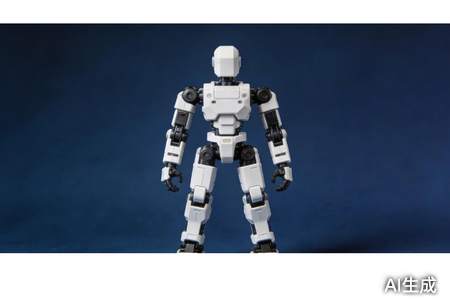
机器人本体层面,该公司分别推出了四足机器人和人形机器人。截至2026年6月,智身科技具身智能机器人累计量产突破15000台,单月产能较去年月均电力、石化、消防、安防、应急、教育等多个行业,并与500余家生态伙伴建立合作。

机器人真正进入产业现场,面对的并非实验室里的标准环境,而是楼梯、碎石、雨雪、粉尘等复杂工况,以及持续变化的任务需求。围绕真实场景,智身科技构建了覆盖核心部件、机器人本体、运动控制与智能算法的全栈技术体系,并形成“一体双脑”核心架构:“大脑”负责自主导航、环境感知与智能决策,“小脑”负责运动控制与动力学能力。

在智能化能力方面,智身科技持续推进GSD数据驱动模型研发,通过真实场景数据积累和模型迭代,提升机器人在复杂、非结构化环境中的自主导航与决策能力;在核心硬件方面,智身科技自主研发CHAMP系列高功率密度关节模组,目前年产能已突破100万件,为产品迭代和规模量产提供底层支撑。

在渠道与市场拓展方面,携手东软集团推进全国行业渠道建设,与华为云、智元机器人、联想集团、浪潮云、紫光智行等伙伴共同拓展行业市场;在产品与产业协同方面,与地瓜机器人、字节跳动、腾讯云、豪鹏科技等伙伴围绕技术协同、产品创新及产业应用深化合作。

本轮融资后,智身科技将重点围绕机器人本体、具身大小脑与任务作业持续投入,提升机器人本体的质量、可靠性与成本竞争力,推进GSD(Genisom Self-Driving)自主导航能力迭代,并强化机器人面向真实产业场景的任务作业能力。同时,智身科技将围绕运动智能、空间智能、交互智能、群体智能四大智能技术路线加大研发投入,推动机器人从“自主进入现场”走向“自主完成任务”,持续打造真正“能干活的机器人”。

本文首发于 亿邦动力 官方网站

文章来源:亿邦动力

广告
微信
朋友圈

FAQ回顾

智身科技是做什么的?

智身科技成立于2023年,是拥有“具身大小脑+机器人本体+模块化产品”全栈能力的具身智能企业,推出四足、人形机器人产品,截至2026年6月其具身智能机器人累计量产超15000台,已落地多行业场景。

智身科技的具身智能机器人有哪些核心技术优势?

智身科技打造“一体双脑”核心架构,大脑负责自主导航、环境感知与智能决策,小脑负责运动控制与动力学能力;自研CHAMP系列高功率密度关节模组年产能突破100万件,GSD数据驱动模型可适配复杂非结构化工况。

智身科技的具身智能机器人覆盖哪些应用场景?

智身科技的具身智能机器人可适配楼梯、碎石、雨雪、粉尘等复杂非标准工况,目前已落地电力、石化、消防、安防、应急、教育等多个行业,累计与500余家生态伙伴建立合作。

智身科技数亿元B轮融资将主要投入哪些方向?

本轮融资后,智身科技将重点投入机器人本体、具身大小脑与任务作业领域,提升产品质量、可靠性与成本竞争力,迭代GSD自主导航能力,沿运动智能、空间智能、交互智能、群体智能四大路线研发,打造可落地完成产业任务的机器人。

这么好看,分享一下?

朋友圈 分享

APP内打开

+1
+1
微信好友 朋友圈 新浪微博 QQ空间
关闭
收藏成功
发送
/140 0