广告
加载中

让AI教育照亮更多国家的孩子,猿编程任金砖国家青少年AI教育联盟首届轮值单位

龚作仁 2026-09-15 13:55
龚作仁 2026/09/15 13:55

邦小白快读

EN
全文速览

本文核心传递了金砖国家青少年AI教育联盟成立、AI教育加速普惠的重要信息,能为普通家长和读者了解AI教育趋势、选择相关学习产品提供实用参考。

1. AI教育不再是少数国家、少数家庭的特权,未来会通过跨国合作面向更多青少年普及,行业对AI教育的共识已经从单纯教授编程技巧,转向系统性培养孩子的底层认知、复合思维、跨学科融合能力,家长选择相关课程可以对照这个标准判断实际价值。

2. 联盟落地后会推出百万课时公益捐赠、共建适配各国国情的普惠AI教育体系等行动,普通家庭未来有机会获得更平价、更优质的AI教育资源,不用盲目追捧高价的高端AI培训课程。

3. 目前国内头部机构已经积累了成熟的AI教育经验,累计培养超800万学员,相关课程也入选联合国儿童基金会“人工智能为儿童”典型案例,普惠性AI教育的质量有成熟实践作为支撑。

猿编程受邀担任金砖国家青少年AI教育联盟首届轮值单位的实践,为AI教育及相关领域品牌的价值打造、市场拓展提供了可参考的成熟路径。

1. 品牌价值建设层面,将品牌普惠教育的核心理念与全球AI教育公平的公共议题绑定,联合国际官方组织、公益基金、顶尖高校学者共同传递品牌主张,能快速强化品牌在行业内的领军者定位,猿编程就通过本次合作进一步夯实了国内AI教育头部品牌的市场认知。

2. 产品研发层面,行业已经形成明确共识,AI时代的教育核心要从单纯的知识传递,转向培养青少年的认知结构、思维范式与创新能力,品牌可以围绕这个方向打磨产品,猿编程相关课程入选联合国儿童基金会典型案例,已经验证了这个方向的行业认可度。

3. 渠道拓展层面,借助国际联盟的跨国协作网络,品牌可以通过参与公益课时捐赠、共建教育体系等方式,低门槛打开金砖国家的海外市场,其覆盖国内4500多所学校的校园渠道拓展经验,也可供同类品牌参考。

金砖国家青少年AI教育联盟的正式成立,释放了青少年AI教育赛道的多重政策与市场信号,为相关领域卖家指明了可落地的业务增长方向。

1. 合作机会层面,联盟是响应金砖国家数字教育合作倡议的机制化项目,秘书处设在猿编程总部,未来会落地四大核心行动计划,经营AI课程、教具、配套服务的卖家可以主动对接联盟项目,参与未来中心建设、百万课时捐赠配套、AI教育体系共建等环节的合作。

2. 消费需求变化层面,随着AI教育加速普惠,消费者对相关产品的需求已经从单纯的编程技能学习,转向对孩子认知能力、复合思维、跨学科融合能力的培养,适配这个需求的高性价比产品会获得更广泛的用户认可。

3. 跨境增长机会层面,联盟面向金砖多国推进AI教育普及,跨境卖家可以依托联盟的协作网络,布局金砖国家的青少年AI教育消费市场,借助官方合作的信任背书降低出海的信任成本。

金砖国家青少年AI教育联盟的落地推进,为教育科技、教学装备类生产工厂释放了明确的产品需求与商业合作机会,也为工厂的数字化转型提供了参考方向。

1. 产品设计需求层面,联盟将共建适配不同国家国情的可落地AI教育体系,在北京设立的常设AI教育未来中心,需要配套大量AI编程互动教学设备、实践操作教具、场景化学习工具,工厂可以围绕青少年AI素养培养的真实场景,设计兼具实用性、普惠性的配套教学产品,对接项目采购需求。

2. 规模化商业机会层面,联盟启动的百万课时捐赠计划、面向金砖多国的AI教育普及工作,会带来大规模的平价AI教育配套物资需求,适合有规模化生产能力、高性价比产品供给能力的工厂对接合作。

3. 数字化转型启示上,工厂可以参考猿编程自研智能化教学平台、教育垂类大模型的思路,将智能技术融入教具产品设计,让产品适配AI教育的智能化教学趋势,提升产品核心竞争力。

本次金砖国家青少年AI教育联盟的成立,清晰展现了AI教育领域的发展趋势与真实服务需求,为教育领域各类服务商指明了业务布局的核心方向。

1. 行业发展趋势上,AI教育正从单一机构零散供给课程的阶段,转向跨国协作的生态化建设阶段,教育的核心目标也从传递知识转向培养青少年的认知能力、复合思维与创新能力,相关服务需求覆盖课程体系搭建、跨国活动运营、教学技术支持等多个环节。

2. 技术服务方向上,目前行业已经落地了700亿参数规模的教育垂类大模型、拥有39项自主知识产权的智能化编程创作平台等技术工具,服务商可以围绕这些技术的落地适配,开发适配不同国家学情的本地化部署、教学效果追踪、跨语言适配等配套服务。

3. 痛点解决层面,联盟的跨国协作需要常态化运营支持、跨文化交流活动策划、AI教育效果评估等服务,各国落地AI教育体系也需要适配本地国情的方案设计,这些都是服务商可以切入的业务场景。

金砖国家青少年AI教育联盟的落地,为教育类、跨境类平台释放了明确的合作需求,也为平台的生态搭建、运营管理提供了方向参考。

1. 合作对接层面,联盟打造国际论坛、常设AI教育未来中心、组织跨国青少年交流等项目,需要平台提供流量传播、线上活动承载、跨国产学研对接等服务支持,平台可以主动对接驻地在猿编程总部的联盟秘书处,承接相关线上场景的运营工作。

2. 生态招商层面,平台可以围绕AI教育普惠的发展趋势,引入优质AI课程开发者、教具商家、教育学者等资源,打造青少年AI教育专属内容板块;还可以依托金砖国家合作的政策方向,开辟面向金砖国家的AI教育产品跨境专区,匹配百万课时捐赠、教育体系共建的资源需求。

3. 运营风向层面,平台要把握AI教育普惠公平的核心导向,推出面向普通家庭的平价AI教育公益专区,规避过度营销AI教育精英化、高端化的宣传偏差,传递教育公平的价值导向,契合主流教育发展共识。

金砖国家青少年AI教育联盟的成立与落地规划,为数字教育国际合作、AI教育产业发展相关研究提供了全新的实践样本与研究方向。

1. 产业合作新动向方面,这是金砖国家数字教育领域机制化合作的重要实践,由金砖国家战略项目国际联盟发起,联合公益基金、头部AI教育企业共同推进,采用企业担任轮值单位牵头日常运作、各国指定联络官协同的组织架构,形成了官方指导、企业落地、学术支撑的跨国教育合作新模式。

2. 教育理念新共识方面,来自清华、北大等高校的学者与行业实践者共同提出,AI时代教育的核心价值正从单纯的知识传递,转向对青少年认知结构、思维范式与创新能力的系统性塑造,猿编程累计培养800万学员、自研编程平台与教育垂类大模型的实践,为该共识提供了产业层面的落地支撑。

3. 落地路径参考方面,联盟通过设立常设交流中心、举办国际论坛、捐赠百万公益课时、共建本土化AI教育体系四项行动推进愿景,这种公益先行、体系配套、生态共建的模式,为跨国数字教育合作的政策设计、模式推广提供了可跟踪研究的鲜活案例。

返回默认
声明:快读内容全程由AI生成,请注意甄别信息。如您发现问题,请发送邮件至 run@ebrun.com 。

我是 品牌商 卖家 工厂 服务商 平台商 研究者 帮我再读一遍。

Quick Summary

This article covers the launch of the BRICS Youth AI Education Alliance and the accelerating push to make AI education accessible to all, providing practical insights for parents and general readers to understand AI education trends and evaluate relevant learning products.

1. AI education is no longer a privilege limited to a small number of countries and affluent households. Cross-border collaboration will expand access to AI learning for more young people globally. The industry consensus has shifted from teaching coding skills in isolation to systematically building children’s foundational cognitive capabilities, interdisciplinary thinking, and cross-subject integration skills. Parents can use this standard to assess the actual value of AI courses they consider.

2. Following its launch, the alliance will roll out initiatives including donating one million free course hours and co-building inclusive AI education systems tailored to national contexts across member countries. Ordinary families will gain access to more affordable, high-quality AI learning resources, eliminating the need to chase overpriced premium AI training programs blindly.

3. Leading domestic AI education providers have already developed proven track records: one top player has trained over 8 million cumulative learners, and its courses have been selected as a UNICEF "AI for Children" exemplary case. The quality of inclusive AI education is backed by mature, practical implementation experience.

Yuanbiancheng’s appointment as the first rotating chair of the BRICS Youth AI Education Alliance offers a proven reference path for brands in the AI education and adjacent sectors to build brand value and expand market reach.

1. For brand value building: Aligning a brand’s core inclusive education mission with the global public agenda of equitable AI education, and partnering with international official organizations, public welfare funds, and top university scholars to communicate brand propositions, can rapidly reinforce a brand’s industry leadership position. Through this collaboration, Yuanbiancheng further solidified its market recognition as a leading domestic AI education brand.

2. For product development: The industry has reached a clear consensus that the core of education in the AI era is shifting from one-way knowledge transmission to cultivating young people’s cognitive structures, thinking paradigms, and innovation capabilities. Brands can refine their products around this direction; the selection of Yuanbiancheng’s courses as a UNICEF exemplary case has verified strong industry recognition for this approach.

3. For channel expansion: Leveraging the alliance’s cross-border collaboration network, brands can low-threshold entry into BRICS overseas markets by participating in public course donations, co-construction of education systems, and other initiatives. Its experience expanding campus channels covering more than 4,500 domestic schools also provides a replicable reference for peer brands.

The official launch of the BRICS Youth AI Education Alliance signals multiple policy and market trends in the youth AI education segment, outlining actionable growth directions for sellers operating in related categories.

1. Partnership opportunities: The alliance is an institutionalized project responding to BRICS digital education cooperation initiatives, with its secretariat based at Yuanbiancheng’s headquarters. It will roll out four core action plans. Sellers offering AI courses, teaching aids, and supporting services can proactively connect with alliance projects to participate in future center construction, supporting delivery of the one million donated course hours, and co-construction of AI education systems.

2. Shifts in consumer demand: As AI education becomes more inclusive, consumer demand for relevant products has evolved from pure coding skill training to cultivating children’s cognitive capabilities, composite thinking, and cross-disciplinary integration abilities. Cost-effective products aligned with this demand will gain broader user recognition.

3. Cross-border growth opportunities: As the alliance promotes AI education popularization across BRICS countries, cross-border sellers can leverage the alliance’s collaboration network to tap into youth AI education consumer markets across member states, using the credibility of official partnerships to reduce trust barriers for overseas expansion.

The rollout of the BRICS Youth AI Education Alliance delivers clear product demand signals and commercial partnership opportunities for edtech and teaching equipment manufacturers, while also providing reference for factories’ digital transformation.

1. Product design demand: The alliance will co-build implementable AI education systems adapted to different national contexts. Its permanent AI Education Future Center, based in Beijing, will require large volumes of interactive AI coding teaching equipment, hands-on practice aids, and scenario-based learning tools. Factories can develop practical, affordable supporting teaching products aligned with real-world youth AI literacy training scenarios to bid for project procurement needs.

2. Large-scale commercial opportunities: The alliance’s one million free course hour donation program and cross-BRICS AI education popularization work will generate massive demand for affordable AI education supporting materials, creating partnership opportunities for factories with large-scale production capacity and the ability to supply high cost-performance products.

3. Digital transformation insights: Factories can reference Yuanbiancheng’s approach of developing its own intelligent teaching platform and education-specific large language model, integrating smart technology into teaching aid product design to align with the intelligent teaching trend of AI education and improve core product competitiveness.

The launch of the BRICS Youth AI Education Alliance clearly outlines development trends and real service demands in the AI education sector, identifying core business layout directions for all types of education service providers.

1. Industry development trends: AI education is moving from a phase of scattered course supply by individual institutions to an ecosystem-building stage driven by cross-border collaboration. The core goal of education is also shifting from knowledge transmission to cultivating young people’s cognitive capabilities, composite thinking, and innovation abilities. Related service demands span curriculum system building, cross-border event operation, teaching technical support, and other segments.

2. Technical service directions: The industry has already deployed technical tools including a 70-billion-parameter education-specific large language model and an intelligent coding creation platform with 39 independent intellectual property rights. Service providers can develop supporting services around the implementation and adaptation of these technologies, including localized deployment tailored to different national learning contexts, teaching outcome tracking, and cross-language adaptation.

3. Pain point solutions: The alliance’s cross-border collaboration requires ongoing operational support, cross-cultural exchange event planning, AI education outcome evaluation, and other services. The rollout of AI education systems in each country also demands scheme design adapted to local national conditions, all representing actionable business entry points for service providers.

The launch of the BRICS Youth AI Education Alliance delivers clear cooperation demands for education-focused and cross-border e-commerce platforms, while also providing reference for platforms’ ecosystem construction and operation management.

1. Cooperation alignment: The alliance’s projects, including its international forum, permanent AI Education Future Center, and cross-border youth exchange programs, require platform support for traffic dissemination, online event hosting, and cross-border industry-academia-research matchmaking. Platforms can proactively connect with the alliance secretariat, based at Yuanbiancheng’s headquarters, to undertake operation of relevant online scenarios.

2. Ecosystem investment attraction: Aligned with the trend of inclusive AI education, platforms can bring in high-quality AI course developers, teaching aid merchants, and education scholars to build dedicated youth AI education content sections. Leveraging BRICS cooperation policy directions, platforms can also launch cross-border zones for AI education products targeting BRICS markets to match resource demands from the one million course hour donation and education system co-construction initiatives.

3. Operation guidance: Platforms should uphold the core orientation of inclusive and equitable AI education, launching affordable AI education public welfare zones for ordinary families, avoiding over-marketing that frames AI education as an elite, high-end privilege, and communicating the value of educational equity to align with mainstream education development consensus.

The launch and implementation roadmap of the BRICS Youth AI Education Alliance provides a new practical sample and research direction for studies on international digital education cooperation and AI education industry development.

1. New trends in industrial cooperation: This initiative is a key institutionalized cooperation practice in the BRICS digital education space. Initiated by the BRICS Strategic Projects International Alliance and co-promoted with public welfare funds and leading AI education enterprises, it adopts an organizational structure where enterprises serve as rotating chairs to lead daily operations, supported by designated liaison officers from each member country, forming a new cross-border education cooperation model characterized by official guidance, enterprise-led implementation, and academic support.

2. New consensus on education philosophy: Scholars from universities including Tsinghua and Peking University, alongside industry practitioners, jointly proposed that the core value of education in the AI era is shifting from pure knowledge transmission to the systematic shaping of young people’s cognitive structures, thinking paradigms, and innovation capabilities. Yuanbiancheng’s practice of training 8 million cumulative learners and developing its own coding platform and education-specific large language model provides industry-level implementation support for this consensus.

3. Implementation pathway reference: The alliance advances its vision through four initiatives: establishing a permanent exchange center, hosting an international forum, donating one million public welfare course hours, and co-building localized AI education systems. This model of public welfare first, system supporting, and ecosystem co-construction provides a vivid, trackable case for policy design and model promotion of cross-border digital education cooperation.

Disclaimer: The "Quick Summary" content is entirely generated by AI. Please exercise discretion when interpreting the information. For issues or corrections, please email run@ebrun.com .

I am a Brand Seller Factory Service Provider Marketplace Seller Researcher Read it again.

当人工智能重构能力边界、重塑教育本质,一个问题摆在全世界面前:AI时代,每一个孩子都能拥有平等的成长机会吗?作为一位妈妈,同时也是头部AI教育企业的掌舵人,猿编程CEO黄雨欣的答案是:“AI教育不应该是少数国家、少数家庭的特权,它应该属于每一个渴望成长的孩子。”

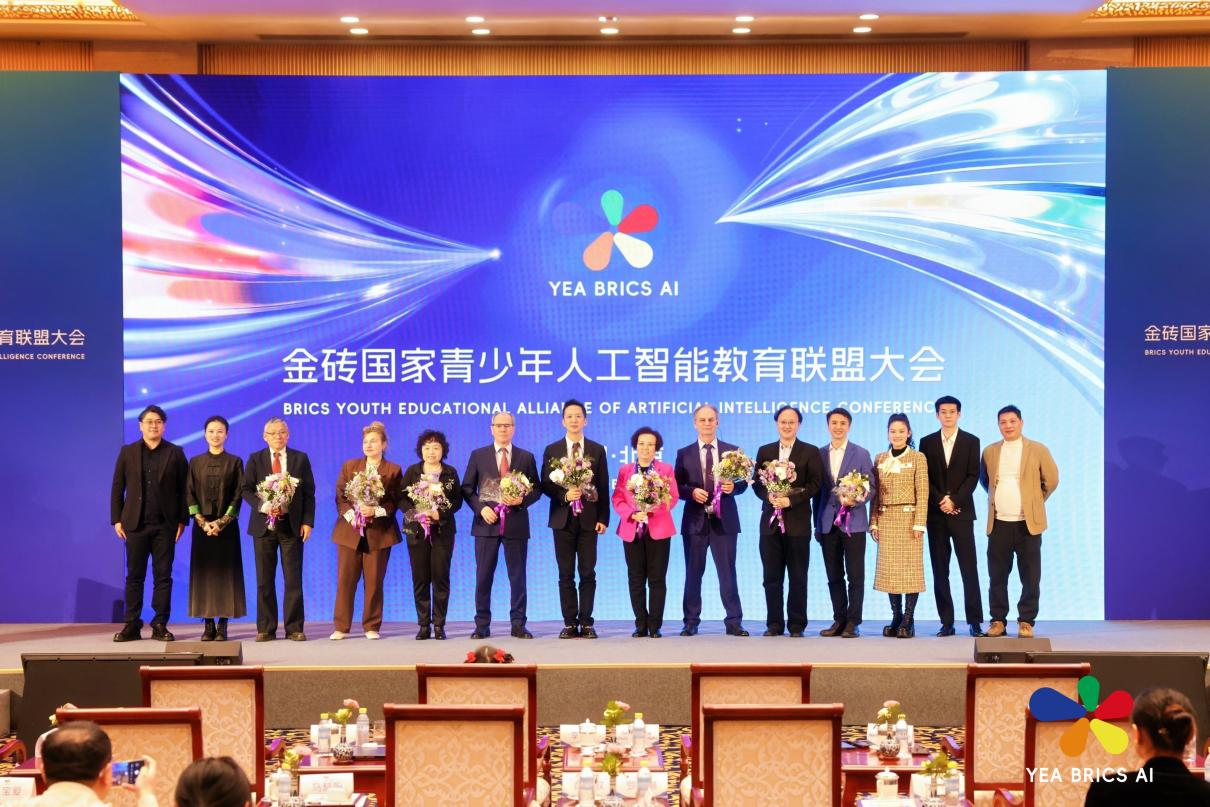
2026年1月,金砖国家青少年人工智能教育联盟成立大会隆重举行。来自金砖国家的各国政府代表、顶尖学者及行业领袖齐聚一堂,共同见证这一国际化教育合作平台的正式启航。本次大会是金砖国家教育合作领域的一座新里程碑,标志着各方在携手应对人工智能时代教育变革、共育未来创新人才方面迈出了关键一步。

本次由金砖国家战略项目国际联盟发起,联合中国航天基金会航天明珠专项基金及中国人工智能教育领军企业猿编程共同推进的“金砖国家青少年人工智能教育联盟”,是金砖国家教育合作机制化建设的一项重要实践。作为联盟的发起单位之一,猿编程受金砖国家战略项目国际联盟特邀参与发起,并担任首届轮值单位,牵头联盟的日常运作与项目推进。猿编程CEO黄雨欣受邀担任金砖国家青少年人工智能教育联盟中国区执行主席。

为了每一个孩子的智能未来

金砖国家数字教育合作是金砖国家合作机制的重要组成部分,旨在推动教育数字化转型,构建更加紧密、高质量的教育伙伴关系。联盟的成立,正是对金砖国家领导人关于拓展教育领域合作、探索数字教育机制倡议的积极落实与具体实践。

猿编程作为中国人工智能教育领域的领军企业,将其在青少年AI教育领域积淀的创新理念与实践经验带入联盟框架下的国际合作中。其课程注重培养青少年的底层认知能力、复合思维能力、自我效能及跨学科融合能力,课程产品曾入选联合国儿童基金会“人工智能为儿童”典型案例,并在多个国际场合分享经验。

金砖各国代表见证联盟成立

“我相信每一个孩子都值得拥有最好的教育,无论他出生在哪个国家、哪个城市。”猿编程CEO、金砖国家青少年人工智能教育联盟中国区执行主席黄雨欣在现场表示,“人工智能教育不是单一国家的议题,而是全人类共同面对的时代命题。为了金砖国家的青少年更好地成长,为了让每一个孩子都能在智能时代拥有平等的成长机会,我们愿以开放的姿态,将中国AI教育的实践经验与金砖各国共享。”

她进一步阐述了联盟的核心使命:“联盟要以科技为纽带,推动金砖国家青少年跨文化交流,构建全球领先的人工智能时代青少年认知发展教育生态,培育面向未来的AI时代人才。”

金砖国家战略项目国际联盟主席鲍里索夫充分肯定了联盟成立的战略意义,将其定位为“塑造共同未来而采取的战略举措”。他强调,联盟将致力于整合全球教育资源、共享前沿教育理念,并通过竞赛与交流等多种形式,为金砖国家在新科技时代的持续发展培养后备人才。

四项行动,把愿景变成现实

为将使命转化为实际行动,联盟现场发布了成立后的四项关键行动计划:

一是在北京设立金砖国家AI教育未来中心,作为各国开展AI教育互访、研讨与实践的常设基地。二是创办“金砖国家青少年人工智能教育国际论坛”,打造定期对话、理念碰撞与成果展示的高端平台。三是启动面向金砖国家的“百万课时捐赠计划”,助力各国普及人工智能教育,推动青少年AI素养建设。四是共建“金砖国家AI教育体系”,联合各方力量,推动形成适应不同国家国情、可落地的教育体系。

为确保联盟跨国协作机制的高效运转,联盟已确立完善的组织架构。秘书处将驻地北京猿编程总部,负责联盟的日常运营、跨国项目策划与执行督导;同时设立由各成员国代表组成的委员会,由各国指定联络官协同推进教育体系落地、活动组织等工作,形成常态化、制度化的国际协作网络。

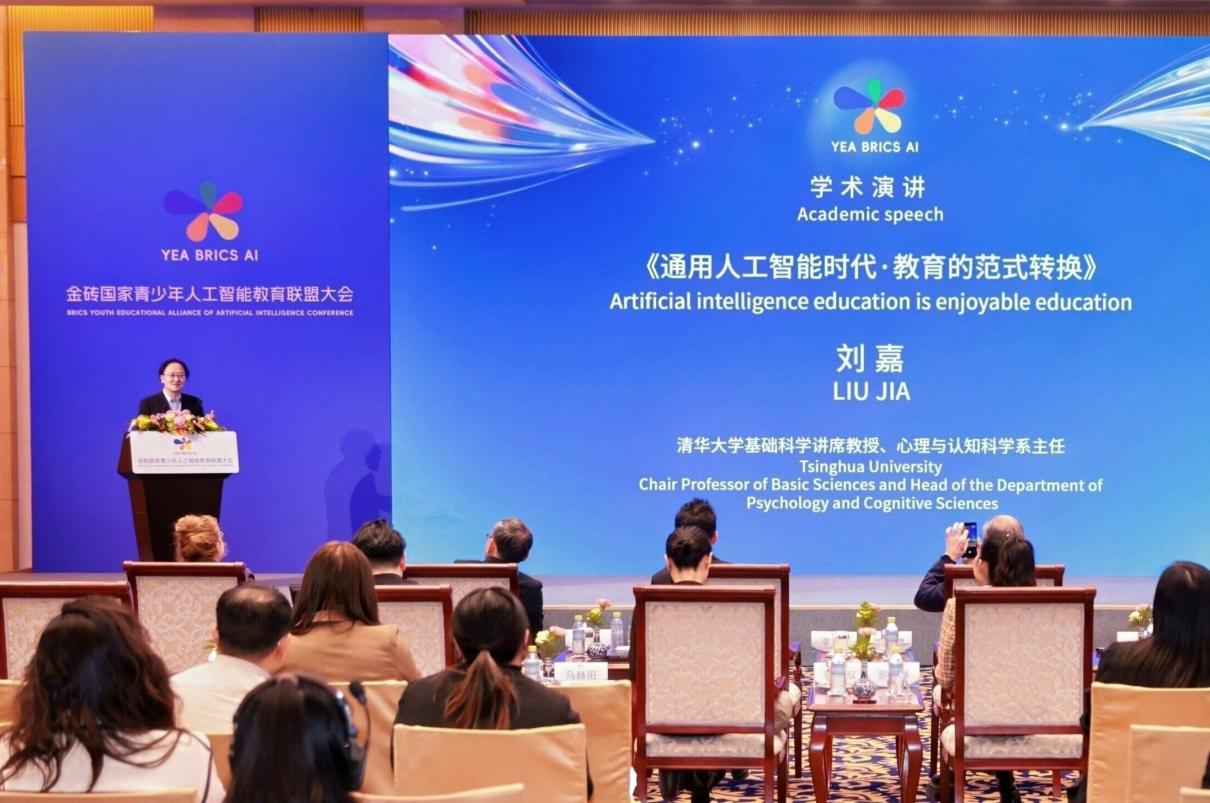
刘嘉教授进行主题演讲

在推动联盟事业发展的同时,猿编程也将其在青少年人工智能教育领域的长期积淀与创新理念分享出来,给金砖各国提供示范参考。在黄雨欣的推动下,猿编程累计培养超过800万名学员,其校园业务覆盖全国30多个省级行政区、4500多所学校。公司自主研发了拥有39项自主知识产权的智能化少儿编程创作平台,并自研700亿参数规模的教育垂类大模型,为教学提供强大技术支持。

大会学术演讲环节,清华大学心理与认知科学系系主任刘嘉教授、北京大学心理与认知科学学院魏坤琳教授等专家学者分别从国家战略、教育范式与个体能力等维度,为联盟的发展注入了思想动能。这些学者的权威洞见共同指向一个共识:面对人工智能的时代浪潮,教育的核心价值正从单纯的知识传递,转向对青少年认知结构、思维范式与创新能力的系统性塑造。

人工智能的浪潮奔腾不息,教育的使命历久弥新。从中国课堂到金砖国家,从一位妈妈的初心到一个联盟的愿景,金砖国家青少年人工智能教育联盟的启航,不仅搭建了一个共享资源、交流互鉴的高端平台,更凝聚了金砖国家对于通过教育合作赋能下一代的强烈共识。当越来越多国家的孩子能够在AI时代拥有平等的成长机会,那将是人类命运共同体最温暖的注脚。

注:文/龚作仁,文章来源:Laborer,本文为作者独立观点,不代表亿邦动力立场。

文章来源:Laborer

广告
微信
朋友圈

FAQ回顾

金砖国家青少年人工智能教育联盟是什么组织?

金砖国家青少年人工智能教育联盟是2026年1月正式成立的国际化教育合作平台,由金砖国家战略项目国际联盟发起,联合中国航天基金会航天明珠专项基金、猿编程共同推进,猿编程担任首届轮值单位牵头日常运作,联盟旨在整合全球教育资源,为金砖国家共育AI时代创新后备人才。

金砖国家青少年AI教育联盟有哪些落地行动计划?

联盟成立后共发布四项关键落地行动计划:一是在北京设立金砖国家AI教育未来中心,作为各国AI教育互访、研讨、实践的常设基地;二是创办金砖国家青少年人工智能教育国际论坛,打造高端对话交流平台;三是启动面向金砖国家的百万课时捐赠计划,普及AI教育;四是共建适配各国国情的金砖国家AI教育体系。

AI时代青少年教育重点培养哪些核心能力?

AI时代青少年教育的核心不再是单纯的知识传递,而是系统性塑造青少年的认知结构、思维范式与创新能力。以国内AI教育领军企业猿编程的课程体系为例,重点培养青少年的底层认知能力、复合思维能力、自我效能及跨学科融合能力,适配AI时代的人才需求。

猿编程在青少年AI教育领域有哪些核心成果?

猿编程是国内人工智能教育领域领军企业,累计培养超800万名学员,校园业务覆盖全国30余个省级行政区、4500多所学校;自主研发拥有39项知识产权的智能化少儿编程创作平台、700亿参数规模的教育垂类大模型支撑教学,课程曾入选联合国儿童基金会“人工智能为儿童”典型案例。

这么好看,分享一下?

朋友圈 分享

APP内打开

赞 +1
+1
微信好友 朋友圈 新浪微博 QQ空间
关闭
收藏成功
发送
/140 0