广告
加载中

特努斯能不能复活乔布斯?

杨谭 2026-09-11 16:33
杨谭 2026/09/11 16:33

邦小白快读

EN
全文速览

本文梳理了苹果完成15年来首次CEO交接的核心背景、两代掌舵人的功过、新管理层的产品规划,为普通读者整理了最值得关注的关键信息。

1. 核心交接脉络:65岁的库克卸任CEO转任董事会执行主席,51岁的硬件工程高级副总裁特努斯接棒。库克15年任内将苹果市值从3500亿美元提升至超4万亿美元,搭建了极强的供应链与商业生态,但长期缺乏颠覆式创新,在AI赛道明显掉队,因此选定带有乔布斯式产品偏执特质的特努斯,补足企业创新短板。

2. 首发新品信息:苹果首款折叠屏手机iPhone Duo配备7.6英寸内屏与5.4英寸外屏,均支持高刷,铰链优化大幅降低折痕,机身厚度仅4.5毫米,国行256GB版本起售价15999元,最高2TB版本售价26499元。

3. 未来发展方向:特努斯将主打端侧AI路线,把AI能力深度整合到全系列硬件中,未来三年将推出数十款跨品类新品。

本文披露的苹果交接班逻辑、产品路线与战略转向,能为品牌经营者提供顶级科技品牌的发展参考。

1. 品牌心智建设逻辑:库克时代苹果靠供应链与运营能力把规模做到行业顶峰,但长期只有常规迭代、缺乏颠覆式创新,导致品牌创新感知下滑。苹果此次选定产品派接班人,回归“定义产品而非迎合用户”的乔布斯式内核,通过对产品细节的极致偏执重建品牌创新心智,为高端品牌的长期心智维护提供了参考。

2. 产品研发与定价思路:苹果并未抢发折叠屏手机,而是等技术成熟、体验优化后入局,走“不是第一个做,而是第一个做对”的品类破圈路线,将折叠屏价格带设置在15999元到26499元的高端区间,有望带动品类从小众尝鲜走向大众主流。

3. 竞争趋势判断:未来高端消费电子品牌的竞争不再单纯比拼云端大模型参数,端侧AI能力、全硬件生态的AI体验打通、隐私保护、低延迟本地化服务会成为新的核心壁垒,软硬一体化仍是高端品牌的核心竞争路径。

本文披露的苹果战略转向与新品规划,为消费电子赛道的卖家点明了未来的市场机会与经营风险。

1. 增量市场机会提示:苹果正式入局折叠屏手机赛道,将带动折叠屏相关配套产品、内容应用等生态需求爆发。未来三年苹果将开启史上最大规模的硬件发布周期,新品横跨手机、可穿戴、智能家居等多个品类,相关上下游配套赛道会出现持续的新增需求。

2. 消费需求变化信号:苹果将核心战略转向端侧AI硬件整合,主打低延迟、强隐私、断网可用的端侧AI体验,适配端侧AI场景的硬件周边、功能配件将成为新的消费热点。

3. 经营风险提示:苹果新CEO上任首日入驻微博,释放出持续重视中国市场的信号,但未来苹果产品将持续向高端化、AI深度整合方向迭代,低质仿冒配件、无AI适配能力的落后产品会逐步被市场淘汰,卖家需提前布局适配新品类、新功能的产品线。

本文透露的苹果未来产品规划与管理层偏好,为消费电子供应链工厂指明了生产端的需求方向与合作机会。

1. 生产品质要求:新CEO特努斯对产品细节有近乎偏执的要求,曾为用户永远看不到的内部螺丝牙数问题与供应商反复争论,未来苹果对供应链的品质要求不会放松,反而会在内部零件精度、折叠屏铰链低折痕工艺、4.5毫米超薄机身结构加工等环节提出更高标准。

2. 订单合作机会:未来三年苹果将推出数十款横跨手机、可穿戴、智能家居等品类的新品,折叠屏iPhone、新一代AI硬件、AR相关产品的供应链订单将逐步释放,具备精密加工能力、能配合苹果完成工艺迭代的工厂将获得更多合作机会。

3. 生产布局启示:苹果未来将走端侧AI硬件整合路线,相关芯片配套、传感器、低功耗硬件组件的加工需求会持续上涨,工厂可提前布局相关精密加工产线,匹配端侧AI硬件的生产要求。

本文梳理的苹果当前发展痛点与未来战略方向,为科技类服务商明确了服务切入方向与行业发展趋势。

1. 行业发展趋势:消费电子行业的竞争已经从单纯的硬件参数比拼、供应链效率比拼,转向端侧AI能力整合、全场景硬件生态打通的新阶段,头部科技品牌不再盲目追逐云端大模型风口,而是更聚焦软硬件结合的实际用户体验,这将成为未来行业的主流发展方向。

2. 客户核心痛点:苹果当前存在AI转型进度偏慢、顶尖AI人才流失、跨设备AI身份打通难、成熟体系下颠覆式创新不足等明确痛点,其他消费电子品牌也普遍存在类似的AI落地难、创新不足问题。

3. 服务方向参考:服务商可围绕端侧AI功能适配、跨设备生态协同、折叠屏等新品类交互设计、创新团队搭建等方向打磨服务产品,帮助客户在维持运营效率的同时激活内部创新能力,匹配AI时代的产品创新需求。

本文透露的苹果战略动向与消费电子赛道变化,为电商平台、内容平台的运营、招商与风向把握提供了参考。

1. 品类运营方向:苹果入局折叠屏赛道将带动相关品类从小众走向大众,平台可提前布局折叠屏手机、配套配件、适配应用的专属运营专区,提前招募相关品类的优质商家,承接品类爆发的流量红利;同时端侧AI硬件会成为未来3年消费电子的核心增长赛道,平台可针对AI硬件、AI周边品类做适当的流量倾斜。

2. 品牌合作机会:苹果新CEO上任首日入驻中文社交平台,释放出重视中国市场、贴近国内消费者的信号,平台可抓住高端科技品牌贴近用户的需求,为品牌提供官方账号运营、内容互动、新品首发的合作场景,吸引高端品牌在平台开展深度运营。

3. 平台风险规避:平台需关注消费电子赛道的创新转向,逐步淘汰缺乏创新能力、仅靠低质模仿、无法适配AI功能与新品类的落后商家,引导商家向高端化、适配新硬件生态的方向转型,避免平台商品供给跟不上消费升级需求。

本文梳理的苹果CEO交接班事件与战略转向,为科技产业发展、企业治理相关研究提供了丰富的观察样本。

1. 企业治理新动向:苹果的交接班呈现出鲜明的“基因修复”特征,库克时代靠精细化运营、供应链管理把企业规模做到极致,但企业进入有序化的成熟阶段后,普遍面临创新熵增、颠覆式创新能力缺失的问题,因此选择具备产品创新特质的接班人,在维持运营效率的同时注入破坏性创新活力,这种“效率+创新”的交接班逻辑为成熟科技企业的代际传承提供了新样本。

2. 产业竞争新思路:当前全球科技企业普遍面临AI转型路径选择的问题,苹果选择端侧AI布局、软硬件一体化构建壁垒、不盲目拼云端模型参数的路径,以及“不第一个做,但第一个做对”的品类创新逻辑,为后发企业参与前沿科技竞争提供了差异化思路。

3. 长期研究命题:AI时代智能终端的形态演化、高端科技企业如何平衡全球化经营与地缘风险、成熟企业如何应对创新熵增与人才流失、跨设备个人计算中枢的构建路径等,都是值得长期跟踪的核心研究方向。

返回默认
声明:快读内容全程由AI生成,请注意甄别信息。如您发现问题,请发送邮件至 run@ebrun.com 。

我是 品牌商 卖家 工厂 服务商 平台商 研究者 帮我再读一遍。

Quick Summary

This article breaks down the key context of Apple’s first CEO transition in 15 years, the track records of its two top leaders, and the new management’s product roadmap, compiling the most critical takeaways for general audiences.

1. Core transition details: 65-year-old Tim Cook is stepping down as CEO to become executive chairman of the board, and will be succeeded by 51-year-old Senior Vice President of Hardware Engineering John Ternus. During Cook’s 15-year tenure, Apple’s market capitalization grew from $350 billion to over $4 trillion, as he built the company’s industry-leading supply chain and commercial ecosystem. However, his era was marked by a prolonged lack of disruptive innovation and a clear lag in the AI race, prompting the selection of Ternus—who shares Steve Jobs’ obsessive focus on product excellence—to shore up Apple’s innovation gaps.

2. Launch product details: Apple’s first foldable iPhone, the iPhone Duo, features a 7.6-inch inner display and a 5.4-inch outer display, both with high refresh rates. An optimized hinge design greatly reduces screen creases, and the device measures just 4.5mm thick. The 256GB base model will be priced at RMB 15,999 in the Chinese mainland, while the top-tier 2TB version will retail for RMB 26,499.

3. Future strategic direction: Ternus will prioritize on-device AI, deeply integrating AI capabilities across Apple’s full hardware lineup, and plans to launch dozens of new cross-category products over the next three years.

The Apple succession logic, product roadmap, and strategic shift detailed in this article offer a high-value reference for brand operators on how leading global tech brands evolve.

1. Brand perception building: Under Cook, Apple leveraged supply chain and operational excellence to reach the peak of industry scale, but years of incremental product upgrades without disruptive innovation eroded public perception of the brand as an innovator. By selecting a product-focused successor who embodies the Jobs-era ethos of "defining products rather than catering to users," Apple aims to rebuild its innovation reputation through obsessive attention to product detail—providing a useful case study for premium brands seeking to maintain long-term brand positioning.

2. Product R&D and pricing strategy: Apple did not rush to launch a foldable phone, instead waiting until the technology and user experience matured to enter the category, following a playbook of "not being first, but being the first to get it right." By pricing its foldable lineup in the premium RMB 15,999 to RMB 26,499 range, Apple is positioned to push foldable devices from niche early-adopter products to mainstream adoption.

3. Competition trends: Going forward, competition in the premium consumer electronics space will no longer hinge solely on cloud large language model parameter counts. New core competitive moats will include on-device AI capabilities, seamless AI experiences across connected hardware ecosystems, privacy protection, and low-latency local services, with integrated hardware-software systems remaining the core competitive advantage for premium brands.

Apple’s strategic shift and new product plans outlined in this article highlight upcoming market opportunities and operational risks for sellers in the consumer electronics sector.

1. Incremental market opportunities: Apple’s official entry into the foldable smartphone segment will drive explosive demand for related accessories, content, and applications across the foldable ecosystem. Over the next three years, Apple will kick off its largest ever hardware launch cycle, spanning smartphones, wearables, smart home devices, and other categories, creating sustained new demand across associated upstream and downstream supply segments.

2. Shifting consumer demand signals: Apple is pivoting its core strategy to integrated on-device AI hardware, focusing on low-latency, privacy-preserving on-device AI experiences that work even without internet connectivity. Hardware peripherals and functional accessories designed for on-device AI use cases will emerge as new high-growth consumer categories.

3. Operational risk warnings: The new Apple CEO joined Weibo on his first day in office, signaling continued prioritization of the Chinese market. However, future Apple products will continue to iterate toward premium positioning and deep AI integration, meaning low-quality counterfeit accessories and outdated products without AI compatibility will be gradually phased out by the market. Sellers should proactively build out product lines aligned with new categories and feature sets.

The future Apple product roadmap and leadership priorities detailed in this article point to clear demand signals and partnership opportunities for consumer electronics supply chain manufacturers.

1. Production quality requirements: New CEO John Ternus is known for near-obsessive attention to product detail—for example, he previously debated repeatedly with suppliers over the number of threads on internal screws that users would never see. Apple will not relax quality requirements for its supply chain going forward; instead, it will set higher standards for internal component precision, low-crease foldable hinge manufacturing, and the structural processing required for the 4.5mm ultra-thin device form factor.

2. Order partnership opportunities: Over the next three years, Apple will launch dozens of new products across smartphones, wearables, smart home devices, and other categories. Supply chain orders for the foldable iPhone, next-generation AI hardware, and AR-related products will roll out gradually, and manufacturers with precision processing capabilities that can support Apple’s iterative process improvement will be prioritized for partnership opportunities.

3. Production planning insights: Apple will pursue an integrated on-device AI hardware strategy, driving sustained growth in demand for manufacturing of related chips, sensors, and low-power hardware components. Factories can invest early in precision processing production lines to meet the production requirements of on-device AI hardware.

Apple’s current pain points and future strategic direction outlined in this article clarify service entry points and industry trends for technology service providers.

1. Industry development trends: Competition in the consumer electronics industry has shifted from competing purely on hardware specs and supply chain efficiency to a new phase defined by on-device AI integration and connected cross-scenario hardware ecosystems. Leading tech brands are no longer blindly chasing the cloud large model hype cycle, but instead focusing on tangible user experiences delivered through integrated hardware and software—a shift that will define the industry mainstream going forward.

2. Core client pain points: Apple currently faces clear pain points including slow AI transformation progress, top AI talent attrition, difficulties delivering seamless cross-device AI identity interoperability, and a lack of disruptive innovation within its mature operational structure. Other consumer electronics brands widely face similar challenges with AI implementation and insufficient innovation.

3. Service direction reference: Service providers can develop offerings focused on on-device AI feature adaptation, cross-device ecosystem collaboration, interaction design for new categories such as foldables, and innovation team building, to help clients unlock internal innovation while maintaining operational efficiency and meeting product innovation requirements in the AI era.

Apple’s strategic moves and broader consumer electronics sector shifts detailed in this article offer guidance for e-commerce and content platforms on operations, merchant recruitment, and trend forecasting.

1. Category operation direction: Apple’s entry into the foldable segment will drive the category from niche to mass market. Platforms can pre-build dedicated operation zones for foldable phones, compatible accessories, and adapted applications, and recruit high-quality merchants in these categories early to capture traffic from the category’s explosive growth. Meanwhile, on-device AI hardware will be the core growth track for consumer electronics over the next three years, so platforms can allocate appropriate traffic support to AI hardware and AI accessory categories.

2. Brand partnership opportunities: The new Apple CEO joining a Chinese social platform on his first day in office signals the brand’s focus on the Chinese market and desire to connect with domestic consumers. Platforms can leverage this demand from premium tech brands to engage directly with users, offering cooperation scenarios including official account operation, content interaction, and new product debuts, to attract high-end brands to run deep, long-term operations on their platforms.

3. Platform risk mitigation: Platforms should track innovation shifts in the consumer electronics sector, gradually phasing out low-performing merchants that lack innovation capability, rely on low-quality imitation products, and cannot adapt to AI functions and new categories. Platforms should guide merchants to transform toward premium offerings adapted to the new hardware ecosystem, to avoid their product supply failing to meet rising consumer demand for upgraded products.

The Apple CEO transition and related strategic shift outlined in this article provide a rich observation sample for research on technology industry development and corporate governance.

1. New corporate governance trends: Apple’s succession exhibits clear “gene repair” characteristics: the Cook era maximized corporate scale through refined operations and supply chain management, but once a company enters a stable mature stage, it universally faces innovation entropy and a loss of disruptive innovation capacity. Apple’s selection of a successor with strong product innovation credentials to inject disruptive innovation vitality while preserving operational efficiency offers a new model for intergenerational leadership transition at mature tech companies.

2. New industrial competition frameworks: Global tech companies currently face widespread uncertainty over AI transformation paths. Apple’s choice to focus on on-device AI deployment, build competitive moats through integrated hardware and software, avoid blind competition over cloud model parameter counts, and pursue a category innovation logic of “not being first, but being the first to get it right” offers a differentiated competitive playbook for late entrants in frontier technology sectors.

3. Long-term research topics: The evolution of smart device form factors in the AI era, how premium tech companies balance global operations and geopolitical risks, how mature enterprises address innovation entropy and talent attrition, and pathways to building cross-device personal computing hubs all represent core research directions worthy of long-term tracking.

Disclaimer: The "Quick Summary" content is entirely generated by AI. Please exercise discretion when interpreting the information. For issues or corrections, please email run@ebrun.com .

I am a Brand Seller Factory Service Provider Marketplace Seller Researcher Read it again.

苹果需要AI时代的乔布斯式创新

文丨杨谭

【亿邦原创】北京时间9月10日凌晨,苹果新任CEO约翰·特努斯的首场发布会在Apple Park成功举行,标志着苹果已正式完成近15年来的CEO交接,65岁的蒂姆·库克卸任首席执行官,转任董事会执行主席。51岁的硬件工程高级副总裁约翰·特努斯接过了这家科技巨头的权杖。

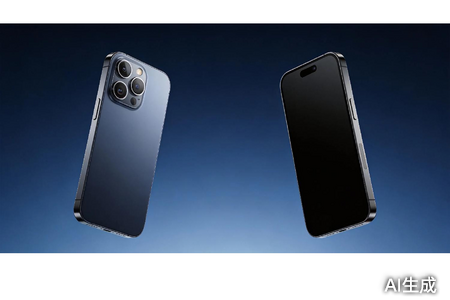
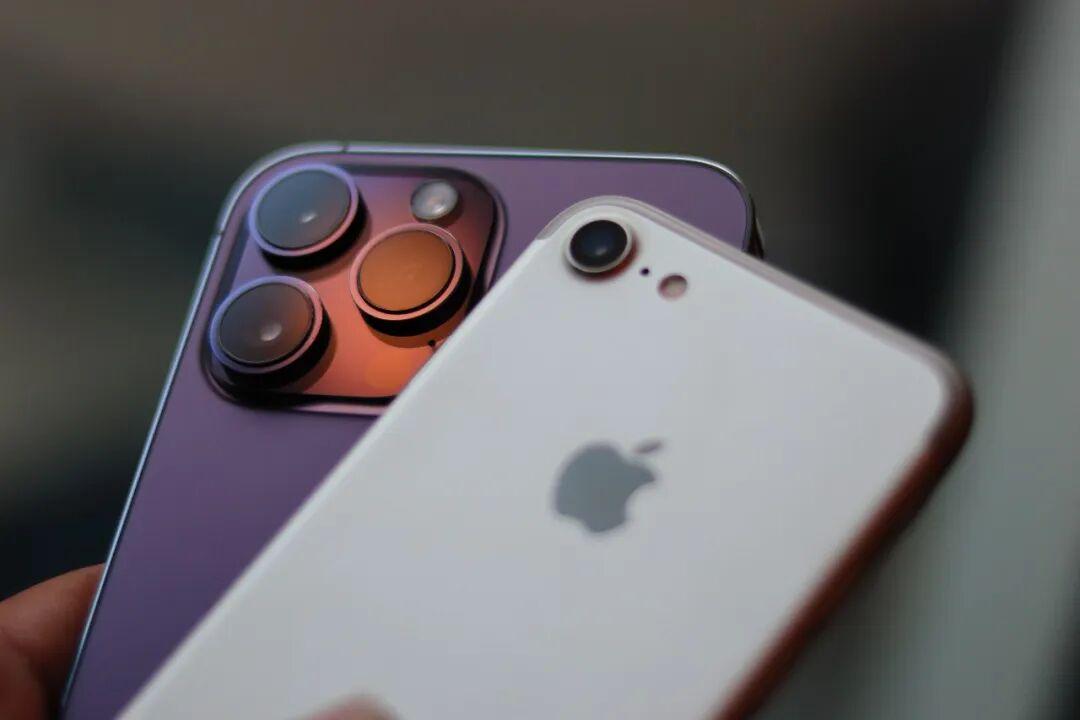
发布会上,除常规iPhone 18 Pro、iPhone 18 Pro Max系列外,苹果还首次推出折叠屏手机iPhone Duo,展开后7.6英寸内屏,是迄今为止苹果手机最大尺寸,合上后是5.4英寸外屏,两块屏都支持ProMotion自适应刷新率。

事实上,这场交接并不令人意外。早在2021年特努斯升任硬件工程高级副总裁时,外界就已将他视为库克最可能的接班人。彭博社记者马克·古尔曼透露,苹果未来数年的产品路线图筹备了约五年——绝大部分项目由特努斯领导的硬件团队主导推进。换句话说,库克在离任前五年,就已经在为特努斯铺路。

但真正耐人寻味的是:库克选择特努斯,本质上是在选择一个“更像乔布斯的人”。

这不是一个普通的CEO接班故事。这是一位以供应链管理著称的CEO,试图用一位硬件工程师,来复活那个早已逝去的产品天才的故事。

库克的遗产:20年的乔布斯红利

2011年乔布斯离世,库克接班。巨人的身后有着长长的阴影,这位出身供应链管理的继任者会把苹果带到怎样的高度一直吸引着怀疑者的目光。

但十五年后,库克交出的成绩单令人震撼:公司市值从3500亿美元增长到超4万亿美元,年营收从约1080亿美元增长到4160多亿美元,全球活跃设备数超过25亿台。

图片

《华尔街日报》认为库克创造的企业价值在绝对金额上,超过了除英伟达创始人黄仁勋之外的任何美国CEO。《纽约时报》和《连线》杂志则评价其是“美国商业史上最成功的任期之一”。

库克做到的这件事,靠的不是像乔布斯一样的产品创新,而是另一套能力:把全球最复杂的制造供应链运转到极致,把苹果从一家产品公司变成了一台难以复制的制造机器。他把供应链服务、全球业务协同以及资本回报,同时推到了行业罕见的高度。让苹果从一家天才驱动的公司,变成了一台可以稳定经营、精密运转的机器。

在库克治理下,苹果除了iPhone手机和笔记本系列外。可穿戴设备领域,Apple Watch与AirPods年销售额合计超500亿美元;服务业务年收入突破千亿美元。

天使投资人郭涛评价道,库克在任期内充分发挥供应链运营与全球化经营优势,将苹果的营收规模、全球渠道布局、服务生态体系推上新的高度,实现了企业市值与经营业绩长期高速增长的局面,为苹果搭建了稳固的商业底盘。

但硬币有另一面。

库克的15年,是苹果最好的商业时代,也是苹果最差的创新时代。苹果全系主力产品仅维持常规硬件配置升级与外观微调,产品核心形态与交互模式多年无本质革新。外界长期期待的AR终端、自动驾驶汽车等新一代核心产品,多次研发搁置、落地无期。

最致命的,是苹果在人工智能浪潮中全面掉队。AI发展战略摇摆不定,大模型研发与产品AI功能适配进度缓慢,错失了AI转型的关键窗口期。

研究机构Forrester分析师一针见血:库克维持了苹果的成长轨迹,但他并没有像乔布斯推出iPhone那样,为苹果推出一项能够重塑未来20年竞争力的跨世代创新产品。

库克是“从1到N”的扩张者,他把乔布斯的可能性变成了确定性——一个稳定盈利、精密运转的商业机器。但他没有留下持续引领行业的创新能力。

而他自己,很可能也意识到了这一点:未来的苹果更迫切地需要下一个乔布斯。

2007年1月,旧金山Macworld大会,乔布斯站在台上,手指划过屏幕,一部没有键盘的手机改变了世界。他骄傲地宣布,Mac“改变了整个计算机行业”,iPod“改变了整个音乐产业”。而iPhone,改变了人类与数字世界交互的方式。

乔布斯用iPod颠覆了音乐,用iPhone颠覆了手机,用iMac、iPad颠覆了电脑,用Pixar颠覆了电影。没有乔布斯,就没有1977年的Apple II、1984年的Macintosh、1998年的iMac、2001年的iPod、2007年的iPhone和2010年的iPad。

乔布斯的伟大不在于他发明了技术,而在于他定义了产品应该是什么样子。他率先在产品中置入美学因素,追求每个步骤和细节的完美。他有一句名言:“领袖和跟风者的区别就在于是否创新。”他引领消费者而不是迎合消费者,产品从来都是特立独行。

乔布斯创造一切的基石,不是星辰大海的未来,而是残缺和不完美的当下,以及他对现实生活的好奇和热爱。他对跟随没有兴趣,他只在乎伟大的产品。

苹果的精神有大部分源自于他简约、美观、优雅的设计;端到端打造“完整产品”;专注于极少数产品。

图片

乔布斯是“从0到1”的开创者。他定义了苹果的可能性——一个以颠覆式创新为基因的科技公司。iPhone的形态被定格了,此后近二十年,所有智能手机——包括苹果自己的后续产品——都在他划定的框架内修修补补。

苹果至今仍吃着这种天才创新的红利。

找到下一个乔布斯

库克本人这样评价特努斯:一位极具天赋的工程师与战略思考者,二十五年来深耕苹果产品研发,“苛求每一处细节,穷尽一切可能让产品更卓越、更大胆、更精美、更有温度”。

媒体将特努斯描述为“完美主义的产品人”。有报道称,特努斯曾为一颗螺丝上的凹槽数量与供应商争论不休——即使那是一颗终端用户永远不会拆开看到的内部零件。在设计Cinema Display显示器时,供应商提供的螺丝牙数是35牙,特努斯坚持要采用苹果要求的25牙。

这种对细节的偏执,让人想起乔布斯——那个可以为一条缝隙的均匀、一颗螺丝的对齐推翻整个方案的人。

特努斯更像乔布斯,而非库克。他2001年加入苹果,从产品设计团队做起,几乎参与了整个产品矩阵的演进——从Mac、iPad到iPhone,再到Apple Watch与AirPods。

他成功主导了Mac从英特尔到Apple Silicon的架构转型,不仅负责硬件的物理形态设计,更深入参与了底层芯片与系统架构的整合,最终让Mac业务重现生机。

特努斯被媒体形容为“乔布斯和库克的混合体”——他既有乔布斯对产品细节的严苛追求,又有库克式的沉稳和共识型管理风格。他性格温和,属团队型领袖,善于通过深入浅出的技术解析化解分歧,而不是靠职位权威强压。

特努斯上任后的第一要务,是修补库克留下的“AI债”。在生成式AI领域,苹果被普遍认为起步偏慢,与OpenAI、谷歌等对手相比,在模型能力上不占优势。

但特努斯的打法与库克不同。库克试图用服务生态追赶AI,特努斯试图用硬件重新定义AI。

分析师指出,特努斯的背景预示着苹果未来将更着重于将AI功能深度整合到iPhone、Mac、iPad及穿戴设备中,打造无缝的“苹果式AI体验”。

图片

特努斯的逻辑是:既然苹果在云端AI大模型上落后,那就用端侧AI——依托苹果在芯片和硬件上的优势,将AI深度植入设备,实现低延迟、强隐私、甚至断网也依然可用的体验。

这是一个典型的“苹果式”打法:不追风口,不拼参数,用软硬件一体化构建壁垒。

特努斯上任后的首场产品发布会,被安排在2026年9月9日(美国时间)。最大的看点之一是苹果首款折叠屏iPhone Duo。

这款产品采用5.4英寸外屏和7.6英寸内屏,折叠后约为护照大小,厚度仅4.5毫米。苹果为其开发了更先进的铰链,大幅降低折痕的明显程度,美版起售价1999美元,国行起售价15999元(256GB),另有512GB/1TB/2TB版本,分别是17999/21499/26499元。

实际上,折叠屏手机并非苹果首创——三星、华为等品牌已推出多年。但苹果的入局,意味着这个品类可能从“小众尝鲜”走向“大众主流”。这正是乔布斯时代的苹果最擅长的事:不是第一个做,而是第一个做对。

对特努斯而言,折叠屏iPhone的意义不止于一款新产品。这是他定义“特努斯时代”的第一份答卷——证明苹果仍然有能力在既有产品形态上做出突破性创新。

古尔曼透露,苹果准备开启公司历史上规模最大的一轮硬件发布周期,在2026年、2027年乃至更远的未来陆续推出全新产品形态。

未来三年的产品路线图涵盖数十款新品,横跨手机、平板、笔电、可穿戴及智能家居等多个领域。除了折叠屏iPhone,还包括AI版Siri、ChatBot、搜索引擎新功能等。

特努斯在致员工的信中写道:“想到我们已经准备好的一切,我感到非常兴奋……我同样期待更远的未来,包括已经在开发中的那些令人难以置信的产品,以及那些我们甚至还没有想象出来的产品。”

苹果需要颠覆手机

特努斯面临的挑战,比乔布斯和库克都要复杂。

第一,他需要在“库克的秩序”中植入“乔布斯的混乱”。

有评论指出,4万亿美元(市值)的困境在于:苹果需要混乱,但库克留下了秩序。一家过于有序的公司,往往难以产生颠覆式创新。特努斯需要在维持运营效率的同时,重新点燃创新的火焰。

第二,他需要遏制人才流失。

从去年开始,苹果高层持续动荡,大量部门主管离职、跳槽。在AI时代,顶尖人才是最稀缺的资源。特努斯需要组建自己的核心团队,阻止人才流向OpenAI等竞争对手。

第三,他需要应对地缘政治压力。

库克留下的“外交官”角色——处理美国关税、维系中国市场——仍需要有人承担。特努斯上任当天入驻微博,用中英双语发布首条博文,被视为延续库克时代对中国市场的重视。

第四,也是最重要的:他需要回答一个根本性问题——在AI时代,手机还是那个手机吗?

乔布斯用iPhone重新定义了手机,此后近二十年所有智能手机都在这个框架内迭代。但AI正在改变一切,当AI可以理解你的意图、预测你的需求、替你完成任务时,手机这个形态还是最优解吗?

图片

某种程度上说,特努斯需要创造的不是一款更好的折叠屏手机,而是一个打破手机形态的新物种。

对此,中国企业资本联盟副理事长、中国区首席经济学家柏文喜表示,从手机形态方面来看,单纯重新发明手机的概率并不高。iPhone交互范式已固化,新CEO更可能用折叠屏、AR眼镜、神经/传感、端侧Agent把手机从“矩形屏”扩成“个人计算中枢”。真正颠覆不一定替代iPhone,而是让手机、眼镜、家居、车机共享同一AI身份。若Vision路线减重降价、与AI助理打通,才有机会接近当年iPhone的范式转移。

苹果需要复活乔布斯。所谓“复活”,就是一种企业战略层面的“基因修复”。库克用十五年把苹果打造成了一台精密运转的机器,但他知道,机器的尽头是熵增,是平庸,是最终被更有活力的对手超越。

他需要有人在这台机器里重新注入“混乱”——那种能够打破常规、重新定义产品的破坏性创造力。

如今,库克把舞台搭好了,剧本写好了,主角选定了。现在,轮到特努斯上场表演“AI时代的乔布斯式创新”了。

亿邦持续追踪报道该情报,如想了解更多与本文相关信息,请扫码关注作者微信。

本文首发于 亿邦动力 官方网站

文章来源:亿邦动力

广告
微信
朋友圈

FAQ回顾

约翰·特努斯出任苹果CEO后的核心战略方向是什么?

特努斯上任后核心聚焦端侧AI布局,依托苹果芯片与硬件优势,将AI功能深度整合到iPhone、Mac、iPad及穿戴设备中,打造低延迟、强隐私、断网可用的软硬件一体化苹果式AI体验,同时推进横跨多品类的颠覆性硬件新品研发。

苹果首款折叠屏手机iPhone Duo的核心配置与定价是怎样的?

iPhone Duo是苹果推出的首款折叠屏手机,配备5.4英寸外屏与7.6英寸内屏,两块屏幕均支持ProMotion自适应刷新率,采用优化铰链降低折痕,折叠后厚度仅4.5毫米,美版起售价1999美元,国行256GB版本起售价15999元。

库克执掌苹果15年取得了哪些核心经营成果?

库克执掌苹果15年间,公司市值从3500亿美元增长至超4万亿美元,年营收从约1080亿美元增长至4160多亿美元,全球活跃设备数超25亿台,可穿戴业务年销售额超500亿美元,服务业务年收入突破千亿美元,搭建了稳固的全球化商业底盘。

为什么外界认为特努斯的风格更接近乔布斯?

特努斯是硬件工程师出身,深耕苹果产品研发25年,深度参与全品类产品演进与底层芯片、系统架构整合,对产品细节有极致偏执的追求,曾为用户不可见的内部零件螺丝参数与供应商反复争论,具备乔布斯式的产品主义特质。

这么好看,分享一下?

朋友圈 分享

APP内打开

赞 +1
+1
微信好友 朋友圈 新浪微博 QQ空间
关闭
收藏成功
发送
/140 0