广告
加载中

华住Q2逆势增长背后:中国酒店业的“确定性”从何而来

文华 2026-08-21 09:33
文华 2026/08/21 09:33

邦小白快读

EN
全文速览

本文核心梳理了2026年第二季度华住集团逆势增长的核心数据与底层逻辑,给普通读者了解中国酒店业发展和企业成功经验提供了清晰参考。

1.核心关键信息:华住二季度营业额305亿元,同比增长13.2%,ADR(平均每日房价)298元,同比提升2.6%,截至二季度末全球在营酒店达到13539家;财报发布后华住获得多家机构买入评级,股价上涨11.08%,还主动上调全年收入增长指引,显示出对自身发展的充足信心。

2.华住逆势增长的核心经验:完成了从规模扩张到品牌升级的跃迁,走高质量增长路线淘汰低效门店,搭建了良性运转的生态飞轮实现多方共赢,值得普通读者参考学习。

华住的逆势增长为酒店及服务类行业品牌商提供了可落地借鉴的增长路径,核心干货如下:

1.品牌定位与产品研发层面,要抓住本土消费需求的空白赛道,全季卡位长期被国际品牌忽视的东方人文美学蓝海,打造差异化辨识度;汉庭聚焦中国大众出行者“好而不贵”的真实需求持续迭代产品,成功摘掉中国品牌“廉价”的标签,获得消费者的溢价认可。

2.品牌布局与资产打造层面,构建从经济型到高端的完整品牌梯度,紧抓消费升级红利加速中高端门店布局;重视会员资产积累,靠稳定的服务交付积累了超3亿会员,获得稳定复购客源,摆脱对第三方流量的依赖。

3.品牌增长层面,华住证明本土品牌可以依托本土文化优势,出海输出自身标准,打开全球增长空间。

华住的发展模式给酒店加盟卖家带来了明确的机会提示、风险提示与可学习经验,核心干货如下:

1.行业机会层面:当前中国酒店业结构性空间充足,经济型酒店连锁化率仅29.96%,超过七成是单体酒店,大量单体酒店有品牌化转型需求;同时华住正在布局空白县城市场与海外市场,还有大量新增点位的开店机会。

2.品牌赋能层面:加入华住体系可获得多维度支持,3亿会员体系稳定输送客源,降低对第三方平台的流量依赖;集采供应链降低采购成本,提升交付确定性;AI技术覆盖超12000家门店处理高频需求,GOP2.0系统实现经营数据实时更新,帮助加盟商及时调整经营。

3.风险提示:华住会主动淘汰经营效率低、产品老化的门店,加盟商需要紧跟品牌节奏完成产品迭代,聚焦单店经营质量才能获得长期收益。

华住的品牌升级与生态布局,给酒店供应链相关工厂明确了需求方向与商业机会,核心干货如下:

1.产品生产与设计需求:当前酒店行业已经从粗放扩张转向品牌升级,不同品牌有清晰的差异化需求:全季需要适配东方人文美学的装修、软装产品;汉庭等经济型品牌需要符合干净标准化定位的高性价比产品;华住中高端门店同比增长13.4%,新品牌持续落地,也带来了大量新品需求。

2.商业机会:华住搭建了集中化数字集采供应链平台,目前华住有3089家筹建储备酒店,还在加速进入县域空白市场和出海,规模持续扩张,能给优质合规的工厂带来稳定的大规模订单,工厂可进入华住集采体系获得稳定生意。

3.数字化转型启示:华住采用集中采购+区域分仓的模式,要求供应商提升交付确定性,工厂需要推进数字化对接,适配华住的采购系统,才能获得长期合作机会。

华住的增长路径反映了中国酒店业的最新发展趋势,也明确了酒店行业服务商的客户痛点与业务方向,核心干货如下:

1.行业发展趋势:中国酒店业已经完成从规模扩张到高质量增长的转型,行业竞争核心从开店数量转向品牌力、运营效率和数字化能力,大量单体酒店和中小加盟商对品牌赋能、数字化服务、供应链整合的需求持续提升,服务商有广阔的市场空间。

2.行业客户核心痛点:中小酒店和加盟商普遍面临缺乏稳定客源、采购成本高、人工运营效率低、经营数据反馈不及时等痛点,传统服务模式很难解决这些问题。

3.解决方案参考方向:服务商可以对标华住的生态逻辑,围绕门店需求开发对应的产品,比如开发覆盖门店高频服务的AI系统、实时经营分析的财务系统,帮助门店降低运营成本,提升经营效率,匹配行业转型的需求。

华住的发展实践给酒店行业平台型企业提供了运营管理、增长布局、风险规避的多方面参考,核心干货如下:

1.行业对平台的核心需求:当前加盟商和消费者都不再只追求平台规模,更需要平台提供稳定的品牌服务标准、稳定客源、靠谱的供应链支持和高效的数字化工具,单纯追求开店数量的模式已经不适应新需求。

2.可借鉴的平台运营做法:采用“腾笼换鸟”的拓店模式,一方面把新店布局在经过测算的黄金点位,另一方面主动淘汰低效老化门店,推进存量供给侧升级,提升平台整体质量;搭建品牌、会员、供应链、技术联动的生态飞轮,形成自我强化的良性循环;布局从经济型到高端的完整品牌梯度,同时下沉县域市场、拓展海外市场打开增长空间。

3.风向规避:要避免传统“速度优先”的粗放扩张陷阱,不要把开店数量作为核心KPI,要转向以单店经营质量为核心,走品牌引领的高质量增长路线,避免行业虚假繁荣。

华住Q2逆势增长反映了中国酒店业最新的产业发展动向,也诞生了值得深入研究的新商业模式,核心干货如下:

1.产业新动向:当前中国酒店业正在经历深刻的结构性调整,竞争重点从门店数量扩张转向品牌、会员、供应链和经营效率的竞争,从追求网络扩张转向兼顾消费者体验与加盟商回报;本土酒店品牌已经从行业跟随者转变为标准输出者,首次在全球主流评价体系中占据领先位置,正在加速下沉县域市场和出海布局,打开新的增长空间。

2.成熟可研究的新商业模式:华住跑通了“品牌引领+精益增长+集团赋能”的全新增长模式,核心是搭建品牌、会员、供应链、技术多方联动的生态飞轮,实现加盟商、住客、平台的多方共赢,区别于传统粗放扩张模式,目前已经被中国酒店业系统性吸收借鉴。

3.值得进一步研究的新问题:本土品牌如何依托本土文化打造差异化竞争力,中国服务如何完成全球化输出,这些都是产业发展带来的新研究方向。

返回默认

声明:快读内容全程由AI生成,请注意甄别信息。如您发现问题,请发送邮件至 run@ebrun.com 。

我是 品牌商 卖家 工厂 服务商 平台商 研究者 帮我再读一遍。

Quick Summary

This article outlines the core data and underlying drivers of H World Group Limited’s counter-trend growth in Q2 2026, providing a clear reference for general readers to understand China’s hospitality industry development and the company’s success story.

1. Key highlights: H World posted Q2 revenue of 30.5 billion yuan, a 13.2% year-over-year increase, with an average daily rate (ADR) of 298 yuan, up 2.6% year-over-year. As of the end of Q2, the group operated 13,539 hotels globally. Following the earnings release, multiple investment institutions issued buy ratings on the stock, which rose 11.08%, and H World proactively raised its full-year revenue growth guidance, signaling strong confidence in its own development trajectory.

2. Core lessons from its outperformance: The company has successfully transitioned from pure scale expansion to brand upgrading, pursuing high-quality growth by phasing out underperforming stores and building a well-functioning ecological flywheel that delivers win-win outcomes for all stakeholders, a experience that offers valuable takeaways for general readers.

H World’s counter-trend growth offers actionable, replicable growth pathways for brand owners in the hospitality and broader service sectors. Key insights include:

1. Brand positioning and product development: Brands should target untapped segments aligned with local consumer demand. H World’s Ji Hotel has carved out a blue ocean around East Asian humanistic aesthetics, a segment long overlooked by international brands, to build distinct differentiated brand identity. Its budget brand Hanting has continuously iterated its products to meet the "good value for money" demand of Chinese mass travelers, successfully shedding the "cheap" stereotype attached to domestic Chinese brands and earning price premium from consumers.

2. Brand portfolio and asset building: H World has built a complete brand gradient spanning economy to luxury, capitalizing on the consumption upgrading trend to accelerate expansion of mid-to-high-end properties. It has prioritized membership asset building, accumulating over 300 million members through consistent service delivery to secure a stable base of repeat customers and reduce reliance on third-party traffic.

3. Growth expansion: H World’s success proves that local Chinese brands can leverage their cultural advantages to expand globally and export their own operational standards, unlocking new long-term growth space.

H World’s development model offers clear opportunity alerts, risk warnings and actionable insights for hotel franchise sellers. Key takeaways include:

1. Industry opportunities: China’s hospitality industry still offers substantial structural growth room. The chainization rate of economy hotels is only 29.96%, with more than 70% of properties still independent, leaving huge demand for branded transformation. Meanwhile, H World is actively expanding into untapped county-level markets and overseas markets, creating abundant new site opportunities for franchisees.

2. Brand enablement: Joining the H World system delivers multi-dimensional support. Its 300-million member base provides a steady stream of customers, reducing reliance on third-party platform traffic. Its centralized procurement supply chain cuts purchasing costs while improving delivery reliability. AI technology now covers more than 12,000 stores to handle high-frequency operational demands, and its GOP 2.0 system provides real-time operating data updates to help franchisees adjust operations promptly.

3. Risk warning: H World proactively phases out operationally inefficient, product-outdated stores. Franchisees must keep pace with the brand’s product iteration requirements and prioritize per-store operational quality to secure long-term returns.

H World’s brand upgrading and ecological layout clarifies demand directions and business opportunities for factories serving the hospitality supply chain. Key insights include:

1. Product design and manufacturing demand: China’s hospitality industry has shifted from粗放 expansion to brand upgrading, with clear differentiated demand across brand lines: Ji Hotel requires decoration and soft furnishings that fit its East Asian humanistic aesthetic positioning; economy brands like Hanting need cost-effective products that align with their clean, standardized positioning. H World’s mid-to-high-end store count has grown 13.4% year-over-year, and its continuous launch of new brands also generates strong demand for new products.

2. Business opportunities: H World has built a centralized digital group purchasing platform, and currently has 3,089 hotels in the pre-opening pipeline. With its accelerated expansion into untapped county-level markets and overseas operations, the group is continuing to scale up, which can bring stable, large-volume orders to qualified, high-quality suppliers. Factories can access steady business by joining H World’s centralized procurement system.

3. Digital transformation insights: H World operates a "centralized procurement + regional warehouse" model that requires suppliers to improve delivery reliability. Factories need to advance digital integration to adapt to H World’s procurement system to secure long-term cooperation opportunities.

H World’s growth trajectory reflects the latest trends in China’s hospitality industry and clarifies core customer pain points and business directions for hospitality service providers. Key insights include:

1. Industry development trends: China’s hospitality industry has completed its transition from scale-driven expansion to high-quality growth. Industry competition now centers on brand power, operational efficiency and digital capabilities, rather than the number of stores opened. Demand for brand enablement, digital services and supply chain integration from independent hotels and small-to-medium franchisees continues to rise, creating broad market space for service providers.

2. Core customer pain points: Small and medium-sized hotels and franchisees commonly face pain points including lack of stable customer sources, high procurement costs, low manual operational efficiency, and delayed operating data feedback, which traditional service models struggle to resolve.

3. Reference solution direction: Service providers can align with H World’s ecological logic to develop targeted products for store needs. For example, they can build AI systems that cover high-frequency store services, and real-time operational analysis financial systems, to help stores cut operating costs, improve efficiency, and match the industry’s transformation needs.

H World’s operational practice provides multi-dimensional references for platform enterprises in the hospitality industry in operation management, growth layout and risk avoidance. Key insights include:

1. Core industry demand for platforms: Today, both franchisees and consumers no longer prioritize pure platform scale. Instead, they demand stable brand service standards, steady customer flow, reliable supply chain support and efficient digital tools. The traditional model of prioritizing store count expansion no longer meets current market demand.

2. Replicable platform operational practices: H World adopts a "cage changing for new birds" expansion strategy: it locates new stores in rigorously validated high-potential sites, while proactively phasing out inefficient, outdated stores to upgrade the existing supply base and improve overall platform quality. It has built an interconnected ecological flywheel integrating brands, membership, supply chain and technology to form a self-reinforcing positive cycle. It has also built a complete brand gradient from economy to luxury, while expanding into county-level markets and overseas markets to unlock new growth.

3. Risk avoidance: Platforms should avoid the traditional "speed-first"粗放 expansion trap, should not set store count as the core KPI, and instead shift to focusing on per-store operational quality, pursue brand-led high-quality growth, and avoid industry false prosperity.

H World’s counter-trend Q2 growth reflects the latest industrial development trends in China’s hospitality industry and gave rise to a new business model worthy of in-depth research. Key insights include:

1. New industrial trends: China’s hospitality industry is currently undergoing profound structural adjustment. Competition has shifted from expanding store count to competition in brand, membership, supply chain and operational efficiency, and from pursuing network expansion to balancing consumer experience and franchisee returns. Domestic Chinese hotel brands have evolved from industry followers to standard setters, now holding leading positions in global mainstream rating systems for the first time, and are accelerating expansion into county-level markets and global markets to unlock new growth space.

2. A mature new business model for research: H World has validated a new "brand leadership + lean growth + group enablement" growth model, centered on building an interconnected ecological flywheel integrating brands, membership, supply chain and technology to deliver win-win outcomes for franchisees, guests and the platform. Distinct from the traditional粗放 expansion model, this approach has now been systematically adopted and referenced across China’s hospitality industry.

3. New research questions for further exploration: How can local brands build differentiated competitiveness by leveraging local cultural advantages? How can Chinese service standards achieve global expansion? These are new research directions emerging from the industry’s current development.

Disclaimer: The "Quick Summary" content is entirely generated by AI. Please exercise discretion when interpreting the information. For issues or corrections, please email run@ebrun.com .

I am a Brand Seller Factory Service Provider Marketplace Seller Researcher Read it again.

市场波动,是2026年避不开的一个关键词。

华住集团于8月17日发布的Q2财报,给这个波动的市场带来了一些确定性。

从数据表现来看,华住二季度集团营业额305亿元,同比增长13.2%;集团收入71亿元,同比增长10.8%。在核心经营指标上,华住中国RevPAR(每间可售房收入)238元,同比提升1.1%;ADR(平均每日房价)298元,同比提升2.6%。截至6月末,华住全球在营酒店达到13,539家。

量价齐升、逆势增长,在华住身上有了实实在在的数据支撑。

市场也迅速给出了回应。财报发布后,花旗、中银国际等多家机构维持“买入”评级,并上调目标价。财报发布次日,华住集团应声而涨,收盘时上涨11.08%。

最具说服力的信号是,财报发布日,华住将全年收入增长指引从2%—6%提升至4%—8%(不含华住国际为7%—11%,原5%—9%),管理加盟及特许经营收入指引更是从12%—16%大幅上调至16%—20%。在不确定性仍存的下半年,这种主动上调指引的动作,本身就是一种底气,是管理层对品牌势能和加盟生态的信心。

此时,外界最迫切想追问的是,华住逆周期增长的底层逻辑是什么?在酒店这个长期由欧美品牌掌握话语权的行业里,以华住为代表的中国力量,如何从“跟随者”变成“标准输出者”?下一阶段,中国酒店业的故事将围绕什么展开?

01 万店规模背后:从量到质的品牌跃迁

剖析华住的逆势增长,必须先正视中国酒店业长期存在的结构性顽疾。

《2025中国酒店业发展报告》揭示了一组极为残酷的数据:中国约34.87万家酒店中,经济型酒店占比高达77.8%,但令人尴尬的是,其连锁化率仅为29.96%,超过七成的经济型酒店仍是单体经营,缺乏品牌背书。这是一个典型的“大而不强”的市场,规模庞大,但品牌化、连锁化程度远低于成熟市场。

华住率先打破了这一僵局。截至2026年6月末,华住全球在营酒店达13,539家,筹建酒店储备3,089家。规模基础打好之后,华住把重心转向了“品牌辨识度”的深度构建。

与财报几乎同期发布的《HOTELS》杂志2025全球酒店品牌50强榜单,为华住的品牌战略提供了极具含金量的第三方背书:华住旗下的全季与汉庭位列前两名。

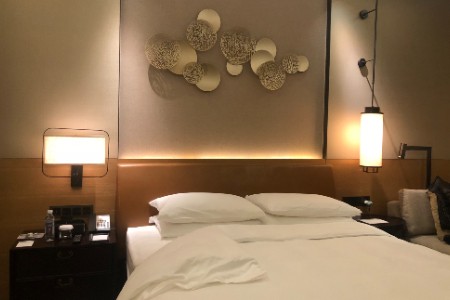
全季的成功,在于其对“东方人文美学”这一长期被国际酒店集团忽视的蓝海的精准卡位。它将这一美学融入空间设计,木质色调、留白与茶饮场景,构建了一套区别于国际连锁酒店的“东方待客之道”。

汉庭则走了另一条路径:在“干净、可靠、标准化”的基础上持续迭代产品体验,从3.0到4.0的每一次升级,都在回应中国大众出行者对“好而不贵”的真实需求。

两种截然不同的品牌哲学,最终殊途同归,中国品牌在全球酒店业摘下“廉价酒店”的帽子,开始输出属于自己的设计语言和服务标准。当全季和汉庭走向东南亚等海外市场时,它们输出的不是标准化客房,而是一套从中国本土消费文化长出来的、具有鲜明东方美学特征的住宿新体验。

这种品牌辨识度的财务验证同样清晰。在行业整体仍在价格战中挣扎的背景下,华住中国ADR(平均每日房价)298元,同比提升2.6%。在酒店行业,ADR上涨意味着消费者愿意为“华住出品”支付更高的价格。同时也表明,华住旗下酒店群已初步完成从“便宜的连锁酒店”到“值得多付一点钱的品牌”的认知跃迁。

品牌升级的另一个有力佐证是中高端门店的增速。二季度,华住中高端门店同比增长13.4%。城际、水晶、美居等中高端品牌正有效承接消费升级带来的结构性红利,而新品牌全季大观也陆续落地,则进一步证明了华住并非“守着一两个品牌吃老本”,而是在构建从经济型、中档到中高端乃至高端的完整品牌梯度。

更有说服力的是会员数据。二季度,华住会平台的预订间夜同比增长8.4%,其会员数量也早已突破3亿。当一个酒店品牌的会员愿意跨城市、跨品牌持续复购,意味着品牌已经建立起超越单店、超越地段的服务标准认知。这种基于信任的客群资产,是靠砸钱买流量换不来的,而是要靠万店规模一次次稳定交付积累的信任而来。

02 腾笼换鸟:增长逻辑的切换

事实上,华住规模扩张与品牌升级同步发生的背后,是一套清醒的战略取舍。

Q2财报中有一组容易被忽视的数据:新开498家门店,同时主动关闭176家,净增322家。从中可以看到,华住正在做两件看起来相背离的事:一方面,将新店卡位在经过严格商圈人流、消费力测算的黄金点位;另一方面,毫不手软地将经营效率低下、产品老化的存量旧店淘汰出局。

这种“腾笼换鸟”的逻辑,直接捅破了中国酒店业长期存在的“虚假繁荣”窗户纸。面对大量产品老化、服务标准缺失的单体酒店困境,华住选择用品牌的代际升级来驱动存量供给侧改革。汉庭3.5/4.0、全季4.0/5.0、桔子3.0等新版本门店占比持续提升,每一代产品迭代都伴随着更强的获客能力与定价权。

当一家经营数据难看的旧加盟店被果断关闭、同一商圈取而代之的是一家产品力更强的新版本门店时,供给质量完成了跃迁,而不是简单去看其数量增减。

这与传统“速度优先”的粗放扩张模式形成鲜明的对比。华住正在全力切换到“品牌引领”的高质量增长模式:其核心KPI从“开了多少家”转向“单店经营质量如何”。

在新模式下,产品迭代驱动品牌升级,多品牌梯度覆盖全档位,“有质量的开业”与“有原则的淘汰”同步进行。换句话说,规模不再是目的,而是品牌势能自然延伸的结果。

03 生态飞轮:加盟商、住客、供应链的良性循环

品牌引领战略要真正形成商业闭环,光靠产品迭代远远不够。决定单店模式能否跑通、加盟商能否真正赚到钱的,是华住打磨多年的“平台生态”——它将品牌、客源、供应链、技术和加盟商串联成一个飞轮。

飞轮的起点是品牌和会员体系。Q2会员预订间夜同比增长8.4%,为前端门店输送稳定客源,降低对第三方平台的流量依赖。后端则通过供应链集采平台,集中仓、区域仓和数字采购平台,把大量门店的订单集中起来,以规模采购提高议价能力。对加盟商而言,采购成本和交付确定性都得到了改善。

在运营效率层面,华住的技术工具正在从辅助角色走向核心。AI住中服务已覆盖超12,000家门店,可处理送物、续住、开票和设施查询等高频需求;GOP 2.0系统引入金蝶云AI,预计可自动完成酒店80%的记账工作,实现收支分类、凭证生成及经营数据实时更新。加盟商由此可以更及时地掌握经营状况,不必等到月底结账后才发现问题。

会员体系为门店输送稳定客源、供应链集采降低采购与交付成本、AI技术把标准问题交给系统、实时透明的GOP系统这四股力量,汇成一个高效运转、自我强化的商业飞轮。如此,单店经营确定性显著提升,加盟商赚钱效应显现,进而吸引更多优质加盟商入场,平台规模持续扩大,反过来又进一步降低采购成本、丰富会员权益。

在与加盟商的沟通中,华住也推出了一系列帮扶加盟商提高经营指标的举措,如从收益管理优化到产品迭代支持,从供应链赋能到数字化工具落地。加盟商在华住的体系里感受和获得的,是一套可依赖的“盈利系统”。

04 走向世界:酒店业的“中国骄傲”

把视野拉回全行业的高度。当前,中国酒店业正在经历一轮深刻的结构性调整:竞争重点从门店数量转向品牌、会员、供应链和经营效率,从追求网络扩张转向兼顾消费者体验与加盟商回报。

华住Q2财报的每一组关键数据:RevPAR上升1.1%、ADR上升2.6%、中高端门店增长13.4%、会员预订间夜占比提升8.4%,这些都是这一转型过程中的重要表征。

对于大量面临“品牌化”生死转型需求的单体酒店而言,当经济型酒店连锁化率仅29.96%、中档酒店55.33%时,它们的选择无非两种,一是主动拥抱头部连锁集团的赋能体系,二是在日益挑剔的消费升级浪潮中被淘汰。

华住已经跑通的“品牌引领+精益增长+集团赋能”的路径,正在被中国酒店业系统性吸收借鉴。全季与汉庭雄踞全球品牌榜前两名,标志着中国酒店品牌首次在全球酒店业主流评价体系中占据领先位置,东方设计语言和服务标准开始获得全球级别的关注度。

更具想象空间的是华住的未来走向。财报显示,今年Q2,其新进入52个空白县城市场,筹建酒店储备达3,089家,华住正在把“中国骄傲”从一线和新一线城市带到县域市场。与此同时,华住的品牌出海也在加速。全季和汉庭正在东南亚等市场建立据点,将中国本土生长出来的住宿体验输出到更广阔的服务场景。

05 结语

从“中国制造”到“中国服务”,从本土市场到全球坐标,中国酒店业正在书写一个新的叙事框架。

当中国品牌已经证明“我们可以做到全球领先”,下一步的想象空间其实已经打开:在更高的客单价区间、更深的下沉市场、更广的全球版图上,“中国服务”的故事将如何被续写?这个问题本身,或许比任何一份财报都更值得长期追踪。

此时,酒店业的“中国骄傲”,才刚刚开始。

注:文/文华,文章来源:子弹财经,本文为作者独立观点,不代表亿邦动力立场。

文章来源:子弹财经

广告
微信
朋友圈

FAQ回顾

华住集团2026年第二季度经营表现如何?

2026年第二季度华住集团营业额达305亿元,同比增长13.2%;集团收入71亿元,同比增长10.8%。华住中国每间可售房收入238元,同比提升1.1%;平均每日房价298元,同比提升2.6%,截至6月末全球在营酒店数量达13539家。

中国酒店业当前存在哪些结构性痛点?

据《2025中国酒店业发展报告》数据,中国约34.87万家酒店中经济型酒店占比高达77.8%,但其连锁化率仅为29.96%,超七成经济型酒店为单体经营,缺乏品牌背书,整体呈现大而不强的特征,品牌化连锁化程度远低于成熟市场。

华住集团逆周期增长的核心支撑是什么?

华住已完成从规模扩张到品牌升级的转型,构建覆盖经济型到高端的完整品牌梯度,同时依托3亿+会员体系、供应链集采、AI运营工具打造加盟商、住客、供应链的良性生态飞轮,走品牌引领的高质量增长路径。

中国酒店品牌在全球市场的竞争力如何?

华住旗下全季、汉庭位列《HOTELS》杂志2025全球酒店品牌50强前两名,全季主打东方人文美学的特色住宿体验,汉庭聚焦高性价比标准化服务,目前已布局东南亚等海外市场,开始输出中国本土的住宿服务标准。

这么好看,分享一下?

朋友圈 分享

APP内打开

+1
+1
微信好友 朋友圈 新浪微博 QQ空间
关闭
收藏成功
发送
/140 0