广告
加载中

毛利超60%、茶饮巨头扎堆入局 Gelato成今夏最赚钱赛道?

姜琪 2026-08-20 16:08
姜琪 2026/08/20 16:08

邦小白快读

EN
全文速览

本文梳理了当下Gelato(意式手工冰淇淋)赛道爆火的核心信息,并给出普通入局者的实操干货。

1. 核心行业信息:Gelato乳脂含量仅为传统冰淇淋的三分之一,天然配料占比超90%,符合当下健康消费需求;行业整体毛利率超60%,目前国内市场占比仅6%,年复合增长率达17.62%远超冰淇淋大盘,未来3-5年将迎来超级爆发期,已经吸引茶饮、农业、跨界商家集体入局。

2. 实操建议:新手不要一开始就重资产投入,建议先拿成品试卖做最小可行性测试,模式跑通后再扩大投入;SKU无需过多,专业门店控制在8-15种,门店增项做6种就足够;开店初期就要明确品牌定位,走差异化路线才能长久发展。

当前Gelato赛道处于爆发前期,给品牌带来了新的增长机会,核心干货围绕品牌经营各维度整理如下。

1. 消费趋势:当下消费者越来越关注低糖、低卡、天然原料的冰品,Gelato的产品特性刚好契合这一需求,市场增速远超行业大盘,目前渗透率仅6%,增长空间极大。

2. 产品研发方向:可以走本土化口味创新路线,目前樟树港辣椒、八大茶系、五常大米、豆汁儿等本土特色口味已经成功出圈,可结合本土农产品打造差异化产品。

3. 渠道定价建议:核心发展方向是品牌化+高质平价,当前主流单球定价19.9元左右,可以采用轻量化店中店模式增项,仅需1平方空间就能复用现有客流,拉高客单价与利润率,不稀释主品牌调性。

Gelato当前是高增长潜力赛道,给卖家带来新增量机会,同时也明确了风险与应对方案,核心干货如下。

1. 机会梳理:Gelato目前国内市场占比仅6%,远未饱和,行业毛利率超60%,符合健康化消费趋势,年复合增长率达17.62%远超冰淇淋大盘,未来3-5年是超级爆发期;现有门店增项Gelato门槛极低,仅需不到1平方放置设备,无需额外运营成本,就能直接拉高门店利润率。

2. 风险提示:纯做Gelato的独立门店成功率仅10%-20%,小白新手盲目开店失败率高达99%,容易亏损几十万。

3. 应对建议:不要一开始就重资产投入,先拿成品试跑验证市场,再逐步扩大投入;提前明确品牌定位,要么走大众性价比要么走高端精品,打造差异化;长期经营要重视供应链稳定性与成本管控能力。

Gelato赛道的爆发给上游生产工厂带来了明确的增长机会,也指明了生产端的发展方向,核心干货整理如下。

1. 市场与产品需求:当前Gelato市场需求爆发,头部供应商订单增长3倍,头部品牌订单增长50%,多家厂商现有产能已经无法满足需求,急需扩产;消费者偏好本土化创新口味,需要工厂结合本土特色食材开发对应原料产品,适配市场创新需求。

2. 降本增效方向:过去依赖进口的核心原料现在已经实现国产替代,国产原料整体降价8%-15%,工厂可提升国产原料占比降低生产成本;核心生产设备也实现国产技术突破,成本仅为进口的20%-50%,性能接近进口水平,工厂可更新国产设备进一步降本。

3. 新增营收方向:可拓展B端服务,为跨界入局Gelato的商家提供陪跑增项业务,拓展营收来源。

Gelato赛道正处于爆发初期,给各类服务商带来了大量新机会,核心行业趋势、客户痛点与整理方案整理如下。

1. 行业发展趋势:Gelato目前国内市场占比仅6%,年复合增长率17.62%远超冰淇淋大盘,未来3-5年是超级爆发期,大量多行业玩家想要入局增项Gelato,对供应链、设备、研发服务的需求激增。

2. 核心客户痛点:过去进口原料设备成本过高,拉高了入局门槛,中小商家难以承担高额初始投入;多数跨界商家缺乏产品研发能力,很难做出差异化产品吸引消费者。

3. 解决方案:原料端加大国产原料应用,给客户提供高性价比原料方案,降低客户成本;产品端联合本土企业开发本土化特色口味,帮助客户打造差异化;设备端整合技术推出整店设备解决方案,还可拓展陪跑服务,帮助跨行商家完成增项转型。

Gelato赛道的爆发给平台带来了新的招商与增长机会,也明确了运营方向与风险规避要点,核心干货如下。

1. 招商机会:当前大量不同业态的商家都在布局Gelato项目,从茶饮、餐饮到农业、零售都有跨界入局需求,平台可以针对性开设Gelato相关招商专区,吸引品牌、供应商、线下门店各类商家入驻,拓展平台品类与交易额。

2. 运营管理方向:可以推出配套服务,对接国内原料设备供应商与下游商家,帮助商家降低初始投入成本;针对现有线下门店商家推出轻增项入驻方案,降低入驻门槛,吸引更多中小商家入局。

3. 风险规避:要给入驻商家提示赛道风险,提醒商家不要盲目重资产投入,引导先做小范围市场验证;提醒商家提前做好品牌定位与差异化规划,帮助商家提升存活率;同时持续关注行业产能变化,提前应对供应链波动风险。

本文呈现了Gelato品类在中国市场本土化发展的最新产业动向,提出了行业待解的新问题与创新商业模式探索,核心内容如下。

1. 产业新动向:Gelato原本是小众高端舶来品,当前依托国产原料设备的技术突破,已经实现成本下沉,逐步从高端轻奢走向大众平价,正在完成从意式品类到东方本土化品类的蜕变;当前市场年复合增长率达17.62%,远超冰淇淋大盘,未来3-5年将迎来超级爆发期,多行业跨界入局是本轮增长的新特征,目前行业仍处于早期,定价权分散在中小商家手中。

2. 新问题与新模式探索:当前行业存在独立门店存活率低、冷链仓储配送成本高的痛点,制约行业规模化发展;业内提出创新商业模式构想,即将Gelato门店打造为区域快乐体验中心+仓储配送中心,辐射5-10公里客群,打破门店客流上限,同时解决冷链配送成本问题,该模式仍有待市场验证。

返回默认

声明:快读内容全程由AI生成,请注意甄别信息。如您发现问题,请发送邮件至 run@ebrun.com 。

我是 品牌商 卖家 工厂 服务商 平台商 研究者 帮我再读一遍。

Quick Summary

This article sorts out core insights behind the current booming gelato (Italian artisanal ice cream) track in China, and shares practical guidance for new entrants.

1. Core industry takeaways: Gelato contains just one-third the milk fat of traditional ice cream, and uses more than 90% natural ingredients, perfectly aligning with today’s demand for healthy consumption. The overall industry gross margin exceeds 60%, while gelato currently holds only a 6% share of China’s ice cream market. Its 17.62% compound annual growth rate (CAGR) far outpaces the broader ice cream market, and the category is expected to see explosive growth over the next 3 to 5 years. Players from tea chains, agriculture and other cross-sector industries have already entered the market.

2. Practical tips for beginners: New entrants should avoid heavy upfront asset investment. It is recommended to first test demand by selling finished products as a minimum viable test, and scale up only after the business model is proven viable. There is no need for a large SKU assortment: professional brick-and-mortar stores should keep 8 to 15 flavors, while existing stores adding gelato as an extra offering only need 6 flavors. Brands should clarify their positioning from the opening stage, as differentiation is key to long-term growth.

The gelato category is currently in the pre-boom stage, bringing new growth opportunities for brands. Below is core insights organized across key dimensions of brand operation.

1. Consumer trends: Consumers are increasingly seeking low-sugar, low-calorie ice products made from natural ingredients, and gelato’s inherent product attributes perfectly match this demand. The category’s growth rate far outpaces the broader ice cream industry, and it currently only holds 6% market penetration, leaving massive room for growth.

2. Product R&D direction: Brands can pursue localized flavor innovation. Local specialty flavors including Zhangshugang chili, eight major Chinese tea lines, Wuchang rice and fermented soybean juice have already broken out successfully. Brands can build differentiated products by integrating local agricultural produce.

3. Channel and pricing recommendations: The core strategic direction is branding combined with high quality at accessible prices. The current mainstream price for a single scoop is around 19.9 yuan ($2.8). Brands can adopt a lightweight "store-in-store" expansion model: only 1 square meter of space is required to reuse existing foot traffic, boost average order value and profit margins, without diluting the core brand identity.

Gelato is currently a high-growth potential track that brings new incremental opportunities for sellers, while this article also outlines clear risks and corresponding response strategies, with key takeaways as follows:

1. Opportunity overview: Gelato currently accounts for only 6% of China’s ice cream market, which is far from saturated. The industry boasts a gross margin over 60%, aligns with the health consumption trend, posts a 17.62% CAGR that far outpaces the broader ice cream market, and is expected to enter a period of explosive growth over the next 3 to 5 years. Adding gelato to existing stores has an extremely low barrier: only less than 1 square meter is needed for equipment, no extra operating costs are required, and store profit margins can be lifted directly.

2. Risk warning: The success rate of stand-alone gelato-only stores is only 10% to 20%, and the failure rate for inexperienced newcomers opening blindly is as high as 99%, often leading to losses of hundreds of thousands of yuan.

3. Actionable recommendations: Avoid heavy asset investment at the early stage. Test the market first with finished products, then expand scale gradually. Clarify brand positioning in advance: choose either mass-market value positioning or high-end boutique positioning to build differentiation. For long-term operation, prioritize supply chain stability and cost control capabilities.

The boom of the gelato track brings clear growth opportunities for upstream manufacturing factories, and points out clear development directions for the production end. Key takeaways are organized as follows:

1. Market and product demand: Gelato market demand is booming right now. Leading suppliers have seen their orders triple, and leading brands have recorded 50% order growth. Multiple manufacturers’ existing production capacity cannot meet current demand, and capacity expansion is urgently needed. Consumers prefer localized innovative flavors, so factories need to develop matching raw material products that integrate local specialty ingredients to adapt to market innovation demand.

2. Cost reduction and efficiency improvement directions: Core raw materials that previously relied on imports have now achieved domestic substitution in China, with domestic raw materials priced 8% to 15% lower overall. Factories can increase the proportion of domestic raw materials to cut production costs. Core production equipment has also achieved domestic technological breakthroughs, with domestic models costing only 20% to 50% of imported alternatives while delivering near-identical performance. Factories can upgrade to domestic equipment to further reduce costs.

3. New revenue stream opportunities: Factories can expand B2B services, offering on-the-ground support and expansion services for cross-sector businesses entering the gelato market, to diversify revenue sources.

The gelato track is in the early stage of its boom, bringing massive new opportunities for all types of service providers. Below we organize core industry trends, customer pain points and solutions:

1. Industry development trends: Gelato currently holds just 6% of China’s ice cream market, posts a 17.62% CAGR that far outpaces the broader ice cream market, and is expected to see explosive growth over the next 3 to 5 years. A large number of players from multiple industries are looking to enter the market and add gelato to their offerings, driving surging demand for supply chain, equipment and R&D services.

2. Core customer pain points: High costs of imported raw materials and equipment in the past raised barriers to entry, making the high upfront cost unaffordable for small and medium-sized businesses. Most cross-sector new entrants lack product R&D capabilities, making it difficult to develop differentiated products that attract consumers.

3. Solutions: On the raw material side, increase adoption of domestic raw materials to provide customers with cost-effective raw material solutions and lower customers’ costs. On the product side, collaborate with local enterprises to develop localized signature flavors to help customers build differentiation. On the equipment side, integrate technology to launch full-store equipment solutions, and also expand on-the-ground supporting services to help cross-sector businesses complete their expansion and transformation.

The boom of the gelato track brings new investment attraction and growth opportunities for platforms, while clarifying operational directions and risk mitigation points. Key takeaways are as follows:

1. Investment attraction opportunities: Currently a large number of merchants from different formats are rolling out gelato projects, with cross-sector entry demand from tea chains, restaurants, agriculture businesses and retailers. Platforms can launch dedicated gelato-related investment zones to attract brands, suppliers, and offline stores of all types to settle on the platform, expanding the platform’s category assortment and transaction volume.

2. Operational management direction: Platforms can launch supporting services to connect domestic raw material and equipment suppliers with downstream merchants, helping merchants cut upfront investment costs. For existing offline store merchants, platforms can roll out lightweight expansion entry plans to lower entry barriers and attract more small and medium-sized merchants to enter the market.

3. Risk mitigation: Platforms should communicate track risks to settled merchants, remind them not to blindly invest in heavy assets, and guide them to conduct small-scale market validation first. Remind merchants to complete brand positioning and differentiation planning in advance to help them improve survival rates. At the same time, platforms should continuously monitor industry capacity changes to prepare for supply chain fluctuation risks in advance.

This article presents the latest industry developments in the localized development of the gelato category in China’s market, and puts forward unresolved new industry questions and explorations of innovative business models. Core content is as follows:

1. New industry developments: Originally a niche high-end imported product, gelato has achieved cost reduction thanks to technological breakthroughs in domestic raw materials and equipment, gradually moving from high-end luxury to mass-market accessible pricing, and completing a transformation from an Italian import to an localized Oriental category. The current market CAGR is 17.62%, far outpacing the broader ice cream market, and the category is expected to see explosive growth over the next 3 to 5 years. Cross-sector entry from multiple industries is the defining new feature of this round of growth. The industry is still in an early stage, with pricing power dispersed across a large number of small and medium-sized merchants.

2. Unresolved questions and exploration of new models: The industry currently faces pain points including low stand-alone store survival rates and high cold chain storage and delivery costs, which constrain large-scale industry development. An innovative business model has been proposed in the industry: transform gelato stores into regional "happiness experience centers" and cold storage distribution hubs, serving customers within a 5 to 10 kilometer radius. This breaks the foot traffic ceiling of physical stores while solving the problem of high cold chain delivery costs, though the model still awaits market validation.

Disclaimer: The "Quick Summary" content is entirely generated by AI. Please exercise discretion when interpreting the information. For issues or corrections, please email run@ebrun.com .

I am a Brand Seller Factory Service Provider Marketplace Seller Researcher Read it again.

哈根达斯拉高的利润空间,给了中国玩家可乘之机。

文丨姜琪    编辑丨黄俊峰

【亿邦原创】2026年6月,哈根达斯中国大陆实体门店业务被柠季等接盘。这个曾以“爱她就请她吃”定义一代人消费记忆的冰淇淋贵族,内地门店从2019年的557家缩减至171家,七年之间,融化了近七成版图。

几乎同一时间,本土Gelato品牌“野人先生”门店突破1400家,三年翻了14倍,其单店月均营收达20万至30万元,毛利率超60%。

Gelato是源自意大利的一种独立品类,也称作“意式手工冰淇淋”。其独特之处在于乳脂含量较低(通常在4%-8%)、空气混入量少(膨胀率低)、以及储存与食用温度相对较高(约在-12°C到-15°C)。这些特点共同造就了Gelato绵密扎实、入口即化且原料风味极其纯粹的口感。

实际上,最早的冰淇淋配方,就出现在17世纪的意大利。全球商贸带来的繁盛,让当时许多意大利城邦成为奢华的代名词。那不勒斯厨师拉蒂尼在其著作中记录了一种名为“雪芭”的冰冻甜品,口感介于今日冰淇淋与奶冻布丁之间,一经面世便风靡欧洲贵族圈。1671年,英国国王查理二世在温莎城堡大宴宾客,这道经改良的意大利甜品,被隆重端上了餐桌,进献给国王。

三百余年流转,冰淇淋行至拐点。因手工现制、定位高端、门店成本高企,Gelato此前市场份额仅有6%左右。然而近一年来,国产原料与设备端的突破,骤然拉快了赛道转速。

不止野人先生,整个产业链条都在经历集体狂奔:杭州Gelato成品供应商懂冰冰,今年订单量直接翻了3倍;Gelato品牌亲可蜜可订单增长约50%,新建近4000平方米工厂,扩产3到5倍。

图片

一边是旧贵族的退场,一边是新物种的狂奔。当酒店民宿、茶饮品牌等纷纷入局,当五常大米、樟树港辣椒、豆汁儿成为新口味,这个源自意大利的单词,正经历一场“中国化”时刻。

“皮鞋厂都在卖Gelato”

Gelato的火爆,集中体现在它所渗透的行业宽度上。“有时候扫一眼客户表,我自己都会惊叹,连皮鞋厂都有。”亲可蜜可创始人同艳对亿邦动力说。

2022年,同艳从工厂供应链转型开始做品牌,如今,依托供应链优势,服务全国5000多个品牌和B端门店,同时帮助跨行企业做陪跑和增项业务。客户类型除了自助餐、火锅烧烤、糖水店、咖啡烘焙,还有炸鸡店等等,“什么店都在做”。

行业的快速升温,让Gelato成为一种自带流量的品类。传统行业也试图借此连接年轻消费者,由此一来,增项与产品创新融合成为他们共同的选择。

最典型的是农业与Gelato的跨界结合。亲可蜜可与湖南企业联合研发“樟树港辣椒冰淇淋”,将辣椒与Gelato融合,前端是浓郁的奶香,后端则留下淡淡的辣椒清香味,令人耳目一新。他们还与茶叶企业联合开发了中国八大茶系冰淇淋,涵盖茉莉、龙井、大红袍、白茶等不同口味。米系列、豆乳系列也在陆续推出。

除此之外,酒店民宿、餐饮烘焙、酒庄咖啡店等更多业态纷纷增项意式冰淇淋。Gelato增项能迅速铺开,核心在于其对门店经营的高度适配。Gelato行业毛利率超60%,天然适合复用现有客流又自带网红打卡属性,只需不到1平方米的空间放置一台台式展示柜,无需额外制作或运营成本,即可新增一个项目,拉高客单价的同时,又能提升门店利润率。

这种低门槛、高回报的模式,也吸引了正陷入内卷的茶饮巨头们。霸王茶姬在上海试点“茶拉朵”,奈雪的茶推出意式冰淇淋独立产品线,喜茶在北京开出首家“喜拉朵实验室”。茶饮品牌的集体入局,也成为这轮Gelato热潮最醒目的信号。

图片

“茶饮品牌都在寻找新的增长点。拓店之外,品类拓展成为共同发力方向。”懂冰冰说。目前,Gelato定价普遍在19.9元左右,毛利又比奶茶高,可以作为现制茶饮的第二增长曲线,用轻量化店中店模式跑通,既不稀释主品牌调性,又能高效转化原有客流。“更多参与者的加入,一起把市场做大,这对行业而言无疑是好事。”

行业的火爆迅速传导至上游供应链。每年1-10月,是亲可蜜可工厂生产期,11月、12月员工休息、设备检修。直到去年,备货到10月底之后,12月就开始缺货,工厂休息不到一个月便开始紧急补货。“我们没有销售人员跑市场,都是客户主动找来的,今年变得‘被动地很忙’。”同艳说。今年7月,亲可蜜可在长沙启动新工厂扩建。“如果不扩,到明年上半年产能就满足不了市场需求。”

“开店门槛被踏平”

一个品类从边缘走入主流视野,绝不是单一原因所致;往往是产业链上每个环节都在发生变化,在某个节点被同时激活。Gelato在中国市场的这轮爆发正是如此。

最根本的变化发生在成本端。原料是Gelato最大的成本项,行业普遍占比在50%以上。Gelato核心原料为鲜牛奶、奶油、坚果及水果。而过去依赖进口的巴氏杀菌乳、稀奶油、奶酪基料等,如今已实现本土量产。例如,伊利在呼和浩特投建国内单体最大的奶酪基地,量产淡奶油、原制干酪、乳清浓缩液等,直接替代进口供应链中的同类高标原料。

工艺也在同步推进。通过优化均质与杀菌工艺,精准控制乳脂结构与风味物质,国产鲜奶的稳定性得以提升,可以完全满足Gelato“不额外加水、低膨化率”的绵密口感要求。

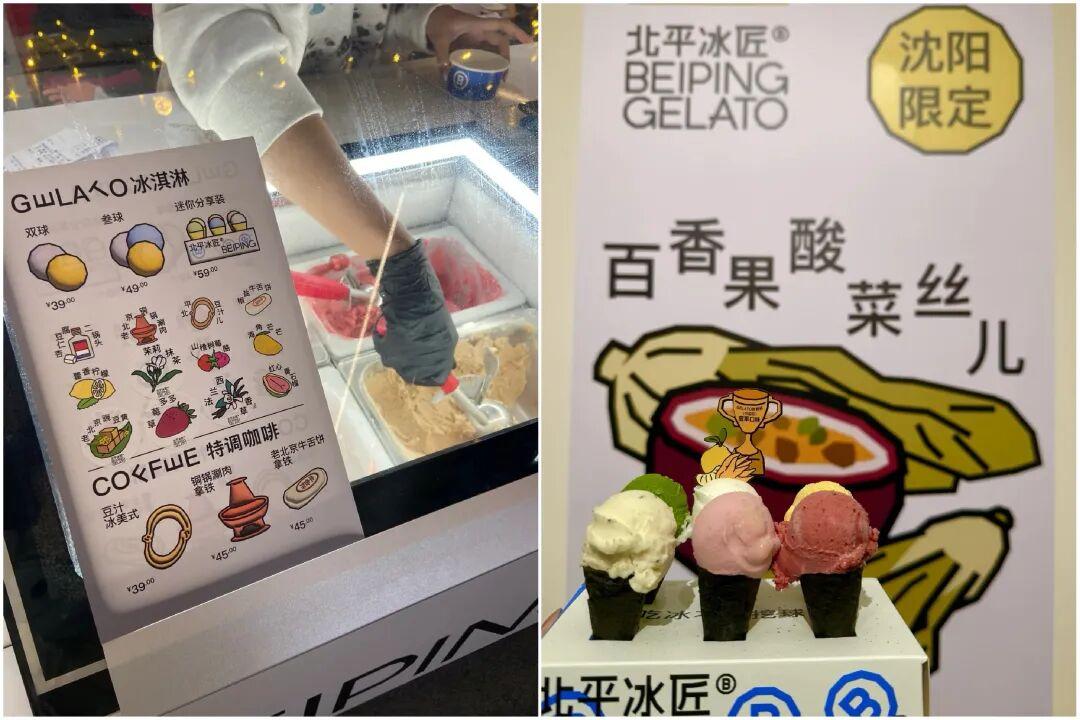
除此之外,在产品层面,Gelato开始打破“意式”边界,越来越多品牌在推进本土化口味创新,五常大米风味、茶系列冰淇淋相继走红。北平冰匠还推出以“豆汁儿”“铜锅涮肉”“二锅头”等为卖点的北京特色口味。沈阳甜品节上,甚至推出了“百香果酸菜丝儿”限定款。

图片

图源:小红书-奶芙、飞机

这些本土化口味创新,也反向拉动了国内水果产业带的供给替代。“当产品方向都往本土食材靠拢,经过推广、营销和市场的反复验证,未来‘意式冰淇淋’就只是一个名字。它一定会变成东方冰淇淋。”同艳说道。

供应链效率提升和规模效应有效拉低采购成本。同艳告诉亿邦动力,近几年Gelato原料整体降幅在8%-15%之间,亲可蜜可的国产与进口原料占比已达6:4。

原料采购成本的下降,给了终端价格下探的空间。国产设备的技术和价格突破,则把开店门槛彻底“踏平”。

Gelato的口感取决于膨化率和冰晶大小,膨化率决定了空气混入量,直接关系质地;冰晶大小则影响细腻程度。控制这两项指标的核心技术曾长期被外资把持,单套进口凝冻机与冷柜成本高达60万-80万元,这个数字足以劝退绝大多数潜在入局者。

国内设备商从凝冻机两个核心部件入手,自主研发了螺旋式蒸发器,以及能稳定控制膨化率的膨化泵。这两项改良让制冷效率提高了20%以上,冰淇淋膨化率显著提升,稳定性逼近进口设备水平。在微观细节上,还做了适配Gelato特性的改良设计,最终用均价不到十万元的成本,完成了对进口凝冻机的替代。

在冷柜技术方面,国内厂商通过变频温控、风冷循环和湿度管理,用不到进口三分之一的成本,实现了同等甚至更好的储存效果。

单个零件突破后,设备商开始系统性整合,逐渐具备整店设备解决方案的交付能力。如今,不论是做冰棍机,还是做传统冰柜、咖啡设备等厂商,都开始做Gelato相关机器。

供给端的拥挤,进一步压低了开店门槛。懂冰冰估算,国产设备普遍比进口便宜50%-80%。“国产设备能做到85到90分,进口95分,但差距微乎其微。Gelato核心是原料和工艺,不是买最贵的毛笔就能写出最好的字。”

同时,健康化消费趋势的转变也为Gelato提供了生长土壤。调研显示,68%的消费者购买冰淇淋/雪糕时关注低糖或无糖,62%关注天然原料,55%关注低卡路里。Gelato脂肪含量约为传统冰淇淋的1/3,天然配料占比超90%,恰好满足消费者的新需求。

所有变化的最终落点,是价格带的重新锚定。对比单球售价常年维持在50元左右的哈根达斯,Gelato逐步把冰淇淋从“轻奢”拉回了平价。懂冰冰认为,未来Gelato优胜劣汰的核心定位一定是“品牌化+高质平价”。他的工厂面向批发端价格为3公斤装129-169元,折合每个球的成本在3元左右。亲可蜜可的万人迷系列单球定价7.5-9.9元,走极致性价比路线。

图片

当一个品类能够依托本土供应链将成本击穿,通过文化适配完成口味创新,并最终将价格拉回大众可接受的区间时,Gelato正经历从“舶来品”到“国民消费品”的蜕变。

爆火之后,Gelato距离大众还有多远?

数据显示,2019年至2024年,中国Gelato市场规模从54.3亿元增长至122.22亿元,年复合增长率达17.62%,远超冰淇淋大盘增速。但Gelato至今在整体冰淇淋市场中的份额仅占6%左右。这就意味着,Gelato仍属小众品类,行业发展还在初期,市场远未饱和。

但Gelato绝非短期风口。“好吃、健康是Gelato逆势增长的核心驱动力,人们对高品质生活的向往是永远不变的,我们从过去添加剂多的,慢慢变成添加剂少的、现做的、健康的,这些是不可逆的需求。它是冰淇淋里的革命性产品。”懂冰冰说。

同艳也认为,行业尚处于早期阶段,“每一个行业定价权还在小B端手上的时候,行业都才刚刚开始。真正等到定价权看头部的时候,就要考虑市场的饱和率了。”

她预测,未来3-5年将是Gelato的“超级爆发期”,期间会涌现出大量像“野人先生”这样的新品牌;而5-8年后,市场将进入沉淀期,产品形态也会变得更加丰富多元。

Gelato站上了前所未有的风口,但风口之下,真正的考验才刚刚开始。从懂冰冰观察的客户案例中来看,“只做Gelato的店,成功率10%-20%。小白去买设备、学技术开店,99%失败率,一亏就是大几十万。”

因此,业内人士建议:不要一上来就重资产投入。更稳妥的做法是先拿成品试卖,进行最小可行性测试,待模式跑通后再考虑购置设备。产品SKU也并非越多越好,专业门店可控制在8-15种,增项6种SKU便已足够。

站稳跟脚后,才是经营品牌。同艳认为,品牌定位是绝大多数人第一步就走错的地方。“真正有生命力的品牌,从第一天就要把定位想清楚。到底是走大众性价比路线,亦或是高端精品路线。没有定位,就没有差异化;没有差异化,就谈不上品牌。”

图片

而想长期经营Gelato品牌,真正的护城河在于供应链的稳定性与成本管控能力。设备、场地、技术、原料,每一项都是沉没成本。这也是为何许多门店仍将单球价格定在四五十元。高价能守住短期收益,长远来看反而可能成为瓶颈。因为淘汰往往并非源于外部竞争,而是被同行在成本、效率、产品上甩开。

同艳还有一个远期构想:未来,Gelato门店不只做2公里内的生意,而是成为一个区域的“快乐体验中心+仓储配送中心”,辐射周边5到10公里。“它以意式冰淇淋为核心,但绝不止于冰淇淋——还可以延伸出冰淇淋奶茶、冰淇淋咖啡、冰淇淋甜品,甚至冰淇淋糖水。只要围绕Gelato这根主线,产品线就可以无限拓展。”

意式冰淇淋发展至今,竞争始终不算激烈,背后一个核心原因是仓储和运输成本过高。冷链配送、温度控制、最后一公里配送,每一项都是硬成本。但这也意味着,如果能将仓储与门店打通,便是一个巨大的机会。

“一个区只开一家店,但这不只是一家店,它首先是一个体验中心——消费者来这里打卡、社交、消费,具备很强的场景感;同时,它又是一个集中式的仓储配送点,可以辐射周边5到10公里,从门店直达家庭。”

同艳补充道,“当客群半径从2公里扩展到10公里,门店的客流上限就被打破了,市场空间也不再受限。也就是门店投入有上限,但增长空间却无限。”

Gelato的“意式”标签,正在疯狂扩张中被不断稀释,中国市场的逻辑正在嵌入它的商业底层。行业远景足够性感,但从小众狂欢到大众日常,中间隔着的是对供应链的反复打磨、对标准化的持续探索,以及对品质底线的死守。唯一确定的是,属于Gelato的时代,已然不可逆地到来。

亿邦持续追踪报道该情报,如想了解更多与本文相关信息,请扫码关注作者微信。

本文首发于 亿邦动力 官方网站

文章来源:亿邦动力

广告
微信
朋友圈

FAQ回顾

Gelato是什么?和普通冰淇淋有什么区别?

Gelato又称意式手工冰淇淋,源自意大利,乳脂含量通常在4%-8%,空气混入量少、膨胀率低,脂肪含量约为传统冰淇淋的1/3,天然配料占比超90%,口感绵密扎实、风味纯粹,更契合当前健康消费趋势。

Gelato行业的毛利率是多少?现在开店门槛高吗?

Gelato行业整体毛利率超60%,早年核心设备依赖进口时单套成本高达60-80万元门槛较高,如今国产设备技术突破后均价不到十万元,原料采购成本近年降幅达8%-15%,开店门槛已大幅降低。

哪些业态适合增项布局Gelato业务?

Gelato适配多类线下业态增项,目前自助餐、火锅烧烤、糖水店、咖啡烘焙、炸鸡店、酒店民宿、茶饮品牌等均已纷纷入局,仅需不到1平方米放置展示柜,无需额外运营成本,可复用客流拉高客单价与利润率。

国内Gelato市场当前发展处于什么阶段?

2019-2024年中国Gelato市场规模从54.3亿元增长至122.22亿元,年复合增长率达17.62%,目前仅占整体冰淇淋市场6%的份额,仍属小众品类,处于发展初期,预计未来3-5年将进入超级爆发期。

这么好看,分享一下?

朋友圈 分享

APP内打开

+1
+1
微信好友 朋友圈 新浪微博 QQ空间
关闭
收藏成功
发送
/140 0