广告
加载中

AI服务器业务落子 酷派能否打开新的成长空间?

龚作仁 2026-08-05 13:16
龚作仁 2026/08/05 13:16

邦小白快读

EN
全文速览

本文核心信息是老牌通信科技企业酷派正式布局AI算力基础设施领域,推出AI服务器业务,尝试打开AI时代新成长空间,核心干货如下:

1. 酷派积累:作为深耕通信产业三十余年的企业,酷派已经积累了覆盖研发、供应链、制造、全球化运营的综合能力,这是其拓展新业务的基础;

2. 新品特点:此次酷派推出覆盖2U-6U的多形态服务器产品矩阵,主打灵活配置、场景适配,支持模块化扩容,同时提供从硬件到部署运维的全流程支撑,适配不同企业的差异化算力需求;

3. 不确定性:酷派从消费终端跨到企业级服务器市场,原有能力无法简单复制,服务器业务对稳定性、客户认证、交付运维要求更高,最终能否成功还需要市场验证,目前只是业务探索阶段。

本文对品牌商把握AI产业趋势、拓展新业务有诸多参考干货,具体如下:

1. 消费需求新趋势:当前AI应用落地加速,算力需求已经从大型数据中心、科研机构向全行业中小政企客户下沉,客户普遍需要灵活适配、成本可控、可逐步扩展的算力产品,市场存在供给缺口;

2. 产品研发思路可参考:酷派针对差异化需求,推出多形态产品矩阵搭配模块化设计,同时结合硬件产品与全流程运维服务,有效降低企业AI落地门槛,这种思路适配当前市场需求;

3. 业务延伸启示:拥有长期产业积累的品牌,可以依托现有研发、供应链能力跨界延伸新赛道,但需要注意不同赛道的要求差异,企业级市场对产品稳定性、认证、运维要求更高,需要针对性调整能力。

4. 新增量机会:东南亚等数字化转型中的海外市场,算力基础设施需求旺盛,具备成本优势的灵活方案有较大拓展空间。

本文给布局AI相关赛道的卖家梳理了明确的机会与风险,干货内容如下:

1. 需求变化与新机会:AI产业落地带动算力基础设施需求下沉,中小政企客户对灵活适配、低成本可扩展的算力产品需求迫切,现有大规模标准化产品无法满足需求,存在明确的市场机会;

2. 可借鉴的商业模式:针对差异化需求做分层多形态产品矩阵,用模块化设计支持客户按需逐步扩容,搭配硬件+全流程运维服务的整体方案,能有效匹配当前市场需求;

3. 增量机会提示:酷派案例显示,东南亚等正在加快数字化建设的海外市场,算力基础设施缺口大,灵活高效、具备成本优势的方案有较大增长空间,卖家可以关注这个方向;

4. 风险提示:跨界进入服务器赛道,原有消费端能力无法简单复制,企业级业务对产品稳定性、客户认证、规模化交付、运维响应要求更高,需要提前搭建对应能力,最终增长取决于实际落地效果。

本文给有硬件积累的工厂拓展新业务、转型AI赛道提供了不少干货参考,内容如下:

1. 产品生产设计新需求:当前AI算力市场需要多形态、模块化的服务器产品,要求适配不同应用场景,支持客户后续按需扩容,同时相比消费电子,企业级产品对稳定性、品质控制的要求更高,工厂在生产设计环节需要匹配这些要求;

2. 新商业机会:AI产业落地带动算力基础设施需求持续增长,需求从头部机构向中小政企客户下沉,市场整体缺口较大,同时海外东南亚等新兴市场数字化加速,算力基础设施需求增长快,给有硬件生产积累的工厂带来了新的业务增量机会;

3. 数字化与业务转型启示:拥有长期研发、生产、供应链积累的硬件工厂,可以依托现有能力延伸到AI相关的企业级业务,但需要针对性提升企业级业务要求的客户认证能力、规模化交付能力、稳定品控能力,才能真正切入市场打开增长空间。

本文给AI相关领域的服务商梳理了行业趋势、客户痛点与可参考的解决方案,干货内容如下:

1. 行业发展新趋势:当前AI已经从技术探索走向产业落地,科技行业的竞争已经从应用层延伸到算法、算力、基础设施层面,算力需求持续向中小客户下沉,市场规模不断扩大,产业链上下游都有较多新增机会;

2. 客户核心痛点:中小政企客户落地AI应用时,普遍面临现有算力产品成本过高、适配性差、无法按需扩容的问题,同时客户不止需要硬件产品,还需要从方案适配到部署运维的全流程综合服务,当前市场供给没有充分满足这些痛点;

3. 可参考的解决方案方向:可以针对客户痛点,推出多形态分层产品矩阵,通过模块化设计满足客户按需扩容的需求,主打硬件加全流程服务的整体方案,降低客户AI落地门槛,同时还可以布局海外新兴数字化市场,挖掘新增需求。

本文针对AI算力赛道的新变化,给相关平台商的招商、运营带来不少参考干货,具体如下:

1. 市场需求新变化:当前企业客户对AI算力基础设施的需求越来越分化,中小客户更需要灵活适配、低成本可扩展的产品,以及配套的全流程服务,这对平台的产品引入、服务配套提出了新的要求,平台需要调整产品结构匹配需求;

2. 招商方向提示:平台可以重点引入类似酷派这类,拥有长期硬件研发、供应链积累,跨界转型AI算力赛道的厂商,丰富平台的算力产品矩阵,满足不同客户的差异化需求,同时可以重点挖掘具备出海能力的算力厂商,共同拓展海外新兴市场的业务增量;

3. 风险规避提示:AI算力赛道的新进入者普遍存在不确定性,新厂商需要解决产品稳定性、客户认证、交付运维能力等一系列问题,平台在引入相关厂商合作时,需要提前评估厂商的实际落地能力,规避不必要的合作风险。

本文记录了老牌科技企业布局AI算力赛道的实践案例,对研究AI产业发展与传统企业转型有较高研究价值,干货内容如下:

1. 产业新动向:当前AI产业落地推动算力基础设施需求发生结构性变化,需求从集中式大算力逐步向多场景灵活算力下沉,越来越多传统消费电子厂商开始依托原有积累,延伸进入企业级AI基础设施领域,同时东南亚等海外新兴市场已经成为国内算力厂商新的增量方向;

2. 值得研究的新问题:传统消费电子厂商跨界切入企业级服务器市场,原有消费端的研发、供应链能力能否顺利迁移到企业级市场,如何满足企业级市场对产品稳定性、客户认证、交付运维的更高要求,这类跨赛道转型的成功逻辑还待市场验证,是值得深入研究的新问题;

3. 商业模式创新案例:本次酷派推出的多形态产品矩阵+模块化设计+硬件加全流程运维服务的商业模式,是针对下沉市场算力需求的新探索,为研究AI算力市场的商业模式创新提供了新鲜的观察样本。

返回默认
声明:快读内容全程由AI生成,请注意甄别信息。如您发现问题,请发送邮件至 run@ebrun.com 。

我是 品牌商 卖家 工厂 服务商 平台商 研究者 帮我再读一遍。

Quick Summary

This article covers Coolpad, a veteran communications technology firm, officially entering the AI computing infrastructure sector with the launch of an AI server business, as it seeks new growth opportunities in the AI era. Key takeaways are as follows:

1. Coolpad's accumulated strengths: With over 30 years of deep experience in the communications industry, Coolpad has built comprehensive capabilities spanning R&D, supply chain, manufacturing, and global operations, which serve as the foundation for its new business expansion.

2. Features of the new offering: Coolpad has launched a multi-form-factor server product portfolio covering 2U to 6U, featuring flexible configuration, scenario adaptation, and support for modular capacity expansion. It also provides end-to-end support from hardware production to deployment and operation, to meet the differentiated computing power requirements of different enterprises.

3. Uncertainties: Coolpad's expansion from consumer devices to the enterprise-grade server market means its existing capabilities cannot be simply replicated. The server business has stricter requirements for product stability, customer certification, and delivery & operation. Its success remains to be proven by the market, as this is currently only an exploratory business move.

This article offers key insights for brands looking to capitalize on AI industry trends and expand into new businesses:

1. New trends in consumer demand: As AI applications accelerate adoption, demand for computing power has expanded from large data centers and research institutions to small and medium-sized government and enterprise clients across all industries. These clients generally need flexible, cost-effective, and incrementally scalable computing products, leaving a notable supply gap in the market.

2. A referenceable product R&D approach: Coolpad developed a multi-form-factor product matrix with modular design to address differentiated demand, and combines hardware offerings with end-to-end operation and maintenance services to lower the barrier for enterprises to implement AI. This approach aligns well with current market demand.

3. Insights for business expansion: Brands with long-term industry experience can extend into new adjacent tracks based on existing R&D and supply chain capabilities, but must account for differing requirements across sectors. The enterprise market demands higher standards for product stability, certification, and operation and maintenance, requiring targeted capability adjustments.

4. New growth opportunities: Overseas markets undergoing digital transformation such as Southeast Asia have strong demand for computing infrastructure, creating significant room for expansion for flexible, cost-competitive solutions.

This article outlines clear opportunities and risks for sellers looking to enter AI-related tracks:

1. Shifting demand and new opportunities: The adoption of AI has driven the penetration of demand for AI computing infrastructure. Small and medium-sized government and enterprise clients have an urgent need for flexible, low-cost, and scalable computing products, as existing large standardized offerings fail to meet their needs, creating clear market opportunities.

2. A replicable business model: Building a tiered, multi-form-factor product portfolio for differentiated demand, using modular design to allow clients to expand capacity incrementally as needed, and offering an integrated solution combining hardware and end-to-end operation and maintenance, effectively matches current market demand.

3. New growth opportunity note: The Coolpad case shows that emerging overseas markets accelerating digital infrastructure development, such as Southeast Asia, have large unmet demand for computing infrastructure. Flexible, efficient, cost-competitive solutions have significant growth potential, making this a direction worth sellers' attention.

4. Risk warning: When crossing into the server track, existing capabilities from the consumer sector cannot be simply replicated. Enterprise-grade business has higher requirements for product stability, customer certification, large-scale delivery, and operation and maintenance response. Relevant capabilities must be built in advance, and ultimate growth depends on actual implementation results.

This article provides key insights for factories with existing hardware experience looking to expand new businesses and transition into the AI track:

1. New requirements for product design and manufacturing: The current AI computing market demands multi-form-factor, modular server products that can adapt to different application scenarios and support incremental capacity expansion on demand. Compared with consumer electronics, enterprise-grade products require far higher standards for stability and quality control, which factories need to incorporate in their design and production processes.

2. New business opportunities: AI industry adoption has driven sustained growth in demand for computing infrastructure, with demand expanding from leading institutions to small and medium-sized government and enterprise clients, creating a large overall market gap. Meanwhile, accelerating digitalization in emerging overseas markets such as Southeast Asia is driving rapid growth in demand for computing infrastructure, bringing new incremental business opportunities for factories with existing hardware manufacturing experience.

3. Insights for digital and business transformation: Hardware factories with long-term accumulated R&D, production, and supply chain capabilities can extend into AI-related enterprise-grade business based on existing strengths. However, they need to specifically build up the customer certification, large-scale delivery, and stable quality control capabilities required for enterprise-grade business to successfully enter the market and unlock growth.

This article outlines industry trends, customer pain points, and reference solutions for service providers in AI-related fields:

1. New industry development trends: AI has shifted from technological exploration to industrial implementation, and competition in the technology sector has extended from the application layer to algorithms, computing power, and infrastructure. Demand for computing power is increasingly penetrating small and medium-sized clients, expanding the overall market size and creating abundant new opportunities across the industrial chain.

2. Core customer pain points: When implementing AI applications, small and medium-sized government and enterprise clients commonly face problems of high costs, poor adaptability, and lack of on-demand capacity expansion with existing computing products. In addition to hardware, these clients also require end-to-end integrated services from solution adaptation to deployment and operation, which current market supply has not adequately addressed.

3. Reference solution directions: To address customer pain points, providers can develop a tiered, multi-form-factor product portfolio, use modular design to meet on-demand capacity expansion needs, and offer integrated hardware-plus-end-to-end service solutions to lower the barrier for clients' AI implementation. Providers can also enter emerging overseas digital markets to tap new demand.

This article offers insights for platform operators on investment attraction and business operations amid new changes in the AI computing track:

1. New changes in market demand: Enterprise demand for AI computing infrastructure is increasingly fragmented. Small and medium-sized clients prioritize flexible, adaptable, low-cost, and scalable products, as well as supporting end-to-end services. This creates new requirements for platforms' product sourcing and supporting services, requiring platforms to adjust their product structure to match demand.

2. Sourcing direction guidance: Platforms can prioritize onboarding vendors like Coolpad—long-established players with hardware R&D and supply chain experience that are transitioning into the AI computing track—to enrich the platform's computing product matrix and meet the differentiated needs of different customers. Platforms can also prioritize sourcing computing vendors with outbound expansion capabilities to jointly tap incremental business in emerging overseas markets.

3. Risk mitigation guidance: New entrants to the AI computing track generally face high uncertainty, as new vendors need to address a range of issues including product stability, customer certification, and delivery and operation capabilities. When onboarding new vendors, platforms should conduct advance assessments of vendors' actual implementation capabilities to avoid unnecessary cooperation risks.

This article documents a practice case of a veteran technology firm entering the AI computing track, offering high research value for studies on AI industry development and traditional enterprise transformation:

1. New industry trends: AI industrial implementation is driving structural changes in demand for computing infrastructure, with demand shifting gradually from centralized large-scale computing to multi-scenario flexible computing. A growing number of traditional consumer electronics vendors are leveraging their existing experience to expand into the enterprise AI infrastructure sector, while emerging overseas markets such as Southeast Asia have become a new incremental growth direction for Chinese computing vendors.

2. New research questions: When traditional consumer electronics vendors cross into the enterprise-grade server market, it remains to be tested by the market whether their existing R&D and supply chain capabilities from the consumer sector can be successfully transferred to the enterprise market, and how they can meet the higher requirements for product stability, customer certification, and delivery and operation in the enterprise space. The success factors for this type of cross-track transformation remain an important area for in-depth research.

3. A business model innovation case: Coolpad's new business model, which combines a multi-form-factor product matrix, modular design, and integrated hardware-plus-end-to-end operation and maintenance services, represents a new exploration to address computing demand in the penetrated market. It provides a fresh observation sample for research on business model innovation in the AI computing market.

Disclaimer: The "Quick Summary" content is entirely generated by AI. Please exercise discretion when interpreting the information. For issues or corrections, please email run@ebrun.com .

I am a Brand Seller Factory Service Provider Marketplace Seller Researcher Read it again.

作为中国移动通信产业发展的长期参与者,酷派的业务轨迹也折射出中国科技产业数十年来的变化。从移动通信时代到智能终端时代,酷派持续推进技术创新与产业布局,并在长期发展过程中积累了覆盖研发、供应链、制造体系以及全球化运营的综合能力。这些积累,构成了其向新业务领域延伸的基础。

随着AI应用从技术探索逐步走向产业落地,科技企业之间的竞争,也开始从单一的应用创新,进一步延伸至算法、算力和基础设施等多个层面。

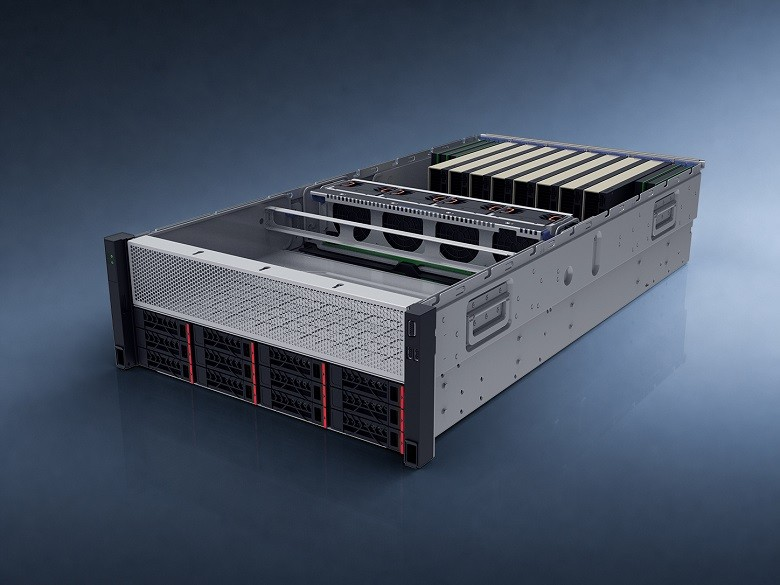
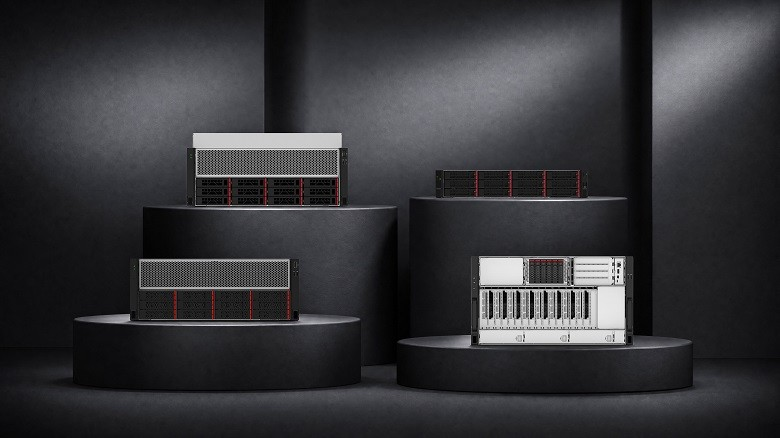
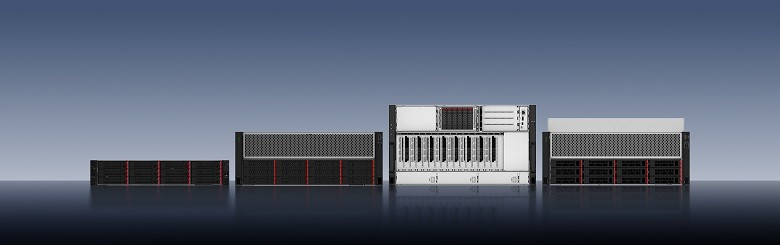
在这一背景下,酷派选择将业务触角进一步伸向AI算力基础设施。近日,酷派集团宣布正式布局AI算力基础设施领域,推出覆盖2U至6U的多形态服务器产品矩阵。从现有布局看,该系列产品强调不同机型覆盖、配置灵活性与服务能力,试图面向企业客户建立从硬件产品到部署运维的算力基础支撑体系。

多形态产品矩阵,回应分化中的企业算力需求

随着大模型和智能应用快速发展,算力需求正在从大型数据中心、科研机构等集中式场景,逐步向更多行业和企业延伸。尤其对于中小企业及各类政企客户而言,AI应用落地更关注部署效率、成本控制、场景适配以及后续扩展能力。

例如,在智慧办公、智能管理、行业模型应用等场景中,并非所有企业都需要一次性投入大规模算力基础设施。根据业务规模和应用需求选择匹配的产品,并随着业务发展逐步扩展算力资源,正在成为更多企业的现实选择。这也意味着,市场需要更加灵活、更具适配性的算力产品,帮助更多企业降低AI应用落地门槛。

从产品思路来看,酷派此次推出的服务器矩阵正试图回应这种差异化需求:覆盖2U至6U多种形态的产品布局,可以针对不同计算场景提供更加灵活的选择;模块化设计能力,则能够支持企业根据业务发展逐步扩展算力资源,提升部署效率和使用灵活性。

与此同时,AI基础设施建设并非单纯的硬件采购过程,企业更需要从方案适配、部署实施到后续运维的综合服务能力。这也是酷派强调产品与服务结合的原因。其在消费电子时代积累的硬件研发、供应链管理和产业服务经验,能否进一步转化为企业级方案与交付能力,将成为这项新业务的重要看点。

不过,从智能终端跨入服务器市场,并不意味着原有能力可以被简单复制。服务器业务对产品稳定性、客户认证、规模化交付和持续运维提出了更高要求。对于酷派而言,产品矩阵只是进入市场的第一步,后续能否形成稳定的客户基础、服务体系和差异化能力,将决定这项新业务能够走多远。

既有产业能力能否迁移,是酷派布局算力业务的关键

进入AI算力领域,既是酷派基于长期产业积累做出的业务延伸,也是一次从消费级市场走向企业级市场的新考验。

三十余年来,酷派持续深耕科技产业,在技术研发、供应链管理、制造体系、品质控制以及全球市场运营等方面形成了系统积累。这些能力长期支撑着智能终端业务的发展,也为其拓展企业级市场提供了一定基础。

尤其是在硬件基础设施领域,产品研发能力、供应链协同能力、质量控制能力以及交付服务能力,都是决定企业竞争力的重要因素。这些能力与酷派过去的产业积累存在相通之处,但企业级客户对产品稳定性、认证周期和运维响应提出了更高要求。能否完成这次能力迁移,是判断其算力业务竞争力的关键。

与此同时,海外市场也可能成为酷派算力业务的重要增量市场。随着全球数字化转型持续推进,不同区域的企业对于算力基础设施的需求不断增长,尤其是东南亚等数字化进程加快、算力基础设施仍在建设中的市场,灵活、高效、具备成本优势的算力解决方案可能具备进一步拓展的空间。

酷派长期积累的全球化运营经验和供应链基础,为其拓展海外市场提供了起点;但这些优势能否转化为实际增长,仍取决于产品竞争力、本地渠道、客户认证和交付服务能力。

AI算力能否成为酷派新的产业支点?

从PC互联网、移动互联网到人工智能,每一次产业跃迁都会重塑科技产业的价值链,也会促使企业重新寻找自身的位置。能否将长期积累转化为适应新周期的竞争优势,是科技企业穿越产业周期的关键。

如今,人工智能正在重塑科技产业的发展格局,算力基础设施也成为推动产业智能化升级的重要底座。站在这一轮产业变革浪潮之中,酷派选择进入AI算力基础设施领域,不仅是业务边界的一次拓展,也反映出其围绕新一轮产业趋势寻找增长方向的尝试。

此次布局的意义,不仅在于探索新的业务增长空间,更在于为酷派培育面向未来发展的增长新动能。

从资本市场看,AI算力业务也为外界重新观察酷派的业务边界和成长空间提供了新的维度。不过,新布局能否转化为持续增长,最终仍取决于产品竞争力、客户拓展和规模化交付的实际进展。

酷派曾深度参与中国移动通信产业的发展。如今,从智能终端进一步延伸至AI算力基础设施,这家老牌科技企业正在尝试重新连接新一轮技术周期。AI服务器业务最终能否成为酷派新的产业支点,仍需交由产品、客户和市场表现验证;但至少从此次布局可以看到,酷派正在主动寻找自身在AI时代的新位置。

注:文/龚作仁,文章来源:Laborer,本文为作者独立观点,不代表亿邦动力立场。

文章来源:Laborer

广告
微信
朋友圈

FAQ回顾

酷派布局的AI算力基础设施业务包含什么产品?

酷派正式布局AI算力基础设施领域,推出覆盖2U至6U的多形态服务器产品矩阵,支持模块化扩展,可面向企业客户提供从硬件产品到部署运维的全流程算力基础支撑服务,适配不同企业的差异化算力需求。

酷派布局AI服务器业务有哪些现有优势?

酷派深耕科技产业三十余年,在技术研发、供应链管理、制造体系、品质控制、全球化运营等方面有系统积累,过去消费电子领域的相关经验可迁移适配企业级算力业务需求,还可依托海外运营经验拓展东南亚等新兴市场。

企业选择AI算力产品的核心需求有哪些?

当前企业尤其是中小企业及政企客户落地AI应用,核心关注部署效率、成本控制、场景适配以及后续扩展能力,倾向选择灵活适配、可按需扩展的算力产品,同时需要从方案适配到运维的全流程综合服务支持。

酷派拓展AI服务器业务面临哪些核心考验?

服务器业务对产品稳定性、客户认证、规模化交付和持续运维要求更高,酷派需完成原有消费级市场能力向企业级场景迁移,还要搭建稳定客户基础、服务体系,打造差异化竞争力才能获得长期发展。

这么好看,分享一下?

朋友圈 分享

APP内打开

赞 +1
+1
微信好友 朋友圈 新浪微博 QQ空间
关闭
收藏成功
发送
/140 0