广告
加载中

中国工业设计之父柳冠中:全球化进程“换道超越”,从“造”走向“制”

亿邦动力 2026-07-23 15:14
亿邦动力 2026/07/23 15:14

邦小白快读

EN
全文速览

这是中国工业设计之父柳冠中在2026全球化新品牌AI竞争力大会上的演讲干货,核心围绕中国设计全球化的“换道超越”思路,给出了清晰的核心方向。

1. 核心发展逻辑:抛弃原有跟随他人的“弯道超车”思路,走“换道超越”路线,建立中国自己的思考,先抓住事情的本质和目标,再采取行动。

2. AI时代的个人和产业方向:不要盲目迷信数字化和AI算力,人的判断力、想象力和审美力才是AI时代不可替代的核心价值,要让技术服务于人的目标,而非被技术牵着走。

3. 未来发展的核心方向:中国未来要建设分享型社会,所有产品和生活方式都要回归“使用”本质,从使用需求出发开发产品、思考生活,才能诞生真正的创新。

本次演讲为中国品牌全球化发展提供了清晰的战略指导,对品牌全链路运营都有参考价值。

1. 品牌战略方向:不要延续欧美国家设定的旧赛道规则,要走换道超越路线,打造中国品牌自己的赛道、规则和标准,向世界输出中国的新产品、新物种、新产业,拿出中国品牌的全新方案。

2. 产品研发方向:顺应分享型社会的消费趋势,从用户真实使用需求出发开发产品,改变鼓励过度占有的传统思路,挖掘使用需求背后的新机会,创造全新的产品概念。

3. AI时代品牌竞争力打造:品牌真正不可替代的溢价不来自AI算力,而是品牌自身的判断力、想象力和审美力,要让AI技术服务于品牌的价值方向,突出品牌的人文价值和社会责任,建立差异化的核心竞争力。

本次演讲为电商卖家尤其是出海卖家指明了新的发展方向,给出了明确的机会提示和风险预警。

1. 新增涨机会:当前中国电商和品牌已经进入换道超越的战略机遇期,新质生产力的发展方向给了卖家全新的增长空间,卖家可以跳出原有海外主导的规则路径,围绕新需求打造自主的新品类、新品牌,获得长期增长动力。

2. 消费需求变化洞察:未来全球消费趋势会向分享型社会转变,用户越来越关注产品的实际使用价值,而非过度占有资源,卖家可以围绕使用需求开发新产品,挖掘未被满足的新市场。

3. 风险提示:要避免两大误区,一是不要陷入路径依赖,只做“造”不掌握核心的标准规则,就算工厂出海也无法真正实现超越;二是不要盲目跟随AI技术潮流,要明确技术的服务方向,建立自己的判断,避免被技术主导失去方向。

柳冠中的演讲为中国工厂转型升级指明了清晰方向,对工厂数字化转型、接入电商发展都有重要启示。

1. 工厂转型核心方向:中国工厂过去大多只承担“造”的环节,核心的设计、标准等“制”的部分大多依赖引进,大而不强,未来要实现真正升级,必须打造自主的“制”,建立自己的设计体系和生产标准,实现换道超越。

2. 产品生产与设计需求方向:未来产品开发要回归用户使用本质,顺应分享型社会的发展趋势,改变过去过度追求外观、鼓励过度占有生产的思路,围绕用户新的使用需求,开发适配全新生活方式的产品。

3. 数字化和电商转型启示:数字化、AI都只是服务工厂的工具,不要为了数字化而数字化,要围绕新质生产力的要求,重新组织生产方式,抓住电商打造新品牌、新品类的机遇,实现从“制造”到“创造”的升级。

本次演讲梳理了中国产业全球化升级的发展趋势,明确了客户的核心痛点,为各类服务商调整服务方向提供了清晰指导。

1. 行业发展趋势:中国产业已经从跟跑、并跑进入换道超越的新阶段,新质生产力将带动新产品、新物种、新产业大量涌现,市场对战略设计、价值升级、规则打造的服务需求会持续增长,行业迎来新的发展机会。

2. 客户核心痛点:当前大量客户存在两大共性痛点,一是陷入旧路径依赖,只做生产环节不掌握核心标准规则,无法建立自主竞争力;二是盲目迷信AI和数字化,失去自身发展方向,无法打造不可替代的溢价能力。

3. 解决方案方向:服务商要帮助客户建立系统思维,引导客户从发展本质目标出发,抓住分享型社会的需求趋势,帮助客户打造自主的设计标准和产品体系,助力客户提升判断力、想象力、审美力这些核心能力,让技术工具服务于客户的长期发展目标。

柳冠中的换道超越思路,为电商平台的全球化发展、运营升级提供了战略指导,明确了平台未来的发展方向。

1. 市场对平台的核心需求:当前中国品牌和卖家已经不满足在海外主导的旧规则下发展,迫切需要能够支撑中国品牌换道超越的平台生态,支撑自主标准、新物种、新产业发展的平台规则。

2. 平台运营和招商方向:平台要抓住新质生产力的发展机遇,调整招商和运营规则,重点扶持围绕新需求、新使用方式开发的新品牌、新产品,打造中国自主的全新赛道和标准,走出差异化的发展路线。

3. 风险规避方向:平台要避免陷入唯数据论、唯技术论的误区,不要只依赖AI和数字化驱动平台,要重视人的判断力、审美力的核心价值,引导平台生态建立正确的价值方向,规避旧路径依赖的风险,推动平台生态升级,助力中国品牌向世界输出中国方案。

本次演讲提出了中国产业全球化发展的全新战略逻辑,为产业研究提供了新的核心议题和方向,梳理了产业发展的新动向和新问题。

1. 产业发展新动向:中国工业设计和中国制造已经完成了两个阶段的发展,第一阶段是改革开放后的引进改型,第二阶段是上世纪末开始的进入企业的系统性协同原创,当前已经进入第三个阶段,也就是打造自主规则、实现换道超越的新阶段,国内已经出现了发展新质生产力、打造自主标准的新潮流。

2. 产业新问题:演讲提出了当前产业发展的多个核心新问题,包括如何跳出欧美主导的旧赛道的路径依赖,如何平衡AI新技术发展和人的核心价值,如何探索符合全球可持续发展要求的中国发展模式等,这些都是值得深入研究的新课题。

3. 研究方向启示:后续研究可以围绕换道超越的产业发展路径、设计驱动的新商业模式、分享型经济的发展逻辑、中国方案带动全球产业良性发展的路径等方向展开,为中国产业升级提供理论支撑。

返回默认
声明:快读内容全程由AI生成,请注意甄别信息。如您发现问题,请发送邮件至 run@ebrun.com 。

我是 品牌商 卖家 工厂 服务商 平台商 研究者 帮我再读一遍。

Quick Summary

This article summarizes key insights from a speech given by Guanzhong Liu, known as the father of Chinese industrial design, at the 2026 Global New Brand AI Competitiveness Conference. Centered on the "change lanes to surpass" strategy for Chinese design going global, Liu outlines clear core directions:

1. Core development logic: Abandon the traditional "overtake on a curve" approach of following others, and instead pursue the "change lanes to surpass" path that builds independent Chinese thinking. This approach requires identifying the essence and core goals of an issue before taking action.

2. Direction for individuals and industries in the AI era: Do not blindly worship digitalization and AI computing power. Human judgment, imagination, and aesthetic sense remain the irreplaceable core values in the AI age. Technology should serve human goals, not the other way around.

3. Core direction for future development: China will build a sharing-oriented society in the future, where all products and lifestyles will return to the core essence of "use". True innovation can only emerge when product development and lifestyle thinking are rooted in actual usage needs.

This speech provides clear strategic guidance for the global expansion of Chinese brands, with actionable insights for end-to-end brand operations:

1. Brand strategic direction: Instead of continuing to compete on old tracks set by Western countries, brands should pursue the "change lanes to surpass" path, build their own tracks, rules, and standards, export China's new products, new categories, and new industries to the world, and deliver brand-new solutions from Chinese brands.

2. Product R&D direction: Align product development with the consumer trend toward a sharing-oriented society, build products starting from users' actual usage needs, abandon the traditional logic that encourages excessive ownership, unlock new opportunities behind unmet usage needs, and create entirely new product concepts.

3. Building brand competitiveness in the AI era: A brand's irreplaceable premium does not come from AI computing power, but from the brand's own judgment, imagination, and aesthetic sense. Brands should let AI technology serve their core value orientation, highlight their human-centric values and social responsibility, and build differentiated core competitiveness.

This speech points out a new development direction for e-commerce sellers, especially cross-border sellers, with clear opportunity cues and risk warnings:

1. New growth opportunities: China's e-commerce and brand sectors are now in a strategic window for "changing lanes to surpass". The development of new quality productivity opens up entirely new growth spaces for sellers. Sellers can break away from rule paths set by overseas incumbents, build independent new categories and new brands around emerging demands, and secure long-term growth drivers.

2. Insights into shifting consumer demand: The global consumer trend will gradually shift toward a sharing-oriented society, where consumers increasingly focus on the actual use value of products rather than excessive ownership. Sellers can develop new products centered on usage needs and tap into untapped new markets.

3. Risk warnings: Sellers should avoid two common pitfalls. First, do not fall into path dependence: if you only manage manufacturing without controlling core standards and rules, you cannot achieve true surpassing even if you move production overseas. Second, do not blindly chase AI technology trends; clarify what technology should serve, maintain independent judgment, and avoid losing direction by letting technology lead your strategy.

Liu Guanzhong's speech outlines a clear direction for the transformation and upgrading of Chinese manufacturing facilities, with important insights for digital transformation and e-commerce integration:

1. Core direction for factory transformation: Most Chinese factories have historically only focused on production, while core links such as design and standards have relied heavily on imports, leaving the sector "large but not strong". To achieve true upgrading in the future, factories must build independent "creation" capabilities, develop their own design systems and production standards, and realize "changing lanes to surpass".

2. Product manufacturing and design direction: Future product development must return to the essence of user needs, align with the trend toward a sharing-oriented society, and abandon the old approach of overemphasizing appearance and encouraging overconsumption. Factories should develop products adapted to new lifestyles centered on users' emerging usage needs.

3. Insights for digital and e-commerce transformation: Digitalization and AI are just tools that serve manufacturers. Do not pursue digitalization for digitalization's sake; restructure production methods to meet the requirements of new quality productivity, seize the opportunity of e-commerce to build new brands and new categories, and achieve an upgrade from "manufacturing" to "creation".

This speech maps out development trends for the global upgrading of China's industries, identifies core customer pain points, and provides clear guidance for service providers to adjust their service directions:

1. Industry development trends: China's industries have transitioned from playing catch-up to keeping pace, and now stand at a new stage of "changing lanes to surpass". New quality productivity will drive a surge of new products, new categories, and new industries, leading to sustained growth in market demand for services including strategic design, value upgrading, and rule-building. The industry is entering a new period of growth opportunities.

2. Core customer pain points: Most customers today share two major pain points. First, they are trapped in old path dependence: they only manage production links without controlling core standards and rules, and cannot build independent competitiveness. Second, they blindly worship AI and digitalization, lose their own development direction, and cannot build irreplaceable premium capabilities.

3. Solution direction: Service providers should help customers build systematic thinking, guide them to start from the essential goals of development, capture the demand trend of a sharing-oriented society, help customers build independent design standards and product systems, and support customers in improving core capabilities including judgment, imagination, and aesthetic sense, so that technological tools serve customers' long-term development goals.

Liu Guanzhong's "change lanes to surpass" framework provides strategic guidance for the global development and operational upgrading of e-commerce platforms, and clarifies the future direction for the industry:

1. Core market demand for platforms: Chinese brands and sellers are no longer satisfied with growing under the old rules led by overseas players. They urgently need platform ecosystems that support Chinese brands in "changing lanes to surpass", and platform rules that support the development of independent standards, new categories, and new industries.

2. Platform operation and merchant recruitment direction: Platforms should seize the development opportunity of new quality productivity, adjust recruitment and operation rules, prioritize supporting new brands and new products developed around emerging demands and new usage patterns, build entirely new China-led tracks and standards, and pursue a differentiated development path.

3. Risk mitigation direction: Platforms should avoid the pitfalls of data-first and technology-first mindsets. Do not rely solely on AI and digitalization to drive the platform; instead, recognize the core value of human judgment and aesthetic sense, guide the platform ecosystem toward a correct value orientation, avoid the risk of old path dependence, drive ecosystem upgrading, and help Chinese brands export Chinese solutions to the world.

This speech proposes a new strategic logic for the global development of China's industries, outlines new core topics and directions for industrial research, and maps emerging trends and open questions in industrial development:

1. New industrial development trends: China's industrial design and manufacturing have completed two stages of development. The first was introduction and modification after reform and opening up; the second was systematic collaborative original design integrated into enterprises starting from the late 1990s. Today, the sector has entered a third stage: building independent rules and achieving "changing lanes to surpass", and a new trend of developing new quality productivity and building independent standards has already emerged domestically.

2. New industrial questions: The speech raises several core new questions for current industrial development, including how to break path dependence on Western-led old tracks, how to balance the development of new AI technologies with the core value of human capabilities, and how to explore a Chinese development model that aligns with global sustainable development requirements. All of these are new topics worthy of in-depth research.

3. Insights for research direction: Future research can focus on topics such as the industrial development path of "changing lanes to surpass", new design-driven business models, the development logic of the sharing economy, and the path for Chinese solutions to drive the healthy development of global industry, to provide theoretical support for China's industrial upgrading.

Disclaimer: The "Quick Summary" content is entirely generated by AI. Please exercise discretion when interpreting the information. For issues or corrections, please email run@ebrun.com .

I am a Brand Seller Factory Service Provider Marketplace Seller Researcher Read it again.

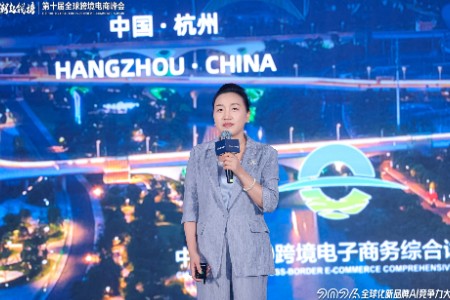
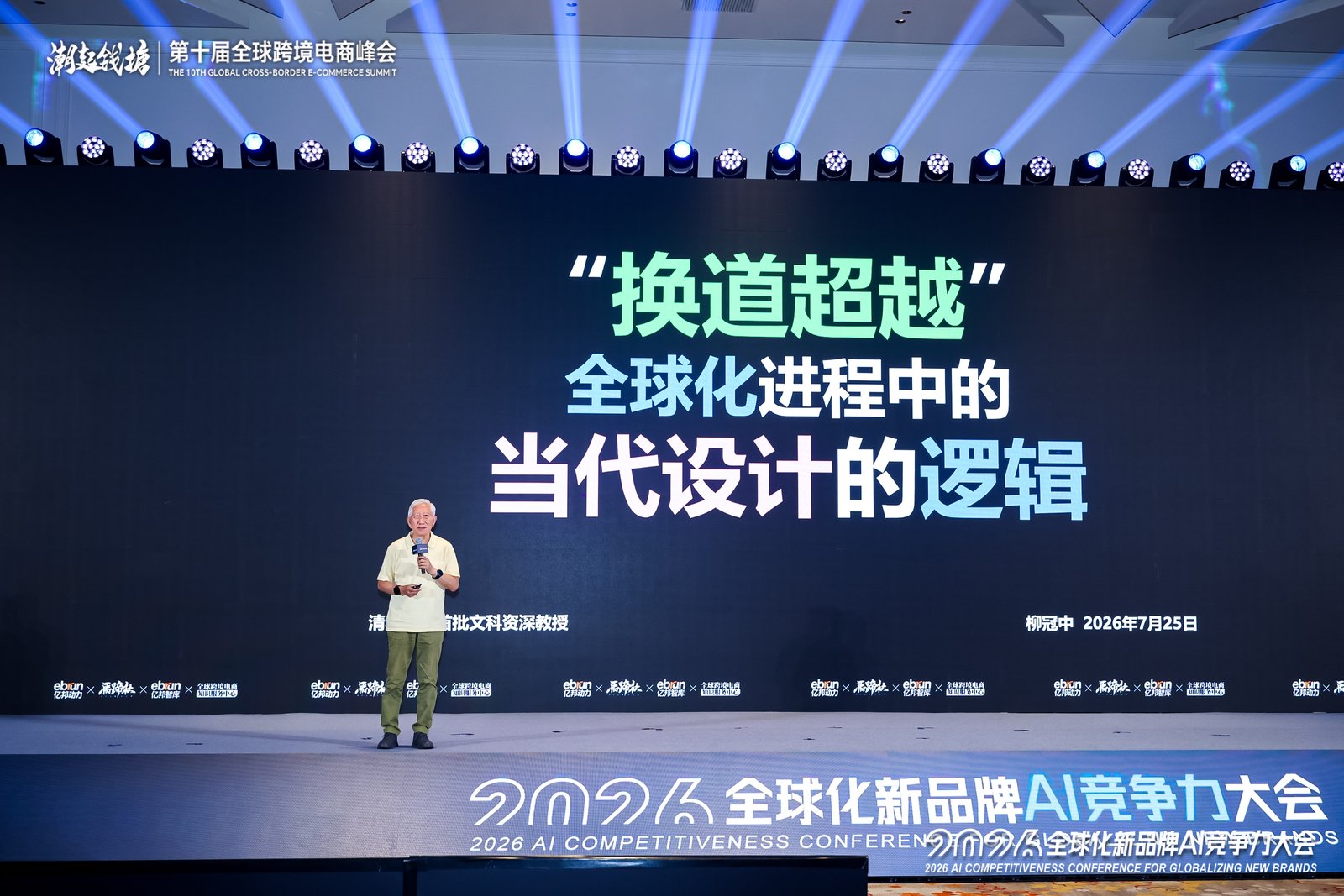
【亿邦原创】7月 23日,在杭州举办的“2026全球化新品牌AI竞争力大会”上,中国工业设计之父、清华大学美术学院教授柳冠中发表了题为《“换道超越”全球化进程中的中国当代设计的逻辑》的演讲。

柳冠中认为,在全球化进程中,要“换道超越”。原来的“弯道超车”弯道意味着方向和赛道仍是别人设定的,“换道”则意味着中国需要形成自己的思考,要首先要想到事情的本质和目标,然后再采取相应的措施。中国未来要建设的应该是一个分享型社会,应当是提倡使用,而不是鼓励占有。要从使用角度开发产品,从使用角度思考生活,才会产生新的概念。

他表示,数字化是一种技术语言,但未来社会不能只有数字化,面对纷繁的信息和专业分工,人必须有自己的主见。AI能计算,人是要“算计”的。我们要让工具和技术承载中国所讲的“道”,而不是只在“术”上做文章。在算力背后,不仅知道技术能够做什么,还要追问技术为什么而做、应该向哪里去。AI时代真正不可替代的经济溢价,不是算力,而是判断力、想象力和审美力。

在柳冠中看来,中国要从“造”走向“制”,如果所依赖的“制”仍然来自别人,我们就还没有真正实现换道。我们必须建立新的赛道、新的“制”和新的标准,新产品、新物种、新产业,是电商和中国品牌必须向世界展示的内容。中国的责任,不光是中国的未来会更好,也要让世界的未来变得更好。


本文根据嘉宾现场演讲整理,在不影响原意的基础上有所删改。

以下为演讲实录:

01 从“占有”回到“使用”,换道超越要先重新定义目标

非常高兴能在电商会上谈谈自己一些见解,希望大家能够包涵,因为我是门外汉,我只从设计角度来谈谈自己的看法。

我今天讲的题目是“换道超越”。

我们平常讲的都是“弯道超车”,但弯道说明方向是人家的,赛道也是人家的。“换道”意味着我们要有自己的思考。

在全球化进程中,我们既要进入世界,也要从世界看中国。只有这样,才能思考中国当代设计如何助力电商和品牌全球化。这个逻辑其实很简单:首先要想到事情的本质和目标,然后再采取相应的措施。

人类在不断改造自然的过程中,也改造了自己。现在我们面临一个新时代,需要重新回答:人到底是什么?人只是一个生物的人,还是一个社会的人?

这些问题必须从系统角度去看。“一花一世界,一叶一菩提”,这不是简单的宗教表达,也是大自然的规律。

中国古代有一个寓言叫“盲人摸象”。大家想想这个预言的道理,我们往往从自己的专业和职业角度看世界,都是片面的,门缝里看人,把人看扁了。职业分类、学科分类只是阶段性的划分。今天,我们应该从全流程、全局的角度看世界,建立系统思维。

我们通常关心视力,却容易忽视视野。视力是看得见的部分,视野还包括那些暂时看不见的部分。而我们都关心看得见的部分,都在讲体验,但真正的人不能只由可以测量的数据来定义。智商可以测量,智慧能测量吗?智慧能够完全数字化吗?

数字化是一种技术语言,但未来社会不能只有数字化。

数据通过交流成为信息,信息沉淀为知识,知识积累以后才可能形成智慧。信息相对客观,知识和智慧则包含人的主观判断,包含我们究竟要做什么。

知识多了,也不能被知识牵着鼻子走。面对纷繁的信息和专业分工,人必须有自己的主见。

今天中国提出中国方案,提出中华民族伟大复兴和人类命运共同体。中国方案并不是说中国强起来、富起来以后,就要取代谁、成为新的“世界警察”。我们需要反问:我们的目标究竟是什么?

中国与世界其他国家有所不同,这是地缘政治、地缘经济以及历史传统造成的。面对洪水,我们的祖先没有躲进诺亚方舟;我们铸造青铜器,更多是为了国家和社会的管理,而不只是为了显示个人财富。

我们要思考的是人和社会的哲学。因此,中国今天需要考虑的不只是自己口袋里的钱,而是人类如何共同生存。我们还要在这个世界上生活很长时间,必须思考自己的责任是什么。

十年前,我参加深圳一年一度的世界设计论坛。一位丹麦学者看完深圳的设计后,要求用一分钟发言。他上台只讲了一件事:丹麦人口不多,生活水平很高,但如果全世界的人都像丹麦人一样生活,需要将近五个地球。

他说完就下台了。可是这句话留给我们的问题是:我们在想什么?

中国人富起来以后,能不能照搬欧美过去几百年的发展方式?欧美的发展曾经伴随着战争、殖民和对全球资源的占有,中国靠什么?中国的未来是什么?中国一定要考虑一个健康、公平、合理的世界,所以我们不是要占有。

如果每个人都追求越来越大的房子、越来越多的汽车,人人都想成为“财主”,地球能够承受吗?

所以,中国未来要建设的应该是一个分享型社会。设计的宗旨,应当是提倡使用,而不是鼓励占有。

中国未来的理想,要从中国传统哲学中寻找。我们学习传统文化,不是为了简单模仿故宫,也不是回到唐代、宋代,而是学习“师法造化”。

自然界不可能只有老虎,还有狮子、鳄鱼和千奇百怪的生命。美美与共,世界才能不断进步。我们的祖先也不是被动继承传统,而是在不断创造传统。

一切发展的目的,归结起来就是“使用”。我们要从使用角度开发产品,从使用角度思考生活,才会产生新的概念。

中国人讲衣、食、住、行、用和交流。100年前、1000年前的衣食住行,与十年以后、50年以后的衣食住行会有什么不同?

这种变化不是房子越来越大,不是马匹越来越膘肥体壮,也不是轿子越来越豪华、龙椅雕刻得越来越复杂,而是人类用新的方式解决使用问题。

我们今天看到的一切,都是因为人的使用需求不断演进而形成的。沿着这个逻辑继续向前,就会知道设计究竟要解决什么问题。

所以,我不提倡简单讲“弯道”。弯道意味着跟古人学、跟外国人学;换道则是从今天的问题出发,建立新的方向。

昨天对今天来说是传统,今天对明天来说也会成为传统。推陈出新是规律,创新必然如此。

我们研究历史,不是为了追逐历史留下的影子,而是希望通过影子找到太阳。不能简单讲“宋式美学”,因为我们不可能回到宋代,也不可能人人都成为赵匡胤、赵佶。简单复制传统,可能把我们引向另一条没有出路的道路。

02 AI能计算,人要“算计”:真正稀缺的是判断力、想象力和审美力

AI能计算,人是要“算计”的。

当机器越来越多地取代人的具体工作以后,我们到底要成为什么样的人?中国要发生什么变化?未来又将是什么样子?“以人为本”不能只是一句空话。

人的能力可以通过AI得到扩展,但方向必须由人来决定。

《易经》讲:“观乎天文,以察时变。”所谓“观乎天文”,是观察自然与世界的变化;“以察时变”,则是把这种变化转化为对时代方向的判断。

天文或许可以计算,但“时变”不能只靠计算。“时变”在人,在于我们如何理解变化、选择方向。这也是中国需要向世界提出的方案。

我们不能只是跟着技术走。今天,我们已经有能力做一件前人没有做到的事情:让工具和技术承载中国所讲的“道”,而不是只在“术”上做文章;让AI的算力服务于人的审美和价值方向。

我们不能只是问,火箭能不能把人类带到火星,还要问:为什么要去火星?

马斯克提出要把人带到火星。可是,如果地球上的问题还没有解决好,我们到了火星,也可能把地球上的所有问题带过去。

所以,在算力背后,要有一个会“问天”的“屈原”,这是我们中国的责任。这个人不仅知道技术能够做什么,还要追问技术为什么而做、应该向哪里去。

AI时代真正不可替代的经济溢价,不是算力,而是判断力、想象力和审美力,也就是我们常说的品位。

在“为何而算”的方向上,人之所以具有优势,不在于答题,而在于出题。我们要用问题引导AI,而不是被AI牵着鼻子走。否则,人可能反过来成为机器人的宠物。

真正成熟的文明,也不能只是追求更高、更快、更强。只讲这些,仍然容易回到弱肉强食的动物法则。

奥林匹克过去讲“更快、更高、更强”,后来又加入了“更团结”。“更快、更高、更强”是手段,“更团结”才体现了目的。

中国方案的目的,也应当是守护人的尊严,守护人与人之间的关系。人不只是生物的人,也是社会的人。我们不能只讲自己、只讲个人爱好,还必须考虑社会责任。

03 从“造”走向“制”,关注本质,世界的未来会更好

中国工业设计的发展,大体经历了三个阶段。

第一个阶段是改革开放初期。中国开始有了现代意义上的设计和设计师。过去叫“美工”,后来有了“设计师”这一职业。

但当时设计师主要是在引进的基础上改头换面。因此,直到今天,很多人仍然认为设计就是“酷”、就是“爆品”、就是“颜值”。这个阶段实际上已经开始过去,但它留下的观念仍然根深蒂固。

第二个阶段是在上个世纪末。设计师开始进入企业,设计从个人的“舞刀弄枪”,转向系统性的协同。

如果把企业竞争比作一场战役,就需要有阵地、侦察兵、狙击手和预备队。设计也不再只是个人行为,而成为一个社会系统中的责任。

在这个阶段,我们开始提倡原创,提倡ODM,后来又开始建立品牌,希望把中国品牌带向世界。设计开始被放到系统中理解,不再只是简单的改头换面。

但是,我们也必须看到,中国作为世界工厂,在“造”上做了很多文章,“制”却主要来自引进。

中国制造大而不强,一个重要原因在于,“制”是引进的,我们更多承担了“造”的部分。

今天,中国企业开始布局全球产业链,到越南、秘鲁等地建厂,但原有的路径依赖并没有完全改变。工厂走出去了,如果所依赖的“制”仍然来自别人,我们就还没有真正实现换道。

可喜的是,近十年来,在广州、杭州、上海等地,已经出现了一种新的潮流。我们开始接受并实践“新质生产力”这一新概念。

新质生产力意味着人是新质的、对象是新质的、工具也是新质的,它必然会进一步带来体制和规则的创新。

电商领域已经出现了很多新的探索,我们正在创造自己的规则。这提醒我们,必须建立新的赛道、新的“制”和新的标准。

这要求我们从战略大设计的角度看问题,不能只在乎一城一池的得失。设计不是对单一产品进行修饰,而是重新组织生产方式、生活方式以及人与社会的关系。

新产品、新物种、新产业,是电商和中国品牌必须向世界展示的内容。

我们带给世界的,不能只是一个做得更漂亮的杯子,或者一个外观更美的工具,而应当是全新的生产方式和生活方式,让全世界看到中国提出了自己的方案。

中国设计正在从跟跑、并跑走向领跑。进入领跑阶段,最重要的任务之一就是制定规则。

新质生产力将进一步激发设计,推动新品类、新物种、新产业乃至新型社会关系的形成。这既是机会,也是我们面临的挑战。

中国讲“诚于中,形于外”。我们看到的外在形态,是内在本质的体现。今天中国设计要做的,是关注本质,而不只是修饰外表。

设计能够激发人追求单纯、和谐与美好的智慧。但这不等于说,美就是回到唐代当唐明皇,或者坐上一把雕龙画凤的龙椅。

美美与共的意义,是在人类继续进化的过程中陶冶内在潜能,帮助我们发现什么是真正的生活、什么是真正的美好生活。

美好生活不可能是人人都去当皇帝、当财主或者当官。

水面平静以后,能够倒映峰顶,这是自然之美;心灵平静以后,能够激发人的思考,这是人生之美;在噪音纷杂、环境喧嚣的时候,仍然能够辨别天籁之音,这是设计之美。

过去我经常说:“中国的未来会更好。”但今天,在全球化的背景下,更应该说:“世界的未来会更好。”

不光是中国的未来会更好。让世界的未来变得更好,也是中国的责任。这就是我们要讲的“道”。

文章来源:亿邦动力

广告
微信
朋友圈

FAQ回顾

全球化进程中换道超越是什么意思?

换道超越是相对“弯道超车”提出的理念,弯道的方向和赛道均由他人设定,换道意味着需形成自主思考,先明确事物的本质与发展目标,再采取对应措施,建立自主的新赛道、新标准与新规则。

AI时代不可替代的核心能力有哪些?

AI时代真正不可替代的经济溢价并非算力,而是人的判断力、想象力和审美力。人需要主导技术发展方向,让技术承载发展的“道”,而非仅在“术”的层面发力,要用问题引导AI而非被AI主导。

中国制造业从“造”走向“制”指的是什么?

当前中国制造业更多承担“造”的生产环节,核心规则、标准等“制”的部分多依赖引进,从“造”走向“制”指要建立自主新赛道、新规则、新标准,发展新质生产力,推出新产品、新物种、新产业。

中国工业设计发展经历了哪几个阶段?

中国工业设计发展共经历三个阶段:第一阶段是改革开放初期,设计以引进改款为主;第二阶段是上世纪末,设计转向系统协同,提倡原创、打造品牌;近十年来进入第三阶段,探索新质生产力,构建自主规则标准。

这么好看,分享一下?

朋友圈 分享

APP内打开

+1
+1
微信好友 朋友圈 新浪微博 QQ空间
关闭
收藏成功
发送
/140 0