广告
加载中

便利店业绩增长从“多开门店”转为“深耕单客”

RBF内容组 2026-07-23 13:49
RBF内容组 2026/07/23 13:49

邦小白快读

EN
全文速览

本文核心分享了当前中国便利店行业的发展现状和转型方向,干货内容如下

1. 行业整体现状:2026上半年超71.7%的便利店企业来客数下降,50%销售额下滑,60%利润收缩,门店扩张速度从2024年净增9570家断崖降至2026上半年净增1391家,单纯扩张门店已经无法维持业绩增长,但仍有18.3%的企业实现销售利润双增长,区域品牌湖南新佳宜、广东天福凭借本地化创新保持增长。

2. 影响消费者选择便利店的核心因素:研究显示店铺外观和清洁度的影响权重超过价格,一次不洁体验就会让消费者再也不来;收银员主动关联推荐能让客购比明显提升,价格认知一旦形成“偏贵”的刻板印象就很难扭转。

3. 未来便利店会逐步转型为生活服务节点,除了卖货还会提供缴费、取货等多种服务,成为消费者日常离不开的生活配套。

当前便利店行业已经进入新经营周期,增长逻辑从拓店扩张转为深耕单客,对品牌商的干货总结如下

1. 消费趋势变化:消费者已经被多渠道分流,零食集合店抢走冲动消费客群,折扣店吸引价格敏感用户,即时零售承接了居家需求,电商带走计划性囤货,原有客流基础被打散,品牌必须重新构建差异化定位。

2. 产品研发方向:要聚焦鲜食品类本地化创新,打造独家原创商品、IP联名限定款,这类商品能有效刺激消费者到店,还能获得更高毛利,比如日本7-Eleven原创鲜食占销售额35%以上,毛利率比普通商品高15个百分点,韩国CU联名饭团首周贡献类目18%的销售额。

3. 品牌运营方向:要重视基础QSC管理,清洁服务的权重高于价格;同时要做好会员经营,整合线上线下功能,拓展生活服务场景,持续提升用户复购粘性。

当前便利店行业增长逻辑转变,给开便利店的卖家整理核心干货如下

1. 风险与机会提示:当前行业整体风险较高,超七成商家来客数下滑,利润被房租人力成本不断挤压,单纯拓店已经无法实现增长,外部即时零售、零食折扣店合围抢走客流;但机会仍在,深耕二线和下沉市场、做好单客深耕的品牌仍能实现正向增长。

2. 经营问题诊断方法:用核心公式拆解数据找病根,单店日均销售额=日均来客数×客购比×平均商品单价,来客数下滑要排查周边竞争,重新构建差异化到店理由;客购比下滑要调整商品陈列、优化关联推荐;单价下滑要警惕过度促销伤害利润,同时还要关注毛利额和报废率,保障经营健康。

3. 落地增长措施:通过原创限定商品创造到店理由,做线上会员体系,推出预购到店自提引流,拓展生活服务增加用户触点,提升复购粘性。

便利店行业转型给工厂带来了新的需求和商业机会,干货总结如下

1. 产品生产和设计需求变化:当前便利店不再只追求通用款商品,反而需要更多本地化鲜食、独家原创商品、IP联名季节限定商品,需要高频迭代来刺激消费者到店,这要求工厂具备小批量多批次的柔性生产能力,能够配合品牌快速跟进市场热点,完成商品迭代。

2. 新商业机会:便利店行业增长重心从拓店转向商品运营,越来越多的品牌开始打造自有品牌和原创商品,尤其是鲜食、特色零食等品类的开发需求大幅增长,给代工厂带来了稳定的定向开发订单机会,区域品牌的本地化创新需求也会催生更多区域合作机会。

3. 转型启示:便利店行业开始推进线上线下融合,拓展预购商品、大包装商品等门店无法陈列的品类,要求工厂能够适配多SKU小批量的供货需求,提前布局柔性供应链就能抓住这一轮转型的订单红利。

便利店行业进入新的发展阶段,给服务商整理核心干货如下

1. 行业发展趋势:便利店行业已经结束了规模扩张的风口期,整体进入深耕单客、经营用户的新周期,行业分化明显,多数企业面临客流下滑、利润收缩的压力,二线城市和下沉市场仍有稳健发展空间,行业对运营升级的需求大幅提升。

2. 客户核心痛点:多数便利店经营者找不到客流下滑的真正原因,习惯靠促销降价解决问题,反而陷入利润越来越低的恶性循环,缺乏数据拆解能力、会员运营能力和线上线下融合运营能力,基础运营管理水平参差不齐。

3. 业务机会和解决方案:可以开发针对便利店的经营数据分析工具,帮助商家拆解经营指标找到病灶;可以推出QSC运营管理、商品陈列设计等培训咨询服务;还可以提供会员体系搭建、线上系统开发等技术服务,帮助商家完成运营升级,抓住转型机会。

便利店行业转型给平台商带来了新的需求和发展方向,干货总结如下

1. 便利店商家对平台的核心需求:当前商家需要突破门店物理空间限制,拓展更多品类,还需要线上引流提升到店客流,同时需要数据服务帮助优化自身经营,解决客流下滑利润收缩的问题。

2. 平台可落地的最新做法:可以推出“线上预购+线下自提”的合作模式,帮助便利店拓展全品类商品,同时把线上流量引导到门店,据现有案例,到店自提的用户超四成会产生额外消费,实现双赢。还可以针对区域优质便利店品牌推出针对性招商扶持政策,帮助其对接线上流量。

3. 风险规避:平台不要一味引导价格竞争,避免打乱线下门店的价格认知体系,要赋能商家打造差异化商品和服务,帮助商家提升用户粘性,和商家共同长期发展,避免恶性竞争伤害整个行业生态。

本文揭示了中国便利店产业的最新发展动向,适合研究零售产业的研究者参考,干货总结如下

1. 产业新动向:中国便利店产业正式进入新经营周期,已经结束了依靠开店速度、规模扩张驱动增长的风口阶段,当前行业分化明显,超七成企业出现来客数下滑,但仍有18.3%的企业实现销售利润双增长,深耕区域市场、做好本地化创新的品牌表现突出,二线城市和下沉市场仍有稳健展店空间。

2. 产业新问题:当前便利店面临多渠道合围的竞争压力,零食集合店、折扣店、即时零售、电商分别分流了不同需求的客群,多数经营者仍停留在靠降价促销抢客的旧思路,缺乏数据化拆解经营问题的能力,过度促销导致利润持续下滑。

3. 新商业模式方向:未来便利店的商业模式从“经营门店”转向“经营顾客”,通过原创商品、限定款创造到店理由,通过会员运营、线上线下融合、多元生活服务提升复购粘性,最终转型为社区生活基础设施,这一新的商业模式演化方向值得深入研究。

返回默认
声明:快读内容全程由AI生成,请注意甄别信息。如您发现问题,请发送邮件至 run@ebrun.com 。

我是 品牌商 卖家 工厂 服务商 平台商 研究者 帮我再读一遍。

Quick Summary

This article shares an overview of China’s current convenience store industry and its transformation direction, with key takeaways below:

1. Current industry status: In the first half of 2026, over 71.7% of convenience store operators saw foot traffic decline, 50% reported falling sales, and 60% experienced contracting profits. Store expansion has plummeted, dropping from a net addition of 9,570 stores in 2024 to just 1,391 net new stores in H1 2026. Simply expanding locations can no longer sustain growth, but 18.3% of players have achieved simultaneous growth in both sales and profit. Two regional brands, Hunan-based Xinjiayi and Guangdong-based Tianfu, have maintained growth through localization innovation.

2. Core factors shaping consumer choices: Research finds that store appearance and cleanliness carry more weight than pricing. A single bad experience with unsanitary conditions can drive customers away permanently. Proactive recommendation from cashiers significantly boosts the average number of items per transaction, and once consumers form a "overpriced" perception of a store, it is very difficult to reverse.

3. Future transformation: Convenience stores will gradually evolve into community life service nodes. Beyond selling goods, they will offer diverse services such as bill payment and parcel pickup, becoming an indispensable daily amenity for consumers.

The convenience store industry has entered a new growth cycle, shifting its growth driver from location expansion to deepening customer engagement. Key takeaways for brand owners below:

1. Shifting consumer trends: Consumers have been fragmented across multiple channels: snack aggregation stores have captured impulse-buying customers, discount stores attract price-sensitive shoppers, on-demand retail serves in-home demand, and e-commerce takes away planned stock-up purchases. Original customer bases have been broken up, forcing brands to rebuild differentiated positioning.

2. Product R&D direction: Brands should focus on localized innovation in fresh food, and develop exclusive original products and IP-collaboration limited editions. These products effectively drive in-store traffic and deliver higher gross margins. For example, original fresh food items account for over 35% of sales at Japan’s 7-Eleven, with gross margins 15 percentage points higher than standard products. A collaboration onigiri from South Korea’s CU contributed 18% of category sales in its first week.

3. Brand operation priorities: Brands must prioritize basic QSC (Quality, Service, Cleanliness) management, as cleanliness and service matter more than pricing. They should also invest in membership management, integrate online and offline functions, expand life service scenarios, and continuously improve user retention and loyalty.

The convenience store industry’s growth logic has changed. Key takeaways for independent convenience store operators below:

1. Risk and opportunity outlook: The overall industry faces high risk today, with over 70% of operators seeing foot traffic decline and profits squeezed by rising rent and labor costs. Simply opening more stores can no longer drive growth, as external competition from on-demand retail and snack discount stores has eroded customer bases. However, opportunities remain: operators that focus on second-tier and lower-tier markets and deepen per-customer value can still achieve positive growth.

2. Diagnosing operational issues: Use a core formula to break down data and identify root problems: Average daily sales per store = Daily foot traffic × Average items per transaction × Average unit price. If foot traffic falls, audit surrounding competition and rebuild a differentiated reason for customers to visit. If items per transaction fall, adjust product display and optimize cross-selling recommendations. If average unit price falls, be wary of excessive promotions eroding profits. You should also track gross profit margin and product waste rate to maintain operational health.

3. Actionable growth strategies: Create reasons for visits through original and limited-edition products; build an online membership system; drive traffic through pre-order and in-store pickup programs; and expand life services to increase user touchpoints and boost repeat visits and loyalty.

The transformation of the convenience store industry has created new demand and business opportunities for manufacturers. Key takeaways below:

1. Shifts in product design and production demand: Convenience stores no longer only seek one-size-fits-all general products. Instead, they demand more localized fresh food, exclusive original goods, and IP-collaboration seasonal limited items that require frequent iteration to drive consumer visits. This requires factories to have flexible production capacity for small-batch, multi-batch runs, to collaborate with brands on rapid responses to market trends and product updates.

2. New business opportunities: As the industry’s growth focus shifts from expansion to product operations, more brands are developing private labels and original products, with demand surging particularly for fresh food and specialty snacks. This brings stable, targeted development orders for contract manufacturers, and localization innovation needs from regional brands will also create more regional cooperation opportunities.

3. Transformation insights: As convenience stores pursue online-offline integration and add categories such as pre-order goods and large-pack items that cannot be displayed in-store, factories need to accommodate demand for multiple SKUs in small batch quantities. Building flexible supply chains early will allow manufacturers to capture the order dividends from this industry transformation.

The convenience store industry has entered a new development phase. Key takeaways for service providers below:

1. Industry trends: The sector has exited the high-growth era of scale expansion and entered a new cycle focused on deepening customer relationships and user operations. Industry divergence is pronounced: most players face pressure from falling foot traffic and contracting profits, but second-tier cities and lower-tier markets still offer room for steady growth, and industry demand for operational upgrades has increased sharply.

2. Core client pain points: Most convenience store operators cannot identify the real causes of their falling foot traffic. They habitually rely on price cuts and promotions to solve problems, which only traps them in a vicious cycle of shrinking profits. They lack capabilities in data analysis, membership operations and integrated online-offline operations, and basic management standards vary widely across the industry.

3. Business opportunities and solutions: Service providers can develop operational data analysis tools tailored for convenience stores to help operators break down performance metrics and identify problems; offer training and consulting services for QSC management, product display and design; and provide technical services for membership system building and online system development, to help merchants complete operational upgrades and capture transformation opportunities.

The transformation of the convenience store industry has brought new demand and development directions for platform operators. Key takeaways below:

1. Core demand from convenience store merchants: Today, merchants need to break through the physical space limits of their stores to expand product categories, drive online traffic to in-store visits, and access data services to optimize operations and address falling foot traffic and shrinking profits.

2. Actionable strategies for platforms: Platforms can launch an "online pre-order + in-store pickup" cooperation model to help convenience stores expand their full product assortment while directing online traffic to physical stores. Existing data shows that over 40% of customers who come to pick up pre-orders make additional purchases, creating a win-win outcome. Platforms can also roll out targeted investment and support policies for high-quality regional convenience store brands to help them access online traffic.

3. Risk mitigation: Platforms should avoid blindly encouraging price competition, which would disrupt the price perception system of offline stores. Instead, they should empower merchants to build differentiated products and services, help merchants improve user loyalty, and pursue long-term collaborative growth with merchants, to avoid harming the overall industry ecosystem through cutthroat competition.

This article outlines the latest developments in China’s convenience store industry, and is a useful reference for retail industry researchers. Key takeaways below:

1. New industry trends: China’s convenience store industry has officially entered a new operating cycle, ending the high-growth era driven by rapid store opening and scale expansion. Today, the industry is sharply diverged: over 70% of operators have seen falling foot traffic, but 18.3% have achieved simultaneous growth in sales and profit. Brands that focus on deep regional penetration and localization innovation have outperformed, and second-tier cities and lower-tier markets still offer room for steady store expansion.

2. New industry challenges: Convenience stores now face competitive pressure from all channels: snack aggregation stores, discount stores, on-demand retail and e-commerce have split off customer segments with different needs. Most operators still rely on the outdated strategy of competing for customers through price cuts and promotions, and lack the capability to use data to diagnose operational problems, leading to continued profit erosion from excessive discounting.

3. New business model direction: In the future, the convenience store business model will shift from "operating stores" to "operating customers". Brands will drive visits through original and limited-edition products, boost repeat purchase loyalty through membership operations, online-offline integration and diverse life services, and eventually transform into core community infrastructure. This evolutionary direction of the new business model warrants further in-depth research.

Disclaimer: The "Quick Summary" content is entirely generated by AI. Please exercise discretion when interpreting the information. For issues or corrections, please email run@ebrun.com .

I am a Brand Seller Factory Service Provider Marketplace Seller Researcher Read it again.

当顾客不再进店,便利店真正该改变的是什么?

作者:王宪裕

@零售商业财经 原创出品

7月21日,中国连锁经营协会发布了《2026上半年便利店企业发展情况简报》。

面对这份新鲜出炉的数据,市场观察者的目光各有落点。有人盯着销售额的涨跌,有人盘算利润的厚薄。我却在“71.7%的企业来客数下降”这个数字上,停留了许久。

这个数字像一柄手术刀,剖开了零售业最隐秘的痛处。它提醒所有从业者:便利店的城池正在从内部被攻破,不是消费者不花钱了,而是他们不进门了。

前些日子走访武汉、长沙的便利店,这种感受愈发清晰。

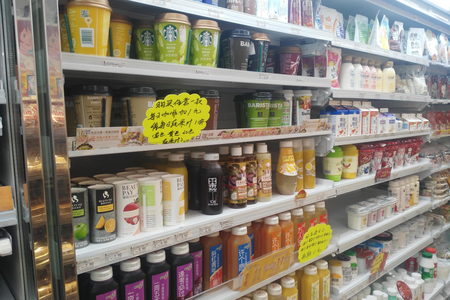
消费者没有消失,他们只是拥有了过于丰饶的选择。那些原本属于便利店的脚步,正被无数看不见的支流引走。零食店截获了冲动,好特卖、零食很忙以“水饮低于便利店1到2元,散称零食按斤卖”的价格体系,重新定义了随手购场景。折扣店收纳了精明,奥乐齐、盒马奥莱用自有品牌和极简SKU将性价比推至极致。外卖平台接管了一日三餐,美团闪购、饿了么的即时零售网络,已将30分钟送达的品类从餐饮延伸至便利店倚仗的低温奶、鲜食和日用杂货。电商大促则填满了储物柜,计划性囤货彻底告别门店。

带着这个视角再去看简报,数据的指向清晰可辨。

2026年上半年,50%的样本企业销售额同比下探,60%的企业净利润收缩,超过七成企业目睹来客数滑落。与此同时,便利店扩张的步伐骤然放缓,样本企业净增门店从2024年的9570家断崖式降至今年上半年的1391家。

行业平均单店日营收较2023年也出现明显回落,房租和人力成本持续攀升进一步挤压利润空间。门店数量的简单累加,已经堆不出曾经的业绩高峰。

值得留意的是,报告中仍有18.3%的企业同时实现销售与利润双增长,深耕二线城市与下沉市场的一些品牌也保持着稳健的展店节奏。湖南新佳宜、广东天福凭借对区域消费习惯的深度理解和鲜食品类的本地化创新,在寒潮中守住正向增长。这透露出一个信号:便利店的机会并未耗尽,只是增长的方式,已从“多开门店”换成“深耕单客”。

先照镜子

再看对手

商场本就是战场,竞争从未挑好日子登门。

便利店诞生之初,便与夫妻老婆店、烟酒店、早餐铺争夺同一批顾客。近几年,线上外卖、零食集合店、折扣店、电商平台次第崛起,消费者的选项清单越拉越长。尼尔森IQ数据显示,2025年即时零售渠道快消品销售额增速超过25%,折扣零售门店数年增长率超过30%,两者合围,恰好咬在便利店“便利”与“快速”的两大命门上。竞争始终在场,从来不是新问题。经营者真正需要追问的是:顾客为何绕过你的门口?

多数经营者向来客数下降的第一反应,几乎是条件反射:做促销,调价格,用让利把顾客拽回来。但在思考如何抢客之前,有个更前置的命题:顾客因何离去。拆解原因,不妨先向门店内部求解,再将目光投向外部。

顾客走向一家便利店,最先接收外观环境的信号,随后是进店后人员服务的温度、店内空间的舒适感,最后才是商品与营销活动的触达。这便是零售业常说的QSC(Quality、Service、Cleanliness)。研究机构IGD对全球便利店的消费行为追踪显示:影响进店决策的因素中,店铺外观和清洁度的权重超过价格因素。

清洁度居于首位。门店是否窗明几净?设备是否运转如常?这些看似平淡的细节,默默构筑着消费者对一家店的信任基底。顾客很少因为一家店格外干净而特意称赞,却可能因为一次不洁体验,从此将其从心智地图上抹去。

紧接着是服务。迎宾语是购物旅程的第一个触点,也是服务的地基。面销是另一个关键触点,影响顾客是否愿意多带一件,是否对品牌留下印记。罗森中国曾进行对照测试:同等商圈中,收银员主动进行关联推荐的门店,客购比高出未执行门店。微笑则是加分项,润物无声地决定着顾客下一次是否还愿推开这扇门。

再往下走,便是商品。陈列是否丰盈有序?品类结构与动线设计是否贴合这个商圈、这方立地的真实需求?有没有让人眼前一亮的鲜食?有没有独属这家店、别处买不到的商品?当货架上罗森和7-Eleven的饮料柜几乎可以互替,消费者自然没有特地走进来的理由。

最现实的命题,落在价格上。价格既是主观感受,也有客观参照。并非所有商品都须做到最低价,而是要在消费者心中建立“价格合理”的感觉,性价比的感知锚点。零食量贩店正是精准击中这个锚点:550ml农夫山泉在便利店标价2元,量贩店售价1.2元。消费者不需每次都对比,一次认知落差便足以动摇到店习惯。一旦“这家店偏贵”的刻板印象扎根,再多促销也难以连根拔起。

把视线移向外部,环境早已沧海桑田。过去便利店最大的王牌是“离得近、方便买”。今天这张王牌的含金量已被重新定义。即时零售让商品登门入户,美团数据显示,2025年便利店品类外卖订单中夜间时段占比持续提高,消费者连下楼都省略了。零食店满足小量多样需求,折扣店回应价格敏感,电商平台承担计划性采购。消费者没有停止消费,只是在不同渠道间重新分配钱包份额。

便利店今日面对的拷问,归根结底只有一句:当消费者拥有足够多的替代方案,你还能不能给他一个非进店不可的理由?

拆解数字

找到病根

前文勾勒了市场环境的大致轮廓,但对经营者而言,仅有观察远远不够。真正能指路的,是回到数据中去。环境分析难免沾染主观判断,数字从不撒谎,它会毫不留情地指出病灶所在。日本7-Eleven创始人铃木敏文在《零售的哲学》中反复强调:不要凭感觉经营,要站在顾客立场,用数据逐一验证。

零售人每天最挂心的数字是营业额,但营业额只是最终呈现的结果,真正需要管理的,是通向结果的每个过程环节。

分析门店经营实况时,眼光不能只停留在“今天卖了多少钱”,要把销售数据一层层剥开来看。最基础的公式,简单到令人忽略其深意:单店日均销售额=日均来客数 × 客购比 × 平均商品单价。这个公式朴素如真理,却几乎能拆解出一家门店绝大部分经营症结。

日均来客数若持续下行,意味着需要重新审视立地条件、人流动线、竞争格局,以及门店还剩多少吸引顾客到店的筹码。某区域便利店品牌曾对旗下100家“来客数下降但周边人流未变”的门店进行复盘,发现超60%的门店200米范围内新增至少一家折扣店或零食店。这不是门店做错了什么,而是护城河被外部填平。此时能做的,不是抱怨竞争,而是重新构建差异化到店理由。

来客数稳住了,但客购比往下掉,说明顾客还愿进门,只是买得比从前少了。这时就要检查商品组合是否失去吸引力、关联陈列是否形同虚设、缺货率是否在悄悄侵蚀成交机会。罗森分析早餐时段数据时发现,购买包子的顾客有相当比例会顺带买豆浆,但两者分处不同货架导致连带率低迷。调整为相邻陈列后,组合购买率大幅提升。促销活动到底带动了加购,还是仅仅拉低了客单价,同样需要数据作答。

前两个指标没有明显波澜,平均商品单价却在逐月下探,意味着消费结构正在位移,或门店过度依赖低价促销维持表面繁荣。CCFA简报中提到的净利润下滑企业,超半数存在“客单价逐年走低、促销占比持续攀升”的共性问题。降价吸引来的流量,往往会因更低的价格而流走。

同样是营业额下滑,每家店背后的病因可能截然不同。数据分析的目的,从来不是为既定结果寻找佐证,而是刺穿表象,触达真问题。

除了销售端,还有两个指标值得投以同等凝视:毛利额与报废率。如果一家店营业额的成长建立在大规模促销、高报废率或牺牲毛利的基础上,便称不上健康,直接侵蚀本已微薄的利润。真正值得追求的,不是销售额数字的孤单膨胀,而是每笔交易都能贡献合理利润。

在竞争白热化的今天,经营者应养成一个习惯:不只盯着结果,更要学会拆解结果。数字不单是绩效标尺,更是一家门店最诚实的经营自白书。

不止于来

更在于再来

合上这份简报,一个提问浮出水面:如果顾客越来越少走进便利店,我们还能做些什么?

答案不在更激进的促销里,也不在更快的开店竞赛中,而在于重新思索两个根本问题:顾客为什么要来?来了以后,为什么还愿意一而再、再而三地来?

这些年,我陆续观察日本、韩国与台湾便利店的新品动向与经营策略,发现它们虽置身不同市场环境,却共享一个底层逻辑:持续不断地创造顾客进店的理由。

日本7-Eleven从现制Smoothie、越南法棍三明治,到与知名甜品品牌联名的限定泡芙,每一项新品背后,都不是简单地在SKU列表上增添一行,而是让消费者心中燃起“这次一定要去看看”的念头。Seven&i财报显示,原创鲜食商品占其门店日销售额比重已稳定在35%以上,该品类毛利率高出工业品15个百分点。高毛利、高黏性、高到店驱动,三者形成闭环。

Lawson的甜品系列与“炸鸡君”同样如此。炸鸡君累计销量突破60亿个,仍以每年数款季节限定口味持续刺激消费频次。它们早已跳脱单一商品范畴,成长为不断迭代的品牌系列,让顾客每隔一阵子就心甘情愿回到门店。Lawson执行董事在公开演讲中说过:便利店的货架不是仓库,是杂志,每一期都要有让人想翻阅的封面故事。

韩国CU、GS25近几年大量运用IP联名、限定商品和话题营销,底层逻辑如出一辙。CU与《蜡笔小新》联名的限定包装紫菜饭团,上线首周即贡献了该类目当月销售额的18%。他们经营的不只是货架上的商品,更是消费者对下一次进店新鲜感的期待。

创造来店理由,能把顾客拉进店里;真正拉开差距的,是让顾客愿意持续回返。

同行不必相忌,异业可以为师。有些模式未必能全盘复制,但底层逻辑足以借鉴。台湾便利店在线上线下融合与会员体系方面的演进,便是一例。全家便利商店在台湾拥有超2000万会员,其APP整合线上商城、咖啡寄杯、跨店取货、点数兑换等功能,2025年线上商城销售额已占总营收8%。消费者在APP预购冷冻牛排,下班顺路在楼下门店取货,这一流程挤掉的不是便利店生意,而是传统超市和电商的份额。

线上销售的商品挣脱了门店陈列空间的物理束缚,扩展到整箱饮料、冷冻食品、节庆礼盒、预购商品等更广阔的品类疆域。美宜佳在部分省份试点“到店自提”服务,将线上引流至线下的订单数显著提升,且到店提货的顾客中超四成会顺带产生额外消费。

门店不再只是销售据点,更成为商品交付的节点、会员经营的阵地、生活服务的驿站。日本全家和罗森均已将门店定位为“社会基础设施”,代缴水电、票务发行、简易诊所等功能让门店成为居民生活网络中的固定坐标。一个每月去便利店缴费或取货两次的顾客,其对品牌的终身价值远超偶尔路过买水的过客。

这样的模式,增加的远不止一次交易,而是不断织密顾客与品牌之间的触点,在日积月累中养成消费习惯,提升黏性。

未来便利店竞争的重心,在于谁能持续创造顾客来店的理由,并让顾客愿意一次又一次回来。当顾客持续进店,商品才有机会被看见,服务才有机会被体验,品牌价值才能一滴一滴渗透进消费者的日常。

结语

2026上半年便利店企业发展情况简报透露的信号,是便利店正式跨入了新的经营周期。

风口年代,便利店的增长高度依赖开店速度与规模扩张。但当消费者手中的购物选项日渐丰沛,竞争维度已从门店数量转向谁更理解顾客、谁更能持续产出价值。

这份简报最值得反复端详的,不是71.7%的来客数下降,不是利润端的压力,而是它向所有经营者发出的提醒:便利店不能再只经营门店,而要学会经营顾客。日本便利店产业用了二十年完成从“卖货场所”到“生活平台”的转身,中国便利店站在2026年这个节点,面前铺开的正是同一条河流。

经营顾客,不是让他今天走进来买一次,而是让他愿意明天再来、下周再来,直至把便利店变成生活肌理中难以剥离的消费习惯。

商品、鲜食、自有品牌、会员经营、线上商城、到店取货,这些看似分散的经营策略,最终都指向同一个目标:不断创造顾客到店的理由,持续加固顾客与品牌之间的黏性。

能够穿越周期的,从来不是规模本身,而是顾客持续选择你的那个理由。

注:文/RBF内容组,文章来源:零售商业财经(公众号ID:RetailFinace),本文为作者独立观点,不代表亿邦动力立场。

文章来源:零售商业财经

广告
微信
朋友圈

FAQ回顾

2026年上半年中国便利店行业发展现状是怎样的?

2026年上半年,71.7%的便利店企业来客数下降,50%的样本企业销售额同比下滑,60%的企业净利润收缩,行业净增门店从2024年的9570家降至上半年的1391家,仅18.3%的企业同时实现销售与利润双增长。

便利店来客数下降的主要原因有哪些?

一方面是内部运营问题,包括门店清洁度不达标、服务体验差、商品结构同质化、价格感知偏高等;另一方面是外部渠道分流,即时零售、零食集合店、折扣店、电商平台等为消费者提供了更多替代消费选择。

便利店提升业绩的有效路径有哪些?

便利店可从三方面优化运营:一是做好QSC管理,提升清洁度、服务质量和商品差异化;二是拆解来客数、客购比、客单价等核心数据定位经营问题;三是推出限定商品、完善会员体系、叠加生活服务,提升用户复购黏性。

这么好看,分享一下?

朋友圈 分享

APP内打开

赞 +1
+1
微信好友 朋友圈 新浪微博 QQ空间
关闭
收藏成功
发送
/140 0