广告
加载中

蛙喔牛蛙携手淘宝闪购年内落地30家品牌卫星店:单店订单翻倍 回本周期缩短2/3

龚作仁 2026-07-08 12:51
龚作仁 2026/07/08 12:51

邦小白快读

EN
全文速览

本文核心介绍了蛙喔牛蛙和淘宝闪购合作的品牌卫星店项目的落地成果与实操经验,干货内容如下:

1. 品牌卫星店是适配当下外卖外带需求的新型门店,和传统商场大店相比面积更小、投入成本更低,可选址在临街、社区等租金偏低的点位,和原有堂食门店形成大小店互补,不用新增大量人力场地成本就能扩大品牌覆盖范围;

2. 项目全程依托淘宝闪购的数字化AI工具运营,AI选址订单预测准确率达98%,把选址流程从8步简化到4步,还能结合多维度数据预测备货量减少损耗,整合多功能的统一经营工作台也能大幅提升运营效率;

3. 截至2026年5月已经开出10家门店,单店订单量达到品牌平均单店销量的2.2倍,回本周期比原有店型缩短三分之二,首家门店在淡季仅四五个月就回本,双方计划年内再新增30家门店。

本文分享了蛙喔牛蛙联合淘宝闪购跑通品牌卫星店模式的完整经验,能给餐饮连锁品牌的增长运营提供多维度参考,干货内容如下:

1. 渠道建设与扩张上,可以采用轻资产卫星店模式挖掘外卖增量,依托低租金点位贴近消费者,和原有堂食大店形成大小互补,在不增加大量成本的前提下扩大品牌覆盖半径,解决行业普遍存在的堂食依赖强、外卖渗透率不足的问题;

2. 产品研发与价格布局上,可以依托平台外卖消费数据优化SKU结构,填补空白价格带,比如蛙喔新增中份蛙煲的调整,就精准适配了外卖客群需求,上市后表现亮眼;

3. 品牌信任与运营提效上,可以上线明厨亮灶可视化系统提升食品安全透明度,增强消费者信任,还可对接平台全栈AI工具提效,该模式已经验证可将回本周期从传统15-18个月压缩到6-8个月,目前淘宝闪购已面向符合条件的品牌开放合作。

本文披露了当下连锁餐饮外卖增长的新机会与可落地的成熟模式,给各类餐饮卖家提供了明确的经验参考与机会提示,干货内容如下:

1. 当前餐饮行业普遍存在堂食依赖度高、外卖增量挖掘不足、扩张成本高、回本周期长的痛点,品牌卫星店模式提供了新的增长路径,通过轻资产小门店布局,实现和原有堂食大店的互补,能低成本扩大覆盖范围;

2. 可学习的落地经验:对接平台全栈AI工具实现数据化运营,将传统凭经验选址转为数据驱动选址,准确率可达98%,还可借助工具智能预测备货量降低损耗,一体化经营工作台也能提升一线运营决策效率,同时可依托平台数据优化SKU结构适配外卖需求;

3. 明确的机会提示:淘宝闪购目前面向具备标准化能力、想要挖掘外卖增量的连锁餐饮品牌开放品牌卫星店合作,提供全栈AI能力与专属运营陪跑支持,能帮助品牌大幅压缩回本周期,符合条件的卖家可对接参与。

蛙喔牛蛙与淘宝闪购的品牌卫星店扩张模式,给餐饮上下游工厂带来了新的需求变化与商业机会,也提供了数字化转型的启示,干货内容如下:

1. 产品生产与设计需求变化:随着品牌卫星店的加速落地,牛蛙餐饮的外卖占比会持续提升,市场对标准化的牛蛙半成品、成品的需求会大幅增长,同时小面积卫星店对小型标准化厨用设备、适配小门店的操作工具也会产生新的需求;

2. 商业机会:当前全国牛蛙门店已经超过2万家,整个品类还在扩张,且外卖渗透率仍有较大提升空间,品牌卫星店的普及会带动整个供应链的标准化升级需求,提前布局标准化产品、适配小单快反生产模式的工厂,能获得更多和餐饮品牌合作的机会;

3. 数字化转型启示:当下餐饮端已经普及数据驱动的运营模式,工厂也可以对接前端消费数据,根据不同SKU的需求调整生产计划、优化产品规格,匹配市场需求的同时降低自身生产损耗,提升运营效率。

本文清晰展现了当前连锁餐饮行业的发展新趋势,以及行业现存痛点,给各类餐饮服务商指明了新的发展方向,干货内容如下:

1. 行业发展趋势:当下连锁餐饮已经从依赖单一商圈堂食流量,转向堂食加外卖双驱动、大小店互补的增长逻辑,轻资产低风险扩张成为多数品牌的核心需求,数字化运营的渗透率会持续提升;

2. 客户核心痛点:目前多数餐饮连锁品牌面临扩张成本高、回本周期长、选址靠经验误差大、外卖运营效率低、备货损耗高的痛点,牛蛙等细分品类还存在外卖渗透率不足、急需破局增长的需求;

3. 解决方案与发展方向:全链路数字化运营服务已经被验证能有效解决这些痛点,围绕轻资产扩张需求,开发AI选址工具、智能经营系统、SKU优化咨询服务、食品安全可视化系统等产品,都有较大的市场空间,可为品牌提供从选址到运营的全流程支持。

淘宝闪购品牌卫星店项目的落地经验,给做餐饮服务的同类平台提供了可参考的发展路径与运营经验,干货内容如下:

1. 当前餐饮品牌对平台的核心需求是低风险扩张、挖掘外卖增量、降本提效,平台需要围绕这些核心需求打造针对性的合作模式,才能吸引品牌合作;

2. 已经验证的平台运营做法:打造轻资产扩张的品牌卫星店模式,开放平台全栈AI能力给合作品牌,涵盖AI选址、智能备货、一体化经营诊断等工具,同时配套端到端的专属运营陪跑服务,帮助品牌快速跑通模型;

3. 招商与风险规避方向:先和头部品牌合作打造标杆案例,验证模式可行性后,再面向具备标准化能力、想要做外卖增量的连锁品牌开放招商,通过明确的成果(压缩回本周期)提升合作吸引力,同时要持续完善数字化工具体系,靠数据降低品牌扩张的不确定性,规避模式推广风险。

本文披露了当下连锁餐饮产业的增长新动向,诞生了品牌卫星店这一创新合作商业模式,对产业研究有较高的参考价值,干货内容如下:

1. 产业新动向:国内连锁餐饮行业的增长逻辑已经发生转变,从传统依赖单一商圈堂食流量,正式转向“堂食+外卖”双驱动、大小店互补的新增长逻辑,数字化技术已经深度融入餐饮扩张、运营的全链路,成为品牌增长的核心驱动力;

2. 创新商业模式特征:品牌卫星店是电商平台和餐饮品牌合作的轻资产扩张新模式,由平台输出全栈AI能力、流量扶持与运营支持,品牌负责门店落地,既解决了传统品牌扩张成本高、回本慢的痛点,也挖掘了外卖赛道的增量空间,目前已经在蛙喔、外婆家等多个头部品牌跑通,成果显著;

3. 后续研究方向:该模式在不同餐饮品类的适配性、对整个餐饮供应链数字化升级的带动作用,以及平台如何进一步优化服务降低中小品牌扩张门槛,都值得后续深入研究。

返回默认

声明:快读内容全程由AI生成,请注意甄别信息。如您发现问题,请发送邮件至 run@ebrun.com 。

我是 品牌商 卖家 工厂 服务商 平台商 研究者 帮我再读一遍。

Quick Summary

This article outlines the outcomes and operational insights of Wowo Bullfrog's partnership with Taobao Flash Sale on the brand satellite store initiative, with key takeaways as follows:

1. Brand satellite stores are a new store format designed for today's takeaway and grab-and-go demand. Compared with traditional large in-mall locations, they are smaller in size, require lower upfront investment, and can be positioned in lower-rent areas such as street-front spots and residential communities. Complementing existing full-dine-in stores, this format expands brand footprint without adding significant labor or real estate costs.

2. The entire initiative is operated via Taobao Flash Sale's digital AI tools. AI-powered site selection achieves 98% order prediction accuracy, cutting the original 8-step site selection process down to 4 steps. Multi-dimensional data is also used to forecast inventory needs and reduce food waste, while an integrated all-in-one operating dashboard significantly improves overall operational efficiency.

3. As of May 2026, 10 satellite stores have been opened. Average order volume per satellite store is 2.2 times the brand's overall average per store, and payback period is shortened by two-thirds compared to traditional store formats. The first location achieved payback in just 4 to 5 months even during the off-season. The two parties plan to open 30 additional satellite stores within the year.

This article shares the full experience of scaling the brand satellite store model through the partnership between Wowo Bullfrog and Taobao Flash Sale, offering multi-dimensional insights for growth operations of chain restaurant brands, with key takeaways as follows:

1. For channel development and expansion: Brands can tap into takeaway growth via the asset-light satellite store model. By locating close to consumers in low-rent areas, satellite stores complement existing large dine-in locations, expanding brand reach without significant added costs, and addressing two common industry pain points: over-reliance on dine-in traffic and low takeaway penetration.

2. For product development and pricing strategy: Brands can optimize SKU portfolios using platform takeaway consumption data to fill unmet price gaps. For example, Wowo added a medium-sized bullfrog pot to its menu, which perfectly matched takeaway customer demand and delivered strong performance after launch.

3. For building consumer trust and improving operational efficiency: Brands can launch a visible kitchen transparency system to boost food safety transparency and consumer trust, and integrate the platform's full-stack AI tools to improve efficiency. The model has been proven to cut payback period from the traditional 15-18 months to just 6-8 months. Taobao Flash Sale is now open for partnerships with eligible brands.

This article reveals new growth opportunities for takeaway-focused chain restaurants and a mature, executable new model, offering clear actionable insights and opportunity alerts for all types of food sellers, with key takeaways as follows:

1. The food service industry currently faces widespread pain points: over-reliance on dine-in traffic, untapped takeaway growth potential, high expansion costs and long payback periods. The brand satellite store model offers a new growth path: small asset-light locations complement existing large dine-in stores, enabling low-cost expansion of market coverage.

2. Actionable operational takeaways: Integrate the platform's full-stack AI tools to enable data-driven operations. This converts experience-based site selection into data-driven site selection with 98% accuracy, and AI tools also forecast inventory to reduce waste. The integrated operating dashboard improves frontline operational and decision-making efficiency, while platform data helps optimize SKU portfolios to better match takeaway demand.

3. Clear opportunity alert: Taobao Flash Sale is now accepting brand satellite store partnerships from standardized chain restaurant brands looking to tap into takeaway growth. It provides full-stack AI capabilities and dedicated operational support to help brands significantly shorten payback periods. Eligible sellers can apply to join the initiative.

Wowo Bullfrog and Taobao Flash Sale's brand satellite store expansion model brings new demand shifts and business opportunities to upstream and downstream food service factories, as well as insights for digital transformation, with key takeaways as follows:

1. Shifts in product production and design demand: As brand satellite stores scale rapidly, the takeaway share of bullfrog catering will continue to grow, driving substantial increases in demand for standardized semi-finished and finished bullfrog products. Small-format satellite stores also create new demand for compact standardized kitchen equipment and operation tools designed for small locations.

2. New business opportunities: China currently has more than 20,000 bullfrog restaurants, and the entire category is still expanding, with considerable room for growth in takeaway penetration. The adoption of brand satellite stores will drive demand for supply chain standardization upgrades. Factories that proactively develop standardized products and adapt to small-batch, fast-turnaround production models will secure more partnership opportunities with restaurant brands.

3. Insights for digital transformation: As data-driven operations become standard across the food service sector, factories can also integrate front-end consumption data to adjust production plans and optimize product specifications based on demand for different SKUs. This allows factories to align with market demand, reduce their own production waste and improve operational efficiency.

This article outlines clear new development trends and existing pain points in the chain restaurant industry, pointing to new growth directions for all types of food service service providers, with key takeaways as follows:

1. Industry development trends: Chain restaurants have shifted their growth logic from relying solely on dine-in traffic from commercial districts to a dual-driven dine-in plus takeaway model that pairs large and small stores to complement each other. Asset-light, low-risk expansion has become a core demand for most brands, and penetration of digital operations will continue to rise.

2. Core customer pain points: Most chain restaurant brands currently face high expansion costs, long payback periods, error-prone experience-based site selection, low takeaway operational efficiency and high inventory waste. Niche categories such as bullfrog also suffer from low takeaway penetration and an urgent need for growth breakthroughs.

3. Solutions and development directions: End-to-end digital operation services have been proven to effectively address these pain points. There is significant market opportunity in developing products aligned with asset-light expansion demand, including AI site selection tools, intelligent operating systems, SKU optimization consulting, and food safety transparency systems. These offerings can support brands across the full process from site selection to daily operations.

The implementation experience of Taobao Flash Sale's brand satellite store initiative offers a referenceable development path and operational insights for peer platforms offering food service services, with key takeaways as follows:

1. The core demands of restaurant brands from platforms are low-risk expansion, tapping into takeaway growth, and cost and efficiency improvements. Platforms need to build targeted partnership models around these core demands to attract brand collaboration.

2. Proven operational practices for platforms: Develop the asset-light brand satellite store expansion model, open the platform's full-stack AI capabilities (including AI site selection, intelligent inventory forecasting, and integrated business diagnosis) to partner brands, and pair these tools with end-to-end dedicated operational support to help brands quickly validate and scale the model.

3. Directions for merchant recruitment and risk mitigation: First partner with leading brands to build benchmark case studies, validate the model's feasibility, then open recruitment to standardized chain brands seeking to tap into takeaway growth. Use clear verified outcomes (shorter payback periods) to boost appeal for collaboration, while continuously improving the digital tool system to use data to reduce uncertainty in brand expansion and mitigate risks when scaling the model.

This article reveals a new growth trend in the chain restaurant industry with the emergence of the innovative "brand satellite store" collaborative business model, offering high reference value for industrial research, with key takeaways as follows:

1. New industry trends: The growth logic of China's chain restaurant industry has shifted. It has moved from traditional reliance on single-source dine-in traffic from commercial districts to a new growth model driven by both dine-in and takeaway, with complementary large and small store formats. Digital technology is now deeply integrated across the full expansion and operational process, and has become the core driver of brand growth.

2. Characteristics of the innovative business model: Brand satellite stores are a new asset-light expansion model created through collaboration between e-commerce platforms and restaurant brands. The platform provides full-stack AI capabilities, traffic support and operational backing, while the brand handles in-store execution. This model solves the pain points of high expansion costs and slow payback for traditional brands, while unlocking incremental growth in the takeaway track. It has already been validated and delivered strong results at multiple leading brands including Wowo and Grandma's Kitchen.

3. Directions for future research: The adaptability of this model across different restaurant categories, its role in driving digital upgrades for the entire food service supply chain, and how platforms can further optimize services to lower expansion barriers for small and medium-sized brands all merit further in-depth research.

Disclaimer: The "Quick Summary" content is entirely generated by AI. Please exercise discretion when interpreting the information. For issues or corrections, please email run@ebrun.com .

I am a Brand Seller Factory Service Provider Marketplace Seller Researcher Read it again.

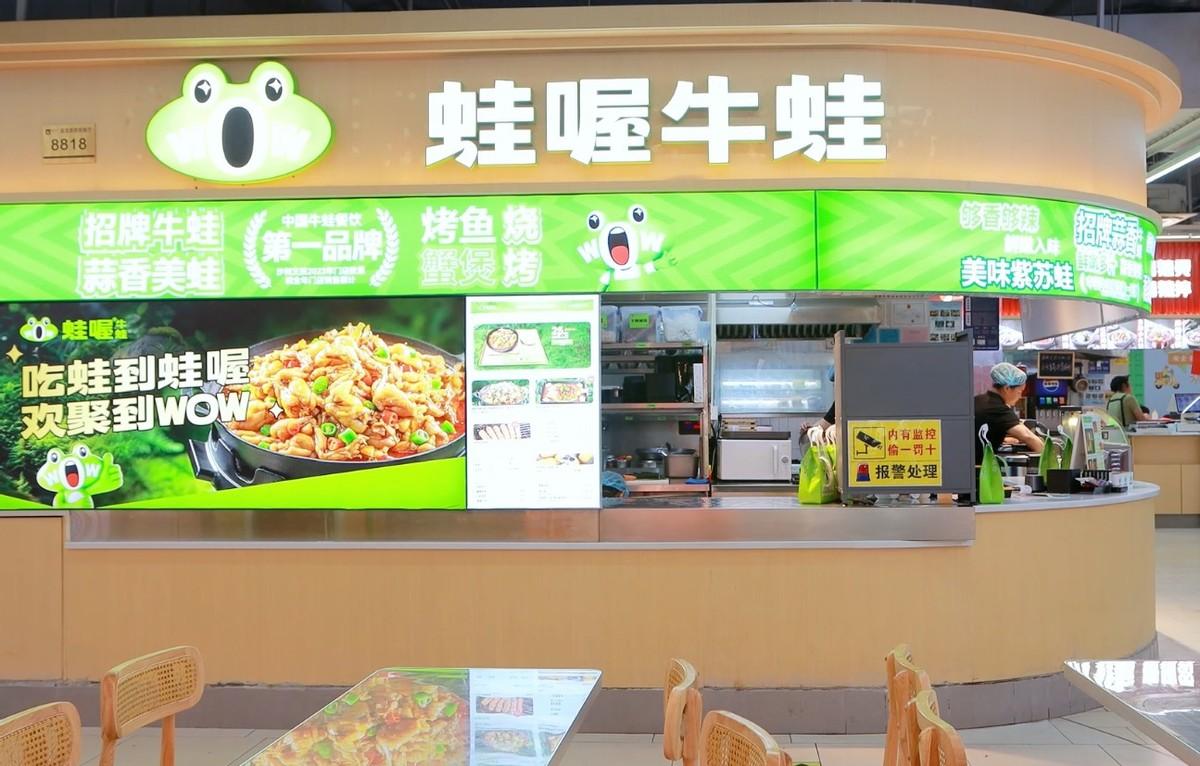
近日,杭州连锁品牌蛙喔牛蛙联合淘宝闪购宣布,双方将共同推进品牌卫星店项目“蛙喔牛蛙·鲜厨”加速落地,计划年内新增30家门店。作为淘宝闪购品牌卫星店模式的标杆案例之一,蛙喔的经验为连锁品牌提供了可参照的低投入、高产能扩张路径。

数字化运营重构效能:更小面积,更高产出

与传统商场大店相比,品牌卫星店面积更小、投入更轻,能够以临街、社区等更低租金点位贴近消费者,承接外卖与外带需求,与原有堂食门店形成大小店互补。这意味着品牌在不新增大量人力和场地成本的前提下,可有效扩大覆盖半径,提升单位面积产出效率。

2025年11月起,蛙喔牛蛙与淘宝闪购就品牌卫星店模式展开深度合作,依托平台提供的AI选址、AI经营工具和流量扶持体系,探索牛蛙品类增长新路径。截至2026年5月,蛙喔已开出10家品牌卫星店,单店订单量达到品牌单店平均销量的2.2倍,且产能连续3个月保持40%以上的环比增速。

卫星店家家爆火的生意,源自对门店客群的精准把握。这背后,淘宝闪购为品牌提供了AI选址系统,基于区域订单密度、消费画像和竞争格局等多维数据进行点位测算,订单预测准确率达98%以上,帮助品牌从“凭经验找铺”转向“数据驱动落位”。

“这个工具帮我们把选址流程从8步简化到4步,明显提升了效率。更好的是,这个数字化助手让我们真正地看清楚,用户在哪里,需求是什么。”品牌营运总监陈祥乾表示。

精准的点位叠加数据驱动的数字化运营,目前“蛙喔牛蛙·鲜厨”单店回本周期较原店型缩短三分之二。“我们第一家店四五个月就回本了,而且是淡季,这是远超预期的”,陈祥乾介绍。

除选址之外,淘宝闪购为品牌卫星店提供数字化经营助手,系统可结合历史订单、天气、节假日等变量预测备货量,帮助门店减少损耗、提升高峰期供给能力。据了解,蛙喔还是淘宝闪购餐饮品牌数智化AI Claw首批内测品牌之一,该工具将经营诊断、异常巡检、智能答疑等功能整合至统一工作台,帮助品牌一线运营人员提升经营决策效率。

品类破局:牛蛙外卖仍有增量空间

近年来,牛蛙品类在全国快速扩张,门店数量已超过2万家,但行业也普遍面临堂食依赖较强、外卖渗透率不足、产品同质化明显、供应链标准化程度不高等问题。对不少品牌而言,如何在提升经营效率的同时保障品质,已成为影响增长的重要变量。

品牌卫星店的模式为这一品类破局提供了一条新路径——在门店端以轻资产模型提升外卖覆盖密度,在运营端以数据反馈优化产品结构。

在产品端,淘宝闪购基于外卖消费数据分析,帮助蛙喔进一步优化SKU结构。平台发现品牌原有蛙煲价格带较为集中,随后推动品牌新增中份规格产品,这一SKU补充精准填补了客单价空白区间,上市后在卫星店中表现亮眼。

在品质端,蛙喔所有品牌卫星店均已上线“明厨亮灶”系统,实现后厨操作全程可视化,进一步提升食品安全透明度。业内人士认为,对于牛蛙这类客单价较高、对品质要求较强的品类而言,透明化运营有助于增强消费者信任,也是推动外卖业务进一步增长的重要基础。

蛙喔之外,淘宝闪购已携手外婆家等多头部品牌率先跑通品牌卫星店模式,并孵化出了多家月销过万门店。目前,平台正面向具备标准化能力、希望在外卖渠道实现增量增长的连锁餐饮品牌开放品牌卫星店合作,提供包含全栈AI能力开放、端到端专属运营陪跑等在内的资源支持。对此,淘宝闪购的目标是:帮助餐饮品牌将回本周期从传统的15–18个月压缩至6–8个月。

从依赖单一商圈流量,转向“堂食+外卖”双驱动、大小店互补的经营结构,正在成为连锁餐饮品牌增长的新逻辑。对蛙喔牛蛙而言,年内落地30家品牌卫星店不仅是门店数量的扩张,更意味着一套可复制的数字化扩张模型正在成型。

注:文/龚作仁,文章来源:Laborer,本文为作者独立观点,不代表亿邦动力立场。

文章来源:Laborer

广告
微信
朋友圈

FAQ回顾

餐饮品牌卫星店模式有什么优势?

与传统商场大店相比,品牌卫星店面积更小、投入更轻,可布局在临街、社区等低租金点位,承接外卖外带需求,与堂食门店形成大小店互补,能在不新增大量人力场地成本的前提下扩大覆盖半径,提升单位面积产出效率。

淘宝闪购为合作品牌卫星店提供哪些支持?

淘宝闪购为品牌提供AI选址系统,订单预测准确率达98%以上,可简化选址流程;还提供数字化经营助手,可预测备货量减少损耗;同时开放全栈AI能力、端到端专属运营陪跑、流量扶持,帮助品牌压缩回本周期至6-8个月。

牛蛙餐饮品类当前普遍存在哪些发展痛点?

当前牛蛙品类全国门店数量已超2万家,普遍面临堂食依赖较强、外卖渗透率不足、产品同质化明显、供应链标准化程度不高等问题,如何平衡经营效率与产品品质是品牌增长的核心难点。

蛙喔牛蛙品牌卫星店的经营效果怎么样?

截至2026年5月蛙喔已开出10家品牌卫星店,单店订单量达品牌平均销量的2.2倍,产能连续3个月保持40%以上环比增速,单店回本周期较原店型缩短三分之二,首家卫星店淡季仅四五个月就回本。

这么好看,分享一下?

朋友圈 分享

APP内打开

+1
+1
微信好友 朋友圈 新浪微博 QQ空间
关闭
收藏成功
发送
/140 0