广告
加载中

沙之星跨境受邀出席第四届链博会·中东市场开拓与产业供应链合作交流会

龚作仁 2026-07-01 17:50
龚作仁 2026/07/01 17:50

邦小白快读

EN
全文速览

本文核心分享了第四届链博会配套活动——中东市场开拓与产业供应链合作交流会的核心信息,整理了中东出海的关键干货。

1. 活动基本信息:本次活动于2026年6月23日在北京举办,由中国国际商会产业供应链工作委员会主办,沙之星跨境等机构协办,汇聚了多国驻华大使、经贸机构代表、跨境行业嘉宾,围绕中东市场发展、中阿产业合作等议题展开交流。

2. 核心干货结论:中东在沙特2030愿景、阿联酋2031愿景等战略推动下,正从传统能源经济向多元产业转型,对中国企业而言中东已经成为具备区位、资源多重优势的出海核心目的地,提醒想要出海的企业要提前做好市场研究、架构规划和合规布局,才能抓住增长机遇。

本文为想要布局出海的中国品牌商梳理了中东市场的最新趋势、机会和布局提示,具备较高参考价值。

1. 产业与消费趋势:当前中东各国正加速推动经济转型,从传统能源经济转向数字经济、高端制造、现代服务业等领域,市场开放度持续提升,中阿合作已经从简单的商品贸易升级为品牌出海、产能出海合作,市场空间广阔。

2. 市场机会:中东的区位优势突出,是辐射海湾六国、连接亚欧非三大市场的战略门户,也是全球资本与产业资源聚集的新高地,其中阿联酋和沙特政策红利丰厚,吸引了大量国际资本,是中国品牌全球化布局的优先选择。

3. 布局提示:品牌想要进入并扎根中东,需要提前做好市场研究、架构规划与合规布局,本次交流会也为品牌提供了产业链对接、投资落地的资源对接渠道。

本文为想要拓展海外市场的中国卖家梳理了中东新兴增长市场的机会、风险和布局建议,干货充足。

1. 增长机会:当前中东正处于经济转型的红利期,国家战略推动下市场开放程度不断提升,已经成为中国卖家出海的新蓝海。中东区位优势突出,既可以承接中国商品出海,还能帮助卖家对接全球资本资源,依托中东可辐射海湾六国、亚欧非三大市场,增长空间极大。

2. 优先布局方向:目前阿联酋和沙特吸引了大量国际资本流入,政策支持力度大,是卖家全球化布局的首选目的地。

3. 风险提示与准备建议:卖家不能盲目进入中东市场,需要提前做好市场调研、业务架构规划和合规布局,才能避开风险抓住机遇,本次交流会也为卖家提供了对接中东产业资源、对接投资渠道的平台。

本文对想要拓展出海业务的中国工厂,梳理了中东市场的商业机会和布局启示,参考价值较高。

1. 商业机会:中东正推动从传统能源经济向高端制造、数字经济等领域转型,对中国制造、中国产能的需求持续提升,中东已经成为中国制造和产能出海的核心承接地,依托中东的区位优势,工厂可以辐射海湾六国、连接亚欧非三大市场,拓展更大的生存空间。

2. 转型方向:当前中国工厂出海已经从简单的产品代工、贸易出口,转向产能出海、品牌出海,符合中东产业转型的需求,其中阿联酋和沙特资本、政策红利丰厚,是工厂海外布局的优先目的地。

3. 布局启示:工厂想要扎根中东市场,需要提前做好市场研究、生产业务架构规划和合规布局,还可以通过行业交流会对接中东当地产业链资源,降低落地门槛。

本文为服务中国出海企业的服务商,梳理了中东出海赛道的行业趋势、客户痛点和业务机会,参考性较强。

1. 行业发展趋势:随着中东经济转型,越来越多中国企业开启中东布局,且需求已经从简单的贸易服务升级为从进入到扎根市场的全链条服务需求,整体市场规模持续增长,其中阿联酋、沙特两大热门市场的需求增长最为明显。

2. 客户核心痛点:大部分中国企业对中东市场规则不熟悉,缺乏本地化布局经验,普遍存在对市场研究、合规咨询、架构规划等专业服务的需求,尚未被充分满足。

3. 业务发展方向:服务商可以重点布局中东出海赛道,围绕企业全流程需求开发对应服务产品,还可以参与此类官方背景的行业交流会,对接潜在客户、整合两地产业资源,拓展自身业务边界。

本文面向从事跨境出海服务的平台商,梳理了当前行业需求和平台发展的方向,提供了清晰参考。

1. 企业核心需求:当前大量中国企业有布局中东市场的需求,除基础贸易对接外,还需要产业链合作、投资落地、本地化资源对接等综合服务,对能够链接中中东两地资源的平台有强烈需求。

2. 平台运营与招商方向:平台可以重点打造中东出海相关服务板块,优先布局红利丰厚的阿联酋、沙特市场,围绕企业从进入到扎根的全流程需求,整合市场研究、合规咨询、产业资源对接等服务,吸引企业入驻。同时可以依托此类官方背景的行业交流会开展招商,提升平台影响力。

3. 风险规避提示:平台可以提前整合中东当地政策、产业资源,帮助入驻企业提前做好合规布局,规避市场和政策风险,提升平台服务竞争力。

本文为研究中阿经贸合作、中国出海产业的研究者,提供了最新的产业动向和研究方向参考。

1. 产业新动向:当前中阿经贸合作已经完成升级,从传统的商品贸易合作,转向产业供应链协同、产能合作、投资落地合作,中国出海也从早期的产品出口,升级为品牌出海、产能出海,契合中东国家经济转型的战略方向,获得了官方层面的推动支持。

2. 行业发展新趋势:中东依托自身的区位优势和转型战略,已经发展为全球资本和产业资源聚集的新高地,成为中国企业全球化布局的核心目的地之一,阿联酋、沙特对中国企业的吸引力持续提升,是未来中阿合作的核心承载区域。

3. 后续研究方向启示:研究者可围绕中国企业出海中东的合规布局路径、中阿产业链协同模式、产能合作的落地机制等方向展开深入研究,把握中阿合作的新规律。

返回默认
声明:快读内容全程由AI生成,请注意甄别信息。如您发现问题,请发送邮件至 run@ebrun.com 。

我是 品牌商 卖家 工厂 服务商 平台商 研究者 帮我再读一遍。

Quick Summary

This article summarizes key takeaways from the Exchange on Middle East Market Expansion and Industrial Supply Chain Cooperation, a supporting event of the 4th China International Chain Expo, and organizes core practical insights for companies expanding into the Middle East.

1. Event basics: Held in Beijing on June 23, 2026, the event was hosted by the Industrial Supply Chain Committee of the China Chamber of International Commerce, and co-organized by institutions including Shazhixing Cross-border. It brought together ambassadors from multiple countries, representatives of economic and trade agencies, and cross-border industry experts to discuss topics including Middle East market development and China-Arab industrial cooperation.

2. Core insights: Driven by national strategies such as Saudi Arabia's Vision 2030 and the UAE's Vision 2031, the Middle East is transitioning from a traditional energy-based economy to a diversified industrial economy. For Chinese companies, the region has become a core destination for global expansion, offering multiple advantages in geographic location and resource endowments. The article reminds companies planning to enter the market to complete market research, organizational planning and compliance arrangements in advance to capture growth opportunities.

This article outlines the latest trends, opportunities and expansion tips for Chinese brands looking to expand into the Middle East, offering high reference value.

1. Industrial and consumer trends: Middle Eastern countries are accelerating economic transformation, shifting from traditional energy to digital economy, high-end manufacturing, modern services and other sectors, while continuously opening up their markets. China-Arab cooperation has upgraded from simple commodity trade to brand and production capacity expansion cooperation, creating enormous market opportunities.

2. Market opportunities: The Middle East holds prominent geographic advantages as a strategic gateway that connects the six Gulf Cooperation Council countries and links the Asian, European and African markets. It is also a new hub for global capital and industrial resources. The UAE and Saudi Arabia in particular offer rich policy dividends and have attracted large amounts of international capital, making them top priorities for Chinese brands in their global layout.

3. Expansion tips: To enter and establish a foothold in the Middle East, brands need to complete market research, organizational planning and compliance arrangements in advance. The exchange also offers access to industrial chain matching and investment landing resources for participating brands.

This article sorts out the opportunities, risks and expansion tips for Chinese sellers looking to tap into the fast-growing emerging Middle East market, with abundant practical insights.

1. Growth opportunities: The Middle East is currently in a dividend period driven by economic transformation, and ongoing national strategic reforms have continued to increase market openness. It has become a new blue ocean for Chinese sellers expanding overseas. With its outstanding geographic advantage, the region not only accommodates Chinese exports, but also helps sellers connect with global capital and resources. Based in the Middle East, sellers can reach the six GCC countries and three continents of Asia, Europe and Africa, unlocking enormous growth potential.

2. Priority expansion destinations: The UAE and Saudi Arabia have attracted large inflows of international capital and offer strong policy support, making them the top choices for sellers' global layout.

3. Risk warnings and preparation tips: Sellers should not enter the Middle East market blindly. They need to complete market research, business structure planning and compliance arrangements in advance to avoid risks and capture opportunities. The exchange also provides a platform for sellers to connect with local Middle East industrial resources and investment channels.

This article sorts out business opportunities and expansion insights for Chinese factories looking to expand overseas into the Middle East, offering high reference value.

1. Business opportunities: The Middle East is pushing to transform its economy from traditional energy to high-end manufacturing, digital economy and other sectors, driving sustained growth in demand for Chinese manufacturing and production capacity. The region has become a core destination for Chinese manufacturing and capacity expansion. Leveraging the Middle East's geographic advantage, factories can serve the six GCC countries and connect Asian, European and African markets to expand their business footprint.

2. Transformation direction: Chinese factories have upgraded from simple OEM and export trading to capacity and brand expansion, which aligns perfectly with the demand of Middle East's economic transformation. The UAE and Saudi Arabia offer abundant capital and policy dividends, making them priority destinations for Chinese factories' overseas layout.

3. Expansion insights: To establish a solid foothold in the Middle East, factories need to complete market research, production and business structure planning and compliance arrangements in advance. They can also connect with local Middle East industrial resources through industry exchange events to lower entry barriers.

This article sorts out industry trends, client pain points and business opportunities for service providers serving Chinese companies expanding into the Middle East, offering strong reference value.

1. Industry trends: Amid the Middle East's economic transformation, a growing number of Chinese companies are establishing a presence in the region, and their demand has upgraded from basic trade services to full-chain services covering market entry to localized operation. The overall market size continues to grow, with the most noticeable demand growth in the two high-potential markets of the UAE and Saudi Arabia.

2. Core client pain points: Most Chinese companies are unfamiliar with Middle East market rules and lack experience in localized layout. Their widespread demand for professional services such as market research, compliance consulting and organizational planning remains largely unmet.

3. Business development direction: Service providers can prioritize laying out the Middle East expansion track, develop service products matching enterprises' end-to-end demand, and participate in official-backed industry exchange events like this one to connect with potential clients, integrate industrial resources from both regions, and expand their business boundaries.

This article provides clear insights on current industry demand and development directions for cross-border e-commerce and expansion service platforms.

1. Core enterprise demand: A large number of Chinese companies are looking to enter the Middle East market. Beyond basic trade matching, they need integrated services including industrial chain cooperation, investment landing and local resource connection, creating strong demand for platforms that can connect resources between China and the Middle East.

2. Platform operation and merchant recruitment direction: Platforms can develop dedicated service sections for Middle East expansion, prioritize布局 the high-dividend markets of the UAE and Saudi Arabia, and integrate services including market research, compliance consulting and industrial resource matching to cover enterprises' full-cycle demand from market entry to localized operation, to attract enterprises to onboard. Platforms can also leverage official-backed industry exchange events like this one for recruitment and to boost brand influence.

3. Risk mitigation tips: Platforms can pre-integrate local Middle East policy and industrial resources to help onboarding enterprises complete compliance arrangements in advance, avoid market and policy risks, and improve the platform's service competitiveness.

This article provides references on the latest industry trends and research directions for researchers studying China-Arab economic and trade cooperation and China's cross-border expansion industry.

1. New industrial trends: China-Arab economic and trade cooperation has completed an upgrade, shifting from traditional commodity trade cooperation to industrial supply chain collaboration, capacity cooperation and investment landing cooperation. China's cross-border expansion has also upgraded from early product exports to brand and capacity expansion, which aligns with the strategic direction of Middle Eastern countries' economic transformation and has received official support.

2. New industry trends: Leveraging its geographic advantages and transformation strategies, the Middle East has emerged as a new hub for global capital and industrial resources, and become one of the core destinations for Chinese enterprises' global layout. The UAE and Saudi Arabia continue to grow in attractiveness for Chinese companies, and will be the core hubs for future China-Arab cooperation.

3. Insights for future research: Researchers can conduct in-depth research on topics including compliance paths for Chinese enterprises expanding into the Middle East, China-Arab industrial chain collaboration models, and implementation mechanisms for capacity cooperation, to explore new patterns in China-Arab cooperation.

Disclaimer: The "Quick Summary" content is entirely generated by AI. Please exercise discretion when interpreting the information. For issues or corrections, please email run@ebrun.com .

I am a Brand Seller Factory Service Provider Marketplace Seller Researcher Read it again.

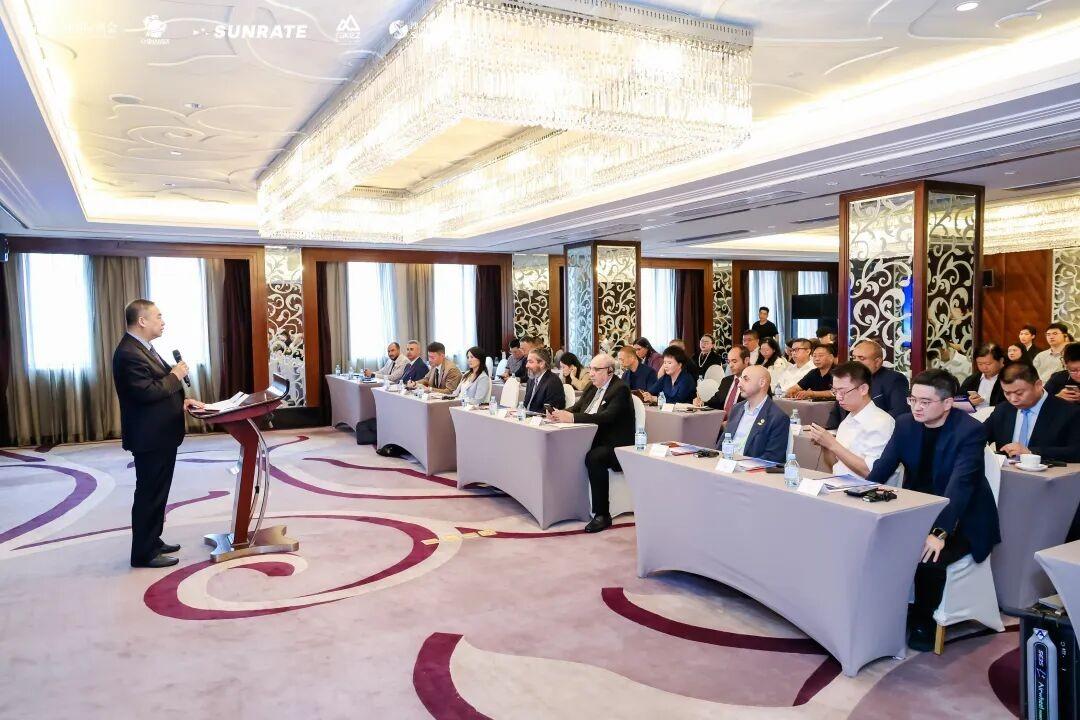
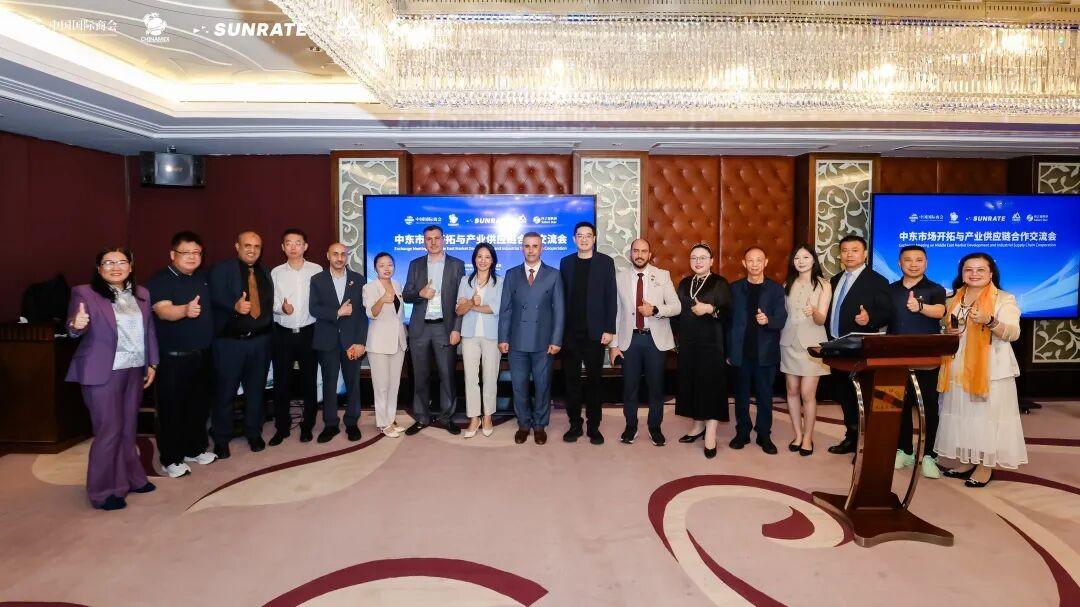
2026年6月23日,由中国国际商会产业供应链工作委员会主办,中国中东投资贸易促进中心、沙之星跨境、上海寻汇科技等共同协办的“中东市场开拓与产业供应链合作交流会”在北京长安俱乐部成功举办。

作为第四届中国国际供应链促进博览会(链博会)同期配套工商活动之一,本次活动汇聚了众多重量级嘉宾参与交流:

中国国际商会产业合作部部长 - 汲琳

科威特驻华大使 - 贾西姆·易卜拉欣·纳吉姆

摩洛哥驻华大使 - 阿卜杜勒卡德尔·安萨里

阿拉伯商人论坛顾问委员会主席 - 阿拉法特

中国中东贸易投资促进中心董事兼CEO- 杨晓光

寻汇SUNRATE董事&总经理 - 王沛

阿联酋拉斯海马经济区驻华代表 - 张瀚清

阿联酋迪拜多种商品交易中心中国代表处商务代表 - 夏琨

伊拉克基尔库克商会 - 阿苏·穆罕默德·拉蒂夫

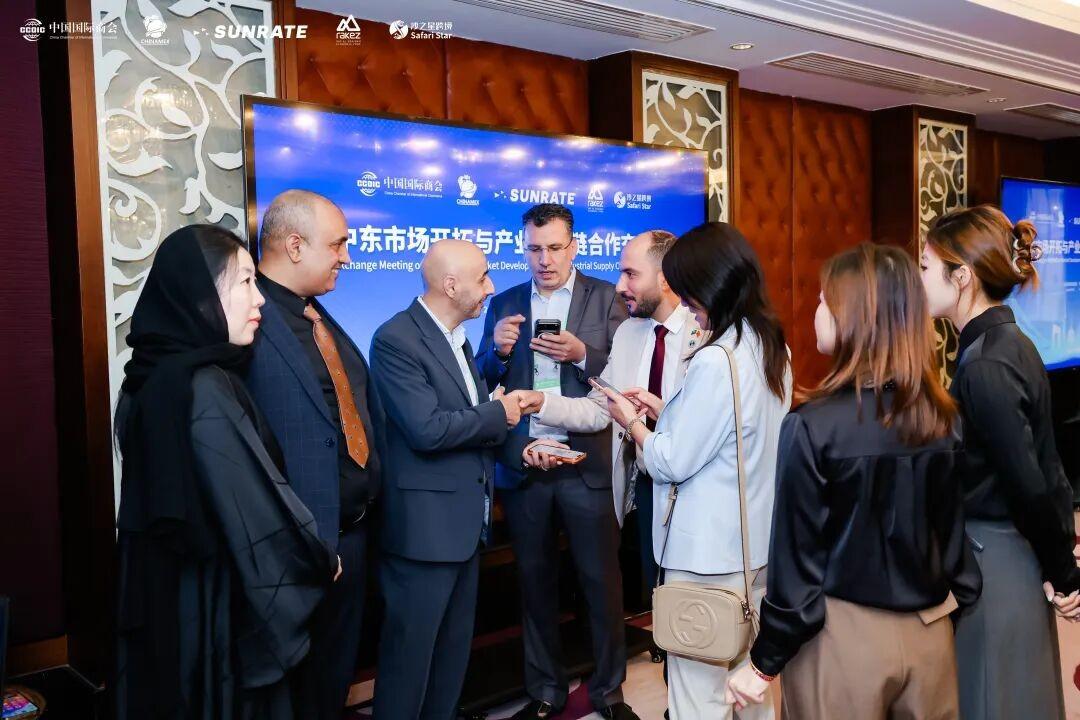
共同围绕中东市场发展趋势、产业合作机遇以及供应链协同发展等热点议题展开深入探讨。现场座无虚席,交流氛围热烈。

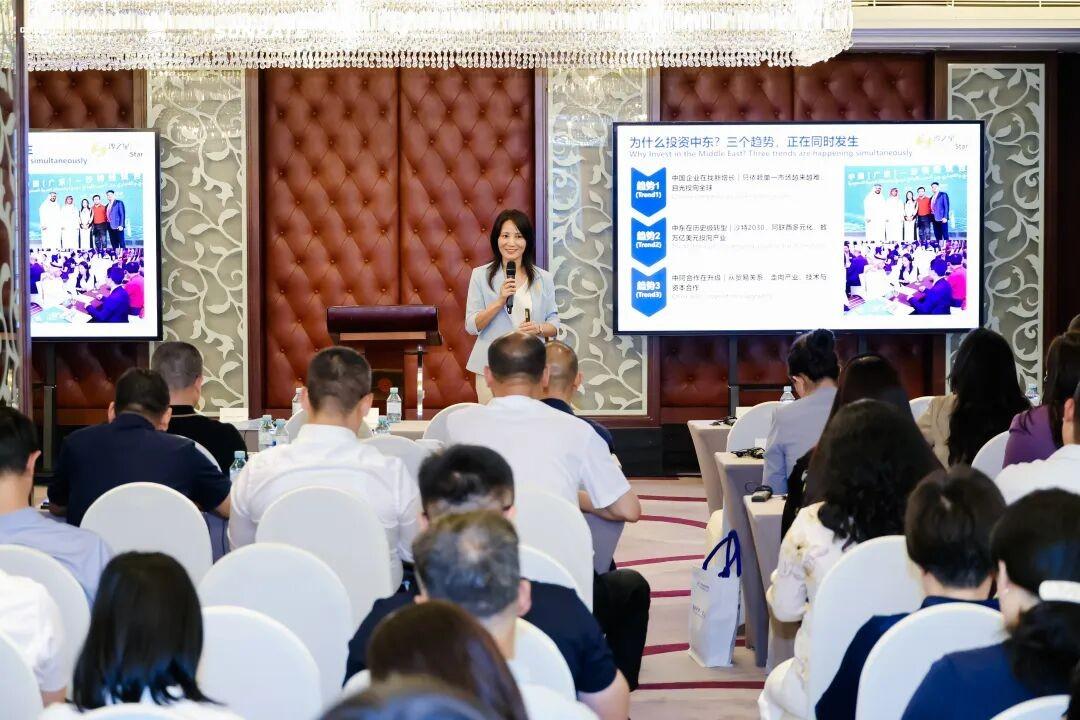
值得注意的是,在“中阿产业合作机遇及案例分享”环节,沙之星跨境创始人&CEO Amy以丰富的实战经验和长期深耕中东市场的洞察,带来《中东跨境新机遇:从进入市场,到扎根市场》主题分享。

随着沙特“2030愿景”和阿联酋“We The UAE 2031愿景”等国家战略持续推进,中东地区正在从传统能源经济向数字经济、高端制造、科技创新和现代服务业加速转型。对于中国出海企业而言,中东已不仅仅是贸易市场,更是:

✅ 辐射海湾六国的重要区域总部枢纽

✅ 连接亚欧非三大市场的战略门户

✅ 中国制造出海的重要承接地

✅ 全球资本与产业资源聚集的新高地

特别是阿联酋和沙特,近年来持续吸引大量国际资本和产业资源进入,成为越来越多中国企业全球化布局的重要选择。面对这一趋势,企业需要提前做好市场研究、架构规划以及合规布局,才能更好地抓住未来增长机会。

从“中国制造”到“中国品牌”,从“产品出海”到“产能出海”,此次交流会不仅为中国出海企业了解中东市场搭建了交流平台,也为产业链合作、投资落地及资源对接创造了更多可能。

链接中东,链接未来。

沙之星跨境期待与更多中国出海企业携手同行,共同把握中东市场发展的黄金机遇!

注:文/龚作仁,文章来源:Laborer,本文为作者独立观点,不代表亿邦动力立场。

文章来源:Laborer

广告
微信
朋友圈

FAQ回顾

中国企业出海中东有哪些发展机遇?

随着沙特2030愿景、阿联酋We The UAE 2031愿景等国家战略推进,中东正从传统能源经济向数字经济、高端制造等领域加速转型,已成为辐射海湾六国的区域总部枢纽、连接亚欧非的战略门户、中国制造出海重要承接地、全球资本与产业资源聚集新高地。

企业布局中东市场需要提前做好哪些准备?

企业布局中东市场需要提前做好当地市场研究、业务架构规划以及合规布局,才能更好抓住中东市场转型带来的增长机会,顺利实现从产品出海到产能出海、从中国制造到中国品牌的升级。

国内有哪些对接中东出海资源的官方交流活动?

第四届中国国际供应链促进博览会配套的中东市场开拓与产业供应链合作交流会,由中国国际商会产业供应链工作委员会主办,可帮助企业了解中东市场,对接产业链合作、投资落地等相关资源。

这么好看,分享一下?

朋友圈 分享

APP内打开

+1
+1
微信好友 朋友圈 新浪微博 QQ空间
关闭
收藏成功
发送
/140 0