广告
加载中

元气森林推冰能量电解质能量饮料;日本发售“可食用猫毛”棉花糖 | 创新周报

FBIF 2026-06-25 13:12
FBIF 2026/06/25 13:12

邦小白快读

EN
全文速览

本文汇总了近期国内外食品饮料行业推出的10款创新新品,整理了各新品的核心卖点、购买渠道与售价,普通消费者可从中获取新品信息,按需选购尝鲜。

1. 国内线下商超、会员店等渠道上新多款日常食品,比如吾岛联合盒马推出的DIY希腊酸奶碗,9.9元/个起,主打原生高蛋白,还可自行搭配有机亚麻籽等配料,满足健康饮食需求;乐事在山姆上线的迷你薯饼,59.9元400g,独立小包装方便携带,口感酥脆不咸,适合办公休闲场景;伊利和大润发联名的活菌冰淇淋15.9元/盒,添加专利活菌,适合多个场景食用。

2. 线上渠道也有不少新品上线,元气森林推出冰能量电解质饮料,89元/箱共15瓶,主打充能补水,添加牛磺酸与多种维生素;东方甄选出了首款自营精酿啤酒,59.9元/箱12罐,采用纯麦芽28天慢酿,口感醇厚。此外还有日本推出的“可食用猫毛”棉花糖,造型逼真适合爱猫人士尝鲜。

本文汇总了近期食品饮料品牌的产品创新、营销与渠道布局动作,能给品牌商提供消费趋势参考,以及产品研发、营销落地的思路。

1. 产品研发趋势:当下健康化、功能化、可持续是核心研发方向,多个头部品牌布局相关赛道,比如元气森林推出电解质功能饮料,伊利在冰淇淋中添加自主研发的专利活菌,达能推出多款零添加高蛋白植物基产品,雀巢布局再生种植小麦原料,契合当下消费者对健康环保的需求。

2. 营销与渠道布局参考:跨界联名已经成为品牌常用的营销获客方式,本次就有吾岛×盒马、百事×上海迪士尼、伊利×大润发等多个联名案例,多采用品牌联合渠道定制专属新品的模式,依托渠道的自有流量精准触达目标客群;定价层面也针对不同渠道、不同定位设计不同价格带,从9.9元的大众款到68元的限定款不等,覆盖多元消费需求。

本文整理了近期食品饮料行业的新品动态,能帮助卖家挖掘新的消费机会,提供选品方向与运营思路参考。

1. 消费需求变化可挖掘的机会:当下消费者越来越偏好健康功能化产品,高蛋白、零糖零脂、专利功能添加类产品广受青睐;同时猎奇创意、情感向产品也能吸引细分人群买单,比如日本推出的“可食用猫毛”棉花糖,就是抓住爱猫人群的情感需求做创新,打开了小众市场。

2. 可学习的运营经验:联名定制是当前验证有效的增长路径,多个品牌通过和线下商超、会员店、知名IP联名推出独家新品,借助合作方的流量精准触达目标客群,降低获客成本,比如吾岛和盒马、乐事和山姆的合作,都快速获得了曝光。卖家可以重点关注健康功能、可持续、情感创意这几个方向布局选品。

本文的新品动态反映了当下食品生产端的需求变化,能给食品工厂提供产品开发方向与商业合作参考,助力工厂把握行业机会。

1. 产品生产与设计需求:现在产品设计越来越注重消费体验与场景适配,比如做独立小包装适配办公、外出等多种场景,宽口大碗设计方便消费者DIY搭配,全透明包装提升产品视觉吸引力,还会通过添加跳跳糖这类小元素打造多重感官体验,工厂在研发生产时需要匹配这些新需求。

2. 商业机会与转型启示:健康功能化、可持续原料是行业大势,头部品牌已经大规模布局,比如雀巢试点再生种植小麦,伊利开发专利活菌产品,工厂可以提前布局相关技术与原料研发,对接头部品牌的合作需求;另外越来越多品牌选择和渠道联名定制专属新品,工厂可以拓展定制化生产业务,打开新的增长空间。

从本文汇总的新品动态,可以梳理出食品饮料行业的发展趋势,挖掘品牌方的真实需求,给食品相关服务商提供业务方向参考。

1. 行业发展趋势:当前食品饮料行业整体朝着三个方向发展,分别是健康功能化、创意情感化、可持续化,健康方向已经延伸出高蛋白、零添加、功能添加多个细分赛道,创意方向偏向IP联名、小众人群情感定制,可持续方向关注再生农业供应链布局,都是行业的新增量方向。

2. 客户痛点与业务方向:品牌方当下核心痛点是打造差异化产品卖点,服务商可以对应开发配套服务,比如针对功能食品赛道开发专属功能配方、专利菌株技术,针对可持续赛道对接再生农业供应链资源,针对营销端提供IP联名对接、创新包装设计服务,匹配品牌打造差异化产品的核心需求。

本文的多个合作案例反映了品牌对平台渠道的需求,也给各类平台的招商、运营管理提供参考方向。

1. 品牌对平台的核心需求:当下品牌越来越看重和平台渠道的联名定制合作,希望通过平台的流量优势和客群标签,推出专属新品实现精准获客,而平台也能通过独家产品吸引客流提升复购,是双赢的合作模式,本次吾岛×盒马、乐事×山姆、伊利×大润发都是这类合作的典型案例。

2. 平台运营与招商参考:平台可以主动推出专属新品定制合作计划,吸引品牌开发平台独家款,打造自身的产品差异化优势;招商层面可以重点倾斜健康功能、创意新品、可持续产品这类热门赛道,匹配当下消费者的需求变化;针对IP联名类限定产品,可以在线下开辟专属售卖区域,借助话题热度提升到店客流。

本文汇总的近期食品饮料新品动态,反映了当前食品饮料产业的多个新动向,对产业研究具备较高的参考价值。

1. 产品与供应链端的新动向:产品端健康功能化已经成为全品类的创新方向,从饮品、乳制品到冰淇淋,多个品类都在添加功能成分,主打健康价值;同时细分人群的情感创意创新开始兴起,出现了“可食用猫毛”棉花糖这类抓住爱猫人群情感需求的小众新品。供应链端,头部品牌已经开始布局可持续再生农业,雀巢试点再生种植小麦,计划2030年实现50%核心原料来自再生农业,可持续已经成为产业重要发展方向。

2. 商业模式新变化:品牌+渠道联名定制专属新品的模式越来越普及,成为品牌触达精准客群、渠道提升差异化竞争力的双赢模式,IP联名限定款也成为品牌提升声量的常用商业模式,值得产业研究者深入跟踪研究。

返回默认
声明:快读内容全程由AI生成,请注意甄别信息。如您发现问题,请发送邮件至 run@ebrun.com 。

我是 品牌商 卖家 工厂 服务商 平台商 研究者 帮我再读一遍。

Quick Summary

This article curates 10 newly launched innovative food and beverage products from domestic and international markets, compiling their core selling points, availability, and pricing for consumers looking to discover new releases and try them out based on their needs.

1. A number of daily food items have launched in offline retail channels including grocery stores and membership warehouses in China. For example, Oarmilk has teamed up with retail chain Hema to launch DIY Greek yogurt bowls starting at 9.9 yuan per bowl. High in natural protein, the product lets customers add their own toppings such as organic flaxseed to align with healthy eating demands. Lay’s has launched mini hash browns exclusively at membership warehouse Sam’s Club, priced at 59.9 yuan for 400g. Individually packaged for portability, the crispy, lightly salted product is designed for office and snacking scenarios. Yili has partnered with grocery chain RT-Mart to launch probiotic ice cream priced at 15.9 yuan per box, which features patented live bacteria and is suitable for consumption in multiple scenarios.

2. Many new releases have also launched via online channels. Genki Forest has launched Ice Energy electrolyte drinks priced at 89 yuan per 15-bottle case, marketed for rehydration and energy replenishment with added taurine and multiple vitamins. Eastmoney’s content-to-commerce brand Dongfang Zhenxuan has launched its first self-operated craft beer, priced at 59.9 yuan per 12-can case. Brewed slowly over 28 days using only malt, it delivers a full-bodied flavor. Additionally, a Japanese brand has launched "edible cat fur" marshmallows, whose realistic cat-shaped design targets cat lovers looking for a novel treat.

This article compiles recent product innovation, marketing and channel layout moves by food and beverage brands, providing consumer trend insights and inspiration for product R&D and marketing execution for brand owners.

1. Product R&D trends: Healthification, functionalization and sustainability are currently the core R&D directions, with multiple leading brands expanding into these segments. Examples include Genki Forest’s new functional electrolyte drink, Yili’s addition of self-developed patented probiotics to its ice cream line, Danone’s lineup of zero-addition, high-protein plant-based products, and Nestlé’s adoption of regeneratively grown wheat ingredients, all aligning with consumer demand for healthy and environmentally friendly products.

2. Marketing and channel layout takeaways: Cross-border co-branding has become a standard customer acquisition strategy for brands, with multiple examples of this model featured in this roundup: Oarmilk x Hema, Pepsi x Shanghai Disney Resort, Yili x RT-Mart, among others. Most follow a channel-co-branding model for exclusive custom products, which leverages the channel’s in-house traffic to reach target customers accurately. Brands also tier pricing across different channels and positioning, ranging from mass-market 9.9-yuan items to 68-yuan limited editions to cover diverse consumer demands.

This article organizes recent new product activity in the food and beverage sector to help sellers identify new consumer opportunities and provides reference for product selection and operational strategy.

1. Opportunities from shifting consumer demand: Consumers increasingly favor healthy, functional products, with high-protein, zero-sugar, zero-fat and patented-function products seeing strong demand. At the same time, novelty and emotionally resonant products can attract niche consumer segments: Japan’s "edible cat fur" marshmallow is a case in point, tapping into the emotional demand of cat lovers to carve out a new niche market.

2. Actionable operational takeaways: Co-branded exclusive product lines are a proven growth path. Multiple brands have launched exclusive new products in partnership with offline grocery chains, membership warehouses and well-known IPs, leveraging the partner’s traffic to reach target customers accurately and lower customer acquisition costs. Examples like Oarmilk x Hema and Lay’s x Sam’s Club have earned strong exposure quickly. Sellers should prioritize product selection across three high-potential segments: healthy functional products, sustainable products, and emotionally resonant creative offerings.

The new product trends compiled in this article reflect shifting demand on the food manufacturing side, providing reference for product development directions and business cooperation opportunities to help food factories capture industry opportunities.

1. Product manufacturing and design demand: Product development now places greater emphasis on consumer experience and scenario adaptability. This includes individual packaging for office and on-the-go scenarios, wide-mouth bowl designs that enable consumer DIY customization, fully transparent packaging to boost visual appeal, and small experiential touches like popping candy to create multi-sensory experiences. Factories need to adjust their R&D and manufacturing processes to match these new demands.

2. Business opportunities and transformation insights: Health-focused functional ingredients and sustainable raw materials are industry megatrends, already being scaled by leading brands: for example, Nestlé is piloting regeneratively grown wheat, and Yili is developing patented probiotic products. Factories can get ahead by investing in related technology and raw material R&D to position themselves for partnership opportunities with leading brands. In addition, as more brands partner with channels to launch custom exclusive products, factories can expand into custom manufacturing to unlock new growth.

The new product trends compiled in this article make it possible to map out development trends in the food and beverage industry and unpack the real needs of brand owners, providing strategic reference for food-related service providers.

1. Industry development trends: The food and beverage industry is currently evolving along three core growth tracks: healthy functionalization, creative emotionalization, and sustainability. The health track has already split into multiple sub-segments including high-protein, zero-addition, and functional ingredient products. The creative track focuses on IP co-branding and emotional customization for niche groups. The sustainability track centers on building regenerative agricultural supply chains. All three represent major new growth areas for the industry.

2. Client pain points and business opportunities: The core pain point for brand owners today is building differentiated product selling points. Service providers can develop targeted supporting services to match this demand: for example, developing proprietary functional formulas and patented strain technologies for the functional food segment, connecting brands to regenerative agricultural supply chain resources for the sustainability track, and offering IP matching services and innovative packaging design for marketing teams.

The multiple cooperation cases included in this article reflect what brands want from platform channels, and provides reference for merchant recruitment and operations management for all types of platforms.

1. Core brand demand for platforms: Brands increasingly prioritize custom co-branding partnerships with platforms, aiming to launch exclusive products and acquire customers accurately by leveraging the platform’s traffic advantage and user segmentation. For platforms, exclusive products also drive foot traffic and improve repeat purchases, creating a win-win cooperation model. Oarmilk x Hema, Lay’s x Sam’s Club, and Yili x RT-Mart are all典型 examples of this model.

2. Reference for platform operations and recruitment: Platforms can proactively launch exclusive custom product cooperation programs to attract brands to develop platform-exclusive lines and build their own product differentiation. For merchant recruitment, platforms can prioritize opportunities in high-demand trending categories including healthy functional products, creative new releases, and sustainable products to match shifting consumer demand. For limited-edition IP co-branded products, platforms can set up dedicated in-store display areas to leverage social media buzz and drive in-store foot traffic.

The recent food and beverage new product trends compiled in this article reveal multiple new shifts in the current food and beverage industry, offering high reference value for industry research.

1. New shifts on the product and supply chain side: Health-focused functionalization has become a cross-category innovation direction, with product categories from beverages to dairy to ice cream all adding functional ingredients and positioning around health benefits. At the same time, emotional creative innovation for niche consumer segments is on the rise, as seen in niche products like the "edible cat fur" marshmallow that caters to the emotional demand of cat owners. On the supply chain side, leading brands have begun布局 sustainable regenerative agriculture: Nestlé is piloting regeneratively grown wheat, with a target to source 50% of its core ingredients from regenerative agriculture by 2030, establishing sustainability as a core industry development direction.

2. New shifts in business models: The brand-channel co-branded exclusive product model is becoming increasingly widespread, creating a win-win structure that lets brands reach targeted customers and helps channels improve their differentiated competitiveness. Limited-edition IP co-branded products have also become a common model for brands to boost brand awareness. Both trends merit ongoing in-depth research from industry analysts.

Disclaimer: The "Quick Summary" content is entirely generated by AI. Please exercise discretion when interpreting the information. For issues or corrections, please email run@ebrun.com .

I am a Brand Seller Factory Service Provider Marketplace Seller Researcher Read it again.

本周创新看点

1、吾岛联合盒马上新希腊酸奶碗,添加有机亚麻籽油

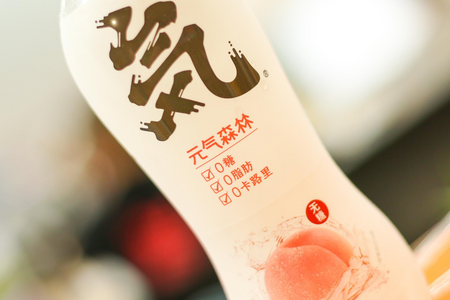
2、元气森林推出冰能量电解质能量饮料,牛磺酸+电解质+冰感因子

3、东方甄选上线第一款自营酒水

4、上海迪士尼十周年主题联名“百事可乐无糖奇妙庆典萌趣瓶”

5、达能旗下Silk推出两款高蛋白新品

6、Svedka推出全透明罐Vodka Water(伏特加水)

7、日本公司Necoichi推出“可食用猫毛”棉花糖

8、乐事在山姆上线迷你薯饼“乐事薯布朗”

9、伊利与大润发联名推新品「無·担活菌冰淇淋」

10、雀巢将推出采用再生种植小麦的KitKat巧克力

1、吾岛联合盒马上新希腊酸奶碗,添加有机亚麻籽油

6月17日,吾岛联合盒马推出两款DIY随心拌希腊酸奶碗,分别是零脂乳糖糖希腊酸奶碗和布德维希腊酸奶碗。

这两款酸奶碗采用宽口大碗设计,同时布德维希腊酸奶碗配有独立小袋子包装的DIY配料:有机亚麻籽油、无花果混合籽仁(内含无花果干、南瓜籽、葵花籽、亚麻籽、黑芝麻等多种食材),消费者可以根据自己的喜好进行添加。此外,产品延续了希腊酸奶标志性的高蛋白,每碗含有20g原生高蛋白质。

目前,两款产品已在全国盒马门店上新,零脂乳糖糖希腊酸奶碗售价为9.9元/个,布德维希腊酸奶碗售价为12.9元/个。

新闻来源:吾岛希腊酸奶公众号

2、元气森林推出冰能量电解质能量饮料,牛磺酸+电解质+冰感因子

6月,元气森林在官方旗舰店推出冰能量电解质能量饮料,有经典牛磺酸和冰爆葡萄两款口味。

据品牌介绍,该款产品主打“充能+补水”。在配方上,产品添加了牛磺酸(≥500mg/L),维生素(维生素B3、维生素B6、维生素C)及电解质(钾钠锌等)。此外,经典牛磺酸款还添加了冰感因子。

目前,该款产品已在元气森林旗舰店上架,售价为89元/箱(500ml*15瓶)。

新闻 来源: 元气森林旗舰店

3、东方甄选上线第一款自营酒水

6月15日,东方甄选上线第一款自营酒水“精酿原浆德式风格小麦白啤酒”和“比利时风格小麦白啤酒”。

该款啤酒在原料上选用麦芽原料与香花,不用大米、玉米等辅料代替麦芽,并通过28天慢酿、艾尔发酵、原浆不过滤等工艺进行酿造。

目前产品已在东方甄选自营APP开启预售,价格为59.9元/箱(12罐*330ml)。

新闻来源:东方甄选官方公众号

4、上海迪士尼十周年主题联名“百事可乐无糖奇妙庆典萌趣瓶”

近日,百事(Pepsi)联合上海迪士尼度假区推出上海迪士尼十周年主题联名“百事可乐无糖奇妙庆典萌趣瓶”(Pepsi Zero Magic Cuties)。

此次合作围绕上海迪士尼十周年庆典展开,百事旗下产品推出限定主题包装设计,采用球形设计,以迪士尼经典IP形象米奇和米妮与十周年元素进行结合,塑造品牌节日氛围。

目前该饮品已经在上海迪士尼度假区各个门店发售,售价为每瓶68元。

新闻来源:Antonio Pugliese

5、达能旗下Silk推出两款高蛋白新品

6月16日,达能旗下乳制品品牌Silk扩充高蛋白产品线,推出Silk Protein Yogurt与Silk Protein Shake两款新品。

据报道,两款新品均不含人工色素、香精与甜味剂。其中Silk Protein酸奶分两种规格:24盎司家庭桶装,每份6盎司,仅香草口味,每份含13g完整植物蛋白;5.3盎司独立小杯有香草、草莓、桃子、混合浆果四种风味,每份含12g完整植物蛋白。

Silk Protein蛋白奶昔为常温即饮蛋白奶昔,单瓶容量11.15液量盎司,有巧克力、香草两种口味,单瓶含30g大豆植物蛋白,每份180大卡、总糖2g、膳食纤维5g。

目前,Silk Protein酸奶将于6月下旬登陆美国线下商超,24盎司桶装建议零售价6.79美元,5.3盎司单杯建议零售价1.99美元;Silk Protein蛋白奶昔7月起在美国商超上架,4瓶装整箱建议零售价11.99美元。

新闻来源:FoodBev

6、Svedka推出全透明罐Vodka Water(伏特加水)

Sazerac旗下伏特加品牌Svedka推出即饮系列Vodka Water(伏特加水)。

新品内含伏特加与纯净水,并提供草莓、桃子、青柠、菠萝四种风味选择,不含碳酸,每罐含有90卡路里和零糖分,酒精度为4.5%。

在包装上,新品采用全透明罐包装,公司声称该产品是世界上“首款”透明罐装伏特加水。

该产品将在本月于美国全国范围内上市,包括八罐装多包装(18.99美元)和350毫升单罐装(2.99美元)。

7、日本公司Necoichi推出“可食用猫毛”棉花糖

5月30日,日本猫咪用品公司Necoichi推出一款“可食用猫毛”,官方名称为“美味猫毛(おいしすぎる猫の毛)”。该产品是一款追求“猫毛”般蓬松质感和外观的棉花糖。

据介绍,产品设计灵感来源于从三花猫背上拔下来的毛发,猫毛般的颜色和蓬松的质地看起来极其逼真。公司描述该棉花糖产品入口即化,还添加了跳跳糖增加复合体验。产品不仅能调动视觉、听觉、嗅觉、味觉和触觉,更能激发想象力,带来多重感官体验。产品包装盒外侧可以写留言,方便顾客写下心意送给爱猫人士或棉花糖爱好者。

该产品仅在横滨Lalaport购物中心内的Necoichi专卖店销售,目前售价为980日元(约合人民币41.3元)。

新闻来源:MOON-X日本有限公司、SoraNews 24

8、乐事在山姆上线迷你薯饼“乐事薯布朗”

本周,乐事在山姆会员店上线了新品迷你薯饼“乐事薯布朗”。

新品为原薯原切,采用低温慢烘技术制作,提供酥脆口感。产品大包装为400g,内含20包独立小包装。小包装方便携带,适合在加班、办公茶歇、休闲小憩等场景下食用。有用户尝鲜后评价,“吃起来不咸,整体口感很酥脆”。

目前,产品已在山姆会员店销售,售价为59.9元。

信息来源:山姆app

9、伊利与大润发联名推新品「無·担活菌冰淇淋」

6月9日,伊利与大润发共创推出联名新品「無·担活菌冰淇淋」。该款冰淇淋主打“活菌”概念,提供差异化体验。

该新品添加了伊利自主研发的专利菌株BL-99、K56,以及唾液链球菌嗜热亚种Yilife-SST01,同时含有40%生牛乳与3.8倍蛋白浓缩乳。产品可在下午茶、健身后、家庭分享等场景食用。

目前,该新品已在大润发上架,售价为15.9元/盒(55g*5支)。

新闻来源:伊利冰淇淋公众号

10、雀巢将推出采用再生种植小麦的KitKat巧克力

雀巢与英国再生食品和农业品牌Wildfarmed合作推出采用再生种植小麦的全新KitKat巧克力产品。该新品已在工厂完成实验并正式投产,预计未来四周内进入零售渠道,产品外包装将保持原包装不变。

新款奇巧巧克力中小麦原料的51%来自Wildfarmed再生农业供应链,剩余部分沿用雀巢原有配料体系。雀巢表示,该配比可稳妥助力再生农业转型,保障原料供应、品质与产量稳定,同时完成技术测试与经验积累,后续将逐步提升再生小麦的使用比例。

成立于2018年的Wildfarmed,其种植模式可提升生物多样性、改良土壤健康并降低碳排放。此次合作是雀巢可持续布局的动作之一,雀巢计划2030年实现50%核心原料取自再生农业种植体系。

新闻来源:Just Food

注:文/FBIF,文章来源:FBIF食品饮料创新(公众号ID:FoodInnovation),本文为作者独立观点,不代表亿邦动力立场。

文章来源:FBIF食品饮料创新

广告
微信
朋友圈

这么好看,分享一下?

朋友圈 分享

APP内打开

+1
+1
微信好友 朋友圈 新浪微博 QQ空间
关闭
收藏成功
发送
/140 0