广告
加载中

四年闭店1.5万家 温州富豪携初代“万店之王”冲刺上市

天下网商 2026-06-25 12:32
天下网商 2026/06/25 12:32

邦小白快读

EN
全文速览

本文核心讲初代万店之王正新鸡排的发展起落,以及当前冲刺赴港上市的行业背景,核心干货如下:

1. 发展历程:创始人陈传武2000年为清理冻品库存开小吃店,2012年战略转型砍掉九成SKU聚焦鸡排等几款爆品,更名正新鸡排后快速扩张,2017年破万店,2021年达到巅峰2.5万家,是当时肯德基麦当劳门店总和的两倍,截至2026年6月门店回落至9545家,四年净关店超1.5万家,目前筹备赴港上市募资约3亿美元。

2. 成功经验与下滑原因:早期靠聚焦爆品做标准化、小店模式降低开店成本下沉市场、自建供应链、开放加盟快速起量;后续因加盟模式总部重原材料出货轻单店盈利管理,同一区域门店过多分流客源,品牌长期没做营销迭代老化,核心油炸鸡排不符合当前健康消费趋势,最终出现大规模关店。

正新鸡排的扩张与收缩,给连锁餐饮品牌提供了非常多可参考的经验与教训,核心干货如下:

1. 可借鉴的成功经验:产品端砍掉冗余SKU聚焦超级爆品,降低标准化难度,解决连锁扩张的内部效率问题;渠道端做5-20平方米小店模型,极致利用空间降低开店成本,能渗透下沉市场各类零散点位,靠高密度门店强化品牌认知,还能和定位匹配的互补品牌(如蜜雪冰城)扎堆开店,共享客群形成消费闭环;走自建全链路供应链的重资产模式,保证全国出品统一,靠向加盟商供应原材料获得稳定持续利润,定价走极致低价路线契合下沉市场需求。

2. 需要警惕的教训:粗放扩张放加盟会导致管理边际效应递减,重扩张规模轻单店盈利会引发内部同质化竞争、食品安全问题,长期不做品牌营销迭代会造成品牌老化,跟不上消费升级趋势,核心产品会被健康消费观念冲击,新品研发跟不上就很难找到新的增长曲线。

本文分析了正新鸡排加盟模式的发展脉络,能给餐饮赛道的中小卖家提供非常多的参考,也明确了当前赛道的机会与风险,核心干货如下:

1. 正新加盟模式的原有优势:正新鸡排标准门店仅5-20平方米,开店门槛低,下沉市场的小本创业者完全可以参与;总部提供统一的标准化原材料配送,加盟商只需要完成最后炸制工序,不需要复杂烹饪技术,上手难度低,早期下沉市场需求旺盛,不少加盟商赚到了第一桶金。

2. 当前需要警惕的风险:正新的加盟模式本质是总部靠向加盟商卖原材料盈利,容易过度扩张,同一区域多家门店会分流客源,加盟商承担全部亏损风险,巅峰后五年关店比例超六成;品牌老化对年轻消费者吸引力下滑,核心油炸鸡排不符合健康消费趋势,单店营收下滑明显,还频繁爆出食品安全问题,影响单店生意。

3. 潜在机会:正新目前正在推进数字化改造、拓展海外市场,若转型成功,现有近万门店的渠道基础仍然有优势,可能带来新的增长空间。

正新鸡排的发展模式,给冻品生产、餐饮供应链相关工厂带来了不少启示和商业机会,核心干货如下:

1. 商业机会:正新的发展证明,连锁小吃品牌对标准化、统一化的原料需求极大,头部品牌倾向于整合供应链实现自给自合,拥有冻品产能、冷链配送能力的工厂,有机会和头部连锁品牌深度合作,甚至被整合进入品牌的供应链体系,获得长期稳定的订单。正新最初就是冻品经销商向下游开门店消化库存,传统库存积压的生产企业也可以参考这个路径,向下游延伸开自有门店消化产能。

2. 产品需求变化:当前消费趋势转向健康低脂,传统油炸冻品鸡排的需求频次持续下滑,要求生产端调整产品结构,适配品牌开发健康化新品的需求,开发更多符合消费趋势的原材料产品。

3. 数字化转型启示:正新目前淘汰不符合要求、无法适配数字化运营的门店,给工厂的启示是需要主动推进数字化改造,升级生产和管理标准,才能适配连锁品牌的发展要求。

本文梳理了国内万店连锁小吃赛道的发展变化,暴露了行业现存痛点,也给餐饮相关服务商指明了业务方向,核心干货如下:

1. 行业发展趋势:初代万店连锁小吃品牌已经从增量扩张的粗放发展阶段,进入到存量优化、精细化运营、品牌升级的转型阶段,出海拓展新市场也成为头部品牌的新发展方向,整个赛道的发展重心从追求开店数量转向追求单店盈利和品牌价值。

2. 客户核心痛点:多数老牌加盟连锁品牌,普遍面临加盟管控难度大、单店盈利下滑、品牌老化不符合新一代消费者喜好、核心产品不符合健康消费趋势、出海本地化适配难等痛点,大量初代品牌需要完成数字化改造、品牌升级、供应链优化的补考。

3. 业务机会方向:服务商可以针对性推出精细化门店管理系统、数字化运营工具,帮助品牌提升单店管控能力和单店盈利;也可以开发品牌年轻化营销服务、新品研发支持服务,针对出海品牌提供本地化供应链适配、海外运营咨询等新服务。

正新鸡排的扩张收缩历程,给餐饮加盟平台、连锁服务平台等平台商带来了运营管理和风险规避的启示,核心干货如下:

1. 市场需求方向:下沉市场的小本创业者,对低门槛、低投入的餐饮加盟项目需求仍然旺盛,极致低价、小点位的小吃加盟项目仍然是赛道热门,平台可以重点对接匹配这类符合下沉创业需求的品牌项目,满足海量创业者的需求。

2. 行业现存问题:很多老牌加盟品牌仍然走粗放扩张的老路,品牌方重开店数量、轻单店盈利,过度放加盟容易导致大量门店关店,不仅损害创业者利益,也会给平台带来口碑风险。

3. 平台运营与风险规避方向:平台需要在招商环节加强对加盟品牌的资质审核,重点考察品牌的单店盈利模型、加盟管控能力、供应链管理水平,引导品牌走高质量扩张的路线,避免过度放加盟引发批量关店问题;同时平台可以推出针对品牌的数字化运营、合规管理服务,帮助品牌提升管控能力,降低平台的整体运营风险。

正新鸡排作为中国初代万店加盟连锁品牌,它的发展起落是研究中国餐饮连锁产业发展的典型样本,有非常高的研究价值,核心干货如下:

1. 产业发展脉络:中国本土餐饮连锁最早跑通的万店模型就是“极致超级单品+小店下沉+开放加盟+自建供应链”,正新鸡排是第一个验证这个模型的本土品牌,2017年就突破万店,比蜜雪冰城早了近三年,这个模型启蒙了后续一大批下沉市场连锁品牌的发展,是中国餐饮连锁发展史上的标志性样本。

2. 产业新问题:增量市场见顶后,原有“总部靠卖原材料给加盟商盈利”的B2B加盟模式弊端凸显,管理的边际效应递减,过度扩张引发内部同质化竞争,品牌方旱涝保收但加盟商承担亏损,同时初代品牌普遍存在品牌老化问题,跟不上消费升级趋势,健康消费浪潮冲击原有核心品类,初代连锁品牌集体面临转型考验。

3. 产业新动向:当前初代头部连锁品牌纷纷尝试上市融资、数字化改造、出海拓展新市场,中国小吃品牌出海成为新的产业浪潮,但是出海的单店模型复制仍然面临原料标准、本地化适配等诸多问题,后续发展仍待观察。

返回默认
声明:快读内容全程由AI生成,请注意甄别信息。如您发现问题,请发送邮件至 run@ebrun.com 。

我是 品牌商 卖家 工厂 服务商 平台商 研究者 帮我再读一遍。

Quick Summary

This article tracks the rise and fall of China's original "10,000-store king" Zhengxin Chicken Chop, and contextualizes the brand's current IPO preparations in Hong Kong. Key takeaways are as follows:

1. Development timeline: Founder Chen Chuanwu opened his first snack shop in 2000 to clear frozen food inventory. In 2012, the brand underwent a strategic pivot, cutting 90% of its SKUs to focus on chicken steak and a few other hit products. After rebranding as Zhengxin Chicken Chop, it expanded rapidly, surpassing 10,000 stores in 2017 and peaking at 25,000 stores in 2021 — twice the total number of KFC and McDonald's locations in China at the time. As of June 2026, its store count has fallen to 9,545, representing a net closure of more than 15,000 stores over four years. Zhengxin is now preparing for a Hong Kong IPO to raise approximately $300 million.

2. Success factors and causes of decline: Early growth was driven by a focus on hit products and standardization, a small-store format that cut opening costs to penetrate lower-tier markets, an in-house supply chain, and a franchise model that enabled rapid scale-up. In later years, however, the franchise model's flaws emerged: headquarters prioritized raw material sales over individual store profitability, over-saturation in many regions split customer traffic, the brand failed to update its marketing and aged over time, and its core fried chicken chop no longer aligned with modern healthy consumption trends, ultimately leading to large-scale store closures.

The expansion and contraction of Zhengxin Chicken Chop offers valuable lessons for chain restaurant brands. Key takeaways are as follows:

1. Actionable success strategies: On the product side, cutting redundant SKUs to focus on a single blockbuster product simplifies standardization and improves internal efficiency for large-scale expansion. On the channel side, a small-store format (5-20 square meters) maximizes space efficiency, minimizes opening costs, and enables penetration into scattered high-traffic locations in lower-tier markets. High store density also reinforces brand recognition, and clustering with complementary brands that share a similar target audience (such as Mixue Ice City) creates a closed consumption loop that benefits all parties. A capital-heavy vertically integrated supply chain ensures consistent product quality nationwide, generates stable recurring revenue from raw material sales to franchisees, and the ultra-low pricing model perfectly matches demand in lower-tier markets.

2. Critical pitfalls to avoid: Aggressive,粗放 expansion via franchising leads to diminishing marginal returns on management. Prioritizing store count growth over individual store profitability triggers internal homogenized competition and raises food safety risks. Long-term stagnation in brand marketing leads to brand obsolescence, failure to keep up with consumption upgrading trends, and leaves core products vulnerable to shifting preferences for healthier options. Without new product development to match these shifts, brands struggle to unlock new growth curves.

This article analyzes the evolution of Zhengxin Chicken Chop's franchise model, offering actionable insights and clarifying opportunities and risks for small and medium-sized sellers in the food and beverage sector. Key takeaways are as follows:

1. Original advantages of Zhengxin's franchise model: A standard Zhengxin store only requires 5-20 square meters of space, keeping the entry barrier low enough for small entrepreneurs in lower-tier markets. Headquarters provides standardized raw material delivery, and franchisees only need to complete the final frying step, which requires no advanced cooking skills and has a low learning curve. When demand in lower-tier markets was booming in the brand's early years, many franchisees earned their first substantial profits with Zhengxin.

2. Current risks to watch: Zhengxin's franchise model is fundamentally built on headquarters earning revenue from selling raw materials to franchisees, which creates incentives for over-expansion. Multiple locations in a single region split customer traffic, and franchisees bear 100% of the risk of losses; more than 60% of the stores open at Zhengxin's peak have closed in the five years since. The aging brand has declining appeal among young consumers, its core fried chicken chop conflicts with healthy consumption trends dragging down same-store revenue significantly, and frequent food safety scandals have further hurt individual store performance.

3. Potential opportunities: Zhengxin is currently pushing forward digital transformation and expanding into overseas markets. If its transformation succeeds, its existing base of nearly 10,000 stores remains a valuable competitive advantage that could unlock new growth.

Zhengxin Chicken Chop's development model offers insights and business opportunities for factories focused on frozen food production and restaurant supply chains. Key takeaways are as follows:

1. Business opportunities: Zhengxin's growth proves that chain snack brands have enormous demand for standardized, uniform raw materials, and leading brands tend to integrate their supply chains for self-sufficiency. Factories with existing frozen production capacity and cold chain distribution capabilities have the opportunity to form deep partnerships with top chain brands, or even be integrated into the brand's supply system to secure long-term, stable orders. Since Zhengxin originally started as a frozen food distributor that opened downstream stores to clear excess inventory, traditional manufacturers stuck with unsold inventory can follow this same path: expand downstream to open owned retail stores to absorb excess capacity.

2. Shifting product demand: As consumer trends shift toward healthier, lower-fat options, demand for traditional frozen fried chicken chops continues to decline. This requires producers to adjust their product mix to match brands' demand for new healthy products, and develop more raw material offerings aligned with current consumption trends.

3. Insights for digital transformation: Zhengxin is currently weeding out stores that fail to meet its requirements or cannot adapt to digital operations. For factories, this underscores the need to proactively pursue digital transformation and upgrade production and management standards to meet the evolving requirements of chain brand partners.

This article sorts through the evolution of China's 10,000-store snack chain sector, exposes existing industry pain points, and outlines clear business directions for food and beverage-related service providers. Key takeaways are as follows:

1. Industry development trends: China's first generation of 10,000-store snack chains has moved beyond the粗放 growth phase of incremental expansion and entered a new stage focused on stock optimization, refined operation, and brand upgrading. Expanding overseas to tap new markets has also become a new strategic priority for leading brands, and the entire sector has shifted its focus from store count growth to improving individual store profitability and brand value.

2. Core customer pain points: Most established franchise chain brands face common challenges: high difficulty in franchise management control, declining same-store profitability, brand aging that fails to resonate with younger consumers, core products misaligned with healthy consumption trends, and difficulties with localization when expanding overseas. Most first-generation brands need to catch up on digital transformation, brand upgrading, and supply chain optimization.

3. Targeted business opportunities: Service providers can develop targeted offerings including refined store management systems and digital operation tools to help brands improve franchise control and boost individual store profitability. They can also build out services focused on youth-focused brand marketing, new product R&D support, and for brands expanding overseas, localized supply chain adaptation and overseas operation consulting.

The expansion and contraction trajectory of Zhengxin Chicken Chop offers key insights on operation management and risk mitigation for franchise platforms and chain service platforms. Key takeaways are as follows:

1. Market demand direction: Small entrepreneurs in lower-tier markets still have strong demand for low-threshold, low-investment food franchise projects. Ultra-low-priced small-format snack franchise opportunities remain the most popular segment of the market, and platforms can prioritize matching these brands that fit the needs of lower-tier entrepreneurs to serve the large pool of aspiring business owners.

2. Existing industry problems: Many established franchise brands still stick to the old model of粗放 expansion, prioritizing store count growth over individual store profitability. Overly aggressive franchising leads to large-scale store closures, which not only harms entrepreneurs but also creates reputational risk for platforms that list these brands.

3. Guidance for platform operation and risk mitigation: Platforms should strengthen vetting of franchise brands during the recruitment process, with a focus on evaluating the brand's individual store profitability model, franchise management capabilities, and supply chain management standards, and guide brands toward high-quality expansion to avoid mass closures caused by over-franchising. At the same time, platforms can offer digital operation and compliance management services to help brands improve their management capabilities and reduce the overall operational risk of the platform.

As China's first generation of 10,000-store franchise chain, Zhengxin Chicken Chop's rise and fall is a classic, high-value case study for the development of China's chain restaurant industry. Key takeaways are as follows:

1. Industry development context: The first commercially successful 10,000-store model for domestic Chinese chain restaurants was "super blockbuster single product + small format for lower-tier markets + open franchising + in-house supply chain". Zhengxin Chicken Chop was the first domestic brand to validate this model, breaking through 10,000 stores in 2017 — nearly three years earlier than Mixue Ice City. This model laid the groundwork for the wave of lower-tier market chain brands that followed, making Zhengxin a landmark case in the history of China's chain restaurant development.

2. Emerging industry challenges: After the incremental growth market matured, the flaws of the original B2B franchise model — where headquarters earns revenue by selling raw materials to franchisees — became increasingly prominent. Diminishing marginal management returns and over-expansion triggered internal homogenized competition: brand headquarters have guaranteed profits regardless of performance, while franchisees bear all downside risk. At the same time, most first-generation brands face widespread brand aging, fail to keep up with consumption upgrading trends, and see their core product categories disrupted by the shift toward healthier consumption, leaving the entire cohort of first-generation chains facing a major transition test.

3. New industry trends: Today, leading first-generation chain brands are universally pursuing IPO financing, digital transformation, and overseas expansion. The wave of Chinese snack brands going global has emerged as a new industry trend. However, replicating a successful domestic store model overseas still faces many hurdles including raw material standardization and localization adaptation, and its long-term trajectory remains to be seen.

Disclaimer: The "Quick Summary" content is entirely generated by AI. Please exercise discretion when interpreting the information. For issues or corrections, please email run@ebrun.com .

I am a Brand Seller Factory Service Provider Marketplace Seller Researcher Read it again.

万店神话褪色后,鸡排界的“蜜雪冰城”还能讲出新故事吗?

|杨洁

2000年,一个温州青年为了处理积压的冻品库存,在街头开出一家不起眼的小吃店。十多年后,这块红白相间的招牌遍布中国大江南北。

近日据多家媒体报道,正新鸡排母公司正新食品集团正在筹备赴港上市,计划募资约3亿美元,冲刺这个“初代万店之王”新的高光时刻。早在2017年,正新鸡排就率先突破万店,比蜜雪冰城早了近3年。在巅峰的2021年,正新鸡排门店数更是达到2.5万家,远超当时肯德基、麦当劳门店数量的总和。

在蜜雪冰城、瑞幸、霸王茶姬这批新一代新茶饮品牌崛起之前,正新鸡排就已经把门店铺进县城、商圈、学校。它的扩张方法不复杂:聚焦几款爆品,把门店压到几平方米,定价10元左右,自建供应链,靠加盟模式快速复制。

靠着这套朴素的逻辑,正新鸡排成为中国餐饮史上第一个迈过万店门槛的快餐小吃品牌。

然而,与冲击上市消息形成反差感的,是一组略显残酷的数据:窄门餐眼显示,截至2026年6月,正新鸡排的门店数已回落至9545家,较巅峰期净减少超1.5万家,5年间关店比例高达六成。据Foodaily每日食品行业分析报告,正新鸡排营收也从巅峰时期的超70亿元,下降超60%。

门店规模下滑的旧伤还未愈合,这个曾定义了一个小吃品类的品牌,正站在十字路口。

它为什么在最初能实现高速扩张?又为何在触顶之后迅速收缩?在门店数量收缩中,它的数字化改造、AI小店和海外扩张,能顺利找回增长吗?

小店模型、供应链生意,正新凭什么扩张

正新的故事,最早始于自救。

正新小吃店起步之初,创始人陈传武的初衷很简单:消化自己冷冻食品代理公司的库存。在当时,陈传武主做冷冻食品代理,常年被库存积压和货款拖欠困扰,于是他索性自己开个店,把卖不掉的冻品做熟了卖出去。

因此,彼时的正新是一家典型的什么都有的杂货铺式小吃店,SKU(最小库存单位)一度多达上百个,从肉串到炒饭,从饮料到关东煮都在店里卖。

这种模式在门店数量少时尚能维系,但随着规模扩大,后厨需要培训员工记住几十种产品的操作流程。陈传武很快意识到,这种大而全的模式,是连锁化扩张的天敌。

2012年,他做了一次战略减法,砍掉近90%的品类,仅保留鸡排、肉串、烤肠几款爆品,并将品牌更名为“正新鸡排”。这一步,反而将正新鸡排推向发展的快车道。

对比同时期的中式快餐,许多品牌的产品线都远比正新复杂,过度依赖人工,标准化难度极大。而正新鸡排将单品策略推向了极致,一块鸡排就是门店的灵魂,记忆点极强。

如果说缩减SKU解决了内部效率问题,那小店模型解决的就是扩张问题。

正新鸡排的标准门店,面积通常只有5-20平方米。这意味着它几乎可以渗透进任何能容下一个档口的城市缝隙,楼梯间下方的三角形空间、奶茶店隔壁隔出的一个窄条、超市入口边原本用于放置娃娃机的过道,都能成为正新鸡排的门店。

在当时,传统餐饮品牌还在为上百平米、动辄数十万转让费的街边铺面发愁时,正新已经把店塞进了县城各个繁华路段的旮旯里。

这种对空间的极致利用,带来了两个决定性优势。第一是极低的开店成本,下沉市场的小本创业者够得着;第二是高密度的品牌曝光。在一条几百米的商业街上,出现两三家正新鸡排的情况并不少见,每个店都在加深消费者“吃鸡排,来正新”的印象。

一个有趣的现象是,正新鸡排与蜜雪冰城曾一度被视为中国商业界的“最佳邻居”。《2022餐饮特许加盟研究报告》显示,这两个品牌的扎堆率达到29.9%。也就是说,几乎每三家蜜雪冰城旁边,就有一家正新鸡排。

两者共享着近乎相同的商业哲学——极致低价、超级单品、下沉市场和小店模型。它们一个提供炸鸡,一个提供柠檬水,构成了平价小吃饮品的消费闭环。

如果说门店是看得见的部分,那供应链就是支撑这套商业模式的骨架。

陈传武从一开始就深谙此道,因此正新鸡排更像是一家高度整合的供应链公司。与很多依靠第三方供应商的品牌不同,正新鸡排从创立之初就走上了自建供应链的重资产之路。

在第一家正新小吃店开业时,其背后就有陈传武自己的温州白云食品公司作为支撑,负责冻品的生产和代理。

随着门店网络的扩张,正新逐步建立了从原料采购、生产加工、冷链物流到门店配送的完整闭环。对于一家加盟店来说,几乎不需要任何烹饪技术,只需要完成最后一道工序——炸,这也确保了全国门店出品口味的统一。

高度的供应链绑定,意味着总部能够通过向加盟商出售标准化的原料来获取持续、稳定的利润。跟这种模式的鼻祖和集大成者肯德基、麦当劳一样,正新用这种先进的连锁逻辑,引爆了下沉市场的加盟浪潮。

数据显示,其门店数在2017年破万,2019年破两万,2021年达到2.5万家的顶峰。对比来看,当时的肯德基中国门店约8000家、麦当劳门店约5000家,正新是它们总和的两倍。

四年闭店1.5万家,万店神话褪色

这套逻辑在增量时代无往不利,但在近几年的市场环境巨变中,这套模式开始出现裂痕。从2021年开始,正新鸡排开始面临增长压力。

正新集团曾对外表示,门店收缩包含主动优化成分,主要淘汰装修陈旧、设备老化、形象和安全标准不达标的早期门店,以及部分处在盈亏边缘、无法适应数字化运营要求的加盟店。

这个解释有合理性,中国餐饮连锁过去十年经历过一轮粗放扩张,很多品牌在早期为追求规模,会放宽加盟门槛和门店标准,但主动优化无法解释背后的问题。

正新鸡排的门店收缩背后,有几重压力。

对于正新鸡排这种拥有过两万余家门店的巨头而言,管理的边际效应递减几乎是必然的结果。

正新鸡排的加盟模式,本质上是B2B的供应链生意。总部的核心利润来源于向加盟商售卖原材料,而非门店的最终营收分成。这种结构,让品牌方有动力获取更多的出货渠道,但对单店盈利能力的精细化管理则缺乏足够的驱动力。

当门店密度达到临界点后,内部的同质化竞争便开始加剧,比如一条街上两三家正新鸡排店,虽然构筑了品牌壁垒,却也分流了顾客。在这场博弈中,总部依然可以通过向每家店供应原材料而旱涝保收,但最先亏损的,是那些投入了真金白银的加盟商。

与此同时,正新鸡排还面临食品安全问题。在极致低价的策略下,终端的成本压力被层层传导至源头。在黑猫投诉平台,不少消费者投诉部分加盟商使用过期原料、吃出异物等。

对比蜜雪冰城,能更清晰地看到正新鸡排失速的根源。蜜雪冰城的崛起和正新鸡排的早年起势,几乎遵循了相同的剧本:超级单品、下沉市场、万店规模、自建供应链。但蜜雪冰城在近几年却成功实现了进化,而正新鸡排则显得有些停滞不前。

例如,品牌IP化与营销迭代的差距。蜜雪冰城塑造了“雪王”这一超级IP,并通过一首洗脑神曲,完成了从线下门店到线上心智的全面占领。它懂得与新一代消费者进行对话,将品牌人格化、娱乐化,使得购买一杯柠檬水具备了某种社交属性和情感价值。

反观正新鸡排,它最具辨识度的品牌资产,仍然是黄渤那句“比脸还大的鸡排”以及红白相间的门头。

在内容营销和数字化社交浪潮席卷的这些年,正新鸡排在品牌年轻化方面几乎没有令人印象深刻的动作。当十年前的学生群体长大,新一批的年轻消费者可能会觉得正新的品牌形象缺乏吸引力。

加上正新鸡排的核心是油炸肉食,面临一定的健康消费观念挑战。在低脂、轻食概念大行其道的今天,一块油腻的炸鸡排,越来越难以成为消费者的高频选择。正新也尝试过引入烤串、炸鸡等新品,但似乎没有一款产品能复制鸡排当年的辉煌,再造新的增长曲线。

错过最好时机,正新鸡排还能找回增长吗?

正新鸡排如果赴港上市,首先要面对一个现实问题:它似乎已经错过了最容易讲故事的时间点。

如今,蜜雪冰城已经上市,并证明低价加盟供应链模型能够被资本理解,瑞幸咖啡也用密集的门店展现数字化连锁的另一种效率。正新鸡排此时登场,资本市场会更加挑剔。

海外扩张,是正新鸡排试图讲的新故事。据公开信息,正新集团已经在多个国家开出门店,并提出未来海外拓展规划。

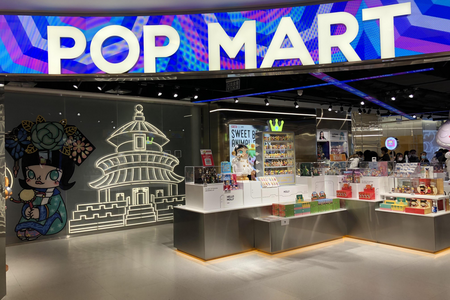
中国小吃出海确实正在迎来机会。蜜雪冰城、霸王茶姬、瑞幸、名创优品、泡泡玛特等企业,都在把中国供应链和品牌运营能力带到海外。

但餐饮出海并不轻松。鸡肉原料标准、口味适配、冷链配送、劳工成本、加盟商管理和租金结构,都会重新定义单店模型。国内五平方米档口能跑通,不代表海外也能原样复制。

所以,正新鸡排的海外故事不能只讲开店数量,更要讲本地化供应链和单店回报。对于资本市场而言,公司能否在东南亚、北美或其他市场建立可复制样板,还有待考量。

正新鸡排并非没有机会。它仍然拥有极强的大众认知度。对很多消费者来说,正新鸡排是童年、校园和县城街头的一部分,它也仍然拥有近万家门店级别的渠道基础,远高于绝大多数小吃品牌。

更重要的是,鸡肉供应链成熟,炸货需求并未消失,只是消费频次和场景发生变化。只要门店模型重新打磨,产品创新跟上,加盟管控变强,正新鸡排并不是没有修复空间。

正新鸡排要讲清楚的,是品牌能否在新一代消费者心中重新获得位置。

某种意义上,正新鸡排的上市冲刺,是中国初代加盟连锁的一场补考。它曾经跑出了一个时代的速度。现在,它需要用数字化、品牌更新、加盟商质量和食品安全治理,证明自己能适应另一个时代的规则。

注:文/天下网商,文章来源:天下网商(公众号ID:txws_txws),本文为作者独立观点,不代表亿邦动力立场。

文章来源:天下网商

广告
微信
朋友圈

这么好看,分享一下?

朋友圈 分享

APP内打开

+1
+1
微信好友 朋友圈 新浪微博 QQ空间
关闭
收藏成功
发送
/140 0