广告
加载中

美宜佳启示:连锁先扩张 后治理失效

RBF内容组 2026-06-10 13:26
RBF内容组 2026/06/10 13:26

邦小白快读

EN
全文速览

这篇文章梳理了国内规模最大的便利店品牌美宜佳因合规问题被监管约谈的来龙去脉,拆解了问题根源,给普通消费者梳理了核心信息和相关提示。

1.事件核心信息:美宜佳目前在全国有超过4万家门店,覆盖240余座城市,被曝出多地门店普遍存在售卖过期食品、假烟等问题,第三方检测显示假烟致癌物最高超标47倍,2022年到2025年相关投诉达630件,高居便利店行业第一,最终被国家市场监督管理总局约谈总部,要求全链条整改。

2.问题根源:美宜佳走先扩张后治理的路线,大规模开放加盟但管控缺位,所有门店都是独立个体户经营,总部只收品牌使用费,不对门店品控兜底,督导巡查流于形式,才导致违规问题泛滥。

3.消费提示:普通消费者在加盟便利店消费时,要注意检查商品保质期和来源,遇到违规问题及时留存证据维权。

本文给所有做连锁加盟的品牌,尤其是零售连锁品牌提供了深刻的经验教训,围绕品牌建设、渠道扩张、模式选择等方面都有启发。

1.扩张层面:低门槛轻量化加盟虽然可以快速做大规模抢占市场,但会埋下多重长期隐患:无序拓店会导致同一商圈加盟商内卷,单店盈利下滑,总部和加盟商利益天然相悖,容易诱发加盟商违规套利,最终爆发系统性品牌危机。

2.品牌建设层面:门店规模不是品牌的护城河,标准化品控能力、消费者信任才是长期壁垒,负面舆情的持续积累会快速耗散多年积累的品牌溢价,让品牌资产由正转负。

3.模式与趋势层面:连锁品牌要走价值共生路线,总部收管理费就要对应承担品控管控、加盟商赋能、风险兜底的责任;当前零售赛道细分分流,传统全品类便利店必须打造差异化自有商品矩阵,才能留住消费者。

本文给想要加盟便利店的卖家,梳理了美宜佳模式的核心问题与风险,也提示了行业的变化与机会,给加盟决策提供参考。

1.核心风险提示:美宜佳现有模式存在多个对卖家不利的问题:统一配货价比地方批发市场高出1-2成,挤压终端毛利;区域保护长期缺位,同一社区密集开店加剧内卷;行业数据显示当前便利店单店回本周期拉长到两年以上,网络有“十个美宜佳九个亏”的说法,每月千元管理费得不到对应的赋能支持。

2.监管与行业变化:当前监管转向穿透式追责,要求品牌总部承担主体责任,但松散加盟模式下,大部分经营风险、合规成本还是由卖家也就是加盟商承担。

3.决策提示:加盟前不能只看品牌规模,要重点考察品牌的区域保护政策、供应链成本、赋能体系,优先选择和加盟商利益一致、能提供差异化支持的品牌。

本文梳理了当前便利店连锁行业的变化,给快消生产工厂、便利店配套供应链工厂指明了新的商业需求与机会,也给出了数字化转型的启示。

1.产品需求变化:传统综合便利店流量被细分业态、即时零售分流,当前头部连锁品牌都在寻求差异化竞争,对自有品牌商品的需求大幅提升,工厂可以和连锁品牌合作开发定制化自有商品,帮助品牌打造差异化壁垒,同时获得稳定长期的订单。

2.合规需求变化:监管要求连锁品牌搭建全链条商品追溯体系,工厂需要配合品牌完成产品溯源信息的录入,适配临期预警等数字化系统,满足监管要求。

3.商业机会:当前连锁品牌正在重构供应链,抹平供货价溢价,原有溢价过高的传统供应链会被逐步替换,成本优势明显的工厂可以对接品牌的降本需求,获得更大的市场份额,同时连锁品牌的数字化升级也给生产端数字化改造带来了推动。

本文梳理了当前万店连锁便利店行业的核心痛点与发展趋势,给面向零售连锁行业的服务商指明了业务方向。

1.核心客户痛点:当前头部万店连锁品牌普遍存在管控能力跟不上扩张速度的问题,具体痛点包括:督导覆盖不足、巡查流于形式,全链条商品品控、溯源能力不足,总部和加盟商利益分配失衡,供应链不透明,加盟商赋能体系缺失。

2.业务机会:可以针对性开发相关产品与服务,比如开发针对连锁加盟的数字化管控系统,覆盖临期预警、商品溯源、督导巡查管理等模块,满足品牌全链条合规管控的需求;还可以开展加盟商分层培训服务、供应链优化咨询服务,帮助品牌理顺利益分配,重构总部和加盟商的共生体系。

3.行业趋势:存量时代越来越多万店连锁品牌需要深度整改,对专业第三方服务的需求会持续上升,市场空间广阔。

本文给做连锁便利店平台、零售加盟平台的平台商,在招商运营、风险规避等方面提供了明确的启示。

1.招商环节:不能单纯追求扩张速度放低加盟门槛,要严格做好加盟商资质审核,同时落实区域保护规则,避免同一商圈无序拓店加剧内卷,引发加盟商不满和违规行为。

2.运营管理:要改变重招商拓店、轻门店管控的思路,必须搭建标准化的品控、供应链、加盟商赋能体系,借助数字化工具搭建全链条商品追溯体系,扩充专职督导团队,避免管控缺位引发系统性合规问题。

3.风险规避:当前监管已经转向穿透式追责,平台总部必须承担主体责任,不能用加盟合同规避责任,要理顺总部和加盟商的利益分配,降低加盟商经营压力,从根源上避免加盟商因盈利压力违规私采;同时要打造差异化自有商品矩阵,应对细分业态和即时零售的流量分流。

本文暴露了国内万店连锁轻资产加盟模式的核心矛盾,给研究零售产业发展提供了典型案例,梳理了产业新动向与新问题。

1.产业新问题:增量时代低门槛轻资产“先扩张后治理”的模式已经走到尽头,松散加盟模式存在不可调和的内生缺陷,品牌仅输出商标和供货渠道,不搭建共生机制,收益单向流向总部,风险全部转嫁给加盟商和消费者,最终会导致品牌资产持续耗散,爆发系统性危机,美宜佳事件就是典型案例。

2.政策启示:近年监管政策转向穿透式追责,要求品牌总部对全网络合规经营承担连带责任,彻底堵死了品牌通过加盟合同转嫁风险的空间,倒逼整个行业加快模式升级。

3.商业模式研究方向:未来万店连锁商业模式升级的核心是构建价值共生体系,建立总部与加盟商风险共担、利益共享的机制,而非单向总部获利、风险转嫁,这是存量时代连锁行业的核心命题,也将是未来研究的重要方向。

返回默认
声明:快读内容全程由AI生成,请注意甄别信息。如您发现问题,请发送邮件至 run@ebrun.com 。

我是 品牌商 卖家 工厂 服务商 平台商 研究者 帮我再读一遍。

Quick Summary

This article outlines the full context of how Meiyijia, China's largest convenience store chain by size, was summoned by regulators over compliance violations, unpacks the root causes of the problem, and distills key takeaways and tips for general consumers.

1. Core event takeaways: Meiyijia currently operates more than 40,000 stores across over 240 Chinese cities. It has been exposed for widespread violations across its stores, including selling expired food and counterfeit cigarettes. Third-party testing found the carcinogen content in some counterfeit cigarettes was up to 47 times the legal limit. Between 2022 and 2025, consumer complaints related to Meiyijia reached 630, the highest among all Chinese convenience store chains. Ultimately, China's State Administration for Market Regulation summoned Meiyijia's headquarters and ordered company-wide full-chain rectification.

2. Root cause analysis: Meiyijia pursued an "expand first, regulate later" strategy: it opened up franchising on a large scale while putting almost no governance mechanisms in place. All its stores are operated by independent individual business owners; headquarters only collects branding fees, does not take responsibility for store quality control, and store inspection tours by supervisors have become a mere formality. This structural flaw is what led to the widespread non-compliance.

3. Consumer tips: When shopping at franchised convenience stores, consumers should always check product expiration dates and verify product sources, and preserve evidence promptly to protect their rights if they encounter violations.

This article offers profound lessons for all franchised chain brands, particularly retail chain brands, with actionable insights across brand building, channel expansion and business model selection.

1. Expansion: Low-threshold, asset-light franchising can help brands scale quickly and seize market share, but it creates multiple long-term risks. Unregulated expansion leads to over-saturation and cutthroat competition among franchisees within the same business district, dragging down per-store profitability. There is also an inherent conflict of interest between headquarters and franchisees that incentivizes franchisees to cut corners and violate rules for profit, eventually leading to systemic brand crisis.

2. Brand building: Store size is not a moat for a brand; standardized quality control and consumer trust are the real long-term barriers to competition. Sustained accumulation of negative public opinion can quickly erode brand premium built over years, turning net positive brand equity negative.

3. Business model and industry trends: Chain brands need to adopt a value co-creation model: if headquarters collects management fees, it must correspondingly take on responsibilities for quality control, franchisee enablement, and risk assumption. Amid ongoing segmentation and分流 of the retail market, traditional generalist convenience stores must build a differentiated matrix of private-label products to retain consumers.

This article outlines the core problems and risks of the Meiyijia model for prospective convenience store franchisees, highlights industry shifts and opportunities, and provides reference for franchising decision-making.

1. Core risk alert: The current Meiyijia model has multiple issues that hurt franchisees:统一进货 prices are 10-20% higher than local wholesale markets, squeezing terminal gross margins; longstanding lack of regional protection has led to dense store opening within the same community, intensifying cutthroat competition; industry data shows the average payback period for a single convenience store has extended to more than two years, and anecdotal online feedback claims "9 out of 10 Meiyijia franchisees lose money", with the thousands of yuan in monthly management fees delivering no corresponding enablement support.

2. Shifts in regulation and the industry: Regulators have shifted to penetrating accountability that requires brand headquarters to take primary responsibility, but under the loose franchising model, most operational risks and compliance costs are still borne by franchisees, the sellers in this context.

3. Decision-making tips: Before signing a franchise agreement, do not only evaluate brand size. Prioritize due diligence into the brand's regional protection policy, supply chain costs, and enablement system, and prefer brands that align interests with franchisees and can provide differentiated support.

This article sorts out current changes in the chain convenience store industry, identifies new commercial demands and opportunities for FMCG manufacturers and convenience store supply chain factories, and offers insights for digital transformation.

1. Shifts in product demand: As traffic for traditional generalist convenience stores is siphoned off by segmented formats and on-demand retail, leading chain brands are now pursuing differentiated competition, leading to surging demand for private-label products. Factories can partner with chain brands to develop customized private-label goods, helping brands build differentiated barriers while securing stable long-term orders.

2. Shifts in compliance demand: Regulators now require chain brands to build full-chain product traceability systems. Factories need to cooperate with brands to input product traceability information and adapt to digital systems such as near-expiry warning to meet regulatory requirements.

3. Commercial opportunities: Chain brands are currently restructuring their supply chains to eliminate excessive supplier price premiums. Traditional supply chains with inflated prices will gradually be replaced. Factories with clear cost advantages can meet brands' cost-reduction demands to gain larger market share. Meanwhile, the digital upgrade of chain brands is also driving digital transformation on the production side.

This article sorts out the core pain points and development trends of China's 10,000-store chain convenience store industry, and clarifies business directions for service providers serving the retail chain sector.

1. Core client pain points: Leading 10,000-store chain brands generally face a gap between their governance capabilities and their expansion speed. Key pain points include insufficient supervisor coverage and perfunctory inspections, inadequate full-chain quality control and traceability capabilities, misaligned interest distribution between headquarters and franchisees, supply chain opacity, and missing franchisee enablement systems.

2. Business opportunities: Service providers can develop targeted products and services. For example, they can build digital governance systems for franchised chains that cover modules such as near-expiry product warning, product traceability, and supervisor inspection management, to meet brands' needs for full-chain compliance governance. They can also offer tiered franchisee training services and supply chain optimization consulting, to help brands align interest distribution and rebuild a co-development system between headquarters and franchisees.

3. Industry trends: In the age of market maturity, a growing number of 10,000-store chain brands need in-depth rectification, so demand for professional third-party services will continue to rise, creating broad market space.

This article offers clear insights for chain convenience store platforms and retail franchising platforms on招商 operation and risk mitigation.

1. Franchise recruitment: Platforms should not lower entry barriers just to pursue expansion speed. They must strictly screen franchisee qualifications and enforce regional protection rules to avoid unregulated over-saturation in the same business district that intensifies cutthroat competition, triggers franchisee discontent and encourages rule-breaking behavior.

2. Operations management: Platforms must shift away from the "prioritize recruitment over governance" mindset. They have to build standardized systems for quality control, supply chain and franchisee enablement, use digital tools to build full-chain product traceability, and expand full-time supervisor teams to avoid systemic compliance issues caused by governance gaps.

3. Risk mitigation: Regulators have shifted to penetrating accountability, so platform headquarters must take primary responsibility and cannot use franchise contracts to shirk responsibility. Platforms need to align interest distribution between headquarters and franchisees, reduce franchisees' operational pressure, and fundamentally stop franchisees from sourcing unapproved goods illegally to make up for盈利 gaps. They also need to build a differentiated private-label product matrix to respond to traffic being siphoned off by segmented formats and on-demand retail.

This article exposes the core contradictions of the asset-light franchising model adopted by China's large 10,000-store chains, offers a representative case study for research on retail industry development, and sorts out new industrial trends and problems.

1. New industrial problems: The "expand first, govern later" low-threshold asset-light model that thrived in the era of market expansion has reached its end. The loose franchising model has irreconcilable inherent flaws: when brands only output trademarks and supply channels without building a co-development mechanism, all profits flow one-way to headquarters while all risks are passed on to franchisees and consumers. This will eventually lead to sustained erosion of brand equity and trigger systemic crisis, and the Meiyijia case is a perfect example.

2. Policy implications: In recent years, regulatory policy has shifted to penetrating accountability, requiring brand headquarters to take joint responsibility for compliance across their entire store network. This has completely closed the loophole that allowed brands to shift risk via franchise contracts, forcing the entire industry to accelerate model upgrading.

3. Future research directions for business models: The core of future business model upgrading for large 10,000-store chains is building a value co-creation system, and establishing a mechanism of risk-sharing and benefit-sharing between headquarters and franchisees, rather than one-way profit extraction by headquarters and risk shifting to others. This is the core proposition for the chain industry in the mature market era, and will be an important direction for future research.

Disclaimer: The "Quick Summary" content is entirely generated by AI. Please exercise discretion when interpreting the information. For issues or corrections, please email run@ebrun.com .

I am a Brand Seller Factory Service Provider Marketplace Seller Researcher Read it again.

美宜佳规模狂奔之后,连锁体系迎来系统性大考。

6月8日,国家市场监督管理总局正式约谈美宜佳控股总部负责人。事由直指多地门店常态化售卖过期食品,监管文件明确要求品牌搭建覆盖总部、分支机构、终端门店的全链条风险管控与商品追溯体系。

3个月前,广东3·15晚会已投下一枚重磅炸弹。暗访组在广州、佛山、东莞三地随机走入10家美宜佳门店,每一家都购买到了违规假烟。第三方检测显示,这些假烟的焦油、重金属含量超标3至10倍,致癌物苯并芘最高超标47倍。消费保平台统计显示,2022年至2025年间,全国便利店相关投诉共2113件,美宜佳以630件位居行业首位,投诉解决率60.48%。12315平台涉企记录超5300条,涵盖涉烟违法、食品安全、售后服务等多个维度。

40147家门店构筑的规模壁垒,此刻已转化为品牌不可承受的风险底盘。约谈对象锁定总部而非单店,行业共识清晰:零散违规只是浮标,扩张速度与管控能力之间的裂缝,才是真正病灶。

零售商业财经认为,总局此次约谈美宜佳,意在督促其将加盟店管理约束从纸面推向实处。拿掉“加盟店”这块挡箭牌,总部必须扛起主体责任,为每一家门店的行为兜底。唯有在此过程中全面升级管理、商品与溯源三大体系,美宜佳才可能从规模巨头蜕变为真正担得起“中国便利店”这块招牌的行业脊梁。

任何行业都有它公允的利润标尺。一旦某家企业的收益水平持续偏离那条标尺,除非手握技术专利或行政特许构筑的垄断壁垒,市场这部精密的纠偏机器终将把利润拉回常态区间。回看美宜佳,每月向加盟商收取1000元品牌使用费,这笔固定成本的另一端,总部实际交付了哪些具体服务?早年的品牌溢价曾是一笔正向资产,如今随着假烟、过期食品、投诉无门等负面信息层层叠加,那块招牌的价值已悄然翻转。

与其继续按月征收这千元费用,美宜佳是否更应该思考,如何用这笔钱反哺那些在亏损边缘挣扎的加盟商,帮他们挺过难关?说到底,便利店的生意始终围绕选址,在优质选址的基础之上,能够精准匹配最适销的商品组合,才真正决定了门店能否赚钱。每月1000多元的刚性抽成,究竟是门店生存的助推器,还是一块不断加码的压舱石?

规模神话下的连锁悖论

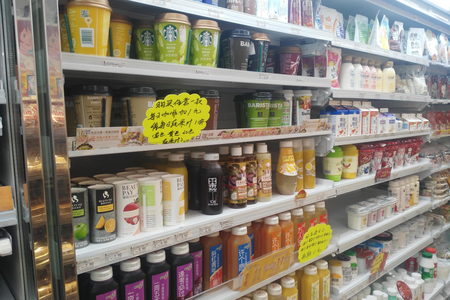
在消费者认知里,美宜佳是遍布城乡的国民连锁基础设施。40147家门店覆盖全国240余座城市,数量断层领先。可每一次真实消费,都在击碎标准化连锁的想象。

同一块招牌之下,经营者的素养、尺度、底线天差地别。有的店主细致管理临期分区,有的店主任由过期零食混迹货架。消费者跨地域维权需转接东莞总部,层级流转之间,耐心被消磨殆尽。江西景德镇的一名顾客买到假烟,拨通远在东莞的投诉热线,接线员的推诿与转接,最终只留下一地怨念。

回看美宜佳发展轨迹,规模跑在了管理前面,细碎负面情绪长期堆积,最终借由监管约谈集中爆发。剥离“连锁企业”的固有标签,美宜佳的底层载体全部为独立个体户。总部不持有任何门店产权,租金、人力、损耗全由加盟商承担,企业仅输出商标、基础供应链与装修方案。这是一条脆弱的授权链条,串联40147名独立经营者。总部政策只要松动一毫米,门店便如杠杆般将漏洞放大万倍。

香烟品类的管控最具代表性。供应链统一配送不覆盖香烟,加盟商自行申证、自主进货。督导巡查仅能核查无证售烟,无法甄别假冒烟。监管部门调查发现,广东已有门店在微信群实时通报督导动向,形成“预警网络”。

这不是偶发投机,而是盈利压力下长期累积的生存策略。督导覆盖门店多达二三十家,巡查频次低、深度浅,人员频繁更换,很多问题尚未解决,对接人已先行调离。

这便是“连而不锁”的核心困境。40147家门店的庞大网络,督导体系形同虚设,风控能力严重滞后于扩张速度。假烟、过期食品不是偶然爆发的个案,而是系统性风险提前释放的必然预兆。

利益失衡与精准围剿

三重矛盾叠加

低门槛是美宜佳快速拓店的核心筹码。总投入30万至35万元,每月1000元固定管理费,不参与流水抽成。这套轻量化策略在行业增量阶段顺利兑现规模,却埋下了总部与加盟商利益相悖的长期隐患。

加盟商诉求是压缩进货成本、提升终端毛利,总部收益依托供应链差价,二者天然存在博弈空间。多地经营数据显示,统一配货的常规饮品、日化商品,供货价较地方批发市场高出一至两成,终端丧失价格竞争力,客流持续分流至折扣店与生鲜店。

商圈无序拓店进一步加剧内卷。有加盟商反映,同一社区四门之内开设四家美宜佳门店,区域保护长期缺位。行业数据显示,2024年便利店单店日均来客数降至311.4人,综合毛利率收缩至两成左右,回本周期拉长到两年以上。网络上甚至出现“十个美宜佳,九个亏”的说法。

经营利润持续承压,部分加盟商选择绕过官方供应链私采低价货源。香烟销售占多数门店营业额的40%至50%,是关键客流入口,但统一限价导致毛利有限,含烟门店整体毛利率约28%。有从业者指出,一条进货价218元的真烟仅赚12元,而假烟进货价可低40%至50%,利润翻倍,诱发渠道套利。这是一个被成本结构挤压后的人性选择,谈不上道德瑕疵,不过是经济学基本规律在零售终端的直白呈现。

加盟商群体的连环追问在行业社群持续发酵:每月1000元管理费匹配何种赋能,供货价高于市场的逻辑是什么,美宜佳的差异化竞争力在哪里,自有商品矩阵何时出现,脱离这块招牌门店能否独立经营。一系列核心问题始终缺乏系统性官方解答,加盟合作的价值认同持续稀释。

与此同时,零售赛道持续分化。百果园深耕鲜果标准化,钱大妈以“日清”模式解决家庭生鲜,锅圈聚焦居家火锅食材,零食很忙与赵一鸣整合休闲零食赛道,酒便利锁定酒类细分场景。“新鲜零食”等新兴业态整合各赛道头部单品,依托极致供应链压缩流通成本。即时零售同步渗透,30分钟送达进一步消解了到店刚需。

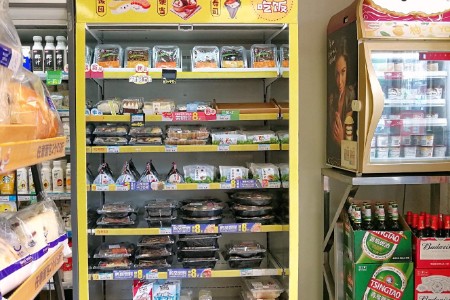
消费者选择清单被无限拉长。便利店货架上那瓶保质期一年的饮料售价5元,而蜜雪冰城柠檬水仅需4元,新鲜度与消费体验之间已形成肉眼可见的差距。传统便利店“全品类覆盖”的优势不复存在,商品同质化、自有商品稀缺、价格缺乏竞争力三大短板集中暴露。消费者走进便利店的最后一个理由,正在被这个时代无情抽走。

规模跑赢治理

轻资产模式的转型临界点

美宜佳实现40147家门店的规模领跑,依托的是城镇化早期社区零售的空白窗口,叠加低门槛加盟的扩张红利。它踩中了增量时代的风口,却也走上了“先扩张后治理”的危险路径。

门店增速远超管理制度、供应链、赋能体系的迭代节奏,“重招商拓店、轻门店管控”成为长期主线。规模的幻影掩盖了体系深处的短板。

从特许经营逻辑审视,松散加盟存在不可调和的内生缺陷。品牌方仅输出商标与供货渠道,没有搭建荣辱与共的共生机制。收益单向流向总部,经营风险与合规风险全部由加盟商与消费者承担。连锁经营的核心要义在于“连而能锁”,统一品控、服务、商品标准是立业根基。美宜佳仅完成了表层门店联结,标准化管控全程断裂,40147家门店相当于40147套独立经营标准,品牌资产持续耗散。

监管政策的持续收紧,进一步压缩粗放扩张的生存空间。近年《食品销售连锁企业落实食品安全主体责任监督管理规定》等法规落地,监管逻辑转向穿透式追责。品牌总部需对全加盟网络的合规经营承担连带责任,过往借助加盟合同规避主体责任的空间被彻底堵死。本次市场监管总局高层约谈,是对万店轻资产模式的明确警示。

更深一层的行业命题,指向综合便利店的核心价值重构。当垂直细分门店与即时零售双向分流客流,便利店不能再依赖简单的商品堆砌。自有商品矩阵、差异化场景服务、极致供应链成本、完善加盟商赋能体系,四大能力缺一不可。审视当下的美宜佳,尚未形成具备市场认知度的自有商品矩阵,供应链溢价削弱了门店价格优势,加盟商培训仅停留于开业短期速成,常态化督导流于形式。四大核心能力皆存明显短板。

40147家门店,既是这家企业的最高成就,也可能成为增长天花板。若不能完成管理制度、供应链、商品体系的系统性升级,不能从根本上理顺总部与加盟商的共生关系,门店规模将由增长引擎转化为风险包袱。行业滑铁卢效应或将逐步显现,闭店潮、加盟纠纷、负面舆情,将形成难以打断的连锁反应。

存量时代的共生必修课

本次监管约谈,是企业转型的关键契机。想要扭转困局,一场多维度的深度调整缺一不可。

重构加盟管理体系,降低固定经营成本,搭建分层长效培训机制,扩充专职督导团队,杜绝形式化巡查。重塑供应链利益分配,抹平供货价与市场价差,发力自有商品研发,打造差异化商品壁垒。搭建总部与加盟商共生共赢机制,建立常态化沟通渠道,完善区域保护规则,配套库存帮扶与滞销调换政策,切实降低单店经营压力。落地全链条食品安全追溯体系,打通库存、进货、临期预警数字化系统,补齐烟草管控漏洞,以严格品控重建消费者信任。

所有万店连锁品牌应当认清一个核心规律:门店数量从来不是真正的护城河。标准化管控能力、供应链议价能力、加盟商共生体系、消费者信任资产,才是穿越行业周期的长期壁垒。轻资产加盟不等于放任式管理,特许经营的本质是价值共生。品牌总部在收取管理费用的同时,必须承担运营扶持、品控监督与风险兜底的对应责任。单向索取的商业模式,无法在存量竞争时代长期维系。

零售行业永远立足于两端:一端服务加盟商,一端服务消费者。善待加盟商方能稳定终端供给,保障商品安全、价格合理方能留住消费者的脚步。若美宜佳能够抓住本次整改窗口期,完成管理制度、供应链、商品体系的全面升级,修复总部与加盟商、品牌与消费者的双重信任,40147家门店的规模优势便能转化为不可替代的行业竞争力。倘若仅仅做一轮表面整改,未能触及松散加盟模式的底层矛盾,那么当下40147家门店的体量,或将定格为这家企业历史上难以复刻的顶峰时刻。

行业期待美宜佳完成一场刮骨疗毒式的深刻变革,探索出本土万店连锁可复制的高质量发展范式。这不仅是一家企业的自救,更是一个行业的共同期许。

注:文/RBF内容组,文章来源:零售商业财经(公众号ID:RetailFinace),本文为作者独立观点,不代表亿邦动力立场。

文章来源:零售商业财经

广告
微信
朋友圈

这么好看,分享一下?

朋友圈 分享

APP内打开

+1
+1
微信好友 朋友圈 新浪微博 QQ空间
关闭
收藏成功
发送
/140 0