广告
加载中

西昊坐拥APEC“主场窗口”:一把人体工学椅如何成为“中国智造”出海新名片?

龚作仁 2026-06-08 12:40
龚作仁 2026/06/08 12:40

邦小白快读

EN
全文速览

本文核心是介绍中国深圳头部人体工学椅品牌西昊,凭借硬核产品力获得APEC秘书处代表团高度认可,成为中国智造出海新名片的相关信息,核心干货如下:

1.品牌基础信息:西昊有15年发展历史,扎根深圳“久坐之城”的职场健康需求成长,每年研发投入近亿元,累计拥有超270项技术专利,组建了百余人的专业研发团队,2025年销量超200万件,产品远销全球122个国家和地区,是国内行业头部品牌。

2.产品核心优势:西昊突破传统人体工学椅静态支撑的局限,自主研发动态追踪支撑技术,本次展出的C300、S300搭载腰背滑翔技术,可适配不同坐姿,搭配8D联动扶手,适配办公、娱乐、小憩多场景,舒适度获得国际友人高度认可。

3.品牌发展方向:目前西昊正从产品出海向品牌出海升级,拓展智能化功能,切入家庭、休闲等多元场景。

本文以西昊的品牌升级出海路径为例,给国内消费品牌提供了多方面可参考的干货,核心内容如下:

1.产品研发方面:要坚持长期高研发投入,聚焦用户真实痛点打磨产品,针对人久坐每小时无意识换13次坐姿的需求,西昊研发出动态支撑技术,解决传统椅子腰部悬空的问题,积累核心技术专利,建立专业研发团队,摆脱低价性价比竞争。

2.品牌营销方面:要抓住重大国际活动的主场窗口,借权威活动和官方媒体曝光完成品牌背书,快速提升全球认可度,西昊借APEC中国年的展示机会,成功打出中国智造的品牌名号。

3.渠道建设方面:国内从流量驱动转向体验驱动,布局线下门店让消费者体验真实体感;出海优先布局消费环境相近的东南亚市场测试,走先做产品力再做品牌力的升级路径,从产品出海转向价值出海。

本文给办公家居类尤其是想做出海的卖家,提供了清晰的行业机会和可借鉴的经验,核心干货如下:

1.市场机会方面:当下职场人健康需求提升,人体工学椅赛道增长空间充足,传统出海的粗放分销模式品牌溢价低,当前市场已经留出中高端品牌的突围空间,转型品牌化升级能获得更高收益。

2.区域机会方面:东南亚的消费环境和中国相似度高,是品牌出海做线上线下协同落地的理想测试区域,适合作为出海第一站优先布局。

3.可借鉴的经营经验:不要盲目走低价竞争路线,优先打磨产品核心竞争力再做品牌升级,国内市场要重视线下体验门店布局,补线上流量无法替代的真实体感短板,完成从流量驱动到体验驱动的转型。

4.品牌增长提示:可以借助重大国际主场活动做品牌背书,快速打开全球知名度,降低品牌出海的认知门槛。

本文给办公家具及相关制造工厂,提供了转型升级和拓展市场的干货参考,核心内容如下:

1.产品生产设计需求:当下消费者的需求已经从基础坐具功能,转向健康舒适、多场景适配的体验,工厂要聚焦用户真实痛点开发产品,比如针对久坐人群高频换坐姿的需求,开发动态支撑功能,优化材质、调节结构等细节,提升使用体验。

2.商业机会:国内消费升级催生了庞大的职场健康需求,海外中高端人体工学椅市场仍有缺口,工厂摆脱代加工低价模式,做自有品牌升级,能获得更高的利润空间,打开更广阔的市场。

3.数字化电商转型启示:要重视自主核心技术研发,积累专利建立技术壁垒,不要只做性价比代工,打造自有品牌,出海可以优先从消费环境相近的区域切入测试,逐步拓展全球市场,走线上线下结合的路线,靠体验建立用户口碑。

本文梳理了人体工学椅行业当前的发展动向,给相关配套服务商提供了行业干货参考,核心内容如下:

1.行业发展趋势:国内人体工学椅行业已经从低价价格竞争,转向核心技术和用户体验竞争,出海模式也从传统粗放的分销代加工,转向品牌化升级,中国智造正逐步向全球价值链中高端攀升,产品也从单一办公场景,向家庭、娱乐、休闲等多元生活场景延展,智能化是未来明确的发展方向。

2.客户核心痛点:国内制造品牌出海缺乏权威的品牌背书渠道,难以突破传统产品的技术局限,转型阶段缺乏落地体验场景的配套支持,出海拓展阶段缺乏合适的区域布局配套资源。

3.市场机会方向:服务商可以针对性布局,为品牌提供国际活动营销背书对接、线下零售门店运营服务、东南亚区域出海落地配套服务、智能化功能技术整合服务,帮助品牌完成升级转型,抓住行业增长红利。

本文呈现了家居制造品牌的发展需求和行业动向,给平台商的招商、运营布局提供了干货参考,核心内容如下:

1.品牌端核心需求:当前主打技术和品牌的家居出海品牌,需要平台提供线下体验场景支持、目标区域市场的落地资源支持、权威品牌曝光背书资源,解决线上销售无法传递产品真实体感的痛点,帮助品牌完成从流量驱动到体验驱动的转型。

2.平台运营布局方向:可以针对中国智造出海的需求,重点开放东南亚区域的流量、渠道资源,扶持优质品牌出海落地,针对体验转型的需求,开放线下门店对接资源,吸引优质品牌入驻。

3.招商与风险规避方向:平台要重点引入像西昊这类拥有核心技术、品牌力的中高端品牌,丰富平台优质供给,同时要规避低价同质化竞争的风险,引导品牌走技术和体验升级路线,优化平台品类结构,提升整体品类溢价空间。

本文以西昊的发展案例为样本,呈现了中国制造业升级出海的新动向,给产业研究者提供了典型研究样本,核心内容如下:

1.产业新动向:当前中国细分制造领域,已经完成从过去的代加工、低价产品出海,向自有品牌、核心技术出海的阶段转变,整体从“产品走出去”向“价值走上去”升级,越来越多细分领域的中国品牌开始依托核心技术,参与全球中高端市场的竞争。

2.创新商业模式:西昊开创了区别于传统出海的新模式,先打磨产品核心技术,建立国内用户口碑,再依托APEC这类重大国际主场活动完成权威品牌背书,优先布局消费环境相似的区域做市场测试,成功后再逐步拓展全球市场,避开了传统展会分销的粗放模式。

3.研究启示:西昊的案例证明,中国制造业从世界工厂向品牌强国升级过程中,细分领域头部品牌抓住国际主场窗口,依托核心技术可以快速完成品牌跃升,这一模式具备可复制性,是中国制造升级的典型样本,具备较高的研究价值。

返回默认
声明:快读内容全程由AI生成,请注意甄别信息。如您发现问题,请发送邮件至 run@ebrun.com 。

我是 品牌商 卖家 工厂 服务商 平台商 研究者 帮我再读一遍。

Quick Summary

This article introduces Sihoo, a leading ergonomic chair brand based in Shenzhen, China. It details how the brand has earned high recognition from the APEC Secretariat delegation through its strong product capabilities, establishing itself as a new flagship representative of smart Chinese manufacturing going global. Key takeaways include:

1. Brand fundamentals: With 15 years of development rooted in Shenzhen, a "city of long working hours" with high demand for workplace health, Sihoo invests nearly RMB 100 million annually in R&D. It holds over 270 technical patents, runs a 100+ person professional R&D team, and is projected to sell over 2 million units in 2025. Its products are distributed to 122 countries and regions worldwide, making it China’s top brand in the sector.

2. Core product strengths: Sihoo has broken through the limitations of static support in traditional ergonomic chairs by independently developing dynamic tracking support technology. Its showcased models C300 and S300 feature lumbar-back glide technology that adapts to different sitting positions, paired with 8D linked armrests suitable for work, entertainment and napping. The brand’s comfort has won high praise from international visitors.

3. Brand direction: Sihoo is currently upgrading from exporting products to building a global brand. It is expanding smart functions and entering diversified scenarios including home and leisure use.

Taking Sihoo’s path of brand upgrading and global expansion as a case study, this article offers actionable insights for Chinese consumer brands. Key takeaways are as follows:

1. Product R&D: Brands should sustain long-term high R&D investment, and refine products by focusing on real user pain points. In response to the observation that sedentary people unconsciously adjust their sitting positions 13 times per hour, Sihoo developed dynamic support technology to solve the common problem of lumbar suspension in traditional chairs. By accumulating core patents and building a professional R&D team, the brand broke away from low-price, low-margin competition.

2. Brand marketing: Brands should leverage home-field opportunities at major international events to earn brand endorsement through authoritative events and official media exposure, quickly boosting global recognition. By showcasing its products during the APEC China Year, Sihoo successfully established its reputation as a leader in smart Chinese manufacturing.

3. Channel development: Domestically, Sihoo has shifted from a traffic-driven model to an experience-driven one, opening offline stores to let consumers test products in person. For global expansion, it first tested the Southeast Asian market, which has a similar consumer environment to China, following an upgrading path of building product strength first, then brand strength, transitioning from exporting products to exporting value.

This article offers clear industry insights and actionable lessons for office furniture sellers, especially those planning to expand overseas. Key takeaways include:

1. Market opportunity: Growing demand for workplace health has created substantial room for growth in the ergonomic chair segment. The traditional rough distribution model for exports yields low brand premiums, leaving room for mid-to-high-end brands to break out. Brand upgrading can deliver significantly higher margins.

2. Regional opportunity: Southeast Asia’s consumer environment is very similar to China’s, making it an ideal test market for brands to implement integrated online-offline expansion as the first stop of their global journey.

3. Actionable business lessons: Sellers should avoid blindly competing on price, and prioritize refining core product competitiveness before pursuing brand upgrading. In the domestic market, they should prioritize offline store layouts to make up for the lack of real product experience that comes with pure online sales, and complete the transition from traffic-driven to experience-driven growth.

4. Brand growth tip: Brands can leverage major international home events to gain authoritative endorsement, quickly building global recognition and lowering the认知 barrier for entering global markets.

This article provides guidance for office furniture and related manufacturing factories on transformation, upgrading and market expansion. Key insights are as follows:

1. Product design and production demands: Consumer demand has shifted from basic seating function to healthy, comfortable experience that fits multiple scenarios. Factories should develop products around real user pain points: for example, developing dynamic support functions for sedentary users who adjust positions frequently, and optimizing details such as materials and adjustment structures to improve user experience.

2. Business opportunities: Domestic consumption upgrading has generated massive demand for workplace health, and there is still unmet demand in the global mid-to-high-end ergonomic chair market. By abandoning the low-margin OEM model and upgrading to build an own brand, factories can unlock higher profit margins and access a much larger market.

3. Insights for digital e-commerce transformation: Factories should prioritize independent core technology R&D and build technical barriers through patent accumulation, instead of only focusing on low-margin OEM. When expanding overseas, they can start with testing in regions with similar consumer environments, then expand gradually to global markets, following an integrated online-offline model that builds word-of-mouth through in-person experience.

This article outlines current development trends in the ergonomic chair industry, offering industry insights for relevant supporting service providers. Key takeaways are as follows:

1. Industry development trends: China’s ergonomic chair industry has shifted from low-price competition to competition based on core technology and user experience. Export models are also transitioning from traditional rough distribution and OEM to brand upgrading, as smart Chinese manufacturing moves up to the mid-to-high end of the global value chain. Products are also expanding from single-use office scenarios to diversified lifestyle scenarios including home, entertainment and leisure, with smart functionality confirmed as a clear future growth direction.

2. Core client pain points: Chinese manufacturing brands expanding overseas lack access to authoritative brand endorsement channels, struggle to break through the technical limitations of traditional products, lack supporting infrastructure for in-person experience scenarios during the transformation stage, and lack matching regional layout resources during the global expansion phase.

3. Market opportunity direction: Service providers can develop targeted offerings to help brands complete transformation and capture industry growth, including connecting brands with international event marketing endorsement opportunities, offline retail store operation services, on-the-ground support for Southeast Asian expansion, and intelligent function technology integration services.

This article outlines the development needs and industry trends of home goods manufacturing brands, offering actionable guidance for platforms on merchant recruitment and operation layout. Key takeaways are as follows:

1. Core demands from brands: Current tech and brand-focused home goods brands expanding overseas need platforms to provide offline experience scenario support, on-the-ground resource support for target regional markets, and authoritative brand exposure and endorsement resources. This addresses the pain point that online sales cannot convey the real tactile experience of products, and helps brands transition from traffic-driven to experience-driven growth.

2. Platform operation layout direction: To meet the demand of smart Chinese manufacturing brands going global, platforms can prioritize opening up traffic and channel resources in Southeast Asia to support high-quality brands in landing overseas. To support the transition to experience-driven growth, platforms can open up offline store connection resources to attract high-quality brands to settle on the platform.

3. Recruitment and risk mitigation guidance: Platforms should prioritize recruiting mid-to-high-end brands like Sihoo that own core technology and strong brand power, to enrich high-quality supply on the platform. At the same time, platforms should mitigate the risk of low-price homogeneous competition, guide brands to pursue technology and experience upgrading, optimize platform category structure, and increase overall category premium margins.

Using Sihoo’s development as a case study, this article presents new trends in the upgrading and global expansion of Chinese manufacturing, offering a typical research sample for industry researchers. Key insights are as follows:

1. New industry trends: Chinese manufacturing in niche segments has now completed a transition from exporting OEM and low-cost products to exporting own brands with core independent technology. The overall upgrade has shifted from "products going out" to "value moving up". A growing number of Chinese niche brands are now competing in the global mid-to-high-end market based on their core technology.

2. Innovative business model: Sihoo has developed a new model distinct from traditional global expansion approaches: it first refined core product technology and built domestic user word-of-mouth, then earned authoritative brand endorsement through a major international home event like APEC, prioritized testing in markets with similar consumer environments, and expanded to the broader global market only after achieving initial success. This avoids the rough model of traditional trade show distribution.

3. Research implications: Sihoo’s case proves that during China’s transition from being the world’s factory to a global brand power, leading niche brands can leverage home-field opportunities at major international events to achieve rapid brand growth based on core technology. This replicable model is a typical sample of Chinese manufacturing upgrading with high research value.

Disclaimer: The "Quick Summary" content is entirely generated by AI. Please exercise discretion when interpreting the information. For issues or corrections, please email run@ebrun.com .

I am a Brand Seller Factory Service Provider Marketplace Seller Researcher Read it again.

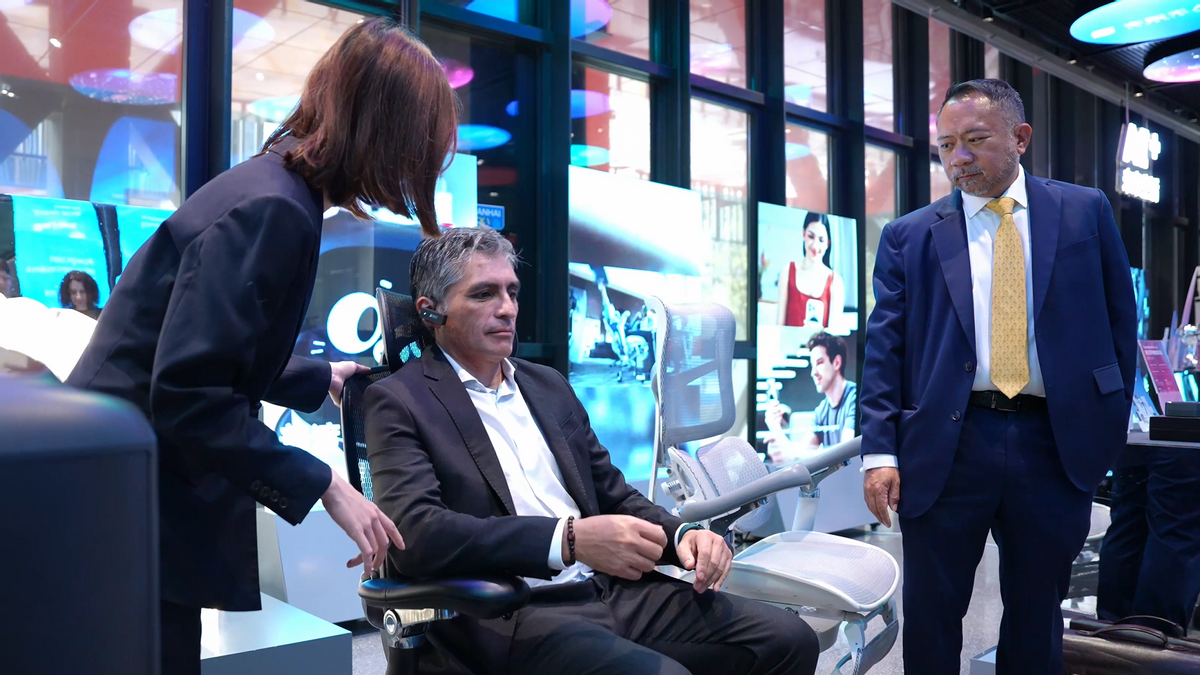
“It’s too comfortable!”——当APEC秘书处代表团成员坐上西昊C300人体工学椅的那一刻,这句由衷的赞叹脱口而出。紧接着,“Not bad”“Fantastic”“I love its function”“It’s impossible to work”……一连串毫不掩饰的好评,让这场原本寻常的西昊产品体验活动,瞬间变成了一场中国智造的“圈粉”现场。

近日,APEC秘书处代表团亲身体验了西昊C300和S300人体工学椅。代表团成员被椅子的舒适感深深吸引,对座椅搭载的8D扶手调节系统、顺滑稳定的后仰功能以及透气亲肤的网布材质,均给予了高度赞赏。体验结束后,代表团成员仍意犹未尽,直言“I can sleep here”,充分表达了对西昊产品设计与人性化细节的认可。

这把来自深圳的人体工学椅,为何能让APEC官员频频点赞?背后是西昊十五年如一日对技术深耕与用户体验的极致追求。

从“久坐之城”长出的头部品牌

深圳,被称为“久坐之城”——互联网、金融、科技等高强度办公业态高度集中,催生了庞大的职场健康需求。正是在这片土壤中,西昊从一家默默无闻的制造企业,成长为中国人体工学椅行业的头部品牌。

数据最能说明问题:西昊坚持每年近亿元研发投入,累计获得超270项技术专利,组建百余人专业研发团队。2025年销量超200万件,产品远销122个国家和地区。从奠定市场口碑的M90,到三年销量突破60万张的C300系列,再到全球首款智能人体工学椅T6,西昊几乎每一款产品都在重新定义行业标准。

但真正让西昊区别于“性价比玩家”的,是它对核心技术话语权的争夺。传统的人体工学椅多为静态支撑——固定腰托只能适配一种坐姿,用户稍微换姿就会出现腰部悬空。而研究表明,人在专注状态下每小时会无意识地改变坐姿约13次。如何解决这个问题?

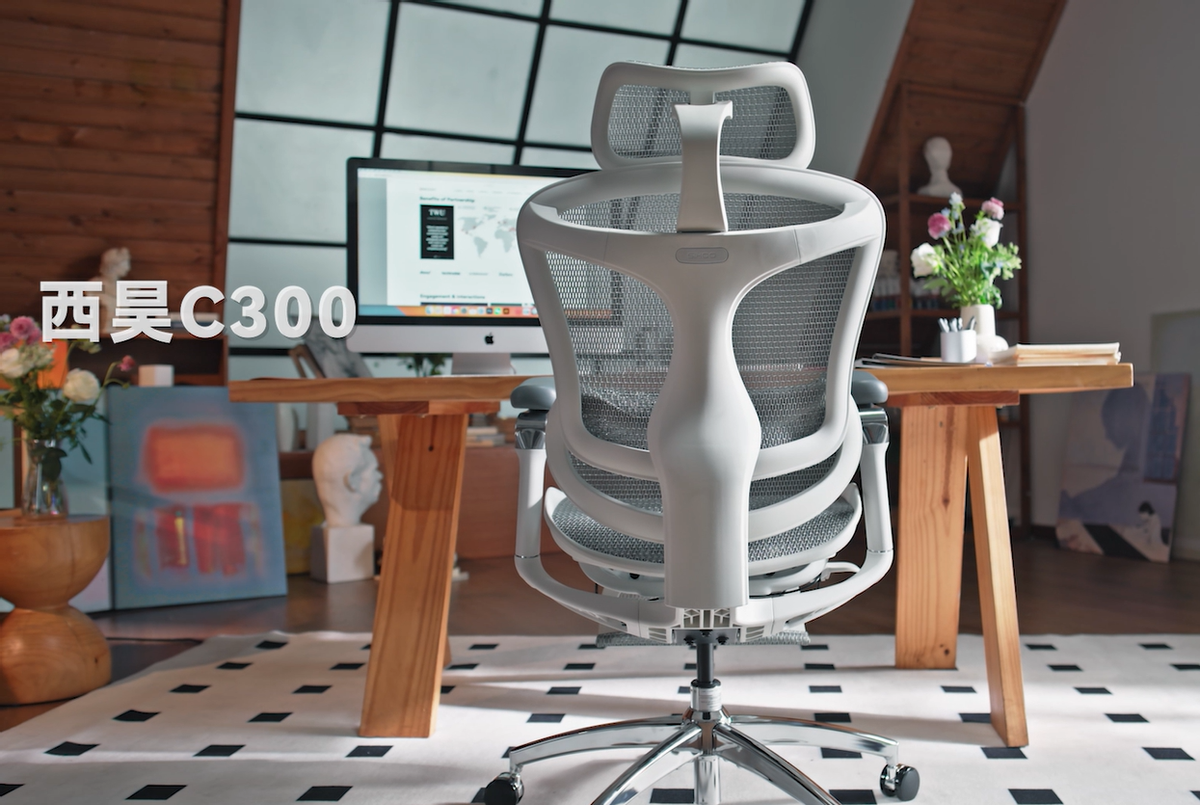
西昊自主研发的“DynaCore全程动态追踪系统”打破了这一局限。以此次APEC官员体验的C300和S300为例,它们搭载的SyncroFlex腰背滑翔技术,利用双轨双弹簧悬架实现智能滑翔追踪,无论伏案或后仰都能精准贴合用户腰部。8D联动扶手则通过分段结构支持多维度协调,适应办公、娱乐、小憩等多种场景。正是这些“看不见的技术”,让APEC官员发出了“It’s too comfortable”的感叹。

APEC“中国年”里的意外主角

2026年是APEC“中国年”,中方接任东道主,以“建设亚太共同体,促进共同繁荣”为主题。在此框架下,一系列展示中国科技创新成果的活动陆续展开。而西昊产品获得APEC秘书处代表团的高度认可,恰是这一进程中的生动注脚。

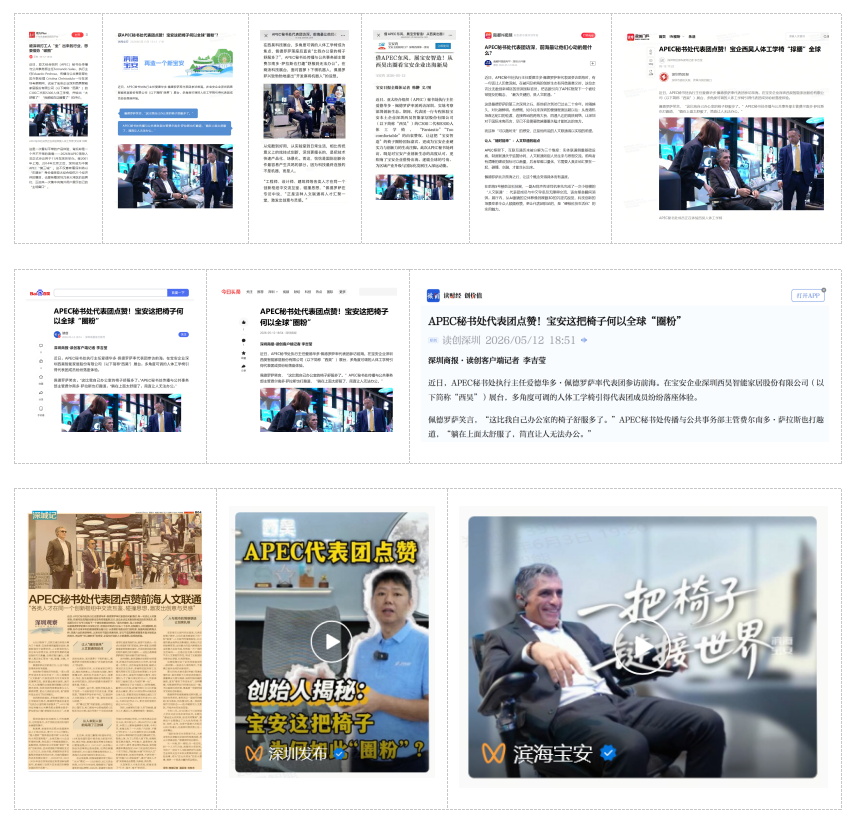
南方日报、南方都市报、深圳特区报、深圳日报英文版、宝安融媒体中心等数十家主流媒体对此进行了深度报道。媒体纷纷指出,西昊作为深圳“久坐之城”孕育出的头部品牌,正借APEC“主场窗口”加速破解出海难题,从区域策源地迈向全球市场。其“舒服到无法办公”的体验,生动诠释了“硬核科技生活化”的创新生态,成为APEC框架下“人文联通”的具象化注脚。

此次众多权威媒体的集中报道,不仅是对西昊产品力与品牌力的高度认可,更是对中国智造以创新姿态参与全球竞争的有力背书。以人体工学椅为代表的中国细分产业,正从幕后走向台前,站上亚太经济合作的主场舞台。

品牌出海:从“产品走出去”到“价值走上去”

获得APEC官员点赞,对于西昊而言,是其全球化战略的关键一步。

过去,中国办公家具出海主要依赖展会招商和线下分销的粗放模式,品牌溢价低,消费者认知模糊。西昊则选择了一条更艰难但更有价值的路径:先做产品力,再做品牌力。

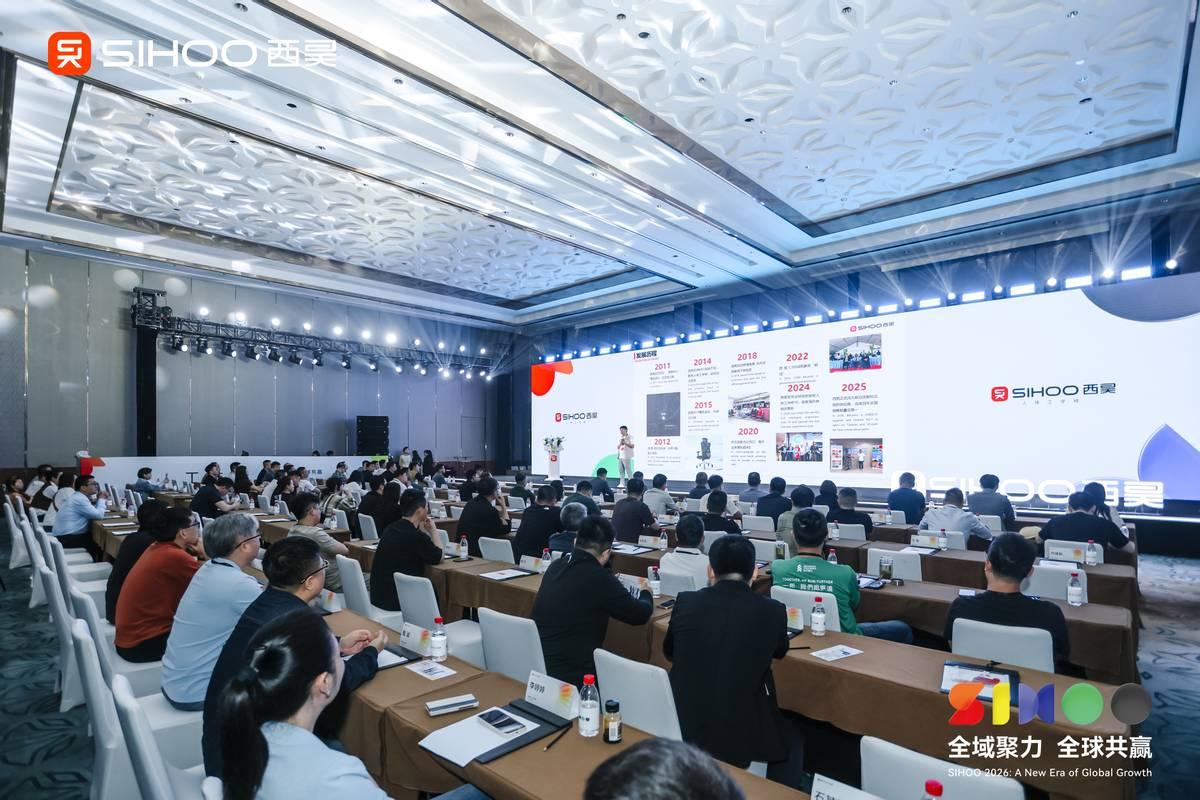
2026年3月,西昊召开“全域聚力,全球共赢”全球经销商大会。东南亚被视为重点布局区域,其与中国消费环境的相似性,为品牌线上线下协同发展提供了理想的测试和落地空间。在国内市场,西昊正加速线下零售门店布局,让消费者能“坐上去感受”——线上流量再大,也替代不了那一把椅子的真实体感。这一战略调整,折射出中国品牌从“流量驱动”向“体验驱动”的深刻转变。

与此同时,西昊正围绕智能化、电气化方向,将按摩、久坐提醒、健康监测、环绕音响等功能融入产品应用场景,推动人体工学椅从办公场景向家庭、娱乐、休闲等多元生活空间延展。这不仅是产品功能的丰富,更是中国品牌在全球价值链中向上攀升的缩影。

一把椅子背后的“深圳样本”

西昊的故事,之所以能引发从区域媒体到央媒、从国内到国际APEC秘书处的广泛关注,根本原因在于它提供了一个可复制的“中国智造”升级样本。

此次APEC秘书处代表团的亲身试坐与一致好评,不仅有力印证了西昊人体工学椅的卓越产品力,更标志着西昊在全球中高端人体工学椅领域的影响力迈上了新台阶。正如媒体评论所言,这把椅子获APEC秘书处认可,有力印证了“中国智造”的硬实力,吹响了从“产品出海”向“品牌出海”跃升的号角。

当APEC官员说出“I can sleep here”时,他们或许并未意识到,这句轻松的感慨背后,是一家中国企业十五年磨一剑的技术坚守,是一座城市对先进制造业的长期哺育,更是一个国家从“世界工厂”迈向“品牌强国”的时代注脚。而这,正是西昊为世界人民贡献的“中国方案”。

注:文/龚作仁,文章来源:Laborer,本文为作者独立观点,不代表亿邦动力立场。

文章来源:Laborer

广告
微信
朋友圈

这么好看,分享一下?

朋友圈 分享

APP内打开

+1
+1
微信好友 朋友圈 新浪微博 QQ空间
关闭
收藏成功
发送
/140 0