广告
加载中

“中国跨境电商发展与南南合作新机遇交流会”在联合国万国宫成功举办

亿邦智库 2026-05-27 11:33
亿邦智库 2026/05/27 11:33

邦小白快读

EN
全文速览

本次交流会是中国商务部主办的中国跨境电商发展与南南合作新机遇主题交流会,于5月13日在瑞士日内瓦联合国万国宫成功举办,核心干货内容如下:

1. 本次会议在联合国贸发会议第9届电子商务和数字经济政府间专家组会议期间举办,汇聚了联合国相关国际组织代表、多国使节、中方政企智库代表,核心交流中国跨境电商在模式、监管、税收等领域的成熟经验,探索跨境电商赋能南南合作的新路径。

2. 会议达成共识,跨境电商已经成为中国外贸发展新动能,既能够服务南方国家消费者、进口南方特色商品,还能通过经验输出助力南方国家提升电商发展能力,实现互利共赢。

3. 本次会议是中国落实全球发展倡议的重要举措,下一步中方将持续深化跨境电商领域南南合作,推动南南合作走深走实。

本次交流会释放了跨境电商南南合作的多项利好信息,对布局出海的品牌商有较高参考价值,核心干货如下:

1. 市场层面存在双向增长机会:中国跨境电商既服务南方国家消费者,也大量进口南方国家特色商品,品牌商既可以开拓南方国家的消费市场,输出适配需求的中国商品,也可以引入南方特色商品进入中国市场,挖掘新增量空间。

2. 可借鉴成熟经验降低运营风险:中国已经在跨境电商模式创新、监管适配、税收安排、物流支付体系建设方面积累了成熟经验,多家头部企业和机构分享了本地化运营案例,品牌商可以参考这些经验降低布局新市场的合规和运营风险。

3. 官方搭建了公开的合作对接平台,方便品牌对接南南合作的相关政商资源,进一步拓展合作空间。

本次交流会为跨境卖家明确了新的增长方向,释放了多个机会信号,核心干货整理如下:

1. 新增增长机会清晰:南南合作是当前国家层面推动的重点合作方向,跨境电商是南方国家贸易增长和产业升级的核心抓手,南方国家有广阔未充分挖掘的消费市场,同时中国市场对南方特色商品需求旺盛,卖家不管是出海还是做进口,都有新的增长空间。

2. 有成熟落地经验可参考:多家头部企业和智库分享了实践经验,包括如何适配南方国家关税制度、开展本地化投资、搭建本地服务体系,能够帮助卖家降低进入新市场的试错成本,少走弯路。

3. 后续政策红利可期:中方会通过技术援助、人员培训等方式帮助南方国家提升跨境电商发展能力,后续会有更多扶持政策开放,卖家可提前布局抢占新市场先机。

本次交流会为工厂依托跨境电商实现转型升级、拓展新市场提供了明确方向,核心干货如下:

1. 带来了新的商业机会:在跨境电商赋能南南合作的大背景下,南方国家对中国优质商品的需求持续提升,工厂可以通过跨境电商直接进入南方市场,打开新的海外增长空间;同时中国大量进口南方特色商品,工厂也可以对接进口供应链,开发新的产品方向,拓展国内市场。

2. 获得了数字化转型的明确启示:中国跨境电商的创新实践证明,数字化电商布局能够帮助工厂直接对接终端消费者,精准掌握市场需求变化,灵活调整生产和产品设计,提升自身市场竞争力,工厂可参考相关经验推进转型。

3. 当前官方已经搭建了南南合作交流平台,有大量成熟的实践案例可参考,工厂推进数字化和电商转型的门槛会进一步降低,转型难度下降。

本次交流会梳理了跨境电商服务行业在南南合作中的发展方向,明确了客户需求和落地方向,核心干货如下:

1. 行业发展趋势清晰:当前南南合作将跨境电商作为核心合作抓手,广大南方国家普遍缺乏完善的跨境电商服务体系,对监管、税收、物流、人才培训等相关服务的需求旺盛,市场增长空间非常大。

2. 明确了核心客户痛点:南方国家普遍存在跨境电商监管体系不完善、税收征管能力不足、物流和支付体系不健全、行业从业人员能力不足的问题,亟需外部成熟经验和专业服务支持。

3. 给出了解决方案方向:中国已经在电商监管、税收服务、物流、支付等领域积累了成熟经验,服务商可以结合这些经验,针对南方国家需求输出适配的解决方案,本次会议也为服务商对接客户需求提供了官方权威平台,方便拓展业务。

本次交流会传递出南南合作背景下跨境电商平台的发展机遇和方向,核心干货整理如下:

1. 明确了市场核心需求:南方国家发展跨境电商,既需要借鉴中国成熟的平台建设运营经验,完善本地跨境电商基础设施,也需要平台对接全球市场资源,帮助本地商品进入全球市场,因此平台类企业有很大的市场拓展空间。

2. 明确了平台的落地方向:国内头部跨境电商平台已经有成熟的南南合作实践,平台可以依托官方南南合作框架,一方面输出平台建设经验,帮助南方国家搭建本地跨境电商服务体系,另一方面双向拓展招商,引入南方特色商品入驻,同时帮助中国商品进入南方市场,实现双向增长。

3. 提示了发展方向和风险规避方向:平台发展需要坚持开放包容、互利共赢的原则,适配当地监管和税收要求,推进本地化运营,才能构建可持续的发展格局,规避政策和运营风险。

本次会议透露出全球跨境电商和南南合作领域的最新产业动向,为相关研究提供了一手信息和新的研究方向,核心干货如下:

1. 梳理了产业最新动向:跨境电商已经成为中国外贸发展的新动能,目前已经成为南南合作的新抓手,中国推动将跨境电商的中国经验输出,助力南方国家实现贸易畅通和产业升级,这是南南合作领域全新的合作模式与发展路径。

2. 提出了新的核心研究议题:当前行业需要研究如何依托跨境电商合作缩小全球数字鸿沟,如何构建平等互利的南南数字贸易合作机制,以及如何适配不同国家的国情,复制中国跨境电商在模式创新、监管治理、税收征管等领域的成功经验。

3. 本次会议搭建了官产学研多方交流的平台,形成了跨境电商赋能南南合作的初步共识,为后续相关研究提供了扎实的实践基础,也为研究者对接产业资源提供了官方渠道。

返回默认

声明:快读内容全程由AI生成,请注意甄别信息。如您发现问题,请发送邮件至 run@ebrun.com 。

我是 品牌商 卖家 工厂 服务商 平台商 研究者 帮我再读一遍。

Quick Summary

The Exchange Forum on China's Cross-Border E-Commerce Development and New Opportunities for South-South Cooperation, hosted by the Ministry of Commerce of the People's Republic of China, was successfully held on May 13 at the Palace of Nations in Geneva, Switzerland. Key takeaways from the event are as follows:

1. Held on the sidelines of the 9th session of the UNCTAD Intergovernmental Group of Experts on E-Commerce and the Digital Economy, the forum brought together representatives from relevant UN agencies, diplomatic envoys from multiple countries, and representatives from China's government, business, and think tank communities. It centered on sharing China's mature experience in cross-border e-commerce covering business models, regulation, taxation and other areas, and exploring new pathways for cross-border e-commerce to empower South-South cooperation.

2. Attendees reached a consensus that cross-border e-commerce has become a new growth driver for China's foreign trade. It not only serves consumers in Southern countries and imports characteristic goods from the Global South, but also helps Southern countries improve their e-commerce development capacity through experience sharing, delivering mutual benefits for all parties.

3. The forum is a key step for China to implement the Global Development Initiative. Going forward, China will continue to deepen South-South cooperation in the cross-border e-commerce sector and advance the solid, in-depth development of South-South cooperation.

This exchange forum released multiple positive signals for cross-border e-commerce cooperation under the South-South framework, offering valuable insights for brands looking to expand globally. Key takeaways are as follows:

1. Two-way growth opportunities exist in the market: China's cross-border e-commerce ecosystem both serves consumers in Southern countries and imports large volumes of characteristic goods from the Global South. Brands can either enter consumer markets in Southern countries by offering Chinese products tailored to local demand, or bring Southern characteristic goods to China's market to tap into new growth space.

2. Mature experience is available to help reduce operational risks: China has accumulated established experience in cross-border e-commerce model innovation, regulatory adaptation, taxation arrangements, and logistics and payment system development. Leading Chinese enterprises and institutions shared localized operation cases at the forum, which brands can leverage to lower compliance and operational risks when entering new markets.

3. Official cooperation matching platforms have been established to help brands access government and business resources related to South-South cooperation, further expanding space for collaboration.

This exchange forum clarifies new growth directions for cross-border sellers and releases multiple opportunity signals. Key takeaways are summarized as follows:

1. New growth opportunities are clearly defined: South-South cooperation is currently a key cooperation priority at the national level, and cross-border e-commerce is a core driver for trade growth and industrial upgrading in Southern countries. Southern countries hold large, underpenetrated consumer markets, while China's market has strong demand for characteristic goods from the Global South. Sellers can access new growth space whether they are exporting overseas or importing goods into China.

2. Mature, actionable experience is available for reference: Multiple leading enterprises and think tanks shared practical experience covering how to adapt to tariff regimes in Southern countries, conduct localized investment, and build local service systems. This can help sellers reduce trial-and-error costs when entering new markets and avoid common pitfalls.

3. Future policy dividends can be expected: China will help Southern countries improve their cross-border e-commerce development capacity through technical assistance, personnel training and other means, and more supportive policies will be rolled out in the future. Sellers can get a head start by布局 new markets in advance.

This exchange forum provides clear direction for factories to achieve transformation and upgrading and expand new markets via cross-border e-commerce. Key takeaways are as follows:

1. It unlocks new business opportunities: Against the backdrop of cross-border e-commerce empowering South-South cooperation, demand for high-quality Chinese goods in Southern countries continues to grow. Factories can directly access Southern markets via cross-border e-commerce to open up new overseas growth space; meanwhile, as China imports large volumes of characteristic goods from the Global South, factories can also connect with import supply chains to develop new product lines and expand the domestic market.

2. It offers clear insights for digital transformation: The innovative practices of China's cross-border e-commerce sector prove that a digital e-commerce布局 enables factories to connect directly with end consumers, accurately track changes in market demand, flexibly adjust production and product design, and improve overall market competitiveness. Factories can reference these experiences to advance their own transformation.

3. An official exchange platform for South-South cooperation is already in place, with a large number of mature practical cases available for reference. This will further lower the barrier and difficulty for factories pursuing digital and e-commerce transformation.

This exchange forum outlines development directions for the cross-border e-commerce service industry in South-South cooperation, clarifying client demand and actionable paths. Key takeaways are as follows:

1. Industry development trends are clear: South-South cooperation currently takes cross-border e-commerce as a core pillar of cooperation. Most Southern countries lack complete cross-border e-commerce service systems, and have strong demand for related services including regulation, taxation, logistics and personnel training, creating very large market growth space.

2. Core client pain points are clearly identified: Southern countries generally face problems including incomplete cross-border e-commerce regulatory frameworks, insufficient tax collection capacity, underdeveloped logistics and payment systems, and a lack of qualified industry practitioners. They have urgent demand for mature external experience and professional service support.

3. Solution directions are provided: China has already accumulated mature experience in e-commerce regulation, tax services, logistics, payments and other areas. Service providers can build on this experience to develop tailored solutions for the needs of Southern countries. The forum also provides an official authoritative platform for service providers to connect with client demand, making it easier to expand business.

This exchange forum outlines development opportunities and directions for cross-border e-commerce platforms against the backdrop of South-South cooperation. Key takeaways are summarized as follows:

1. Core market demand is clarified: For Southern countries developing cross-border e-commerce, there is demand both for drawing on China's mature platform development and operation experience to improve local cross-border e-commerce infrastructure, and for platforms to connect with global market resources to help local goods access global markets. This creates significant market expansion space for platform companies.

2. Clear actionable paths for platforms are defined: Leading domestic cross-border e-commerce platforms already have mature practical experience in South-South cooperation. Platforms can leverage the official South-South cooperation framework to, on one hand, share platform development experience and help Southern countries build local cross-border e-commerce service systems; on the other hand, expand recruitment in both directions, inviting characteristic Southern goods to settle on the platform while helping Chinese goods enter Southern markets, achieving two-way growth.

3. It provides guidance on development direction and risk mitigation: To build a sustainable development pattern and avoid policy and operational risks, platforms must adhere to the principles of openness, inclusiveness and mutual benefit, adapt to local regulatory and tax requirements, and advance localized operations.

This meeting reveals the latest industry trends in global cross-border e-commerce and South-South cooperation, providing first-hand information and new research directions for related research. Key takeaways are as follows:

1. It outlines the latest industry trends: Cross-border e-commerce has become a new growth driver for China's foreign trade, and has now emerged as a new pillar of South-South cooperation. China is promoting the sharing of its cross-border e-commerce experience to help Southern countries achieve unimpeded trade and industrial upgrading, representing an entirely new cooperation model and development pathway in the South-South cooperation space.

2. It puts forward new core research agendas: The industry now needs to research how to narrow the global digital divide through cross-border e-commerce cooperation, how to build an equal and mutually beneficial South-South digital trade cooperation mechanism, and how to adapt China's successful experience in model innovation, regulatory governance, tax administration and other areas to the national conditions of different countries for replication.

3. The meeting built a multi-stakeholder exchange platform for government, industry, academia and research, and reached a preliminary consensus on cross-border e-commerce empowering South-South cooperation. It provides a solid practical foundation for follow-up related research, as well as an official channel for researchers to connect with industry resources.

Disclaimer: The "Quick Summary" content is entirely generated by AI. Please exercise discretion when interpreting the information. For issues or corrections, please email run@ebrun.com .

I am a Brand Seller Factory Service Provider Marketplace Seller Researcher Read it again.

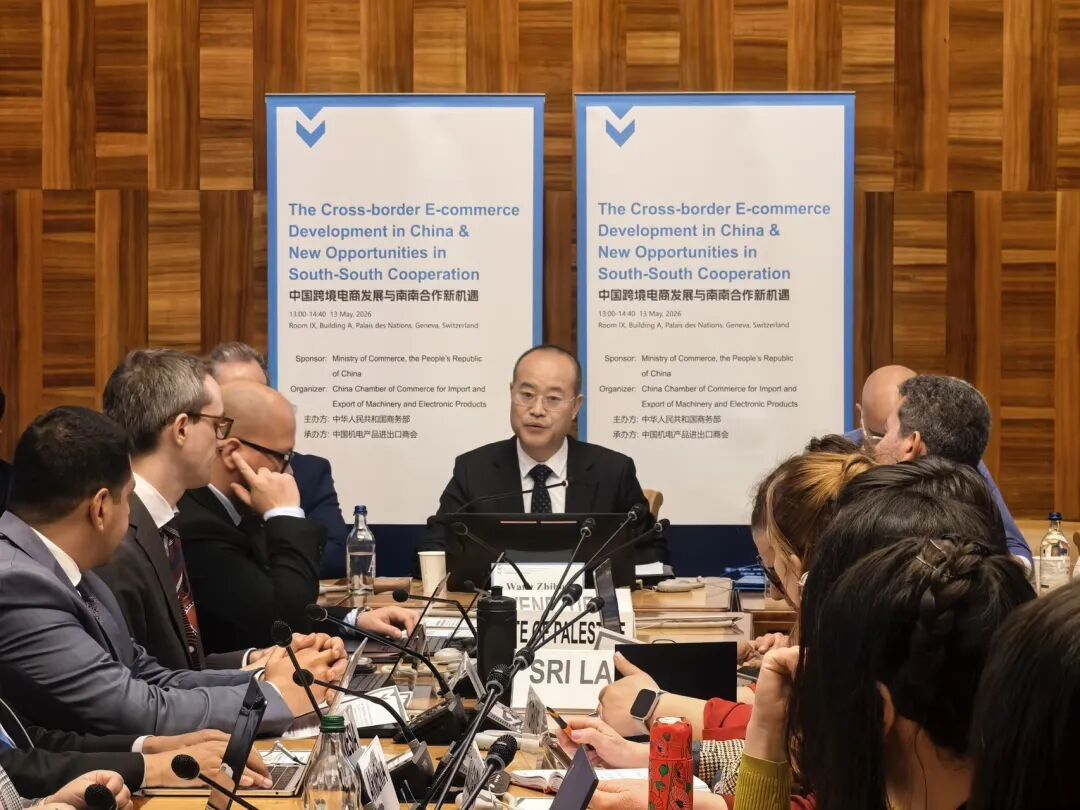
【亿邦原创】5月13日,由中国商务部主办的“中国跨境电商发展与南南合作新机遇”主题交流会在瑞士日内瓦联合国万国宫成功举办。会议聚焦中国跨境电商在模式创新、监管治理、税收征管等领域的成熟经验与实践案例,围绕跨境电商助力南方国家贸易畅通、产业升级等议题开展深度交流,探索跨境电商赋能南南合作的新模式、新路径与新机制。

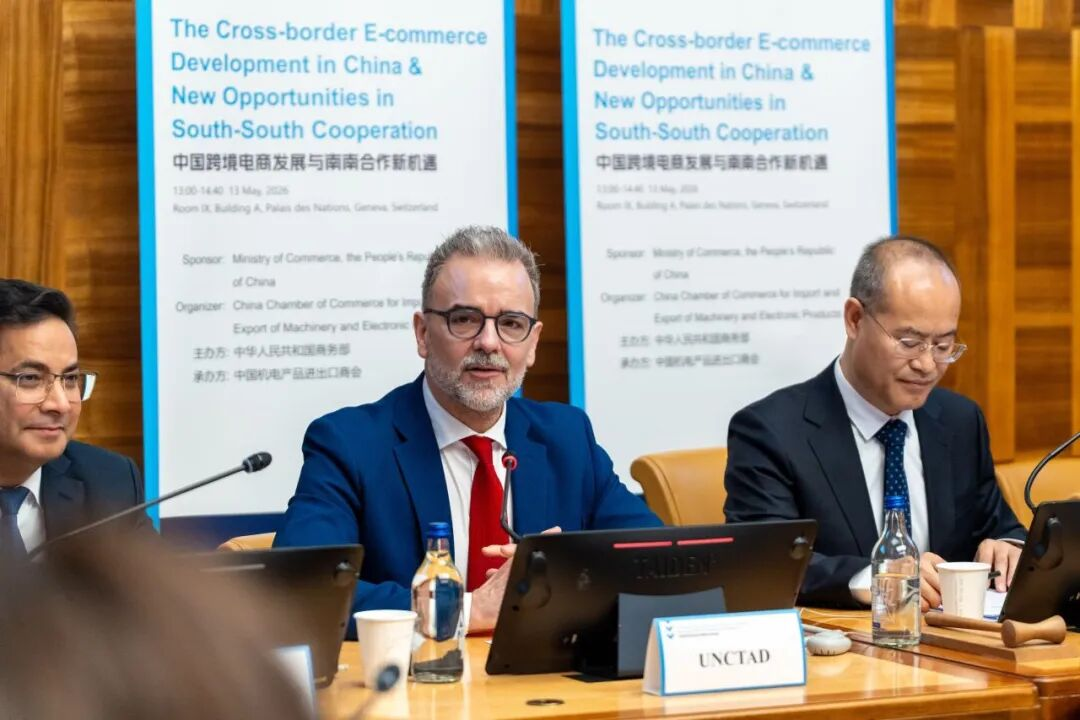
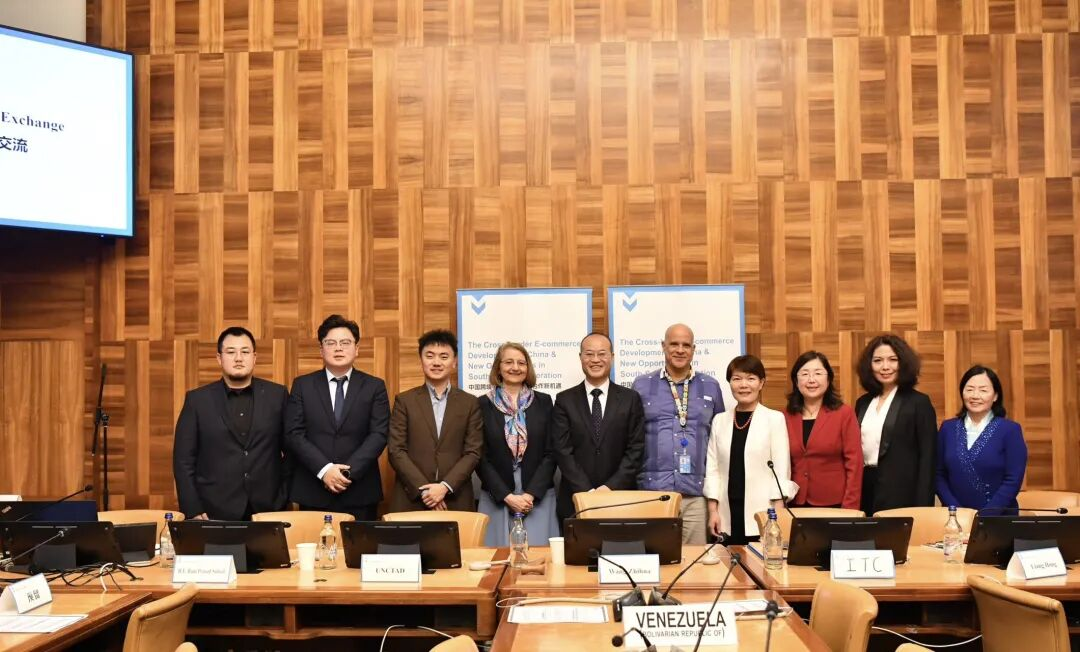
中国商务部外贸司司长王志华出席交流会并作主旨发言。联合国贸发会议代理秘书长莫雷诺、国际贸易中心国别项目司司长戈麦斯、尼泊尔常驻日内瓦代表苏贝迪大使致辞。中国常驻联合国日内瓦办事处和瑞士其他国际组织代表团梁红公参出席会议。

王志华在发言中指出,跨境电商已成为中国外贸发展新动能,成效显著。跨境电商为南方国家发展带来新机遇:中国发展跨境电商,既服务南方国家消费者、提升生活品质,也大量进口南方国家特色商品。中国政府通过技术援助、人员培训等方式,助力相关国家提升跨境电商发展能力,实现互利共赢。下一步,中方将持续深化跨境电商领域南南合作,共同谱写数字经济时代南南合作新篇章。

莫雷诺表示,缩小数字鸿沟是南南合作的重要承诺。中国在电商监管、税收、物流、平台建设及支付体系等方面积累的实践经验,值得广大发展中国家借鉴。他强调,应依托务实合作释放数字贸易红利,推动跨境电商朝着开放包容、发展导向的方向稳步前行,构建平等互利的南南合作格局,并高度认可中国在全球跨境电商发展及南南合作深化中的重要作用与积极贡献。

本次交流会在联合国贸发会议第9届电子商务和数字经济政府间专家组会议期间举行,联合国相关国际组织代表、多国驻日内瓦使节、中方有关机构及企业代表参会。阿里巴巴速卖通、京东集团、浙江阿佤思珂税务咨询有限公司、亿邦智库等中方企业及智库代表分享了跨境电商发展经验与南南合作案例。亿邦智库受邀在本次交流会上发言,副院长樊飞表示,中国跨境电商在创新关税制度兼顾贸易便利化、推动企业本地化投资共享数字经济、带动本地构建跨境电商服务体系,赋能当地产业全球销售等方面的创新实践,可为南方国家发展数字经济提供有益参考。

本次会议是中国落实全球发展倡议、深化南南合作的重要举措,为各国交流跨境电商经验、拓展合作空间搭建了重要平台,对推动全球跨境电商高质量发展、促进南南合作走深走实具有积极而深远的意义。

文章来源:亿邦动力

广告
微信
朋友圈

这么好看,分享一下?

朋友圈 分享

APP内打开

+1
+1
微信好友 朋友圈 新浪微博 QQ空间
关闭
收藏成功
发送
/140 0