广告
加载中

耐克华北新物流中心启用 北京天津有望实现当日达

亿邦动力 2026-05-22 14:45
亿邦动力 2026/05/22 14:45

邦小白快读

EN
全文速览

本文核心信息围绕耐克新启用的华北物流中心展开,普通消费者最关心的收货时效、服务体验相关干货如下:

1. 新物流中心定位清晰,是耐克大中华区第二大电商仓储中心,总面积约11万平方米,由越海全球供应链运营,服务范围覆盖华北八省零售合作伙伴、京津冀直营门店及全国电商消费者。

2. 最直接的利好是收货时效提升,整体订单平均履约时效缩短到3天以内,北京、天津地区的消费者有望享受当日达服务,线上线下购物的收货体验都将大幅提升。

3. 该中心还是“下一代供应链”试验场,已经落地自动化分拣,后续还会升级自动化立体仓储、机械臂等设备,同时是国内零碳智慧物流标准的首个实践试点,配送的稳定性和环保性都有保障。

耐克华北物流中心的落地,给运动服饰行业的品牌商提供了供应链建设、品牌价值提升等多维度的参考干货,具体如下:

1. 当前消费端对配送时效的要求持续提升,耐克通过布局核心区域物流中心,将整体履约时效压缩至3天内,实现京津当日达,能够有效提升用户满意度,巩固品牌市场竞争力,适配当下快节奏零售的消费趋势。

2. 供应链建设可采用与第三方服务商长期深度协同的模式,耐克已经和越海合作15年,依托越海的核心物流基地资源拓展,无需自身投入大量重资产,就能获得物流能力的长期扩展空间,模式可复制性强。

3. 可持续发展已经成为品牌建设的核心方向,该中心获LEED金级认证,是零碳物流团体标准的首个试点,还和清华大学合作双碳人才培养项目,既符合国家双碳政策方向,也能有效提升品牌的环保公众形象。

耐克华北物流中心的启用,给各类运动零售卖家带来了多方面的市场机会和运营参考,具体干货如下:

1. 华北区域零售市场获得时效升级红利,入驻耐克体系的零售卖家,覆盖华北八省的订单配送速度大幅提升,能够帮助卖家提升用户好评率,降低时效相关的售后纠纷,进一步挖掘华北区域的消费增长潜力,获得更多市场机会。

2. 卖家可参考耐克和第三方物流深度合作的模式,不用自行投入重资产建设仓储物流体系,依托成熟第三方的供应链资源,就能降低物流运营成本,聚焦自身核心的零售运营和用户运营业务。

3. 低碳物流是未来行业发展的必然趋势,卖家可提前布局对接低碳物流体系,迎合政策导向和消费者对环保品牌的偏好,同时也要注意时效升级带来的行业竞争压力,提前优化自身的配送服务标准,跟上行业升级节奏。

耐克华北新物流中心的落地,给运动鞋服及相关配套生产工厂带来了多方面的启示和商业机会,具体干货如下:

1. 从生产需求端来看,耐克持续升级物流履约效率,说明当下运动鞋服行业对库存周转速度的要求越来越高,工厂需要加快自身生产响应速度,适配品牌方的快周转需求,帮助品牌减少库存积压,提升自身的合作竞争力。

2. 行业供应链整体向智能化、低碳化升级,工厂在推进自身数字化转型的过程中,可以参考耐克的升级路径,逐步引入智能化生产设备,布局低碳生产工艺,适配品牌方和政策对绿色生产的要求,提升自身的合规性。

3. 该中心是零碳智慧物流标准的首个实践试点,后续围绕低碳供应链会有大量落地项目,涉及低碳原材料、环保生产设备的相关工厂,可以抓住行业转型的风口,对接品牌方的低碳需求,拓展新的业务合作方向。

耐克华北物流中心项目,给物流、供应链相关服务商提供了行业趋势、客户需求等多方面的干货参考,具体如下:

1. 当前头部品牌对供应链服务的核心痛点需求已经明晰,一是要提升区域履约效率,满足消费者对当日达、快配送的需求,二是要实现智能化、低碳化运营,适配双碳政策要求和品牌发展需求,这就是服务商未来核心的业务拓展方向。

2. 头部品牌已经落地下一代供应链的实践,智能化端需要自动分拣系统、自动化立体仓储、机械臂、智能输送网络等技术方案,低碳端需要分布式光伏部署、零碳园区运营管理等解决方案,服务商可以针对性开发对应的产品和服务,匹配品牌需求。

3. 品牌方更青睐长期深度协同的合作模式,本次项目建立在耐克与越海15年合作的基础上,由越海提供运营和资源投入,说明长期稳定的深度协同能力,是第三方服务商获取头部品牌订单的核心竞争力。

耐克华北新物流中心的运营,给各类电商、零售平台的供应链布局、运营管理带来了多方面的参考干货,具体如下:

1. 当下品牌商家和消费者都对区域化仓配能力有很高的要求,平台可以针对性优化自身的区域仓储物流配套建设,吸引更多头部品牌落地区域物流中心,提升平台整体的配送时效,进而增强商家和消费者的平台粘性。

2. 仓配领域的智能化、低碳化是未来发展的明确风向,平台在建设自有仓配体系或者引入第三方物流服务商时,可以引导商家布局合规的智能化、低碳化仓配项目,提前规避高能耗项目带来的政策监管风险。

3. 头部品牌的零碳物流试点可以成为平台招商的核心亮点,平台可以吸引更多注重可持续发展、供应链升级的品牌入驻,同时可以学习品牌与第三方服务商深度协同的模式,优化平台自身的物流合作体系,提升整体运营效率。

耐克华北物流中心的启用,反映了国内运动用品零售供应链领域的多个新动向,对产业研究具备较高的参考价值,具体干货如下:

1. 产业层面出现多个明确新动向:一是头部国际运动品牌持续加大在华本土供应链投资,通过布局区域核心仓配强化履约能力,适配国内电商零售快速发展的需求;二是供应链智能化、低碳化已经从概念落地到实际项目,开创了行业标准先行再落地试点的新路径。

2. 双碳目标下的产业转型层面,耐克联合企业、高校共同发布零碳物流园区的两项团体标准,还和清华大学签约开展碳中和能力提升项目,形成了“标准制定-试点落地-人才培养”的完整转型模式,为相关产业政策落地提供了可研究的实践样本。

3. 品牌方轻资产运营,依托第三方供应链服务商实现长期发展的深度协同模式,也具备较高的研究价值,这种模式实现了品牌和服务商的双赢,对快消零售行业的供应链布局有重要的借鉴意义。

返回默认
声明:快读内容全程由AI生成,请注意甄别信息。如您发现问题,请发送邮件至 run@ebrun.com 。

我是 品牌商 卖家 工厂 服务商 平台商 研究者 帮我再读一遍。

Quick Summary

This article focuses on Nike’s newly opened North China Logistics Center, and below are key takeaways for consumers related to delivery speed and shopping experience:

1. The new facility is Nike’s second-largest e-commerce warehousing center in Greater China, covering around 110,000 square meters. It is operated by YH Global Supply Chain, serving retail partners across eight provinces in North China, directly-operated stores in the Beijing-Tianjin-Hebei region, and e-commerce customers nationwide.

2. The most immediate benefit is faster delivery: the average order fulfillment lead time has been shortened to under 3 days, and consumers in Beijing and Tianjin can now enjoy same-day delivery, greatly improving the delivery experience for both online and offline purchases.

3. The center also serves as a testbed for Nike’s "next-generation supply chain". Automated sorting is already in place, with upgrades such as automated three-dimensional warehouses and robotic arms planned for the future. It is also the first pilot project for China’s national zero-carbon smart logistics standards, guaranteeing both stable and eco-friendly delivery operations.

The launch of Nike’s North China Logistics Center offers multi-dimensional insights for athletic apparel brands on supply chain development and brand value enhancement, as outlined below:

1. As consumer demand for faster delivery continues to rise, Nike’s strategic regional warehouse expansion cuts overall order fulfillment time to under 3 days and enables same-day delivery in Beijing and Tianjin. This move effectively boosts customer satisfaction, strengthens brand competitiveness, and aligns with the fast-paced trend of modern retail.

2. Brands can adopt a long-term, deep collaboration model with third-party service providers for supply chain development. Nike has partnered with YH Global for 15 years, expanding its logistics capabilities by leveraging YH’s existing core logistics base resources. This model avoids heavy upfront capital investment and leaves room for long-term capacity expansion, making it highly replicable.

3. Sustainable development has become a core priority for brand building. The logistics center holds LEED Gold certification, is the first pilot of China’s zero-carbon logistics group standards, and partners with Tsinghua University on a double carbon talent training program. This aligns with China’s national carbon peaking and carbon neutrality goals while effectively improving the brand’s public environmental image.

The opening of Nike’s North China Logistics Center brings multiple market opportunities and operational insights for athletic retail sellers, detailed below:

1. Retail sellers in the North China region will benefit directly from faster delivery. For sellers in Nike’s ecosystem, order delivery speed across the eight North China provinces will improve significantly, helping sellers boost customer satisfaction ratings, reduce time-related after-sales disputes, unlock greater consumption growth potential in the region, and capture more market opportunities.

2. Sellers can follow Nike’s model of deep collaboration with third-party logistics providers. Instead of investing heavily to build in-house warehousing and logistics systems, they can rely on established third-party supply chain resources to cut operational logistics costs, and focus on their core strengths in retail and customer operations.

3. Low-carbon logistics is an inevitable future trend for the industry. Sellers can prepare early by integrating with low-carbon logistics systems to align with policy guidance and consumer preference for eco-friendly brands. At the same time, sellers should prepare for increasing industry competition driven by delivery upgrades, and optimize their own delivery service standards in advance to keep up with industry upgrading.

The launch of Nike’s new North China Logistics Center brings multiple insights and business opportunities for athletic footwear and apparel manufacturers and supporting suppliers, as follows:

1. From the perspective of production demand, Nike’s continuous upgrade of logistics fulfillment efficiency shows that the athletic apparel industry is demanding faster inventory turnover than ever before. Factories need to speed up their own production response to meet brands’ fast turnover requirements, help brands reduce inventory backlogs, and improve their own competitiveness as partners.

2. As the overall industry supply chain upgrades toward intelligence and low-carbon operations, factories can reference Nike’s upgrade path when advancing their own digital transformation: gradually introduce intelligent production equipment, develop low-carbon production processes, align with brands’ and policymakers’ requirements for green production, and improve operational compliance.

3. As the first pilot project for China’s zero-carbon smart logistics standards, the center will pave the way for a large number of follow-up low-carbon supply chain projects. Factories focused on low-carbon raw materials and eco-friendly production equipment can seize this industry transformation opportunity, align with brands’ low-carbon demands, and expand into new business cooperation areas.

Nike’s North China Logistics Center project offers key insights for logistics and supply chain service providers on industry trends and client demands, detailed below:

1. The core demands of leading brands for supply chain services are now clear: first, improving regional fulfillment efficiency to meet consumer demand for same-day and fast delivery; second, achieving intelligent and low-carbon operations to align with China’s double carbon policy and brand development goals. These two areas represent the core future business expansion direction for service providers.

2. Leading brands have already begun implementing next-generation supply chain practices. For intelligent operations, solutions including automated sorting systems, automated three-dimensional warehouses, robotic arms, and smart conveyor networks are needed; for low-carbon operations, distributed photovoltaics and zero-carbon park operation management are required. Service providers can develop targeted products and services to match these brand demands.

3. Brands increasingly favor long-term, deeply collaborative partnership models. This project builds on 15 years of cooperation between Nike and YH Global, with YH providing operations and resource investment. This demonstrates that long-term, stable deep collaboration capability is the core competitiveness for third-party service providers to win contracts from leading brands.

The operation of Nike’s new North China Logistics Center brings multiple insights for e-commerce and retail platforms on supply chain layout and operational management, as follows:

1. Today, both brands and consumers have high demand for regional warehousing and delivery capabilities. Platforms can optimize their regional logistics infrastructure accordingly, attract more leading brands to launch regional logistics centers, improve the platform’s overall delivery speed, and thus increase stickiness among both merchants and consumers.

2. Intelligent and low-carbon warehousing and delivery is a clear future trend. When building in-house warehousing networks or onboarding third-party logistics providers, platforms can guide merchants to develop compliant intelligent and low-carbon warehousing projects, and avoid policy and regulatory risks associated with high-energy projects in advance.

3. Leading brands’ zero-carbon logistics pilots can become a core selling point for platform merchant recruitment. Platforms can attract more brands focused on sustainable development and supply chain upgrading, while learning from the deep collaboration model between brands and third-party service providers to optimize the platform’s own logistics partnership system and improve overall operational efficiency.

The opening of Nike’s North China Logistics Center reflects multiple new trends in China’s athletic goods retail supply chain, offering high reference value for industrial research, detailed below:

1. Multiple clear new industry trends have emerged: first, leading international athletic brands continue to increase investment in local Chinese supply chains, strengthening fulfillment capabilities through regional core warehouse and delivery layouts to meet the rapid growth of China’s e-commerce retail sector; second, intelligent and low-carbon supply chain development has moved beyond concept to implementation, creating a new path where industry standards are established first, followed by pilot implementation.

2. For industrial transformation under China’s double carbon goals, Nike has co-developed two group standards for zero-carbon logistics parks with enterprises and universities, and signed an agreement with Tsinghua University to launch a carbon neutrality capacity building program. This forms a complete transformation model of "standard setting – pilot implementation – talent cultivation", providing a research-ready practical case for the implementation of relevant industrial policies.

3. The deep collaboration model of asset-light brand operation, where brands rely on third-party supply chain service providers for long-term growth, also holds high research value. This model delivers win-win outcomes for both brands and service providers, and offers important reference for supply chain layout in the fast-moving consumer retail industry.

Disclaimer: The "Quick Summary" content is entirely generated by AI. Please exercise discretion when interpreting the information. For issues or corrections, please email run@ebrun.com .

I am a Brand Seller Factory Service Provider Marketplace Seller Researcher Read it again.

【亿邦原创】5月22日消息,亿邦动力获悉,耐克宣布正式启用位于北京经济技术开发区经海五路的华北物流中心。该中心由越海全球供应链运营,总面积约11万平方米,集全国配送中心、区域服务中心、城市服务中心三大功能仓及一座体育公园于一体,将服务华北八省的耐克零售合作伙伴、京津冀直营门店及全国电商消费者。

据悉,该中心会成为耐克在大中华区的第二大电商仓储中心,将帮助耐克更快速、更精准地服务消费者,平均履约时效缩短至3天内,其中北京、天津有望实现当日达。

值得关注的是,为了进一步提升供应链效率,该物流中心在高度集成的功能体系下实现了智能化运营。例如,通过Auto Sorter自动分拣系统实现从入库到分拣的端到端自动化流程。接下来,中心还会导入自动化立体仓储系统、机械臂作业单元及智能高速输送网络等,持续提升仓储与分拨能力,逐步成为更高效率的“全自动化仓库”。

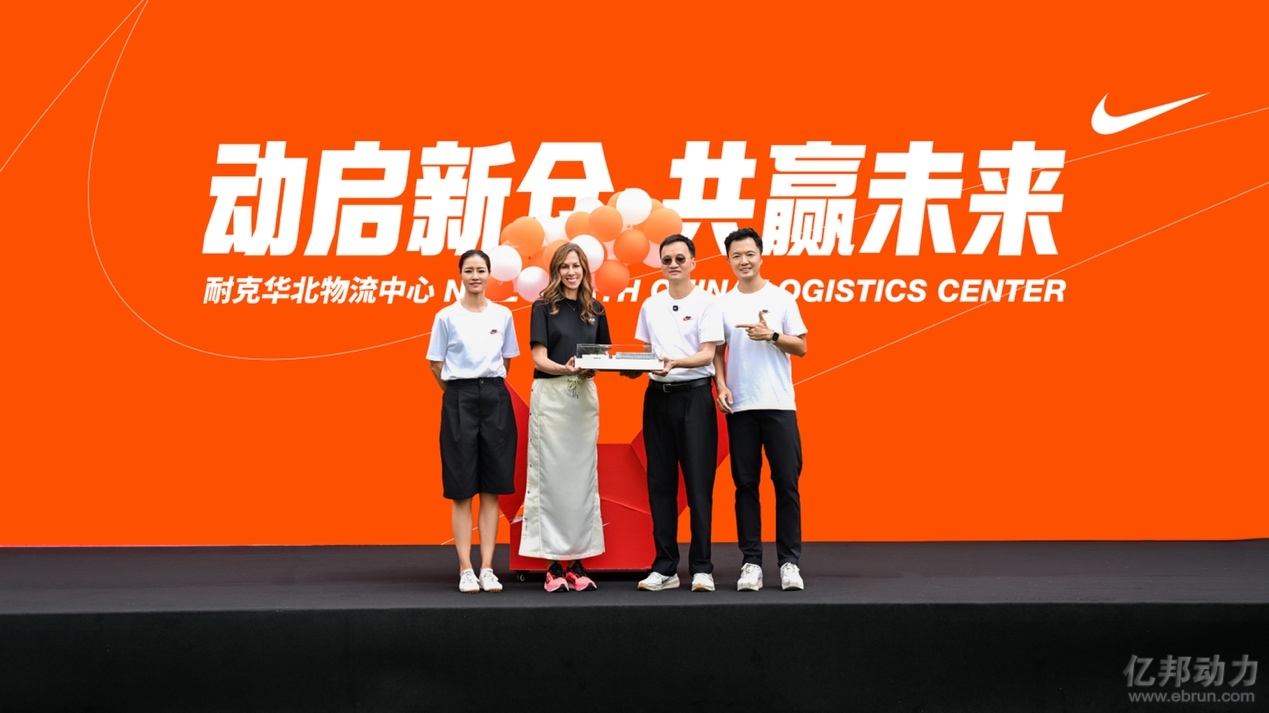
网球名宿李娜,耐克集团副总裁、大中华区总经理申凯希,越海全球物流董事长张泉与耐克中国运营副总裁常远现场合影

耐克中国运营副总裁常远表示,华北物流中心的启用,是耐克持续投资中国、加强本土供应链能力建设的重要一步。该项目将通过打造更加敏捷、稳健、并具可持续性的供应链体系,帮助耐克以更快的速度和更高的效率服务华北市场,并惠及全国消费者。

亿邦动力了解到,此次物流中心的落地,建立在耐克与越海15年的深度协同基础之上。多年来,越海持续支持耐克包括香港、昆明、苏州在内的多个运营节点。本次项目中,越海依托其位于北京的核心物流基地,为中心提供长期扩展能力,并持续投入新能源配送车辆,支持耐克推进未来的100%可再生能源长期路径规划。

据介绍,除了效率升级,这座物流中心还被定义为“下一代供应链”试验场。

在支持低碳运营方面,它部署分布式光伏、获LEED金级认证。过去一年,耐克中国、清华大学及包括越海在内的第三方物流合作伙伴,共同发布《零碳智慧物流园区建设与运营指南》和《零碳智慧物流园区碳管理要求》两项团体标准,为行业提供可复制的低碳物流框架。

中心启用的同时,耐克还和清华大学签署“碳中和能力提升项目”合作意向书,以支持中国“双碳”目标下的人才培养与技术创新。未来,华北物流中心将成为上述团体标准的首个实践试点及双碳人才的重要实践基地。

耐克中国方面表示,品牌将持续加大对本土市场的投入,开展与合作伙伴的协同合作,推动全球供应链创新、更可持续的物流实践,以及先进数字化运营能力的长期发展。

亿邦持续追踪报道该情报,如想了解更多与本文相关信息,请扫码关注作者微信。

文章来源:亿邦动力

广告
微信
朋友圈

这么好看,分享一下?

朋友圈 分享

APP内打开

+1
+1
微信好友 朋友圈 新浪微博 QQ空间
关闭
收藏成功
发送
/140 0