广告
加载中

9.9元混战中 便利店咖啡到底在卷什么?

梦萦 2026-04-29 08:58
梦萦 2026/04/29 08:58

邦小白快读

EN
全文速览

便利店咖啡在低价混战中崛起,核心在于抓住刚需消费和高性价比优势。文章聚焦其运营模式、盈利账本及竞争困境,提供实用干货。

1.盈利逻辑清晰:便利店咖啡毛利高达55%-65%,远超便利店商品平均20%-30%;成本极低,无需额外人工和场地投入,利用现有店员操作,仅占1~2平米空间;通过搭配早餐套餐,有效提升整体客单价,实现咖啡引流和利润双赢。

2.模式选择灵活:主流运营包括品牌自营(如7-11的7CAFE)、联营“店中店”(如挪瓦咖啡合作)、设备投放;自营利润全归品牌但成本高,联营模式门槛低,利润分成,设备投放适合小门店试水。

3.实操问题应对:品质不稳定源于设备原料限制,需注意高峰期运营效率;低价内卷压缩利润,建议未来通过智能设备和精细化运营提升,如优化套餐组合避免排长队。

便利店咖啡品牌策略差异化,聚焦定价、健康趋势和用户行为,为品牌建设提供参考。

1.品牌分层与产品分级:市场已从单点竞争转向品牌分层,如全家、罗森等10家打造独立咖啡IP,完整搭建运营体系;美宜佳等则轻量化试水,仅作配套品类;价格带集中于8元~14元,主打低价引流,避免恶性竞争。

2.消费趋势与产品研发:用户行为显示咖啡为通勤刚需,复购依赖便利性,忠诚度偏低;健康化路线是关键趋势,挪瓦咖啡主打0糖低卡产品,精准契合健康需求;品牌需平衡价格与品质,以匹配日常消费场景。

3.渠道建设与营销优势:依托便利店高密度网点和24小时经营,强化即时性优势;数据表明,写字楼门店日均销量可达30~80杯,优质门店突破100~300杯;品牌可参考组合套餐(如饭团+咖啡)提升连带消费,增强品牌粘性。

咖啡市场增长带来新机会,但需应对内卷风险和运营挑战,文章提供可学习模式和提示。

1.增长市场与机会提示:全民咖啡需求提升,便利店咖啡成为稳定增量;联营“店中店”模式普及率高,合作方式灵活,如挪瓦咖啡与超100个品牌合作,分享利润;通过引入高毛利咖啡(毛利55%-65%),提升门店客单价和复购率,日均销量可达50杯。

2.事件应对与风险提示:低价内卷常态化压缩利润,9.9元活动频发;门店区位两极分化,商圈店销量高而社区店惨淡;风险包括品质不稳定影响忠诚度,高峰期运营瓶颈导致排队积压;建议通过优惠活动、低价换购营销提升销量。

3.合作方式与商业模式:可参考挪瓦创新加盟,便利店提供2~4平米空间,合作方负责设备原料培训,利润分成;轻资产模式规避选址风险,无需大额投入;未来趋势是咖啡从选配转向门店标配,现制茶饮也将成为新增长点。

便利店咖啡带来原料需求和数字化启示,聚焦商业机会与生产优化。

1.产品生产需求:核心原料包括咖啡豆、牛奶和纸杯,成本结构简单;设备需求如咖啡机供应,通过联营模式(如挪瓦合作)提供全链条服务;门店无需额外场地,仅需极小空间布局。

2.商业机会扩展:可为便利店或设备供应商提供原料,如参与联营模式供应链;数据表明咖啡毛利高达55%-65%,生产线可对接健康化产品需求(如0糖低卡咖啡)。

3.推进数字化和电商启示:文章提到数字化运营提升效率(挪瓦案例);未来智能设备普及将优化生产过程;启示是工厂可参与轻资产运营,降低成本风险,如通过电商渠道供应标准化原料。

行业趋势揭示客户痛点和解决方案,便利店咖啡的轻资产模式提供新方向。

1.行业发展趋势与新技术:咖啡赛道陷入低价内卷,9.9元常态化;健康化路线(0糖低卡)成新趋势;未来智能设备普及将推动升级;客户痛点包括品质参差不齐、运营效率低及两极分化风险。

2.客户痛点剖析:受限于设备规格和非专业操作,咖啡口感不稳定,用户复购率低;高峰期员工多线操作(收银、咖啡制作)导致出品延迟;内卷压缩利润空间,需结构性优化。

3.解决方案提供:服务商可输出全链条服务,如设备投放、技术培训和品控管理;联营模式(如挪瓦案例)为解决方案,合作方负责供应链,帮助客户降低投入;通过数字化运营提升效率,规避选址依赖问题。

便利店作为平台需应对咖啡业务需求和风险,文章总结最新做法和管理启示。

1.商业对平台的需求和问题:咖啡业务提升客流和整体客单价,增强复购率;数据显示写字楼门店销量可达30~80杯;但问题包括品质短板影响忠诚度、运营效率低及区位两极分化。

2.平台最新做法和招商策略:采用联营“店中店”模式(如挪瓦合作),平台提供闲置空间和客流,合作方负责设备原料;招商时以利润分成机制吸引品牌,如挪瓦已与超100个平台合作;平台需优化运营管理,现有员工经培训即可上岗。

3.运营管理和风险规避:以轻资产方式规避传统选址和建店风险,如只占用2~4平米空间;通过套餐组合稳定利润;管理风向规避时,注意内卷常态化,建议精细分区提升销量,未来智能设备将辅助运营。

产业新动向暴露问题,商业模式启示未来方向,提供政策研究基础。

1.产业新动向与新问题:便利店咖啡崛起为第二增长曲线,从2018年爆发期至2023年规模化;新问题包括品质不稳定、运营痛点(如高峰期效率低)及内卷两极分化,毛利55%-65%但价格压缩。

2.商业模式分析:轻资产模式优势显著,零增量人工和场地成本,依托现有门店生态;联营“店中店”成为主流,分工协作机制(如挪瓦案例)利润共享;对比专业咖啡,便利店不依赖品牌溢价,以便利性制胜。

3.政策法规启示和商业启示:产业加速渗透,咖啡将从选配转向标配;研究可建议标准化运营法规以解决品质问题;启示是未来需通过智能设备提升精细化水平,现制茶饮进店将带来多元增长。

返回默认
声明:快读内容全程由AI生成,请注意甄别信息。如您发现问题,请发送邮件至 run@ebrun.com 。

我是 品牌商 卖家 工厂 服务商 平台商 研究者 帮我再读一遍。

Quick Summary

Convenience store coffee has emerged amid intense price wars by capitalizing on essential demand and high cost-effectiveness. This article examines its operational models, profit structures, and competitive challenges, offering practical insights.

1. Clear profit logic: Convenience store coffee achieves gross margins of 55%-65%, significantly higher than the 20%-30% average for other convenience store products. It requires minimal additional labor and space, utilizing existing staff and occupying only 1-2 square meters. Pairing coffee with breakfast sets effectively increases overall transaction value, achieving both traffic and profit gains.

2. Flexible model options: Mainstream operations include brand-owned models (e.g., 7-11's 7CAFE), joint "store-in-store" partnerships (e.g., Nowwa Coffee collaborations), and equipment placement. Brand-owned models retain full profits but involve higher costs; partnership models offer lower barriers with profit-sharing; equipment placement suits small stores testing the market.

3. Addressing operational challenges: Inconsistent quality stems from equipment and ingredient limitations, requiring attention to peak-hour efficiency. With price wars squeezing margins, future improvements should focus on smart equipment and refined operations, such as optimizing combo meals to reduce queues.

Convenience store coffee brands are differentiating strategies by focusing on pricing, health trends, and consumer behavior, providing references for brand building.

1. Brand stratification and product tiering: The market has shifted from single-point competition to brand stratification. Ten chains like FamilyMart and Lawson have built independent coffee IPs with complete operational systems, while others like Meiyijia adopt lightweight trials. Price points concentrate at 8-14 RMB, emphasizing traffic acquisition without cutthroat competition.

2. Consumption trends and product development: User behavior shows coffee is a commuting necessity with high repurchase frequency but low loyalty. Health-focused products are key trends—Nowwa Coffee’s sugar-free, low-calorie offerings precisely meet this demand. Brands must balance price and quality to match daily consumption scenarios.

3. Channel advantages and marketing: Leveraging high-density networks and 24/7 operations, convenience stores amplify immediacy. Office store locations achieve 30-80 cups daily, with top performers reaching 100-300 cups. Brands can boost cross-selling through combo meals (e.g., rice balls + coffee) to enhance stickiness.

Coffee market growth presents new opportunities, but sellers must navigate price wars and operational hurdles. This article outlines learnable models and warnings.

1. Growth market and opportunities: Rising nationwide coffee demand makes convenience store coffee a stable growth segment. Joint "store-in-store" partnerships are highly scalable—Nowwa Coffee collaborates with over 100 brands via profit-sharing. Introducing high-margin coffee (55%-65% gross margin) can lift store transaction values and repurchase rates, with daily sales reaching 50 cups.

2. Risk management: Persistent price wars (e.g., frequent 9.9 RMB promotions) compress profits. Store performance polarizes: high traffic in business districts versus struggles in residential areas. Risks include quality inconsistency hurting loyalty and operational bottlenecks during peaks. Tactics like discounts and low-price add-ons can boost sales.

3. Partnership models: Nowwa’s innovative franchising requires 2-4 sqm of store space, with partners providing equipment, supplies, and training. This asset-light model avoids large investments and location risks. Coffee is shifting from optional to essential, with freshly made tea drinks as the next growth frontier.

Convenience store coffee drives raw material demand and digitalization insights, highlighting commercial opportunities and production optimization.

1. Production needs: Core ingredients include coffee beans, milk, and paper cups, with simple cost structures. Equipment like coffee machines can be supplied through partnerships (e.g., Nowwa’s full-chain services). Stores require minimal extra space for setup.

2. Business expansion: Factories can supply ingredients to stores or equipment providers, participating in partnership supply chains. With coffee margins at 55%-65%, production lines can adapt to health-focused demands (e.g., sugar-free, low-calorie products).

3. Digital and e-commerce insights: Digital operations (e.g., Nowwa’s case) improve efficiency. Smart equipment will optimize production processes. Factories can engage in asset-light models to reduce cost risks, such as supplying standardized materials via e-commerce channels.

Industry trends reveal client pain points and solutions, with convenience store coffee’s asset-light model offering new directions.

1. Trends and technologies: The coffee sector faces price wars (9.9 RMB becoming standard) and health trends (sugar-free, low-calorie). Smart equipment will drive upgrades. Client pain points include inconsistent quality, low operational efficiency, and performance polarization.

2. Pain point analysis: Limited equipment and non-professional staff lead to unstable taste and low repurchase rates. Peak-hour multitasking (e.g., cashiering and brewing) causes delays. Price wars squeeze profits, necessitating structural optimization.

3. Solution offerings: Service providers can deliver full-chain services—equipment deployment, technical training, and quality control. Partnership models (e.g., Nowwa’s case) split responsibilities, reducing client investment. Digital operations enhance efficiency and mitigate location dependencies.

As platforms, convenience stores must address coffee business demands and risks. This article summarizes latest practices and management insights.

1. Platform demands and issues: Coffee boosts foot traffic, transaction values, and repurchase rates. Office stores sell 30-80 cups daily. Challenges include quality shortcomings affecting loyalty, operational inefficiencies, and location-based performance gaps.

2. Platform strategies: Joint "store-in-store" partnerships (e.g., with Nowwa) utilize idle space and customer flow, with partners managing equipment and supplies. Profit-sharing attracts brands—Nowwa partners with 100+ platforms. Existing staff can operate with training.

3. Risk management: Asset-light models avoid traditional location and setup risks, using only 2-4 sqm. Combo meals stabilize profits. To counter price wars, refine zoning strategies. Smart equipment will future-proof operations.

Industry developments expose challenges, while business models hint at future directions, providing foundations for policy research.

1. Trends and issues: Convenience store coffee has become a second growth curve, scaling from 2018 to 2023. Challenges include quality instability, operational pain points (e.g., peak-hour inefficiency), and profit compression despite 55%-65% margins.

2. Business model analysis: Asset-light models excel with zero incremental labor/space costs, leveraging existing store ecosystems. Joint "store-in-store" partnerships dominate via profit-sharing mechanisms (e.g., Nowwa). Unlike specialty coffee, convenience stores win on accessibility, not brand premium.

3. Policy and commercial implications: As coffee transitions from optional to essential, research could advocate standardized operational regulations to address quality issues. Future advancements will require smart equipment for refined operations, with freshly made tea drinks enabling diversified growth.

Disclaimer: The "Quick Summary" content is entirely generated by AI. Please exercise discretion when interpreting the information. For issues or corrections, please email run@ebrun.com .

I am a Brand Seller Factory Service Provider Marketplace Seller Researcher Read it again.

在现代快节奏的工作、生活里,咖啡早已跳出小众精品饮品的圈层,一杯即拿即走、高性价比的咖啡,已然成为“打工人”提神醒脑、缓解身心疲惫的刚性需求。

当下,整个咖啡赛道陷入低价混战,9.9元常态化内卷成为行业常态。依托高密度网点布局、24小时全天候经营的天然优势,叠加亲民定价策略,便利店咖啡快速突围,逐步成为连锁便利店的标配品类,开辟出区别于精品咖啡、网红茶饮的差异化赛道。

这门看似门槛不高的生意,盈利水平如何?背后又暗藏着怎样的商业逻辑?本文将从运营模式、盈利账本、竞争困境三大维度,拆解便利店咖啡的真实生态。

01 产品分级与精细化运营

要理解便利店咖啡的生意逻辑,首先需要看清当前的市场格局。经过多年混战,国内便利店咖啡的头部玩家已从单点价格竞争,转向品牌分层、产品分级、客群精细化运营的新阶段,头部企业率先完成了“基础+精品”的全价位布局。

据联商网不完全统计,全家、罗森、7-ELEVEn、便利蜂、美宜佳、见福等13家主要便利店推出了至少14个咖啡品牌。

从入局时间上看,2018年-2021年是便利店入局咖啡赛道的集中爆发期。这一时期至少新增9个咖啡品牌,便利蜂的BeeSelect和不眠海、中石油好客、十足久帕咖啡、百联逸刻逸焙·咖啡、罗森LC咖啡等扎堆落地,赛道规模化成型。

从价格带上看,便利店咖啡处于极致平价档,价格集中在8元~14元,其中咖啡售价最低为3.9元,最高为28元,主打低价引流,匹配绝大多数通勤、休闲咖啡消费需求。

价格定位的差异,背后是不同的品牌策略。

从品牌定位来看,全家、罗森、7-ELEVEn、便利蜂、喜士多、邻几、中石油、中石化、见福、十足、百联逸刻,共10家,专门打造独立咖啡IP,完整搭建专属产品与运营体系;而美宜佳起刻、OK便利店好知味,仅作为自有美食品牌下的配套品类,未做独立品牌独立运营,属于轻量化试水。

对于便利店而言,咖啡不仅是一款产品,更是盘活客流、提升利润、强化品牌的重要品类。相关数据显示,处于写字楼、交通枢纽、商圈的门店咖啡日均销量可达30~80杯,优质门店能突破100~300杯。

从盈利数据来看,便利店咖啡的毛利水平较高,行业普遍维持在55%~65%,而便利店商品的整体平均毛利大致在20%~30%之间。

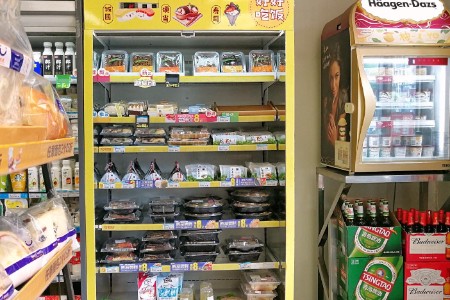
成本结构上,一杯咖啡的主要成本集中在咖啡豆、牛奶、纸杯等原料,人工成本可忽略不计,便利店现有员工可操作,无需额外招聘咖啡师,仅占用1~2平方米的边角空间,没有房租附加成本,实现了“零增量人工、零增量场地”的轻资产运营。

同时,咖啡具备极强的连带消费属性,与早餐饭团、三明治、便当等组合成套餐后,能有效拉高门店整体客单价,实现“咖啡带客流、套餐提利润”的双重效果。

与专业连锁咖啡品牌相比,便利店咖啡的盈利逻辑截然不同。专业咖啡依赖线上流量、门店运营和品牌溢价,需要承担高额房租、专职人员和营销费用;而便利店咖啡依托现有门店生态,以极致便利和极低附加成本取胜,不需要依靠社交场景和品牌溢价,反而拥有更稳定的生存空间。

02 “店中店”模式成为主流

从运营模式上看,便利店咖啡已形成品牌自营、联营“店中店”模式(加盟合作)、设备投放三种主流运营模式,不同模式对应不同企业的资金实力、运营能力与扩张需求,也塑造了差异化的市场格局。

品牌自营模式是头部连锁便利店的核心选择,以7-11的7CAFE、罗森的LC咖啡、便利蜂的不眠海等为代表,这类便利店品牌拥有成熟的供应链体系、标准化运营流程和充足的资金储备,选择自主采购咖啡机、搭建咖啡豆与乳制品供应链、组建品控团队,从产品研发、定价到销售全链路自主把控。

自营模式利润完全归属于品牌,便于统一品质与品牌形象,但前期设备投入、原料储备、人员培训成本更高,对门店销量与运营能力要求严苛。

设备投放模式更多服务于中小型区域便利店及单体门店。咖啡设备供应商以免费投放、低价租赁、按杯分成等合作形式,降低门店入局门槛,门店仅需采购原料、支付基础使用费即可上线咖啡品类,操作灵活、投入可控,适合体量小、预算有限的门店试水布局。

联营“店中店”模式则是近年区域便利店扩张最快、普及度最高的玩法。该模式采用分工协作、利润共享的机制:便利店提供闲置场地、现有人员与基础客流,合作咖啡品牌负责设备铺设、原料供应、技术培训、品控管理等全链条服务,大幅削减便利店重资产投入,降低入局门槛。

作为国内咖啡市场的高增速标杆企业,挪瓦咖啡凭借创新加盟合作方式,已成为便利店咖啡赛道的核心合作伙伴。截至2026年3月,挪瓦咖啡已与超100个便利店品牌达成合作,其中涵盖30余个行业头部品牌。

定价方面,品牌将产品均价锁定在10~15元区间,避开极致低价带来的恶性竞争;同时主打0糖低卡的健康化路线,精准契合健康消费趋势,形成鲜明的差异化竞争优势。

据挪瓦咖啡相关负责人向联商网透露,在创新加盟合作中,挪瓦咖啡负责输出品牌、产品研发、供应链及数字化运营等综合能力;便利店仅需腾出2~4平方米的闲置空间,由现有店员接受系统化培训后即可上岗操作。这一方式帮助便利店在无需额外大额投入的情况下,引入高毛利咖啡品类,实现稳定的增量收益。

通过双方资源整合,门店房租、人工等成本实现结构性优化,既为消费者提供了品质更优、价格更亲民的咖啡产品,也为便利店带来客流与利润的双重增长。同时,轻资产运营方式有效规避了传统门店选址、建店等经营风险,能够让加盟商更稳更快回本赚钱,实现双向共赢。

值得一提的是,该合作方式核心在于便利店闲置空间的再利用,挪瓦咖啡与便利店采取利润分成机制。如今,不少便利店加盟店主,已将能否引入挪瓦咖啡、以及其带来的增收增利效果,作为开店与拓店的核心考量因素。

03 品质与运营仍存在短板

凭借场景与成本优势快速崛起的便利店咖啡,在高速扩张之下,品质短板与运营痛点持续暴露,成为制约行业长远发展的关键瓶颈。

首先,产品品质参差不齐。受限于设备规格、原料等级及非专业化操作,便利店咖啡口感稳定性不足,风味层次单一,难以满足精品咖啡爱好者的消费需求,用户复购多依赖刚需,忠诚度偏低。

其次,门店运营效率受限。早高峰、通勤高峰期,门店员工需同时兼顾收银、理货、鲜食整理与咖啡制作,多线操作容易导致出品延迟、排队积压,直接拉低消费体验。

而更深层的矛盾在于行业内卷常态化,赛道玩家不断压低定价,9.9元超低价活动常态化,持续压缩单品利润空间;同时咖啡销量高度依附门店区位,商圈、写字楼门店供不应求,社区店、城郊门店销量惨淡,行业发展两极分化严重。

对此,便利店行业资深从业者小雯认为,便利店咖啡通过优惠活动、低价换购等营销形式,能够有效拉动销量。伴随全民咖啡消费需求持续提升,便利店咖啡赛道内卷化将成为长期趋势,咖啡品类已是便利店的必做布局。

见福董事长张利向联商网表示,目前见福便利店咖啡业务以联营模式为主,单店日均销量可达50杯。咖啡品类有效提升了到店顾客的复购率与门店粘性。对比专业连锁咖啡品牌,便利店咖啡最大的核心优势在于24小时全天候经营。

同时,张利指出,在实际运营过程中,便利店咖啡面临的核心痛点,在于门店布局逻辑的抉择:是以便利店零售业态为核心,还是侧重咖啡茶饮化门店打造。未来,咖啡将逐步完成从高配、选配到门店标配的全面渗透,同时现制茶饮也会加速进驻便利店,成为新的增长品类。

写在最后

便利店的咖啡生意,答案清晰且肯定,它不是暴利生意,但却是一门稳赚、可持续的好生意。

褪去精品咖啡的场景溢价与品牌包装,便利店咖啡立足即时性、便利性刚需,以轻资产模式、高毛利优势、低成本运营,稳稳扛起便利店第二增长曲线。

未来,随着产品品质升级、智能设备普及、运营精细化提升,便利店咖啡将持续释放稳定、长效的商业价值。

注:文/梦萦,文章来源:新零售(公众号ID:ixinlingshou),本文为作者独立观点,不代表亿邦动力立场。

文章来源:新零售

广告
微信
朋友圈

这么好看,分享一下?

朋友圈 分享

APP内打开

+1
+1
微信好友 朋友圈 新浪微博 QQ空间
关闭
收藏成功
发送
/140 0