广告
加载中

办了七届的深圳国际消费电子展 今年最火的产品竟是电风扇?

亿邦动力 2026-04-09 09:05
亿邦动力 2026/04/09 09:05

邦小白快读

EN
全文速览

今年的深圳消费电子展以电风扇为主角,展示了多种创新动向和行业挑战。

1. 产品微创新趋势明显:风扇尺寸更小、设计更精致,如巴掌大小产品配备彩色灯和半小时至数小时续航;外观功能多样化,例如“八爪鱼”底座、水雾出口增加清凉感。

2. 功能集成成新趋势:厂商通过磁吸设计适配不同场景,将风扇与手机支架、香薰或音响功能结合,尽管某些性能如底部音响音质不佳,但迎合了用户需求。

3. 性能竞争加剧:厂商卷性能以吸引用户,如散热背夹结霜虽有害手机,却因视觉效果好而热销,反映市场偏好。

4. 经营压力显著:展会直播减少,转向传统谈单;渠道控价措施如禁止经销商线上零售及阿里国际站和1688销售;产品同质化严重,抄袭盛行,新设计迅速被复制。

5. 外部因素影响:中东战争导致海运费用飙升,贸易不确定性增加,工厂策略多为观望或开拓内贸市场以应对风险。

品牌营销和产品研发在电风扇行业面临新机遇与挑战。

1. 消费趋势与用户行为:微创新主导市场,用户偏好精致小尺寸产品(如带彩色灯风扇)和多功能集成(如磁吸设计、车载支架带风扇香薰),反映需求向个性化和场景化演变。

2. 品牌渠道建设与定价竞争:渠道控价成为关键策略,部分品牌禁止经销商线上销售并在阿里国际站和1688控价,以维护价格体系;性能卷(如结霜散热背夹)则作为差异化定价手段吸引用户。

3. 产品研发启示:创新集中在功能拓展(如水雾出口、音响功能)但伴随抄袭风险,借鉴代表性品牌徕芬、几素(Jisulife)的突围案例,凸显研发能力重要性;OEM依赖导致主动权缺失,需加强自主设计以避免同质化。

4. 市场风险与机会:中东战争带来贸易压力,海运成本上升,品牌可考虑内贸拓展;用户行为显示功能冗余(如低质音响)可能影响品牌形象,需平衡创新与实用性。

卖家可从中捕捉消费需求变化和市场机会。

1. 消费需求与机会点:用户偏好微创新产品,如小尺寸风扇带彩色灯或“八爪鱼”底座,以及多功能集成(如磁吸、车载支架带香薰),提供新增长方向;中东战争引发贸易压力,工厂转向内贸开拓,带来合作机遇。

2. 风险与应对措施:产品同质化严重,抄袭普遍(创新设计迅速复制),卖家需注重原创保护;性能卷如结霜散热背夹虽热销但有害设备,提示风险规避;渠道控价(禁止线上销售)影响分销策略,需调整合作模式。

3. 可学习点和商业模式:微创新策略(外观和功能微调)可借鉴,以吸引用户;展会直播减少转向传统谈单,反映线下渠道的重要性;品牌如徕芬、几素(Jisulife)的成功案例,展示高品质突围的可能。

4. 扶持政策与事件影响:贸易不确定性(海运费用飙升)要求卖家备选供应链;工厂库存压力(参展品为去年库存)暗示折扣或清仓机会,利于低价采购。

工厂面临生产和设计需求,同时探索新商业机会。

1. 生产与设计需求:微创新趋势要求产品精致化和小型化(如巴掌风扇带彩色灯),功能集成(磁吸设计、水雾出口或音响)成为核心;但抄袭严重(创新设计被快速复制),凸显研发能力短板,需从OEM向自主设计转型。

2. 商业机会与启示:消费趋势显示多功能产品(如车载支架带风扇)有市场潜力;中东战争促使贸易转移,开拓内贸市场成新机会,可挖掘国内客户需求;参考徕芬、几素(Jisulife)品牌案例,鼓励创新突围。

3. 推进数字化和电商启示:渠道控价措施(禁止线上销售在阿里国际站和1688)反映电商风险,工厂需加强渠道管理;展会模式回归传统谈单,提示线下招商的重要性;性能卷(如结霜散热背夹)启示通过技术微调提升竞争力。

4. 挑战与应对:同质化导致库存积压(陈年褶皱包装),需优化库存管理;战争影响海运成本,要求灵活供应链策略,如观望或内贸转向。

行业趋势和客户痛点揭示服务商解决方案空间。

1. 行业发展趋势:微创新主导,产品向小尺寸、精致化(如带灯风扇)和多功能集成(磁吸、水雾出口、音响)演变;中东战争影响贸易,推动供应链本地化。

2. 技术与创新点:功能创新如“八爪鱼”底座和结霜散热背夹(尽管有害),显示技术微调需求;低端集成(如音响音质差)暴露技术短板,提供升级机会。

3. 客户痛点与解决方案:痛点包括产品同质化、抄袭严重(设计快速被复刻),服务商可提供设计保护或创新咨询;经营压力(直播减少、渠道控价)提示渠道优化方案;贸易不确定性(海运费用飙升)需物流替代方案。

4. 机会方向:参考徕芬、几素(Jisulife)案例,服务商可助力工厂研发能力提升;内贸开拓需求增加,提供市场拓展服务;功能冗余问题(如多余音响)启示定制化设计服务。

平台需求与运营管理面临新风向。

1. 商业对平台需求和问题:经销商需渠道控价支持,如部分品牌禁止线上零售及阿里国际站和1688销售,反映价格管理需求;产品同质化和抄袭(创新快速复制)带来平台维权问题。

2. 平台最新做法与招商:展会转向传统谈单,减少直播,强调线下招商和运营;控价措施作为平台管理工具,可吸引商家入驻;参考徕芬、几素(Jisulife)品牌,平台可推广高品质案例招商。

3. 运营管理与风向规避:中东战争导致贸易风险(海运费用上升),平台需提供风控策略,如内贸市场导向;性能卷(如结霜散热背夹)虽热销但有害,提示产品审核以避免风向问题;库存压力(陈年褶皱包装)启示清仓活动运营。

4. 机会提示:微创新趋势(功能集成)支持平台新品上架;战争影响下,平台可强化本土供应链合作,以规避外部风险。

产业动向和新问题揭示研究价值。

1. 产业新动向与新问题:微创新趋势(小尺寸设计、多功能集成如磁吸风扇)成为主流,但伴隨抄袭普遍(设计快速复制)和同质化问题;中东战争引发贸易压力(海运费用飙升),带来供应链不确定性新课题。

2. 政策法规建议和启示:渠道控价措施(禁止线上销售)反映价格监管需求,提示政策制定可关注公平竞争;性能卷如结霜散热背夹有害设备,启示法规需规范产品安全;战争影响贸易,呼吁政策支持内贸转型。

3. 商业模式分析:OEM依赖导致工厂缺乏研发能力(参考徕芬、几素案例),凸显转型模式挑战;功能冗余(如低质音响)暴露商业模式盲点;内贸开拓作为应对策略,提供商业模式创新样本。

4. 研究案例:代表性企业徕芬、几素展示突围路径;展会变化(直播减少)揭示产业营销模式演变;库存积压(去年产品参展)反映行业库存管理问题。

返回默认
声明:快读内容全程由AI生成,请注意甄别信息。如您发现问题,请发送邮件至 run@ebrun.com 。

我是 品牌商 卖家 工厂 服务商 平台商 研究者 帮我再读一遍。

Quick Summary

This year's Shenzhen Consumer Electronics Show highlighted electric fans as the main attraction, showcasing key innovations and industry challenges.

1. Minor product innovations dominate: Fans are trending smaller and more refined, with palm-sized models featuring colored lights and 30-minute to multi-hour battery life. Designs diversify with features like "octopus" bases and mist outlets for enhanced cooling.

2. Function integration emerges as a trend: Magnetic attachments allow multi-scene adaptability, combining fans with phone stands, aromatherapy, or speakers—though some add-ons like bottom-mounted speakers suffer poor audio quality, they cater to user demand.

3. Performance competition intensifies: Brands push technical limits to attract buyers, such as frost-forming phone coolers that risk device damage but sell well due to visual appeal, reflecting market preferences.

4. Operational pressures mount: Live streaming at the event declined in favor of traditional deal-making. Channel price controls, like banning online retail by distributors on Alibaba International and 1688, aim to maintain pricing. Severe product homogenization and rampant copying plague the market.

5. External factors disrupt trade: The Middle East conflict has spiked shipping costs, increasing trade uncertainty. Factories adopt wait-and-see approaches or pivot to domestic markets to mitigate risks.

Brand marketing and product development face new opportunities and challenges in the fan industry.

1. Consumer trends and user behavior: Minor innovations lead the market, with preferences for compact, stylish products (e.g., fans with colored lights) and multi-function integration (e.g., magnetic designs, car mounts with aromatherapy), signaling a shift toward personalization and scenario-based use.

2. Channel strategy and pricing competition: Price control is critical, as some brands restrict distributor online sales on platforms like Alibaba International and 1688 to protect price integrity. Performance-driven features (e.g., frost-cooling phone accessories) serve as differentiation tools for premium pricing.

3. R&D insights: Innovation focuses on function expansion (e.g., mist outlets, speaker integration) but faces imitation risks. Case studies of brands like Lefant and Jisulife highlight the importance of in-house R&D to avoid OEM dependency and homogenization.

4. Market risks and opportunities: Middle East tensions elevate trade pressures and shipping costs, prompting brands to explore domestic markets. User feedback on redundant features (e.g., low-quality speakers) underscores the need to balance innovation with practicality.

Sellers can identify shifting consumer demands and market opportunities from the trends.

1. Demand and growth areas: Buyers favor minor innovations, such as compact fans with colored lights or "octopus" bases, and multi-function products (e.g., magnetic car mounts with aromatherapy). The Middle East conflict drives factories to explore domestic trade, creating partnership openings.

2. Risks and countermeasures: Severe product homogenization and rapid copying necessitate emphasis on original design protection. High-performance items like frost-cooling phone accessories sell well but pose device risks, requiring caution. Channel price controls (e.g., online sales bans) impact distribution, demanding adjusted collaboration models.

3. Learnings and business models: Adopt micro-innovation tactics (e.g., subtle design and function tweaks) to attract users. The decline in exhibition live streaming in favor of offline negotiations reaffirms the value of physical channels. Success stories of brands like Lefant and Jisulife demonstrate the potential of quality-driven differentiation.

4. External impacts and policies: Trade uncertainty (e.g., soaring shipping costs) calls for backup supply chains. Factory inventory pressures (e.g., last-year’s stock displayed at shows) hint at discount or clearance opportunities for cost-effective sourcing.

Factories confront evolving production and design needs while seeking new commercial avenues.

1. Production and design requirements: The micro-innovation trend demands refined, compact products (e.g., palm-sized fans with lights) and integrated functions (e.g., magnetic mounts, mist outlets, or speakers). Rampant copying of new designs exposes R&D weaknesses, urging a shift from OEM to independent design capabilities.

2. Business opportunities and insights: Consumer trends indicate potential for multi-function items (e.g., car mounts with fans). Middle East tensions are accelerating trade diversification, making domestic market expansion a viable strategy. Case studies of brands like Lefant and Jisulife inspire innovation-led breakthroughs.

3. Digital and e-commerce implications: Channel price controls (e.g., online sales restrictions on Alibaba platforms) highlight e-commerce risks, necessitating tighter channel management. The return to traditional deal-making at exhibitions underscores offline recruitment importance. Performance competitions (e.g., frost-cooling tech) suggest technical refinements can boost competitiveness.

4. Challenges and responses: Homogenization leads to overstock (e.g., aged, wrinkled packaging), requiring optimized inventory management. Rising shipping costs due to geopolitical issues demand flexible supply chain tactics, such as pausing exports or focusing on domestic trade.

Industry trends and client pain points reveal opportunities for service providers.

1. Market developments: Micro-innovation drives product evolution toward smaller, sleeker designs (e.g., lighted fans) and multi-function integration (e.g., magnetic features, mist outlets). The Middle East conflict is pushing supply chain localization.

2. Technology and innovation gaps: Features like "octopus" bases and frost-forming coolers (despite potential harm) indicate demand for technical tweaks. Low-quality integrations (e.g., poor speakers) expose technology shortcomings, creating upgrade opportunities.

3. Client pain points and solutions: Issues include product homogenization, rampant copying (designs quickly replicated)—services like design protection or innovation consulting can help. Operational pressures (e.g., reduced live streaming, price controls) call for channel optimization support. Trade uncertainty (e.g., soaring shipping costs) requires alternative logistics solutions.

4. Service directions: Leveraging case studies like Lefant and Jisulife, providers can assist factories in boosting R&D capabilities. Growing domestic market exploration needs create openings for market expansion services. Redundant functions (e.g., unnecessary speakers) highlight demand for customized design solutions.

Platforms face new operational and management demands.

1. Merchant needs and issues: Distributors seek price control support, as some brands ban online retail on Alibaba International and 1688, reflecting price management demands. Product homogenization and copying (quick replication of innovations) raise platform governance concerns.

2. Platform strategies and merchant recruitment: Exhibitions shift to traditional negotiations over live streaming, emphasizing offline recruitment and operations. Price controls serve as management tools to attract merchants. High-quality cases like Lefant and Jisulife can be promoted to draw premium brands.

3. Risk management and compliance: Middle East tensions increase trade risks (e.g., rising shipping costs), necessitating platform risk controls like domestic market promotion. High-performance items (e.g., frost-cooling accessories) may harm devices, requiring stricter product reviews. Inventory pressures (e.g., aged packaging) suggest clearance campaign opportunities.

4. Growth avenues: The micro-innovation trend (e.g., function integration) supports new product listings. Geopolitical disruptions highlight the value of local supply chain partnerships to mitigate external risks.

Industry movements and emerging issues present research opportunities.

1. New trends and challenges: Micro-innovation (e.g., compact designs, multi-function integrations like magnetic fans) is mainstream but accompanies widespread copying and homogenization. The Middle East conflict creates trade pressures (e.g., soaring shipping costs), introducing supply chain uncertainty as a research topic.

2. Policy and regulatory implications: Channel price controls (e.g., online sales bans) indicate needs for price regulation, suggesting policy focus on fair competition. Performance-driven products like frost-cooling accessories pose safety risks, highlighting requirements for product standards. Trade disruptions call for policy support for domestic market transitions.

3. Business model analysis: OEM reliance leaves factories with weak R&D (e.g., Lefant and Jisulife cases), revealing转型 challenges. Function redundancy (e.g., low-quality speakers) exposes business model blind spots. Domestic market expansion offers a case study for business model innovation.

4. Research cases: Exemplary firms like Lefant and Jisulife illustrate breakthrough paths. Exhibition changes (e.g., reduced live streaming) reflect shifts in industrial marketing. Inventory overstock (e.g., last-year’s products displayed) highlights industry-wide inventory management issues.

Disclaimer: The "Quick Summary" content is entirely generated by AI. Please exercise discretion when interpreting the information. For issues or corrections, please email run@ebrun.com .

I am a Brand Seller Factory Service Provider Marketplace Seller Researcher Read it again.

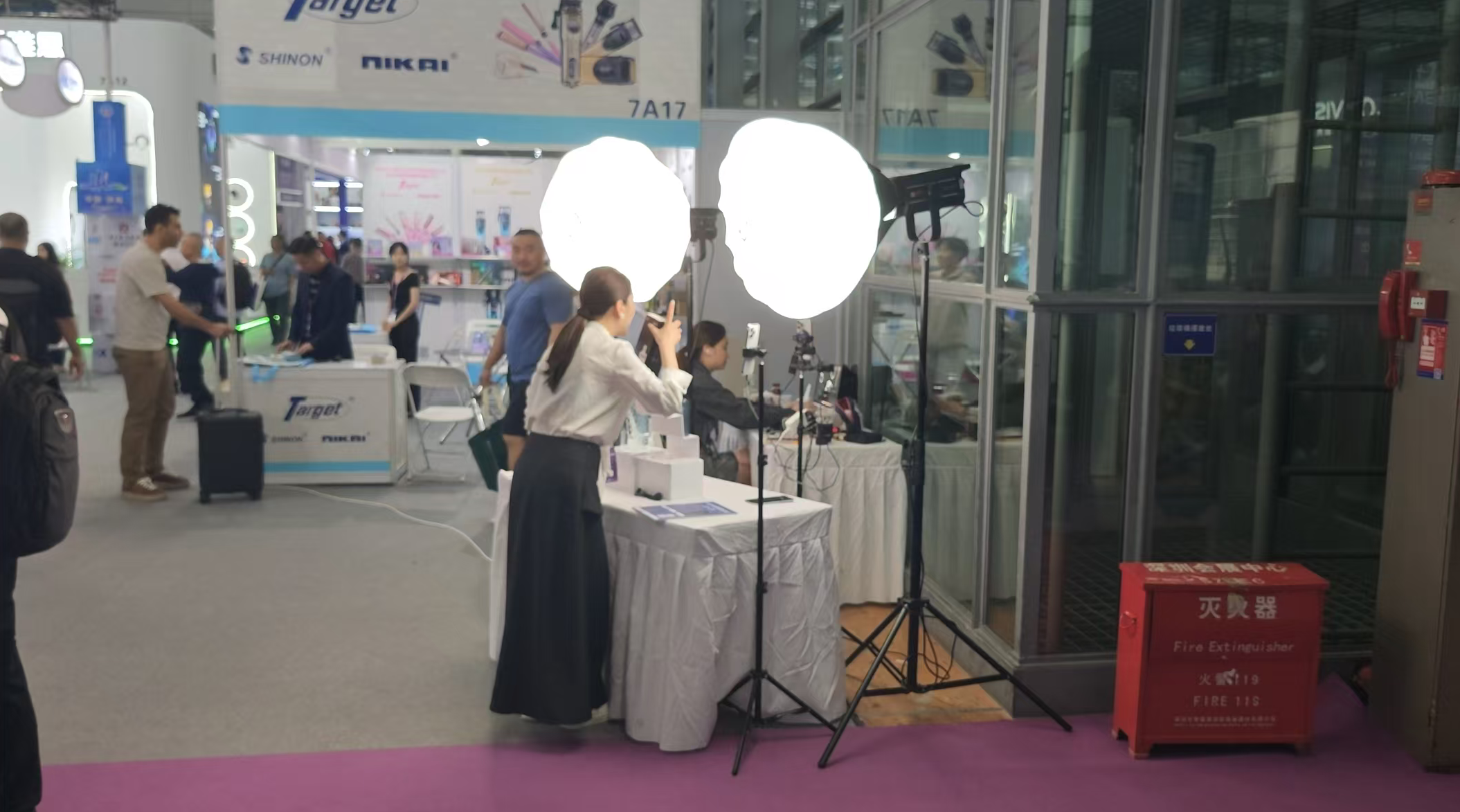
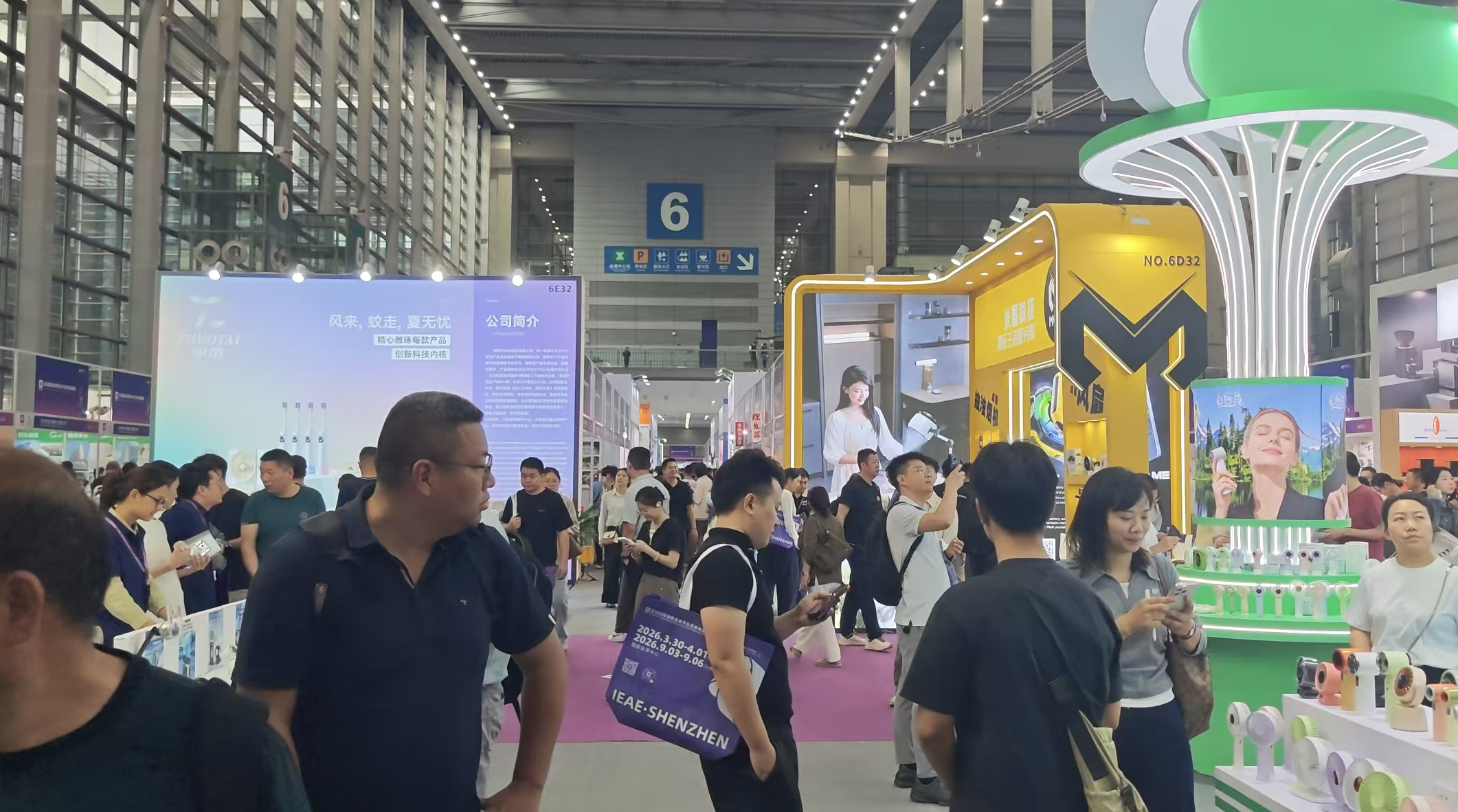
【亿邦原创】日前,为期三天的第七届IEAE深圳电子展(全称“IEAE深圳国际消费类电子及家用电器展”)在深圳福田会展中心落下帷幕。展会现场涵盖了音视频产品、智能穿戴、储能、车载电子、智能家居、厨房电器等十几个品类,并在开幕式当天举行了产业数智对接峰会,聚焦“电子产业数智化升级”与“跨境电商产业带选品”。

从热门产品来看,或许是因为深圳即将入夏,今年的IEAE深圳消费电子展,主角似乎属于各式各样的电风扇:在小家电展馆中,风扇厂商几乎包揽了全部特装展位;放眼整个展会,这些展位前也往往聚集着最密集的人流。

今年展会的新品,以“微创新”为主。

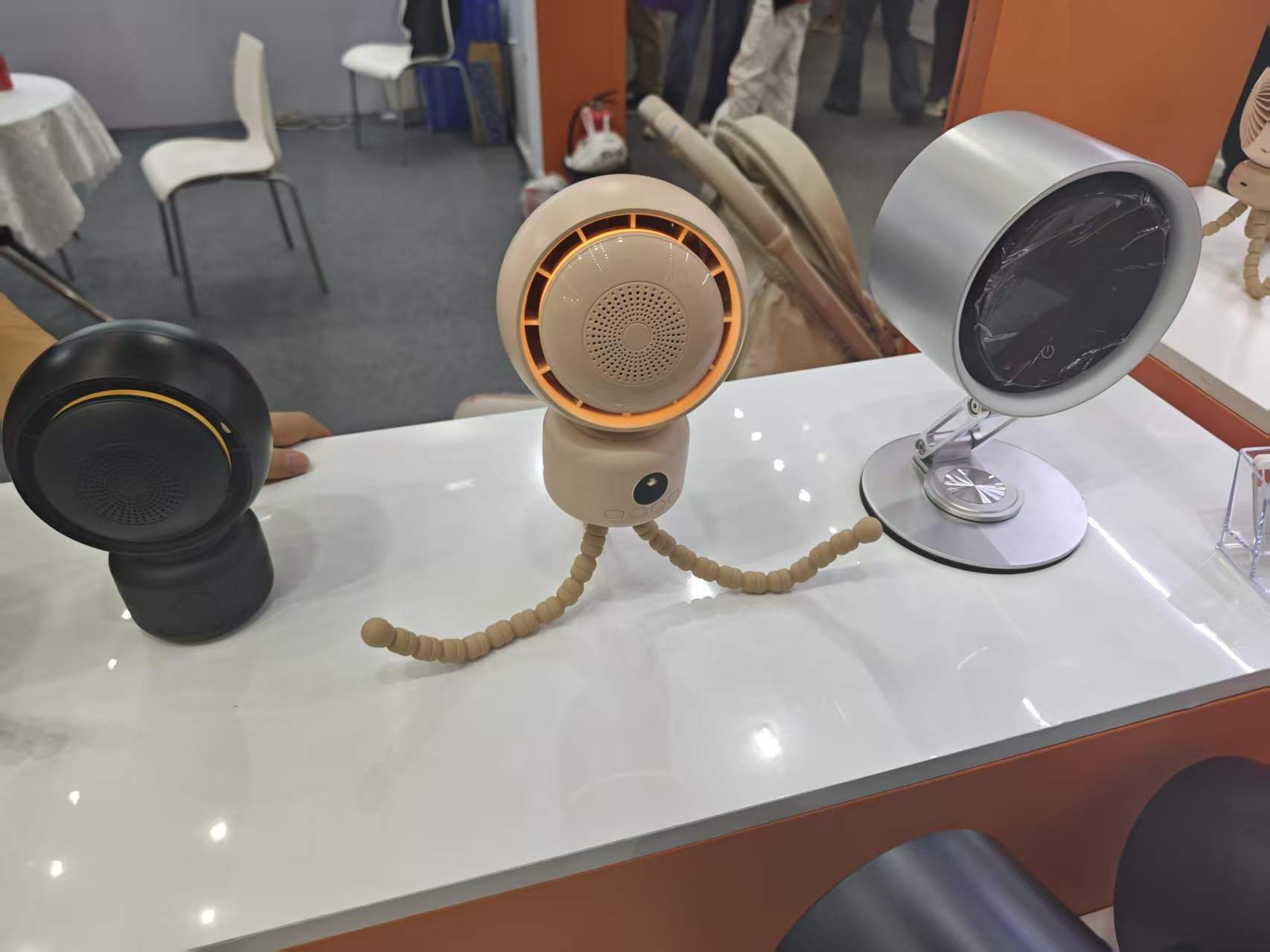
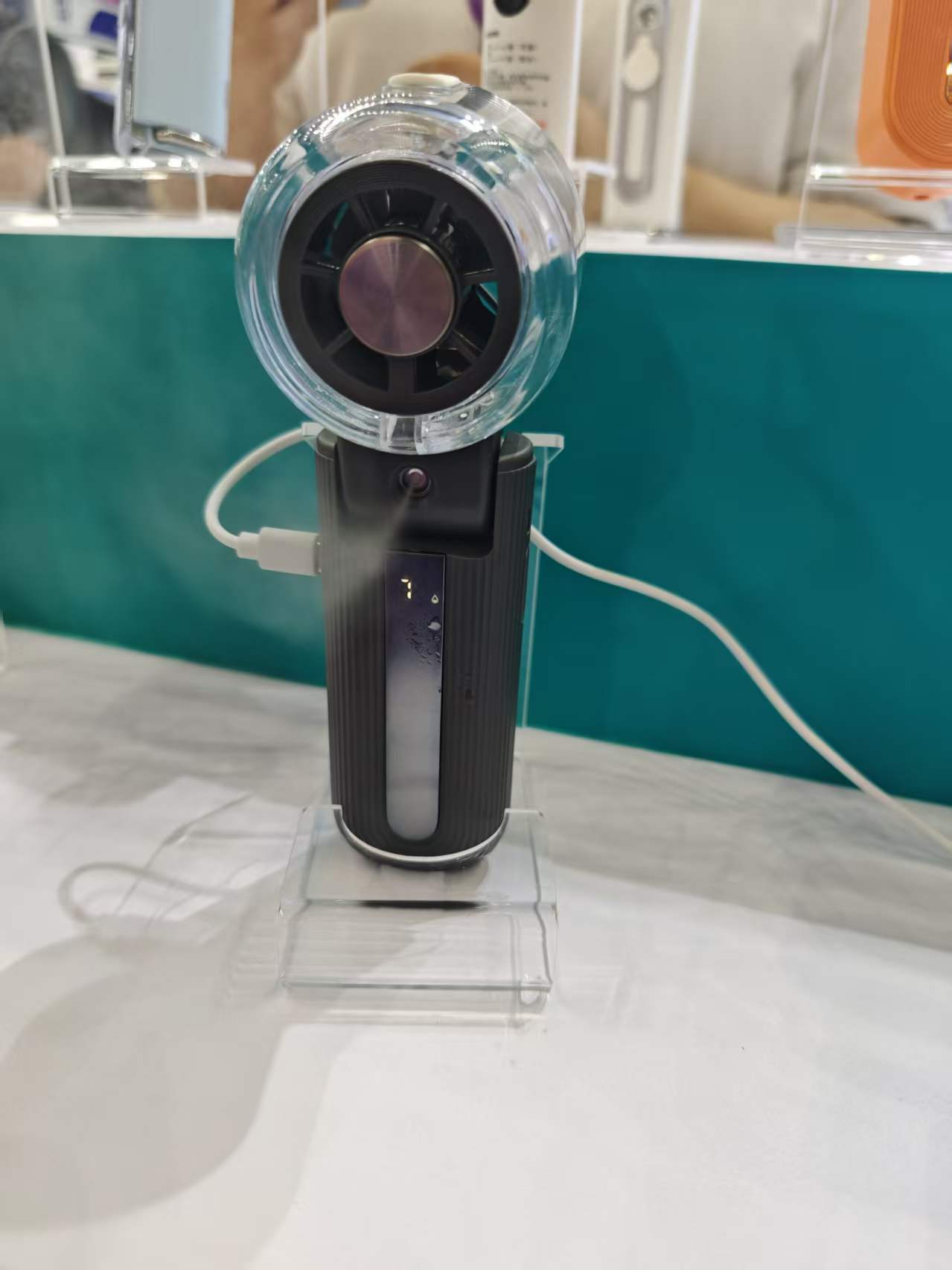
一些电风扇产品开始做得更精致、更小。巴掌大小的电风扇,续航在半个小时到数个小时不等,有着更精致的外壳设计,还装上了各式各样的彩色灯。

在外观设计和功能上,厂商们也“各显神通”,做出了各种“奇形怪状”的产品,用细微的功能、设计创新吸引用户。

(“八爪鱼”底座的风扇)

(加装了水雾出口,有更清凉的感觉)

另一个明显的趋势,是厂商们开始把更多的功能、元素,集中在一个产品上。

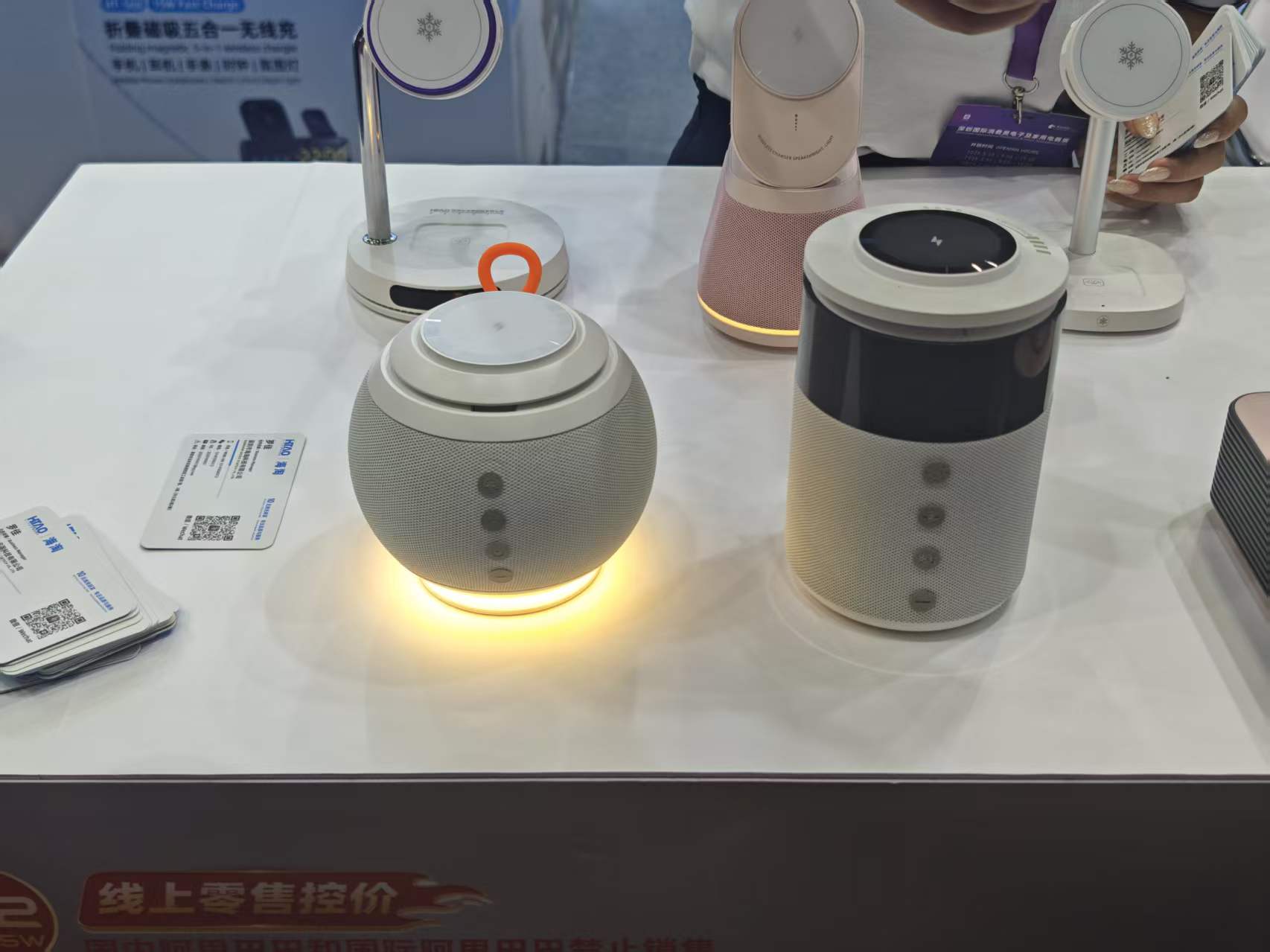
比如,为了适配不同的使用场景,磁吸功能已经开始广泛地出现在各路电风扇产品上;一些车载的手机支架,稍作改装,就变成了带风扇、香薰功能的支架;甚至还有厂商在风扇底部加了音响功能,“音质并不怎么好,主要是给小孩子玩”。

(无线充产品,可以充三个设备,还自带灯光、音响功能)

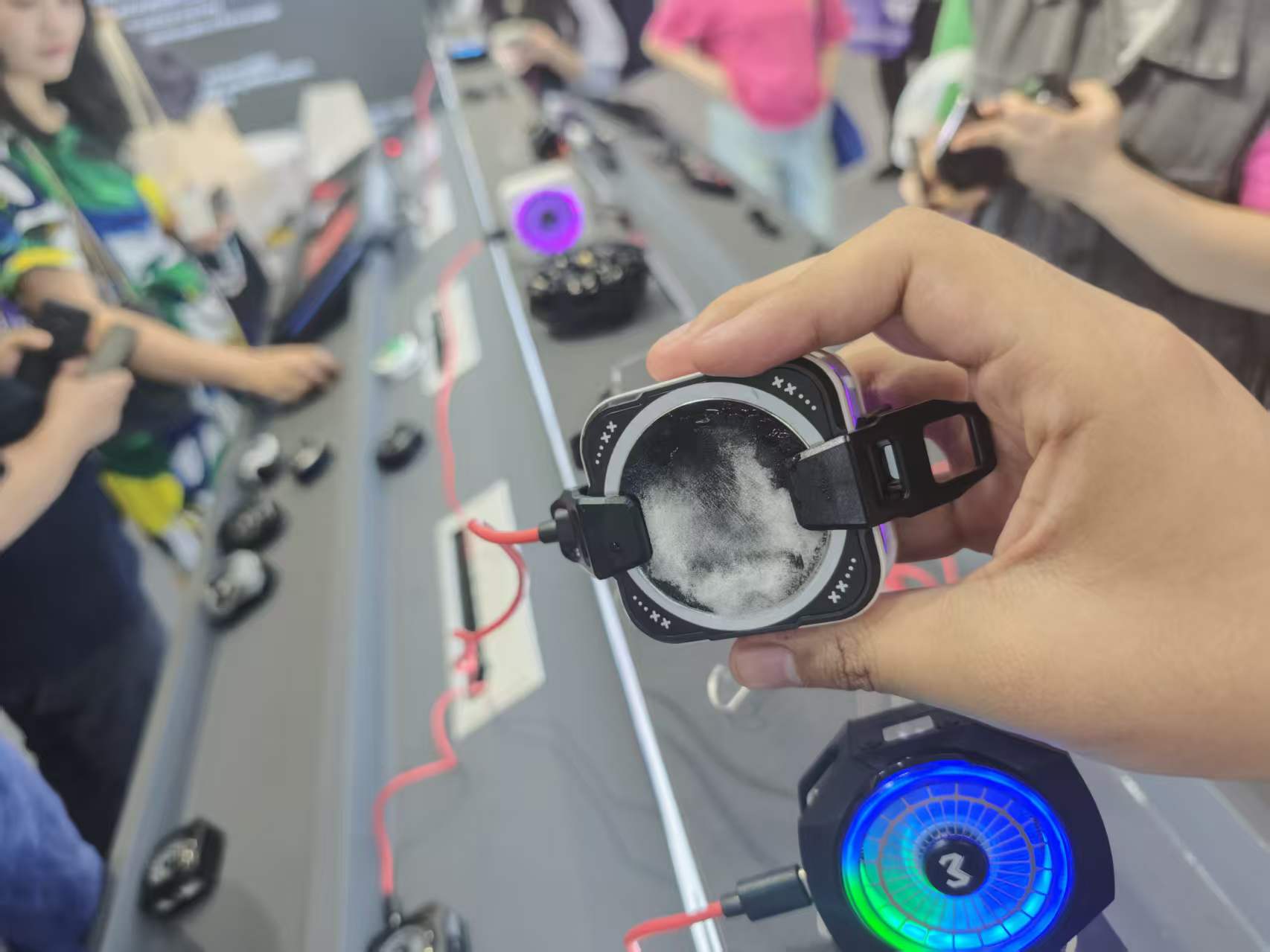
此外,有厂商表示,今年的形势开始变得越来越卷,为了吸引用户,不得不开始卷性能。比如,在一个展台上展出的散热背夹上,已经结了厚厚的一层霜,“其实它对手机是有害的,但是耐不过它看上去性能更好,在市场上也更好卖”。

不过,相比于往年,今年展会上声嘶力竭拿着产品做直播的人要少了很多,许多展商选择回归传统的展会谈单、找客户;甚至有的参展商,为了渠道控价,打出了经销商线上零售控价、阿里国际站和1688禁止销售的旗号。

多位厂商都提及,今年的经营压力依旧不减往年。

一方面,展会的产品依旧高度同质化,同行之间外观、功能类似的产品屡见不鲜,抄袭也已经是家常便饭。哪家厂商的产品有稍作细微的创新,转眼间就能在别的展台上看到同款。

工厂们不是不想突围,人人都眼红徕芬、几素(Jisulife)等品牌在市场上的成绩,甚至在展会上也不乏抄袭者。但这条道路并没有那么好走,为数众多的工厂历来做惯了OEM、定制业务,并没有真正意义上的产品研发能力,主动权依旧掌握在品牌手中。

也因此,许多参展商带来的产品,总体上与去年相差不多。甚至有展商坦然承认:今年没有新品,带来展位上的产品,都是去年的库存;在几个展位堆叠的货物中,外包装还带有明显的陈年褶皱。

另一方面,中东战争所带来的贸易压力,已经开始传导到了上游的工厂端。初期,海运费用就已经受到了战火的冲击,一路飙升;如今,战争压力犹存,贸易往来何时能真正恢复常态,谁也说不准。

一位展商说,现在大家的做法不外乎两种:要么观望,等待尘埃落定的一刻;要么寻找新机会,许多工厂已经开始努力开拓内贸客户。


文章来源:亿邦动力

广告
微信
朋友圈

FAQ回顾

2024年深圳消费电子展上电风扇产品有哪些新趋势?

2024年深圳消费电子展电风扇呈现微创新趋势,产品更小巧精致,如巴掌大小风扇续航半小时至数小时;功能集成化,普遍加入磁吸、香薰、音响、水雾等功能;外观设计多样化,出现八爪鱼底座等奇特造型。

当前电风扇行业面临哪些主要挑战?

行业面临高度同质化与抄袭问题,产品创新易被快速复制;多数工厂缺乏研发能力,依赖OEM业务;中东战争导致海运费用飙升,贸易不确定性增加,厂商经营压力显著。

电风扇厂商如何应对当前的市场竞争?

厂商通过卷性能(如散热背夹结霜)吸引用户;部分回归传统展会谈单,加强渠道控价;同时积极开拓内贸客户,或采取观望策略应对贸易不确定性。

这么好看,分享一下?

朋友圈 分享

APP内打开

赞 +1
+1
微信好友 朋友圈 新浪微博 QQ空间
关闭
收藏成功
发送
/140 0