广告
加载中

德国药妆巨头入场 屈臣氏们在中国更危险了吗?

亿邦动力 2026-03-13 19:05
亿邦动力 2026/03/13 19:05

邦小白快读

EN
全文速览

穆勒进入中国市场的关键信息和实操策略。

1. 穆勒计划2026年第四季度在上海开设亚洲首店,未来5年在中国开设200至500家门店,扩张速度快。

2. 穆勒超市销售品类广泛,包括美妆日化、文具、玩具等,店铺面积大(1000平方米及以上),采用大店经营模式,区别于丝芙兰、屈臣氏等传统集合店。

竞争对手现状及市场机会。

1. 屈臣氏在中国市场持续收缩,2025年上半年收益66.66亿港元同比下降3%,关闭145家门店至总数3630家,已连续5年下滑。

2. 丝芙兰业绩下滑,2025上半年营收34.44亿元同比下降12.26%,净亏损1.2亿元同比下降28.54%,莎莎国际已退出线下市场,显示市场挑战。

3. 穆勒可能对标生活方式集合店如话梅和无印良品,后者正拓展美妆业务,提供发展空间机会。

品牌渠道建设和消费趋势变化。

1. 穆勒的渠道扩展策略:大店模式(1000平方米及以上)和多品类销售(美妆、文具、玩具等),提供新渠道建设参考,增强品牌曝光。

2. 消费趋势:从竞争对手下滑看,消费者偏好转向生活方式集合店,如话梅拓展宠物、婴童品类,显示市场多元化需求。

产品研发和用户行为观察。

1. 产品研发启示:穆勒销售非传统美妆品类(如文具、玩具),品牌可考虑研发跨界产品以迎合新兴需求。

2. 用户行为:屈臣氏等业绩连续下滑表明消费者流失,穆勒进入可能吸引新用户群体,需关注其定价和竞争策略。

增长市场和消费需求变化机会。

1. 穆勒扩张计划(未来5年200-500家店)带来新增长市场,尤其在生活方式品类领域,如话梅和无印良品的成功案例。

2. 消费需求变化:竞争对手下滑显示市场缺口,穆勒大店模式可能满足消费者对一站式购物需求,提供销售机会。

风险提示和可学习商业模式。

1. 风险提示:屈臣氏关店、丝芙兰亏损显示市场饱和风险,穆勒进入可能面临类似挑战。

2. 机会提示:学习穆勒的大店经营和多品类策略,或合作供应其产品线。

3. 最新商业模式:生活方式集合店兴起,话梅等拓展品类,卖家可模仿此模式以差异化竞争。

产品生产和设计需求分析。

1. 穆勒销售广泛品类(美妆日化、文具、玩具等),工厂需关注其产品需求,设计多样化产品线以供应潜在订单。

2. 商业机会:穆勒未来5年开设200-500家门店,提供供应链机会,工厂可合作生产其所需商品。

推进数字化和电商启示。

1. 文章未直接提数字化,但基于市场趋势,工厂可从竞争对手下滑中汲取启示,如加强电商供应链支持零售数字化。

2. 商业机会延伸:穆勒扩张可能带动本地化生产需求,工厂可优化生产流程以适应大店批量供应。

行业发展趋势和客户痛点识别。

1. 趋势:美妆零售市场下滑,穆勒新进入带来变革,生活方式集合店如话梅兴起显示行业转向多元化。

2. 客户痛点:屈臣氏收益连续5年下降、丝芙兰亏损28.54%,反映客户面临市场饱和和业绩压力痛点。

解决方案探讨。

1. 穆勒的大店多品类模式可视为新解决方案,服务商可提供相关咨询或服务支持此类扩张。

2. 针对生活方式店需求,服务商可开发综合服务方案,如帮助客户优化品类管理以避免类似下滑风险。

平台招商和运营管理要点。

1. 穆勒开店计划(200-500家)涉及大规模招商,平台可关注其供应链需求以吸引入驻。

2. 运营管理:穆勒采用大店模式(1000平方米及以上),平台需提供高效管理方案,如库存和物流支持。

风险规避和风向管理。

1. 风险规避:从屈臣氏关店、丝芙兰亏损中学到市场饱和风险,平台应规避过度扩张。

2. 商业需求:穆勒扩张显示对平台资源需求,平台可调整策略以支持新进入者,同时管理自身风险。

产业新动向和商业模式分析。

1. 新动向:穆勒进入中国市场,竞争对手如屈臣氏持续收缩,丝芙兰业绩下滑,显示行业重组趋势。

2. 商业模式:穆勒大店多品类模式对比传统集合店,提供创新案例,话梅等生活方式店兴起可研究其可持续性。

新问题和政策启示探讨。

1. 新问题:市场是否饱和?如何差异化以避免类似下滑,如穆勒的品类扩展启示。

2. 政策启示:无直接政策,但行业变化提示监管需求,如规范零售扩张以规避风险。

返回默认
声明:快读内容全程由AI生成,请注意甄别信息。如您发现问题,请发送邮件至 run@ebrun.com 。

我是 品牌商 卖家 工厂 服务商 平台商 研究者 帮我再读一遍。

Quick Summary

Müller's key strategies for entering the Chinese market and its expansion plans.

1. Müller plans to open its first Asian store in Shanghai in Q4 2026, with an ambitious target of 200 to 500 stores in China over the next five years, indicating rapid expansion.

2. The retailer offers a wide range of products, including beauty, daily chemicals, stationery, and toys, with large store formats (1,000 sqm or more), differentiating it from traditional beauty retailers like Sephora and Watsons.

Competitive landscape and market opportunities.

1. Watsons continues to shrink in China, with revenue falling 3% year-on-year to HKD 6.666 billion in H1 2025 and 145 store closures, marking five consecutive years of decline.

2. Sephora's revenue dropped 12.26% to RMB 3.444 billion in H1 2025, with a net loss of RMB 120 million, down 28.54% year-on-year, while Sa Sa International has exited the offline market, highlighting market challenges.

3. Müller may compete with lifestyle retailers like Harmay and Muji, which are expanding into beauty, suggesting potential growth opportunities.

Channel expansion strategies and shifting consumer trends.

1. Müller's large-store model (1,000 sqm or more) and multi-category approach (beauty, stationery, toys, etc.) offer new channel opportunities for brands, enhancing visibility.

2. Consumer preferences are shifting toward lifestyle retailers, as seen in Harmay's expansion into pet and baby categories, indicating diversified market demand.

Product development and consumer behavior insights.

1. Müller's inclusion of non-traditional categories (e.g., stationery, toys) suggests brands could explore cross-category product development to meet emerging needs.

2. Declining performance at Watsons and Sephora signals consumer migration, requiring attention to Müller's pricing and competitive strategies to attract new customer segments.

Growth opportunities and evolving consumer demand.

1. Müller's expansion plan (200–500 stores in five years) creates new market potential, particularly in lifestyle categories, as demonstrated by Harmay and Muji's success.

2. Competitors' decline reveals market gaps; Müller's large-store model may meet demand for one-stop shopping, offering sales opportunities.

Risk alerts and adaptable business models.

1. Risks include market saturation, evidenced by Watsons' closures and Sephora's losses, which Müller may also face.

2. Opportunities lie in adopting Müller's large-store, multi-category strategy or supplying its product lines.

3. The rise of lifestyle retailers like Harmay offers a model for differentiation through category expansion.

Production and design demand analysis.

1. Müller's broad product range (beauty, stationery, toys, etc.) requires factories to diversify production lines to meet potential orders.

2. The retailer's store expansion (200–500 stores in five years) presents supply chain opportunities for factories to collaborate on manufacturing.

Digitalization and e-commerce implications.

1. While not explicitly mentioned, competitors' decline suggests a need for factories to enhance e-commerce supply chains to support retail digitalization.

2. Müller's expansion may drive localized production demand, requiring optimized processes for bulk supply to large stores.

Industry trends and client pain points.

1. Trends: The beauty retail market is declining, but Müller's entry and the rise of lifestyle retailers like Harmay signal a shift toward diversification.

2. Pain points: Watsons' five-year revenue decline and Sephora's 28.54% loss reduction reflect client struggles with market saturation and performance pressure.

Solution development.

1. Müller's large-store, multi-category model presents a new solution; service providers can offer consulting or support for such expansions.

2. For lifestyle retailers, providers can develop integrated services, such as category management optimization, to mitigate decline risks.

Merchant recruitment and operational management.

1. Müller's store plan (200–500 stores) involves large-scale merchant recruitment; platforms should align with its supply chain needs to attract partnerships.

2. Operational support: The large-store format (1,000 sqm or more) requires efficient inventory and logistics management solutions from platforms.

Risk mitigation and trend adaptation.

1. Risks: Learn from Watsons' closures and Sephora's losses to avoid overexpansion in saturated markets.

2. Opportunities: Müller's expansion demands platform resources; adjust strategies to support new entrants while managing internal risks.

Industry shifts and business model analysis.

1. Trends: Müller's entry coincides with competitors like Watsons contracting and Sephora declining, indicating industry restructuring.

2. Models: Müller's large-store, multi-category approach contrasts with traditional retailers, offering a case study in innovation; the sustainability of lifestyle retailers like Harmay warrants research.

Emerging questions and policy implications.

1. Questions: Is the market saturated? How can differentiation, such as Müller's category expansion, prevent decline?

2. Policy: While not directly addressed, industry changes suggest a need for regulatory oversight to manage retail expansion risks.

Disclaimer: The "Quick Summary" content is entirely generated by AI. Please exercise discretion when interpreting the information. For issues or corrections, please email run@ebrun.com .

I am a Brand Seller Factory Service Provider Marketplace Seller Researcher Read it again.

【亿邦原创】据媒体报道,德国零售连锁企业穆勒有限公司(Müller KG已签约上海浦东新区浦兴路街道,计划于2026年第四季度开设亚洲首店。穆勒中国负责人褚桐州透露,集团预计未来5年内在中国开设200至500家门店。

查看穆勒官网,在2025年的约60条官方资讯中,约有35条关于投资新市场、开设新分店的消息。2025年3月,穆勒宣布将在瑞士投资2890万欧元,用于开设9家新店、扩建4家门店;6月,穆勒在斯洛伐克的首店开业,并计划在两年内投资1470万欧元,目标开设25家分店。

官网显示,该公司成立于1953年3月15日,最初是一家男士理发店。1966年4月,其分店开始经营美容、香水、化妆品、杂货销售等业务。1968年,公司创立杂货和香水部门。1973年5月2日,其中一家分店被改造成第一家日化用品超市,开业当日营业额达5000德国马克,自此穆勒逐步转型为日化用品超市。

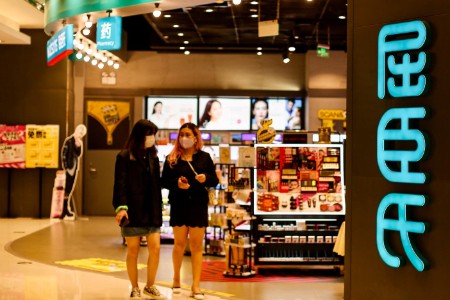
与丝芙兰、屈臣氏等集合店不同,穆勒超市除美妆日化产品外,还销售文具、玩具等产品,品类更广。另一点不同之处在于,穆勒拓展的新店面积基本在1000平方米及以上,是典型的大店经营。

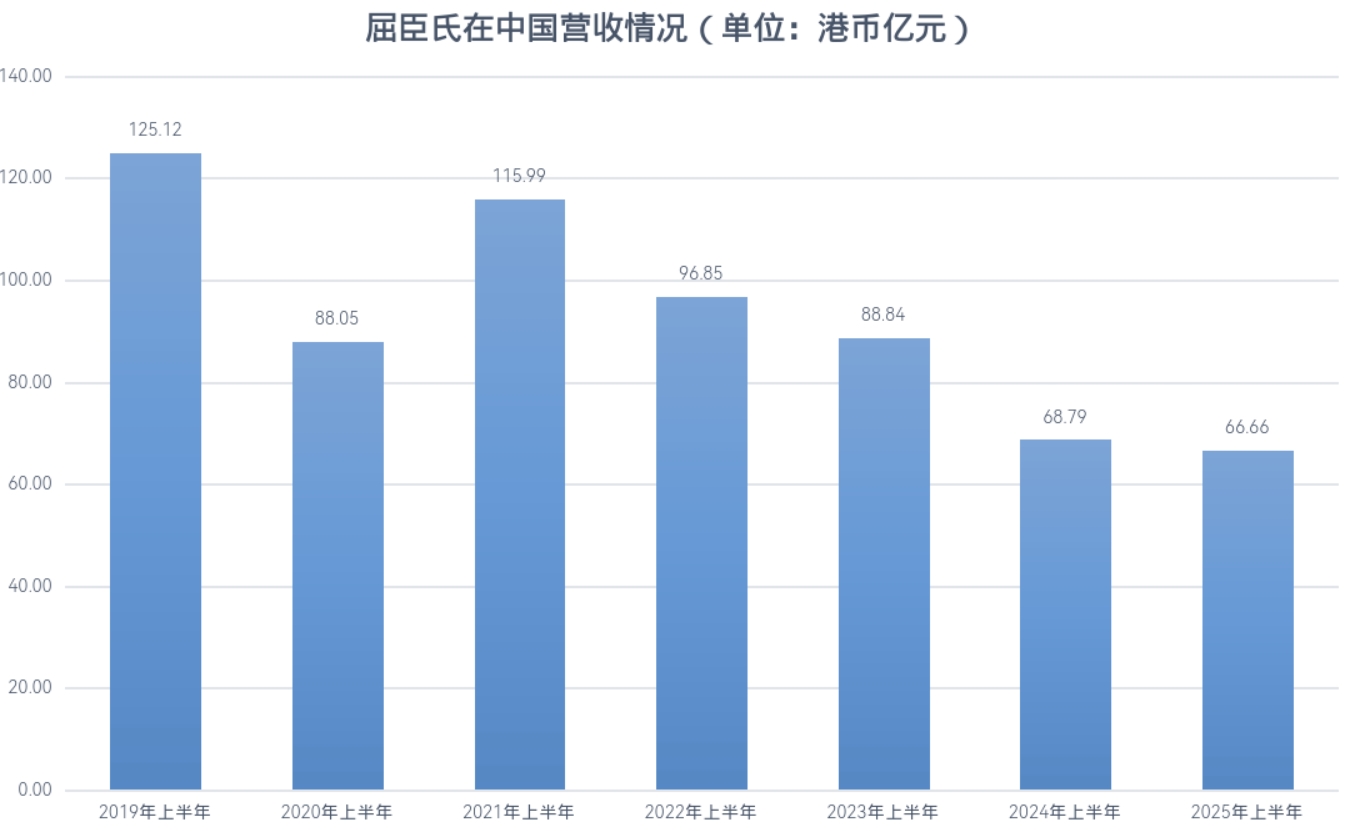
然而,摆在穆勒面前,是同行的“前车之鉴”:屈臣氏在中国市场持续收缩、丝芙兰整体业绩下滑、莎莎国际已退出线下市场。

2025年上半年,屈臣氏中国保健及美容产品收益为66.66亿港元,同比下降3%,且已连续5年下滑。从店铺数量来看,2025上半年,屈臣氏在中国关闭了145家门店,门店总数减少至3630家。

上海家化财报显示,2025上半年,丝芙兰(北京)化妆品销售有限公司、丝芙兰(上海)化妆品销售有限公司营收总额为34.44亿元,同比下降12.26%,净亏损1.2亿元,同比下降28.54%。

对穆勒而言的利好消息在于,如果其对标的是国内的“生活方式”集合店,或许还有一定发展空间。近年来,话梅(Harmay)正逐步拓展宠物、婴童等生活方式品类。而无印良品等生活方式集合店,也正逐步重视其美妆业务。

亿邦持续追踪报道该情报,如想了解更多与本文相关信息,请扫码关注作者微信。

文章来源:亿邦动力

广告
微信
朋友圈

这么好看,分享一下?

朋友圈 分享

APP内打开

+1
+1
微信好友 朋友圈 新浪微博 QQ空间
关闭
收藏成功
发送
/140 0