广告
加载中

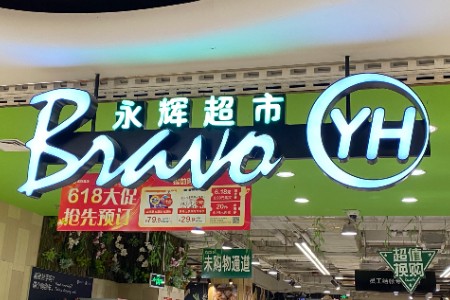
永辉发全员信:CEO称追求规模曾偏离创业初心,关店400家学胖东来转型

亿邦动力 2026-02-11 11:37
亿邦动力 2026/02/11 11:37

邦小白快读

EN
全文速览

永辉超市CEO发布全员信,总结公司转型关键信息,包括门店调整、经营数据和未来方向。

1. 门店优化:关停近400家低质门店,调改超过300家存量门店,改造面积合计200万平方米,涉及布局、商品结构和经营模式优化。

2. 经营修复:2025年实现同店客流与销售双增长,为近五年首次正增长;全年向员工发放利润分红近5000万元,体现经营成果共享。

3. 未来计划:2026年定位为“幸福与品质零售经营的深耕之年”,商品端升级采购模式,目标与200个核心产区及工厂建立长期合作,打造100个亿级口碑单品,强化自有品牌“品质永辉”;门店端升级为社区生活空间,强化“社区厨房”和“邻里客厅”功能;组织端推动管理模式向服务型转变,下放决策权,简化流程,加大员工培训和数字化投入,探索AI应用。

4. 风险提示:2025年预计亏损21.4亿元,主要因门店调改费用9.1亿元和毛利损失3亿元,以及关店损失;转型挑战包括连续五年亏损和高资产负债率88.96%。

文章聚焦品牌营销、渠道建设和消费趋势相关干货。

1. 品牌营销:永辉强化自有品牌“品质永辉”和定制商品能力,通过打造100个亿级口碑单品提升品牌影响力,反映产品研发方向。

2. 品牌渠道建设:升级采购模式为与产区、工厂深度合作的“共育”模式,目标与200个核心产区及工厂建立长期合作关系,优化渠道结构。

3. 消费趋势和用户行为:门店升级为社区生活空间,强化“社区厨房”和“邻里客厅”功能,贴近居民一日三餐和日常生活需求,体现用户行为观察和消费趋势变化。

4. 机会提示:同店客流与销售双增长显示市场复苏机会,员工分红5000万元体现内部激励可学习点,但需注意亏损风险。

文章提供政策解读、市场机会和风险提示等实操干货。

1. 增长市场与机会提示:2025年同店客流与销售双增长,首次正增长,显示消费需求变化带来的机会;商品端与产区工厂深度合作模式,可学习为最新商业模式,提供合作方式。

2. 事件应对措施:永辉启动大规模门店调整,关停400家低质门店并调改300家,应对效率问题;组织变革下放决策权、简化流程,作为正面应对措施。

3. 风险提示:2025年预计亏损21.4亿元,因门店调改和关店损失,包括资产报废、人员优化和租赁违约赔偿,提示转型风险;连续亏损和高负债率88.96%为负面警示。

4. 可学习点:学习胖东来转型经验,从“形似”到“神似”,强调质量增长;员工分红和数字化投入为扶持政策启示。

文章揭示产品生产需求、商业机会和数字化启示。

1. 产品生产和设计需求:永辉计划与产区、工厂深度合作“共育”模式,目标打造100个亿级口碑单品,强化定制商品能力,提供具体生产需求。

2. 商业机会:与200个核心产区及工厂建立长期合作关系,作为直接合作方式;门店升级为社区生活空间,贴近居民需求,创造产品设计机会。

3. 推进数字化和电商启示:组织变革加大数字化工具投入,探索AI应用,启示工厂推进数字化转型;经营数据如双增长显示市场潜力,但需注意亏损风险。

文章突出行业趋势、新技术和解决方案干货。

1. 行业发展趋势:零售业向“质量增长”转型,永辉关店调改体现激进改革趋势,门店升级为社区生活空间反映新方向。

2. 新技术应用:永辉探索AI在企业运营中的应用,加大数字化工具投入,作为技术前沿。

3. 客户痛点与解决方案:客户痛点包括门店亏损和效率低下;解决方案为组织变革,如管理模式向服务型转变、下放决策权、简化流程;同时,调改门店产生高费用,提示服务商需提供低成本优化方案。

文章涉及运营管理、合作方式和风险规避干货。

1. 平台的最新做法:永辉推动管理模式由管控型向服务型转变,下放一线决策权,简化流程,优化运营管理;门店升级为社区生活空间,强化功能定位。

2. 平台招商与合作方式:商品端与产区、工厂深度合作“共育”模式,目标200个核心合作,提供招商启示;员工分红和培训投入作为内部扶持政策。

3. 风向规避:2025年亏损21.4亿元,因关店和调改损失,提示高风险;高资产负债率88.96%和连续亏损为运营风险警示,需规避类似问题。

文章分析产业动向、新问题和商业模式干货。

1. 产业新动向:永辉进行激进改革,关停400家门店、调改300家,转型向质量增长;2025年同店双增长显示复苏动向,但亏损持续。

2. 新问题:连续五年亏损和高资产负债率88.96%暴露财务风险;转型成本如调改费用9.1亿元揭示短期挑战。

3. 商业模式启示:从追求规模转向“幸福与品质零售”,门店升级社区生活空间为新模式;学习胖东来经验,提供政策法规建议,如员工分红体现共享经济启示。

返回默认
声明:快读内容全程由AI生成,请注意甄别信息。如您发现问题,请发送邮件至 run@ebrun.com 。

我是 品牌商 卖家 工厂 服务商 平台商 研究者 帮我再读一遍。

Quick Summary

Yonghui Supermarket's CEO issued an all-staff letter outlining the company's transformation strategy, covering store adjustments, operational data, and future direction.

1. Store Optimization: Nearly 400 underperforming stores were closed, and over 300 existing stores were renovated, totaling 2 million square meters of upgraded space. Changes involved layout, product assortment, and business model improvements.

2. Operational Recovery: 2025 marked the first year of positive growth in both same-store customer traffic and sales in nearly five years. The company distributed nearly ¥50 million in profit-sharing to employees, reflecting shared operational success.

3. Future Plans: 2026 is designated as the "Year of Deepening Happiness and Quality Retail Operations." On the product side, procurement will shift to a collaborative model, aiming for long-term partnerships with 200 core production regions and factories, and developing 100 blockbuster products with ¥100 million+ in sales. The "Quality Yonghui" private brand will be strengthened. Stores will evolve into community living spaces, emphasizing "Community Kitchens" and "Neighborhood Living Rooms." Organizationally, management will shift to a service-oriented model, decentralizing decision-making, streamlining processes, and increasing investment in employee training, digital tools, and AI exploration.

4. Risk Warning: A net loss of ¥2.14 billion is projected for 2025, primarily due to ¥910 million in store renovation costs, ¥300 million in gross profit loss, and losses from store closures. Ongoing challenges include five consecutive years of losses and a high debt-to-asset ratio of 88.96%.

This article provides insights relevant to brand marketing, channel development, and consumer trends.

1. Brand Marketing: Yonghui is strengthening its "Quality Yonghui" private brand and customized product capabilities, aiming to create 100 blockbuster products with ¥100 million+ in sales to enhance brand influence, indicating key product R&D directions.

2. Channel Development: Procurement is being upgraded to a co-development model involving deep collaboration with production regions and factories, targeting long-term partnerships with 200 core partners to optimize channel structure.

3. Consumer Trends & User Behavior: Stores are being transformed into community living spaces with enhanced "Community Kitchen" and "Neighborhood Living Room" functions, aligning with daily meal and lifestyle needs, reflecting observed shifts in user behavior and consumption patterns.

4. Opportunity Note: The dual growth in same-store traffic and sales signals market recovery potential. The ¥50 million employee profit-sharing demonstrates internal incentive strategies worth noting, although profitability risks remain a concern.

This article offers practical insights on policy interpretation, market opportunities, and risk warnings.

1. Growth Markets & Opportunities: The dual growth in same-store traffic and sales in 2025, the first positive growth in years, indicates shifting consumer demand. The deep co-development model with production regions and factories presents a learnable modern business approach for potential partnerships.

2. Strategic Responses: Yonghui initiated large-scale store adjustments, closing 400 underperforming locations and renovating 300 others to address efficiency issues. Organizational reforms decentralizing decision-making and simplifying processes serve as positive case studies for operational improvement.

3. Risk Warnings: The projected ¥2.14 billion loss for 2025, driven by store renovation (¥910M) and closure costs (including asset write-offs, staff optimization, and lease penalties), highlights transformation risks. The five-year loss streak and 88.96% debt ratio are significant negative indicators.

4. Learnable Strategies: Adopting lessons from Pang Donglai's transformation, focusing on quality growth over mere scale imitation. Employee profit-sharing and digital investments offer insights into supportive corporate policies.

This article reveals product demand, commercial opportunities, and digitalization insights relevant to manufacturers.

1. Product Production & Design Demand: Yonghui plans a co-development model with production regions and factories, targeting 100 blockbuster products with ¥100 million+ in sales and strengthening customized product capabilities, indicating specific manufacturing requirements.

2. Commercial Opportunities: Direct partnership opportunities exist through long-term collaborations with 200 core production regions and factories. The transformation of stores into community living spaces creates new product design avenues aligned with residential needs.

3. Digitalization Insights: Increased investment in digital tools and AI exploration within Yonghui's organizational reforms signals the importance of digital transformation for manufacturers. Positive operational data suggests market potential, but profitability risks require caution.

This article highlights industry trends, new technologies, and solution-oriented insights.

1. Industry Trends: The retail sector is shifting towards "quality growth," exemplified by Yonghui's aggressive store optimization. The evolution of stores into community living spaces indicates a new strategic direction.

2. New Technology Applications: Yonghui's exploration of AI in operations and increased digital tool investment represents a technological frontier in retail.

3. Client Pain Points & Solutions: Common challenges include store losses and operational inefficiencies. Solutions involve organizational shifts towards service-oriented management, decentralized decision-making, and process simplification. However, high renovation costs (¥910M) indicate a need for service providers to offer cost-effective optimization solutions.

This article covers operational management, partnership models, and risk mitigation strategies.

1. Platform Operational Practices: Yonghui is transitioning from control-oriented to service-oriented management, decentralizing frontline decision-making and streamlining processes. Stores are being upgraded into multifunctional community spaces.

2. Partnership & Merchant Recruitment Models: The co-development procurement model with 200 core production regions and factories offers insights into supplier collaboration strategies. Employee profit-sharing and training investments exemplify internal support policies.

3. Risk Avoidance: The projected ¥2.14 billion loss for 2025, driven by store closure and renovation costs, serves as a high-risk warning. The 88.96% debt ratio and prolonged losses highlight operational risks to avoid.

This article analyzes industry movements, emerging issues, and business model innovations.

1. Industry Dynamics: Yonghui's radical reform—closing 400 stores and renovating 300—signals a shift towards quality-driven growth. The 2025 same-store sales and traffic growth indicates potential recovery, albeit amid continued losses.

2. Emerging Issues: Five consecutive years of losses and an 88.96% debt-to-asset ratio expose significant financial risks. Transformation costs, such as the ¥910 million in renovation expenses, highlight short-term challenges.

3. Business Model Insights: The pivot from scale pursuit to "Happiness and Quality Retail," with stores as community hubs, offers a new operational paradigm. Learning from Pang Donglai's experience and policies like profit-sharing provides insights into shared economy applications and regulatory considerations.

Disclaimer: The "Quick Summary" content is entirely generated by AI. Please exercise discretion when interpreting the information. For issues or corrections, please email run@ebrun.com .

I am a Brand Seller Factory Service Provider Marketplace Seller Researcher Read it again.

【亿邦原创】2月11日,永辉超市CEO王守诚发布全员信,总结公司过去一年的转型进展,并明确未来三年改革方向。

这封内部信集中披露了永辉在门店优化、经营修复及组织变革方面的阶段性数据。

王守诚在信中表示,2025年是“新永辉”第一个三年改革转型期的起始之年。“回顾过去,我们坦诚,在追求规模的道路上,曾一度偏离了创业初心,欲望超越了能力,辜负了员工的付出与顾客的信任。”

过去一年,永辉启动大规模门店调整。公司累计关停低质门店近400家,同时对超过300家存量门店开展系统性调改,改造面积合计超过200万平方米,涉及门店布局、商品结构及经营模式优化。

经营数据方面,永辉披露,2025年公司实现同店客流与销售“双增长”,为近五年来首次恢复正增长。与此同时,公司开始推进经营成果共享,全年累计向员工发放利润分红近5000万元。

围绕下一阶段发展,永辉将2026年定位为“幸福与品质零售经营的深耕之年”,并提出三项重点方向。

在商品端,永辉计划从传统采购模式升级为与产区、工厂深度合作的“共育”模式,目标与200个核心产区及工厂建立长期合作关系,并重点打造“100个亿级口碑单品”,强化自有品牌“品质永辉”和定制商品能力。

在门店端,永辉提出将门店由单一交易场所升级为社区生活空间,强化“社区厨房”“邻里客厅”等功能定位,更贴近社区居民一日三餐和日常生活需求。

在组织层面,永辉将推动管理模式由管控型向服务型转变,下放一线决策权,简化流程,并加大员工培训与数字化工具投入,同时探索AI在企业运营中的应用。

王守诚在全员信中提出“方向对了,就不要怕路远”。但现在,永辉必须证明这条路不仅仅在战略上是正确的,更能在财务上带来实质性的改善。

因为根据此前永辉超市发布的2025年度业绩预告显示,预计归属于上市公司股东的净利润为亏损21.4亿元,上年同期为亏损14.7亿元。

公司解释,这是转向“质量增长”必须支付的短期成本。

具体来看,深度调改315家门店产生的费用惊人:其中仅资产报废及一次性投入合计约9.1亿元,门店因停业装修产生的毛利额损失预估约3亿元。同时,关闭的381家门店也产生了包含资产报废损失、人员优化离职补偿、租赁违约赔偿等在内的较大损失。

这些数据背后,是永辉在2025年所进行的最激进的改革。

和连续亏损的业绩预告一道,永辉超市此次全员信也体现出这家曾经的中国超市巨头在新时代零售生态中寻求突破与重塑的紧迫感。

永辉面临的挑战远未结束。尽管CEO王守诚将2026年定义为“深耕之年”,但从“形似胖东来”到“神似胖东来”,再到实现可持续的盈利能力,每一步都异常艰难。

连续五年的亏损记录、高达88.96%的资产负债率(2025年三季报)、仍在持续的关店进程,都在提醒永辉转型之路的坎坷。

亿邦持续追踪报道该情报,如想了解更多与本文相关信息,请扫码关注作者微信。

文章来源:亿邦动力

广告
微信
朋友圈

这么好看,分享一下?

朋友圈 分享

APP内打开

+1
+1
微信好友 朋友圈 新浪微博 QQ空间
关闭
收藏成功
发送
/140 0