广告
加载中

TikTok Shop巴西站:已有商家日销万单 带货达人数突破百万

亿邦动力 2026-02-05 15:15
亿邦动力 2026/02/05 15:15

邦小白快读

EN
全文速览

TikTok Shop巴西站增长迅猛,提供实操干货信息。

1.用户数据:日均支付用户增长53倍,带货达人突破百万,出现日销万单商家,平台在巴西位列第四大社交应用。

2.销售案例:首个黑五大促当天,全站销售额环比增长129%,直播渠道增幅高达143%;服饰类目GMV在5-7月增长10倍,7-9月增长185%,11月增长136%。

3.入驻实操:仅开放本土自运营模式,需具备CNPJ卡、本地企业资质、本地仓库发货、本地银行账户;开店资质办理时间长,如税号需1-2个月,特定产品需2-6个月。

4.费用激励:佣金6%,加收每件4BRL服务费;加入SFP项目享运费补贴(单件50BRL封顶);新商可获佣金减免。

5.大促节奏:类似东南亚,逢双必促,每月有大促节日,驱动销售增长。

巴西市场消费趋势和渠道建设提供品牌机遇。

1.消费趋势:服饰类目表现突出,GMV持续高增长,如5-7月10倍增长;美妆、保健品等类目平均毛利率达45%和40%,指示产品研发方向。

2.用户行为观察:直播销售渠道增幅143%,显示用户对互动购物偏好增强,可利用平台建设品牌渠道。

3.品牌营销机会:平台大促节奏频繁(逢双必促),提供促销节点;高增长市场和低客单价背景,建议优化品牌定价策略。

4.渠道建设启示:通过TikTok Shop入驻,借助本土仓库和电子发票系统,简化品牌分销链条。

平台政策支持市场增长机会,但也需注意风险。

1.政策解读:仅开放本土自运营入驻,要求CNPJ卡、本地企业资质、本地仓库发货和银行账户;佣金6%,但加收商品服务费并默认加入SFP项目享运费补贴,新商有佣金减免激励。

2.增长市场机会:日均用户增长53倍,服饰类目GMV快速提升,大促销售飙升129%,巴西市场消费需求旺盛。

3.风险提示:开店资质办理时间长(如税号1-2个月,特定产品2-6个月),可能导致进入延迟;客单价低但毛利率高(如美妆45%),需平衡成本。

4.扶持政策:SFP项目降低运费成本,新商激励减少初期负担,提供事件应对措施。

生产设计和商业机会聚焦高增长类目。

1.商业机会:开放类目如服饰时尚、美妆日用、家居生活等GMV高速增长,服饰5-7月增长10倍,美妆毛利率45%,指示热门产品生产需求。

2.产品设计需求:针对巴西低客单价市场,需优化成本和效率,如参照玩具品类平均毛利率20%调整设计;热销类目如汽摩配件、数码家电提供生产方向。

3.数字化启示:通过TikTok Shop电商平台入驻,要求本地仓库发货,推进数字化销售;SFP运费补贴项目启示整合物流优化。

行业趋势揭示客户痛点和解决方案空间。

1.行业发展趋势:TikTok Shop巴西站用户增长53倍,达人超百万,社交电商崛起;服饰类目GMV持续飙升,显示市场扩张。

2.客户痛点:入驻资质复杂(需CNPJ卡、本地企业等),办理时间长(如税号1-2个月),增加商家障碍;佣金和费用调整可能带来成本压力。

3.解决方案机会:提供辅助服务简化资质申请(如税号办理);SFP项目运费补贴启示开发物流优化方案,提升客户效率。

平台招商和运营管理策略强化风险规避。

1.平台最新做法:仅限本土自运营招商,开放五大类目(服饰时尚、美妆日用等);佣金6%加收服务费,默认SFP项目享运费补贴,新商激励吸引入驻。

2.招商管理:资质要求如CNPJ卡、本地仓库,确保合规;大促节奏逢双必促,驱动销售。

3.运营管理:SFP项目控制运费成本(单件50BRL封顶),维护平台稳定;资质办理时间线(如1-2个月)作为风向规避机制,降低风险。

产业新动向暴露问题并提供政策启示。

1.产业新动向:TikTok Shop在巴西增长迅速,日均用户涨53倍,跃升第四大社交应用;服饰类目GMV爆发性增长,显示社交电商模式兴起。

2.新问题:入驻资质要求复杂(本地企业、CNPJ卡)和办理时间长(如2-6个月),形成市场壁垒;低客单价与高毛利率矛盾需研究。

3.政策法规启示:建议简化资质流程以促进准入;商业模式分析显示本土自运营策略成功,但需完善如SFP运费项目设计。

4.研究启示:平台大促节奏逢双必促案例,为电商政策提供参考;高增长类目数据支持产业趋势预测。

返回默认
声明:快读内容全程由AI生成,请注意甄别信息。如您发现问题,请发送邮件至 run@ebrun.com 。

我是 品牌商 卖家 工厂 服务商 平台商 研究者 帮我再读一遍。

Quick Summary

TikTok Shop Brazil is experiencing rapid growth, offering practical insights for sellers.

1. User Data: Daily paying users surged 53x, with over 1 million creators driving sales. Some merchants achieved 10,000 daily orders, making TikTok the 4th largest social app in Brazil.

2. Sales Performance: During its first Black Friday, platform sales increased 129% month-over-month, with live streaming sales up 143%. Fashion category GMV grew 10x (May-July), 185% (July-September), and 136% (November).

3. Entry Requirements: Only local self-operation is allowed, requiring CNPJ registration, local business license, local warehouse fulfillment, and Brazilian bank account. Registration can take 1-2 months for tax IDs and 2-6 months for specific products.

4. Fees & Incentives: 6% commission plus 4 BRL per item service fee. SFP program offers shipping subsidies (up to 50 BRL/item). New merchants receive commission waivers.

5. Promotion Strategy: Following Southeast Asia's model, major promotions occur during double-digit dates monthly, driving consistent sales growth.

Brazil's consumer trends and channel development present brand opportunities.

1. Market Trends: Fashion category shows exceptional GMV growth (10x in May-July). Beauty and health supplements maintain 45% and 40% gross margins respectively, indicating product development directions.

2. Consumer Behavior: 143% live streaming sales growth demonstrates rising preference for interactive shopping, offering brand channel building opportunities.

3. Marketing Opportunities: Frequent promotions (double-digit dates) provide sales peaks. Brands should optimize pricing strategies for this high-growth, low-average-order-value market.

4. Channel Strategy: Local warehouse and e-invoice requirements through TikTok Shop can streamline brand distribution chains.

Platform policies support growth but require risk management.

1. Policy Analysis: Local self-operation requires CNPJ, local business registration, warehouse, and bank account. 6% commission plus service fees are offset by SFP shipping subsidies and new merchant incentives.

2. Growth Opportunities: 53x daily user growth, fashion category GMV surges, and 129% promotional sales increases indicate strong demand.

3. Risk Factors: Lengthy registration (1-2 months for tax IDs, 2-6 months for certain products) may delay entry. Low order values but high margins (e.g., 45% for beauty) require cost balance.

4. Support Programs: SFP reduces shipping costs, new seller incentives ease initial burdens, and contingency measures are provided.

Production opportunities focus on high-growth categories.

1. Market Opportunities: Open categories like fashion, beauty, and home goods show rapid GMV growth (10x for fashion May-July). Beauty's 45% margin indicates production demand.

2. Product Design: Optimize for Brazil's low-AOV market with cost-efficient designs (e.g., toys' 20% margin benchmark). Automotive parts and electronics offer additional production directions.

3. Digital Transformation: Local warehouse requirements push digital sales integration. SFP shipping subsidies suggest logistics optimization opportunities.

Industry trends reveal client pain points and solution spaces.

1. Market Development: 53x user growth and 1M+ creators signal social commerce rise. Fashion's GMV surge indicates market expansion.

2. Client Challenges: Complex registration (CNPJ, local biz) and long processing (1-2 months for tax IDs) create barriers. Fee structures may pressure costs.

3. Solution Opportunities: Offer registration assistance services. SFP subsidies inspire logistics optimization solutions to enhance client efficiency.

Platform strategies emphasize risk-controlled growth.

1. Current Approach: Local self-operation only across five categories. 6% commission plus fees, with default SFP shipping subsidies and new merchant incentives.

2. Merchant Management: CNPJ and local warehouse requirements ensure compliance. Double-digit date promotions drive sales.

3. Operations Control: SFP caps shipping costs (50 BRL/item). Lengthy registration (1-2 months) acts as risk mitigation by filtering unprepared sellers.

Industry developments reveal challenges and policy implications.

1. Market Dynamics: TikTok Shop's 53x user growth makes it Brazil's 4th largest social app. Fashion's explosive GMV growth signals social commerce rise.

2. Emerging Issues: Complex registration (local biz, CNPJ) and long processing (2-6 months) create barriers. Low AOV vs high margin paradox warrants study.

3. Policy Implications: Streamlined registration could improve access. Local self-operation strategy shows success but requires refinements like SFP design.

4. Research Value: Double-digit promotion patterns offer e-commerce policy insights. High-growth category data supports trend forecasting.

Disclaimer: The "Quick Summary" content is entirely generated by AI. Please exercise discretion when interpreting the information. For issues or corrections, please email run@ebrun.com .

I am a Brand Seller Factory Service Provider Marketplace Seller Researcher Read it again.

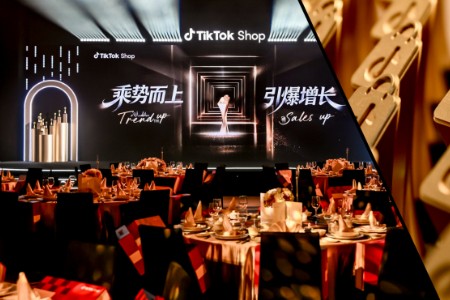
【亿邦原创】日前,TikTok Shop联合支付服务商PingPong在深圳举办了首场巴西自运营商家大会,公布了TikTok Shop巴西站最新的增长成绩以及招商信息。

官方数据显示,自2025年5月上线以来,TikTok Shop巴西日均支付用户数量增长53倍、带货达人数量攀升至百万,且已经出现日销万单的商家。在TikTok Shop巴西站点首个“黑五”大促当天,全站销售额环比双十大促日增长飙升129%,其中直播渠道销售额增幅高达143%。

其中,TikTok Shop上的服饰类目在巴西增长迅速,2025年5月至7月,GMV实现10倍增长;7月至9月,GMV实现185%增长;到11月,GMV增长136%。

据悉,目前,TikTok Shop巴西站点仅开放本土自运营模式。根据官方信息,入驻商家须具备以下资质:

1、CNPJ卡,巴西企业的纳税登记号;

2、须为本地企业(包括MEI个人微型企业);

3、本地仓库发货,并开具巴西电子发票(NF-E);

4、以入驻公司名称注册的巴西本地银行账户。

TikTok Shop巴西站的佣金为6%,并从2026年2月5日起,加收每件商品4BRL的商品服务费;同时,入驻商家默认加入“Shipping Fee Program(SFP)”项目,6%服务费(单件商品50BRL封顶)即可享受平台运费券补贴;新商还可享受佣金减免激励。

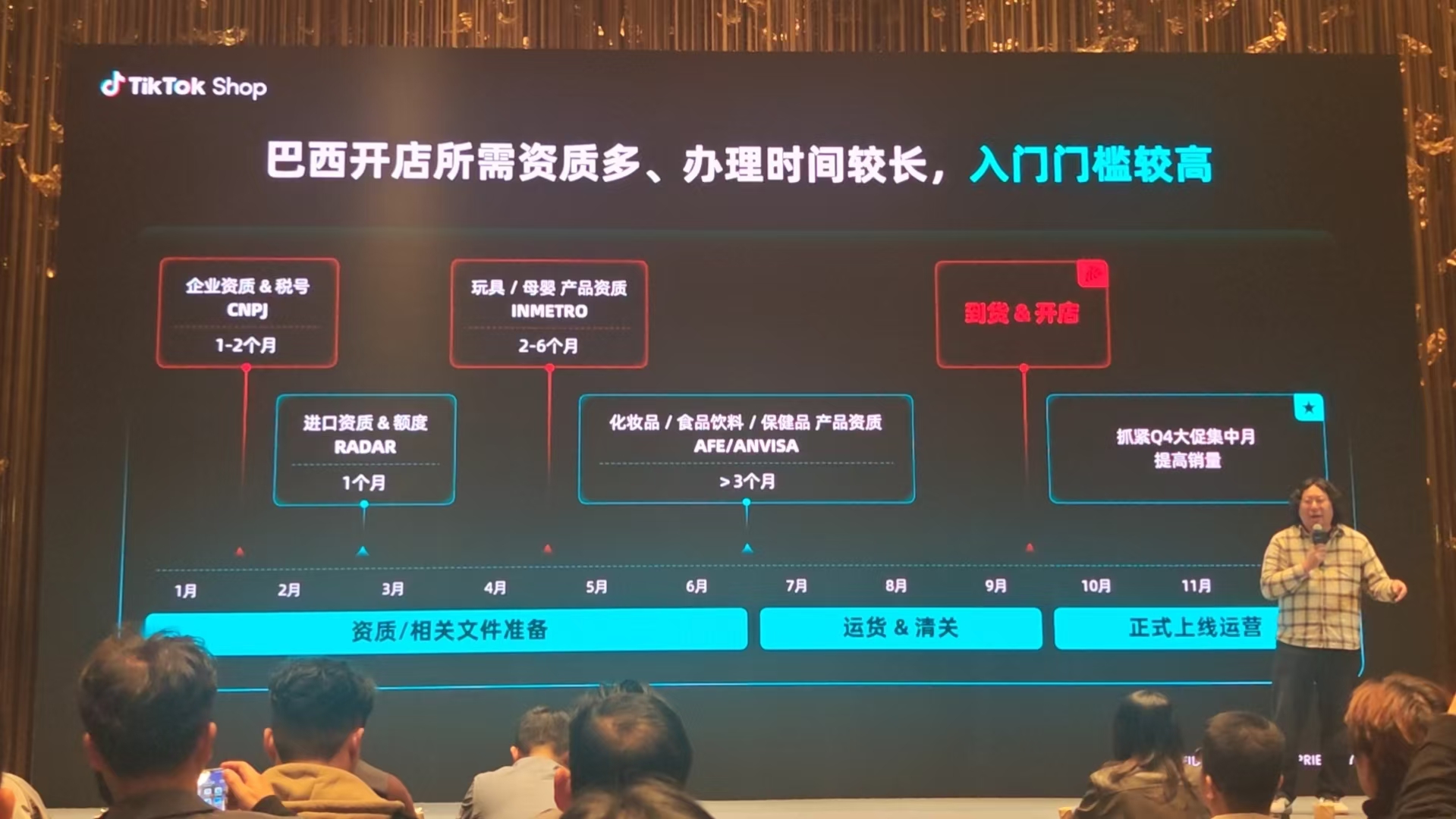
官方还指出,巴西开店所需资质多,办理时间相对较长,并给出了大致的时间线:比如,本地企业资质和税号需要1-2个月;进口资质需要1个月;玩具/母婴产品资质需要2-6个月;化妆品/食品饮料/保健品产品资质需要大于3个月。

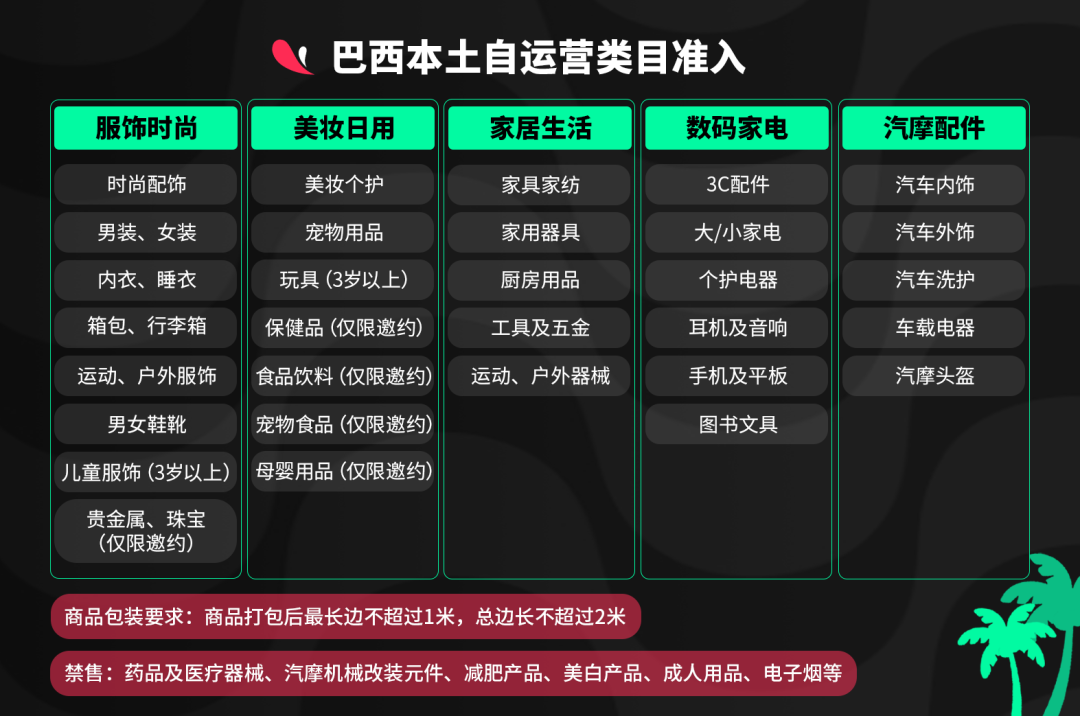
具体招商品类上,目前,TikTok Shop巴西站开放了五大类目:服饰时尚、美妆日用、家居生活、数码家电、汽摩配件。

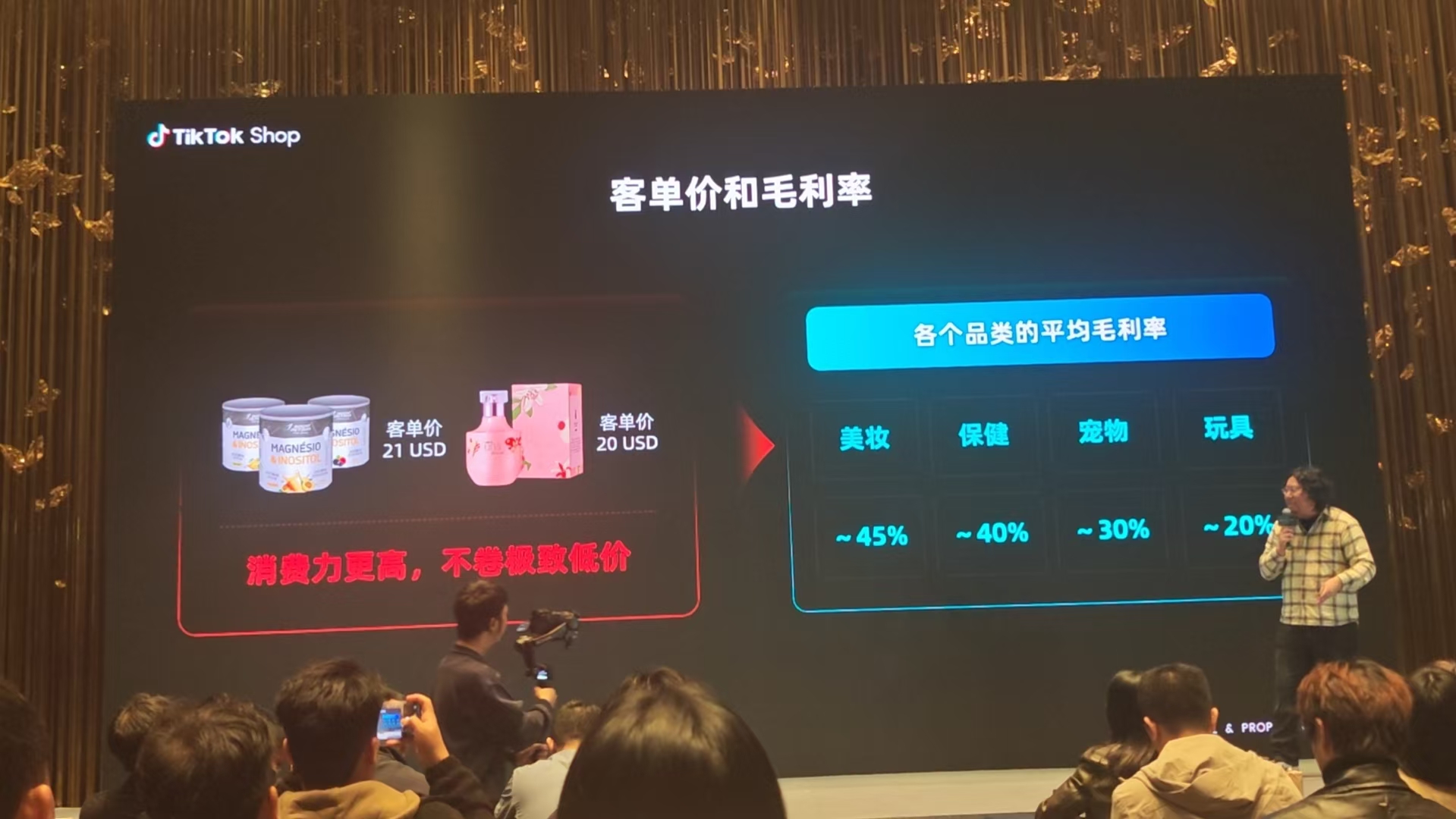
总的来说,目前巴西市场的客单价还相对较低,但依旧有较为可观的毛利率水平。比如,美妆品类平均毛利率为45%、保健品类平均毛利率为40%、宠物品类平均毛利率为30%、玩具品类平均毛利率为20%。

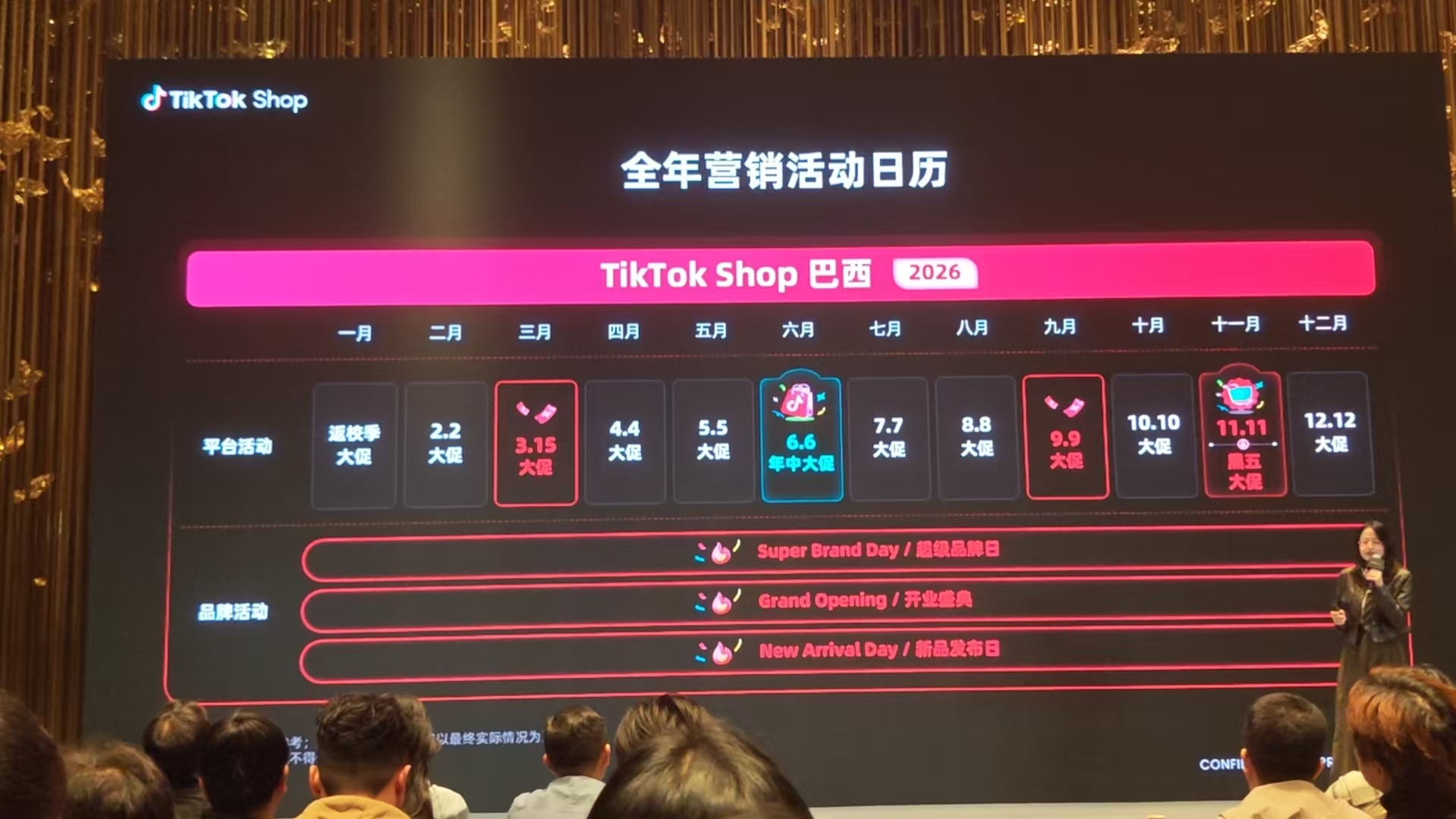
此外,TikTok Shop还公布了巴西站点的大促节奏,与东南亚类似,“逢双必促”,几乎每个月都有对应的大促节日。


文章来源:亿邦动力

广告
微信
朋友圈

这么好看,分享一下?

朋友圈 分享

APP内打开

+1
+1
微信好友 朋友圈 新浪微博 QQ空间
关闭
收藏成功
发送
/140 0