广告
加载中

林清轩在港股上市 上半年净利同增110%

李梦琪 2025-12-31 09:06
李梦琪 2025/12/31 09:06

邦小白快读

EN
全文速览

林清轩港股上市详情及企业核心亮点

1.上市事件:林清轩于12月30日在香港交易所主板上市,股票代码02657.HK,发行价77.77港元/股,首日最高达91港元/股,市值约120-125亿港元,被誉为“国货高端护肤第一股”。

2.财务增长:2025年上半年营收10.52亿元,同比增长98%;净利润1.82亿元,同比增长110.16%,毛利率提升至82.4%,表现强劲且接近2024年全年水平。

3.产品优势:核心单品山茶花精华油占比营收45%,连续11年位居全国面部精华油品类第一,销量超5000万瓶,产品线覆盖230多个SKU。

4.品牌与渠道:品牌定位高端国货,2024年在中国高端国货护肤品牌中排名第一;线上销售占比55.4%,通过天猫、抖音等平台销售;线下门店超550家,布局高端购物中心。

5.会员体系:积累数百万级会员,支撑高复购率,提供终端销量保障。

实操借鉴:核心单品策略和线上线下融合模式可学习,聚焦高端市场实现盈利增长。

品牌定位与营销策略的干货分析

1.品牌营销:林清轩牢牢绑定“高端国货”形象,2024年在中国高端国货护肤品牌中排名第一,并利用上市提升品牌知名度,IPO资金20%将用于品牌传播。

2.品牌渠道建设:线上渠道收入占比55.4%,通过天猫、抖音等平台自营;线下布局550多家购物中心门店,契合高端场景;IPO资金20%投向全渠道销售网络深化。

3.品牌定价与价格竞争:高端定位带来高毛利率82.4%,优于珀莱雅等品牌,支撑品牌溢价竞争。

4.产品研发:强调“天然植萃 + 科技配方融合”,在萃取提纯等领域有专利,但研发投入仅占营收2.51%,需提升以匹配国际标准。

5.消费趋势与用户行为:消费趋势高端化,用户复购率高,会员体系提供行为观察,数据显示高端国货市场潜力大,可捕捉用户偏好。

可学习点:高端定位结合多渠道策略驱动增长,但研发短板需补足以维持竞争力。

增长机会与风险提示的干货总结

1.增长市场:中国高端护肤市场高速增长,林清轩2022-2024年营收复合年增长率32.3%,2025年上半年同比增长98%,显示高端国货领域巨大潜力。

2.消费需求变化:消费者偏好高端国货品牌,林清轩作为唯一前15大高端护肤国货代表,反映需求转向本土品质产品;会员复购行为支撑需求稳定。

3.机会提示:IPO资金用于新品牌孵化和战略并购,提供合作与扩展机会;渠道深化如线上平台(天猫、抖音)和线下门店扩张,可寻求合作模式。

4.风险与负面影响:研发投入不足(2024年仅占营收2.51%),相较国际品牌有差距,可能影响产品创新;销售费用高达55.2%,压缩利润空间,提示需控制营销成本。

5.可学习点:爆品策略(山茶花精华油占比45%)和会员管理(数百万级)可效仿,以提升销量;事件应对如IPO资金分配,强调供应链和数字化建设。

产品生产与数字化启示的干货内容

1.产品生产和设计需求:核心单品山茶花精华油基于“以油养肤”理念,强调天然植萃成分,需高效萃取提纯技术;产品线扩展至面霜、爽肤水等230多个SKU,覆盖多样化护肤场景,设计需整合品类协同。

2.商业机会:高端国货市场增长迅猛,林清轩毛利率82.4%展示利润空间,工厂可承接代工或原料供应;IPO资金15%用于供应链与生产能力提升,提供合作契机。

3.推进数字化和电商启示:线上销售占比55.4%,通过平台自营体系实现规模销售,体现数字化渠道重要性;会员体系数据驱动生产预测,启示工厂加强数字化库存管理。

重点:结合科技配方如专利积累,优化生产流程,以抓住高端护肤需求。

行业趋势与解决方案的干货洞察

1.行业发展趋势:高端国货护肤崛起,林清轩上市反映本土品牌替代趋势;2025年市场规模快速增长(营收同比增98%),显示高端化消费升级。

2.新技术:林清轩强调“天然植萃 + 科技配方融合”,在抗皱修护等方向积累专利,启示服务商关注配方研发技术。

3.客户痛点:品牌面临研发投入不足(2024年占营收2.51%),相较国际品牌有差距,痛点在于创新滞后;销售费用高(55.2%占比),痛点在于营销效率优化。

4.解决方案:提供会员体系支撑方案,基于数百万级数据提升复购管理;IPO资金中15%用于技术研发,服务商可协助数字化建设(如供应链优化)和产品创新服务。

平台需求与运营管理的干货分析

1.商业对平台的需求:林清轩线上销售占比55.4%,依赖天猫、抖音等平台自营,显示平台需提供规模化销售支持;会员体系需平台数据整合,提升用户生命周期管理。

2.平台的最新做法:通过IPO资金20%投向全渠道销售网络,深化平台合作;线下门店与线上融合,平台可优化招商策略吸引高端品牌。

3.平台招商与运营管理:550多家线下门店布局高端购物中心,平台可借鉴其选址模型;销售费用高提示平台需提供高效营销工具;电商营销开支同比增长101%,强调平台应强化流量管理。

4.风向规避:研发投入不足可能带来产品同质化风险,平台需引导品牌加强创新;高端定位需避免价格战,平台可设置差异化规则。

产业动向与商业模式的干货探讨

1.产业新动向:高端国货护肤品牌崛起,林清轩2024年排名第一并上市,成为唯一进入前15大国际榜单的国货,反映产业本土化趋势。

2.新问题:研发投入强度低(2024年2.51%),相较国际品牌差距显著,需政策或产业支持以提升创新能力;销售费用过高(55.2%),挤压研发资源,提示成本结构失衡问题。

3.商业模式:高端定位驱动高毛利率82.4%,核心单品矩阵(山茶花精华油占比45%)加品类协同模式可复制;会员体系管理支撑长期增长,展示用户生命周期价值。

4.政策法规启示:IPO资金分配(20%品牌、20%渠道、15%供应链研发)可为产业政策提供参考,倡导平衡营销与研发投入;数据隐私保护在会员体系中的应用需法规完善。

返回默认
声明:快读内容全程由AI生成,请注意甄别信息。如您发现问题,请发送邮件至 run@ebrun.com 。

我是 品牌商 卖家 工厂 服务商 平台商 研究者 帮我再读一遍。

Quick Summary

Lin Qingxuan's Hong Kong IPO Details and Corporate Highlights

1. IPO Event: Lin Qingxuan listed on the Hong Kong Stock Exchange Main Board on December 30, with stock code 02657.HK. The issue price was HK$77.77 per share, reaching a high of HK$91 on the first day. Its market capitalization is approximately HK$12-12.5 billion, earning it the title of the "first high-end domestic skincare stock."

2. Financial Growth: Revenue for the first half of 2025 reached RMB 1.052 billion, a 98% year-on-year increase. Net profit was RMB 182 million, up 110.16% year-on-year, with gross margin rising to 82.4%, demonstrating strong performance close to full-year 2024 levels.

3. Product Advantage: The core product, Camellia Essential Oil, accounts for 45% of revenue. It has ranked first in the facial essential oil category in China for 11 consecutive years, with sales exceeding 50 million bottles. The product line covers over 230 SKUs.

4. Brand and Channels: Positioned as a high-end domestic brand, Lin Qingxuan ranked first among Chinese high-end domestic skincare brands in 2024. Online sales account for 55.4% of revenue, primarily through platforms like Tmall and Douyin. Offline presence includes over 550 stores in high-end shopping malls.

5. Membership System: The brand has accumulated millions of members, supporting high repurchase rates and ensuring stable end-user sales.

Practical Takeaways: The core product strategy and online-offline integration model are worth learning, focusing on the high-end market to achieve profitable growth.

Analysis of Brand Positioning and Marketing Strategies

1. Brand Marketing: Lin Qingxuan firmly anchors its image as a "high-end domestic brand," ranking first among Chinese high-end domestic skincare brands in 2024. The IPO enhances brand visibility, with 20% of IPO proceeds allocated to brand promotion.

2. Channel Development: Online channels contribute 55.4% of revenue, managed through self-operated platforms like Tmall and Douyin. Offline, over 550 stores are strategically located in high-end shopping malls. 20% of IPO funds will deepen the omni-channel sales network.

3. Pricing and Competition: The high-end positioning supports an 82.4% gross margin, outperforming competitors like Proya and enabling premium pricing.

4. R&D: Emphasizing "natural plant extracts + technological formulation," the brand holds patents in extraction and purification. However, R&D investment is only 2.51% of revenue, requiring enhancement to meet international standards.

5. Consumer Trends: High-end consumption trends and high member repurchase rates reflect strong market potential. Member data provides insights into consumer preferences.

Key Takeaway: High-end positioning combined with multi-channel strategies drives growth, but R&D shortcomings must be addressed to maintain competitiveness.

Growth Opportunities and Risk Insights

1. Growth Market: China's high-end skincare market is expanding rapidly. Lin Qingxuan's revenue CAGR from 2022-2024 was 32.3%, with a 98% YoY increase in H1 2025, highlighting the potential of high-end domestic brands.

2. Consumer Shifts: Preference for high-end domestic brands is growing. As the only domestic brand in the top 15 high-end skincare rankings, Lin Qingxuan reflects a shift toward local quality products. High member repurchase rates ensure demand stability.

3. Opportunities: IPO funds will support new brand incubation and strategic M&A, creating partnership opportunities. Channel expansion, both online (Tmall, Douyin) and offline, offers collaboration potential.

4. Risks: Low R&D investment (2.51% of revenue in 2024) lags behind international peers, potentially hindering innovation. High sales expenses (55.2%) compress profit margins, indicating a need for cost control.

5. Takeaways: The hit product strategy (Camellia Essential Oil accounts for 45% of revenue) and membership management (millions of members) are replicable for sales growth. IPO fund allocation emphasizes supply chain and digitalization.

Insights on Production and Digitalization

1. Production and Design: The core Camellia Essential Oil is based on the "skincare through oils" concept, requiring efficient extraction and purification technologies. The product line includes over 230 SKUs, covering diverse skincare scenarios and requiring integrated category synergy.

2. Business Opportunities: The high-end domestic market is growing rapidly, with Lin Qingxuan's 82.4% gross margin indicating strong profitability. Factories can explore OEM or raw material supply partnerships. 15% of IPO funds are allocated to supply chain and production capacity enhancement.

3. Digital and E-commerce: Online sales account for 55.4%, highlighting the importance of digital channels. Member data drives production forecasting, suggesting factories should enhance digital inventory management.

Key Focus: Combine technological formulations and patents to optimize production processes and capture high-end skincare demand.

Industry Trends and Solution Insights

1. Industry Trends: The rise of high-end domestic skincare, exemplified by Lin Qingxuan's IPO, reflects a shift toward local brands. The market's rapid growth (98% YoY revenue increase in 2025) indicates premiumization.

2. Technology: Lin Qingxuan's focus on "natural plant extracts + technological formulation" and patents in anti-aging and repair highlights opportunities for service providers in R&D.

3. Client Pain Points: Low R&D investment (2.51% of revenue) compared to international brands risks innovation lag. High sales expenses (55.2%) indicate inefficiencies in marketing optimization.

4. Solutions: Service providers can offer membership system solutions to enhance repurchase management. 15% of IPO funds are for R&D, creating opportunities for digitalization (e.g., supply chain optimization) and product innovation services.

Platform Needs and Operational Management

1. Platform Demands: Lin Qingxuan's 55.4% online sales reliance on platforms like Tmall and Douyin underscores the need for scalable sales support. Member data integration is crucial for user lifecycle management.

2. Platform Strategies: 20% of IPO funds will deepen omni-channel sales networks, enhancing platform partnerships. Offline-online integration models can inform platform merchant acquisition strategies for high-end brands.

3. Merchant Management: With over 550 stores in high-end malls, platforms can learn from Lin Qingxuan's location strategies. High sales expenses suggest a need for efficient marketing tools. A 101% YoY increase in e-commerce marketing spending highlights the importance of traffic management.

4. Risk Mitigation: Low R&D investment may lead to product homogenization; platforms should encourage innovation. High-end positioning requires avoiding price wars; platforms can implement differentiated rules.

Industry Dynamics and Business Model Analysis

1. Industry Trends: The rise of high-end domestic skincare brands, with Lin Qingxuan ranking first in 2024 and being the only domestic brand in the top 15 international rankings, reflects localization trends.

2. Challenges: Low R&D intensity (2.51% of revenue) compared to international brands necessitates policy or industry support for innovation. High sales expenses (55.2%) squeeze R&D resources, indicating cost structure imbalances.

3. Business Model: High-end positioning drives an 82.4% gross margin. The core product matrix (Camellia Essential Oil accounts for 45%) and category synergy are replicable. Membership systems support long-term growth by maximizing customer lifetime value.

4. Policy Implications: IPO fund allocation (20% brand, 20% channels, 15% supply chain/R&D) offers insights for industrial policy, advocating balanced marketing and R&D investment. Data privacy in membership systems requires regulatory refinement.

Disclaimer: The "Quick Summary" content is entirely generated by AI. Please exercise discretion when interpreting the information. For issues or corrections, please email run@ebrun.com .

I am a Brand Seller Factory Service Provider Marketplace Seller Researcher Read it again.

【亿邦原创】经历首次递表失效的波折后,12月30日,国产高端护肤品牌林清轩在香港交易所主板正式挂牌交易,股票代码02657.HK。本次IPO发行价为77.77港元/股,上市首日最高达91港元/股,市值约为120亿–125亿港元。

成立于2003年的林清轩,凭借“以油养肤”的产品理念,以及核心单品“山茶花精华油”,逐步在国内高端护肤市场中占据一席之地。

从财务表现看,林清轩近年增长迅猛。招股书显示,2022–2024年公司营业收入分别为6.91亿元、8.05亿元和12.10亿元,复合年增长率约32.3%。在盈利方面,2022年公司仍有所亏损,但2023年实现扭亏为盈,净利润约8452万元,2024年净利润增至1.87亿元。

2025年上半年,林清轩实现营收10.52亿元,同比增长98%;毛利8.66亿元,同比增长99.5%;净利润1.82亿元,同比增长110.16%,已接近2024年全年利润水平。

在品牌层面,林清轩几乎已牢牢绑定“高端国货”的形象定位。按零售额计算,2024年其在中国所有高端国货护肤品牌中排名第一,也是中国市场前15大高端护肤品牌(含国际品牌)中唯一的国货品牌。此次上市,林清轩也因此被市场冠以“国货高端护肤第一股”的称号。

高端化带来了可观的利润空间。公司毛利率从2022年的78.0%提升至2025年上半年的82.4%,高于珀莱雅的73.38%、巨子生物的81.7%,并逼近高端彩妆代表毛戈平的84.2%。

在产品结构上,“山茶花精华油”依然是最核心的收入来源,占比约45%。此外,招股书显示,按全渠道零售额计,林清轩山茶花精华油自2014年起连续11年位居全国面部精华油品类第一,累计销量突破5000万瓶;同时,该产品也是中国面部精华油品类中,唯一一款连续8年零售额超过亿元的单品。

值得注意的是,在上市活动中,创始人孙来春表示,公司并不满足于单一爆品模式,而将持续在品牌传播、渠道拓展、产品创新和供应链建设等方面投入,深化“高端国货护肤”的长期定位。

围绕“山茶花”这一核心成分,林清轩在研发中强调“天然植萃 + 科技配方融合”,并在萃取提纯、抗皱修护等方向积累了一定配方专利成果,同时在精华油之外,延展出面霜、爽肤水等相关品类,形成“核心单品 + 品类协同”的产品矩阵。

截至2025年中,林清轩的产品线已覆盖精华油、面霜、爽肤水、乳液、精华液、面膜、防晒霜等多个护肤品类,SKU数量超过230个,覆盖基础补水、保湿、修护等主要护肤场景。

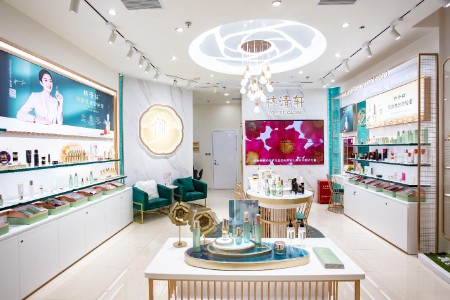
在渠道方面,招股书披露,林清轩线上收入占比从2022年的55.2%提升至2024年的59.1%,2025年上半年回落至55.4%;线上通过天猫、京东、抖音等平台及官方自营体系实现规模化销售。线下方面,截至2025年中,林清轩门店已超过550家,且多布局于购物中心,与高端护肤消费场景高度契合。

在招股书中,林清轩的会员体系也被视为核心资产之一。根据最新披露的数据,林清轩已积累数百万级会员规模,并保持一定复购水平,为终端销量和用户生命周期管理提供支撑。

林清轩的销售费用,也在一定程度上反映出其对市场渗透与品牌建设的资源倾斜。招股书显示,2025年上半年,公司销售及分销开支占营收比重达55.2%,不仅高于毛戈平、珀莱雅等本土品牌,也显著高于国际美妆集团30%-40% 的平均水平。此外,公司2024年电商营销开支同比增长101%,明显快于营收增速。

与此形成对比的是研发投入强度。2022-2024年,公司累计研发投入不足1亿元,2024年研发费用占营收比重为2.51%,相较国际美妆品牌以及部分国货品牌仍有较大差距。

针对此次IPO募集资金的用途,招股书显示,将主要用于品牌建设与推广、全渠道销售网络深化、供应链与生产能力提升、技术研发与产品创新,以及新品牌孵化和战略并购等方向。其中,约20%用于品牌传播,约20%投向渠道建设,约15%用于供应链和研发支撑,其余资金用于品牌延展与数字化能力建设。

亿邦持续追踪报道该情报,如想了解更多与本文相关信息,请扫码关注作者微信。

文章来源:亿邦动力

广告
微信
朋友圈

这么好看,分享一下?

朋友圈 分享

APP内打开

+1
+1
微信好友 朋友圈 新浪微博 QQ空间
关闭
收藏成功
发送
/140 0