广告
加载中

三周关闭19家门店 物美、美特好、KKV持续调整

蒙嘉怡 2025-12-23 09:41
蒙嘉怡 2025/12/23 09:41

邦小白快读

EN
全文速览

文章重点介绍零售业门店关闭现象,提供实操干货与关键信息。

1. 数据显示,12月前三周国内15个连锁品牌至少关闭19家门店,其中商超领域关闭12家,涉及物美、华润万家等品牌,其余包括便利店、美妆店等零售业态。

2. 闭店原因主要源于电商和即时零售竞争削弱传统优势,同时老店面临租金上涨、客流不足成本压力,KKV与奥乐齐纠纷案例凸显品牌与商业地产矛盾激化风险。

3. 实体零售整体困境包括线上分流、租金人力成本上升及同质化竞争,三福计划收缩百货业务主攻女装赛道,提示行业转型方向与策略调整机会。

文章揭示品牌营销与渠道建设的挑战,聚焦消费趋势与品牌策略变化。

1. 品牌渠道矛盾突出,如KKV因门店移位纠纷与商业地产方强制解约案例,显示品牌方需优化选址协商机制以减少冲突风险。

2. 消费趋势转向电商和即时零售,大卖场核心优势被消弭,品牌需加强产品研发以适应新渠道,三福转向女装赛道反映消费需求变化下的品牌定位调整。

3. 用户行为观察显示线上购物分流持续,品牌商应关注租金成本管理与合作模式创新,如通过数字渠道提升品牌竞争力,避免同质化竞争压力。

文章提供政策影响外的风险提示与增长机会,解读消费需求变化与商业模式调整。

1. 风险提示包括租金上涨导致客流不足成本压力,如物美等商超闭店止损案例,实体零售面临线上分流和同质化竞争的双重挑战,需制定事件应对措施。

2. 机会提示来自行业转型,如三福收缩百货业务主攻女装赛道的最新商业模式,显示消费需求层面的变化可挖掘增长市场,卖家可学习其资源整合策略。

3. 合作方式与扶持政策间接启示,例如纠纷协商(奥乐齐案例)提示卖家加强商业地产合作风控,以及利用即时零售趋势拓展新渠道,捕捉正面机会。

文章探讨产品需求变化与商业机会,强调数字化和电商启示对生产的影响。

1. 产品生产和设计需求受零售渠道调整驱动,如三福主攻女装赛道案例,显示工厂可聚焦特定品类开发以响应消费需求变化,提升产品竞争力。

2. 商业机会来自电商与即时零售崛起,传统大卖场闭店(物美案例)启示工厂需推进数字化生产和供应链优化,减少对线下单一渠道依赖。

3. 推进电商启示包括结合线上趋势调整生产模式,实体零售困境(租金成本)提示工厂探索轻资产合作,如与品牌直接对接以降低成本提升效率。

文章分析行业发展趋势与客户痛点,凸显解决方案需求空间。

1. 行业发展趋势显示电商和即时零售主导,传统商超闭店潮(如12家门店关闭)反映渠道精细化竞争,服务商可针对新技术如数字化平台提供优化方案。

2. 客户痛点突出在租金上涨、纠纷管理(KKV与奥乐齐案例)及同质化竞争压力,服务商需开发解决方案如成本优化工具或冲突调解服务。

3. 新技术应用启示来自线上分流问题,实体零售转型需求(三福调整)提示服务商提供数据分析和客户行为洞察服务,帮助客户缓解痛点。

文章聚焦商业对平台的需求问题,讨论平台最新做法与运营管理挑战。

1. 商业对平台需求和问题包括品牌与商业地产方矛盾,如KKV移位纠纷导致闭店案例,平台需优化招商政策和租赁协议以规避类似风险。

2. 平台最新做法涉及协商机制(奥乐齐案例暂停营业),提示平台商加强运营管理,如租金调整平衡和客流监控系统,减少负面影响。

3. 风向规避与招商需求反映在实体零售困境(租金、成本压力),平台需调整策略支持品牌转型,例如提供灵活合作方式或数字化工具来提升吸引力。

文章揭示产业新动向与新问题,提供商业模式与政策启示分析。

1. 产业新动向显示零售业转型阵痛,如19家门店关闭案例反映传统大卖场模式衰落,电商与即时零售崛起重塑行业格局,值得深入研究。

2. 新问题包括品牌与商业地产纠纷激化(KKV案例)及租金成本压力,研究者可探讨政策法规建议如租金管控或纠纷调解机制以避免类似问题。

3. 商业模式变化如三福收缩百货主攻女装赛道,启示产业应关注消费需求演变,分析这些案例可提供策略建议支持行业可持续发展。

返回默认
声明:快读内容全程由AI生成,请注意甄别信息。如您发现问题,请发送邮件至 run@ebrun.com 。

我是 品牌商 卖家 工厂 服务商 平台商 研究者 帮我再读一遍。

Quick Summary

The article highlights the wave of store closures in the retail sector, offering practical insights and key information.

1. Data shows that in the first three weeks of December, at least 19 stores across 15 domestic chain brands were closed, including 12 supermarkets from brands like Wumart and China Resources Vanguard, with the rest involving convenience stores, cosmetics shops, and other retail formats.

2. The main reasons for closures stem from intensified competition from e-commerce and instant retail eroding traditional advantages, coupled with cost pressures like rising rents and insufficient foot traffic for older stores. The dispute between KKV and ALDI exemplifies the escalating risks in brand-commercial property relationships.

3. The overall challenges for physical retail include customer diversion to online channels, rising rental and labor costs, and homogenized competition. Sanfu's plan to scale back its department store business to focus on women's apparel signals industry transformation directions and strategic adjustment opportunities.

The article reveals challenges in brand marketing and channel development, focusing on shifting consumer trends and brand strategy adjustments.

1. Channel conflicts are prominent, as seen in the KKV case where a store relocation dispute led to forced contract termination, indicating brands need to optimize site selection and negotiation mechanisms to mitigate risks.

2. With consumer trends shifting toward e-commerce and instant retail, the core advantages of hypermarkets are diminishing. Brands must strengthen product R&D to adapt to new channels, as reflected in Sanfu's pivot to women's apparel, showcasing brand repositioning in response to changing demand.

3. User behavior analysis shows ongoing online shopping diversion. Brands should focus on rental cost management and innovate collaboration models, such as leveraging digital channels to enhance competitiveness and avoid homogenized competition pressures.

The article provides risk alerts and growth opportunities beyond policy impacts, interpreting changes in consumer demand and business model adjustments.

1. Key risks include rising rents leading to cost pressures from low foot traffic, as seen in Wumart's store closures for loss mitigation. Physical retail faces dual challenges from online diversion and homogenized competition, necessitating contingency plans.

2. Opportunities arise from industry transformation, such as Sanfu's shift from department stores to focus on women's apparel, indicating evolving consumer demand can uncover growth markets. Sellers can learn from its resource integration strategies.

3. Indirect insights from collaboration methods and support policies include strengthening risk control in commercial property partnerships (e.g., ALDI dispute case) and leveraging instant retail trends to expand new channels and capture positive opportunities.

The article explores changes in product demand and commercial opportunities, emphasizing the impact of digitalization and e-commerce insights on production.

1. Product manufacturing and design needs are driven by retail channel adjustments, as seen in Sanfu's focus on women's apparel, suggesting factories can specialize in specific categories to respond to consumer demand shifts and enhance product competitiveness.

2. Commercial opportunities emerge from the rise of e-commerce and instant retail. Hypermarket closures (e.g., Wumart) indicate factories need to advance digital production and supply chain optimization to reduce reliance on single offline channels.

3. E-commerce insights involve adjusting production models based on online trends. The challenges of physical retail (e.g., rental costs) prompt factories to explore asset-light collaborations, such as direct partnerships with brands, to cut costs and improve efficiency.

The article analyzes industry trends and client pain points, highlighting the demand for solutions.

1. Industry trends show e-commerce and instant retail dominating, with traditional supermarket closures (e.g., 12 stores) reflecting intensified channel competition. Service providers can offer optimization solutions, such as digital platforms.

2. Client pain points include rising rents, dispute management (e.g., KKV vs. ALDI case), and homogenized competition pressure. Service providers should develop solutions like cost optimization tools or conflict mediation services.

3. New technology applications are inspired by online diversion issues. Physical retail transformation needs (e.g., Sanfu's adjustment) suggest service providers offer data analytics and consumer behavior insights to help clients address pain points.

The article focuses on business demands for platforms, discussing latest practices and operational management challenges.

1. Business demands and issues include brand-commercial property conflicts, as seen in KKV's closure due to a relocation dispute, prompting platforms to optimize merchant policies and lease agreements to avoid similar risks.

2. Latest platform practices involve negotiation mechanisms (e.g., ALDI's temporary closure case), suggesting platforms strengthen operational management, such as rent adjustment balance and foot traffic monitoring systems, to reduce negative impacts.

3. Risk avoidance and merchant recruitment needs are reflected in physical retail struggles (e.g., rent and cost pressures). Platforms should adjust strategies to support brand transformation, such as offering flexible collaborations or digital tools to enhance appeal.

The article reveals new industry trends and issues, providing analysis on business models and policy implications.

1. New industry trends indicate retail transformation pains, with 19 store closures reflecting the decline of traditional hypermarket models. The rise of e-commerce and instant retail is reshaping the industry landscape, warranting in-depth study.

2. Emerging issues include intensified brand-commercial property disputes (e.g., KKV case) and rental cost pressures. Researchers can explore policy recommendations, such as rent control or dispute mediation mechanisms, to prevent similar problems.

3. Business model changes, like Sanfu's shift from department stores to women's apparel, suggest the industry should focus on evolving consumer demand. Analyzing these cases can provide strategic advice to support sustainable industry development.

Disclaimer: The "Quick Summary" content is entirely generated by AI. Please exercise discretion when interpreting the information. For issues or corrections, please email run@ebrun.com .

I am a Brand Seller Factory Service Provider Marketplace Seller Researcher Read it again.

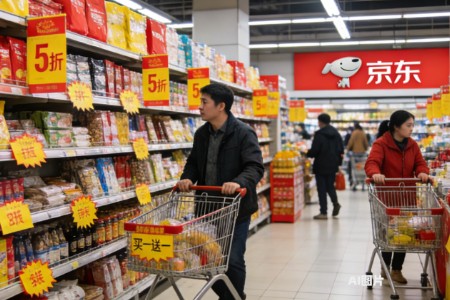
据壹览商业不完全统计,12月前三周,国内知名连锁商超、便利店百货店、专业店及知名企业重点测试门店,共有15个连锁品牌关闭了至少19家门店。

从行业分布来看,商超是闭店最为集中的领域,共计关闭12家门店,涉及物美、华润万家、Olé精品超市、联家超市、美特好超市、万家福超市等多个品牌。此外,零售百货、美妆集合店、体育零售、咖啡乃至便利店均有门店关闭。

其中,KKV、奥乐齐均因纠纷闭店,前者所在的卓越中心商场希望KKV该门店移位,但双方未达成一致的解决方案,便意图强制解约;后者所在的大拇指广场擅自拆除了由一楼广场处通往二楼的楼梯和电梯,导致消费者只能使用一台扶梯,目前双方正在协商中,协商期间暂停营业。这些都折射出在经营压力下,品牌方与商业地产方的矛盾可能激化。

商超集中闭店反映了传统大卖场正在经历的转型阵痛。传统大卖场崛起于20世纪90年代,那个时候的消费渠道单一,物资供应不足,只要选址合理、商品丰富,生意便有保障。

但电商的发展极大丰富了商品供给,而即时零售又能让消费者足不出户享受便利,这就导致大卖场赖以生存的核心优势被消弭,零售渠道的竞争也变得更加精细化。同时,对于经营了十几年甚至二十年的老店,续约时可能面临租金上涨的压力,而客流又无法完全覆盖成本,于是闭店成为商超企业止损的必选项之一。

不仅仅是商超,其他零售业态也面临类似挑战。12月以来,三福至少关闭了2家门店。值得一提的是,三福近期在重庆、上海、福州、长沙等多地出现了密集闭店。这背后是实体零售的集体困境:线上购物、直播带货持续分流,而线下门店则承受着租金、人力成本上升与同质化竞争的多重压力。

闭店的另一面,是三福放手一搏的信号。不少网友发帖称,三福正推进重新定位与资源整合,未来将收缩百货业务,主攻女装赛道。

注:文/蒙嘉怡,文章来源:壹览商业(公众号ID:yilanshangye ),本文为作者独立观点,不代表亿邦动力立场。

文章来源:壹览商业

广告
微信
朋友圈

这么好看,分享一下?

朋友圈 分享

APP内打开

+1
+1
微信好友 朋友圈 新浪微博 QQ空间
关闭
收藏成功
发送
/140 0