广告
加载中

提前完成首个万店进社区目标 美团卫星店将升级扶持计划

姜琪 2025-12-19 10:31
姜琪 2025/12/19 10:31

邦小白快读

EN
全文速览

美团卫星店模式已实现1万家店进社区,服务上亿消费者,成为大牌餐饮服务社区的新方式。

1.卫星店以小店型、轻量化为特征,主营外卖,显著降低创业风险,单店开业和运营成本平均降低60%至70%,回本周期缩短,如木屋烧烤仅需6个月。

2.使用数字化和AI技术,包括明厨亮灶后厨直播、AI选址和选品,提高效率并满足日常餐饮需求。

3.具体案例丰富,如海底捞子品牌“下饭火锅菜”开店1400多家,覆盖中式正餐、西餐等品类,涉及老字号品牌如四川饭店。

4.趋势表明餐饮从大店体验转向小店效率,从商圈流量转向社区运营,该模式为品牌和平台共建轻量化终端网络提供实操路径。

美团卫星店为品牌提供渠道建设和营销机会,通过数字化手段应对消费趋势。

1.品牌营销方面,卫星店模式帮助品牌拓展社区渠道,挖掘线上增量市场,如眉州东坡等传统品牌参与,提升品牌曝光。

2.品牌渠道建设中,美团要求品牌拥有独立、可控供应链体系和一致出品标准,这强化了品牌标准化和品质控制。

3.消费趋势显示转向社区深度运营和轻量化小店,用户行为观察表明日常餐饮需求增长,卫星店高效满足消费者新需求。

4.产品研发需适配小店型,如AI选品辅助创新,品牌商可联合美团进行店型探索,享受开店基金奖励等扶持。

5.价格竞争通过成本降低(60%-70%)优化,品牌商可借此提升竞争力。

美团卫星店扶持政策解读和市场机会显著,提供增长路径和风险提示。

1.政策解读:2025年投入4亿元扶持品牌开店,要求开通明厨亮灶直播和AI巡检;2026年政策升级,包括联合新店型探索、开店基金奖励、供应链深度合作、数据AI工具和流量倾斜。

2.增长市场机会:转向社区运营和线上增量,卖家可参与开店,挖掘消费需求变化,如夜宵和简餐场景适配。

3.风险提示:后厨规范需严格,AI巡检系统和消费者反馈可实时监控不规范行为,卖家应关注合规以避免负面影响。

4.正面影响和机会:数字化手段如AI选址降低成本,提高创业成功率,案例如木屋烧烤回本快;可学习点包括轻量化店型创新。

5.合作方式:卖家可与美团联合进行供应链合作,利用扶持政策拓展业务,最新商业模式为共建数字化终端网络。

卫星店模式带来产品生产和设计需求,启示推进数字化电商的商业机会。

1.产品生产需求:品牌需具备独立、可控供应链体系和一致出品标准,工厂可提供标准化生产支持,确保与堂食一致。

2.设计需求:适配小店型轻量化特征,如50平方米社区店设计,工厂需创新产品以匹配外卖和简餐场景。

3.商业机会:参与品牌合作,如为老字号或传统品牌(如西安饮食集团)提供生产服务,卫星店扩张带来订单增长。

4.推进数字化和电商启示:使用AI选址和选品等工具,工厂可借鉴优化生产流程;案例显示成本降低60%-70%,启示高效经营模式。

行业趋势和新技术聚焦客户痛点解决方案,卫星店模式引领数字化发展。

1.行业发展趋势:餐饮转向社区轻量化小店,卫星店作为数字化新模式,覆盖多品类,标志终端网络共建新阶段。

2.新技术应用:包括明厨亮灶直播、AI视觉识别巡检、AI选址和选品工具,这些技术提升运营效率。

3.客户痛点:后厨不规范行为是痛点,解决方案通过AI巡检系统和实时反馈机制(如客服系统)有效监控。

4.解决方案扩展:数据和AI工具提供运营扶持,服务商可开发类似技术,满足品牌对数字化能力的需求。

平台需求和最新做法强调招商运营与风险规避,卫星店模式优化管理。

1.商业对平台的需求:品牌需满足供应链独立可控、出品标准一致等要求,平台通过扶持政策吸引优质品牌。

2.平台最新做法:2025年完成1万家店拓建,2026年升级政策,包括联合探索、基金奖励、供应链合作、数据AI工具和流量倾斜。

3.平台招商:新店必须开通明厨亮灶直播和AI巡检,平台提供开店扶持,如海底捞等品牌参与。

4.运营管理:使用AI视觉识别进行后厨巡检,消费者反馈系统实时处理问题,确保规范运营。

5.风险规避:AI系统监控后厨行为,规避不规范风险;风向转向社区深度运营,平台需持续优化轻量化终端网络。

产业新动向和商业模式创新揭示政策启示,卫星店模式带来新问题研究。

1.产业新动向:餐饮从大店转向小店效率,从商圈流量转向社区运营,标志共建轻量化、数字化终端网络的新阶段。

2.商业模式:卫星店以小店型、轻量化为核心,主营外卖,通过开放数字化和AI能力(如明厨亮灶、AI选址)降低成本60%-70%,提高创业成功率。

3.新问题:如何确保后厨规范,通过AI巡检和反馈系统解决;政策法规建议启示政府可借鉴扶持投入(如4亿元资金)推动行业创新。

4.代表案例:涵盖中式正餐、西餐等品类,老字号如四川饭店参与,商业模式案例如木屋烧烤快速回本,研究者可分析其启示。

返回默认
声明:快读内容全程由AI生成,请注意甄别信息。如您发现问题,请发送邮件至 run@ebrun.com 。

我是 品牌商 卖家 工厂 服务商 平台商 研究者 帮我再读一遍。

Quick Summary

Meituan's satellite store model has expanded to 10,000 stores in residential communities, serving hundreds of millions of consumers and establishing a new approach for major restaurant brands to serve local neighborhoods.

1. Characterized by small size and asset-light operations, these stores primarily focus on delivery, significantly reducing startup risks. Average setup and operating costs are cut by 60-70%, shortening payback periods—e.g., Muwu Barbecue recouped investment in just 6 months.

2. Digital and AI technologies, including live-streamed kitchens, AI-powered site selection, and product curation, enhance efficiency in meeting daily dining needs.

3. Successful examples include Haidilao's sub-brand "Xiafan Hot Pot Dishes," with over 1,400 outlets spanning Chinese and Western cuisines, and heritage brands like Sichuan Hotel.

4. The trend reflects a broader shift from large experiential venues to efficient small stores, and from commercial districts to community-focused operations, offering a practical model for brands and platforms to build lightweight retail networks.

Meituan's satellite store model offers brands a strategic channel for expansion and marketing, leveraging digital tools to adapt to evolving consumer trends.

1. For brand marketing, the model enables community penetration and online market growth, with established brands like Meizhou Dongpo increasing visibility.

2. Channel development requires brands to maintain independent, controlled supply chains and consistent quality standards, reinforcing standardization.

3. Consumer trends favor community-based, lightweight operations; user behavior data shows rising demand for daily meals, which satellite stores efficiently address.

4. Product R&D must suit smaller formats, aided by AI-driven assortment planning; brands can collaborate with Meituan on store prototypes and access incentives like opening funds.

5. With costs reduced by 60-70%, brands gain pricing flexibility and competitive advantage.

Meituan's satellite store initiative presents clear growth opportunities and policy support, alongside key risk considerations.

1. Policy解读: Meituan plans to invest ¥400 million by 2025 to support store openings, requiring live kitchen streams and AI inspections; 2026 upgrades include co-developed store models, funding rewards, supply chain partnerships, data/AI tools, and traffic prioritization.

2. Growth opportunities lie in community operations and online expansion, allowing sellers to tap into demand for late-night snacks and light meals.

3. Risk alert: Strict kitchen compliance is enforced via AI monitoring and real-time feedback; sellers must prioritize regulations to avoid penalties.

4. Benefits include AI site selection cutting costs and boosting success rates—e.g., Muwu Barbecue's rapid payback—offering lessons in lightweight store innovation.

5. Sellers can partner with Meituan on supply chain integration and leverage support policies to scale, embracing the co-built digital network model.

The satellite store model drives demand for standardized production and design innovation, highlighting opportunities in digital commerce.

1. Production needs: Brands require independent, controlled supply chains and consistent output, creating openings for factories to provide standardized support matching dine-in quality.

2. Design adaptation: Products must suit small, lightweight stores (e.g., 50㎡ community spaces), incentivizing innovation for delivery and quick-service scenarios.

3. Business opportunities: Partnerships with heritage brands (e.g., Xi'an Catering Group) can grow orders as satellite stores expand.

4. Digital启示: AI tools like site selection and product curation offer models for optimizing production; cases show 60-70% cost reductions, underscoring efficient operations.

Industry trends and new technologies center on solving client pain points, with the satellite store model driving digital transformation.

1. Trend: Restaurants are shifting to community-based lightweight stores, with satellite stores representing a digitalized phase in shared terminal networks across cuisines.

2. Tech applications: Live kitchen streams, AI visual inspections, site selection, and product tools boost operational efficiency.

3. Client pain points: Kitchen non-compliance is addressed via AI monitoring and real-time feedback systems (e.g., customer service).

4. Solution expansion: Data and AI tools provide operational support, inspiring service providers to develop similar technologies for brands' digital needs.

Platform demands and updated practices focus on merchant recruitment and risk management, optimized through the satellite store model.

1. Platform requirements: Brands need independent supply chains and consistent standards; Meituan attracts quality partners via incentives.

2. Latest practices: 10,000 stores targeted by 2025, with 2026 policy upgrades including co-exploration, funding, supply chain collaboration, data/AI tools, and traffic support.

3. Merchant recruitment: New stores must enable live kitchen streams and AI inspections, with support for brands like Haidilao.

4. Operations: AI visual inspections and real-time feedback ensure compliance.

5. Risk mitigation: AI systems monitor kitchen behavior to curb irregularities; the shift to community operations requires continuous optimization of lightweight networks.

Industry shifts and business model innovations highlight policy implications, with the satellite store model raising new research questions.

1. Trends: Restaurants are prioritizing small-store efficiency over large venues and community operations over commercial traffic, marking a new phase in lightweight, digital terminal networks.

2. Business model: Satellite stores emphasize compact, asset-light formats focused on delivery, using open digital/AI capabilities (e.g., live kitchens, AI site selection) to cut costs by 60-70% and increase startup success.

3. New issues: Ensuring kitchen compliance via AI inspections and feedback systems; policy启示 suggest government could mirror support (e.g., ¥400 million funding) to spur innovation.

4. Case studies: Spanning Chinese/Western cuisines and heritage brands like Sichuan Hotel, models like Muwu Barbecue's quick payback offer analytical insights.

Disclaimer: The "Quick Summary" content is entirely generated by AI. Please exercise discretion when interpreting the information. For issues or corrections, please email run@ebrun.com .

I am a Brand Seller Factory Service Provider Marketplace Seller Researcher Read it again.

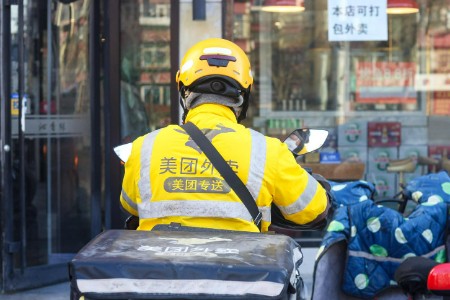
【亿邦原创】近日,美团宣布,2025年已联合1000多个品牌完成店型创新,共拓建1万家卫星店进社区,累计服务消费者上亿人次。据了解,美团2025年累计投入4亿元扶持大牌餐饮开卫星店,要求品牌必须拥有独立、可控的供应链体系,出品标准与堂食一致。此外,所有新加入的美团卫星店必须开通“明厨亮灶”后厨直播,并采用AI视觉识别技术等进行后厨巡检。如后厨有任何不规范行为,AI巡检系统、消费者均可通过直播系统、客服系统进行实时反馈。

亿邦动力了解到,2026年美团卫星店扶持政策的丰富性和覆盖范围将超过今年,措施将包括与优质品牌联合进行新店型探索,并提供开店基金奖励;进行供应链深度合作保障;提供数据和AI工具运营扶持、流量和曝光倾斜等。

作为2024年美团首创的数字化社区餐饮新模式,卫星店以“小店型、轻量化”为典型特征,主营外卖,成为大牌餐饮服务社区、挖掘线上增量市场的新模式。卫星店通过全面开放数字化和AI能力,使用明厨亮灶、AI选址和选品、社区店型模式创新等数字化手段,用更加高效的经营模式,提高了商家的创业成功率,单店开业和运营成本平均降低60%至70%;也满足了消费者的日常餐饮新需求。

经过2025年的品牌联合创新,美团卫星店已涵盖所有中式正餐、西餐、火锅等餐饮品类,其中不乏四川饭店、西安饮食集团等中华老字号,以及眉州东坡等传统中餐品牌。海底捞推出子品牌“下饭火锅菜”,开出1400多家卫星店。木屋烧烤通过50平方米社区店、街边店,适配夜宵、简餐需求,平均回本周期仅6个月。

从追求大店体验转向小店效率,从商圈流量争夺转向社区深度运营。这或许标志着一个新阶段的开始——餐饮品牌不再单纯依赖平台流量,而是开始与平台共建一套离消费者更近、更轻量、更数字化的终端网络。

亿邦持续追踪报道该情报,如想了解更多与本文相关信息,请扫码关注作者微信。

文章来源:亿邦动力

广告
微信
朋友圈

这么好看,分享一下?

朋友圈 分享

APP内打开

+1
+1
微信好友 朋友圈 新浪微博 QQ空间
关闭
收藏成功
发送
/140 0