广告
加载中

商家多了一笔“价保账”!拼多多新规:平台“百亿消费券”降价也需补差

亿邦动力 2025-12-02 11:10
亿邦动力 2025/12/02 11:10

邦小白快读

EN
全文速览

拼多多调整价格保护规则,将平台优惠纳入补差服务,帮助消费者避免“买贵”问题。

1. 规则内容:消费者购买标有“降价补差”标识的商品后,如商家优惠或平台百亿消费券降价导致实际支付金额低于之前,可申请差额退款,支持商家优惠和平台优惠计入。

2. 申请操作:例如,买T恤拼单价50元,商家优惠5元,平台券80折后支付36元;如服务期内商家优惠变8元,平台券变70折后支付29.4元,退款差额6.6元。未使用平台券时仅商家优惠部分支持补差。

3. 注意事项:不同商品服务期各异,如鲜品为72小时、家电30天、其他7天;需检查商品是否开通该服务,适用平台活动如百亿补贴或秒杀。

规则改变反映消费趋势和价格竞争动态,品牌可从中优化策略。

1. 消费趋势:消除消费者“刚买完就发券”的顾虑,刺激即时购买决策,提升消费者信任和复购率,反映用户行为向即时低价保障迁移。

2. 价格竞争:平台确保“商家+平台”综合优惠为最低价,推动品牌优化定价策略以应对价格波动,避免品牌营销中的促销失效风险。

3. 产品研发:需考虑平台政策变化影响产品生命周期设计,如活动商品定价适配价保规则,减少意外成本,同时利用用户行为数据优化营销活动。

新政策解读揭示了风险与机会,卖家需调整运营以应对。

1. 政策解读:拼多多扩大降价补差到平台优惠,商家需承担商家和平台券变动导致的价差成本,如案例中差额从3元增至6.6元,规则适用于大促活动商品。

2. 风险提示:参与平台活动如百亿补贴或秒杀时,价差成本增加需精细核算ROI,可能挤压利润,卖家可通过后台工具下线活动商品管理风险,但已售订单不受影响。

3. 机会与学习点:事件提示提升精细化管理水平,如加入价保活动的商品可增强消费者吸引力,学习平台大促应对措施,优化库存和促销策略以控制成本。

平台规则变化带来商业机会和数字化启示,工厂可借此深化电商整合。

1. 商业机会:价保政策扩大可吸引更多商品上架平台活动,如参与百亿补贴或多人团,为工厂提供稳定销售渠道,优化生产计划以适应平台需求波动。

2. 产品生产设计需求:需考虑成本转嫁风险(如价差成本),设计价格弹性高的产品支持平台政策,减少退货或纠纷,同时关注鲜品和家电类目的服务期差异。

3. 数字化启示:平台政策如价保工具需工厂利用后台数据监控销售风险,推进电商整合以精准管理库存和价格,强化供应链数字化响应。

行业发展趋势揭示了客户痛点并提供解决方案方向。

1. 行业趋势:拼多多扩大价保范围到平台优惠券,强化消费者保护,推动电商平台政策创新,成为行业新标杆。

2. 客户痛点:商家面临平台券变动导致价差成本上升(如折扣从8折变7折),痛点包括风险控制和ROI测算困难,需服务支持精细化运营。

3. 解决方案:提供工具或咨询帮客户管理价保风险,如基于平台后台数据开发分析模型,助商家优化促销策略,降低活动参与负面影响。

平台的最新做法和运营管理需求凸显招商和风险管控策略。

1. 平台最新做法:调整价格保护规则将平台百亿消费券纳入补差,确保消费者获得最低综合优惠,提升平台竞争力,适用于百亿补贴等核心活动商品。

2. 平台招商:商家报名活动如秒杀或9块9特卖自动适用价保服务,招商策略强调风险提示,商家可通过后台下线活动管理风险,已售订单保护强化吸引力。

3. 运营管理和风向规避:需精细化规则设计(如不同服务期),强化工具让商家操作(如后台价格保护功能),规避争议风险,同时监控大促实施平稳运行。

新规则揭示了产业新动向和政策启示,为商业模式创新提供参考。

1. 产业新动向:拼多多扩展价保到平台优惠层面,创新消费者保护机制,解决“价格刺客”问题,反映了电商平台提升信任度的趋势。

2. 新问题:商家成本分摊增加(如平台券变动导致的价差),引发平台生态平衡问题,可能影响中小卖家盈利能力,需研究合作式成本分担机制。

3. 政策法规建议:规则调整可作为行业规范模板,建议加强政策透明度(如服务期划分),提升用户权益保护,同时考虑对市场秩序的长期影响。

返回默认

声明:快读内容全程由AI生成,请注意甄别信息。如您发现问题,请发送邮件至 run@ebrun.com 。

我是 品牌商 卖家 工厂 服务商 平台商 研究者 帮我再读一遍。

Quick Summary

Pinduoduo has updated its price protection policy to include platform-wide discounts in its price difference refund service, helping consumers avoid paying more after purchase.

1. Policy Details: Consumers who purchase items marked with "price drop refund" can apply for a refund of the price difference if the final price drops due to merchant discounts or platform coupons (e.g., Billion Subsidies vouchers) after their purchase. Both merchant and platform discounts are now eligible.

2. How to Apply: For example, a T-shirt with a group-buy price of 50 yuan, a 5-yuan merchant discount, and an 80% off platform coupon results in a final payment of 36 yuan. If during the protection period, the merchant discount increases to 8 yuan and the platform coupon changes to 70% off, making the new price 29.4 yuan, the consumer can claim a 6.6-yuan refund. If no platform coupon is used, only the merchant discount portion is eligible for refund.

3. Key Notes: The protection period varies by product category—72 hours for fresh goods, 30 days for appliances, and 7 days for other items. Consumers should verify if the product supports this service, which typically applies to platform campaigns like Billion Subsidies or flash sales.

The policy shift reflects evolving consumer trends and competitive pricing dynamics, offering brands opportunities to refine their strategies.

1. Consumer Trends: By alleviating concerns about post-purchase price drops, the policy encourages immediate purchases, boosts consumer trust and repurchase rates, and highlights a shift toward demand for instant price guarantees.

2. Price Competition: The platform ensures the lowest combined "merchant + platform" discount, pushing brands to optimize pricing strategies to manage fluctuations and avoid promotional inefficiencies.

3. Product Development: Brands must account for platform policy changes in product lifecycle planning, such as aligning promotional pricing with price protection rules to minimize unexpected costs, while leveraging user behavior data to enhance marketing campaigns.

The new policy introduces both risks and opportunities, requiring sellers to adjust operations accordingly.

1. Policy Overview: Pinduoduo now includes platform coupons in price protection refunds, meaning sellers bear the cost of differences caused by changes in both merchant and platform discounts. For instance, the refund amount in the example rose from 3 yuan to 6.6 yuan, with the rule applying to major promotion items.

2. Risk Alert: Participation in campaigns like Billion Subsidies or flash sales may increase price difference costs, squeezing profits. Sellers should carefully calculate ROI and can use backend tools to delist items from campaigns to manage risk, though sold orders remain protected.

3. Opportunities: Items enrolled in price protection can attract more buyers. Sellers should learn from platform campaign strategies, optimizing inventory and promotions to control costs and improve operational precision.

The platform’s rule changes present commercial opportunities and digital insights, encouraging deeper e-commerce integration for factories.

1. Business Opportunities: Expanded price protection may boost product listings in platform campaigns (e.g., Billion Subsidies or group buys), providing stable sales channels and aiding production planning to meet demand fluctuations.

2. Product Design Considerations: Factories should account for cost-pass-through risks (e.g., price differences) and design price-flexible products to align with platform policies, reducing returns or disputes. Note varying protection periods for categories like fresh goods and appliances.

3. Digital Integration: Factories can use backend data to monitor sales risks under price protection tools, advancing e-commerce integration for better inventory and price management, and strengthening digital supply chain responsiveness.

Industry trends highlight client pain points and guide solution development.

1. Trend: Pinduoduo’s expansion of price protection to platform coupons enhances consumer safeguards, setting a new benchmark for e-commerce policy innovation.

2. Client Pain Points: Sellers face increased cost burdens from platform coupon changes (e.g., discounts shifting from 20% to 30% off), with challenges in risk control and ROI calculation, necessitating support for refined operations.

3. Solutions: Offer tools or consulting services to help clients manage price protection risks, such as developing analytics models based on platform data to optimize promotions and mitigate campaign participation drawbacks.

The platform’s updated approach underscores needs in merchant recruitment and risk management.

1. Platform Update: Price protection now includes platform coupons like Billion Subsidies, ensuring consumers get the lowest combined discounts to boost competitiveness, applicable to core campaign items.

2. Merchant Recruitment: Items enrolled in campaigns (e.g., flash sales or 9.9-yuan deals) automatically qualify for price protection. Recruitment strategies emphasize risk warnings; sellers can delist items via backend tools to manage exposure, while sold orders remain protected to enhance appeal.

3. Operational Management: Refined rule design (e.g., category-specific protection periods) and backend tools (e.g., price protection features) help avoid disputes. Monitor large promotions to ensure smooth implementation.

The new rules reveal industry shifts and policy implications, offering insights for business model innovation.

1. Industry Trend: Pinduoduo’s extension of price protection to platform discounts innovates consumer safeguards, addressing "price gouging" concerns and reflecting e-commerce’s trust-building trend.

2. Emerging Issues: Increased cost sharing for sellers (e.g., from platform coupon changes) raises ecosystem balance concerns, potentially affecting small sellers’ profitability, and calls for research into collaborative cost-sharing mechanisms.

3. Policy Recommendations: The policy adjustment could serve as an industry template. Enhance transparency (e.g., clear protection periods) to strengthen user rights, while evaluating long-term impacts on market order.

Disclaimer: The "Quick Summary" content is entirely generated by AI. Please exercise discretion when interpreting the information. For issues or corrections, please email run@ebrun.com .

I am a Brand Seller Factory Service Provider Marketplace Seller Researcher Read it again.

【亿邦原创】刚收到商品就发现平台发放了更大的优惠券?想要申请价格保护却发现平台不支持。退货,麻烦。不退货,又感觉吃了暗亏。

在刚刚过去的双11大促中,不少消费者都遇到过相似的“价格刺客”问题。但现在,情况或许会有所不同。

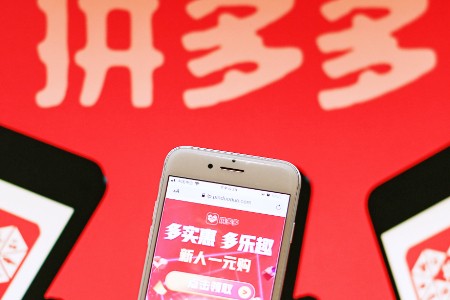
据亿邦动力了解,日前拼多多调整价格保护服务规则,将平台优惠的“百亿消费券”也纳入降价补差服务。

现在,平台规定,当消费者购买标有“降价补差”服务标识的商品后,在服务期内,如发现其订单内同一商品拼单价扣除商家优惠、平台优惠(百亿消费券)后,低于其订单拼单价扣除商家优惠、百亿消费券后的价格时,消费者可申请商家差额退款。

这意味着,现在,商家优惠、百亿消费券都支持计入降价补差。而此前,平台仅支持商家优惠计入降价补差。

比如,假如一位消费者购买一件T恤时,拼单价为50元,商家优惠为5元,百亿消费券为8折优惠,消费者实际支付(50-5)×80%=36元。

在“降价补差”服务期内,商家优惠变更为8元,百亿消费券变更为7折优惠,消费者应付为(50-8)×70%=29.4元,则消费者可向商家申请的差额退款为36元-29.4元=6.6元。

但需要注意的是,如消费者购买商品时未使用百亿消费券在消费者申请降价补差时也不支持百亿消费券计入补差金额,仅支持商家优惠金额部分计入降价补差。

所以,在上述案例中,当消费者购买一件T恤时,拼单价50元,商家优惠5元,消费者实际支付50-5=45元。在“降价补差”服务期内新增百亿消费券8折优惠,商家优惠变更为8元,消费者应付为(50-8)×80%=33.6元。

但因消费者购买商品时未使用百亿消费券,故仅支持商家优惠金额部分计入降价补差,即消费者可申请的差额退款为45-(50-8)=3元。

根据规定,水产肉类、新鲜蔬果以及熟食类目商品“降价补差”服务期为:自消费者订单显示的拼单时间之时起72小时;大家电类目商品服务期为:自消费者订单显示的拼单时间当日起(含当日)30日;其他类目商品服务期为:自消费者订单显示的拼单时间当日起(含当日)7日。

需要注意的是,当商家开通“价格保护”营销工具后即适用降价补差服务。商家可在“商家后台-营销工具-价格保护”下线活动商品,但下线前已支付的对应订单不受影响。

此外,商家报名“百亿补贴”、“秒杀”、“9块9特卖”、“潮流好价”、“多人团”的活动商品均适用“降价补差”服务。商家可根据商家后台对应活动页面指引将商品退出报名的活动,但退出前已支付的对应订单不受影响。

同时,在平台大型营销活动期间,商家大促活动商品也适用“降价补差”服务,商家应在大促降价补差服务期内向消费者提供上述服务。

实际上,拼多多此次调整将价保范围从“商家行为导致的降价”扩大到“平台优惠导致的变相降价”,向消费者传递的信号是:在拼多多购买的商品,不仅在商家层面是最低价,在“商家+平台”的综合优惠层面也是最低价。在一定程度上,这可以消除消费者“刚买完平台就发更大额券”的顾虑,刺激了消费决策的即时性。

但对商家而言,需要承担的不再仅是自身调价带来的价差,还包括平台调整优惠券力度(如折扣从8折变为7折)所带来的价差成本。如上述案例所示,价差金额因此大幅增加(从3元增至6.6元)。

这样一来,商家报名参与平台活动(特别是明确适用价保的活动)时,还需要将“平台券变动风险”纳入ROI测算,提升精细化管理水平。

亿邦持续追踪报道该情报,如想了解更多与本文相关信息,请扫码关注作者微信。

文章来源:亿邦动力

广告
微信
朋友圈

这么好看,分享一下?

朋友圈 分享

APP内打开

+1
+1
微信好友 朋友圈 新浪微博 QQ空间
关闭
收藏成功
发送
/140 0