广告
加载中

西昊2025出海战略:发展海外合伙人 从贸易思维转向品牌思维

王浩然 2025-04-01 16:21
王浩然 2025/04/01 16:21

邦小白快读

EN
全文速览

西昊2025出海战略核心是转向品牌思维和合伙人模式,提供关键信息与实操干货。

1.战略目标:公司计划海外市场占比提升至60%,旨在成为全球第一,通过新增200家线下体验店加速布局,目前国内已有164家店。

2.合作模式:与全球经销商从贸易关系升级为“合伙人+区域分公司”,聚焦市场占有率、品牌口碑等指标,代替单纯销售业绩。

3.用户洞察:支持经销商开展线上业务获取直接用户反馈,并建立问题反馈机制以维持竞争力。

4.产品与服务:重点做好产品创新(了解用户需求)、品牌营销(提升知名度)和客户服务(提供温度体验),以应对线下80%市场份额的现状。

西昊出海战略突出品牌营销和渠道建设,提供产品研发和消费趋势洞察。

1.品牌渠道:依赖本地合作伙伴拓展线下资源,解决家居品类80%份额在线下的问题,合作形式包括产品代理、品牌服务商等。

2.品牌营销:复制中国市场成功经验到全球,强调品牌塑造以推广人体工学椅,目标是让更多用户了解产品。

3.产品研发:基于用户需求创新,技术突破空间小,但转向全场景覆盖(如办公、休闲、户外),满足不同地区使用习惯(例如中国喝茶、海外客厅)。

4.消费趋势:家居电商渗透率低,疫情后消费力回归线下,需通过营销策略适应缓慢爬坡阶段。

西昊战略解读市场机会和合作方式,揭示增长潜力和风险提示。

1.增长市场:海外是重要增长源,目标占比60%,发展中国家有潜力,需关注消费需求变化如场景细分。

2.合作方式:从To C/To B模式转向灵活合作伙伴(代理或服务商),提供“合伙人+区域分公司”模式作为可学习点,赋能合作伙伴复制成功经验。

3.机会提示:新增200家线下店带来扩张机会,正面影响是提升市场占有率,但风险包括本地化执行挑战和用户反馈失真。

4.事件应对:通过用户反馈机制(线上平台和问题收集)维持洞察力,避免合作伙伴倾向性反馈,确保产品迭代。

西昊战略强调产品设计需求和商业机会,提供数字化启示。

1.产品需求:聚焦用户了解,创新方向从办公场景扩展至全场景(如户外、休闲),提升应用满足度,例如中国喝茶或海外客厅需求。

2.商业机会:海外市场增长(目标60%占比)带来生产扩张需求,新增线下店建设推动产能提升,发展中国家To B代理模式提供合作空间。

3.数字化启示:利用线上平台获取直接用户反馈,支持产品迭代,避免依赖变形的合作伙伴信息,推进电商整合。

西昊战略揭示行业趋势和解决方案,针对客户痛点。

1.行业趋势:家具出海依赖线下渠道(80%份额),电商缓慢爬坡,需本地合作伙伴解决资源问题。

2.客户痛点:本地化执行难,用户反馈易失真(合作伙伴倾向性关切),影响服务效率。

3.解决方案:建立合伙人关系协同发展,支持经销商线上业务获取直接反馈,并设立用户问题机制提升服务精准度。

4.合作角色:服务商可扮演代理或支持角色,赋能品牌复制经验,解决市场落地挑战。

西昊战略涉及平台需求和运营做法,提供风险规避启示。

1.平台需求:商业依赖线上平台(如电商)获取用户直接反馈,用于洞察需求和产品迭代。

2.最新做法:支持经销商开展线上部分,保持平台数据透明,避免反馈失真风险。

3.运营管理:聚焦市场占有率和品牌指标,通过合伙人模式协同管理区域资源,但需注意本地化执行挑战。

4.风险规避:强调直接用户机制减少依赖合作伙伴倾向性,确保平台数据准确,以维持竞争力。

西昊战略展示产业新动向和商业模式,提供政策启示。

1.产业新动向:从贸易思维转向品牌思维,注重市场占有率而非销售,线上线下平衡(80%线下份额)成为新问题。

2.商业模式:创新“合伙人+区域分公司”协同模式,赋能合作伙伴复制经验,推动全球布局。

3.新问题:技术突破有限后,转向场景细分创新(如全场景人体工学椅),如何维持用户洞察成为挑战。

4.政策启示:依赖本地合作伙伴解决法规执行问题,建议建立反馈机制应对市场差异,为行业提供参考。

返回默认
声明:快读内容全程由AI生成,请注意甄别信息。如您发现问题,请发送邮件至 run@ebrun.com 。

我是 品牌商 卖家 工厂 服务商 平台商 研究者 帮我再读一遍。

Quick Summary

Sihao's 2025 overseas strategy pivots from a trade-focused mindset to a brand-centric approach, adopting a partnership model. It provides key strategic information and actionable insights.

1. Strategic Goals: The company aims to increase its overseas market share to 60% of total revenue, targeting global leadership. This will be accelerated by adding 200 new offline experience stores, building on its existing base of 164 stores in China.

2. Partnership Model: The relationship with global distributors is being upgraded from purely transactional to a 'Partner + Regional Branch' model. Success metrics will shift from simple sales volume to market share and brand reputation.

3. User Insight: Distributors will be supported in launching online operations to gather direct user feedback. A dedicated issue-reporting mechanism will be established to maintain competitive agility.

4. Product & Service: The focus is on three pillars: product innovation (deeply understanding user needs), brand marketing (enhancing global awareness), and customer service (delivering a 'warm' experience) to compete effectively in a market where 80% of sales occur offline.

Sihao's overseas strategy emphasizes brand marketing and channel development, offering insights into product R&D and consumer trends.

1. Brand Channels: Leveraging local partners to build offline presence is crucial, addressing the reality that 80% of home furnishing sales are offline. Collaboration formats include product distribution and brand service partnerships.

2. Brand Marketing: The strategy involves replicating successful marketing tactics from China globally, focusing on brand building to popularize ergonomic chairs and increase product awareness.

3. Product R&D: Innovation is driven by user needs. With limited room for major technological breakthroughs, the focus shifts to full-scenario coverage (e.g., office, leisure, outdoor) to cater to regional habits (like tea-drinking in China vs. living room use overseas).

4. Consumer Trends: Post-pandemic, spending power is returning to physical stores, with e-commerce penetration growing slowly. Marketing strategies must adapt to this gradual recovery phase.

Sihao's strategy outlines market opportunities and collaboration models, highlighting growth potential and associated risks.

1. Growth Markets: Overseas expansion is a primary growth driver, targeting a 60% revenue share. Developing markets hold significant potential, requiring attention to evolving consumer demands, such as usage scenario segmentation.

2. Collaboration Models: The approach shifts from direct To-C/To-B sales to flexible partnerships (agents or service providers). The 'Partner + Regional Branch' model is a key learning point, enabling partners to replicate Sihao's success.

3. Opportunity Alert: The plan to open 200 new offline stores presents expansion opportunities, positively impacting market share. Risks include localization execution challenges and potential distortion of user feedback.

4. Risk Mitigation: A direct user feedback mechanism (via online platforms and issue collection) is crucial to maintain market insight, counteracting potential bias from partners and ensuring accurate product iteration.

Sihao's strategy highlights product design requirements and commercial opportunities, offering insights into digital integration.

1. Product Demand: The focus is on deep user understanding. Innovation is expanding from office scenarios to full-scenario applications (e.g., outdoor, leisure) to better meet diverse needs, such as tea-drinking setups in China or living room use overseas.

2. Commercial Opportunities: Overseas market growth (60% target share) drives production expansion needs. The construction of new offline stores will fuel capacity increases. To-B agent models in developing markets offer partnership avenues.

3. Digital Insights: Utilizing online platforms to gather direct user feedback supports precise product iteration, reducing reliance on potentially filtered information from partners and advancing e-commerce integration.

Sihao's strategy reveals industry trends and solutions tailored to client pain points.

1. Industry Trend: Furniture export heavily relies on offline channels (80% share), with e-commerce growth being gradual. Local partners are essential for accessing market resources.

2. Client Pain Points: Challenges include difficult localization execution and the risk of distorted user feedback (due to partner biases), which can impact service efficiency.

3. Solutions: The strategy involves establishing synergistic partner relationships, supporting distributors' online operations for direct feedback, and implementing user issue mechanisms to enhance service precision.

4. Service Provider Role: Providers can act as agents or support partners, empowering brands to replicate successful models and overcome market entry challenges.

Sihao's strategy involves platform requirements and operational practices, offering insights for risk mitigation.

1. Platform Needs: The strategy relies on online platforms (e.g., e-commerce) to obtain direct user feedback for demand insight and product iteration.

2. Operational Practices: Supporting distributors in developing their online presence is key. Maintaining platform data transparency helps mitigate the risk of feedback distortion.

3. Operations Management: The focus is on market share and brand metrics, managed through the partner model for regional coordination. However, localization execution challenges require attention.

4. Risk Mitigation: Emphasizing direct user feedback mechanisms reduces dependency on potentially biased partner reports, ensuring data accuracy and sustaining competitiveness.

Sihao's strategy showcases new industry dynamics and business models, offering policy implications.

1. Industry Dynamics: The shift is from a trade-oriented to a brand-oriented mindset, prioritizing market share over pure sales volume. Balancing online and offline channels (80% offline share) emerges as a key challenge.

2. Business Model: The innovative 'Partner + Regional Branch' collaborative model empowers partners to replicate success, facilitating global expansion.

3. Emerging Challenges: With limited technological breakthroughs, innovation pivots to scenario segmentation (e.g., full-scenario ergonomic chairs). Maintaining accurate user insight in this new paradigm is a critical challenge.

4. Policy Implications: The strategy relies on local partners to navigate regulatory execution. Establishing robust feedback mechanisms is recommended to address market variances, providing a reference for the industry.

Disclaimer: The "Quick Summary" content is entirely generated by AI. Please exercise discretion when interpreting the information. For issues or corrections, please email run@ebrun.com .

I am a Brand Seller Factory Service Provider Marketplace Seller Researcher Read it again.

【亿邦原创】“西昊花了13年成为中国第一,接下来如何成为世界第一?”在日前西昊所举办的2025品牌出海战略分享会上,董事长罗慧平面向台下的经销商伙伴露出笑容,“我们要在每一个国家,每一个地区都做到No.1,组合而成全世界的第一。”

在西昊2025年的战略规划中,出海被放在一个极其重要的位置上。

“海外是未来非常重要的增长来源。”罗慧平指出,从营收的角度来看,目前,西昊在国内外的市场占比为四六开,“我们希望在未来,要完成海外占比达到60%,国内占比40%。”

罗慧平告诉亿邦动力,西昊最早选择以直销的方式做出海,依赖于欧美、日韩等地区成熟的基建,早在2018年就通过亚马逊开启了品牌出海的道路。此前,西昊的市场思路是在成熟市场做To C,欠发达市场做To B——发达市场的门槛较高,就借助跨境电商,用To C的方式触达用户;发展中国家的基础设施不利于To C营销的开展,就用To B的方式打开市场。

但在今年,西昊的思路开始变化。

“我们最终发现,To C看上去很成熟,实际上,家具这个品类80%的市场依旧在线下。”尽管疫情让美国家居电商渗透率有了相当的增长,但当消费者从家中走出,消费力又重新回归了线下。如今的家居电商,正处在一个缓慢爬坡的阶段。

罗慧平指出,作为一个外来品牌,西昊在本地业务的开展更依赖于渠道资源、落地执行,而这些都在相当程度上要依赖于本土合作伙伴。

“出海必须要找合作伙伴,不管是哪种方式。它有可能是产品的代理商,也有可能是品牌代理商,或者是服务商,很多种方式。”罗慧平谈道。

这也意味着西昊与合作伙伴的关系将发生新的变化。西昊总经理刘帅宣布,2025年,西昊与全球经销商将由原有的贸易合作关系,升级为“合伙人+区域分公司”协同发展模式;西昊所关注的核心指标,也将从销售业绩转向市场占有率、品牌、口碑、市场营销等维度。

“我们希望建立一种更长期的合作模式。让合作伙伴做他们应该能做好的事,我们也希望西昊能做更多的赋能,把中国市场的成功经验复制到全球各个地区。”刘帅说。

罗慧平表示,西昊接下来将努力做好三件事:

1、不断做出更好的产品,“我们的产品不一定是最好的,但是它一定是最了解用户的”;

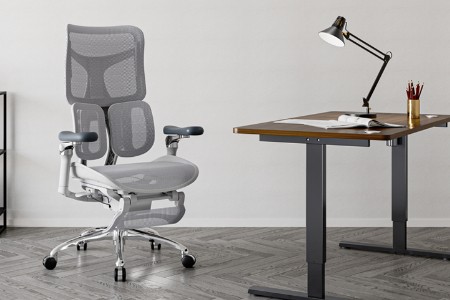
2、做好西昊品牌,做好营销,让更多的用户了解世界上还有一个产品,就是西昊的人体工学椅;

3、做好客户服务,“再好的产品也是冷冰冰的,我们需要更好的客户服务,让用户能够感受到温度,体现西昊所带来的价值。”

据悉,2025年,西昊计划在全球新增200家线下体验店。目前,西昊已在国内开设164家体验店及零售店。

“从诞生第一天到现在,我们和其他友商最大的区别就在于服务的是实实在在的用户。”罗慧平谈道,“我们要做的是服务个体、服务用户的消费品。”

如何进一步理解西昊的出海战略?会后,亿邦动力与西昊董事长罗慧平作了简短的交流,探讨西昊的出海思考。

部分对话实录如下:

亿邦动力:西昊总经理刘总提到,要将中国成功经验复制到海外,但海外市场与中国差异较大,具体会如何落地?

罗慧平:这就是为什么我们要找合作伙伴。

早期在欧美、日韩等成熟市场,我们采用的是直销模式(ToC),但我们最终发现,To C看上去很成熟,实际上,线下渠道仍占据80%以上市场份额。西昊作为外来品牌,在线下的布局高度依赖渠道资源和本地化执行力,因此必须通过合作伙伴拓展。

过去我们的策略是“成熟市场做ToC,发展中国家做ToB代理”。现在我们的战略有所改变。无论市场成熟度,出海均需借助合作伙伴的力量。合作形式灵活多样,包括产品代理商、品牌服务商,或者是其他的服务商。

亿邦动力:若将业务交由合作伙伴,如何保障对消费者需求的洞察力,以此来实现产品迭代,维持竞争力?

罗慧平:我们过去一直在讲,我们是更关注用户的。但在这个发展过程中,To B市场合作伙伴所反馈的问题其实很多时候是会变形的。有些时候,他们反映的确实是用户的问题,但都会带有倾向性,夹杂着各自的市场利益关切。

所以我们现在有两种方式来解决。

一种是不管发达国家还是发展中国家,我们都会支持线下的经销商做线上的部分,我们能够借此在各个平台上看到用户的直接反馈。

另外,我们也会建立一些用户的问题反馈机制,通过这种方式来接收一线信息,这对我们的作用蛮大的。

亿邦动力:您之前有提过,在人体工学椅这个细分领域里,技术的创新已经到了接近天花板的程度,那么你们在海外的创新点将会来自于什么方向?

罗慧平:技术上的突破空间确实相对比较小,但在用户的应用满足上,依旧有很多的空间。

比如,在使用场景上,西昊的人体工学椅,更多满足于工作学习、休闲娱乐场景,但并不意味着西昊会止步于此,未来依旧可能有更多的细分品类来满足市场需要。

打个比方,中国市场有喝茶、打麻将的场景;海外则可能是户外,也有可能是听音乐、看电影,使用场景会在客厅,在客房,这个创造空间相当多。

亿邦动力:所以你们的思路是要突破办公场景的限制,向全场景覆盖?

罗慧平:其实从产品的名称变化就可以看出来。过去是凳子,后来叫椅子,又变成办公椅、电脑椅,现在我们重新定义为“人体工学椅”,从字面上,它就已经少了“场景”的意味了。谜底就在谜面上。人体工学椅未来将可以再进一步细分,来匹配不同的场景、不同的应用。

亿邦持续追踪报道该情报,如想了解更多与本文相关信息,请扫码关注作者微信。

文章来源:亿邦动力

广告
微信
朋友圈

FAQ回顾

西昊2025年出海战略的主要变化是什么?

西昊2025年将全球经销商关系从贸易合作升级为'合伙人+区域分公司'协同模式,核心指标从销售业绩转向市场占有率、品牌口碑等维度,计划新增200家线下体验店。

西昊如何解决海外市场的用户需求洞察问题?

通过支持线下经销商开展线上业务直接获取用户反馈,并建立用户问题反馈机制接收一线信息,避免合作伙伴信息传递失真。

西昊人体工学椅未来的产品创新方向是什么?

突破办公场景限制,向全场景覆盖发展,根据中国喝茶、海外户外等不同使用场景开发细分品类,匹配多元应用需求。

这么好看,分享一下?

朋友圈 分享

APP内打开

+1
+1
微信好友 朋友圈 新浪微博 QQ空间
关闭
收藏成功
发送
/140 0