广告
加载中

雪肌精逐步关闭线下门店 高丝集团在中国难突围?

张从容 2025-03-17 15:58
张从容 2025/03/17 15:58

邦小白快读

EN
全文速览

本文报道雪肌精关闭中国线下门店及高丝集团在华销售困境,提供关键信息和实用干货。

1. 雪肌精作为高丝集团旗下品牌,逐步关闭中国线下专柜,这是“线下店铺布局的战略调整”,此前2024年4月高丝已关闭天猫旗舰店作为“渠道集中”措施。

2. 高丝集团在亚洲地区销售持续下滑,2024年销售额为406.2亿日元,同比下跌23.03%,销售额排名从第二名跌至第三名,约为2022年的一半,成为近三年唯一销售下滑地区。

3. 化妆品业务净销售额虽增长6.2%至2553.49亿日元,但营业利润同比下跌15.76%至150.52亿日元,且连续三年下跌;其他业务如美容产品净销售额和利润则总体增长。

4. 2024年共有10个日妆品牌退出中国,包括蓓甜诗、BAUM葆木、安肌心语、TAKAMI等,关键词多为“纯净”“天然”“高端”,反映行业退出趋势。

高丝集团渠道调整和销售数据揭示品牌营销与消费趋势变化,提供品牌建设启示。

1. 品牌渠道建设:雪肌精关闭线下专柜和高丝关闭天猫旗舰店,体现“渠道集中”战略,启示品牌需优化线上线下布局以应对市场变化。

2. 消费趋势:高丝财报指出“中国市场消费支出预计难以迅速恢复”,亚洲销售下滑23.03%,显示消费者支出疲软趋势,可能影响品牌定价和竞争策略。

3. 用户行为观察:2024年10个日妆品牌退出中国,特征为“纯净”“天然”“高端”,如蓓甜诗等,反映消费者偏好转向,启示产品研发需聚焦天然高端方向。

4. 销售表现:化妆品业务营业利润连续三年下跌,但其他业务增长,提示品牌可探索多元化产品线以平衡风险。

高丝销售下滑和品牌退出事件提供风险与机会洞察,帮助卖家解读市场变化。

1. 风险提示:中国市场消费支出难恢复导致高丝亚洲销售跌23.03%,营业利润连续三年下跌,提示卖家需警惕类似市场风险。

2. 机会提示:高丝其他业务净销售额和利润增长,显示非化妆品领域机会;日妆品牌退出如“纯净”“天然”特征,可能为新品牌进入留出市场空间。

3. 消费需求变化:2024年10个品牌退出反映需求转向,卖家可学习高丝的“渠道集中”战略作为事件应对措施,优化自身渠道管理。

4. 最新商业模式:高丝关闭天猫和线下店,体现集中化模式,卖家可借鉴以规避风向,同时关注退出品牌案例如BAUM葆木以识别潜在合作方式。

高丝业绩和品牌退出影响产品需求,提供生产设计和商业机会启示。

1. 产品生产设计需求:2024年退出日妆品牌如蓓甜诗、TAKAMI等关键词为“纯净”“天然”“高端”,显示消费者偏好,启示工厂需调整生产向天然高端产品倾斜。

2. 商业机会:高丝其他业务如美容产品净销售额和利润增长,提示工厂可探索多元化生产领域;亚洲销售下滑但全球业务存在机会,工厂可寻求新市场合作。

3. 推进数字化和电商启示:高丝关闭天猫旗舰店作为“渠道集中”战略,反映电商调整需求,启示工厂需优化数字化供应链以应对渠道变化。

行业下滑趋势和客户痛点揭示服务商解决方案方向,聚焦新技术应用。

1. 行业发展趋势:2024年10个日妆品牌退出中国,高丝亚洲销售跌23.03%,显示化妆品行业收缩趋势,服务商需关注市场动态。

2. 客户痛点:高丝财报指出中国市场消费难恢复,营业利润连续三年下跌,凸显客户面临销售下滑和利润压力痛点。

3. 解决方案:高丝实施“渠道集中”战略如关闭天猫店,启示服务商可提供数字化渠道优化方案;其他业务增长案例提示服务商开发多元化服务以缓解客户风险。

品牌渠道关闭影响平台需求,提供运营管理和招商风向启示。

1. 商业对平台需求:雪肌精关闭线下专柜和高丝关闭天猫旗舰店,减少平台入驻,显示品牌对平台需求下降,平台需调整招商策略。

2. 平台运营管理:高丝“渠道集中”战略启示平台优化运营,如整合资源以应对销售下滑风险;日妆品牌退出案例如安肌心语,提示平台需加强风险管理。

3. 风向规避:高丝亚洲销售跌至第三名,营业利润连续下跌,平台应规避类似市场风向,同时关注其他业务增长机会以稳定运营。

高丝业绩变化和品牌退出揭示产业新动向与问题,提供商业模式研究启示。

1. 产业新动向:2024年10个日妆品牌退出中国,关键词“纯净”“天然”“高端”,如资生堂旗下BAUM葆木,显示行业收缩趋势;高丝亚洲销售跌23.03%,成为唯一下滑地区。

2. 新问题:中国市场消费支出难恢复导致高丝营业利润连续三年下跌,化妆品业务利润下滑而其他业务增长,凸显产业结构失衡问题。

3. 商业模式:高丝“渠道集中”战略如关闭天猫店,体现优化模式;业务多元化案例启示研究者分析风险分散策略,政策法规建议可从战略调整中 infer 监管启示。

返回默认

声明:快读内容全程由AI生成,请注意甄别信息。如您发现问题,请发送邮件至 run@ebrun.com 。

我是 品牌商 卖家 工厂 服务商 平台商 研究者 帮我再读一遍。

Quick Summary

This article reports on the closure of Sekkisei's offline stores in China and the sales challenges faced by KOSÉ Corporation, providing key information and practical insights.

1. Sekkisei, a brand under KOSÉ Corporation, is gradually closing its offline counters in China as part of a "strategic adjustment to its offline store layout." This follows the closure of its Tmall flagship store in April 2024 as a measure for "channel consolidation."

2. KOSÉ's sales in Asia continue to decline, with 2024 sales dropping 23.03% year-on-year to ¥40.62 billion. Its sales ranking fell from second to third place, amounting to only about half of 2022's figures, making it the only region with a sales decline over the past three years.

3. While net sales for the cosmetics business grew 6.2% to ¥255.349 billion, operating profit fell 15.76% to ¥15.052 billion, marking a third consecutive year of decline. In contrast, other businesses, such as beauty products, saw overall growth in both net sales and profit.

4. In 2024, ten Japanese beauty brands exited the Chinese market, including BOTANIST, BAUM, d program, and TAKAMI. Key themes among these brands were "pure," "natural," and "premium," reflecting an industry-wide withdrawal trend.

KOSÉ Corporation's channel adjustments and sales data reveal shifts in brand marketing and consumer trends, offering insights for brand building.

1. Brand Channel Strategy: The closure of Sekkisei's offline counters and KOSÉ's Tmall flagship store exemplify a "channel consolidation" strategy, highlighting the need for brands to optimize their online and offline layouts in response to market changes.

2. Consumer Trends: KOSÉ's financial report notes that "consumer spending in China is not expected to recover quickly," with Asian sales down 23.03%, indicating weak consumer expenditure that may impact brand pricing and competition strategies.

3. User Behavior: The exit of ten Japanese beauty brands from China in 2024, characterized by themes like "pure," "natural," and "premium" (e.g., BOTANIST), signals a shift in consumer preferences, suggesting that product development should focus on natural and high-end directions.

4. Sales Performance: The cosmetics business's operating profit has declined for three consecutive years, while other segments grew, indicating that brands should explore diversified product lines to balance risks.

KOSÉ's sales decline and brand exits provide insights into risks and opportunities, helping sellers interpret market changes.

1. Risk Alert: Weak consumer spending in China led to a 23.03% drop in KOSÉ's Asian sales and a third straight year of operating profit decline, signaling that sellers should be cautious of similar market risks.

2. Opportunity Insight: Growth in KOSÉ's other business segments shows potential in non-cosmetics areas. The exit of Japanese brands with "pure" and "natural" themes may create market gaps for new entrants.

3. Shifting Demand: The withdrawal of ten brands in 2024 reflects changing consumer preferences. Sellers can learn from KOSÉ's "channel consolidation" strategy as a response measure and optimize their own channel management.

4. Emerging Models: KOSÉ's closure of Tmall and offline stores demonstrates a centralized approach. Sellers can adopt similar models to mitigate risks and study exited brands like BAUM for potential collaboration opportunities.

KOSÉ's performance and brand exits impact product demand, offering insights for production design and business opportunities.

1. Product Design Trends: Exited Japanese brands in 2024, such as BOTANIST and TAKAMI, emphasized "pure," "natural," and "premium" themes, indicating consumer preferences. Factories should adjust production toward natural and high-end products.

2. Business Opportunities: Growth in KOSÉ's other segments, like beauty products, suggests factories can explore diversified production areas. While Asian sales declined, global opportunities exist, prompting factories to seek new market collaborations.

3. Digital and E-commerce Shifts: KOSÉ's closure of its Tmall flagship store as part of "channel consolidation" reflects the need for e-commerce adjustments. Factories should optimize digital supply chains to adapt to channel changes.

Industry decline trends and client pain points highlight directions for service providers' solutions, focusing on new technology applications.

1. Industry Trends: The exit of ten Japanese beauty brands from China in 2024 and KOSÉ's 23.03% Asian sales drop indicate a contraction in the cosmetics industry, requiring service providers to monitor market dynamics.

2. Client Pain Points: KOSÉ's report notes sluggish consumer spending in China and a three-year operating profit decline, underscoring clients' challenges with sales drops and profit pressure.

3. Solutions: KOSÉ's "channel consolidation" strategy, such as closing Tmall stores, suggests service providers can offer digital channel optimization solutions. Growth in other segments highlights the need for diversified services to mitigate client risks.

Brand channel closures affect platform demand, offering insights for operational management and merchant recruitment strategies.

1. Platform Demand Shifts: Sekkisei's offline counter closures and KOSÉ's Tmall exit reduce platform入驻, indicating declining brand demand for platforms, which must adjust recruitment strategies.

2. Operational Management: KOSÉ's "channel consolidation" strategy suggests platforms should optimize operations, such as integrating resources to counter sales decline risks. Exits like d program's highlight the need for enhanced risk management.

3. Risk Mitigation: KOSÉ's Asian sales drop to third place and consecutive profit declines warn platforms to avoid similar market trends while exploring growth opportunities in other segments for stability.

KOSÉ's performance changes and brand exits reveal new industry dynamics and issues, providing insights for business model research.

1. Industry Shifts: The exit of ten Japanese beauty brands from China in 2024, with keywords like "pure," "natural," and "premium" (e.g., Shiseido's BAUM), signals industry contraction. KOSÉ's 23.03% Asian sales drop made it the only declining region.

2. Emerging Issues: Sluggish consumer spending in China led to KOSÉ's three-year operating profit decline, with cosmetics profits falling while other segments grew, highlighting structural imbalances in the industry.

3. Business Models: KOSÉ's "channel consolidation" strategy, such as closing Tmall stores, reflects optimization efforts. Diversification cases suggest researchers analyze risk dispersion strategies, and policy implications can be inferred from strategic adjustments.

Disclaimer: The "Quick Summary" content is entirely generated by AI. Please exercise discretion when interpreting the information. For issues or corrections, please email run@ebrun.com .

I am a Brand Seller Factory Service Provider Marketplace Seller Researcher Read it again.

【亿邦原创】日前,日本高丝集团旗下的贵妇品牌“雪肌精”,将逐步关闭中国线下专柜。有媒体报道称,品牌相关负责人回应此举为“线下店铺布局的战略调整”。据悉,高丝集团1988年正式进入中国市场,雪肌精则于1995年进入中国市场。

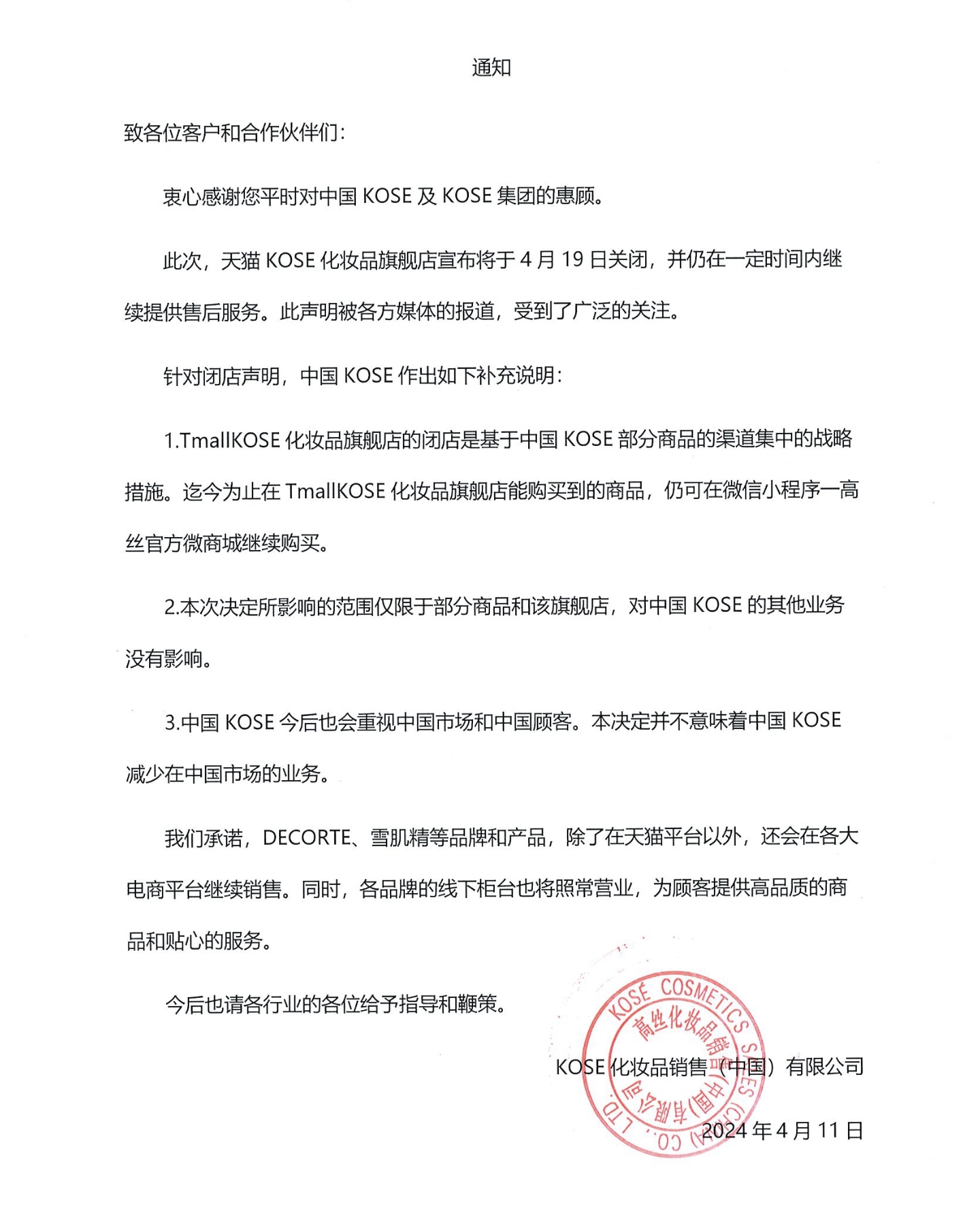
实际上,高丝集团早已开启了针对中国市场的“战略调整”。2024年4月,高丝集团官网发布声明称,天猫KOSE化妆品旗舰店于4月19日关闭,闭店举措是“基于中国KOSE部分商品的渠道集中的战略措施”,对中国KOSE的其他业务没有影响。同时,各品牌的线下柜台也将照常营业。然而不到一年的时间,市场便迎来了雪肌精逐步关闭中国线下专柜的消息。


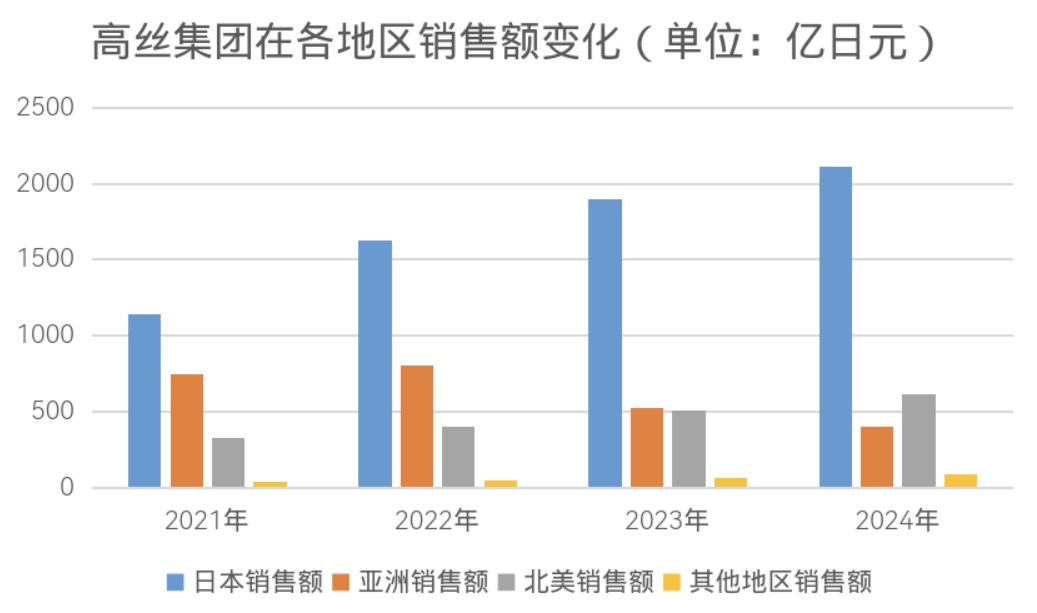
从财报上看,高丝集团在亚洲地区的销售情况并不理想。自2022财年起,高丝集团在亚洲的销售额便一路走低。最新财报显示,集团2024年在亚洲地区的销售额为406.2亿日元,同比下跌23.03%。同时,在销售额排名上,亚洲地区首次由四个地区中的第二名跌至第三名,也成为了近三年来唯一一个销售额下滑的地区,2024年的销售额约为2022年的一半。在财报中,高丝集团表示,“中国市场消费支出预计难以迅速恢复”。

同时,高丝集团的化妆品业务也不容乐观,虽然净销售额连年增长,但营业利润一路走低。财报数据显示,2024年高丝集团化妆品业务净销售额为2553.49亿日元,同比增长6.2%;营业利润150.52亿日元,同比下跌15.76%,且自2022年以来连续三年下跌。然而,其余两项业务(美容产品、其他)的净销售额和营业利润,均总体呈增长趋势。

亿邦动力统计显示,2024年共有10个日妆品牌退出中国,关键词多为“纯净”“天然”“高端”,包括蓓甜诗、日本资生堂集团旗下的BAUM葆木和安肌心语,被欧莱雅集团收购的日本品牌TAKAMI。

亿邦持续追踪报道该情报,如想了解更多与本文相关信息,请扫码关注作者微信。

文章来源:亿邦动力

广告
微信
朋友圈

FAQ回顾

雪肌精为什么要关闭中国线下专柜?

雪肌精关闭中国线下专柜是品牌线下店铺布局的战略调整。高丝集团2024年已关闭天猫旗舰店,此次调整是渠道集中战略的延续,旨在优化中国市场业务布局。

高丝集团在中国市场的业绩表现如何?

高丝集团2024年在亚洲地区销售额为406.2亿日元,同比下跌23.03%,是近三年唯一销售额下滑地区。中国市场消费支出预计难以迅速恢复,导致业绩持续走低。

2024年有哪些日妆品牌退出了中国市场?

2024年共有10个日妆品牌退出中国,包括蓓甜诗、资生堂旗下的BAUM葆木和安肌心语,以及欧莱雅收购的TAKAMI,退出品牌多为纯净、天然、高端定位。

这么好看,分享一下?

朋友圈 分享

APP内打开

+1
+1
微信好友 朋友圈 新浪微博 QQ空间
关闭
收藏成功
发送
/140 0