广告
加载中

今年首批以“跨境电商直购”方式进口的商品抵达杭州空港口岸!

亿邦动力 2025-02-06 17:58
亿邦动力 2025/02/06 17:58

邦小白快读

EN
全文速览

文章介绍了今年首批跨境电商直购进口商品抵达杭州空港口岸的重点信息和相关实操干货。

1. 直购进口模式(9610模式):消费者在跨境电商平台下单后,境外商家直接发货,通过国际物流运输到国内海关监管场所,电商企业进行订单、支付、物流三单比对申报,海关查验后放行,国内快递派送商品,满足个性化需求。

2. 物流时效提升:得益于国际航线拓展,东南亚地区的进口包裹可实现次日达,消费者选择范围扩大。

3. 电子化便利措施:杭州空港首次实施税款担保电子化,企业可线上无纸化办理保函备案和变更,一地备案后关区通用,简化流程。

4. 业务数据:前11个月杭州空港出口跨境电商货运量达11.4万吨,同比增长75.59%,占出口总量近七成,显示货运电商化趋势。

5. 未来行动:海关将落实10条措施,提升贸易便利化,包括拓宽物流通道、优化通关流程以提高效率。

跨境电商直购进口为品牌商提供品牌营销和渠道建设的新机遇,聚焦消费趋势和用户行为。

1. 消费趋势洞察:9610模式满足消费者个性化、多样化购物需求,如护肝片等进口商品热销,显示市场对特色产品的偏好,品牌可借此研发新品。

2. 渠道建设优势:物流时效提升(如东南亚次日达)加速品牌响应速度,利于建立高效分销网络;电子化便利措施降低品牌进入成本,一地备案通用简化跨境操作。

3. 用户行为观察:消费者通过平台下单直接获取境外商品,品牌可分析数据优化渠道策略;出口货运量增长75.59%表明跨境电商潜力,品牌可拓展海外市场。

4. 机会启示:进口业务开通带动增长,品牌可学习海关措施提升定价竞争力,结合物流效率强化品牌形象。

文章解读跨境电商直购进口的政策和增长机会,为卖家提供风险提示和可学习点。

1. 政策解读:海关实施税款担保电子化便利,企业可线上办理保函备案,一地备案关区通用,简化申报流程,减少合规风险。

2. 增长市场机会:出口跨境电商货运量前11个月达11.4万吨,增75.59%,进口业务开通将带动新增长点;物流时效提升(次日达)可吸引消费者,增加销售机会。

3. 事件应对与风险提示:9610模式需三单比对申报,卖家需确保数据准确以避免延误;货运电商化趋势下,竞争加剧,但电子化措施提供扶持政策降低风险。

4. 可学习商业模式:学习9610操作流程优化供应链;海关10条措施强调提升效率,卖家可借鉴优化运营管理,抓住合作方式如物流伙伴整合。

跨境电商直购进口揭示工厂产品需求和数字化启示,聚焦商业机会。

1. 产品需求分析:进口商品如护肝片显示市场对多样化、个性化产品的需求,工厂可据此调整生产设计,开发定制化产品。

2. 商业机会拓展:出口跨境电商货运量增长75.59%,进口业务开通将扩大市场,工厂可参与供应链提供商品;货运电商化趋势带来新订单源。

3. 推进数字化启示:税款担保电子化措施(线上办理、一地备案)启示工厂采用数字化工具简化流程,提升电商整合能力。

4. 电商推进启示:物流时效提升(次日达)优化供应链效率,工厂可学习海关优化通关流程,降低生产成本并响应快速市场需求。

跨境电商行业发展趋势和新技术为服务商提供解决方案,解决客户痛点。

1. 行业发展趋势:杭州空港出口货运量增75.59%,占总量近七成,进口业务开通将推动增长,服务商可把握物流、支付等配套需求。

2. 新技术应用:税款担保电子化便利实现线上无纸化备案和一地通用,服务商可开发类似数字化工具解决企业效率痛点。

3. 客户痛点解决方案:物流时效问题(如跨境延迟)通过9610模式提升至次日达,服务商可提供优化方案;三单比对申报需高效系统,服务商可设计集成平台。

4. 增长机遇:海关10条措施强调提升数字化水平,服务商可合作拓展服务,如物流通道拓宽和通关流程优化。

跨境电商直购进口对平台需求和新做法提供启示,聚焦招商和运营管理。

1. 商业需求与问题:平台需高效三单比对申报系统处理订单、支付、物流数据,9610模式显示需求;物流时效提升(次日达)解决配送问题。

2. 平台最新做法:海关电子化便利措施(线上备案、关区通用)启示平台优化运营管理,简化商家入驻流程。

3. 招商机会:进口业务开通吸引更多境外商家入驻,平台可借货运量增长(出口增75.59%)推广招商政策。

4. 风向规避与效率:海关优化通关流程降低风险,平台需学习避免数据错误;落实10条措施提升物流效率,强化平台竞争力。

跨境电商产业新动向和政策启示为研究者提供商业模式分析素材。

1. 产业新动向:直购进口(9610模式)启动,货运电商化特征明显(出口占七成),显示跨境物流整合新趋势。

2. 新问题探讨:物流时效提升(次日达)带来效率挑战,如海关查验优化需求;电子化措施暴露数字化鸿沟问题。

3. 政策法规启示:海关10条措施支持高质量发展,提供税收征管数字化启示,研究者可分析其对法规建议的影响。

4. 商业模式分析:9610模式的三单比对机制启示新商业结构;数据增长(货运量增75.59%)显示可持续模式潜力,研究者可评估其社会经济效益。

返回默认
声明:快读内容全程由AI生成,请注意甄别信息。如您发现问题,请发送邮件至 run@ebrun.com 。

我是 品牌商 卖家 工厂 服务商 平台商 研究者 帮我再读一遍。

Quick Summary

The first batch of cross-border e-commerce direct purchase imports this year has arrived at Hangzhou Airport, highlighting key operational details.

1. Direct Purchase Import Model (9610 Model): After consumers place orders on cross-border platforms, overseas merchants ship goods directly to China's customs-supervised facilities. E-commerce companies then submit declarations matching orders, payments, and logistics data for customs inspection before domestic delivery, catering to personalized demand.

2. Improved Logistics Speed: Expanded international routes enable next-day delivery for packages from Southeast Asia, broadening consumer choices.

3. Digital Convenience Measures: Hangzhou Airport implemented electronic tax guarantees, allowing paperless online processing of guarantee filings valid across customs zones, streamlining procedures.

4. Business Data: In the first 11 months, cross-border e-commerce exports via Hangzhou Airport reached 114,000 tons, up 75.59% year-on-year, accounting for nearly 70% of total exports, reflecting the shift toward e-commerce logistics.

5. Future Actions: Customs will implement 10 measures to enhance trade facilitation, including expanding logistics channels and optimizing clearance processes.

Cross-border direct purchase imports offer brands new opportunities in marketing and channel development, with insights into consumer trends.

1. Consumer Trend Insights: The 9610 model meets personalized shopping needs, as seen with hot-selling imports like liver health supplements, indicating niche product potential for R&D.

2. Channel Advantages: Faster logistics (e.g., next-day delivery in Southeast Asia) accelerates brand responsiveness, aiding efficient distribution networks; digital measures lower entry costs with simplified cross-border filings.

3. User Behavior Analysis: Direct consumer access to overseas goods via platforms allows brands to optimize channel strategies using data; 75.59% export growth signals cross-border potential for global expansion.

4. Strategic Implications: Import operations drive growth, while brands can leverage customs measures to enhance pricing competitiveness and strengthen brand image through logistics efficiency.

The article decodes policies and growth opportunities in cross-border direct purchase imports, offering risk alerts and actionable insights for sellers.

1. Policy Interpretation: Electronic tax guarantees enable online, zone-wide filings, simplifying declarations and reducing compliance risks.

2. Market Opportunities: Export volume surged 75.59% to 114,000 tons in 11 months; import expansion and next-day delivery can attract consumers and boost sales.

3. Risk Management: The 9610 model requires accurate order-payment-logistics data matching to avoid delays; rising e-commerce logistics competition is mitigated by digital support policies.

4. Operational Learning: Sellers can optimize supply chains by adopting 9610 workflows and leverage customs' efficiency-focused measures to refine operations and logistics partnerships.

Cross-border direct purchase imports reveal product demand shifts and digitalization lessons, highlighting commercial opportunities for factories.

1. Product Demand Analysis: Popular imports like liver health supplements reflect demand for diversified, customized products, guiding factory production adjustments.

2. Business Expansion: 75.59% export growth and new import channels offer supply chain participation opportunities; e-commerce logistics trends create new order sources.

3. Digitalization Insights: Electronic tax guarantees (online filings, zone-wide validity) encourage factories to adopt digital tools for streamlined e-commerce integration.

4. Supply Chain Efficiency: Next-day delivery improvements optimize logistics; factories can learn from customs' clearance optimizations to reduce costs and respond faster to market needs.

Industry trends and new technologies in cross-border e-commerce present solutions for service providers to address client pain points.

1. Industry Growth: Hangzhou Airport's exports rose 75.59%, comprising 70% of total volume; import expansion will drive demand for logistics, payment, and support services.

2. Tech Applications: Electronic tax guarantees demonstrate digital tools for efficiency, inspiring providers to develop similar solutions for client workflow pain points.

3. Client Solutions: Next-day delivery via the 9610 model addresses logistics delays; providers can design integrated platforms for seamless order-payment-logistics data matching.

4. Growth Opportunities: Customs' 10 digitalization-focused measures open collaboration avenues in logistics channel expansion and clearance optimization.

Cross-border direct purchase imports inform platform needs and operational strategies, focusing on merchant acquisition and management.

1. Platform Requirements: Efficient systems for order-payment-logistics data matching are critical under the 9610 model; next-day delivery resolves distribution challenges.

2. Operational Practices: Digital customs measures (online filings, zone-wide validity) guide platforms to streamline merchant onboarding and management.

3. Merchant Acquisition: Import expansion attracts overseas sellers; platforms can leverage 75.59% export growth to promote recruitment policies.

4. Risk and Efficiency: Learning from customs' optimized processes helps avoid data errors; implementing the 10 measures enhances logistics efficiency and platform competitiveness.

New developments and policy implications in cross-border e-commerce provide material for business model analysis by researchers.

1. Industry Trends: The 9610 direct purchase model launch and e-commerce-dominated exports (70% share) reflect integrated logistics advancements.

2. Emerging Issues: Next-day delivery raises efficiency challenges, such as customs inspection optimization; digital measures highlight potential digital divides.

3. Policy Insights: Customs' 10 measures support high-quality development, offering tax digitalization lessons for regulatory impact analysis.

4. Business Model Analysis: The 9610 model's triple-data matching mechanism suggests innovative structures; 75.59% volume growth indicates sustainable potential for socioeconomic evaluation.

Disclaimer: The "Quick Summary" content is entirely generated by AI. Please exercise discretion when interpreting the information. For issues or corrections, please email run@ebrun.com .

I am a Brand Seller Factory Service Provider Marketplace Seller Researcher Read it again.

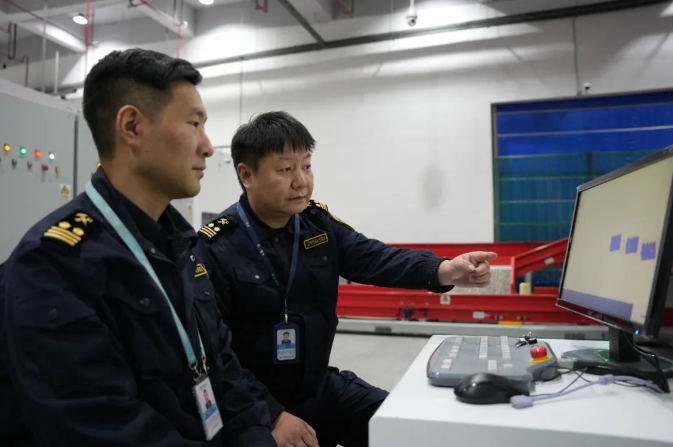
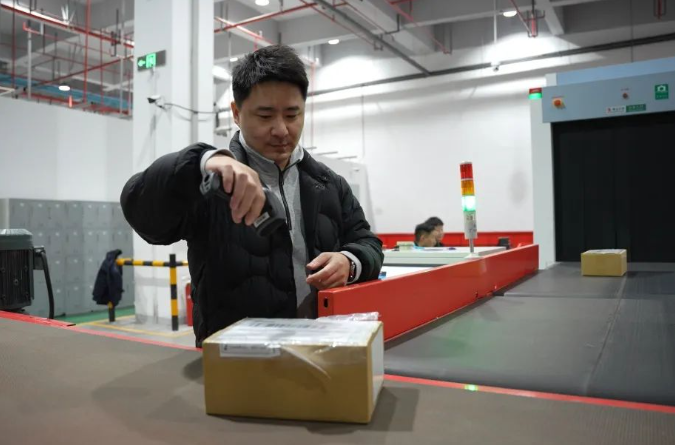
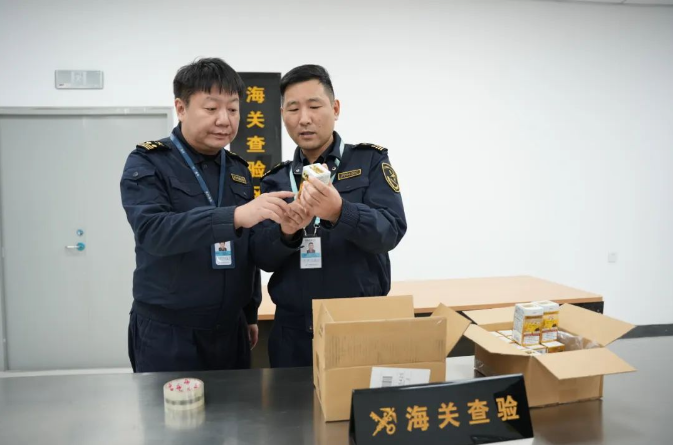
12月30日下午,一批来自日本大阪的护肝片商品搭乘顺丰航空O3278次航班抵达杭州萧山国际机场。在快速完成申报、查验等清关流程后,这批护肝片被整齐地放置在货架上,等待装运进入国内市场,送往消费者手中。这是杭州空港口岸今年首批以“跨境电商直购”方式进口的商品。 

跨境电商直购进口(9610模式)业务,是指消费者在跨境电商平台下单付款后,境外商家按订单要求发货,商品通过国际物流运输到国内海关监管作业场所,电商企业或其代理人将订单信息、支付信息、物流信息等进行 “三单” 比对申报,海关审核通过后对商品进行查验、放行,最后由国内快递将商品派送到消费者手中。在该模式下,消费者的选择范围更广了,更多个性化、多样化的购物需求得以满足,此外,由于国际航线的拓展,国际物流时效也有所提升,东南亚地区的进口跨境电商包裹基本可以实现“次日达”。

值得一提的是,该批商品也是杭州萧山机场海关办理的首票享受跨境电商零售进口税款担保电子化便利措施的商品。“在这个模式下,企业除了可以线上无纸化办理保函备案、变更手续之外,还可以实现‘一地备案、关区通用’,也就是只需在直属海关完成担保,即可在隶属海关各个跨境电商业务现场开展业务。”杭州萧山机场海关综合业务二科科长魏雯洁介绍。


今年以来,杭州空港口岸跨境电商业务量快速增长,并且主要集中在出口方向。今年前11个月,杭州空港出口跨境电商货运量达到11.4万吨,同比增长75.59%,占出口货运总量的近七成,呈现明显的“货运电商化”特征。跨境电商直购进口业务开通后,势必进一步带动杭州空港口岸进口跨境电商货运量的增长。

下一步,杭州萧山机场海关将持续落实《杭州海关支持浙江跨境电商高质量发展10条措施》,进一步提升贸易便利化水平,在拓宽跨境电商物流通道、提升跨境电商税收征管数字化水平,优化通关作业流程提升跨境物流效率等方面持续发力,全力促进口岸高水平开放、助力跨境电商新业态高质量发展。

来源:中国跨境电商综合试验区

文章来源:亿邦动力

广告
微信
朋友圈

这么好看,分享一下?

朋友圈 分享

APP内打开

+1
+1
微信好友 朋友圈 新浪微博 QQ空间
关闭
收藏成功
发送
/140 0