广告
加载中

加飞一条马士基货机航线,新增一条跨境电商“出海”通道:杭州跨境物流基建又上新

中国跨境电商综合实验区 2024-10-21 15:19
中国跨境电商综合实验区 2024/10/21 15:19

邦小白快读

EN
全文速览

本文主要公布杭州跨境电商物流基础设施建设的两项新进展,干货信息整理如下:

1. 杭州新增马士基在中国大陆的首架B777全货机航线,该机型是全球最大全货机之一,每周可为杭州提供超过1400吨运力,目前马士基在杭州每周稳定执飞13班货运航班,提前为货运旺季储备了充足运力。

2. 杭州新增安徽芜宣机场转关出口通道,完成了首批跨境电商商品转关出口,目前杭州跨境电商零售出口商品可通过4个国际机场空运出海。

3. 新通道新模式带来明显利好,通关效率提升,综合物流成本降低超过两成,发往欧美的包裹消费者5天左右可收货,日韩更快,整体物流体验大幅提升。

本次杭州新增跨境电商出海通道,对布局出海业务的品牌商有诸多利好,相关干货整理如下:

1. 物流保障能力提升,马士基新增每周超1400吨航空运力,加上多机场转关通道,可缓解旺季运力不足的问题,为品牌商批量发货、应对大促旺季提供充足保障。

2. 物流效率提升可优化海外消费者体验,9610直邮模式下欧美消费者5天即可收货,能有效提升品牌口碑,帮助品牌打开海外C端消费市场。

3. 物流综合成本下降两成以上,可直接降低品牌出海的运营成本,提升品牌的价格竞争力,同时海关出台多项便利化政策,拓宽物流通道,适合品牌布局小包裹高频的B2C出口业务。

本次杭州跨境电商物流和监管政策的更新,给出海卖家带来多项实际利好和机会,干货整理如下:

1. 政策层面利好明显,杭州海关出台支持浙江跨境电商高质量发展10项措施,明确提出拓宽跨境电商进出境物流通道,同时落实预约通关、货物信息前置审核等便利化措施,实现货物即报即查即放,政策环境持续优化。

2. 市场机会充足,本次新增马士基大运力航线和芜宣转关通道,目前共有4个国际机场可供空运出口,解决了以往旺季运力不足、通道拥堵的问题,还能降低卖家综合物流成本两成以上。

3. 实操层面,9610直邮模式适配小包裹B2C订单,时效稳定,适合做跨境B2C的卖家拓展欧美日韩市场,提升消费者好评率。

杭州跨境电商物流通道的完善,给出口生产工厂带来了新的商业机会,也带来不少转型启示,干货整理如下:

1. 商业机会方面,物流通道的打通加上9610直邮模式的成熟,大幅降低了中小企业出海的门槛,原本依赖代工、大B出口的工厂,现在可以直接对接海外C端消费者,开展自有品牌的出海业务,减少中间环节,提升利润空间。

2. 生产设计需求方面,9610模式适配小包裹、多品类、高频次的B2C订单,工厂可以根据海外消费者的反馈,灵活调整生产计划,开发多品类小批量的产品,适配跨境电商的订单需求,更快响应市场变化。

3. 转型启示方面,物流基建和监管服务的完善,已经为工厂转型做跨境电商扫清了不少障碍,传统工厂可尝试布局跨境电商业务,直接参与国际贸易。

杭州跨境电商物流的最新发展,反映了行业的新趋势和客户痛点,也给相关服务商指明了发展方向,干货整理如下:

1. 行业发展趋势:当前跨境电商B2C出口增长迅速,市场对航空货运运力、多通道转关服务的需求持续提升,货运旺季来临之前,市场存在明显的运力缺口,头部跨国物流企业已经开始加大核心枢纽的运力布局。

2. 核心客户痛点:跨境电商卖家核心痛点集中在物流通道少、旺季运力不足、通关效率低、物流成本高,这些问题直接影响卖家的交付能力和市场竞争力,是服务商需要解决的核心问题。

3. 解决方案方向:服务商可参考现有模式,一方面加大核心枢纽的运力投入,另一方面联动多地机场拓展转关通道,配合海关便利化措施提升通关效率,降低卖家综合物流成本,满足卖家小包裹高频发货的需求。

杭州跨境电商的最新变化,反映了出口商家对基础设施和服务的核心需求,也给各类平台的运营发展带来不少参考,干货整理如下:

1. 商家核心需求:出口商家对物流时效、运力保障、物流成本的敏感度极高,对商家来说时间就是竞争力,充足稳定的运力、顺畅的转关通道、低廉的物流成本是商家的核心诉求。

2. 可参考的最新做法:平台可对接头部物流企业和海关,引入充足的运力资源,联动多地机场拓宽出海转关通道,落实预约通关、信息前置审核等便利化措施,提升整体交付效率。

3. 运营和风险规避:平台可依托新的物流通道开展招商,吸引更多做B2C出口的商家入驻,同时需要提前做好旺季运力储备,规避旺季物流拥堵、交付延迟影响商家运营的风险,优化商家服务体验。

本次杭州跨境电商物流基建和监管政策的创新,反映了我国跨境电商出口产业的新动向,具备较高的研究价值,干货整理如下:

1. 产业新动向:当前我国跨境电商B2C出口保持高速增长,对航空物流基础设施的需求不断提升,多机场联动转关成为拓宽跨境电商出海通道的创新方向,头部跨国物流企业也在加大中国核心枢纽的运力投入,提前布局货运旺季,抢占市场。

2. 政策创新启示:杭州海关从模式创新、监管优化、服务提升多个维度出台10项支持措施,通过拓宽通道、便利通关提升贸易便利化水平,这种“监管创新+服务赋能”的模式,为其他地区发展跨境电商提供了可参考的样本。

3. 商业模式研究价值:9610直邮模式搭配完善的多通道物流体系,大幅降低了中小企业参与国际贸易的门槛,推动跨境电商成为地方外贸新增长点,这种外贸新业态的发展模式值得深入研究。

返回默认
声明:快读内容全程由AI生成,请注意甄别信息。如您发现问题,请发送邮件至 run@ebrun.com 。

我是 品牌商 卖家 工厂 服务商 平台商 研究者 帮我再读一遍。

Quick Summary

This article announces two new developments in Hangzhou's cross-border e-commerce logistics infrastructure, with key takeaways as follows:

1. Maersk has launched its first Boeing 777 full cargo route in mainland China based in Hangzhou. One of the world's largest cargo aircraft, the B777 adds over 1,400 tonnes of weekly capacity to Hangzhou, bringing Maersk's total stable weekly cargo flights in the city to 13. The expansion pre-positions sufficient capacity ahead of the peak shipping season.

2. Hangzhou has added a new customs transit export route via Wuxuan Airport in Anhui Province, with the first batch of cross-border e-commerce goods successfully exported through the channel. Now Hangzhou's cross-border e-commerce retail exports can be shipped by air via four international airports.

3. The new routes and operational models have delivered clear benefits: customs clearance efficiency has improved, overall logistics costs have dropped by more than 20%, consumers receiving parcels bound for Europe and North America can expect delivery in around 5 days, and delivery to Japan and South Korea is even faster. The overall logistics experience has been significantly enhanced.

The newly added cross-border e-commerce export routes in Hangzhou bring multiple benefits to brands with global expansion plans. Key takeaways for brands are as follows:

1. Logistics capacity has been significantly strengthened. Maersk's addition of over 1,400 tonnes of weekly air cargo capacity, combined with multi-airport customs transit channels, alleviates the long-standing problem of insufficient capacity during peak seasons, providing reliable support for brands to ship bulk orders and navigate major promotion peaks.

2. Improved logistics efficiency enhances end-consumer experience in overseas markets. Under the 9610 direct mail model, consumers in Europe and North America can receive orders in just 5 days, which effectively boosts brand reputation and helps brands penetrate overseas C-end consumer markets.

3. Overall logistics costs have fallen by more than 20%, directly reducing operational costs for brands going global and improving price competitiveness. Combined with multiple facilitating customs policies and expanded logistics routes, the new infrastructure is particularly suitable for brands building high-frequency, small-parcel B2C export businesses.

The latest updates to Hangzhou's cross-border e-commerce logistics and regulatory policies bring multiple tangible benefits and opportunities for cross-border sellers. Key takeaways are as follows:

1. Policy support has been notably strengthened. Hangzhou Customs has released 10 measures to support high-quality development of cross-border e-commerce in Zhejiang, explicitly calling for expanding cross-border entry and exit logistics channels. It has also implemented facilitating measures including appointment-based customs clearance and pre-declaration information review, enabling immediate declaration, inspection and release of goods, continuously optimizing the policy environment.

2. Sufficient market capacity is now available. With the addition of Maersk's high-capacity route and the Wuxuan Airport customs transit channel, cross-border sellers now have access to four international airports for air exports. This solves long-standing issues of insufficient capacity and channel congestion during peak seasons, and cuts sellers' overall logistics costs by more than 20%.

3. From an operational perspective, the 9610 direct mail model is well-suited for small-parcel B2C orders with stable transit times, making it ideal for cross-border B2C sellers looking to expand into European, North American, Japanese and South Korean markets and boost consumer satisfaction ratings.

The improvement of Hangzhou's cross-border e-commerce logistics channels brings new business opportunities and transformation insights for export-oriented manufacturing factories. Key takeaways are as follows:

1. In terms of business opportunities: the opening of new logistics channels combined with the maturing 9610 direct mail model has significantly lowered the barrier to global expansion for small and medium-sized enterprises. Factories that previously relied on OEM and bulk B2B exports can now directly reach overseas end consumers, build their own branded global businesses, cut out intermediate links and increase profit margins.

2. In terms of production and design adaptation: the 9610 model fits the needs of small-parcel, multi-category, high-frequency B2C orders. Factories can adjust production plans flexibly based on feedback from overseas consumers, develop multi-category small-batch products adapted to cross-border e-commerce order demands, and respond to market changes faster.

3. In terms of transformation insights: improved logistics infrastructure and regulatory services have removed many barriers for factories looking to transform into cross-border e-commerce. Traditional manufacturers can test the waters by building out their own cross-border e-commerce business and participate directly in international trade.

The latest developments in Hangzhou's cross-border e-commerce logistics sector reflect new industry trends and core customer pain points, and clarify development directions for relevant service providers. Key takeaways are as follows:

1. Industry trends: Cross-border B2C e-commerce exports are growing rapidly, driving continuous increases in demand for air cargo capacity and multi-channel customs transit services. There is a clear capacity gap in the market ahead of the peak shipping season, and leading global logistics players have already started expanding capacity布局 at core hub locations.

2. Core customer pain points: The core pain points for cross-border e-commerce sellers are limited logistics routes, insufficient peak-season capacity, low customs clearance efficiency and high logistics costs. These issues directly impact sellers' delivery capabilities and market competitiveness, and are the core problems service providers need to solve.

3. Solution directions: Service providers can draw on the emerging Hangzhou model: on one hand, increase capacity investment at core hubs; on the other, partner with airports across multiple regions to expand customs transit channels, and work with customs to implement facilitating measures that improve clearance efficiency, lower sellers' overall logistics costs, and meet the demand for high-frequency small-parcel shipping.

The latest changes in Hangzhou's cross-border e-commerce ecosystem reflect core demands of export merchants for infrastructure and services, and provide useful references for the operation and development of all types of cross-border platforms. Key takeaways are as follows:

1. Core merchant demands: Export merchants are extremely sensitive to logistics transit time, capacity security and logistics costs. For merchants, time equals competitiveness: sufficient and stable capacity, smooth customs transit channels and low logistics costs are their core requirements.

2. Reference best practices: Platforms can partner with leading logistics firms and customs authorities to access sufficient capacity resources, collaborate with airports across multiple regions to expand export transit channels, and implement facilitating measures including appointment-based clearance and pre-declaration information review to improve overall delivery efficiency.

3. Operation and risk mitigation: Platforms can leverage the new logistics infrastructure to attract more B2C export merchants to onboard. They should also reserve sufficient capacity in advance for peak seasons to avoid risks of logistics congestion and delayed delivery disrupting merchant operations, and improve the overall merchant service experience.

The innovations in Hangzhou's cross-border e-commerce logistics infrastructure and regulatory policies reflect new trends in China's cross-border e-commerce export industry and carry high research value. Key takeaways are as follows:

1. New industry trends: China's cross-border B2C e-commerce exports maintain rapid growth, driving rising demand for air logistics infrastructure. Multi-airport coordinated customs transit has emerged as an innovative direction to expand cross-border export channels. Leading global logistics companies are also increasing capacity investment at China's core hub locations, pre-positioning for the peak shipping season to gain market share.

2. Insights from policy innovation: Hangzhou Customs has rolled out 10 supporting measures across the dimensions of model innovation, regulatory optimization and service improvement, raising trade facilitation levels by expanding logistics channels and simplifying customs clearance. This "regulatory innovation + service empowerment" model provides a replicable example for other regions developing cross-border e-commerce.

3. Research value of the business model: The 9610 direct mail model paired with a comprehensive multi-channel logistics system has significantly lowered the barrier for small and medium-sized enterprises to participate in international trade, helping cross-border e-commerce become a new growth driver for local foreign trade. The development model of this new foreign trade format merits in-depth research.

Disclaimer: The "Quick Summary" content is entirely generated by AI. Please exercise discretion when interpreting the information. For issues or corrections, please email run@ebrun.com .

I am a Brand Seller Factory Service Provider Marketplace Seller Researcher Read it again.

近日,杭州跨境电商空运物流基础设施建设取得新进展。马士基中国大陆B777全货机首航,通过安徽芜宣机场转关出口跨境电商货物,加飞“一航线”,新增“一通道”,为杭州的跨境电商企业提供了更加高效、便捷的物流选择,助力杭州跨境电商企业货通全球。

马士基中国大陆B777全货机首航


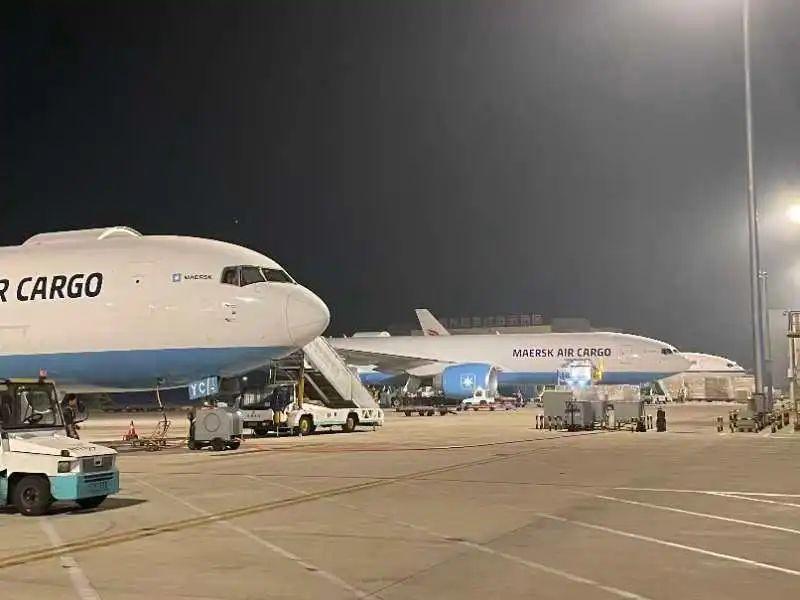
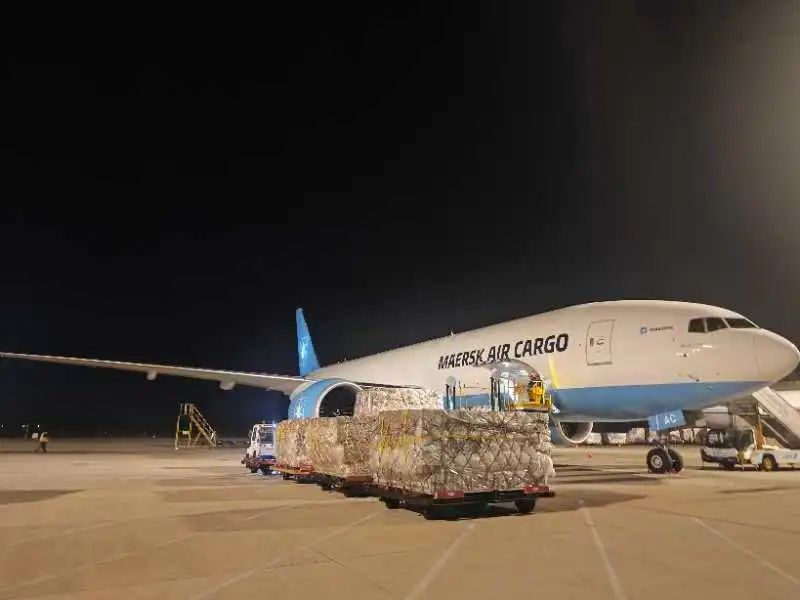
9月7日凌晨2点,由马士基货运航空波音777型全货机执飞的丹麦比隆-杭州的DJ212次航班搭载39吨工业配件、乐高玩具等货物顺利落地,并于三小时后满载98.7吨服装等跨境电商货物顺利起飞前往比隆。作为全球最大的全货机之一,B777型全货机的加入进一步壮大了马士基集团在杭州机场的货运业务,每周提供超过1400吨运力资源。

马士基集团


是全球航运物流业界的巨头、世界五百强的一流跨国企业,具备强大的货源组织网络,旗下马士基航空自去年3月起在杭州使用B767型全货机开启航空货运业务,目前已每周稳定执飞13班。值得一提的是,本次执飞的波音777型全货机也是马士基航空该机型在中国大陆的首次亮相,为即将到来的货运旺季提前做好准备。

图片

为做好马士基货运航空本次航班加密保障工作,物流公司直属杭州国际货站公司积极主动与马士基、货运代理进行对接,提前掌握货物信息,并根据目前国际货运航线密集的特点,对收运通道开放时间再优化,对保障人员、车辆等进行调整,增派叉车、牵引车司机确保货物及时出,保障货物高效出运。


此次马士基航空大型货机的投入,进一步提升了杭州机场国际航空货运枢纽网络通达能力,对于助力浙江货通全球、畅通国际物流大循环发挥重要作用。


图片


通过安徽芜宣机场转关出口首批跨境电商出口商品


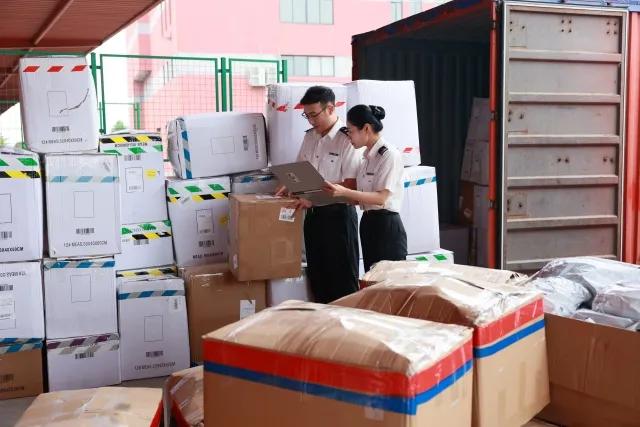
近日,在杭州跨境电商综合试验区萧山园区的海关监管场地,杭州海关所属钱江海关关员顺利完成一批跨境电商出口商品的查验任务。接到放行指令后,负责运输的杭州佳成国际物流有限公司第一时间将商品运往安徽芜宣机场。在快速完成转关手续后,这批出口商品随即搭乘跨境电商货运包机运往韩国仁川。这是杭州跨境电商综合试验区通过安徽芜宣机场转关出口的首批跨境电商出口商品,标志着杭州又新增一条跨境电商“出海”通道。

图片

据了解,这批跨境电商出口商品,采用的是“9610”出口模式,全称“跨境贸易电子商务”,业内也常称为“直邮出口模式”。这种出口模式主要针对小包裹、多品类、高频次发货的跨境电商“企业对个人”(B2C)订单。国内的卖家在跨境电商平台接到国外消费者的订单后,会将商品交给专门的物流公司,再通过跨境电商货运包机集中运输到国外市场。“目前,我们发往欧美市场的跨境电商包裹,消费者一般5天左右就能收到,日韩地区就更快了。”杭州佳成国际物流有限公司关务联系人王宽表示。

便捷高效的物流模式,带来更好的购物体验,让跨境电商吸引越来越多的国外消费者,推动跨境电商出口业务量持续增长。

目前,从杭州发出的跨境电商零售出口商品,可以通过杭州萧山、上海浦东、安徽芜宣等4个国际机场空运出口。“对于电商来说,时间就是竞争力,现在跨境电商转关出口通道越来越多,越来越顺畅,我们的综合物流成本也降低了两成多。”王宽表示。

图片

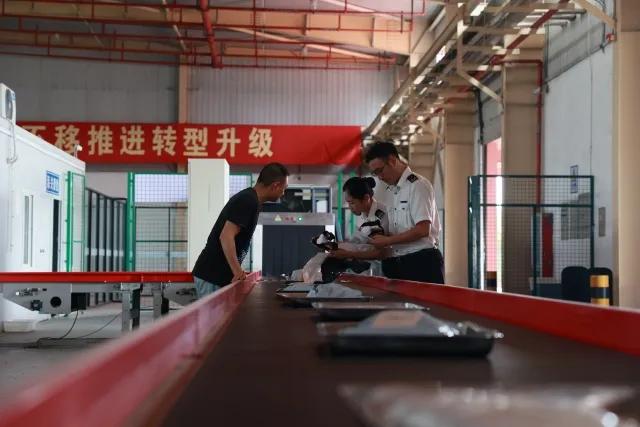
在打通转关通道的同时,杭州海关也在持续提升跨境电商的出口通关效率。“我们会提前摸排企业出口货运量,落实预约通关等便利化措施,实现货物即报即查即放。”钱江海关驻萧然办事处副主任陈华锋表示。针对凌晨航班出运的跨境电商货物,海关会对货物信息进行前置审核,确保货物办结手续后快速转关放行。1-8月,钱江海关共监管验放跨境电商9610转关出口包裹1960多万个,主要销往欧美、日韩等国家和地区。

跨境电商将大量货物通过跨境小包裹形式运往更多的国家和地区,也让越来越多的国内中小企业有机会参与到国际贸易当中。为了推动跨境电商持续健康发展,8月30日,杭州海关对外公布支持浙江跨境电商高质量发展10项措施,从模式创新、服务能力提升、监管制度优化等多维度提升跨境电商贸易便利化水平。其中一项,就是“拓宽跨境电商进出境物流通道”。

杭州海关口岸监管处有关负责人表示,接下来,杭州海关将根据浙江跨境电商业态发展的实际情况,持续深化改革创新,积极构建更加安全、便利、高效的跨境电商新业态智慧监管体系,努力把跨境电商打造成浙江省外贸新增长点,为浙江外贸高质量发展持续注入新动能。


注:文/中国跨境电商综合实验区,文章来源:全球跨境电商知识服务中心,本文为作者独立观点,不代表亿邦动力立场。

文章来源:全球跨境电商知识服务中心

广告
微信
朋友圈

FAQ回顾

马士基在杭州新增的B777货机航线提供哪些运力?

马士基新增的波音777型全货机航线每周可提供超过1400吨运力资源,是马士基该机型在中国大陆的首次运营,主要运输服装等跨境电商货物。

杭州新增的跨境电商转关出口通道是什么?

新增通道为通过安徽芜宣机场转关出口,采用“9610”直邮模式,主要服务B2C小包裹,使商品可快速运往日韩等地,消费者约5天内可收到欧美货物。

杭州海关为提升跨境电商通关效率采取了哪些措施?

杭州海关实施预约通关、前置审核货物信息,实现即报即查即放,1-8月监管放行9610转关出口包裹超1960万个,并推出10项支持措施提升便利化水平。

这么好看,分享一下?

朋友圈 分享

APP内打开

+1
+1
微信好友 朋友圈 新浪微博 QQ空间
关闭
收藏成功
发送
/140 0