广告
加载中

低价or溢价?品牌全球化两极突围!

马蹄社 2024-08-06 15:31
马蹄社 2024/08/06 15:31

邦小白快读

EN
全文速览

本文分享了当前中国消费品出海的两种成功突围路线,以及两条路线落地的核心实操干货,具体如下:

1. 极致性价比M2C路线:核心认知是品牌是结果不是预先目标,定价要贴合目标市场人均日工资,过高定价会导致水土不服;要全链路掌握供应链,通过行业数据、竞品分析做决策,坚持要么做第一要么做唯一的定位,抓住TikTok等新流量放大规模。

2. 高溢价高势能路线:瞄准欧美中高端市场,核心是深度洞察目标用户需求,靠产品创新+情感连接+极致本土化服务立足,不依赖付费广告,侧重口碑营销,重视自建独立站沉淀用户,能实现高利润高增长。

当前中国消费品出海呈现两极突围的发展格局,两种定位路线都有成功案例,对品牌布局出海有诸多参考干货,具体如下:

1. 定价即品牌定位:出海定价必须匹配目标市场用户收入水平,比如进入东南亚新兴市场,产品定价尽量贴合当地人均日工资,脱离用户收入的高价定位容易失败。

2. 不同路线的打法参考:走大众市场路线可以依托中国供应链优势做M2C,全链路掌控从生产到终端的各个环节,抓住TikTok等新流量快速起量;走欧美市场可以做中高端高溢价定位,深度挖掘中产用户对品质、环保、情感价值的需求,靠口碑和情感连接建立品牌势能。

当前消费品出海仍有大量增量机会,有两种可复制的成熟成功模式,同时有明确的风险提示和可学习要点,具体如下:

1. 机会方向:东南亚、东欧、俄罗斯等新兴市场的大众消费赛道,以及欧美中高端家居等细分赛道都有突围空间,TikTok等新流量渠道也为新品牌提供了增长窗口。

2. 可借鉴打法:做性价比路线要坚持M2C全链路掌控供应链,定价贴合当地收入,坚持做用户和竞品调研,要么做规模第一要么做创新唯一;做溢价路线要瞄准欧美一线城市中产,主打品质和情感价值,靠口碑营销、自建独立站、本土化服务建立优势。

3. 风险提示:出海新兴市场要避开初期定价过高脱离用户购买力的误区。

国内生产工厂出海转型有清晰的方向和商业机会,也有明确的数字化和电商转型启示,具体如下:

1. 商业机会:依托中国供应链优势,工厂可以选择两种路线,一是做自有品牌走极致性价比M2C出海,深耕东南亚、东欧等新兴市场;二是可以为高溢价出海品牌做生产配套,对接欧美中高端市场需求。

2. 产品生产设计要求:做自有品牌的工厂,要先做目标市场用户调研,根据当地人均收入定定价和定位,坚持产品高速迭代,打造差异化,要么做规模第一要么做创新唯一。

3. 转型启示:要主动对接新流量渠道,积累电商运营经验,全链路把控从生产到终端用户的各个环节,打造极致可控的供应链优势。

当前中国消费品出海行业出现了新的发展趋势,不同定位品牌产生了差异化的痛点需求,服务商可以针对性推出解决方案,干货如下:

1. 行业发展趋势:消费品出海已经分化出两条清晰的成功路线,分别是依托供应链优势的极致性价比走量路线,以及主打欧美市场的中高端高溢价路线,两种路线都跑出了成功品牌,行业发展更加多元。

2. 客户痛点:走性价比路线的品牌,需要用户竞品数据分析、供应链管控、新流量运营方面的支持;走中高端路线的品牌,需要本土化物流客服、KOL营销对接、独立站运营方面的支持。

3. 解决方案方向:服务商可以针对两类品牌提供差异化服务,匹配不同定位品牌的需求,拓展自身业务空间。

不同定位的出海品牌对平台有不同的需求,平台可以调整招商、运营策略,匹配品牌需求,规避风向,具体干货如下:

1. 品牌需求:走极致性价比路线的新品牌,需要公域流量平台的流量支持,对供应链对接、运营工具都有需求,尤其看重TikTok这类新流量平台的分发能力;走中高端高溢价路线的品牌更倾向做独立站,需要建站、支付物流、流量配套支持。

2. 平台运营调整方向:可以针对两类品牌推出差异化服务,给性价比品牌提供流量扶持、运营培训,吸引新品牌入驻;给高溢价品牌提供独立站配套服务,满足其直连用户的需求。

3. 招商方向:可以同时引入不同定位的品牌,丰富平台品牌矩阵,规避定位错配的风险。

当前中国消费品出海出现了两极突围的产业新动向,形成了两种成熟的可研究的商业模式,具体干货如下:

1. 产业新动向:中国出海品牌已经告别过去低价代工的单一模式,依托中国供应链优势,分化出两种清晰的成功路径,无论是极致性价比还是高品牌溢价都能孵化出全球爆品,行业进入定位分化的新阶段。

2. 两种典型商业模式:一是M2C极致性价比模式,核心是品牌是结果而非目标,代表企业为映趣科技,目前在俄罗斯占据40%以上线上份额,在东南亚多个TikTok站点拿类目第一;二是高势能高溢价DTC模式,核心是用户深度洞察加情感连接,代表企业为Vesta,客单价超400美金,保持40%以上年增速,实现稳定盈利。

3. 研究启示:出海品牌不需要强行追求高端定位,匹配自身资源和目标市场的路径才是最优路径。

返回默认

声明:快读内容全程由AI生成,请注意甄别信息。如您发现问题,请发送邮件至 run@ebrun.com 。

我是 品牌商 卖家 工厂 服务商 平台商 研究者 帮我再读一遍。

Quick Summary

This article shares two proven breakout strategies for Chinese consumer brands going global, alongside actionable practical insights for execution:

1. The extreme cost-effective M2C route: The core insight here is that a brand is an outcome, not a predefined goal. Pricing should align with the average daily wage of the target market, as overpricing almost always leads to poor market fit. Brands need full end-to-end control of their supply chains, base decisions on industry data and competitor analysis, stick to a "be first or be unique" positioning, and leverage new traffic channels like TikTok to scale rapidly.

2. The high-margin, high-equity route: Targeting the mid-to-high end market in Europe and North America, this approach centers on deep insight into target user needs. Brands build a foothold through product innovation, emotional connection with consumers and fully localized services, relying on word-of-mouth marketing rather than paid advertising. They prioritize building their own independent sites to own user relationships, enabling high profit margins and strong sustained growth.

Chinese consumer brands going global are increasingly adopting one of two distinct breakout strategies, with proven success cases for both that offer valuable references for brands planning their global expansion:

1. Pricing equals positioning: Cross-border pricing must match the income level of consumers in the target market. For example, when entering emerging Southeast Asian markets, pricing should ideally align with the local average daily wage — high pricing disconnected from local purchasing power has a high failure rate.

2. Tactical references for different routes: For brands targeting mass markets, the M2C model leverages China’s supply chain advantages, enabling full control over all links from production to end consumers and rapid scaling via new traffic channels such as TikTok. For brands entering European and North American markets, a mid-to-high end, high-margin positioning works best: this requires deep diving into middle-class consumers’ demand for quality, sustainability and emotional value, and building brand equity through word-of-mouth and emotional connection.

There remains substantial untapped growth opportunity for consumer brands going global, with two replicable, proven success models, clear risk warnings and actionable takeaways:

1. Opportunity areas: Mass consumer segments in emerging markets including Southeast Asia, Eastern Europe and Russia, as well as niche mid-to-high end segments such as home goods in Europe and North America, all offer room for breakout. New traffic channels like TikTok also open growth windows for emerging brands.

2. Replicable tactics: For the cost-focused route, brands should adopt the M2C model for full end-to-end supply chain control, price products to match local income levels, conduct thorough user and competitor research, and prioritize either scale leadership or unique innovation. For the premium route, brands should target middle-class consumers in major European and North American cities, focus on quality and emotional value, and build competitive advantages via word-of-mouth marketing, self-operated independent sites and localized services.

3. Risk warning: Brands entering emerging markets should avoid the common pitfall of setting prices too high, which disconnects products from local purchasing power.

Chinese manufacturing factories looking to go global through transformation have clear directions, tangible business opportunities and actionable insights for digital and e-commerce transformation:

1. Business opportunities: Leveraging China’s supply chain advantages, factories can choose between two paths: 1) build an own brand via the extreme cost-effective M2C route to focus on emerging markets such as Southeast Asia and Eastern Europe; or 2) act as a manufacturing partner for premium global consumer brands, serving demand from the mid-to-high end European and North American markets.

2. Product design and manufacturing requirements: Factories building their own brands should first conduct user research in the target market, set pricing and positioning based on local average income, pursue rapid product iteration, and build differentiation by aiming for either scale leadership or unique innovation.

3. Transformation insights: Factories should proactively partner with new traffic channels, build in-house e-commerce operation experience, control all links from production to end users, and develop a highly controlled, superior supply chain advantage.

The Chinese consumer brand cross-border expansion industry is seeing new trends, with differentiated pain points and needs emerging for brands with different positioning, creating opportunities for service providers to build targeted solutions:

1. Industry trends: The cross-border consumer space has split into two distinct, proven successful routes: a volume-focused extreme value route built on supply chain advantages, and a mid-to-high end premium route targeting Western markets. Both routes have produced successful independent brands, making the industry far more diverse than before.

2. Client pain points: Cost-focused value brands need support in user and competitor data analysis, supply chain management, and new traffic channel operation. Mid-to-premium brands, meanwhile, require support in localized logistics and customer service, KOL marketing connections, and independent site operation.

3. Solution directions: Service providers can develop differentiated service offerings tailored to the two types of brands to match their specific positioning needs and expand their own business scope.

Cross-border brands with different positioning have distinct needs for platforms. Platforms can adjust their recruitment and operation strategies to match brand needs and mitigate positioning risk:

1. Brand needs: Emerging value-focused brands need traffic support from public domain platforms, as well as support for supply chain connection and operation tools, with particular emphasis on the algorithmic distribution capability of new traffic platforms like TikTok. Mid-to-premium high-margin brands tend to prefer independent sites, and need support for site building, payment, logistics and traffic matching.

2. Operation adjustment directions: Platforms can roll out differentiated services for the two types of brands: offer traffic support and operation training to value brands to attract new entrants, and provide supporting independent site services to premium brands to meet their demand for direct user connection.

3. Recruitment directions: Platforms can onboard brands across both positioning types to enrich their brand matrix and avoid the risk of positioning mismatch.

China’s consumer brand cross-border expansion sector is seeing a new industrial trend of dual-track breakout, with two mature, well-defined business models suitable for academic and industry research:

1. New industrial trends: Chinese global brands have moved beyond the single low-cost OEM model of the past. Leveraging China’s supply chain advantages, the industry has split into two clear successful paths: both extreme value positioning and high brand premium positioning can produce global hit products, and the industry has entered a new stage of positioning differentiation.

2. Two representative business models: The first is the extreme value M2C model, whose core tenet is that brand is an outcome rather than a predefined goal. A representative player is Yingchi Technology, which holds over 40% of the online market share in Russia and ranks top in its category on multiple TikTok regional sites in Southeast Asia. The second is the high-equity, high-premium DTC model, which centers on deep user insight and emotional connection. Vesta is a representative player here, with an average order value of over $400, annual growth exceeding 40%, and sustained stable profitability.

3. Research insights: Cross-border brands do not need to force a high-end positioning; the optimal path is one that aligns with a brand’s own resources and its target market.

Disclaimer: The "Quick Summary" content is entirely generated by AI. Please exercise discretion when interpreting the information. For issues or corrections, please email run@ebrun.com .

I am a Brand Seller Factory Service Provider Marketplace Seller Researcher Read it again.

图片

背靠中国供应链优势,以极致性价比大杀四方,把“好货”卖好、卖到一定体量,“品牌”或许就是自然而然的结果;凭借对海外用户的深度洞察,在差异化产品的基础上叠加人文价值,用高势能品牌打法立足欧美中高端市场。


今天,在消费品出海领域,我们看到两条截然不同的路线——无论前者的极致性价比,还是后者的高品牌溢价,都跑出不少成功案例。


哪个路径更适合自己的品牌?

每个路径又有哪些关键点?

如何孵化出制胜全球市场的超级爆品?


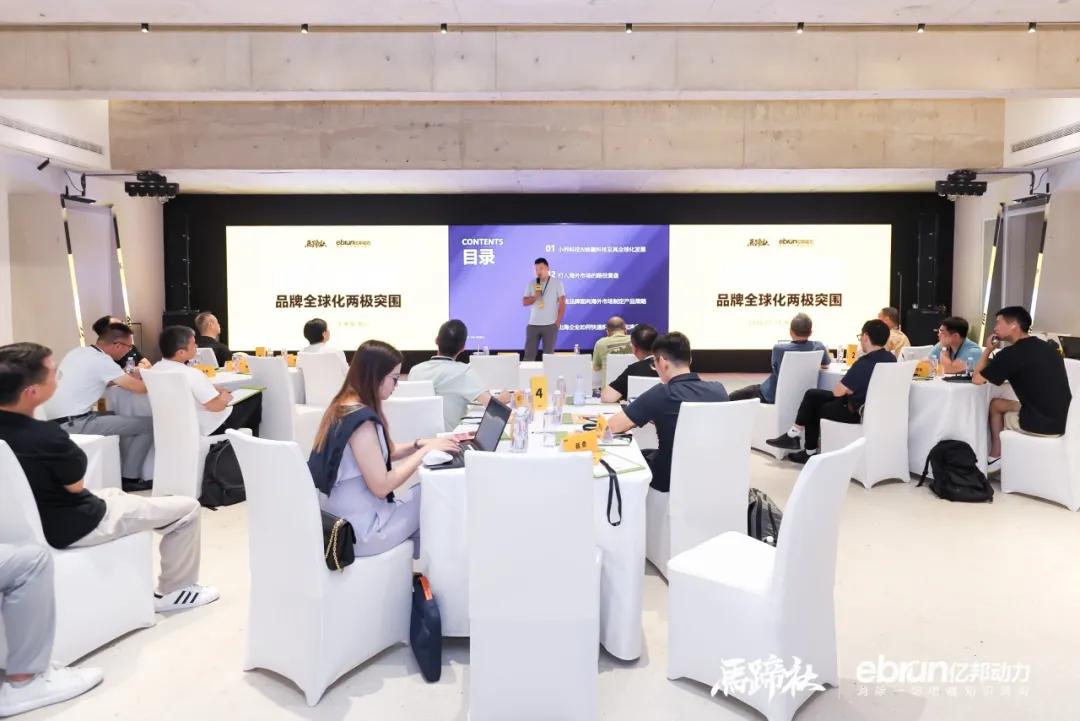
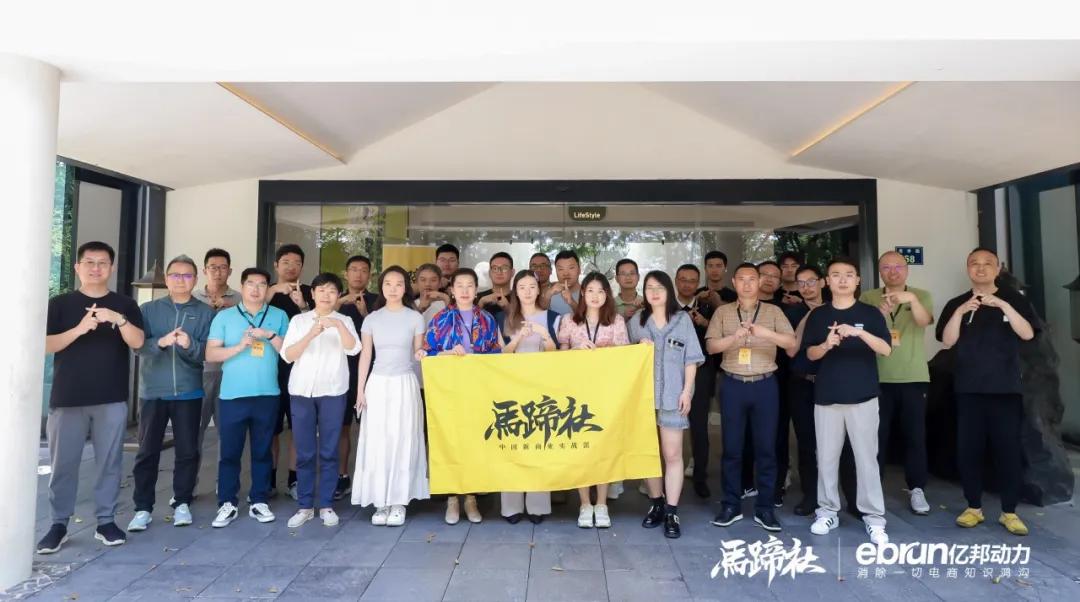
日前,马蹄社新竞争力品牌案例研学在杭州开启,小乔科技&映趣科技创始人潘忠剑、Vesta创始人兼CEO谷振宇两位老师带领同学们一起找寻答案。


马蹄社课程为闭门私密共创研学,每节课程全体同学均会签署课程内容《保密协议》,因此以下内容仅呈现已公开观点,不涉及马蹄社课程现场具有保密属性的核心内容。


图片


01

以M2C为核心

如何孵化制胜全球市场的超级爆品


映趣科技聚焦剃须刀品类,在海外市场以东南亚、东欧为主要阵地,在俄罗斯已占据超过40%的线上市场份额,在东南亚已成为TikTok印尼站、越南站、马来西亚站的类目第一。


图片

潘忠剑

小乔科技&映趣科技创始人


映趣科技创始人潘忠剑分享了他对于品牌的认知:“品牌是一个结果,是由广泛的认知和良好的口碑构成的结果。LV是品牌、小米是品牌,名创也是品牌。品牌并非只是高大上的象征,而是对不同人群定位和思考的结果。”


他以映趣剃须刀举例:

映趣刚开始出口到印度尼西亚的时候,并没有获得成功,原因就是定价太高了。一款剃须刀产品卖80元、100元,一定程度上超出了当地受众的收入水平。


我们后来想通一个问题,一把剃须刀的定价大概是一天的工资。印度尼西亚的月均工资是1800元,那就是60元一天;越南月均工资可能是2000元,这个时候剃须刀价格就是70-80元/把。


定价是很重要的一种思考,因为定价就是品牌的定位。定位就是对用户市场的理解,最终的结果也很大程度上是由定价决定的。


潘忠剑多次表达自己是“无品牌论者”,他认为品牌只是一个结果,是对产品、渠道、媒介不断迭代和更新的结果。


此外,映趣能够在剃须刀这个品类里取得比较好的成绩,M2C的方法论也是非常重要的一个因素。


映趣作为品牌方,深度掌握了从原材料、产品设计、制造生产,再到渠道、营销和最终消费者的一整个链条。它所追求的就是极致供应链出海,表现在对产品深度的可控性上。因此,“制造”也是很重要的品牌出海的根基。


图片


映趣的方法论,就是反复去做用户研究,然后做战略决策,最终形成一套互联网打法。


怎么做研究?市面上有大量不同的数据平台,去找到这些行业的增长趋势,再通过竞争对手分析,最后做自己的产品分析、供应链分析。


怎么做战略决策?要么做唯一,要么做第一。第一就是量,唯一就是创新。不管是量上还是创新上,都是品牌内在的动力,需要持续迭代和优化。


最终,无论是通过TikTok还是通过YouTube,去及时捕捉新流量、积累电商运营经验,都是战术层面的承接载体。品牌在本质上还是要抓住自己的底层——产品——去进行高速迭代,抓住渠道分发的核心伙伴,最终通过战术层面把它进行放大。


02

瞄准欧美中高端市场

新生代出海品牌靠什么让用户买单?


与映趣靠极致供应链的性价比成功打造全球爆品有所不同,家居品牌Vesta的发展模式是追求高利润和高成长速度的高势能品牌打法。


图片

谷振宇

Vesta创始人兼CEO


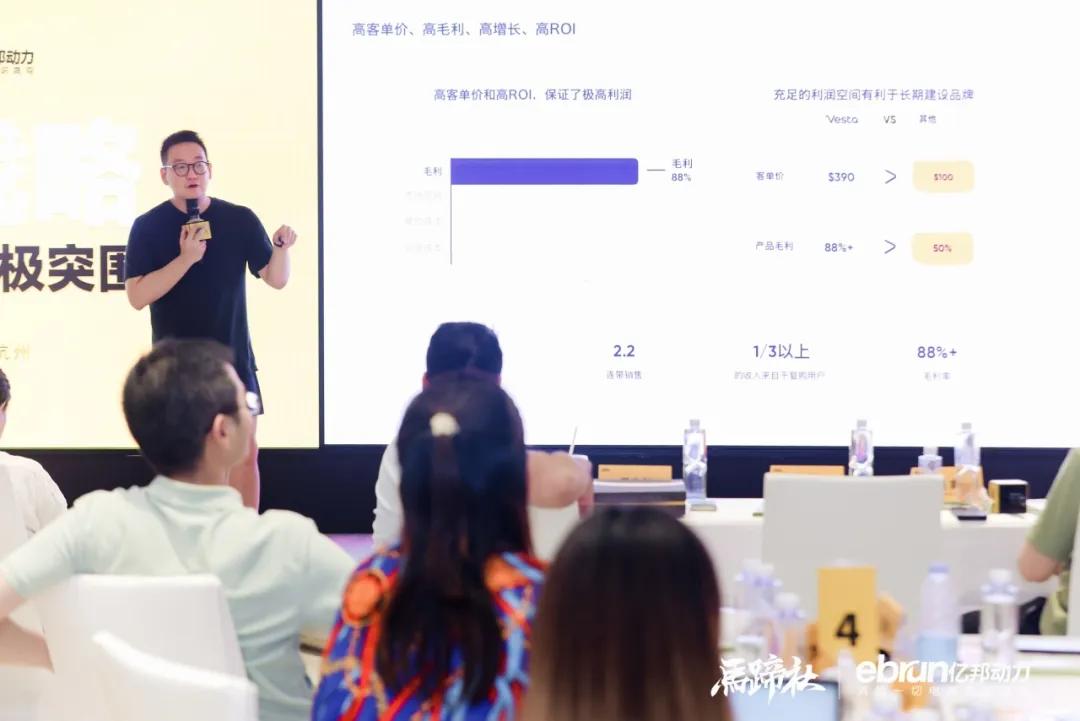
据Vesta创始人兼CEO谷振宇介绍,Vesta是从众筹起步,逐步发展到拥有自己的电商和APP,再到在美国开设线下店铺,始终保持着40%以上的增长,并且实现了一定的利润。


在成立之初,Vesta就没有将目光投向平价或大众市场,而是选择了欧美中上层阶级的消费者群体。目前,其用户中有90%来自美国和加拿大,客单价超过400美金——这些用户并不是传统信息流广告能够轻易触及的群体。


谷振宇透露,这些受教育程度较高的中产阶级消费者在生活习惯、品牌偏好、消费行为上有着明显的特点:

主要集中在欧美的一线城市,从事金融或科技行业,对新鲜事物充满好奇;

他们对价格并不敏感,更注重产品的品质、环保属性和精神内涵;

他们期望产品不仅性能卓越,更希望品牌能够不断创新,采用新材料和新技术来提高生产效率;

会期待更好的服务体验,比如他们希望物流速度能够超越传统空运。


Vesta从创立之初就对这些目标用户有了清晰的认识。也正是基于了解,才能不断满足他们的需求,实现高势能的发展。


图片


作为一个高价品牌,如何在竞争激烈的市场中立足并持续成长?


谷振宇认为关键在于品牌与用户的长期互动和深度连接。


高溢价品牌不仅仅是产品本身的价值,更是品牌与用户之间建立的信任和情感联系。因此,DTC(直接面向消费者)的核心不在于广告投放或独立站建设,而在于能否真正与用户保持持续的交流。


在规划产品和延展品牌价值观时,Vesta始终将用户放在首位:关注用户对产品的期望,对品牌价值观的认同,以及他们希望从新产品和活动中获得什么。


为了确保每个环节都符合高标准,Vesta选择了亲力亲为的方式。从产品设计、材料选择,到生产制造、物流配送,都力求做到最好:


在流量获取方面,并不完全依赖付费广告,而是更注重口碑营销和品牌传播。通过KOL合作的方式,让更多的用户了解Vesta,知道这个品牌为什么值得他们选择?这种自然增长的流量不仅成本更低,而且用户粘性更高。

尤其重视自建电商的建设。独立站不仅是品牌形象展示窗口,更是与用户直接交流的平台。Vesta投入大量资源优化独立站的用户体验,从前端设计到后端支持,都力求做到最好。

最后,Vesta意识到家居品类的消费具有场景化的特点。因此通过优化产品组合、提供场景化的购物体验等方式,希望能够成为用户心中的线上宜家——一个能够提供一站式家居购物解决方案的品牌。大家可能并不会每年都去买一张被子或者一个枕头,但可能每年都至少去一次宜家买不同的产品。


Vesta在美国定位于中高端市场,用户之所以愿意支付比较高的价格购买,首要原因是其产品具有独特的创新性。但更为关键的是,Vesta致力于构建一种深厚的共识,通过慈善活动、环保倡议和社区建设,与用户建立情感连接。此外,Vesta始终坚持在服务层面做到极致,凭借本土化的仓储物流和客服团队,为用户提供超乎预期的购物体验。


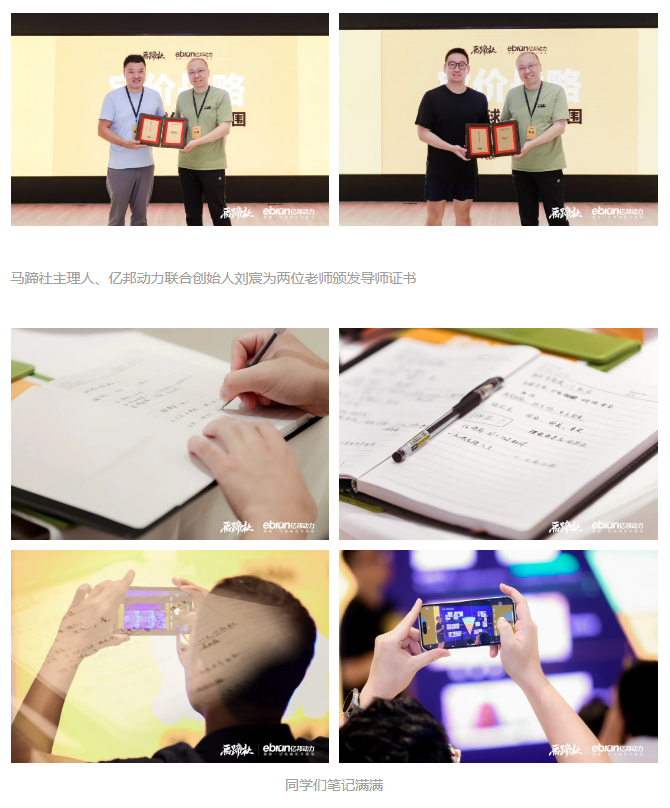
花絮瞬间


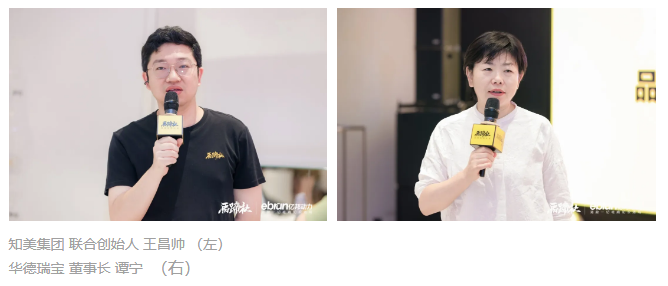
马蹄社本期参会同学

(A-Z首字母排序)


图片

蔡    奇 Hitpoint Cloud 总助     

陈哲人 赛一集团 品牌负责人     

陈智琴 蝉妈妈 总经理     

邓先飞 Hitpoint Cloud 总裁     

杜祥宇 繁丰家具 总经理     

龚刘飞 Hopetrek 运营负责人     

郎玲巧 镇涵运动 总经理     

李笈琼 伯纳天纯Pure&Natural 海外事业部总经理

李    霖 sleepzone 总经理     

刘炳辰 华德瑞宝 副总裁     

刘灵芝 趣印科技 副总经理     

聂    萌 好孩子集团 跨境电商负责人     

羌张林 水星家纺 副总     

孙    奎 张宝山 杭州总经理     

谭    宁 华德瑞宝 董事长     

王昌帅 知美集团 联合创始人     

王    升 云锦絮棉 总经理     

王    仲 松能电竞椅 创始人     

邢大鹏 极睿科技 合伙人     

许继树 LALAHOME CEO     

杨    君 沐家家居 董事长     

喻    焕 百诚集团 常务副总经理     

袁    洲 分众传媒 联合合伙人     

周天青 AIBOTE艾波特 董事长助理     

朱国强 nakto 总经理     


优质课程 马不停蹄,接下来马蹄社好课不断,欢迎大家一起来交流学习!


图片


详询马蹄社工作人员

图片


文章来源:马蹄社

广告
微信
朋友圈

FAQ回顾

消费品出海有哪两种主要路径?

消费品出海主要有两种路径:一是极致供应链性价比路线,如映趣科技通过M2C模式在东南亚市场占据主导;二是高势能品牌溢价路线,如Vesta瞄准欧美中高端市场,客单价超400美元。

如何通过极致供应链打造出海爆品?

映趣科技采用M2C模式,深度掌控从原材料到消费者的全链条,基于当地日均工资定价(如印尼60元/把),通过TikTok等新渠道捕捉流量,在俄罗斯占据40%线上市场份额。

高溢价品牌如何赢得欧美中高端市场?

Vesta通过DTC模式与用户深度连接,注重产品创新、环保属性和服务体验,采用KOL合作和独立站建设,保持40%以上增长,客单价超400美元,90%用户来自美加。

这么好看,分享一下?

朋友圈 分享

APP内打开

赞 +1
+1
微信好友 朋友圈 新浪微博 QQ空间
关闭
收藏成功
发送
/140 0