




广告
加载中

抖音又出酒旅行业新规则 “超售”将被限制交易规模

姜琪 2024-08-02 13:56
姜琪 2024/08/02 13:56

邦小白快读

EN
全文速览

抖音针对酒旅行业推出超售管控新规,旨在提升用户体验和防止订单问题。

1. 规则核心:平台每15分钟监测一次订单,如果当日支付的待履约订单数≥近14天可约库存或预约率减近3天待履约订单时,会限制商家交易规模,该规则于8月8日生效。

2. 原因背景:当前旅游旺季订单激增,超售可能导致用户无法预约,影响履约并造成用户流失,因此新规加强商家履约管控。

3. 关键定义:近14天可约库存取含当日近14天库存数之和;待履约订单指新增未退款、未预约成功的订单;近3天待履约订单同理计算。

4. 类目差异:根据三级类目不同,单日预约库存上限为10单或15单;预约率分20%(如经济型酒店)和10%(如豪华型酒店),覆盖多个住宿类型。

抖音新规对品牌在酒旅行业的营销和用户行为有重要影响,需关注渠道建设和消费趋势。

1. 品牌营销启示:规则要求严格管理预售库存,避免超售导致用户预约失败,否则可能损害品牌声誉和用户忠诚度,品牌需优化抖音渠道的库存控制策略。

2. 消费趋势观察:旅游旺季订单激增反映用户需求高涨,但超售风险提示品牌应加强产品研发,如开发更灵活的预约系统,以应对用户行为变化。

3. 用户行为影响:新规旨在减少用户流失,品牌可借此提升用户体验,例如通过精准定价和促销活动,适应不同类目(如经济型与豪华型)的预约率差异。

抖音酒旅超售管控政策带来风险与机会,卖家需解读政策并制定应对措施。

1. 政策详细解读:规则基于实时监测(每15分钟一次),触发条件为待履约订单超限,生效日期8月8日,覆盖不同三级类目如上限制和预约率。

2. 风险提示:超售可能导致平台限制交易规模,影响销售增长;用户无法预约会带来负面反馈和流失风险,卖家需避免库存管理不当。

3. 机会提示:合规经营可提升用户体验,吸引更多用户;根据类目差异(如单日上限10或15单),卖家可调整商业模式,如优化预售策略。

4. 应对措施:卖家应监控近14天库存和待履约订单数据,针对旅游旺季需求变化,制定应急预案以避免触发限制。

新规启示工厂推进数字化库存管理和探索商业机会,适应电商平台需求。

1. 产品生产需求:规则强调精确库存控制,工厂需优化生产计划,确保产品(如酒店预售券)供应与需求匹配,避免超售问题。

2. 商业机会:抖音管控反映电商趋势,工厂可开发高效库存系统,服务酒旅商家;不同类目上限(如10单或15单)提供差异化机会,工厂可针对经济型或豪华型酒店定制解决方案。

3. 数字化启示:规则推动工厂加强供应链数字化,例如利用数据监测近14天库存,提升履约能力,以应对平台新规和旅游旺季波动。

酒旅行业超售痛点及抖音解决方案凸显行业趋势和服务商机遇。

1. 行业发展趋势:旅游旺季订单激增易导致超售问题,平台新规反映数字化管控趋势,服务商需关注实时监测技术应用。

2. 客户痛点分析:用户无法预约造成体验差和流失,是核心痛点;规则基于近14天库存和待履约订单定义,揭示商家库存管理不足。

3. 解决方案启示:抖音每15分钟监测机制提供技术参考,服务商可开发类似工具帮助客户;不同类目预约率(20%或10%)差异提示定制化服务,如针对酒店类型优化系统。

抖音平台对酒旅行业实施新规,涉及运营管理和风险规避。

1. 平台最新做法:引入超售管控策略,每15分钟监测订单,触发条件为待履约订单超限,生效于8月8日,旨在提升用户体验。

2. 运营管理细节:基于三级类目设置单日预约库存上限(10单或15单)和预约率(20%或10%),覆盖多种酒店类型,确保规则差异化执行。

3. 风向规避:规则防止超售导致用户流失,维护平台声誉;招商启示平台需提供商家指导,如解释近14天库存定义,帮助合规运营。

抖音超售管控反映酒旅产业新动向和监管问题,提供政策启示。

1. 产业新动向:平台推出实时监测规则,每15分钟检查订单,针对旅游旺季需求激增,显示数字化监管趋势。

2. 新问题探讨:超售风险如何平衡商家灵活性与用户保护,规则基于近14天库存和类目差异(如预约率20%或10%),可能引发公平性争议。

3. 政策法规启示:新规设计(如触发条件和上限)可借鉴于其他平台经济监管,商业模式影响包括不同酒店类型的适应策略,提示未来研究方向。

返回默认

声明:快读内容全程由AI生成,请注意甄别信息。如您发现问题,请发送邮件至 run@ebrun.com 。

我是 品牌商 卖家 工厂 服务商 平台商 研究者 帮我再读一遍。

Quick Summary

Douyin has introduced new oversale control rules for the hotel and travel industry, aiming to enhance user experience and prevent booking issues.

1. Rule Core: The platform monitors orders every 15 minutes. If the number of paid but unfulfilled orders for the day is ≥ the bookable inventory from the past 14 days or the booking rate minus pending orders from the past 3 days, the merchant's transaction volume will be restricted. This rule takes effect on August 8.

2. Context: During the current peak travel season, a surge in orders can lead to overselling, preventing users from making reservations. This impacts fulfillment and risks user churn, prompting stricter merchant controls.

3. Key Definitions: 'Past 14-day bookable inventory' refers to the sum of available slots over the last 14 days, including the current day. 'Pending orders' are new, unrefunded, and unconfirmed bookings. The calculation for the past 3 days is similar.

4. Category Variations: Depending on the third-level category, the daily booking limit is either 10 or 15 orders. Booking rates are set at 20% (e.g., budget hotels) or 10% (e.g., luxury hotels), covering various accommodation types.

Douyin's new regulations significantly impact brand marketing and user behavior in the hotel and travel sector, necessitating a focus on channel strategy and consumer trends.

1. Marketing Implications: The rules require strict management of pre-sale inventory to avoid overselling and reservation failures, which could damage brand reputation and loyalty. Brands must optimize inventory control strategies on Douyin.

2. Consumer Trend Insights: The order surge during peak season reflects high demand, but overselling risks highlight the need for enhanced product development, such as more flexible booking systems, to adapt to changing user behavior.

3. User Behavior Impact: Aimed at reducing churn, the new rules offer brands an opportunity to improve user experience through precise pricing and promotions, tailored to category-specific booking rates (e.g., budget vs. luxury).

Douyin's oversale control policy for hotel and travel presents both risks and opportunities, requiring sellers to interpret the rules and develop response strategies.

1. Policy Details: The rule involves real-time monitoring (every 15 minutes). Triggers occur when pending orders exceed limits, effective August 8, with variations based on third-level categories, including daily caps and booking rates.

2. Risk Alert: Overselling may lead to platform-imposed transaction restrictions, hampering sales growth. Failed user reservations can result in negative feedback and churn, underscoring the need for proper inventory management.

3. Opportunity Insight: Compliance can enhance user experience and attract more customers. Sellers can adjust business models, such as optimizing pre-sale strategies, based on category differences (e.g., daily limits of 10 or 15 orders).

4. Response Measures: Sellers should monitor 14-day inventory and pending order data, developing contingency plans for peak season demand fluctuations to avoid triggering restrictions.

The new rules highlight the need for factories to advance digital inventory management and explore business opportunities aligned with e-commerce platform demands.

1. Production Requirements: Emphasizing precise inventory control, factories must optimize production planning to ensure supply (e.g., hotel vouchers) matches demand, preventing overselling issues.

2. Business Opportunities: Douyin's controls reflect e-commerce trends; factories can develop efficient inventory systems for hotel and travel merchants. Category-specific limits (e.g., 10 or 15 orders) offer differentiated opportunities for tailored solutions, such as for budget or luxury hotels.

3. Digital Transformation: The rules push factories to strengthen supply chain digitization, using data to monitor 14-day inventory and improve fulfillment capabilities, adapting to platform regulations and seasonal volatility.

The overselling challenges in the hotel and travel industry and Douyin's solutions highlight industry trends and opportunities for service providers.

1. Industry Trends: Order surges during peak season often cause overselling. The new rules reflect a trend toward digital control, requiring service providers to focus on real-time monitoring technologies.

2. Client Pain Points: Inability to secure reservations leads to poor user experience and churn, a core issue. Rules based on 14-day inventory and pending orders reveal merchants' inventory management shortcomings.

3. Solution Insights: Douyin's 15-minute monitoring mechanism offers a technical reference; service providers can develop similar tools to assist clients. Variations in booking rates (20% or 10%) across categories indicate a need for customized services, such as systems optimized for different hotel types.

Douyin's new regulations for the hotel and travel industry involve operational management and risk mitigation strategies.

1. Platform Approach: The platform has implemented an oversale control strategy, monitoring orders every 15 minutes. Triggers are based on exceeding pending order limits, effective August 8, to improve user experience.

2. Operational Details: Daily booking limits (10 or 15 orders) and booking rates (20% or 10%) are set by third-level category, covering various hotel types to ensure differentiated rule application.

3. Risk Mitigation: The rules prevent user churn due to overselling, safeguarding platform reputation. For merchant acquisition, the platform must provide guidance, such as clarifying 14-day inventory definitions, to support compliance.

Douyin's oversale control measures reflect new developments and regulatory issues in the hotel and travel industry, offering policy insights.

1. Industry Developments: The platform's real-time monitoring rule, checking orders every 15 minutes, addresses peak season demand surges, indicating a trend toward digital regulation.

2. Emerging Issues: The rules raise questions about balancing merchant flexibility with user protection. Based on 14-day inventory and category differences (e.g., 20% or 10% booking rates), they may spark fairness debates.

3. Policy Implications: The rule design (e.g., triggers and caps) could inform regulation in other platform economies. Impact on business models, including adaptation strategies for different hotel types, suggests future research directions.

Disclaimer: The "Quick Summary" content is entirely generated by AI. Please exercise discretion when interpreting the information. For issues or corrections, please email run@ebrun.com .

I am a Brand Seller Factory Service Provider Marketplace Seller Researcher Read it again.

【亿邦原创】亿邦动力获悉,抖音将对本地生活酒旅行业实行“超售”管控策略。平台每15分钟监测一次,如当日支付的待履约订单数≥近14天可约库存或预约率-近3天待履约订单时,平台就会对酒旅商家做出限制交易规模的管控动作。该管控将于8月8日起生效执行。

目前正处于旅游旺季,抖音酒旅行业订单量激增。为了防止商家出现“超售”情况,对于平台上住宿预售券类商品,如果售卖的待预约订单数远超过近期可预约的库存数,可能会导致大量购买用户预约不上而无法履约,从而影响用户体验,导致用户流失。因此抖音此举也旨在加强对商家履约能力的管控。

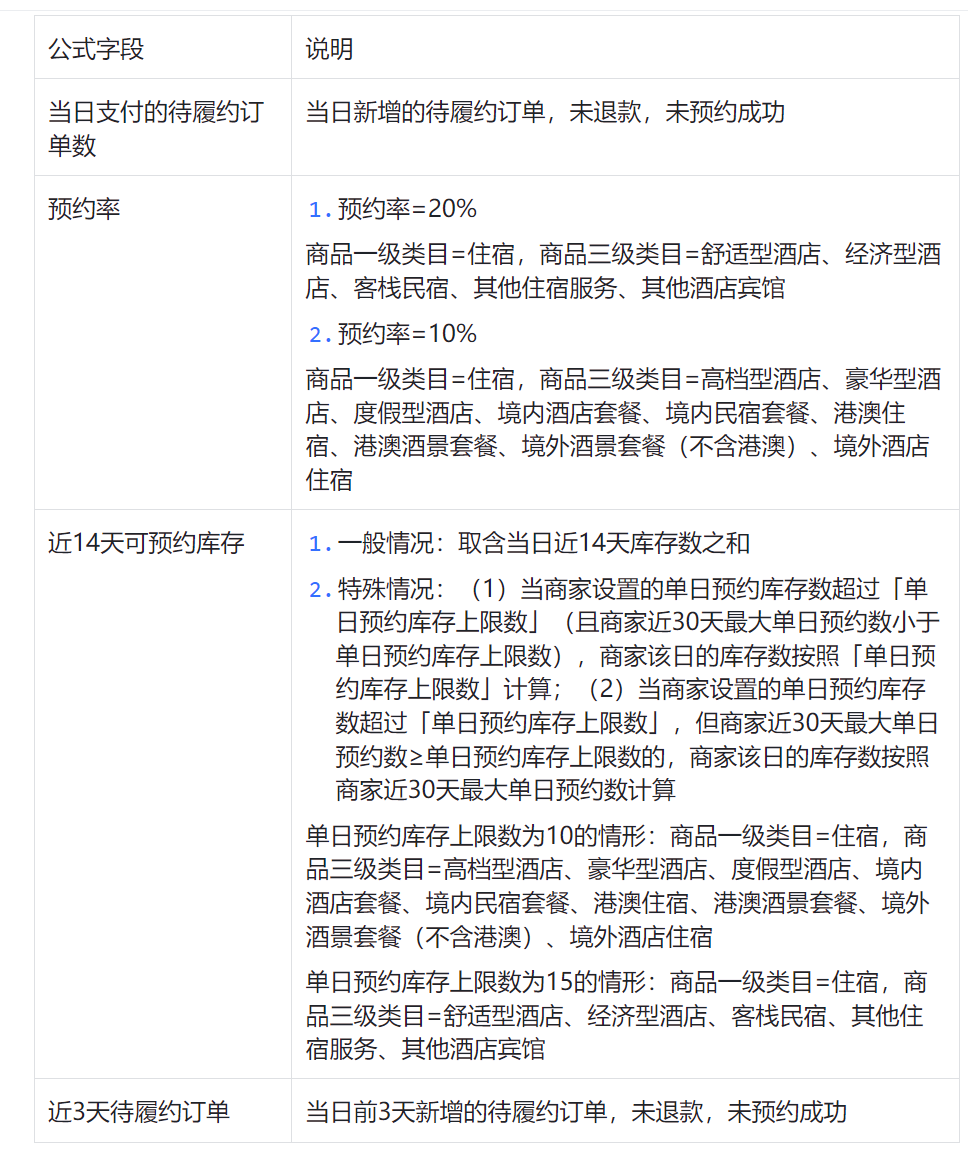
新规显示,近14天可约库存一般情况下取含当日近14天库存数之和。当日支付的待履约订单数指的是当日新增的未退款、未预约成功的待履约订单。近3天待履约订单同理。

另外,根据三级类目不同,商家单日预约库存上限数分别为10单或15单。同样,商品三级类目的具体情况不同,预约率也有所不同。如预约率为20%的包含舒适型酒店、经济型酒店、客栈民宿、其他住宿服务、其他酒店宾馆这5个三级类目;预约率为10%的包含高档型酒店、豪华型酒店、度假型酒店、境内酒店套餐、境内民宿套餐、港澳住宿、港澳酒景套餐、境外酒景套餐(不含港澳)、境外酒店住宿,9个三级类目。
      亿邦将持续追踪抖音本地生活最新动态,如想了解更多相关信息,欢迎加微信与作者交流。

文章来源:亿邦动力

广告
微信
朋友圈

这么好看,分享一下?

朋友圈 分享

APP内打开

+1
+1
微信好友 朋友圈 新浪微博 QQ空间
关闭
收藏成功
发送
/140 0

