广告
加载中

中央企业预计设备更新投入超3万亿元 数字化采购再迎新机遇

亿邦智库 2024-07-26 16:22
亿邦智库 2024/07/26 16:22

邦小白快读

EN
全文速览

中央企业设备更新投资巨大,数字化采购迎来新机遇。

1.投资规模:未来五年中央企业设备更新改造总投资超3万亿元,覆盖工业、农业、建筑等七大领域,目标到2027年设备投资较2023年增长25%以上,聚焦节能降碳、数字化转型等方向。

2.实操干货:数字化采购能高效处理大规模业务,通过自动化流程减少人工操作,快速筛选供应商,缩短采购周期,降低采购成本;同时集中管理采购需求,实现规模经济,提升透明度和效率。

3.绿色机遇:数字化采购支持绿色低碳转型,利用大数据和人工智能评估供应商环境表现,选择环保原材料,减少碳排放,助力企业可持续发展。

设备更新为品牌提供供应链优化和产品创新机会。

1.品牌营销与渠道建设:中央企业采购一视同仁,品牌可通过数字化采购平台展示质价双优产品,提升品牌曝光和渠道效率;消费趋势向绿色低碳倾斜,品牌可研发节能降碳设备,迎合市场需求。

2.产品研发与定价:设备更新方向如节能降碳、智能化升级,启示品牌创新产品设计,例如开发高效能设备;数字化采购降低交易成本,品牌可优化定价策略,确保性价比竞争力。

3.用户行为观察:大规模投资带来采购需求激增,品牌需关注用户偏好环保产品,通过数字化平台收集数据,调整产品线以适应市场变化。

政策推动设备更新,卖家面临广阔增长市场。

1.政策解读:国务院国资委要求中央企业采购对各类企业公平,坚持买技术水平最好、性价比最高的装备;国务院方案明确到2027年设备投资增长目标,覆盖重点行业如钢铁、石化,卖家需满足能耗、安全等强制性标准。

2.机会提示与风险提示:设备更新投资超3万亿元,带来巨大销售机会,卖家可成为供应商;但需注意淘汰不达标设备风险,确保产品符合环保要求。

3.合作方式与可学习点:通过数字化采购平台参与,缩短采购周期,学习中央企业采购模式;最新商业模式如数字化采购提升效率,卖家可借鉴自动化流程优化自身运营。

设备更新驱动生产需求和数字化应用启示。

1.产品生产和设计需求:重点行业如钢铁、船舶、轻纺需更新生产设备、用能设备,方向聚焦节能降碳、超低排放和智能化升级,工厂需设计高效能设备满足标准。

2.商业机会:中央企业大规模投资,工厂可提供先进装备,成为供应商;推进工业互联网和智能制造,工厂可开发新技术产品,抓住市场机遇。

3.推进数字化启示:数字化采购启示工厂应用自动化流程,减少人工成本;通过大数据分析优化生产,实现绿色低碳转型,提升整体效率。

数字化采购成为行业趋势,服务商可提供技术解决方案。

1.行业发展趋势:大规模设备更新推动数字化采购需求激增,服务商可开发平台处理高效业务;新技术如大数据、人工智能应用于评估供应商环境表现,提升透明度。

2.客户痛点与解决方案:客户痛点包括采购效率低、成本高;解决方案是数字化采购平台,实现自动化流程、集中管理需求,降低交易成本,并支持绿色低碳评估。

3.创新机遇:工业互联网普及应用,服务商可培育数字经济新模式,提供智能软件服务,帮助客户规避风险如合规问题。

商业对数字化采购平台需求增加,平台需优化运营管理。

1.商业需求与问题:中央企业设备更新需高效、透明采购平台,处理超3万亿元投资;问题包括确保供应商质量和技术水平,平台需一视同仁招商。

2.平台最新做法与招商:采用集中管理需求,实现规模经济;通过数字化流程提升效率,平台可吸引各类供应商参与,确保质价双优装备脱颖而出。

3.运营管理与风险规避:运营中需监控能耗、排放标准,规避合规风险;风向规避包括淘汰不达标设备,平台应加强审核机制,支持绿色采购。

产业新动向和政策启示,数字化采购商业模式兴起。

1.产业新动向与新问题:大规模设备更新聚焦数字化转型,新动向包括节能降碳、智能化升级;新问题是如何平衡成本与环保要求,研究者可分析淘汰机制。

2.政策法规建议和启示:国务院方案提供法规框架,启示研究者探讨政策支持力度;国资委要求一视同仁采购,建议优化标准体系。

3.商业模式:数字化采购作为新兴模式,提升供应链效率,研究者可研究其赋智赋能作用,例如通过工业互联网培育数字经济。

返回默认

声明:快读内容全程由AI生成,请注意甄别信息。如您发现问题,请发送邮件至 run@ebrun.com 。

我是 品牌商 卖家 工厂 服务商 平台商 研究者 帮我再读一遍。

Quick Summary

Central enterprises are set to invest heavily in equipment upgrades, creating new opportunities for digital procurement.

1. Investment Scale: Over the next five years, central enterprises will invest more than 3 trillion yuan in equipment upgrades, covering seven major sectors including industry, agriculture, and construction. The goal is to increase equipment investment by over 25% by 2027 compared to 2023, focusing on energy conservation, carbon reduction, and digital transformation.

2. Practical Insights: Digital procurement efficiently handles large-scale operations through automated processes, reducing manual work, quickly screening suppliers, shortening procurement cycles, and lowering costs. It also centralizes procurement needs to achieve economies of scale, improving transparency and efficiency.

3. Green Opportunities: Digital procurement supports green and low-carbon transitions by using big data and AI to evaluate suppliers' environmental performance, select eco-friendly materials, reduce carbon emissions, and promote sustainable development.

Equipment upgrades offer brands opportunities for supply chain optimization and product innovation.

1. Marketing and Channel Building: Central enterprises prioritize fair procurement, allowing brands to showcase high-quality, cost-effective products on digital platforms to boost exposure and channel efficiency. With growing demand for green products, brands can develop energy-saving, low-carbon equipment to align with market trends.

2. Product Development and Pricing: The focus on energy efficiency and smart upgrades guides brands to innovate in product design, such as developing high-performance equipment. Digital procurement reduces transaction costs, enabling brands to optimize pricing strategies for competitive value.

3. User Behavior Insights: Surging procurement demand from large-scale investments highlights user preference for eco-friendly products. Brands can leverage digital platforms to gather data and adjust product lines accordingly.

Policy-driven equipment upgrades open vast growth markets for sellers.

1. Policy Overview: The State-owned Assets Supervision and Administration Commission (SASAC) mandates fair procurement by central enterprises, prioritizing the best technology and value. By 2027, equipment investment must grow significantly, covering sectors like steel and petrochemicals, with sellers needing to meet strict energy efficiency and safety standards.

2. Opportunities and Risks: The over 3 trillion yuan investment presents major sales opportunities for qualified suppliers. However, sellers must ensure compliance with environmental standards to avoid risks from phasing out non-compliant equipment.

3. Collaboration and Learning: Sellers can participate via digital procurement platforms to shorten cycles and learn from central enterprises' models. Adopting automated processes can optimize their own operations.

Equipment upgrades drive production demand and highlight digital applications.

1. Production and Design Needs: Key industries like steel, shipbuilding, and textiles require upgrades focused on energy efficiency, ultra-low emissions, and smart technology. Factories must design high-performance equipment to meet standards.

2. Business Opportunities: Large-scale investments by central enterprises allow factories to supply advanced equipment and embrace industrial internet and smart manufacturing to capture market opportunities.

3. Digital Transformation: Digital procurement inspires factories to adopt automation, reduce labor costs, and use big data for production optimization, supporting green transitions and efficiency gains.

Digital procurement is a growing trend, enabling service providers to offer tech solutions.

1. Industry Trends: Massive equipment upgrades fuel demand for digital procurement platforms. Service providers can develop solutions using big data and AI to assess supplier sustainability and enhance transparency.

2. Client Pain Points and Solutions: Clients face inefficiencies and high costs. Digital platforms address these with automated processes, centralized management, and green assessments to reduce expenses.

3. Innovation Opportunities: The rise of industrial internet allows service providers to create new digital business models, offering smart software to help clients manage risks like compliance issues.

Growing demand for digital procurement platforms requires optimized operations.

1. Business Needs and Challenges: Central enterprises need efficient, transparent platforms to manage over 3 trillion yuan in investments. Challenges include ensuring supplier quality and fair access for all vendors.

2. Platform Strategies and Recruitment: Platforms use centralized demand management for economies of scale and digital workflows to attract diverse suppliers, ensuring top-quality, cost-effective equipment stands out.

3. Operations and Risk Management: Platforms must monitor energy and emission standards to avoid compliance risks, strengthen审核 mechanisms, and support green procurement by phasing out subpar equipment.

Industry shifts and policy insights highlight the rise of digital procurement business models.

1. Trends and Issues: Large-scale equipment upgrades emphasize digital transformation, energy conservation, and smart technology. Researchers can explore balancing costs with environmental needs, such as phase-out mechanisms.

2. Policy Implications: State Council guidelines provide a regulatory framework, suggesting studies on policy support. SASAC's fair procurement rule recommends refining standard systems.

3. Business Models: Digital procurement emerges as an efficient model, enhancing supply chains. Researchers can examine its role in enabling digital economies through industrial internet applications.

Disclaimer: The "Quick Summary" content is entirely generated by AI. Please exercise discretion when interpreting the information. For issues or corrections, please email run@ebrun.com .

I am a Brand Seller Factory Service Provider Marketplace Seller Researcher Read it again.

【亿邦原创】7月26日,国务院国资委财务监管与运行评价局负责人刘绍娓在国新办新闻发布会上表示,近期,国务院国资委召开了中央企业大规模设备更新工作推进会议,指导中央企业率先行动,聚焦“五个加快”推动大规模设备更新重点任务落实落地。下一步,将坚持能给尽给、应给尽给原则,加大出资人政策支持力度,指导中央企业紧盯新一轮技术革命和产业变革方向,在本轮大规模设备更新中发挥表率引领作用。

未来五年,中央企业(包括中核集团、航天科技集团、中国船舶集团等在内的97家企业)预计安排大规模设备更新改造总投资超3万亿元。同时,国务院国资委要求中央企业在采购设备时对各类企业一视同仁,坚持买技术水平最好、性价比最高的装备,让质价双优的装备供应商脱颖而出。

2024年3月,国务院印发《推动大规模设备更新和消费品以旧换新行动方案》明确到2027年的目标,包括工业、农业、建筑、交通、教育、文旅、医疗等领域设备投资规模较2023年增长25%以上等。推进重点行业设备更新改造,围绕推进新型工业化,以节能降碳、超低排放、安全生产、数字化转型、智能化升级为重要方向,聚焦钢铁、有色、石化、化工、建材、电力、机械、航空、船舶、轻纺、电子等重点行业,大力推动生产设备、用能设备、发输配电设备等更新和技术改造;加快推广能效达到先进水平和节能水平的用能设备,分行业分领域实施节能降碳改造;推广应用智能制造设备和软件,加快工业互联网建设和普及应用,培育数字经济赋智赋能新模式。严格落实能耗、排放、安全等强制性标准和设备淘汰目录要求,依法依规淘汰不达标设备。

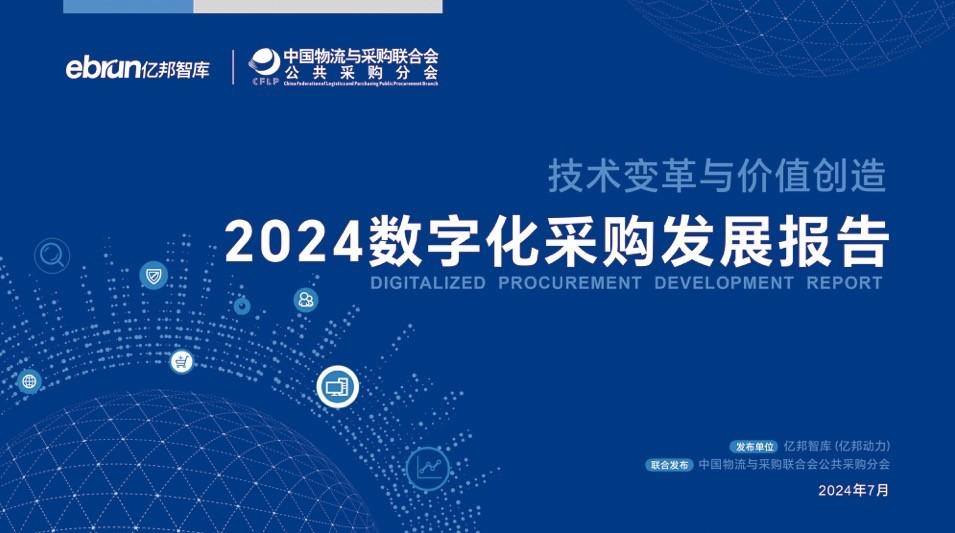
中国物流与采购联合会公共采购分会与亿邦智库联合发布的《2024数字化采购发展报告》中提到,数字化采购第一个发展机遇便是大规模设备更新为数字化采购提供用武之地。亿邦智库分析认为:

首先,大规模设备更新带来采购需求。

《2024数字化采购发展报告》指出,大规模设备更新为数字化采购提供了广阔的市场空间。随着设备更新投资的增加,数字化采购将能够高效处理大规模业务,通过自动化流程减少人工操作,快速筛选供应商,缩短采购周期,降低采购成本。

其次,提升采购效率与透明度。

数字化采购能够集中管理采购需求,实现规模经济。同时,通过数字化平台,采购流程更加高效透明,有助于降低交易成本,提升采购效率。这对于中央企业在设备更新中确保采购质量、控制成本具有重要意义。

再次,促进绿色低碳采购。

在绿色低碳的要求下,数字化采购能够通过大数据分析、人工智能等技术手段,帮助企业更好地评估供应商的环境表现,选择更环保、低碳的原材料和产品。这有助于减少碳排放,推动企业在采购环节实现绿色低碳转型。

完整版内容,请点击【此处】下载

文章来源:亿邦智库

广告
微信
朋友圈

FAQ回顾

中央企业大规模设备更新的总投资额是多少?

未来五年,中央企业预计安排大规模设备更新改造总投资超过3万亿元,涉及97家企业,旨在推动技术升级和产业变革。

大规模设备更新为数字化采购带来哪些机遇?

大规模设备更新带来广阔采购需求,数字化采购可高效处理业务、缩短周期、降低成本,并通过平台提升透明度和促进绿色低碳转型。

设备更新重点聚焦哪些行业和方向?

重点行业包括钢铁、有色、石化等,方向为节能降碳、数字化转型、智能化升级,目标到2027年设备投资规模较2023年增长25%以上。

这么好看,分享一下?

朋友圈 分享

APP内打开

赞 +1
+1
微信好友 朋友圈 新浪微博 QQ空间
关闭
收藏成功
发送
/140 0