广告
加载中

5年冲击百亿,添可全球化案例研学 | 马蹄社走进添可

马蹄社 2024-06-12 16:38
马蹄社 2024/06/12 16:38

邦小白快读

EN
全文速览

本文分享了创立仅5年的智能生活品牌添可全球化布局的成功经验,整理了可参考的实操干货,核心内容如下:

1. 全球化落地的核心是本土化,具体分为三个层面:产品要适配不同市场的用户需求,不能一套产品打全球;运营上要雇佣本地人才负责中层决策和日常运营,中国团队把控全球战略方向;营销上要做好三层布局,拿权威第三方测评背书,找大KOL做产品演示,积累真实UGC口碑,同时适配本地节日场景做促销。

2. 拓展线下渠道的实操经验:先在线上亚马逊做透销量,维持稳定价格体系,让零售商看到盈利空间后再谈判,谈判时保证双方至少不亏本,同时要通过建立本地仓储售后体系,传递长期布局的决心,获得合作伙伴信任。

本文分享了添可出海全球化的品牌建设实践经验,对出海品牌有多方面参考价值,核心干货如下:

1. 产品研发层面,出海必须做产品本土化适配,极少行业能做到一个产品畅销全球,需要深入当地调研用户需求,比如添可最初进入日本市场时,原有的4公斤重洗地机卖不动,调整为符合当地需求的轻量化小型产品后才打开市场。

2. 品牌营销层面,要落地营销本土化,做好三个核心动作:争取权威第三方专业测评背书、找本地大KOL完成产品演示讲解、积累真实UGC内容打造口碑,还要匹配本地文化、节日节点调整促销方案。

3. 渠道与定价层面,线上先做透主流平台打出销量口碑,再拓展线下大型零售渠道,定价要维持稳定价格体系,保障渠道双方利润,坚持长期主义,建立本地服务体系获取合作伙伴信任。

本文总结了添可跨境出海的成功经验,能给出海卖家提供机会提示与可借鉴的实操方法,核心内容如下:

1. 市场机会层面,目前欧美发达国家线下消费力仍高于线上,做好线上之后拓展线下渠道能获得额外流量与品牌背书,带来新增长;除亚马逊外,Lazada、Shopee等新兴平台也有拿到品类第一的增长机会。

2. 实操可学习点,出海的核心难点是本土化落地,产品要针对当地需求快速迭代调整,团队搭建要雇佣本地人才负责运营,营销要适配本地文化与消费习惯,不能直接翻译中文内容复用。

3. 风险与合作提示,拓展线下零售渠道时,不要盲目进场,要先在线上做出销量证明盈利能力,谈判时要守住不亏损的底线,同时要传递长期经营的决心,建立本地服务体系打消合作伙伴顾虑,提升合作成功率。

本文分享了出海品牌添可的实践经验,能给出海相关工厂提供产品设计、业务发展层面的启示,核心干货如下:

1. 产品生产设计需求层面,出海产品的需求差异远大于国内市场,不能照搬国内爆款的设计生产方案,不同地区用户对产品的参数、尺寸、功能偏好差异很大,这要求工厂具备柔性生产、快速调整产品设计的能力,才能匹配品牌的本土化需求,拿到更多订单。

2. 商业机会层面,当前智能生活家电出海增长速度很快,添可创立5年就在多个海外市场拿到高市场占有率,黑五销售额同比增长100%,增速是品类大盘的7倍,说明细分智能品类出海还有很大的市场空间,工厂既可以和优质出海品牌合作,也可以尝试依托供应链优势打造自有品牌出海。

3. 数字化与电商转型启示,工厂做品牌出海,需要建立贴近市场的快速响应机制,坚持长期投入产品创新与全渠道布局,才能获得市场认可。

本文梳理了中国品牌出海的行业现状,总结了品牌出海的核心痛点与可行方向,对出海相关服务商有较高参考价值,核心内容如下:

1. 行业发展趋势,新一代中国出海品牌已经发生变化,很多新品牌从创立之初就定位全球化品牌,不再是国内做成熟后再出海,品牌化长期运营取代了传统铺货赚快钱的模式,全渠道线上线下融合是主流方向,市场整体增长速度快,头部品牌已经跑出了成熟的增长路径。

2. 品牌出海的核心客户痛点,主要集中在本土化落地难:包括产品如何适配本地用户需求、运营营销如何适配本地文化、线下渠道如何拓展、如何获得海外合作伙伴与消费者的信任这些问题。

3. 服务解决方案方向,服务商可以围绕品牌出海的本土化需求,开发对应服务产品,比如提供本地用户调研、权威测评资源对接、本地KOL资源对接、本地仓储售后体系搭建咨询等服务,匹配品牌长期出海的核心需求。

本文从添可出海的实践出发,能帮助跨境平台商了解品牌出海的需求,优化平台招商与运营管理,核心干货如下:

1. 品牌对平台的核心需求,除了基础的销售功能外,还需要平台能提供品牌背书、公域流量曝光,帮助品牌对接本地线下资源,适配品牌本土化运营的需求。

2. 平台招商方向,能在线上做出稳定销量、维持稳定价格体系、坚持长期布局的中国智能品牌是优质招商对象,这类品牌能给平台带来稳定销量与利润,像添可这类创新品牌,已经在多个新兴平台做到品类第一,增长速度远高于行业大盘,值得重点引入。

3. 运营管理与风险规避,平台可以针对品牌本土化需求,推出本地化运营支持服务,帮助品牌对接本地资源,同时要引导品牌维持稳定价格体系,规避恶性价格战,维护平台整体的利润空间,实现平台与品牌的共赢。

本文呈现了当前中国品牌出海的最新产业动向,提供了鲜活的研究案例,核心研究价值如下:

1. 产业新动向,新一代中国出海品牌和传统出海品牌有明显差异,新品牌从创立之初就定位全球化品牌,坚持品牌化长期运营,不再是国内市场饱和后再出海,也不再走铺货赚快钱的老路,全渠道线上线下融合成为主流增长模式,创新驱动成为品牌穿越周期的核心逻辑。

2. 产业新问题,当前出海品牌普遍需要解决全球化战略和本土化落地的平衡问题,以及如何获得海外渠道、消费者信任的问题,添可的实践为这类问题提供了可行的解决路径,也就是全球统一战略+本地下沉执行+长期布局建立信任的思路。

3. 商业模式研究价值,添可“天生全球化+分层本土化落地+全渠道长期布局”的新出海模式,区别于传统跨境模式,为研究中国品牌出海的新商业模式提供了典型案例,具备很高的研学价值。

返回默认
声明:快读内容全程由AI生成,请注意甄别信息。如您发现问题,请发送邮件至 run@ebrun.com 。

我是 品牌商 卖家 工厂 服务商 平台商 研究者 帮我再读一遍。

Quick Summary

This article shares the successful globalization experiences of Tineco, a smart home brand founded only five years ago, and organizes actionable, practical takeaways for readers. Key insights are as follows:

1. The core of successful global expansion is localization, which falls into three layers: Products must be tailored to user needs in different markets, rather than using a one-size-fits-all offering globally; operationally, local talent should be hired to lead mid-level decision-making and daily operations, while the Chinese headquarters retains control over overall global strategy; for marketing, brands should implement a three-tier strategy: secure endorsements from authoritative third-party reviewers, partner with top local KOLs for product demonstrations, build organic word-of-mouth through authentic user-generated content, and run promotions aligned with local holiday traditions.

This article shares Tineco’s practical experience in brand building for global expansion, offering multi-faceted insights for other brands going overseas. Key takeaways are as follows:

1. For product development, brands must localize products for overseas markets. Very few industries can support a single product that sells well globally. Brands need to conduct in-depth local research into user demand. For example, when Tineco first entered the Japanese market, its original 4kg floor cleaner sold poorly; the brand only opened up the market after adjusting it to a lighter, smaller model that matched local needs.

2. For brand marketing, brands must implement localized marketing with three core actions: secure endorsements from authoritative third-party professional reviewers, partner with top local KOLs to deliver product demos and explanations, and build word-of-mouth through authentic accumulated UGC. Brands should also adjust promotion strategies to align with local culture and holiday schedules.

3. For channels and pricing, brands should first build sales volume and word-of-mouth on mainstream online platforms before expanding into large offline retail channels. Brands should maintain a stable pricing system to guarantee profits for all channel partners, adhere to a long-term growth strategy, and build local service systems to earn partners’ trust.

This article summarizes Tineco’s successful cross-border expansion experience, providing opportunity signals and actionable best practices for cross-border sellers. Key content is as follows:

1. In terms of market opportunities: offline consumption power in developed Western markets still outpaces online today. Expanding into offline channels after establishing an online presence brings additional traffic, brand endorsement, and new growth. Beyond Amazon, there are also opportunities to capture category-leading growth on emerging platforms such as Lazada and Shopee.

2. In terms of actionable lessons: The core challenge of going overseas is successful localization execution. Products must be rapidly iterated and adjusted to fit local demand; teams should hire local talent to manage daily operations; marketing must be adapted to local culture and consumption habits, rather than simply translating and repurposing Chinese content.

3. In terms of risk and partnership guidance: When expanding into offline retail channels, avoid rushing into entry without preparation. First prove profitability by building sales volume online, hold the bottom line of avoiding losses during negotiations, communicate your commitment to long-term local operations, and build a local service system to ease partners’ concerns and improve the odds of successful collaboration.

This article shares practical insights from the overseas expansion of smart home brand Tineco, offering guidance on product design and business development for factories working with overseas-focused brands. Key takeaways are as follows:

1. For product design and manufacturing: Demand for overseas products varies far more than demand in the Chinese domestic market. Factories cannot simply copy the design and manufacturing plans of domestic hits. Users in different regions have very different preferences for product parameters, dimensions, and features. This requires factories to have flexible manufacturing capabilities and the ability to adjust product designs quickly to match brands’ localization needs and win more orders.

2. In terms of business opportunities: The overseas expansion of smart home appliances is growing rapidly today. Founded just five years ago, Tineco has already captured high market share in multiple overseas markets; its Black Friday sales grew 100% year-over-year, seven times faster than the overall category growth rate. This demonstrates that there is still substantial untapped market space for niche smart product categories going overseas. Factories can either partner with high-quality China-born global brands, or leverage their own supply chain advantages to launch their own branded products overseas.

3. Insights for digital and e-commerce transformation: For factories launching their own brands overseas, building a rapid response mechanism close to the market and making long-term investments in product innovation and omni-channel布局 are required to earn market recognition.

This article sorts out the current industry landscape of Chinese brands going global, summarizes the core pain points and viable directions for cross-border brands, and offers high reference value for service providers serving the overseas expansion industry. Key content is as follows:

1. Industry development trends: The new generation of Chinese global brands is fundamentally different from previous cohorts. Many new brands position themselves as global brands from day one, rather than expanding overseas only after maturing in the domestic market. Long-term brand-focused operations have replaced the traditional quick-profit model of bulk generic selling; omni-channel integration of online and offline is the mainstream direction; the overall market is growing rapidly, and leading brands have already established proven mature growth paths.

2. Core pain points of brands going global: The biggest challenges all center on the difficulty of localization execution, including how to adapt products to local user needs, how to adapt operations and marketing to local culture, how to expand into offline channels, and how to earn trust from overseas partners and consumers.

3. Directions for service solutions: Service providers can develop targeted service offerings around the localization needs of global brands, such as local user research, connection to authoritative review resources, connection to local KOL networks, and consulting for building local warehousing and after-sales service systems, to match the core needs of brands pursuing long-term global growth.

Based on Tineco’s overseas expansion practice, this article helps cross-border platform operators understand the needs of global brands and optimize their merchant recruitment and operation management. Key takeaways are as follows:

1. Core needs of brands from platforms: Beyond basic sales functions, brands also need platforms to provide brand endorsement, public domain traffic exposure, support to connect with local offline resources, and adapt to brands’ localization operation needs.

2. Priorities for merchant recruitment: Chinese smart brands that can build stable online sales volume, maintain a stable pricing system, and commit to long-term local布局 are high-quality recruitment targets. These brands bring stable sales and profits to platforms. Innovative brands like Tineco have already captured category top positions on multiple emerging platforms, with growth rates far outpacing the broader industry, making them worthy of priority onboarding.

3. Operation management and risk mitigation: Platforms can launch localized operation support services tailored to brands’ localization needs, help brands connect with local resources, and guide brands to maintain stable pricing systems to avoid cut-throat price wars, protect the overall profit margin of the platform, and achieve win-win outcomes for both platforms and brands.

This article presents the latest industry trends of Chinese brands going global, and offers a vivid, in-depth case study for research. Core research value is as follows:

1. New industry trends: The new generation of Chinese global brands differs sharply from traditional cross-border brands. These new brands position themselves as global from inception, prioritize long-term brand-focused operations, and no longer wait to expand overseas after saturating the Chinese domestic market, nor do they follow the old bulk-selling quick-profit path. Omni-channel online-offline integration has become the mainstream growth model, and innovation-driven development has become the core logic for brands to navigate economic cycles.

2. New industry challenges: Currently, global brands universally need to solve the balance between global strategy and localized execution, as well as how to earn trust from overseas channels and consumers. Tineco’s practice provides a viable solution path for these problems: a framework of unified global strategy, localized on-the-ground execution, and long-term布局 to build trust.

3. Value for business model research: Tineco’s new "born global + tiered localization execution + long-term omni-channel布局" expansion model differs sharply from traditional cross-border models, providing a典型 case for research on new business models of Chinese brands going global, with high academic and industry research value.

Disclaimer: The "Quick Summary" content is entirely generated by AI. Please exercise discretion when interpreting the information. For issues or corrections, please email run@ebrun.com .

I am a Brand Seller Factory Service Provider Marketplace Seller Researcher Read it again.

图片

智能生活品牌“Tineco添可”,从创立之初便立志做全球化、品牌化的企业。可以说,它的全球化是“天生的”。


虽然品牌创立仅5年时间,但添可已经成长为备受瞩目的全球品牌。在线上,添可在亚马逊北美市场占有率超过60%,在加拿大更是超过了70%;在竞争激烈的亚马逊欧洲站,添可也能达到40%-50%的市场占有率;而在澳大利亚,它几乎占据了100%的市场份额。在线下,添可这个品牌也非常受欧美市场的欢迎,一些澳大利亚的头部线下零售商已经主动找到添可表达合作意愿。


去年“黑五”期间,添可在全球的销售额达到4亿人民币,同比增长100%;与美国地面清洁品类大盘相比,添可的增速是大盘的7倍;在除亚马逊之外的其它平台上,如Lazada、Shopee等,添可同样获得了品类第一的好成绩。


过去的几年,添可在挑战与机遇中不断成长,见证了消费市场的勃发与企业的蜕变。行业洗牌在加速,下一个风口在酝酿,添可更加坚定:创新是企业穿越周期,奔赴未来的最佳答案!


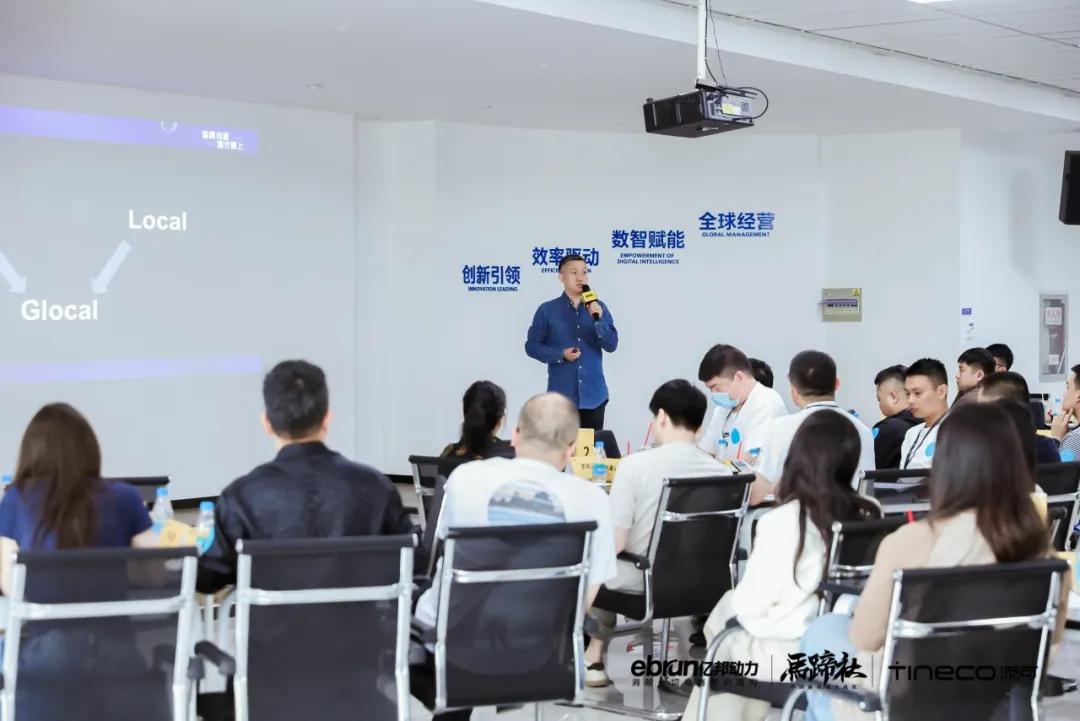
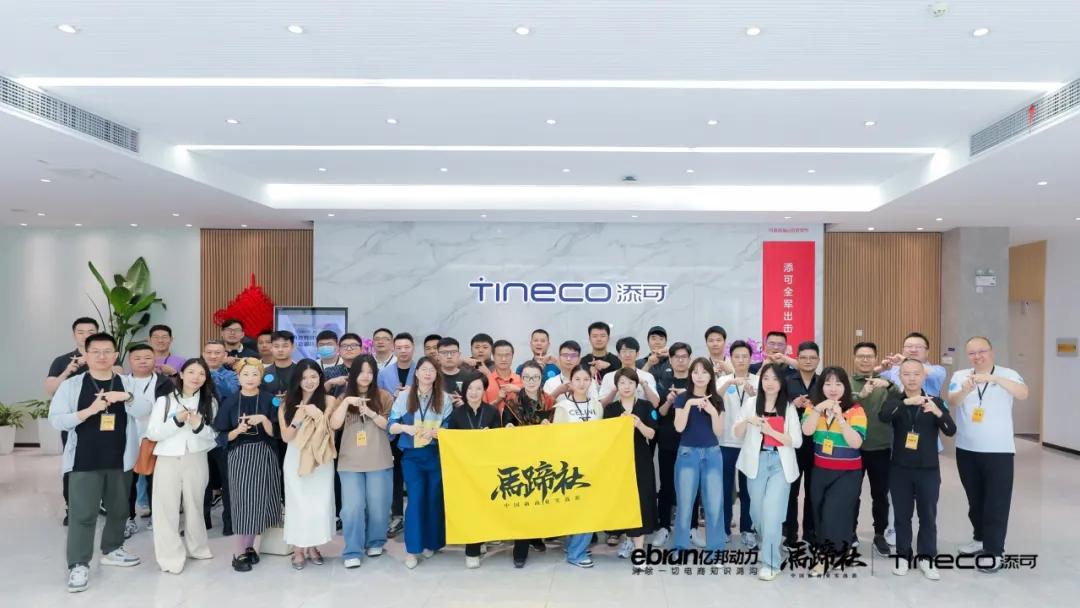
2024年6月6日,亿邦动力马蹄社走进添可,围绕添可全球化历程,聚焦海外渠道、营销本土化、国际电商增长等实践经验展开闭门研学交流。


分享嘉宾


马蹄社课程为闭门私密共创研学,每节课程全体同学均会签署课程内容《保密协议》,因此以下内容仅呈现已公开观点,不涉及马蹄社课程现场具有保密属性的核心内容。


01

“本土化”至关重要


在全球化的宏大概念下,品牌如果要想做好,必然要落实到本土化。


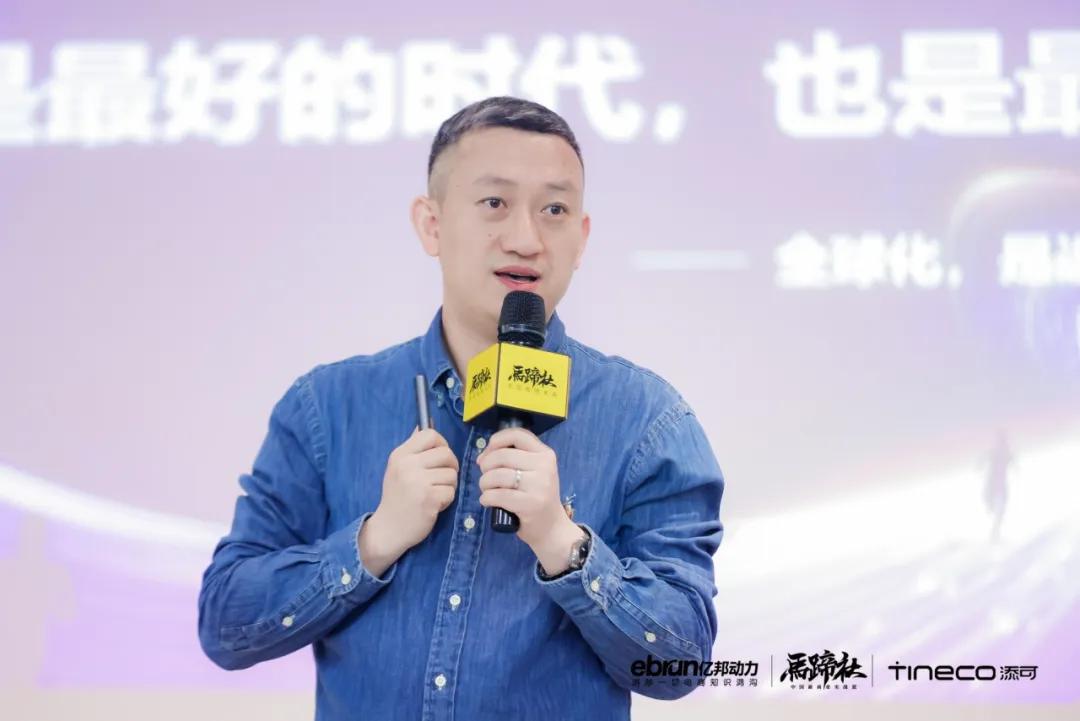
添可智能国际总经理罗明波表示,首先要用心去做好的是产品的本土化。特别是对于那些从中国起家、中国业务做得枝繁叶茂的企业,只有非常少的行业能够做到“一个产品畅销全球”,大多数行业都需要针对不同市场去解决不同的问题。


图片

罗明波

添可智能国际总经理 


他以添可在日本市场的产品举例。添可进入日本市场比较早,但最开始的两年,一些在其他地方热销的洗地机产品在日本却卖不动,无论投放了多少广告,最后销售成绩都不佳。直到添可的研发、销售以及营销团队飞去日本待了一段时间才发现,产品定位错了:日本用户想要的是轻便的机器,市面上热销吸尘器重量都没有超过2公斤,而彼时添可的产品重达四公斤。此后,添可迅速进行产品迭代,为日本市场推出更小型、轻便的洗地机,逐渐找回了在市场上的领先地位。


参观Tineco添可


除产品的本土化,运营的本土化也非常重要。如果不做本土化运营,品牌可能永远都无法深入了解消费者到底喜欢什么。做本土化运营,意味着不能仅仅是把产品的中文文案直接翻译成外文放到亚马逊链接上,在团队构建上也要注重雇佣本地人才。添可的做法是聘用当地员工并委以中层决策及运营管理的重任,中国团队则聚焦于高层管理,确保全球战略的一致性。


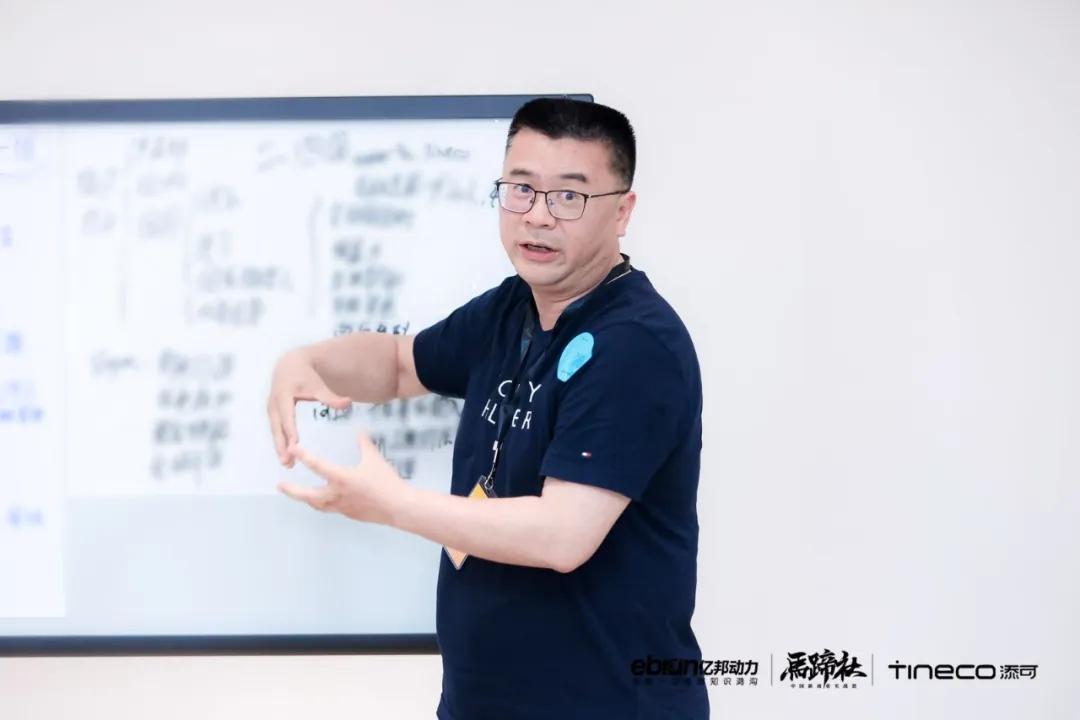
添可IBU电商部负责人蔡晓鑫则分享了关于营销本土化的思考,她提到三个行之有效的动作:

1、 利用好专业测评。无论北美还是欧洲,真正专业的权威媒体测评对消费者的购买决策有非常大的影响。在不同领域,了解哪些媒体具有真正的权威性是非常重要的。通常这种权威媒体不接受品牌赞助,而是由第三方测评机构进行,非常专业。如果产品能打动他们、得到他们的推介,就能提升当地的品牌知名度。


2、 借助大网红/KOL的力量。比如,添可的产品品类都是需要进行演示的,而线下演示成本非常昂贵,因此就需要善于利用欧美国家的大网红和KOL,让他们帮助品牌来做产品展示和产品解说,用他们的话语传达给他们的粉丝。


3、UGC同样很重要,它传达的是真实消费者的声音。


不同国家有不同文化,也会有不同的营销节点,在整个营销链条中,品牌一定要非常了解所经营的市场,比如圣诞、穆斯林斋月,促销的方案和方式都不一样,只有匹配当地的生活方式、当地的用户场景,才能真正地宣传好产品的卖点。


02

与零售商巨头谈判共赢


对于中国品牌来说,亚马逊确实是跨境出海最容易的一条路。但另一个不可忽视的现实是,目前欧美发达国家的线下消费力仍然大于线上,消费者更愿意去线下购买。也正因为线下渠道的不断触达,消费者才会逐渐认识到这是一个品牌,而不仅仅是一个在亚马逊上做贸易的公司。


添可除了在亚马逊、TikTok等主流的线上渠道都已入驻,还进入了麦德龙、家乐福等大型的零售商超。


图片


据透露,欧美所有的零售商都有这样一个习惯的动作——他们会观察亚马逊上什么产品、什么品牌卖得好。当他们观察到添可卖得好且不降价时,谈判时就会相对容易很多。因为这会让零售商看到品牌想要长期经营的行动,并且有能力维持自己的价格体系。对于零售商来说,他们需要商品能够卖得好并且能够保证利润。如果这两种能力都能做到,零售商当然非常欢迎这样的品牌进驻。


对此,罗明波总结到:

首先,我们要在亚马逊上展现出良好的销量和利润表现,让对方看到我们的实力。


再来,我们会进行自我评估,确定对方的利润点位。如果发现合作会导致亏损,会提出要求,希望至少能够保持不亏本的状态。毕竟,在销量不错的情况下,亏损是没有意义的。只要能够达到微盈或者不亏本的条件,谈判就有了推进的可能性。


对于添可来说,这种谈判不仅仅是为了追求利润,更是一种战略考虑。通过进入新的渠道,可以更好地控制成本并确保盈利。目前,添可进入的渠道都没有出现亏损的情况。


我们也愿意与线下渠道商合作,让对方获得更多的利润。我们不只是追求高利润率,更希望通过合作,带来更多的额外流量和品牌背书。譬如,添可在亚马逊上的销售不仅仅是一个销售渠道,更是一个销售加搜索和品牌背书的场域。


在海外市场中,与渠道商、零售商和经销商建立信任关系是至关重要的。品牌一定要有长期主义的理念,因为许多国外合作伙伴会担心中国公司的短期行为,他们更倾向于与有长期承诺的公司合作。


为了传达长期发展的决心,添可会为当地市场量身定制服务、产品计划和战略。譬如,在美国设立多个仓库、售后团队和建立自己的返修中心和翻新中心,向合作伙伴展示了长期扎根和发展的决心。


花絮瞬间


图片

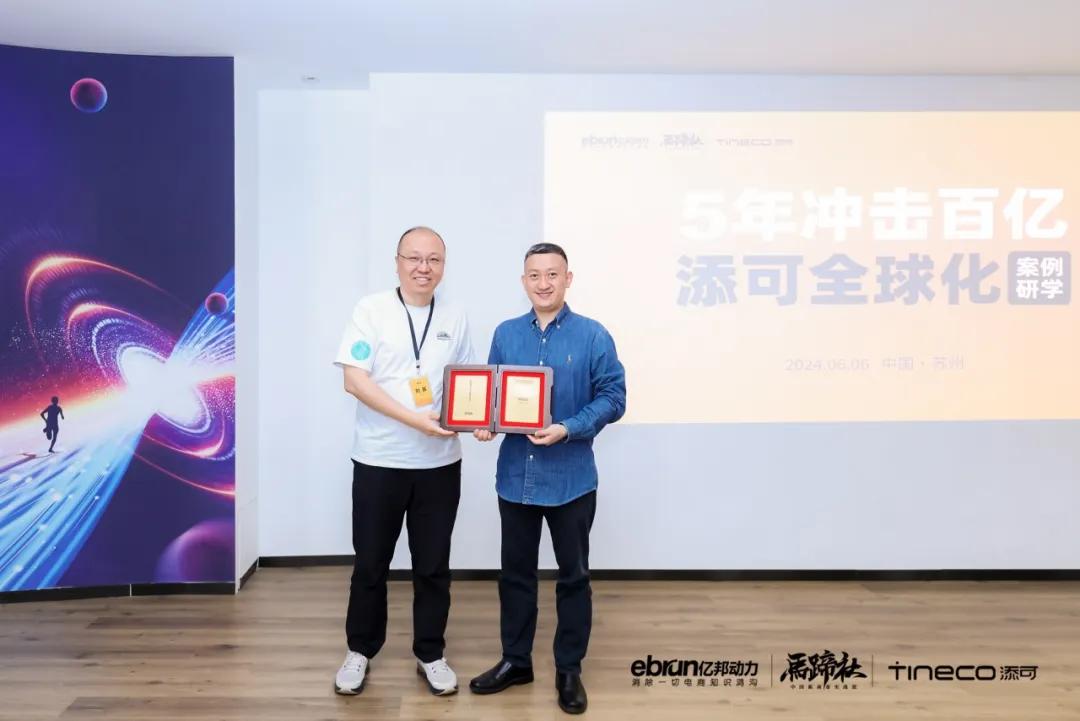
马蹄社主理人、亿邦动力联合创始人刘宸为添可智能国际总经理罗明波颁发导师证书


共创讨论  输出共识


图片

杨温惠

SPEEDIANCE速境 CMO


图片

张殿旋

欧拉智造 总经理


图片

田昊麟

贝宝babyonlinedress 创始人 


感谢添可为同学们准备的伴手礼


马蹄社本期参会同学

(A-Z首字母排序)


图片

曹    敏 家友高科 合伙人     

陈碧勇 南讯股份 创始人     

陈克波 IAM 中国区副总裁     

陈文娟 老板电器 大线上总经理     

陈宇立 爱斯基摩人家纺 副总     

成宏斌 沐家家居 运营负责人     

丛    雯 海氏国际集团 副总裁     

耿明飞 慧博科技 副总裁     

韩    枭 Backrobo贝氪 联合创始人     

何    定 千岸科技 创始人     

何    婷 欧诗漫珠宝 总经理     

胡家良 沐家家居 独立站负责人     

黄伶禎 犬印本铺 品牌主理人     

纪鲁杰 健安医药 网络营销事业部负责人     

江开明 欧诗漫 董办主任     

蒋福阳 谭木匠 海外市场负责人     

刘炳贤 OOU 跨境负责人     

刘青婷 ROTAI荣泰 跨境电商负责人          

潘松涛 心想SCISHARE 副总     

裴贤晨 谭木匠 海外事业部总经理     

任志军 诺特兰德 出海负责人     

陶    炼 Hobolite CMO     

田昊麟 贝宝babyonlinedress 创始人     

王长红 诺特兰德 海外事业部总经理     

邢大鹏 希箭智能卫浴 合伙人     

幸晓强 澎尼科技 CEO     

颜邦干 杭歌国际 创始人     

杨温惠 SPEEDIANCE速境 CMO     

于    淼 奥佳华集团 电商负责人     

张殿旋 欧拉智造 总经理     

张天昊 SCl Ecommerce赛一集团品牌负责人

张    龑 海氏国际集团 总裁     

赵峰英 脉链集团 市场推广部副总     

赵海青 杉迪 董事长     

赵钰龙 易达工具 合伙人     

钟笑寒 赛尔集团 合伙人     

朱程丰 Yeswelder 创始人     

朱华斌 Yeswelder 副总     

邹    旖 如果新能源 运营负责人     


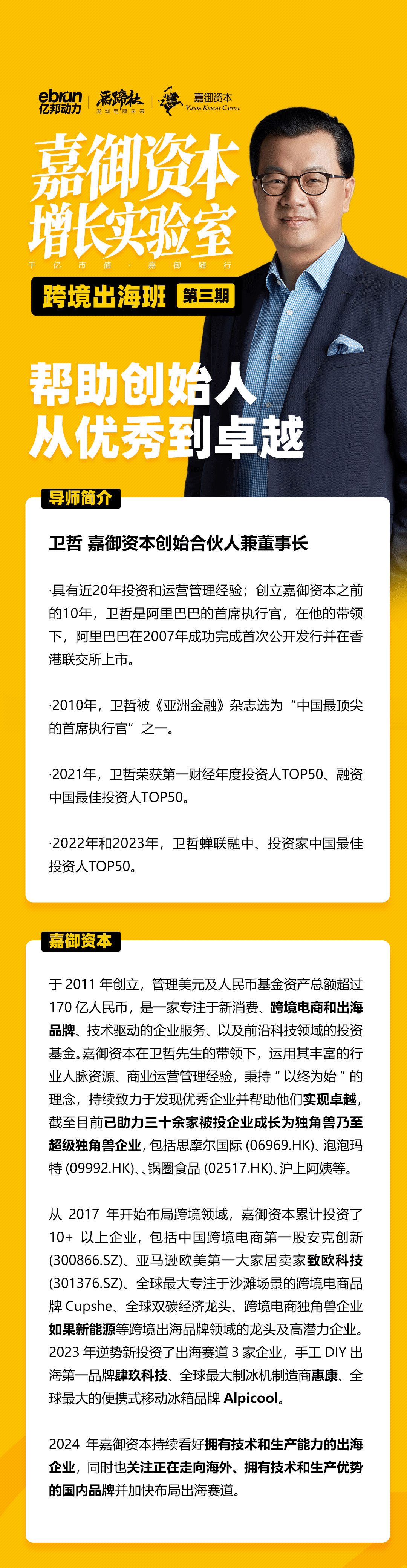
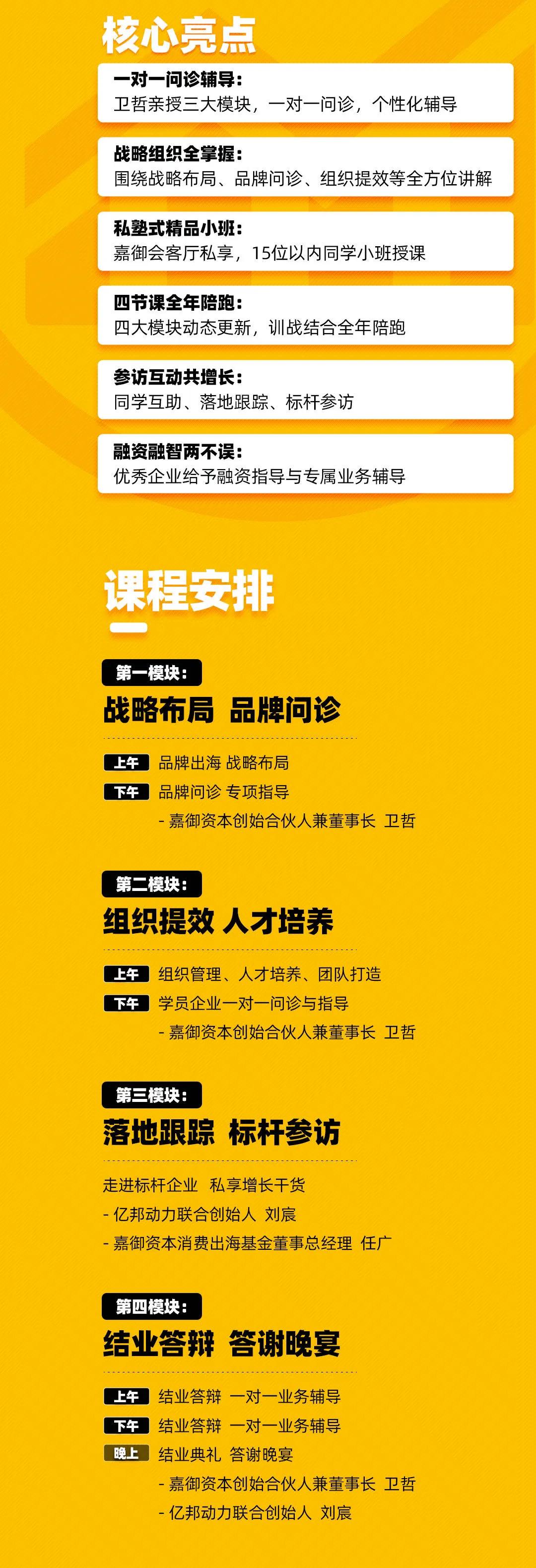
优质课程马不停蹄,亿邦动力&嘉御资本联合出品的嘉御资本增长实验室【跨境出海班第三期】,定档6月27日开班!


嘉御资本董事长卫哲亲授、亿邦动力联合创始人刘宸全程陪读,切实帮助跨境出海品牌创始人做正确决策,四次课程覆盖全年,陪伴成长、一对一问诊指导、标杆游学、同学参访。


图片

图片

图片

图片

图片


详询马蹄社工作人员

图片


文章来源:马蹄社

广告
微信
朋友圈

FAQ回顾

添可品牌在全球主要市场的占有率如何?

添可品牌在亚马逊北美市场占有率超过60%,加拿大超过70%,欧洲站达40%-50%,澳大利亚市场几乎占据100%份额。去年黑五全球销售额达4亿人民币,同比增长100%。

添可品牌实现营销本土化的主要策略有哪些?

添可营销本土化三大策略:利用专业权威媒体测评影响购买决策;借助欧美大网红/KOL进行产品演示;重视UGC真实用户内容,根据不同文化节点定制促销方案。

添可如何与欧美线下零售商建立合作关系?

添可通过在亚马逊展示良好销量和价格稳定获得零售商关注,谈判时确保微盈或不亏本,通过设立当地仓库、售后团队和返修中心展示长期发展决心。

这么好看,分享一下?

朋友圈 分享

APP内打开

赞 +1
+1
微信好友 朋友圈 新浪微博 QQ空间
关闭
收藏成功
发送
/140 0