广告
加载中

成为极致“用户企业”! | 马蹄社×极氪游学

马蹄社 2024-05-20 11:36
马蹄社 2024/05/20 11:36

邦小白快读

EN
全文速览

本文是马蹄社游学极氪的干货分享,核心介绍了极氪打造极致用户企业的实操经验,干货内容如下:

1. 极氪核心定位是用户企业,用户不只是消费者,还是产品生产者,全链路推进用户共创,这种以用户价值为核心的体系是极氪难以超越的竞争壁垒。

2. 用户共创有具体可复制的实操方法:通过线上APP社区收集反馈,不定期在全国组织线下用户沟通会、开放日,邀请用户参与产品全流程,比如极氪5.0系统就把用户提的频率最高的10条建议全部落地。

3. 用户运营实操经验:极氪提出不要神话用户运营,用户运营只能是交易助推力,需要先打好产品、价格、口碑基础,针对车企用户运营的难题,提出了群体研究法验证运营效果,简单可落地。

极氪打造用户型品牌的全链路经验,对各行业品牌都有较高参考价值,核心干货如下:

1. 品牌定位:将用户企业作为核心定位,贯穿产品研发、营销、组织建设全链路,通过搭建多用户触点拉近品牌用户距离,构建体系化的用户价值竞争壁垒,这一壁垒难以被对手单一模仿超越。

2. 产品研发:抓住新能源车软件可迭代的特性,将产品定义权交给用户,让用户全程参与产品定义、设计、研发、迭代,通过线上线下结合收集用户需求,快速落地高频用户建议,持续优化用户体验。

3. 用户运营:总结了车企用户运营和互联网的差异,提出针对复杂高价产品的运营方法,明确用户运营的定位是助推而非核心。

4. 组织支撑:打破传统层级结构,搭建去中心化的用户型组织,下放高层权限,支撑用户共创落地。

极氪作为成立仅三年的新品牌,其发展经验给新品牌卖家提供了很多可借鉴的内容,核心干货如下:

1. 差异化增长机会:新能源产品具有软件持续迭代的特性,新品牌可以抓住品类特性,主打全链路用户共创,开辟差异化竞争路径,快速拉近和用户的距离,建立用户忠诚度。

2. 用户运营可学习方法:针对高价低频、转化链路长的产品,不要盲目照搬互联网用户运营方法,改用用户群体研究法验证运营效果,即确定运营链路后分已触达、未触达人群,对比两类人群的满意度、下单率等核心数据,验证有效后再扩大覆盖,解决了运营效果难测算的问题。

3. 风险提示:不要神话用户运营,用户运营只是促成交易的助推力,必须先打好产品、价格、口碑的基础,才能发挥用户运营的作用。

4. 组织调整启示:新品牌可以去中心化调整架构,下放权限,提升组织敏捷性,更快响应用户需求。

极氪的用户企业模式,给制造类工厂的产品升级、数字化转型带来了不少启示,核心干货如下:

1. 产品生产设计需求转变:以新能源车为代表的新一代智能产品,都具备类似手机的软件迭代属性,工厂需要转变传统一次性生产交付的思路,转为对产品全生命周期进行管理,持续根据用户反馈迭代优化产品,提升用户长期使用体验。

2. 商业机会:用户共创模式可以帮助工厂打造差异化竞争优势,工厂可以参考极氪的做法,开放产品研发设计环节,让用户参与进来,生产更贴合用户需求的产品,拉近品牌和用户的距离,建立难以超越的竞争壁垒。

3. 数字化和组织转型启示:极氪通过去中心化加数字化的方式推动企业发展,工厂转型过程中可以参考这种模式,打破传统层级架构,向下放权,让一线成为用户需求收集器,把用户变成产品创新的来源,提升组织对用户需求的响应速度。

本文分享了新能源汽车行业用户转型的痛点和成熟解决方案,对面向实体行业的服务商有较高参考价值,核心干货如下:

1. 行业发展趋势:当前新能源汽车行业正在整体向用户型企业转型,用户共创、用户全链路运营、用户型组织建设已经成为行业主流需求,相关服务需求会持续增长。

2. 客户核心痛点:传统车企转型用户运营遇到三大核心痛点,一是购车不属于冲动消费,很难界定不同渠道对转化的影响占比;二是汽车产品复杂,用户关注点分散,运营动作很难统一;三是转化链路长,很难监测运营链路各节点的变化,传统单用户研究法无法测算运营效果。

3. 已经验证的解决方案:极氪提出用用户群体研究法解决效果测算难题,确定运营链路触点后,将用户分为已触达和未触达两类,对比两类人群的满意度、净推荐值、下单率等核心数据,验证运营方法有效性后再扩围,同时提醒客户不要神话用户运营,需要先夯实产品价格口碑基础。

极氪的发展模式,给平台商明确了品牌需求,也提供了运营和招商的方向参考,核心干货如下:

1. 当前品牌对平台的需求:越来越多品牌开始探索用户共创模式,需要平台能够提供支撑用户全链路运营、支持线上线下联动收集用户反馈、多触点触达用户的工具和生态,帮助品牌落地用户共创模式。

2. 平台运营管理启示:平台给商家提供运营方案时,需要根据品类特性调整,对于高价低频、转化链路长的品类,不要照搬快消互联网的用户运营考核方式,可以推广极氪验证过的群体对比研究法,帮助商家合理测算运营效果。

3. 招商方向:像极氪这种主打用户共创、搭建了完整体系化能力的新品牌,拥有难以被超越的竞争壁垒,增长潜力大,属于优质的招商标的,平台可以重点对接这类走出差异化路径的新品牌。

4. 风险提示:平台推广用户运营概念时,要引导商家理性看待,明确用户运营只是助推力,核心还是产品、价格、口碑,避免商家盲目投入。

极氪探索的用户企业模式是当前汽车产业的重要新动向,为产业研究提供了优质样本,核心研究价值如下:

1. 产业新动向:新能源汽车因为软件可迭代的特性,正在从传统的卖一次性产品向全生命周期用户服务转型,用户企业、全链路用户共创成为新的产业发展方向,彻底区别于传统车企的运营逻辑。

2. 新商业模式总结:极氪打造了完整的以用户共创为核心的全新商业模式,该模式贯穿产品研发、用户运营、组织架构全链路,将用户同时定义为消费者和产品创新者,最终构建了体系化的竞争壁垒,对手单一环节模仿很难超越。

3. 组织创新的新探索:极氪打破了传统车企的层级组织结构,探索出了去中心化的用户型组织模式,通过权限下放结合数字化推动组织敏捷化,为传统制造企业的组织转型提供了新的研究样本。

4. 补充了复杂品类用户运营的理论实践,解决了高价复杂产品用户运营效果难测算的问题,丰富了用户运营的研究内容。

返回默认
声明:快读内容全程由AI生成,请注意甄别信息。如您发现问题,请发送邮件至 run@ebrun.com 。

我是 品牌商 卖家 工厂 服务商 平台商 研究者 帮我再读一遍。

Quick Summary

This article is a takeaway from马蹄社's visit to ZEEKR, focusing on the automaker's practical experience in building a customer-centric enterprise. Key insights are as follows:

1. ZEEKR's core positioning is to be a "user enterprise," where users are not only consumers but also product co-creators. It has rolled out full-lifecycle user co-creation across all business links, and this user-value-centric system forms ZEEKR's hard-to-replicate competitive moat.

2. User co-creation has replicable, concrete operating methods: collect feedback through its in-house online community app, hold regular offline user meetings and open house events across China, and invite users to participate in the full product development process. For example, ZEEKR implemented all of the 10 most frequently requested user suggestions in its 5.0 vehicle system update.

3. Key lessons for user operations: ZEEKR argues that user operations should not be overhyped. It is only a catalyst for business conversion, and must be built on a solid foundation of strong products, reasonable pricing, and positive word of mouth. It has also introduced a simple, actionable "group research method" to measure operation effectiveness, which addresses a core pain point for user operations in the auto industry.

ZEEKR's full-link experience in building a user-centric brand offers high reference value for brands across all industries. Key takeaways are as follows:

1. Brand positioning: "User enterprise" is its core positioning, embedded across product R&D, marketing and organizational building. By building multiple user touchpoints to close the gap between the brand and users, ZEEKR has built a systematic competitive moat centered on user value that competitors cannot surpass with isolated imitation.

2. Product R&D: Leveraging the software-iterable feature of new energy vehicles, ZEEKR delegates product definition power to users, inviting them to participate in the full process of product definition, design, R&D and iteration. It collects user demand through a combination of online and offline channels, quickly implements high-frequency user suggestions, and continuously optimizes user experience.

3. User operations: ZEEKR summarizes the differences between automotive user operations and internet user operations, proposes targeted operation methods for complex, high-priced products, and clarifies that user operations act as a booster rather than the core of business.

4. Organizational support: It breaks down traditional hierarchical structures, builds a decentralized user-centric organization, and delegates senior management authority to support the implementation of user co-creation.

As a new brand founded only three years ago, ZEEKR's growth experience offers many actionable lessons for emerging brand sellers. Key takeaways are as follows:

1. Differentiated growth opportunities: New energy products have the feature of continuous software iteration. New brands can leverage this category characteristic to build full-link user co-creation as their core selling point, open up a differentiated competitive path, quickly close the distance with users, and build customer loyalty.

2. Actionable lessons for user operations: For high-price, low-frequency products with long conversion funnels, brands should not blindly copy internet user operation methods. Instead, they can adopt ZEEKR's user group research method to measure operation effectiveness: after defining the operation funnel, split users into reached and unreached groups, and compare core metrics such as satisfaction and conversion rate between the two groups. Only scale the operation after it is verified effective, which solves the problem of difficulty in measuring operation effect.

3. Risk reminder: Do not overhype user operations. It is only a booster for transaction conversion, and can only work effectively when built on a solid foundation of strong products, reasonable pricing and positive word of mouth.

4. Organizational adjustment insights: New brands can adjust their structure to be more decentralized, delegate authority, improve organizational agility, and respond to user demand faster.

ZEEKR's user enterprise model offers many insights for product upgrading and digital transformation for manufacturing factories. Key takeaways are as follows:

1. Shift in product design and production demand: Next-generation smart products represented by new energy vehicles have software iteration capabilities similar to smartphones. Factories need to abandon the traditional mindset of one-time production and delivery, and shift to full-lifecycle product management, continuously iterating and optimizing products based on user feedback to improve long-term user experience.

2. New business opportunities: The user co-creation model can help factories build differentiated competitive advantages. Factories can follow ZEEKR's example to open up R&D and design links to users, involve users in the process, produce products that better fit user demand, close the gap between the brand and users, and build a hard-to-surpass competitive moat.

3. Insights for digital and organizational transformation: ZEEKR drives growth through a combination of decentralization and digitalization. Manufacturing factories can adopt this model in their own transformation: break down traditional hierarchical structures, delegate authority to frontline teams, turn frontline staff into collectors of user demand, and users into sources of product innovation, to improve the organization's response speed to user demand.

This article shares the pain points and proven solutions of user-centric transformation in the new energy vehicle industry, offering high reference value for service providers serving the physical sector. Key takeaways are as follows:

1. Industry development trend: The entire new energy vehicle industry is currently transforming into user-centric enterprises. User co-creation, full-link user operations and user-centric organizational building have become mainstream industry demands, and related service demand will continue to grow.

2. Core client pain points: Traditional automakers face three core pain points when transforming to user-centric operations. First, car purchase is not an impulse purchase, making it hard to quantify the conversion contribution of different channels. Second, auto products are complex with scattered user focus, making it hard to unify operation actions. Third, the conversion funnel is long, making it hard to track changes at each funnel node, and traditional single-user research methods cannot measure operation effectiveness.

3. Proven solutions: ZEEKR proposes the user group research method to solve the effect measurement problem: after defining the touchpoints in the operation funnel, split users into reached and unreached groups, compare core metrics including satisfaction, net promoter score (NPS) and conversion rate between the two groups, and only scale the operation after verifying its effectiveness. It also reminds clients not to overhype user operations, and to first solidify the foundation of product, pricing and word of mouth.

ZEEKR's growth model clarifies brand demand for platforms and provides reference for operation and investment sourcing directions. Key takeaways are as follows:

1. Current brand demand for platforms: More and more brands are exploring the user co-creation model, and require platforms to provide tools and ecosystems that support full-link user operations, online-offline integration for user feedback collection, and multi-touchpoint user engagement, to help brands implement their user co-creation strategies.

2. Insights for platform operation management: When platforms provide operation solutions to merchants, they need to adjust approaches based on category characteristics. For high-price, low-frequency categories with long conversion funnels, platforms should not copy the user operation assessment methods for fast-moving consumer goods and internet businesses. Instead, they can promote ZEEKR's proven group comparison research method to help merchants reasonably measure operation effectiveness.

3. Investment sourcing direction: New brands like ZEEKR, which focus on user co-creation and have built complete systematic capabilities, hold hard-to-surpass competitive moats and strong growth potential, making them high-quality acquisition targets. Platforms should prioritize connecting with these differentiated new brands.

4. Risk reminder: When platforms promote the user operation concept, they should guide merchants to take a rational view: clarify that user operations are only a booster, and the core of business is still product, pricing and word of mouth, to prevent merchants from blind investment.

ZEEKR's exploration of the user enterprise model is an important new trend in the current automotive industry, providing a high-quality research sample for industrial research. Core research value is as follows:

1. New industrial trend: Thanks to the software-iterable feature of new energy vehicles, the industry is shifting from selling one-off products to providing full-lifecycle user services. User enterprise and full-link user co-creation have become a new industrial development direction, completely different from the operation logic of traditional automakers.

2. Summary of a new business model: ZEEKR has built a complete new business model centered on user co-creation, which runs through product R&D, user operations and organizational architecture. It defines users as both consumers and product innovators, and ultimately builds a systematic competitive moat that cannot be surpassed by competitors' imitation of isolated links.

3. New exploration of organizational innovation: ZEEKR broke the traditional hierarchical organizational structure of traditional automakers, explored a decentralized user-centric organizational model, and drove organizational agility through authority delegation combined with digitalization, providing a new research sample for organizational transformation of traditional manufacturing enterprises.

4. It supplements theoretical and practical research on user operations for complex categories, solves the problem of difficulty in measuring user operation effectiveness for high-price complex products, and enriches the research content of user operations.

Disclaimer: The "Quick Summary" content is entirely generated by AI. Please exercise discretion when interpreting the information. For issues or corrections, please email run@ebrun.com .

I am a Brand Seller Factory Service Provider Marketplace Seller Researcher Read it again.

图片

成为真正的“用户企业”,是极氪最重要的企业定位之一。在极氪,用户不仅是消费者,同时也是产品的生产者。一切与用户共创、一切与用户分享,用户的认知与建议也成为了极氪不断打造用户型产品的动力。


“用户企业”的定位贯穿了极氪整个运营模式,包含组织产品、营销等方方面面,一是对产品的生命周期进行管理,二是对于用户全场景的覆盖。通过持续搭建更多的用户触点,极氪成功拉近了品牌与用户的距离。


系统思维下实打实的用户价值,这个易被忽略的优势,正是极氪品牌真正强大且难以被超越的竞争壁垒。


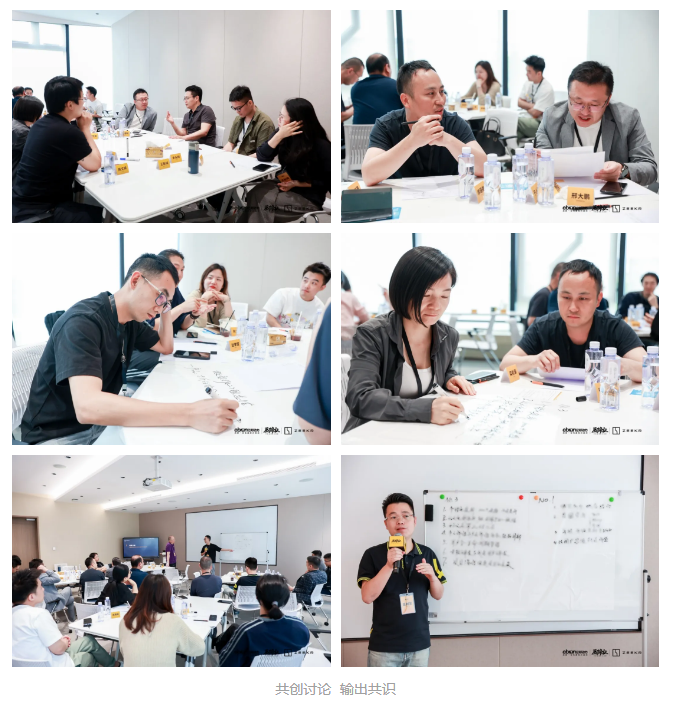
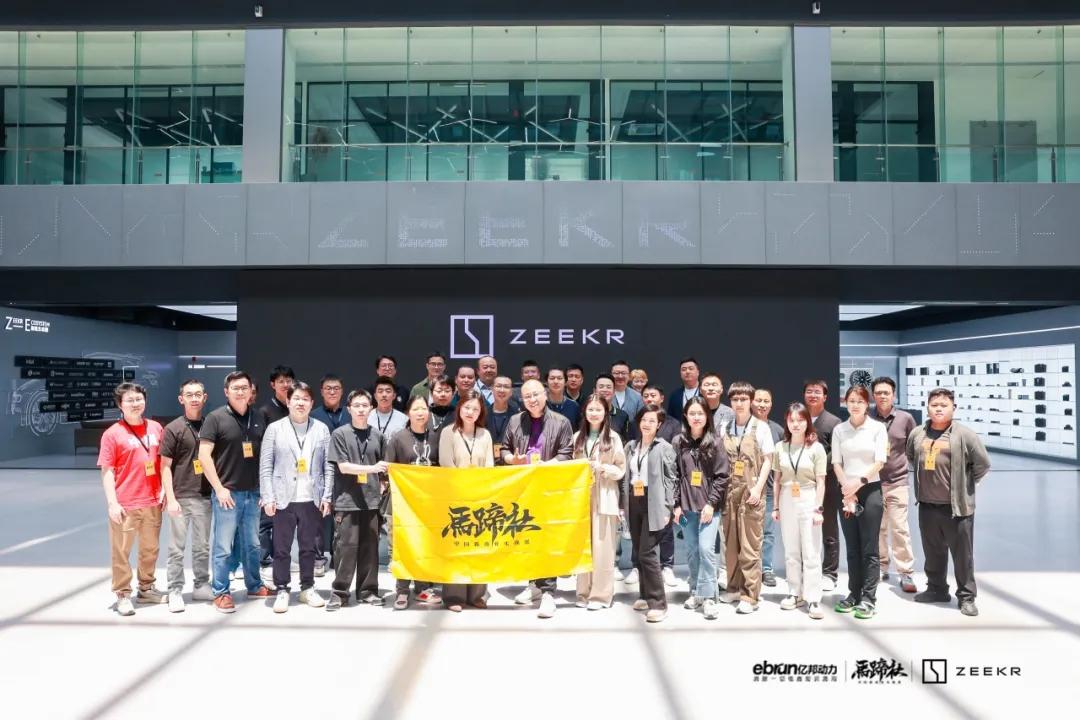
5月15日,马蹄社走进极氪,探寻品牌新竞争力,重新定义极致用户企业!


图片

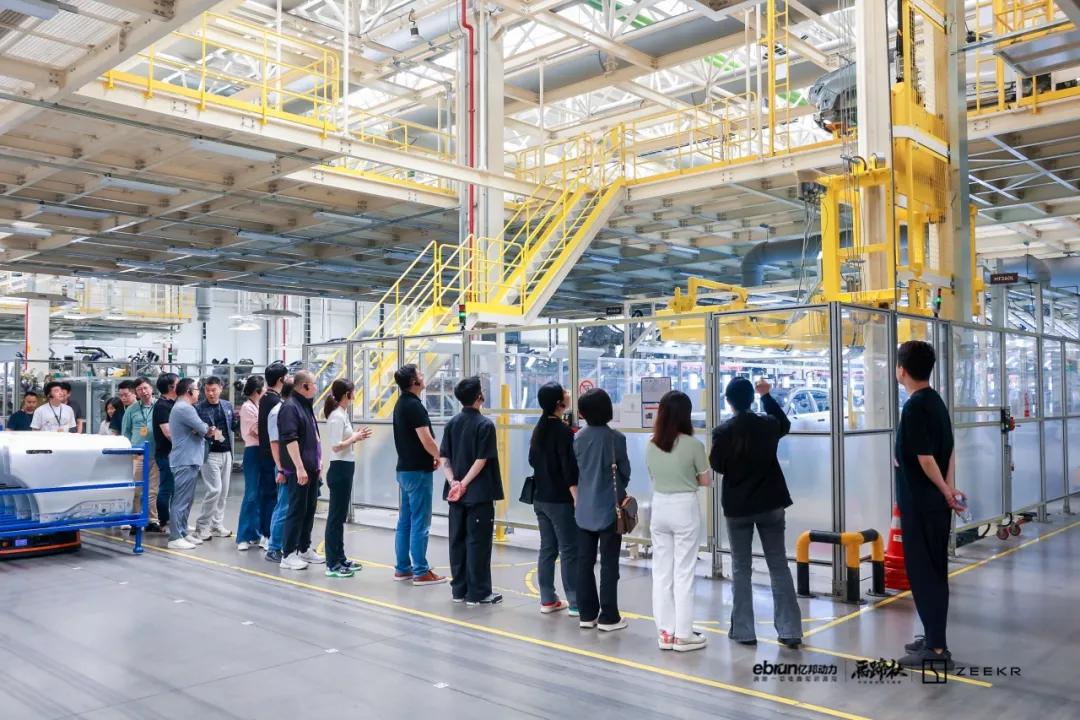
参观极氪智慧工厂


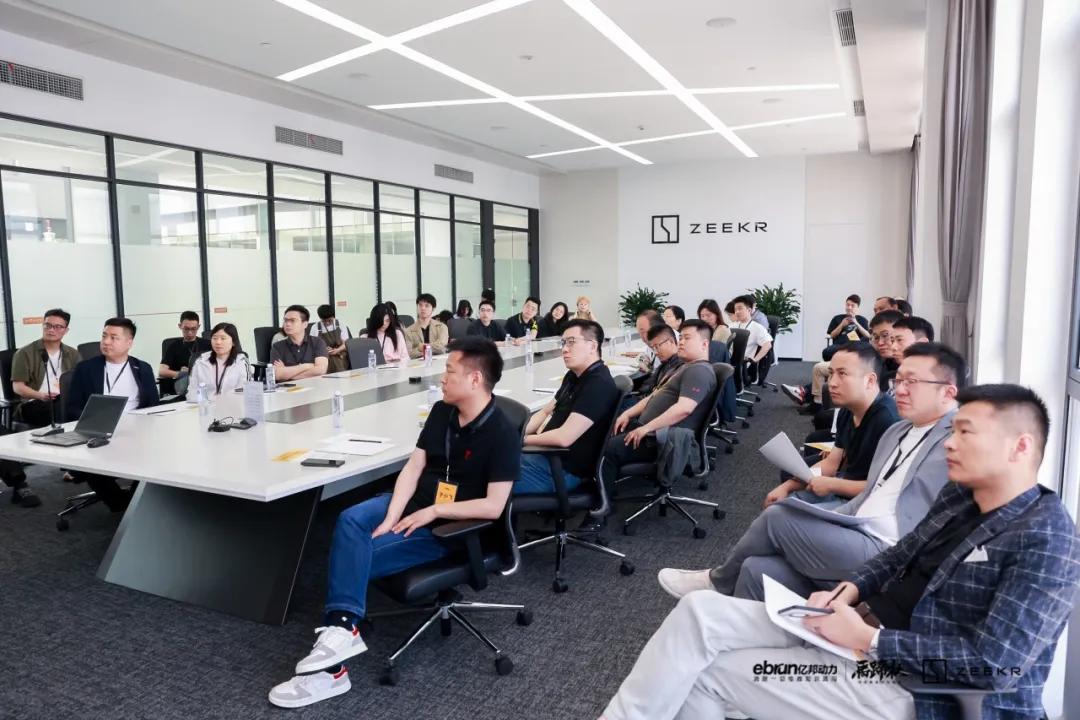
马蹄社课程为闭门私密共创研学,每节课程全体同学均会签署课程内容《保密协议》,因此以下内容仅呈现已公开观点,不涉及马蹄社课程现场具有保密属性的核心内容。


01

用户共创


极氪始终将共创生态作为品牌发展的战略核心,秉承“用户型企业”的理念,以“共创极致体验的出行生活”为使命,从产品创新、用户体验创新到商业模式创新,致力于为用户带来极致的出行体验。


在马蹄社游学课的分享中能够感受到,“极氪”与“用户”是紧密捆绑在一起的。


与传统油车相比,新能源车最大特点在于它就像手机一样,会有系统的升级和软件的迭代。在这个过程中,极氪始终坚持让用户直接参与产品定义、设计、研发与落地的全过程,把定义好车的权利交给用户。同时,不断根据用户的使用反馈来做更新升级,让用户的使用体验越来越好,车子越开越趁手。


极氪相关负责人提到,除了通过APP线上社区收集用户反馈,极氪也会不定期在全国范围内组织线下的用户沟通会,倾听用户的真实想法。比如在设计5.0系统时,极氪组织了多次用户开放日活动,邀请用户与极氪团队一起共创。最终,来自用户最高频的前10条建议,全部在ZEEKR OS 5.0上实现了。


02

用户运营


极氪成立至今仅有三年时间,对于这样一个全新的品牌来说,无论是在产品上还是在品牌上,都是需要不断面向市场去做消费者教育工作的,在这个时期,如果能把用户运营做好,将会事半功倍。


图片


但车企的用户运营又与互联网行业的用户运营有所不同,极氪用户运营负责人表示,即便车企能够模仿互联网行业去做用户的拉新、留存、活跃,但转化环节却很难达到与其相当的水平。主要原因有三点:

1.买车很少存在冲动消费,因此每一单都很难界定到底是出于哪个渠道的影响,也无法测算每个影响因子的占比;

2.汽车类产品本身比较复杂,用户关注的点多而分散,因此用户运营的动作也很难统一;

3.从触达用户到促成交易行为的链路长,很难监测运营链路具体节点上的变化。


显然,在汽车这个品类中,促成消费者交易行为的影响因素及占比是非常复杂的,因此很难根据单一用户去做消费者研究并测算用户运营的效果。


对此,极氪的建议是进行用户群体研究。


例如,在确定了某个运营链路和用户触点之后,将人群分为“已触达”和“未触达”两类,然后对这两类人群的品牌满意度、净推荐值、下单率、下单周期等进行分析,如果“已触达”人群呈现出了向好的趋势,就证明了这种用户运营方法的有效性,接下来,就会扩大该运营方式所覆盖的人群。


虽然极氪的用户运营已经成为行业标杆,但极氪人却认为“不应神话用户运营”,而是应在产品、价格、口碑都已经具备的前提下,让用户运营成为最终促成交易的助推力。


03

用户型组织


在极氪,“与用户共创”从来都不仅仅是一句口号,它已经渗透到从产品、营销到组织的方方面面。


作为“用户型组织”,极氪打破了传统车企原有的组织结构,强调去中心化的架构,高层权限下放,并且从“管理者”转变为“组织者”、“决策者”,组建起全新的具备创新力、敏捷性的高效团队。此时,企业一线的角色是“收集器”,而用户则变身为“创新者”。


图片


极氪CEO安聪慧曾表示:“极氪想有竞争力、有影响力,需要和一些成功的科技公司对标学习,同时又要把吉利体系里优秀资源合理利用。我们怎么样能够围绕使命、价值观、文化去做也很重要。现在的组织架构是去中心化的,和其它的一些企业在组织上有区别。当然,我们也在探索如何做得更好,未来也会不断变化,通过去中心化、数字化来推动企业的发展。”


就像此前某汽车行业媒体的评论:极氪的长板,不是单一技术或产品点,而是整个体系能力,这意味着别人只能单点击破的同时极氪能实现全面的突破,进而重塑标准。


花絮瞬间


图片

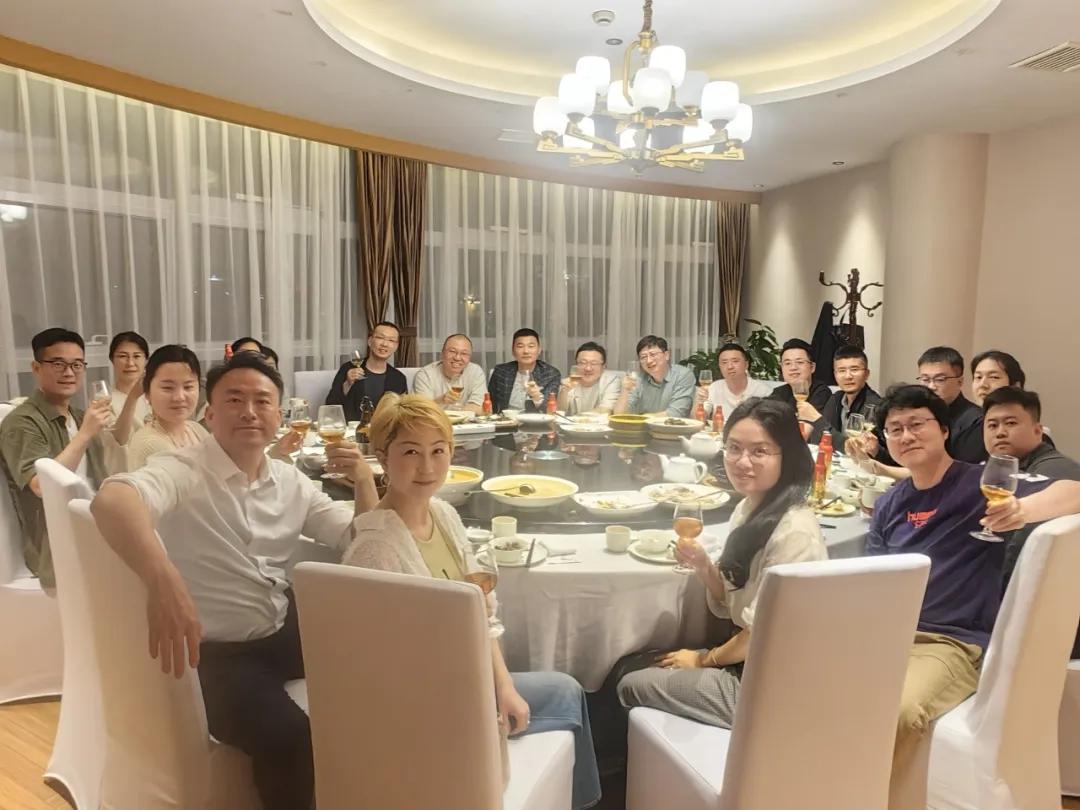
马蹄夜话

私密交流 意犹未尽


图片

课堂干货多多


马蹄社本期参会同学

(A-Z首字母排序)


图片

宾雍建 务本WUBEN 国内负责人     

曹月芬 思柏润 总经理     

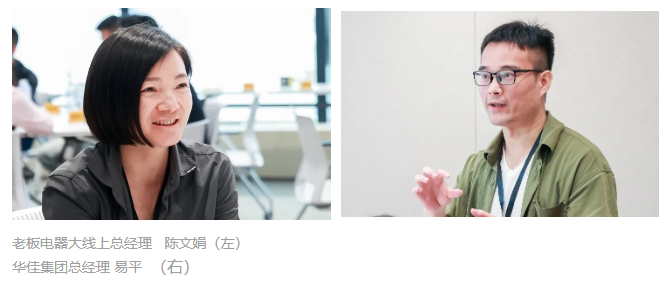
陈文娟 老板电器 大线上总经理     

邓    旭 华熙当康 集团副总     

葛树军 南泰家纺/领豚 服装事业部总经理     

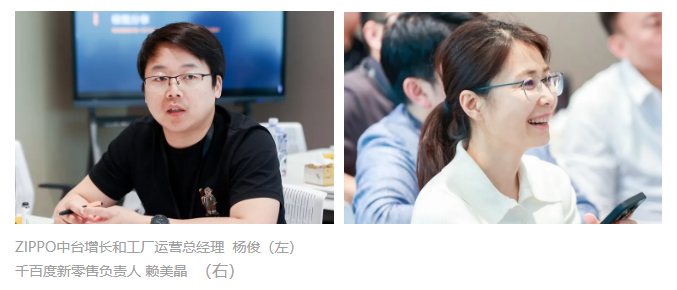
韩宝强 ZIPPO 生产运营总经理     

黄伶禎 龙婴本铺 品牌主理人     

黄    勇 重力星球 创始人     

孔    珍 SKG 副总裁     

赖美晶 千百度 新零售负责人     

赖哲铭 正大文化用品 总经理     

李    涛 方太 米博总经理     

梁松豪 NOFA 产品中心负责人     

廖文嘉 杨协成 商务总经理     

刘升东 伯俊科技 副总裁     

马瑞丰 分众传媒 联合合伙人     

马    欣 端点绝缘材料 副总经理     

肉    肉  正大文化用品 副总经理     

史永刚 青岛啤酒 创新营销部副总经理     

王    晟 麦吉丽 海外事业部&市场管控部负责人     

王耿纯 南泰家纺/领豚 电商负责人     

王    歆 雅戈尔 CIO     

蔚    馨 码尚定制MatchU 联合创始人兼CEO

温    迪 端点绝缘材料 营销负责人     

邢大鹏 希箭智能卫浴 合伙人     

徐瑶姚 挪客Naturehike 副总     

杨    俊 ZIPPO 中台增长和工厂运营总经理     

杨    坡 南晴女装 创始人兼CEO     

叶    根 膜小二 创始人&CEO     

易    平 华佳集团 总经理     

于小飞 坦博尔 VP     

曾益乾 一知智能 副总裁     

张炳岩 希箭智能卫浴 合伙人     

张金京 方太 米博产品负责人     

赵举堂 坦博尔 渠道负责人     

周    峰 斯莫格SmallRig 联合创始人     


优质课程 马不停蹄,6月6日,亿邦动力马蹄社走进Tineco添可,围绕Tineco添可全球化历程,聚焦海外渠道、营销本土化、国际电商增长等实践经验展开闭门研学交流。


图片


新会员入会申请 

详询马蹄社工作人员

图片


文章来源:马蹄社

广告
微信
朋友圈

FAQ回顾

极氪如何实现用户共创?

极氪通过APP社区收集反馈、组织线下沟通会,让用户参与产品定义到落地的全过程。例如ZEEKR OS 5.0系统开发时,用户提出的前10条高频建议全部被采纳实现。

极氪用户运营有哪些独特方法?

极氪采用用户群体研究法,将人群分为'已触达'和'未触达'两组,通过对比品牌满意度、下单率等数据验证运营效果,避免单一用户研究的局限性。

极氪用户型组织架构有何特点?

极氪采用去中心化组织架构,高层权限下放,管理者转变为组织者。一线员工作为'收集器'收集用户反馈,用户则成为'创新者'直接参与产品优化。

这么好看,分享一下?

朋友圈 分享

APP内打开

赞 +1
+1
微信好友 朋友圈 新浪微博 QQ空间
关闭
收藏成功
发送
/140 0