广告
加载中

“潮起钱塘”第7届全球跨境电商峰会开幕 从杭州眺望世界

亿邦动力 2023-06-11 16:28
亿邦动力 2023/06/11 16:28

邦小白快读

EN
全文速览

本文介绍了第七届“潮起钱塘”全球跨境电商峰会的核心信息,同时整理了峰会分享的跨境出海多维度实操干货。

1. 峰会基础信息:6月11日在杭州开幕,和中国国际丝绸博览会、亚洲消费季等多个展会同期举办,主题为“高质量与全球化”,核心探讨中国跨境电商品牌化、外贸制造数字化、创新拓展全球市场等热点话题。

2. 行业共识与实操干货:行业已经从单纯卖货转向品牌溢价,从外贸生产加工转向数字供应链整体服务,数字技术、品牌附加值是未来发展核心动力。峰会分享了多个维度实操经验,涵盖爆品选品打造、垂直领域品牌建设、高效数字供应链搭建、AI设计赋能营销、全球KOL引流增长等,都是经过市场检验的实战经验。

本次峰会传递了跨境品牌出海的最新行业趋势,也分享了全链路品牌建设的实操经验,对出海品牌商具备较高参考价值。

1. 趋势与环境层面:当前RCEP等多个国际自贸协定落地,全球最大自由贸易区全面启航,为中国品牌出海打开了广阔的市场空间,目前国内已有超10万家跨境电商主体、超20万个独立站,行业整体从卖货转向品牌化发展,品牌溢价是未来的核心利润增长点。

2. 实操经验层面:峰会分享了从选品定位、供应链打造到营销赋能的全链路经验,既有爆品出海、垂直品类深耕打造全球化品牌的案例,也有AI优化视觉传播、全球KOL营销实现业绩增长的落地方法,还有数字供应链赋能品牌的路径。

3. 资源层面:杭州出台了品牌出海的培育、生态优化相关扶持政策,还揭牌了全球跨境电商DTC品牌创新中心,品牌商可对接相关生态资源。

本次峰会释放了跨境电商出海的政策信号、市场机会,也分享了大量可落地借鉴的实战经验,能够给各类出海卖家提供清晰的行动参考。

1. 政策与机会层面:国家坚定支持双循环发展格局,多个新自贸协定落地推进,为中国卖家出海打开广阔增长空间,杭州作为跨境电商综试区,出台了品牌出海主体培育、模式创新、生态优化的系列扶持政策,还提出了2023年明确的行业发展目标,卖家可享受相关政策红利。

2. 市场层面:峰会专门设置新兴市场分论坛,分享了潜力新兴市场的挖掘方法,为卖家拓展新蓝海提供了参考。

3. 经营启示:当前行业已经转向品牌化发展,卖家需要及时调整经营方向,从单纯走量卖货转向打造自有品牌、布局数字供应链,同时可借鉴峰会分享的爆品打造、垂直品牌建设、AI营销、KOL引流等成熟打法,提升自身竞争力。

本次峰会围绕外贸制造数字化转型、品牌出海分享了明确方向和实战经验,给传统制造工厂出海转型带来很多启示和商业机会。

1. 转型方向层面:当前外贸制造需要推进数字化嬗变,依托跨境电商从单纯代工生产转向打造自有出海品牌,依托中国制造业根基,打造能够抓住全球消费者需求的高附加值品牌,从加工利润转向品牌溢价,是未来工厂升级的核心方向。

2. 商业机会层面:当前国际自贸合作不断深化,全球市场空间持续拓宽,本次峰会上揭牌了全球跨境电商DTC品牌创新中心,落地了省商务厅和平台的战略合作以及多个重点项目,还搭建了产业带对接全球市场的渠道,工厂可对接相关平台资源,抓住产业带出海的新机遇。

3. 转型启示:工厂可优先打造高效数字供应链提升流通效率,产品设计贴近全球消费者需求,依托数字技术优化生产流通全链路,逐步实现从代工到自有品牌的升级,获得更高的利润空间。

本次峰会明确了跨境电商行业的最新发展趋势,梳理了出海客户的核心痛点,也分享了多种成熟的解决方案,对各类跨境服务商具备较高参考价值。

1. 行业发展趋势:当前跨境电商已经从单纯的交易卖货转向全链路品牌化服务,围绕品牌出海诞生了大量专业服务需求,数字技术、供应链、营销、支付、设计等多个领域都有广阔的市场空间,目前行业已经培育出丰富的跨境电商服务业,未来市场规模还会持续增长。

2. 客户核心痛点:中国工厂、新出海品牌在出海过程中,普遍面临供应链效率偏低、品牌定位不清晰、海外获客成本高、品牌影响力不足等痛点,亟需专业服务商提供针对性的解决方案。

3. 可借鉴的解决方案:目前行业已经诞生了多个领域的成熟方案,包括高效数字供应链赋能方案、AI在线设计+视觉传播方案、全球KOL营销业绩增长方案、跨境支付服务方案等,服务商可借鉴这些成熟模式,优化自身服务体系,更好匹配客户需求。

本次峰会释放了跨境商家对平台的核心需求,展示了地方和平台的最新运营做法,给各类跨境平台带来了多维度的发展参考。

1. 商家核心需求:当前商家已经从单纯追求出货量转向追求品牌化、高质量出海,不再满足于基础的交易功能,需要平台提供从供应链数字化到品牌营销引流的全链路支持,不同规模的商家都有对接地方产业资源、拓展新兴市场的需求。

2. 行业最新做法:本次峰会上杭州搭建了全球跨境电商DTC品牌创新中心,出台了品牌出海主体培育政策,推进跨境生态和地方产业深度结合,落地了多个重点合作项目,还通过表彰优秀企业、发布行业榜单的方式培育优质商家,淘天集团和地方商务部门达成战略合作,共同推进产业带企业出海,亚马逊、美客多等平台也分享了自身服务商家出海的经验。

3. 发展方向参考:平台可深化和地方政府、产业带的合作,对接工厂资源,加大对品牌出海商家的扶持,围绕商家品牌化转型的需求优化服务体系,提前布局新兴市场挖掘新的增长机会。

本次峰会呈现了当前中国跨境电商产业的最新动向,探讨了新的发展模式和政策方向,对产业研究者具备很高的研究价值。

1. 产业新动向:当前中国跨境电商已经进入高质量全球化发展的新阶段,产业整体从单纯卖货转向品牌化运营,从外贸加工转向数字供应链全链路服务,数字技术、品牌附加值等知识创新已经成为引领产业高质量发展的核心动力,RCEP等国际合作的深化给产业带来了新的增长空间。

2. 商业模式创新:本次峰会展现了DTC品牌出海、数字供应链赋能、AI+跨境营销等多种新商业模式,跨境电商已经成为带动“一带一路”产业升级的重要力量,形成了地方产业带+跨境平台+专业服务商协同出海的新产业生态。

3. 政策研究参考:杭州作为国内首个跨境电商综试区,探索出了通过搭建行业峰会平台、培育专业创新中心、出台专项扶持政策、培育示范主体推动行业发展的路径,杭州还提出了2023年跨境电商进出口额突破1400亿元、规模2000万以上企业破千家的发展目标,为研究行业增长提供了清晰的数据参考。

返回默认

声明:快读内容全程由AI生成,请注意甄别信息。如您发现问题,请发送邮件至 run@ebrun.com 。

我是 品牌商 卖家 工厂 服务商 平台商 研究者 帮我再读一遍。

Quick Summary

This article outlines core takeaways from the 7th "Rising Qiantang" Global Cross-Border E-Commerce Summit, and compiles multi-dimensional practical insights for cross-border expansion shared at the event.

1. Basic event information: The summit opened in Hangzhou on June 11, held concurrently with the China International Silk Expo and Asian Consumption Season. Under the theme "High-Quality Development and Globalization", it focused on hot topics including branding of Chinese cross-border e-commerce, digital transformation of foreign trade manufacturing, and innovative expansion into global markets.

2. Industry consensus and practical insights: The industry has shifted from pure product sales to building brand premium, and from original equipment manufacturing to end-to-end digital supply chain services. Digital technology and brand value-add are identified as the core growth drivers for the future. The summit shared market-tested practical experience across multiple dimensions, ranging from hit product development, vertical brand building, efficient digital supply chain setup, AI-powered design for marketing, to global KOL-driven growth.

This summit outlined the latest industry trends for cross-border brand expansion and shared end-to-end practical experience in brand building, offering high reference value for Chinese brands going global.

1. Trend and market environment: The entry into force of multiple free trade agreements including RCEP has launched the world's largest free trade zone, opening up vast market opportunities for Chinese brands. Currently, China has more than 100,000 cross-border e-commerce entities and over 200,000 independent sites. The industry as a whole is shifting from pure sales to brand-focused development, with brand premium set to become the core source of profit growth going forward.

2. Practical experience: The summit shared end-to-end experience covering product positioning, supply chain development and marketing enablement. It featured case studies of hit product expansion and deep cultivation of vertical categories to build global brands, as well as actionable tactics for growth including AI-powered visual optimization and global KOL marketing, plus pathways for brands to leverage digital supply chain enablement.

3. Resource access: Hangzhou has introduced supporting policies for brand expansion cultivation and ecosystem optimization, and inaugurated the Global Cross-Border E-Commerce DTC Brand Innovation Center, where brands can access a full range of ecosystem resources.

This summit released policy signals and market opportunities for cross-border e-commerce expansion, and shared a large volume of actionable practical insights, providing clear guidance for cross-border sellers of all types.

1. Policy and opportunities: China remains committed to the dual-cycle development paradigm, and multiple new free trade agreements have entered into force, opening up significant room for growth for Chinese sellers. As China's leading cross-border e-commerce comprehensive pilot zone, Hangzhou has rolled out a series of supporting policies for brand expansion cultivation, business model innovation and ecosystem optimization, and set clear industry development targets for 2023. Sellers can tap into these policy dividends.

2. Market opportunities: The summit hosted a dedicated sub-forum on emerging markets, sharing methods to identify high-potential new markets to help sellers tap into new blue-ocean opportunities.

3. Operational insights: The industry is now shifting toward brand-focused development. Sellers need to adjust their strategies in a timely manner: shifting from pure volume-driven sales to building proprietary brands and deploying digital supply chains, while adopting proven tactics shared at the summit including hit product development, vertical brand building, AI marketing and KOL-driven customer acquisition to boost competitiveness.

Focused on digital transformation of foreign trade manufacturing and cross-border brand expansion, this summit outlined clear strategic directions and shared practical experience, bringing valuable insights and business opportunities for traditional manufacturing factories looking to transform and expand overseas.

1. Transformation direction: Foreign trade manufacturers need to pursue digital transformation. Leveraging cross-border e-commerce, they should shift from pure OEM manufacturing to building proprietary global brands. Drawing on China's strong manufacturing foundation, factories can build high-value-added brands that align with global consumer demand, shifting from processing margins to brand premium as the core direction for future upgrading.

2. Business opportunities: International free trade cooperation continues to deepen, expanding access to global markets. At the summit, the Global Cross-Border E-Commerce DTC Brand Innovation Center was inaugurated, strategic cooperation between the provincial Department of Commerce and industry platforms was launched alongside multiple key projects, and new channels were established to connect local industrial belts with global markets. Factories can access platform and ecosystem resources to capitalize on new opportunities for industrial belt expansion.

3. Transformation insights: Factories can prioritize building efficient digital supply chains to improve circulation efficiency, align product design with global consumer needs, and optimize the entire production and circulation workflow via digital technology, to gradually upgrade from OEM to proprietary branding and capture higher profit margins.

This summit clarified the latest development trends of the cross-border e-commerce industry, mapped out core pain points for brands expanding overseas, and shared multiple mature solutions, offering high reference value for cross-border service providers of all types.

1. Industry trends: Cross-border e-commerce has shifted from pure transactional sales to end-to-end brand-focused services. The rise of brand globalisation has driven strong demand for specialised services, creating vast market opportunities across digital technology, supply chain, marketing, payment, design and other segments. A mature cross-border e-commerce service sector has already taken shape, and its market size will continue to grow going forward.

2. Core client pain points: Chinese factories and new cross-border brands commonly face pain points including low supply chain efficiency, unclear brand positioning, high customer acquisition costs overseas, and limited brand influence, creating strong demand for targeted solutions from professional service providers.

3. Actionable solutions: Mature solutions have emerged across multiple segments, including enablement solutions for efficient digital supply chains, AI-powered online design and visual communication, global KOL marketing for growth, and cross-border payment services. Service providers can draw on these proven models to optimise their own service offerings and better match client demand.

This summit outlined core demands from cross-border merchants for platform services, showcased the latest operational practices from local governments and platforms, and provided multi-dimensional development insights for cross-border platforms of all types.

1. Core merchant demands: Merchants now prioritize brand building and high-quality expansion over pure sales volume. They are no longer satisfied with basic transaction functions, and require end-to-end support from platforms ranging from supply chain digitalization to brand marketing and customer acquisition. Merchants of all sizes also have demand for accessing local industrial resources and expanding into emerging markets.

2. Latest industry practices: At the summit, Hangzhou launched the Global Cross-Border E-Commerce DTC Brand Innovation Center, introduced policies for cultivating cross-border brands, deepened integration between the cross-border ecosystem and local industries, and launched multiple key cooperation projects. It also nurtured high-quality merchants through awards and industry rankings. Alibaba Group's Taobao and Tmall Group struck a strategic partnership with local commerce authorities to support industrial belt enterprises expanding overseas, while platforms including Amazon and Mercado Libre shared their own experience in serving merchants going global.

3. Development guidance: Platforms can deepen cooperation with local governments and industrial belts to connect with factory resources, step up support for brands going global, optimize service systems to meet merchants' demand for brand transformation, and pre-position布局 in emerging markets to unlock new growth opportunities.

This summit presented the latest developments in China's cross-border e-commerce industry, explored new development models and policy directions, and offers high research value for industry analysts.

1. New industry trends: China's cross-border e-commerce has entered a new stage of high-quality globalized development. The industry as a whole has shifted from pure product sales to brand-focused operations, and from foreign trade processing to end-to-end digital supply chain services. Knowledge-based innovation including digital technology and brand value-add has become the core driver of high-quality industry growth. Deepening international cooperation such as RCEP has also opened up new room for industrial growth.

2. Innovative business models: The summit showcased multiple new business models including DTC brand expansion, digital supply chain enablement, and AI-powered cross-border marketing. Cross-border e-commerce has become a key driver of industrial upgrading along the Belt and Road, forming a new industry ecosystem of coordinated expansion featuring local industrial belts, cross-border platforms and professional service providers.

3. Insights for policy research: As China's first cross-border e-commerce comprehensive pilot zone, Hangzhou has explored a clear development pathway: hosting industry summits, incubating professional innovation centers, rolling out targeted supporting policies, and nurturing demonstration entities to drive industry growth. Hangzhou has also set clear 2023 targets: total cross-border e-commerce import and export volume exceeding 140 billion yuan, and more than 1,000 enterprises with annual cross-border transaction volume exceeding 20 million yuan, providing clear data references for industry growth research.

Disclaimer: The "Quick Summary" content is entirely generated by AI. Please exercise discretion when interpreting the information. For issues or corrections, please email run@ebrun.com .

I am a Brand Seller Factory Service Provider Marketplace Seller Researcher Read it again.

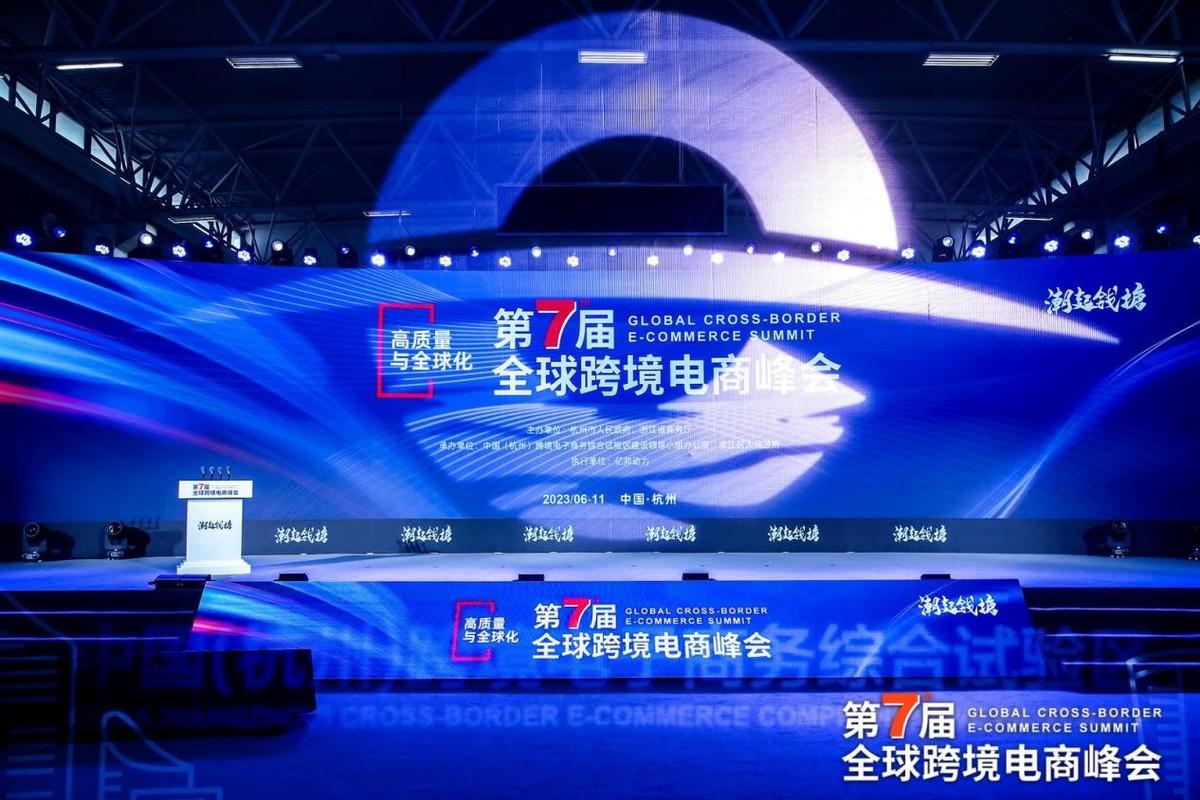
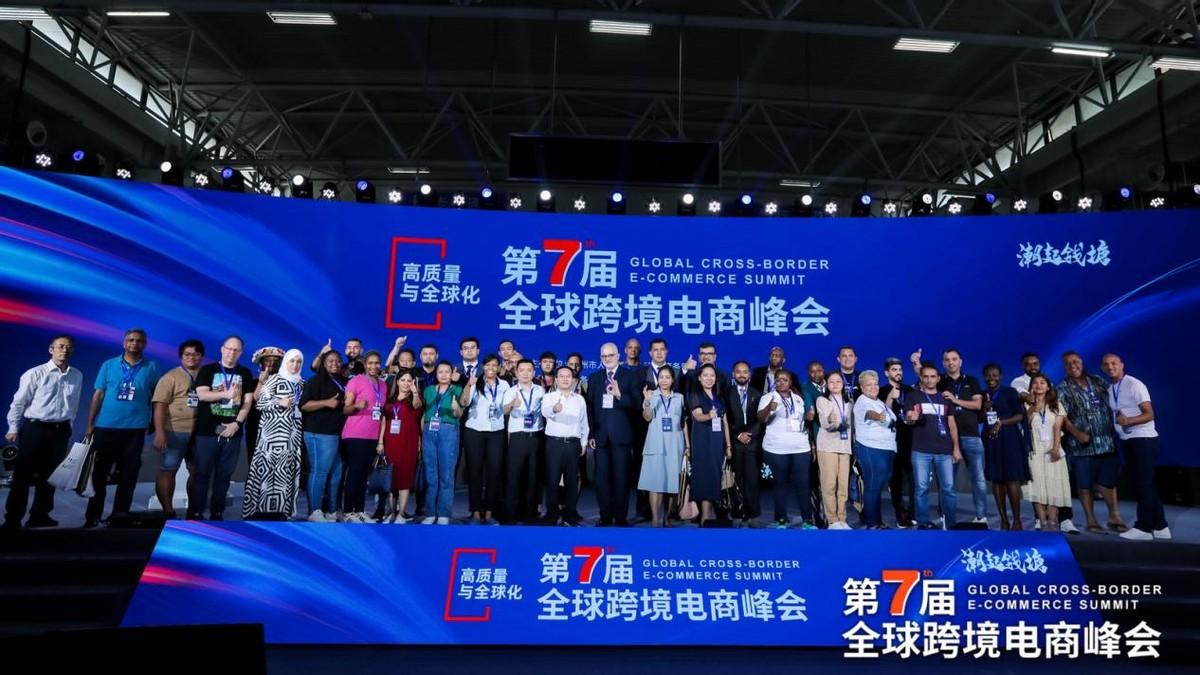
6月11日,“潮起钱塘”第七届全球跨境电商峰会于杭州开幕。峰会由杭州市人民政府、浙江省商务厅主办,杭州市商务局、中国(杭州)跨境电子商务综合试验区建设领导小组办公室、滨江区人民政府承办,亿邦动力执行。

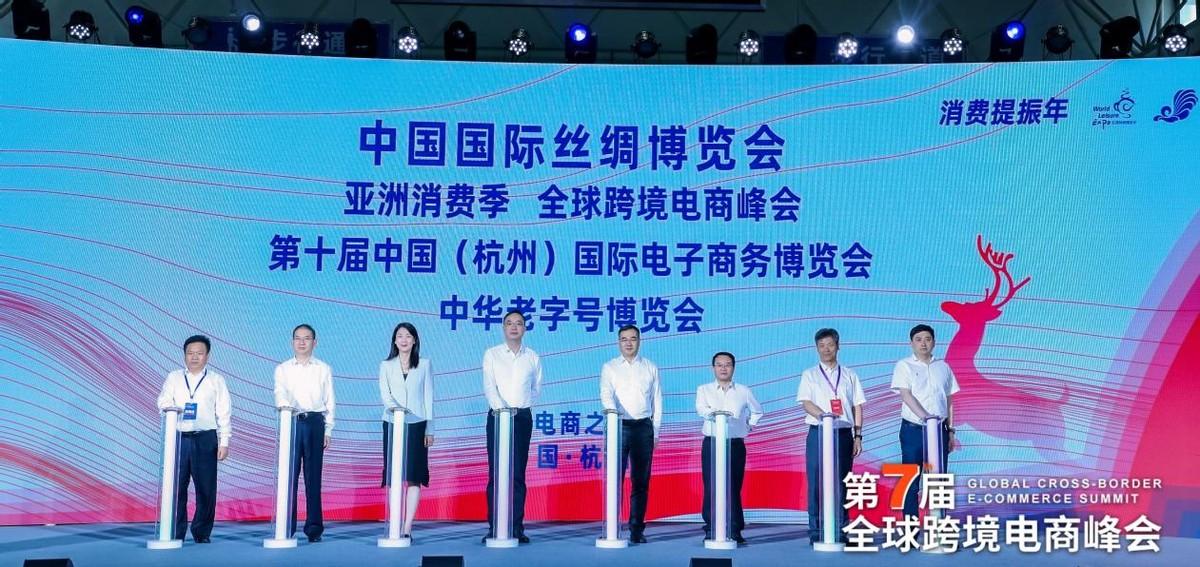
今年的第七届全球跨境电商峰会开幕式与中国国际丝绸博览会、亚洲消费季、第十届中国(杭州)电子商务博览会共同举办。

杭州市副市长孙旭东,商务部消费促进司副司长安宝军,商务部对外贸易司副司长肖露,浙江省商务厅副厅长张钱江,浙江省商务厅党组成员、总经济师朱军,浙江省经济和信息化厅总工程师李永伟,杭州市商务局局长王永芳、滨江区区长郑迪共同触摸光柱、启动中国国际丝绸博览会、亚洲消费季、第七届全球跨境电商峰会、第十届中国(杭州)电子商务博览会、中华老字号博览会开幕式。

杭州市副市长孙旭东表示,新时代新征程上,杭州希望通过高质量重塑西博会,高水平举办系列展会活动,以会带展、以展促销、展贸联动,积极构建畅通国内国际双循环的重要枢纽,当好推进“一号开放工程”的排头兵,打造“消费提振年”的强力引擎,加快打造国际会展之都、国际新型消费中心城市和新电商之都,集中展现新时代杭州开放型经济的新风采。

作为国内首个跨境电商综试区城市——杭州倾力打造的跨境电商行业盛会,本届峰会以“高质量与全球化”为主题,着重探讨了中国跨境电商迈向品牌化,外贸制造实现数字化,以创新方式拓展全球市场等热点话题。

第七届全球跨境电商峰会主论坛伊始,商务部对外贸易司副司长肖露、浙江省商务厅副厅长张钱江发表讲话,积极表达了政府坚定支持以国内大循环为主体、国内国际双循环相互促进新发展格局的开放理念。北马其顿加集巴巴大区议员Todor Petrov送上对中国与北马其顿经济交流的期待,并对峰会予以高度肯定。

2023年中之际,中国对外贸易再奏强音,随着《区域全面经济伙伴关系协定》(RCEP)对菲律宾正式生效,世界经贸规模最大、人口覆盖最多的自由贸易区全面启航。南美方面,中国同阿根廷签署《合作规划》为“一带一路”建设再添新篇章,同厄瓜多尔签署的《中厄自贸协定》则使中国对外签署自贸协定的数量增至20个。国际间合作层面的强有力开拓,为中国企业出海打开广阔空间,超10万家跨境电商主体,超20万个独立站成为中国促进对外贸易,实现“国内国际双循环”目标不可或缺的蓬勃力量。

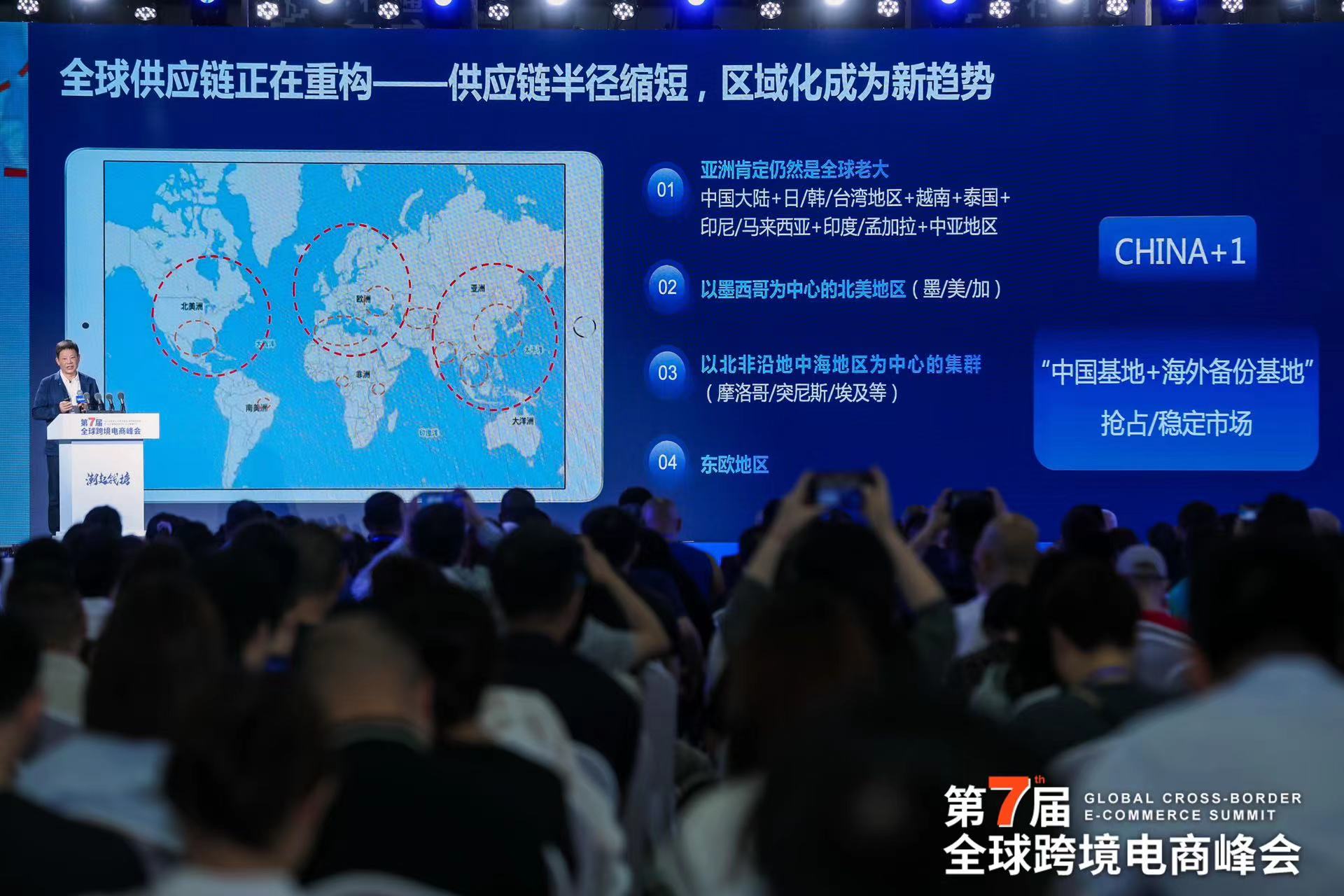
外经贸部原副部长、原博鳌亚洲论坛理事、秘书长、全球CEO发展大会联席主席、中国与全球化智库(CCG)主席龙永图出席跨境电商峰会并作《跨境电商引领高质量出海和全球化创新》主题演讲,阐述了对中国跨境电商下一步发展方向的多方面思考。

围绕跨境电商带动“一带一路”产业升级的大方向,中国—东盟商务理事会执行理事长、RCEP产业合作委员会主席许宁宁表示“RCEP是拓宽和深化区域合作的重要抓手,反映了全球经济中多边合作、自由贸易的发展需求和趋势。”

杭州市商务局党组书记、局长王永芳在会上发布《新电商之都发展报告》,详细解读了杭州面向电商行业交出的城市答卷。

从中国制造到全球化品牌,数字化嬗变起到了重要作用,作为供应链出海的先行者和重要力量,华立集团股份有限公司董事局主席汪力成、淘天集团1688总裁余涌、亚马逊中国副总裁、亚马逊全球开店中国卖家拓展负责人宋晓俊先后发表了《跨境电商与国际产能合作》《产业带企业如何抓住全球化新机遇》《在全球视角下的跨境电商高质量发展》主题演讲,梳理了高质量与全球化相辅相成,共同推动品牌出海的底层逻辑。

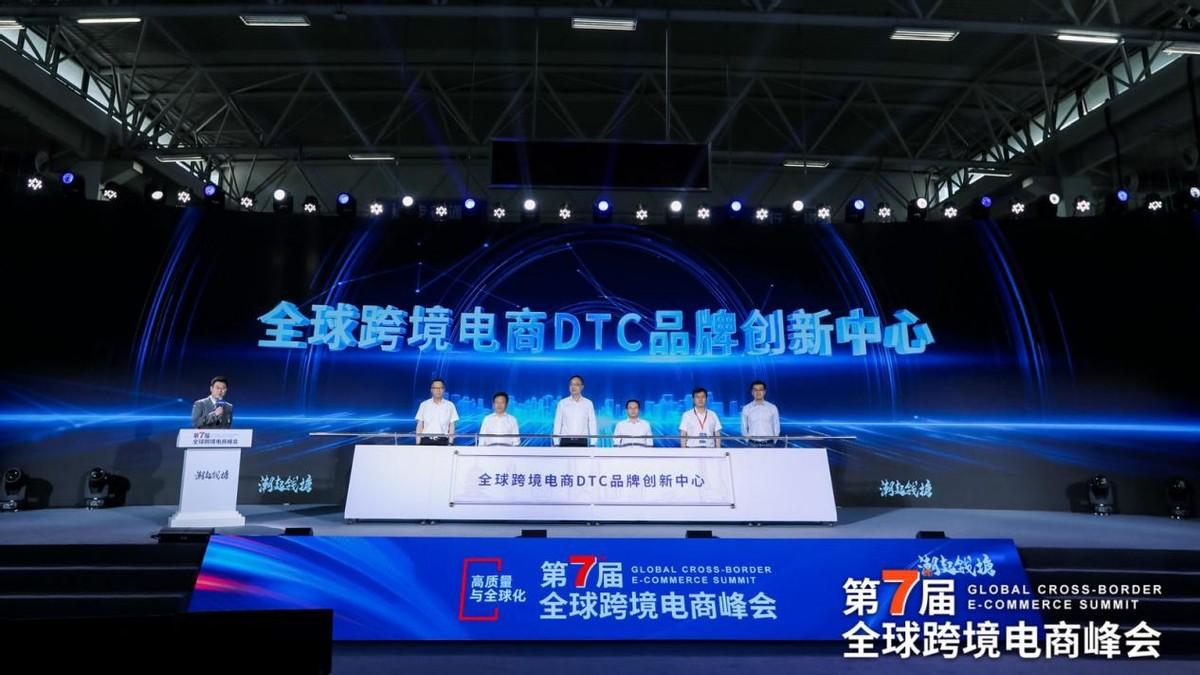
依托“电商之都”的区域禀赋,近年来杭州跨境电商快速发展,硕果累累。峰会主论坛上,为更好实现跨境生态与地方产业相结合,全球跨境电商DTC品牌创新中心揭牌、省商务厅&淘天集团战略合作签约以及电商、跨境电商重点项目集中签约一并举行。杭州市商务局先后表彰2023杭州跨境电商“突出贡献单位”及“优秀示范企业”共35家。该环节还包括杭州泛电商领军企业百强榜发布,网易严选、阿里云、菜鸟网络等知名企业入选。

此外,峰会下午,产业创新主题论坛、新兴市场产业创新发展主题论坛、品类创新发展主题论坛三大分论坛同时举办,立体呈现了跨境出海从产业供应链到蓝海市场,从消费者触达到选品战略的全方位模式,诸多企业决策者针对品牌海外起步的关键痛点分享了实战经验。

产业创新主题论坛旨在探讨如何激活地方产业带的创新优势,培育出具有中国制造业根基,能够高效捕捉全球消费者需求的高附加值品牌。杭州市商务局党组成员、总经济师武长虹以《品牌出海 引领杭州综试区高质量发展和全球化》为主题,分享了品牌出海的新趋势、品牌出海的主体培育、模式创新和生态优化,并解读了杭州推动品牌出海的相关政策。

企业方面,安赐资本合伙人颜伟华作《从资本视角看高质量和全球化》主题演讲,对跨境电商下一步发展机遇做出了前瞻性预测。亿邦动力联合创始人刘宸、爱斯基摩人董事长陈世荣、小乔科技创始人潘忠剑、巨星科技高级副总裁李锋、蚂蚁集团-万里汇跨境电商企业支付负责人丁岩松一道进行了以“全球化进程中的高质量创新”为核心方向的圆桌对话,嘉宾一致认为——“跨境电商正在从单纯卖货走向品牌溢价,从外贸生产加工走向数字供应链整体服务,且培育了丰富的跨境电商服务业,以数字技术、数字内容、品牌附加值等为代表的知识创新,正在引领外贸高质量发展。”

同样在产业创新主题论坛,对于打造高效率供应链,推动产业走出去的路径方向,行云集团创始人、董事长王维发表了《高效数字供应链赋能中国品牌出海》主题演讲。在品牌定位及选品策略上,朴西POSEE跨境联合创始人钱帅、影石Insta360联合创始人陈永强则分别分享了《1分钟爆卖30万双,“踩屎感”拖鞋如何征服海外用户?》《专注全景影像,在垂直领域闯出全球化品牌》等历经市场检验沉淀而来的出海品牌故事,启示行业思考。之于技术赋能环节,Canva企业生态负责人Kathy Jiang、交个朋友海外CEO郝浠杰则带来了《从在线设计到视觉传播,AI如何为品牌出海加速?》《视频大航海时代,如何通过全球KOL营销实现10倍业绩增长》主题演讲,诠释当下数字技术为提升用户体验带来的显著效果。

新兴市场产业创新发展主题论坛及品类创新发展主题论坛上,杭州高新区(滨江)互联网产业园党委书记、发展服务中心主任金文洪发表《全力推进直播电商产业高质量发展》解读。亚马逊企业购、盈动资本、马士基、美客多、红毛猩猩PONGO、Ozon Global、阿波罗广告、迈蒂搜秀等优秀全球化企业代表先后亮相,基于自身业务从潜力市场挖掘、消费者触达和品类创新等多角度进行分享。

作为跨境行业地方先行者,杭州将力争于2023年实现全年跨境电商进出口额达到1400亿元、规模2000万元以上跨境电商企业突破1000家的新目标。在进一步带动更多中国品牌走出去的历史进程中,全球跨境电商峰会将持续作为交流契机,伴随杭州同各界跨境电商企业一道跨越全新市场,实现高质量与全球化发展。

文章来源:亿邦动力

广告
微信
朋友圈

FAQ回顾

第七届全球跨境电商峰会的主题和主要议题是什么?

峰会主题为'高质量与全球化',主要探讨中国跨境电商品牌化、外贸制造数字化、RCEP机遇、一带一路产业升级以及创新拓展全球市场等热点话题。

杭州2023年跨境电商发展的具体目标是什么?

杭州力争2023年实现跨境电商进出口额1400亿元,规模2000万元以上的跨境电商企业突破1000家,加快打造国际会展之都和新电商之都。

峰会上发布了哪些重要报告和签约项目?

发布了《新电商之都发展报告》和杭州泛电商领军企业百强榜;举行了全球跨境电商DTC品牌创新中心揭牌、省商务厅与淘天集团战略合作签约及重点项目集中签约。

这么好看,分享一下?

朋友圈 分享

APP内打开

赞 +1
+1
微信好友 朋友圈 新浪微博 QQ空间
关闭
收藏成功
发送
/140 0