广告
加载中

在马蹄社,开启真正穿越周期的全球化竞争

马蹄社 2021-04-16 17:10
马蹄社 2021/04/16 17:10

邦小白快读

EN
全文速览

本文核心是介绍面向跨境全球化品牌从业者的交流学习社群马蹄社,能帮从业者解决当前行业普遍遇到的发展难题,核心干货如下

1. 当前跨境行业已经告别靠机会、运气猛冲猛打的时代,进入拼认知、拼决策、稳扎稳打的阶段,从业者普遍面临流量成本过高、价格竞争内卷、合规税务本地化经营等多重难题

2. 马蹄社不是常规的千人行业大会,也不是走马观花的游学团,而是面向全球品牌创始人高管的闭门战略解码组织,核心分享都是成功品牌九死一生的实战踩坑经验,不讲空泛大道理

3. 除了案例研学,还支持同行共创讨论,能帮你理清发展思路,同时对接了严选的靠谱服务商,还能通过官方评选让好产品获得曝光,解决创始人孤军奋战的孤独感,找到同行伙伴。

对于布局全球化的出海品牌商而言,本文点明了当前行业的发展趋势,也提供了可落地的成长支持资源,核心干货如下

1. 当前出海品牌已经告别流量爆款赚快钱的阶段,进入稳经营拼长期认知的阶段,行业普遍存在流量贵、低价内卷、合规风险大、本地化经营难等痛点,品牌商需要转变发展思路

2. 马蹄社提供了近距离学习头部成功品牌实战经验的渠道,有多个可参考的成功案例:比如Rokid克制技术堆料优先保障体验的产品策略,洛克兄弟五万SKU实现高周转、饱和占领赛道的运营经验,咖爷科技用第一性原理重新定义老品类的研发思路,都具备很高参考价值

3. 品牌商可以在这里通过同行共创梳理战略方向,对接服务过安克、九号公司等头部品牌的靠谱服务商解决落地问题,还能参与权威好物评选获得行业曝光,链接更多资源。

对于跨境出海卖家而言,本文点明了当前行业的变化趋势,也给出了规避风险、抓住机会的路径,核心干货如下

1. 当前跨境行业已经发生底层变化,早期靠投流做爆款的模式已经难以为继,流量贵、低价卷不动,合规、税务、本地化都是潜在风险,卖家需要从赚快钱转向做长期稳经营,拼认知决策

2. 卖家可以通过马蹄社获得一手的实战踩坑经验,避免自己逐个试错付出高额成本,还能和同段位的跨境创始人高管深度共创,碰撞出解决自身问题的新思路,理清发展方向

3. 马蹄社已经严选出服务过头部出海企业的实战派服务商,可直接对接解决海外仓选择、财税合规、售后成本控制、AI工具应用等实际问题,还能参与权威行业评选让自身好产品获得曝光,是获取资源解决问题的优质渠道。

对于想要布局出海的工厂而言,本文带来了出海发展的方向启示和可对接的商业机会,核心干货如下

1. 当前跨境出海已经进入比拼产品的新阶段,传统老品类也能通过重新定义产品逻辑打开新市场,比如中国创业者重新定义咖啡机就是典型案例,工厂做自有品牌出海有充足的市场机会

2. 工厂做出海可以学习头部品牌的实战经验,比如洛克兄弟5万个SKU依然保持高周转的运营经验,对生产端工厂优化供应链管理有很高的参考价值,还能学习不同品牌的产品研发设计思路,贴合全球市场的需求

3. 工厂可以通过马蹄社对接靠谱服务商解决出海过程中的合规、仓储、售后等各类难题,还能参与“EBRUN全球好物”评选,让自身的好产品获得行业和市场的曝光,快速打开出海销路,积累品牌影响力。

对于服务跨境出海行业的服务商而言,本文点明了行业发展趋势和客户核心痛点,指明了发展方向,核心干货如下

1. 当前跨境出海行业已经从早期的流量红利阶段进入精细化品牌发展阶段,广大出海卖家和品牌的核心痛点已经从获取流量转向合规经营、本地化落地、成本控制、战略决策梳理,这些都是服务商可以切入的核心需求方向

2. 当前出海客户的试错成本越来越高,相比泛泛的营销推广,客户更认可有实战经验、服务过头部品牌的靠谱服务商,服务商只有真正解决客户问题才能获得信任

3. 马蹄社的合作模式也给服务商提供了新的获客思路,服务商可以以深度参与行业交流、帮客户解决问题的方式获客,而不是单纯推销服务,有成功案例背书的服务商更容易获得精准客户的认可。

对于跨境相关的平台商而言,本文点明了当前出海从业者的核心需求,也指明了行业发展风向,核心干货如下

1. 当前出海行业已经告别粗放增长阶段,从业者不再满足于泛泛的千人行业大会,对深度战略复盘、实战经验交流、精准资源对接的需求越来越强烈,深度垂直服务已经成为新的需求增长点

2. 当前出海从业者普遍面临试错成本高、资源对接难的问题,平台如果能搭建小范围深度同行共创的场域,做好资源严选,帮从业者避开坑,就能获得从业者的高度认可,马蹄社的深度共创模式具备参考价值

3. 出海从业者普遍存在好产品的曝光推广需求,平台可以联合多家权威机构开展公正公平的好物评选活动,既可以满足从业者的推广需求,也能帮助平台积累优质的品牌商家资源,实现良性发展。

对于跨境出海产业的研究者而言,本文呈现了当前中国出海产业的新动向、新问题,还展示了一种创新的产业服务商业模式,核心干货如下

1. 当前中国跨境出海产业已经进入新的发展阶段,早期依靠流量红利、机会主义赚快钱的发展模式已经难以为继,整个产业正在向品牌化、精细化、合规化、全球化运营转型,大部分从业者都面临增长压力,需要新的支持体系

2. 当前出海领域的产业服务存在供给错配的问题,泛流量型的行业大会无法满足头部创始人深度复盘战略的需求,而且创始人做决策本身存在孤独感,缺乏可以深度交流的同频伙伴,这是产业服务领域未被满足的新需求

3. 马蹄社打造的“案例参访+同学共创+严选服务商+好物评选”的垂直社群模式,是针对出海头部创业者的创新产业服务模式,回应了行业的新需求,具备很高的研究价值。

返回默认

声明:快读内容全程由AI生成,请注意甄别信息。如您发现问题,请发送邮件至 run@ebrun.com 。

我是 品牌商 卖家 工厂 服务商 平台商 研究者 帮我再读一遍。

Quick Summary

This article introduces Mati Society, a communication and learning community for cross-border global brand practitioners, built to help solve common development challenges facing the industry today. Key takeaways are as follows:

1. The cross-border industry has moved past the era of rapid growth driven by luck and opportunistic wins, and now enters a stage that rewards industry knowledge, strategic decision-making, and steady operation. Practitioners generally face multiple challenges including soaring customer acquisition costs, intense price competition, and compliance and tax issues related to localized operations.

2. Mati Society is neither a conventional large-scale industry conference nor a superficial study tour. Instead, it is a closed-door strategic discussion community for founders and senior executives of global brands. Its core content shares hard-won practical lessons and failure experiences from successful brands, with no empty, generic theory.

3. Beyond case studies, the community facilitates peer co-creation to help members clarify their development paths. It also connects members to vetted, reliable service providers, and helps quality products gain exposure through official awards. It addresses the common isolation of founders and helps them connect with like-minded peers.

For global outbound brand builders, this article outlines current industry development trends and provides actionable growth support resources. Key takeaways are as follows:

1. Outbound brands have moved past the stage of chasing quick profits from viral traffic-driven hits, and now enter an era of stable operation that relies on long-term strategic vision. Common industry pain points include high customer acquisition costs, cut-throat price competition, major compliance risks, and the difficulty of localized operation, forcing brands to adjust their development strategies.

2. Mati Society provides access to first-hand practical experience from top successful brands, with multiple high-value reference cases: for example, Rokid’s product strategy that prioritizes user experience over unnecessary over-engineering, Luoke Brother’s operational experience of maintaining high inventory turnover across 50,000 SKUs while achieving full market saturation in its niche, and Kaye Technology’s R&D approach that redefines mature product categories using first-principles thinking.

3. Brands can work with peers to sort out their strategic direction through co-creation, connect with vetted service providers that have worked with leading brands such as Anker and Ninebot to solve implementation challenges, and gain industry exposure through authoritative product awards to access more resources.

For cross-border outbound sellers, this article outlines ongoing shifts in the industry and provides a path to avoid risks and seize opportunities. Key takeaways are as follows:

1. The cross-border industry has undergone fundamental changes. The early model of building hit products via heavy ad spending is no longer viable, as sellers face soaring customer acquisition costs, unsustainable price competition, and rising potential risks related to compliance, tax, and localization. Sellers must shift from chasing quick profits to building sustainable long-term businesses, competing on knowledge and decision-making.

2. Through Mati Society, sellers can access first-hand practical lessons from peers who have already made mistakes, avoiding the high cost of trial-and-error on their own. They can also engage in deep co-creation with fellow cross-border founders and executives at the same career stage, generate new ideas to solve their own challenges, and clarify their development direction.

3. Mati Society has pre-vetted practical service providers that have worked with top outbound companies. Members can directly connect with these providers to solve practical issues including overseas warehouse selection, tax and finance compliance, after-sales cost control, and AI tool application. Sellers can also participate in authoritative industry awards to gain exposure for their quality products, making Mati Society a high-quality channel for accessing resources and solving problems.

For factories looking to expand into global outbound markets, this article provides strategic direction for outbound development and access to actionable business opportunities. Key takeaways are as follows:

1. Cross-border outbound has entered a new stage where product strength is the core competitive advantage. Even mature traditional product categories can open up new markets by redefining product logic—for example, Chinese entrepreneurs have successfully redefined the coffee machine. Factories have abundant market opportunities to build their own brands for global markets.

2. Factories can learn practical experience from top brands: for example, Luoke Brother’s experience of maintaining high inventory turnover across 50,000 SKUs offers highly valuable insights for production-side factories looking to optimize supply chain management. They can also learn product R&D and design strategies from different brands to better align with global market demand.

3. Through Mati Society, factories can connect with reliable service providers to solve various challenges during outbound expansion including compliance, warehousing, and after-sales service. They can also participate in the "EBRUN Global Good Products" award to gain exposure among industry players and consumers, quickly open up outbound sales channels, and build brand influence.

For service providers serving the cross-border outbound industry, this article outlines industry development trends, core customer pain points, and future growth directions. Key takeaways are as follows:

1. The cross-border outbound industry has evolved from the early era of traffic dividends to a stage of refined brand development. The core pain points of outbound sellers and brands have shifted from acquiring traffic to compliance operation, localized implementation, cost control, and strategic planning. All of these represent core demand areas where service providers can expand their business.

2. Today, outbound clients face ever-higher trial-and-error costs. Compared with generic marketing, clients prefer reliable service providers with practical experience and a track record of working with top brands. Service providers can only earn client trust by solving real problems effectively.

3. Mati Society’s partnership model also offers service providers a new customer acquisition approach. Instead of purely selling services, providers can acquire customers by engaging deeply in industry exchanges and helping clients solve problems. Service providers with proven successful track records are far more likely to win recognition from high-intent targeted clients.

For cross-border-related platform operators, this article outlines core demands of current outbound practitioners and indicates key industry development trends. Key takeaways are as follows:

1. The outbound industry has moved past the stage of粗放 growth. Practitioners are no longer satisfied with generic large-scale industry conferences, and demand is growing for in-depth strategic review, practical experience sharing, and targeted resource matching. Deep vertical services have become a new growth area for demand.

2. Outbound practitioners generally face high trial-and-error costs and difficulties in matching quality resources. If platforms can build a space for small-scale, in-depth peer co-creation, curate vetted resources, and help practitioners avoid common pitfalls, they will earn strong recognition from practitioners. Mati Society’s deep co-creation model offers a valuable reference for this approach.

3. Most outbound practitioners need exposure and promotion for their quality products. Platforms can partner with multiple authoritative institutions to host fair, impartial good product awards. This meets practitioners’ promotion needs, helps platforms accumulate high-quality brand merchant resources, and supports sustainable healthy development.

For researchers of the cross-border outbound industry, this article presents new trends and emerging problems in China’s current outbound industry, and showcases an innovative industrial service business model. Key takeaways are as follows:

1. China’s cross-border outbound industry has entered a new development stage. The early development model of chasing quick profits based on traffic dividends and opportunitism is no longer viable. The entire industry is shifting toward branded, refined, compliant, globalized operations. Most practitioners face growth pressure and need a new support system.

2. There is currently a supply-demand mismatch in industrial services for the outbound space. Generic, traffic-focused industry conferences cannot meet the demand of top founders for in-depth strategic review. Founders also commonly experience isolation when making major decisions, and lack like-minded peers for deep discussion—an unmet need in the industrial service space.

3. Mati Society’s vertical community model, which combines "case study + peer co-creation + vetted service providers + good product awards," is an innovative industrial service model targeting leading outbound founders. It addresses new industry demands and offers high research value.

Disclaimer: The "Quick Summary" content is entirely generated by AI. Please exercise discretion when interpreting the information. For issues or corrections, please email run@ebrun.com .

I am a Brand Seller Factory Service Provider Marketplace Seller Researcher Read it again.

你有没有发现,最近这一年,身边做跨境的朋友,聊天的方式变了。

以前见面,大家聊的是“你投流ROI多少”“哪个爆款又出了几万单”。

现在坐下来,更多是沉默,或者叹气。

流量贵得离谱,低价卷不动了,合规、税务、本地化——每一个词听着都像埋在地里的雷。

你心里清楚:靠机会、靠运气、靠猛冲猛打的时代,真的过去了。

剩下的,是拼认知、拼决策、拼谁能把每一步走得更稳。

可问题是——

这些“稳”,该去哪儿学?

有一个地方,叫马蹄社

很多做品牌的朋友,聊起它的时候,眼神里有种“我找到了组织”的光。

它不是那种动辄几百人的大会,也不是走走看看的游学团。

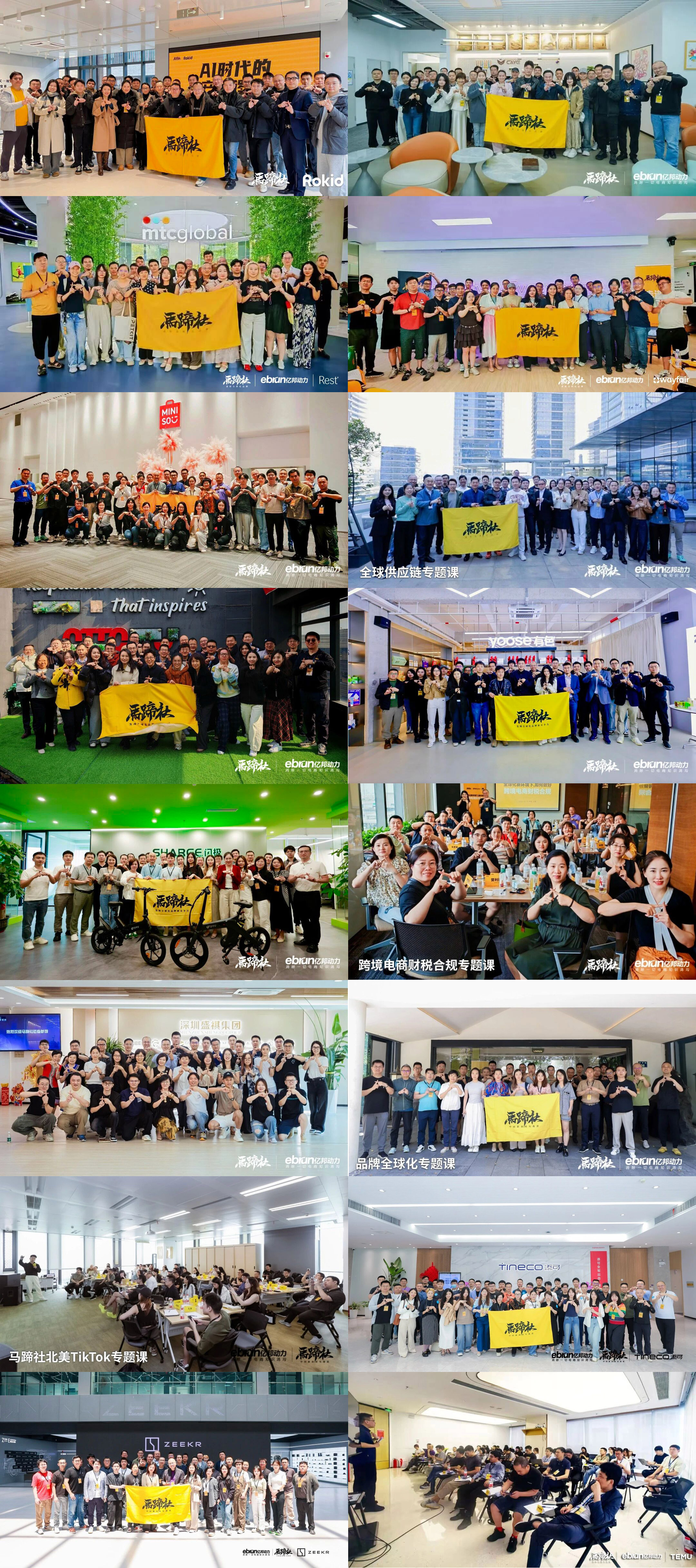
它更像在闭门战略解码 —— 一群做全球品牌的创始人及高管,坐下来,认认真真复盘一家企业九死一生趟过的坑,每一次案例研学都是千金难求的实战经验。

不讲大道理,不吹牛。

只讲:你是怎么想的?你是怎么踩坑的?如果再给你一次机会,你会怎么选?

这里没有观众,只有同学。

在这里,你会遇见谁?

你会遇见那些,原本只能在新闻里看到的人。

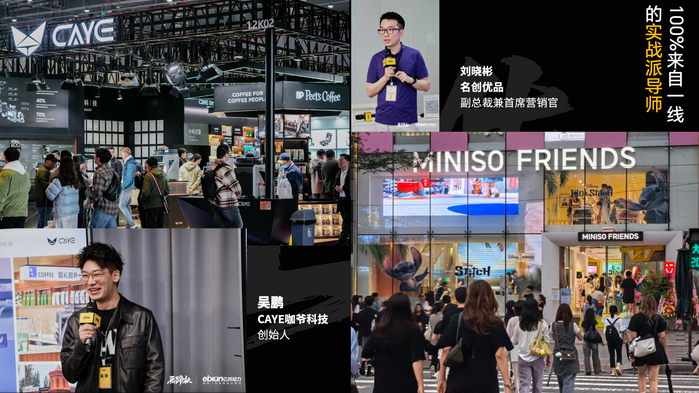
比如Rokid的团队——当行业都在堆参数的时候,他们怎么做到“克制技术上限,守住体验下限”?

比如洛克兄弟——5万个SKU,怎么做到高周转,还能用“饱和攻击”把赛道占满?

比如咖爷科技——当咖啡机这个“老品类”遇到中国创业者,他们如何用第一性原理,重新定义“一杯好咖啡”背后的设备逻辑?

你会走进他们的公司,听他们亲口讲:

“当时我们差点死了。”

“这个决定,是我拍桌子和团队吵了三天才定下来的。”

“你看这个产品,其实我们改过17稿……”

然后你会发现:哦,原来他们也踩过坑,原来他们也迷茫过,原来那些看起来“稳”的品牌,背后也是一路跌跌撞撞。

不只是听,更是“一起想”

马蹄社最有意思的地方,是同学共创。

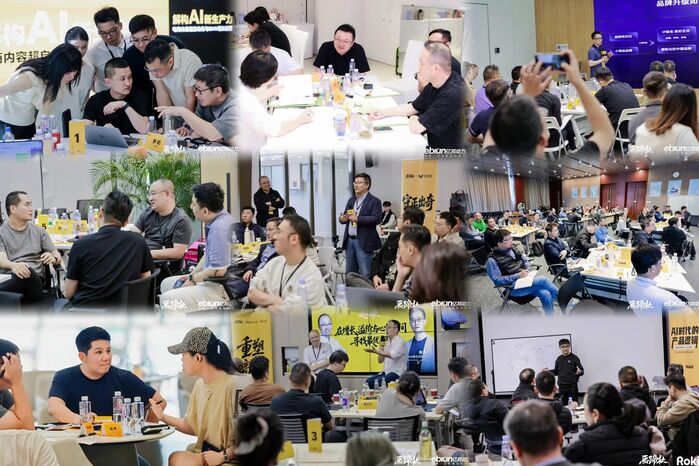
参访完,大家坐下来,一坐就是七八个小时。

你写满笔记,我抛出问题,他讲出困惑。

有时候争得面红耳赤,有时候突然安静下来,有人轻轻说一句:“你这个点,我回去得改。”

这种场域,很难得。

因为你平时在公司,你是老板,你说什么就是什么。

但在这里,有人敢当面问你:

“你这个决策,真的是听一线炮火做的,还是坐在办公室里想的?”

“如果你的品牌明天消失,全球有多少用户会失落?”

“除了钱,你凭什么让那些顶尖的人,愿意跟你干?”

这些问题,不尖锐,但扎心。

可偏偏是这些问题,帮你把思路理清了,把方向看准了。

还有一群靠谱的人,帮你少踩坑

做全球化,坑太多了。

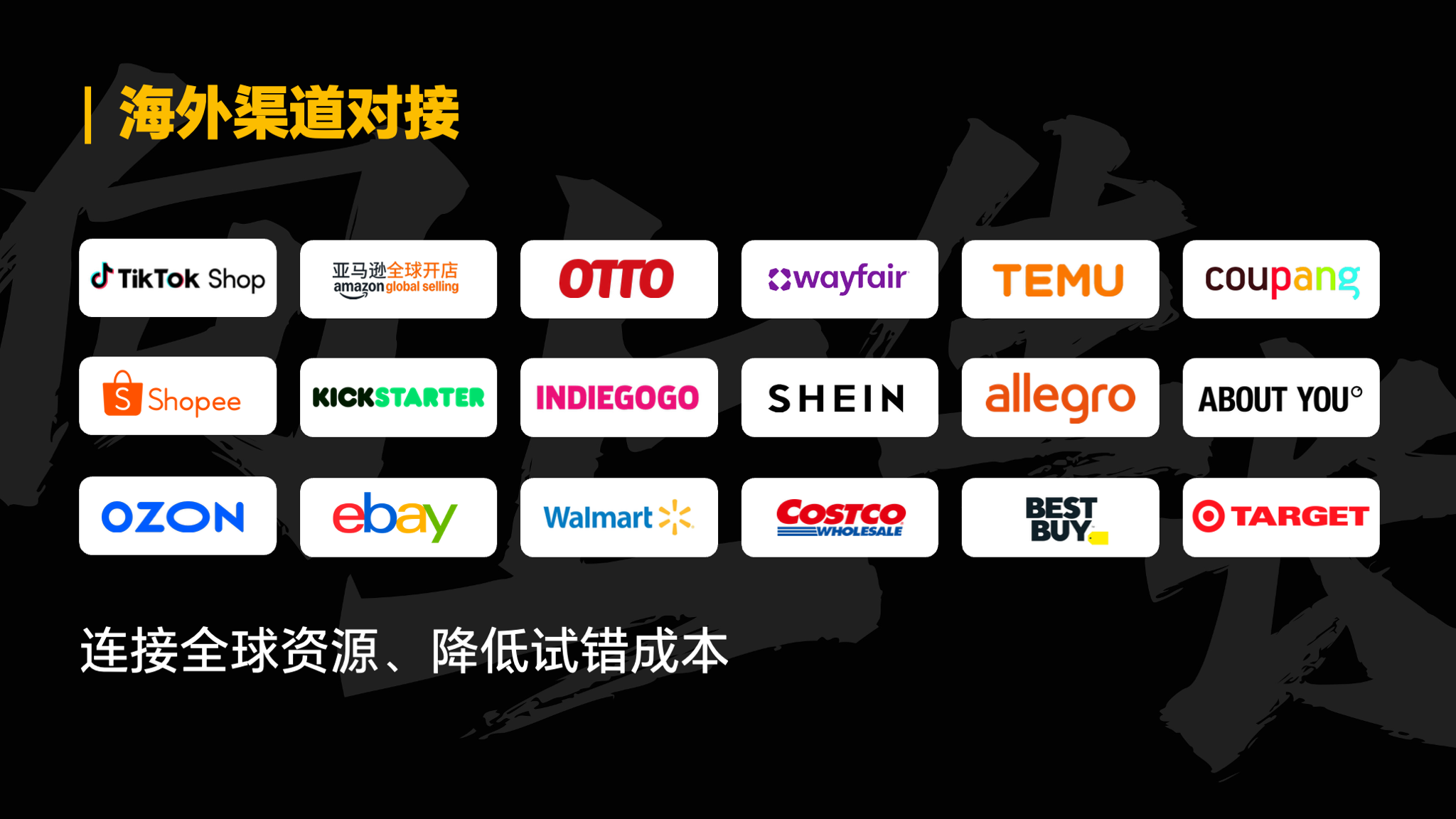
海外仓选谁?财税合规怎么做?AI工具到底有没有用?售后怎么不变成成本黑洞?

这些问题,你一个一个试,成本太高。

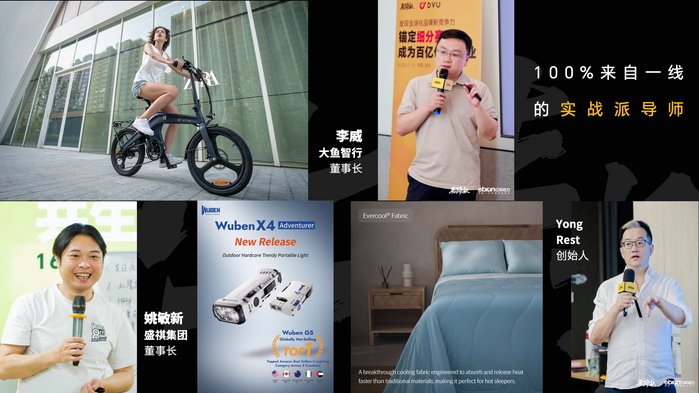
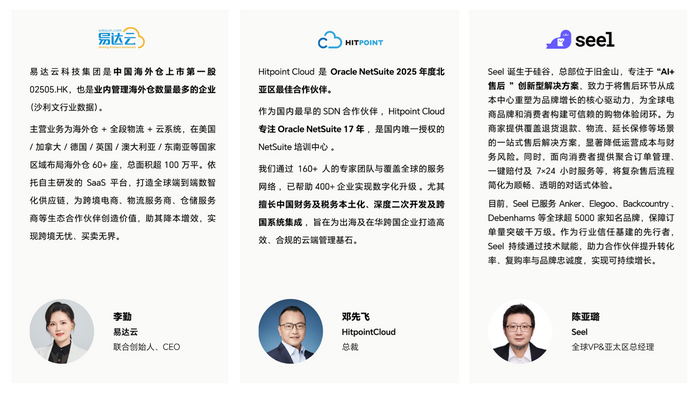
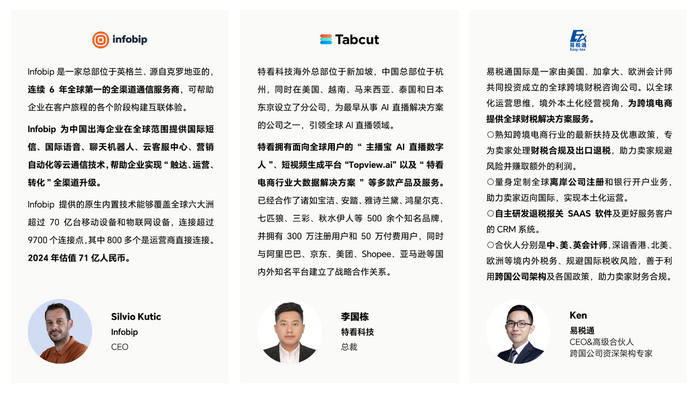
马蹄社帮你严选了一批靠谱的服务伙伴——都是实战派,服务过Anker、九号公司、泡泡玛特那种级别的。

你可以直接找他们聊,问清楚、聊透了,再做决定。

而且,他们都是马蹄社的优秀同学,不是来卖服务的,是来帮你解决问题的。

你的产品,值得被看见

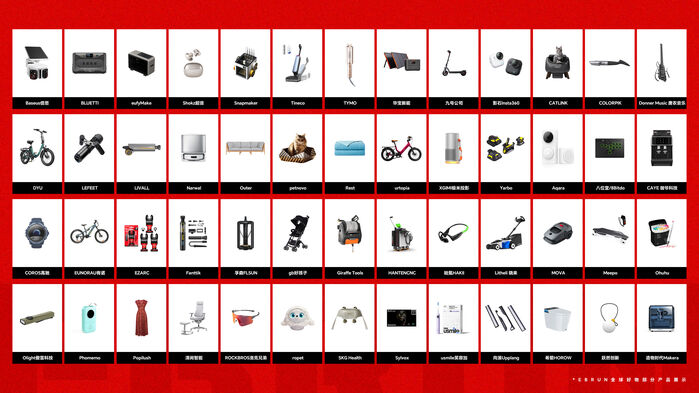
“EBRUN全球好物”评选,由亿邦动力、亚马逊、谷歌、Indiegogo的专家一起评审。

如果你有好产品,可以通过这个舞台去公正、公平地PK,从而被看见。

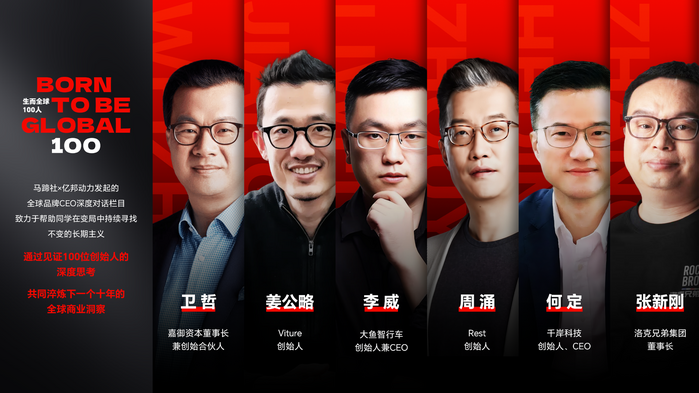
“Born To Be Global 100”,是我们一起面对面聊深度思考的机会。

你的努力,你的坚持,你的产品——值得被更多人看见。

在不确定的世界里,找到一群可以同行的人

我们知道,做创始人是一件挺孤独的事。

很多决定,你没法跟团队说太多;很多压力,你只能自己扛。

但如果有一群人,和你一样在做全球化品牌,和你一样在深夜想产品、想战略、想未来,你们可以坐在一起,聊聊那些没法跟别人聊的事——那该多好。

马蹄社,就是这样一个地方。

如果你也这样想,我们一起聊聊?

不需要马上决定。

你可以先来感受一下这个场域是不是你想要的。

很多创始人,来过一次之后,就留下来了。

因为他们发现:原来我不是一个人在走这条路。

马不停蹄,向上生长。

我们一起,慢慢走,稳稳走,走到更远的地方。

如果你愿意,随时来找我聊聊。

我把门推开,等你进来。

文章来源:马蹄社

广告
微信
朋友圈

FAQ回顾

马蹄社是什么组织?

马蹄社是一个面向全球化品牌创始人及高管的闭门社群,通过案例研学、战略解码和同学共创,提供实战经验分享,帮助成员应对跨境竞争、合规与增长挑战。

马蹄社如何帮助品牌解决全球化难题?

马蹄社通过严选服务伙伴(如服务过Anker、九号公司的实战派)提供海外仓、财税合规、AI工具等专业支持,并组织“EBRUN全球好物”评选,帮助品牌获得曝光和资源对接。

参加马蹄社能获得哪些核心价值?

参与者能深度复盘Rokid、洛克兄弟等企业的实战案例,进行七八小时的战略共创讨论,并找到同行者,在孤独的创业路上获得认知提升和决策支持。

这么好看,分享一下?

朋友圈 分享

APP内打开

赞 +1
+1
微信好友 朋友圈 新浪微博 QQ空间
关闭
收藏成功
发送
/140 0